
What treatment


1+ Best Clinics for Ear Surgery in Croatia
Find Leading Ear Surgery Specialists in Croatia and Secure Your Visit
Trusted Medical Tourism Platform Since 2007
 96.88% Patient Recommend
Dr. Toncic Cosmetic Surgery Clinic


Overview
Dr. Toncic Cosmetic Surgery Clinic- A passionate team of cosmetic surgery experts running their own successful practice for 25 years offering full and mini facelift, rhinoplasty, blepharoplasty, liposuction, liposculpting, breast augmentation and more.
Read more details 93.55% Patient Recommend
Poliklinika Dr. Dzepina
Overview
Located in Zagreb, Croatia, Poliklinika Dr. Dzepina meets the most stringent operating criteria and professional competence. The highly qualified medical team offers a variety of procedure in the ENT, Plastic Surgery.
Read more details 100.00% Patient Recommend
Poliklinika Labar
Overview
Poliklinika Labar is located in the beautiful Zadar, Croatia. The Poliklinika Labar specializes in Cosmetic/Plastic Surgery. Poliklinika Labar is dedicated to the constant pursuit of excellence, committed to high-quality medical care, featuring experienced and trained professionals and using the latest technology. In order to contact the medical center, please fill out the contact form.
Read more details
 100.00% Patient Recommend
Polyclinic Markov


Overview
Polyclinic Markov with Hotel Murter is the best rehabilitation and spine treatment clinic in Murter, Croatia. A modern center for happiness and life quality improvement!
Read more details


Which are the best ear surgery clinics in Zagreb, Croatia for procedures like otoplasty?
For ear surgery, including otoplasty, in Zagreb, Croatia, top-rated clinics frequently mentioned by patients include Dr. Toncic Cosmetic Surgery Clinic and Poliklinika Dr. Dzepina. These facilities are recognized for their experienced surgical teams and high patient satisfaction rates, offering a range of aesthetic and reconstructive ear procedures with modern techniques and dedicated care in a trusted environment.
When considering ear surgery in Zagreb, Croatia, patients often seek clinics with a strong reputation for cosmetic and plastic surgery expertise. Based on available patient feedback and service offerings, several clinics stand out:
- Dr. Toncic Cosmetic Surgery Clinic: This clinic is highly recommended, boasting a significant number of positive patient reviews and a high patient satisfaction rate. They specialize in a variety of cosmetic procedures, including ear surgery, and have a long-standing history of successful practice in Zagreb. Their focus on patient-centric care makes them a popular choice.
- Poliklinika Dr. Dzepina: Also located in Zagreb, this polyclinic is known for its professional competence in ENT and plastic surgery. Patients frequently praise their medical team and the quality of care received for ear reconstruction and other aesthetic ear procedures. They adhere to stringent operating criteria, ensuring patient safety and excellent outcomes.
- Aesthetic Surgery Dr. Zgaljardic: This clinic also offers minimally invasive cosmetic techniques in Zagreb. While it has fewer public reviews specifically for ear surgery, its overall approach to aesthetic procedures indicates a commitment to modern practices.
What types of ear surgery procedures are offered at clinics in Croatia?
Croatian clinics specializing in ear surgery, often called otoplasty, provide a range of procedures to address aesthetic concerns or reconstructive needs. This includes reshaping prominent ears, correcting earlobe deformities, and addressing various congenital or injury-related ear issues to enhance facial harmony and patient confidence through expert surgical techniques.
Ear surgery clinics in Croatia offer a comprehensive suite of procedures tailored to individual patient needs. These commonly include:
- Otoplasty (Ear Pinning): This is the most common ear surgery, designed to set prominent ears closer to the head, reduce the size of large ears, or correct uneven ear positioning. It's often sought by individuals whose ears stick out significantly.
- Earlobe Repair: Clinics frequently perform repairs for stretched, torn, or split earlobes, often due to heavy earrings or trauma. This can involve surgical reconstruction to restore a natural earlobe shape.
- Ear Reconstruction: For more complex cases, such as microtia (a congenital deformity where the outer ear is underdeveloped) or ears damaged by injury or cancer, reconstructive surgery rebuilds the ear structure. This can involve using cartilage grafts from other parts of the body.
- Correction of Congenital Deformities: Beyond microtia, various other birth defects affecting the ear shape or size can be corrected through specialized surgical interventions.
What are the essential facility features to look for in Croatian ear surgery clinics?
When choosing an ear surgery clinic in Croatia, look for fully accredited facilities with modern operating rooms and advanced sterilization protocols. Key features should include comfortable recovery areas, cutting-edge diagnostic equipment, and technology for precise surgical execution. These elements ensure a safe, efficient, and patient-friendly experience for ear reconstruction or cosmetic procedures.
Selecting an ear surgery clinic requires careful consideration of its facilities to ensure safety, comfort, and high-quality care. Here are essential features to prioritize:
- Accredited Operating Rooms: Ensure the clinic has modern, sterile operating theaters that meet national and international healthcare standards. This includes proper air filtration, advanced surgical lighting, and monitoring equipment.
- Advanced Diagnostic Equipment: Access to up-to-date imaging technologies (like high-resolution ultrasound or CT scans if needed) is crucial for accurate pre-surgical planning and diagnosis of ear conditions.
- Dedicated Recovery Areas: Post-operative care is vital. Look for clinics with comfortable, private, and monitored recovery rooms where patients can rest and be closely observed by nursing staff immediately after surgery.
- Sterilization Protocols: Inquire about the clinic's sterilization procedures for surgical instruments and the overall cleanliness of the facility. Strict adherence to hygiene prevents complications like infections.
- Emergency Preparedness: A reliable clinic should have clear emergency protocols, including access to necessary medical equipment and trained staff, to handle any unforeseen complications swiftly.
How important are patient testimonials for choosing an ear surgery clinic in Croatia?
Patient testimonials are highly valuable when selecting an ear surgery clinic in Croatia as they offer authentic insights into other patients' experiences, surgical outcomes, and the quality of care received. They provide realistic expectations regarding the procedure, clinic environment, and staff professionalism, helping prospective patients make a more informed decision for their otoplasty or reconstructive ear surgery.
Patient testimonials serve as a crucial resource for prospective patients researching ear surgery clinics. Here's why they are so important:
- Real-world Insights: Testimonials provide firsthand accounts of the patient journey, from initial consultation to recovery. This helps paint a realistic picture of what to expect.
- Credibility and Trust: Positive testimonials build trust in the clinic and its medical team. They show that previous patients were satisfied with their results and the overall experience.
- Staff and Clinic Environment: Patients often share details about the staff's professionalism, the cleanliness of the facility, and the comfort level experienced, which are important factors for many.
- Specific Procedure Experiences: Testimonials can highlight experiences with particular ear surgeries, such as otoplasty, providing relevant information for those seeking similar procedures.
- Managing Expectations: Reading diverse experiences can help set realistic expectations regarding surgical results, recovery times, and potential challenges.
What are the qualifications of plastic surgeons performing ear surgery in Croatian clinics?
Plastic surgeons performing ear surgery in Croatian clinics typically possess extensive training in plastic, reconstructive, and aesthetic surgery, often with specializations in head and neck procedures. They hold medical degrees from accredited universities, complete rigorous residencies, and frequently engage in continuous professional development to stay abreast of the latest surgical techniques for otoplasty and other ear corrections.
The medical professionals who perform ear surgery in Croatia are highly qualified, ensuring patients receive expert care. Their qualifications generally include:
- Medical Degree: All surgeons hold a Doctor of Medicine (MD) degree from a recognized medical faculty.
- Specialized Residency: They complete a demanding residency program in Plastic, Reconstructive, and Aesthetic Surgery. This intensive training provides them with comprehensive knowledge and practical skills in surgical techniques for various body parts, including the ears.
- Board Certification: Many reputable surgeons are board-certified, indicating they have passed rigorous examinations and met high standards of competence in their specialty.
- Continuous Professional Development: Leading surgeons are committed to ongoing education, attending international conferences, workshops, and training courses to learn new technologies and refine their techniques, especially for intricate procedures like otoplasty or ear reconstruction.
- Experience in Ear-Specific Procedures: While trained broadly, many surgeons gain significant experience and develop particular expertise in facial and ear aesthetics through years of practice, performing numerous successful ear surgeries.
What is the typical recovery process after ear surgery at Croatian clinics?
After ear surgery in Croatia, patients typically wear a head bandage for a few days to support healing. Swelling and bruising are common initially, subsiding over several weeks. Most individuals can return to light activities within a week, but strenuous exercise should be avoided for about a month. Clinics provide detailed post-operative instructions for a smooth recovery from otoplasty or ear reconstruction.
The recovery process following ear surgery, such as otoplasty, is generally straightforward but requires adherence to post-operative instructions provided by your Croatian clinic.
-
Immediate Post-Op (First Few Days):
- A thick, protective head bandage will be applied immediately after surgery to protect the ears and help with shaping. This is usually worn continuously for a few days.
- Mild pain, discomfort, and itching are normal and can be managed with prescribed pain medication.
- Swelling and bruising around the ears are expected and will gradually decrease.
-
First Week:
- The initial bandage is typically removed by the surgeon within a week.
- Patients are often instructed to wear a lighter, softer head-band-like dressing, especially at night, for several more weeks to maintain the new ear position during sleep.
- Most patients can return to light, non-strenuous daily activities, including work or school, if they feel comfortable.
-
Weeks 2-6:
- Swelling and bruising continue to diminish, revealing the final contour of the ears.
- Strenuous activities, contact sports, and any activities that could put pressure on the ears should be avoided for at least 4-6 weeks.
- Follow-up appointments with the surgeon are essential to monitor healing progress.
Are there specific accreditations or certifications for ear surgery clinics in Croatia?
Ear surgery clinics in Croatia adhere to national healthcare regulations and may also seek international accreditations, though specific ear surgery certifications are not widely emphasized. Look for clinics that are licensed by the Croatian Ministry of Health and ideally have European or international quality certifications, indicating high standards of patient safety, facility operation, and medical care for their otoplasty and reconstructive services.
While specific, distinct accreditations solely for "ear surgery" are not common, reputable clinics offering these procedures in Croatia will hold broader healthcare certifications and adhere to national and international standards.
- Croatian Ministry of Health Licensure: All medical facilities in Croatia must be licensed and regulated by the national health authorities. This ensures they meet fundamental standards for safety, hygiene, and medical practice.
- EU Standards: As a member of the European Union, Croatia's healthcare system generally aligns with EU directives and quality benchmarks, which helps ensure a baseline level of quality and patient rights.
- International Accreditations: Some leading clinics may pursue international accreditations such as ISO 9001 (Quality Management) or Joint Commission International (JCI) accreditation. While JCI is more common for larger hospitals, any international certification indicates a commitment to globally recognized best practices in patient care and safety.
- Professional Association Memberships: Surgeons associated with recognized national or international plastic surgery societies (e.g., Croatian Society of Plastic, Reconstructive and Aesthetic Surgery) often signify adherence to ethical guidelines and high professional standards.
What pre-surgical consultations are offered by Croatian ear surgery clinics?
Croatian ear surgery clinics offer comprehensive pre-surgical consultations to ensure patient suitability and tailor treatment plans. These consultations typically involve a detailed physical examination of the ears, discussion of aesthetic goals, review of medical history, and explanation of the chosen procedure (like otoplasty), including potential risks and expected outcomes. Virtual consultations may also be available for international patients.
Before undergoing ear surgery, clinics in Croatia prioritize thorough pre-surgical consultations to ensure that the patient is a suitable candidate and fully understands the process. These consultations typically include:
- Initial Assessment and Medical History: The surgeon will conduct a detailed review of your medical history, including any previous surgeries, current medications, allergies, and existing health conditions. This helps identify any factors that might affect the surgery or recovery.
- Physical Examination of the Ears: A comprehensive examination of the ear structure, size, shape, and proportion relative to the face is performed. The surgeon will take precise measurements and photographs for surgical planning.
- Discussion of Aesthetic Goals: Patients have the opportunity to express their desired outcomes and concerns. The surgeon will explain what is realistically achievable, ensuring expectations align with potential results.
- Procedure Explanation: The surgeon will detail the specific ear surgery technique recommended (e.g., otoplasty for prominent ears), how it will be performed, the type of anesthesia used, and the expected surgical duration.
- Risk and Complication Discussion: All potential risks, side effects, and complications associated with ear surgery are thoroughly explained, allowing the patient to make an informed decision.
- Pre-operative Instructions: Patients receive instructions on how to prepare for surgery, including dietary guidelines, medication adjustments, and activities to avoid.
What post-operative care and follow-up are typically available at ear surgery clinics in Croatia?
Croatian ear surgery clinics provide extensive post-operative care and follow-up, starting with immediate monitoring after the procedure. This includes pain management, bandage changes, and detailed instructions for at-home care, like wearing a supportive headband. Regular follow-up appointments with the surgeon are scheduled over several weeks to monitor healing, remove sutures, and assess the long-term results of your otoplasty or other ear correction.
Effective post-operative care and consistent follow-up are integral to the success of ear surgery. Clinics in Croatia typically provide:
- Immediate Post-Surgery Monitoring: Patients are closely monitored in a recovery room immediately after the procedure to ensure stable vital signs and manage initial discomfort.
- Pain Management: Prescribed pain medications are given to alleviate any post-operative pain or discomfort during the initial recovery phase.
- Bandage Changes and Wound Care: Nursing staff will perform the initial bandage changes and provide detailed instructions on how to care for the surgical site at home, including cleaning and dressing changes.
- Specialized Headband/Garment: Patients are typically advised to wear a special compressive headband for several weeks, both day and night initially, then only at night, to help maintain the new ear shape and reduce swelling.
-
Scheduled Follow-up Appointments: Regular appointments with the operating surgeon are crucial. These usually occur at specific intervals (e.g., 1 week, 1 month, 3 months, 6 months) to:
- Remove sutures.
- Monitor the healing process and address any concerns.
- Assess the aesthetic outcome and ensure satisfaction.
- Emergency Contact and Support: Clinics provide patients with clear instructions on who to contact and what to do in case of unexpected complications or urgent questions after returning home.
What advanced technologies are utilized for ear surgery in clinics in Croatia?
Croatian ear surgery clinics leverage advanced technologies to enhance precision, safety, and outcomes for procedures like otoplasty. This includes 3D imaging for detailed pre-surgical planning and visualization, specialized surgical instruments for delicate tissue manipulation, and modern anesthesia delivery systems for patient comfort. These technologies support intricate ear reshaping and reconstruction, minimizing invasiveness and optimizing healing.
Modern ear surgery in Croatian clinics benefits significantly from various advanced technologies, contributing to more precise and effective outcomes:
- 3D Imaging and Simulation: Advanced 3D imaging allows surgeons to create detailed models of the patient's ear structure. This aids in precise surgical planning and enables patients to visualize potential post-operative results, fostering better communication and realistic expectations.
- Specialized Surgical Instruments: Micro-surgical tools and specialized instruments designed for delicate ear cartilage and soft tissue manipulation allow for greater precision and less trauma during procedures.
- High-Definition Endoscopy: In certain reconstructive ear surgeries or procedures involving the inner ear structures, high-definition endoscopes provide magnified, illuminated views of the surgical field, improving accuracy and safety.
- Modern Anesthesia Systems: Advanced anesthesia equipment and monitoring systems ensure patient safety and comfort throughout the procedure, minimizing risks and facilitating a smoother recovery from general or local anesthesia.
- Laser Technology: While less common for primary otoplasty, lasers may be employed in specific cases for precise tissue cutting or contouring, reducing bleeding and promoting faster healing.
- Electrocautery Devices: These devices use heat to seal blood vessels during surgery, minimizing blood loss and improving visibility for the surgeon.
How PlacidWay helps individuals access Ear Surgery in Croatia?
PlacidWay provides detailed, up-to-date information about Ear Surgery, including benefits, risks, and expected outcomes, ensuring you are fully informed. We help users compare ear surgery treatment in various Croatian clinics like Dr. Toncic Cosmetic Surgery Clinic and Poliklinika Dr. Dzepina, ensuring affordable options without compromising on quality. PlacidWay assists users in finding trusted, accredited clinics and medical professionals specializing in Ear Surgery in Croatia, streamlining your search for reliable care. We offer one-on-one consultations to help users make informed decisions about their treatment, ensuring their specific needs are met with personalized guidance. PlacidWay also ensures continued support after the treatment, including follow-up care and recovery assistance, for a seamless and worry-free experience. Ready to get Ear Surgery in Croatia? Contact us today for a personalized consultation.Share with AI
Share this page with AI assistants to get summaries and insights


List of Best Ear Surgery Clinics in Croatia
Unlock the Best Cosmetic Plastic Surgery Packages Just for You
Discover the ultimate Cosmetic Plastic Surgery packages designed to meet your health and wellness goals. Choose the perfect fit for your journey.

Price starting from $2,500
Best Liposuction Surgery Package Zagreb, Croatia
PlacidWay Europe Medical Tourism
- Cosmetic/Plastic Surgery
Florence, Italy
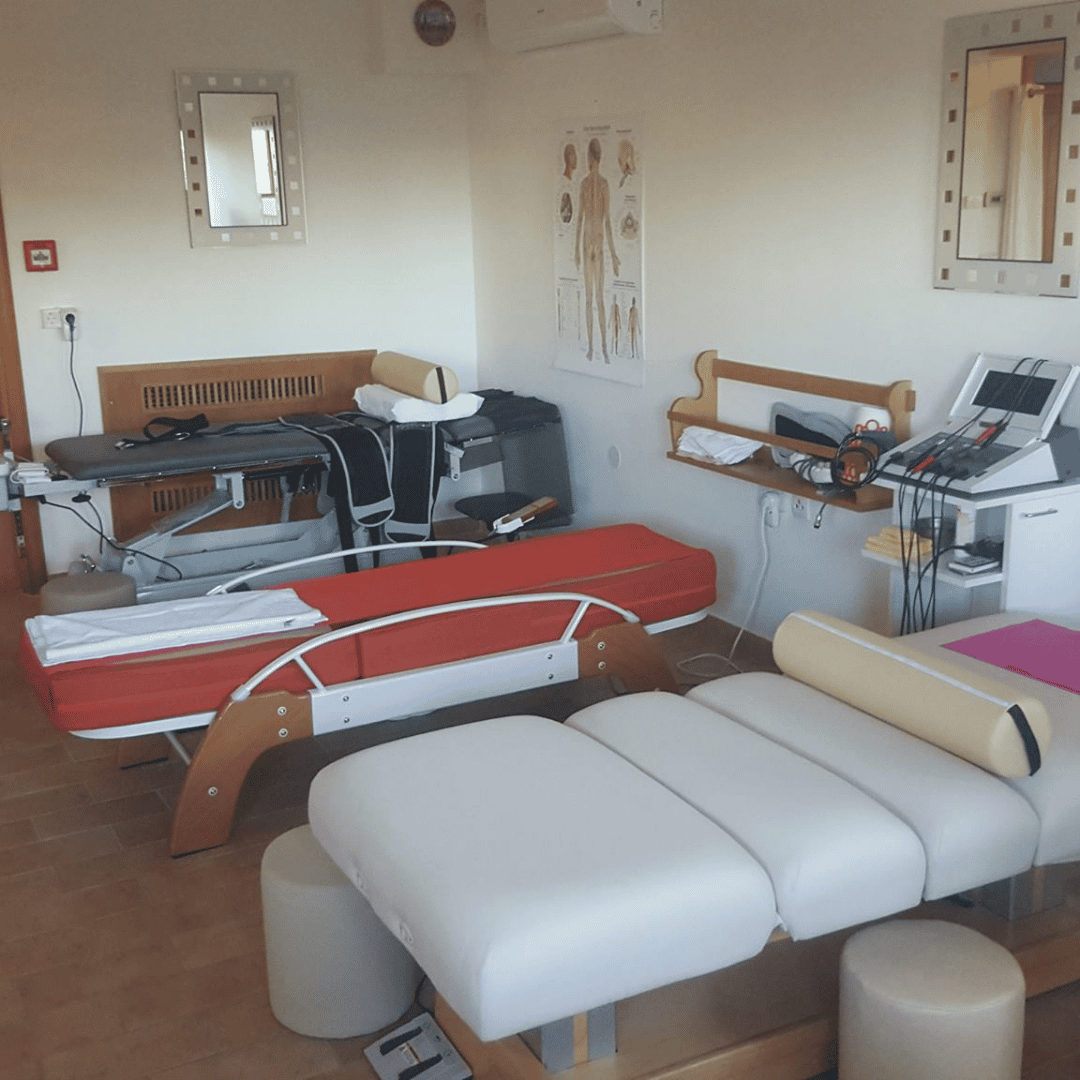
10-Days Life Quality Improvement Program in Murter, Croatia
Polyclinic Markov
- Alternative Medicine
Murter, Croatia

Price starting from $2,422
Ear Surgery Package in Istanbul, Turkey by Wolistic Center Aesthetic Wellness Clinic
Wolistic Center - Aesthetic & Wellness Clinic in Istanbul Turkey
- Cosmetic/Plastic Surgery
Istanbul, Turkey

Price starting from $1,500
Affordable Ear Surgery In Izmir, Turkey
PlacidWay Turkey Medical Tourism
- Cosmetic/Plastic Surgery
Istanbul, Turkey
Transformative Cosmetic Plastic Surgery Experiences: Dive into Procedure Insights
Discover the power of Cosmetic Plastic Surgery through compelling patient experiences. Uncover detailed insights into procedures, recovery journeys, and life-changing results.
.png)


.jpg)
Explore Cosmetic Plastic Surgery: Stories, Testimonials, and Procedures
Watch in-depth videos covering everything from Cosmetic Plastic Surgery success stories to detailed procedure explanations. Learn what to expect and hear from real patients.

Top Plastic Surgery Center in Croatia | Affordable Plastic Surgery Solution
Cosmetic Plastic Surgery
Arcadia Clinic - Poliklinika Arcadia
Croatia
100 Questions of International Patients in Medical Tourism
Cosmetic Plastic Surgery
PlacidWay Medical Tourism
Croatia

10 Cheapest Countries for Plastic Surgery in the World: Why Pay More When You Can Look Fabulous for Less?
Cosmetic Plastic Surgery
PlacidWay Medical Tourism Services
Croatia
Learn More with These Cosmetic Plastic Surgery Articles
Take a look at these interesting articles, stories and research that will help you learn more about Cosmetic Plastic Surgery.

What You Need to Know before Undergoing Cosmetic Surgery in Budapest
PlacidWay Hungary Medical Tourism
- Cosmetic/Plastic Surgery
Hungary

Build-On Your Beauty 30 Top Cosmetic Surgery Clinics in Turkey – Modern & Cheap
PlacidWay Turkey Medical Tourism
- Cosmetic/Plastic Surgery
Turkey
.png)
Ear Surgery in Turkey: Otoplasty for German Patients Seeking Symmetry and Confidence
PlacidWay Medical Tourism
- Cosmetic/Plastic Surgery
Turkey

Cutting-Edge Cosmetic Surgery in Turkey: Why Travelers Are Flocking for Aesthetic Enhancements
PlacidWay Medical Tourism
- Cosmetic/Plastic Surgery
Turkey
Cosmetic Plastic Surgery Solutions Near You: Explore Top Medical Centers
Discover how Cosmetic Plastic Surgery is transforming lives at leading medical centers in , Croatia. Dive into center profile, specialties, doctors, reviews, etc. and explore the best options tailored to your needs in this region.

Poliklinika Dr. Dzepina
Zagreb, Croatia
Dr. Toncic Cosmetic Surgery Clinic
Zagreb, Croatia








Never answered
Read More