
What treatment


8+ Best Clinics for PTSD Treatment Ibogaine Therapy in Mexico
Trusted Medical Tourism Platform Since 2007
What are the best Ibogaine therapy clinics in Mexico?
The top Ibogaine therapy clinics in Mexico include New Path Ibogaine (Rosarito Beach), Ibogaine Cancun (Cancun), Casa Santa Isabel (Tijuana), Ibogaine by David Dardashti (Playa Del Carmen), Experience Ibogaine Treatment Center (Tijuana), and Viraha Wellness Center (Cabo San Lucas).
These COFEPRIS-licensed facilities provide continuous EKG monitoring and utilize ACLS-certified medical staff to safely treat PTSD, depression, anxiety, and severe addictions to opioids, fentanyl, heroin, and alcohol. Comprehensive 7-to-14 day inpatient treatment packages range from $5,000 to $25,000 USD, which covers pre-treatment medical screening, supervised Ibogaine administration, and post-treatment psychological integration aftercare.
 98.05% Patient Recommend
New Path Ibogaine


Overview
Discover safe and effective Ibogaine Treatment in Rosarito Beach, Mexico at New Path. Transform addiction recovery with professional care and lasting results.
Read more details


 100.00% Patient Recommend
Ibogaine Cancun
Overview
Ibogaine Cancun provides addiction treatment for cocaine, opiates, alcohol, and more at a top wellness and rehabilitation center in Cancun, Mexico.
Read more details
Casa Renacimiento
Overview
Discover Casa Renacimiento in Tijuana, Mexico, offering addiction treatment with personalized care, holistic therapies, and a supportive recovery environment.
Read more details 100.00% Patient Recommend
Casa Santa Isabel
Overview
Discover top Ibogaine treatment at Casa Santa Isabel in Tijuana, Mexico. Experience effective care in a serene environment. Book now at PlacidWay!
Read more detailsDiscover your treatment options with a free, no-obligation quote!
Get your quote now! 90.00% Patient Recommend
Ibogaine by David Dardashti
Overview
Get ibogaine treatment in Playa del Carmen, Mexico by David Dardashti. Celebrating 15 Years of Groundbreaking Ibogaine Treatments and Transforming Thousands of Lives!
Read more details 100.00% Patient Recommend
Mind-U Psychiatric Residential Mental Health Center
Overview
Mind-U: Psychiatric residential care on Baja California's Pacific coast, minutes from San Diego. Full-time psychiatrist, PhD psychologists, 70+ disorders. Dual diagnosis welcome. Free airport pickup.
Read more details 100.00% Patient Recommend
Experience Ibogaine Treatment Center
Overview
Experience Ibogaine Treatment Center is the best addiction clinic in Tijuana, Mexico, offering personalized ibogaine therapy and expert aftercare. Contact us today for free consultation.
Read more details 92.59% Patient Recommend
Viraha Wellness Center
Overview
Viraha Wellness Center in Los Cabos REDEFINES the traditional application of Ibogaine by incorporating the Tomatis® Method, Access Bars®, and other proven modalities.
Read more detailsDiscover your treatment options with a free, no-obligation quote!
Get your quote now!Genesis Ibogaine Clinic
Genesis Ibogaine Clinic provides best Addiction Treatment in Rosarito, Mexico. Book online now Heroin Addiction, Cocaine Addiction, and Alcohol Addiction at Genesis Ibogaine Clinic.


 100.00% Patient Recommend
Clinica Nuevo Ser Centro de Rehabilitacion contra las Adicciones
Overview
Clínica Nuevo Ser es un centro especializado en el tratamiento de adicciones como el alcoholismo, drogadicción, adicción al juego (Ludopatía) y diversos trastornos mentales como la codependencia, la baja autoestima y trastornos de personalidad.
Read more details 91.67% Patient Recommend
Hacienda del Lago - Clínica de Tratamiento para Alcoholismo y Adicciones
Overview
Discover Hacienda del Lago, one of the best rehab centers in Mexico and take advantage of their 30 years experience into lakeside Ajijic, a Magical Town to start a well-founded life-long recovery.
Read more details
Lifes Oasis Vallarta
Overview
Discover Lifes Oasis Vallarta in Puerto Vallarta, Mexico. Expert addiction recovery with personalized care, holistic therapies, and serene coastal surroundings.
Read more details
Authored by
Alejandro Ramirez
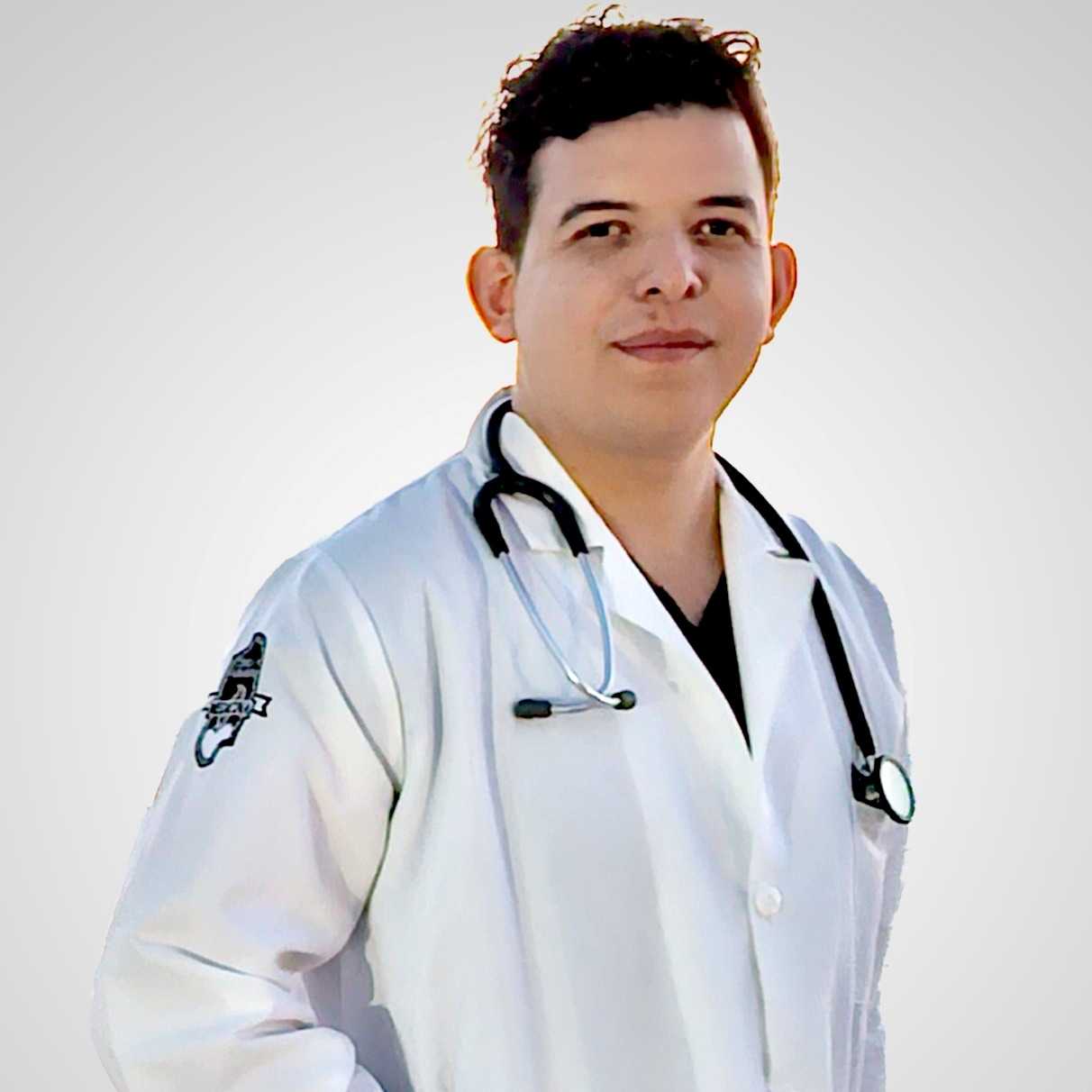
Alejandro Ramirez Addiction Recovery & Detoxification Content Specialist A dedicated healthcare writer specializing in addiction treatment, clinical detox, and advanced detoxification therapy. With 2+ years of experience and over 400+ authored article

Reviewed by
Dr. Hector Mendoza
Discover Dr. Hector Mendoza, a leading addiction doctor in Tijuana, Mexico, specializing in detox, dual diagnosis, and integrative recovery therapies.
Last updated on
Why Mexico is the Premier Destination for PTSD Treatment & Ibogaine Therapy
Mexico has emerged as the world's leading hub for Ibogaine therapy, offering a unique intersection of progressive clinical protocols and deeply restorative healing environments. For individuals seeking to break free from severe addiction and treatment-resistant trauma, Mexican wellness centers provide safe, legal, and highly specialized care that is unavailable in many other nations.
Legally Regulated Clinical Settings
Unlike the United States and Canada, where Ibogaine remains classified as a Schedule I substance, Mexico operates with a supportive regulatory framework. This allows highly qualified medical doctors, cardiologists, and psychotherapists to legally administer pure Ibogaine HCl in fully equipped, state-of-the-art clinics prioritizing patient safety and medical precision.
Strict Safety and Cardiac Protocols
Mexican centers specializing in Ibogaine treatment employ rigid safety measures to protect patients. Experienced medical teams utilize continuous electrocardiogram (ECG) monitoring, complete blood panels, and on-site emergency medicine protocols, ensuring that the physical heart is completely protected while the mind undergoes profound therapeutic resetting.
Holistic Trauma & PTSD Integration
Ibogaine is not merely a detox tool; it is a powerful neuro-regenerative catalyst. Mexican centers excel in combining the pharmacological interrupt of Ibogaine with extensive trauma-informed psychotherapy, somatic experiencing, and nervous system regulation to help patients dismantle persistent PTSD trigger loops and emotional blockages.
Nature-Based Healing Environments
From the tranquil shores of Baja California to the lush coastal hills of Nayarit, Mexican treatment centers utilize their natural surroundings to enhance recovery. Healing next to the ocean or in quiet, high-altitude mountain retreats allows patients to lower cortisol levels and process their therapeutic journeys in deep, undisturbed peace.
Ibogaine & Addiction Treatment Costs in Mexico vs. United States (2026)
Review projected 2026 pricing for comprehensive PTSD and addiction recovery programs. Clinical packages in Mexico are all-inclusive, covering medical pre-screening, psychiatric support, luxury accommodations, and post-session integration therapy.
| Therapy Protocol | Mexico Price (Average) | US / UK Price (Estimated) | You Save | Savings % |
|---|---|---|---|---|
| 7-Day Standard Ibogaine Detox Program | $5,500–$7,500 | $18,000–$25,000 | $12,500+ | 69% |
| 10-Day Comprehensive PTSD & Trauma Protocol | $8,000–$11,000 | $24,000–$32,000 | $16,000+ | 67% |
| 14-Day Dual-Diagnosis & Addiction Therapy | $12,000–$15,000 | $35,000–$45,000 | $23,000+ | 66% |
| Post-Ibogaine Aftercare & Integration (Weekly) | $2,500–$4,000 | $8,000–$12,000 | $5,500+ | 68% |
* Pricing details represent 2026 projections from leading licensed medical facilities in Mexico. Individual rates vary based on treatment complexity, stabilization requirements, and chosen location. Connect directly with PlacidWay for customized program options.
Top Regions in Mexico for Ibogaine & Trauma Therapy
Mexico offers distinct environments tailored to different healing styles. Compare the primary regions hosting world-class Ibogaine and PTSD care.
Baja California (Tijuana / Rosarito)
The Medical Border Corridor
Serving as the primary hub for North American travelers, this region features premium oceanfront medical centers just a short drive from the San Diego border. It is ideal for patients who want seamless, secure transit combined with strict hospital-grade clinical supervision.
Riviera Nayarit & Puerto Vallarta
Pacific Jungle Retreats
Highly popular for holistic trauma recovery, centers here integrate traditional plant wisdom and physical detox programs with luxury beachfront properties. It is ideal for patients looking to combine Ibogaine therapy with intensive post-session integration and sensory therapy.
Cancun & Riviera Maya
Tropical Sanctuary
Combining the healing properties of pristine turquoise waters with private, secluded estates. The Caribbean coast provides highly specialized clinical retreats featuring multi-disciplinary medical setups, geared toward high-executive detox and PTSD recovery.
San Miguel de Allende
Highland Wellness
A tranquil, historic highland setting that is perfect for those seeking quiet contemplation. The cooler mountain air, cobblestone streets, and slower-paced lifestyle provide an introspective backdrop for healing deep psychological scars and chronic stress.
Ibogaine & Addiction Recovery Programs Available in Mexico
From rapid substance detoxes to profound neurological resets for psychological trauma, discover the core therapeutic interventions offered by Mexico's top clinics.
Standard 7-Day Ibogaine Detox Program
$5,500 – $7,500Designed for direct chemical dependency interruption (including opiates, alcohol, and stimulants). This baseline clinical treatment eliminates acute withdrawal symptoms and neutralizes chemical cravings by rapidly resetting the brain's neuro-receptors to their pre-addiction state.
Save up to 70% vs. US alternatives
Trauma-Informed PTSD & Anxiety Protocol
$8,000 – $11,000A 10-day specialized retreat addressing treatment-resistant psychological trauma. This program features clinical preparation sessions, guided Ibogaine flood dosing, and extensive somatic trauma therapy focused on silencing the overactive nervous system and rewiring emotional trauma loops.
Save $16,000+ vs. US clinical rates
Dual-Diagnosis Comprehensive Treatment
$12,000 – $15,000For patients with complex co-occurring challenges (such as severe depression alongside physical dependency). This intensive 14-day protocol provides extended psychiatric support, intensive medical evaluations, double-dose therapeutic structures, and highly specialized therapeutic integration.
Full-spectrum clinical care at a fraction of the cost
Neuro-Restorative Microdosing & Aftercare
$2,500 – $4,000A transitional protocol using low-dose Ibogaine compounds alongside neuro-nutrition and therapeutic integration to maintain and solidify neuroplasticity. This aftercare program is critical for extending the mental clarity achieved during the flood dose.
Ongoing clinical support and security
How to Choose a Safe & Reputable Ibogaine Clinic in Mexico
Your safety is of paramount importance. Ensure a secure, clinically monitored, and emotionally supportive healing experience by prioritizing this 5-step checklist.
Insist on Full Medical & Cardiac Screening
A safe clinic must require extensive pre-screening before your arrival. This includes a 12-lead electrocardiogram (ECG) and comprehensive liver panel tests to ensure your heart and body can safely process the Ibogaine compound.
Verify On-Site ACLS-Certified Medical Staff
Ensure the clinic is staffed 24/7 during the active dosing session with medical doctors, ICU-trained nurses, or Advanced Cardiac Life Support (ACLS) certified personnel. Active monitoring is critical during the peak hours of therapy.
Evaluate the Integration Program
Ibogaine is a neural catalyst, but true healing requires psychological translation. Reputable centers provide dedicated, trauma-informed integration sessions with qualified therapists to help turn visionary insights into permanent behavioral patterns.
Verify Pure, Clean Medicine Sourcing
Inquire about the compound purity. Trusted centers utilize standardized, laboratory-grade Ibogaine Hydrochloride (HCl) or clean Total Alkaloid (TA) extract sourced from sustainable, ethical channels, rather than crude botanical root barks.
Partner with an Objective Facilitator
Booking through PlacidWay connects you with pre-vetted Mexican centers that meet strict clinical, legal, and luxury comfort standards, ensuring your physical safety and peace of mind from start to finish.
Your Path to Recovery: The Ibogaine Treatment Timeline
An overview of the clinical, physical, and psychological stages of your Ibogaine and PTSD healing program in Mexico.
Step 1: Intake, Stabilization & Physical Assessment
Upon arrival, you undergo deep physical diagnostics, including fresh blood diagnostics, an updated ECG, and an assessment of any lingering chemical toxins to prepare your body's systems for a safe Ibogaine administration.
Step 2: Psychological Intention Setting
Work closely with professional therapists to frame your healing intentions. Preparing your psyche is a vital step that directly shapes the nature and efficacy of your therapeutic Ibogaine flood dose.
Step 3: The Ibogaine Dosing Session
Administered in a peaceful, medical-grade environment under constant monitoring. Over a 10 to 18-hour session, the medicine interrupts neurological cravings and prompts deep, visual subconscious healing to resolve root trauma patterns.
Step 4: Deep Integration & Nervous System Reset
During the immediate 48 hours post-session, clinical therapists help you unpack and contextualize your insights. Nutrition therapy and IV hydration are provided to support the rapid rebuilding of physical vitality.
Step 5: Post-Treatment Aftercare Transition
You return home equipped with a customized neuro-nutritional strategy, continued virtual integration therapy, and a structured lifestyle blueprint to safely solidify your new, addiction-free perspective.
Ibogaine Therapy & PTSD Treatment in Mexico: Frequently Asked Questions
Explore objective, medically grounded insights to help you prepare for your healing journey in Mexico.
Healing Journeys: Verified Testimonials from Mexico
Read the firsthand healing accounts of individuals who confronted severe trauma and long-term addiction through our network of licensed centers in Mexico.
"After battling chronic military-related PTSD for over ten years, I felt entirely hopeless. Conventional therapies did nothing to quiet my constant fight-or-flight response. The Ibogaine program in Baja completely rewrote my nervous system. During the session, I confronted the trauma safely, and I woke up feeling a profound, quiet peace that I hadn't felt in a decade."
"Opiate addiction had completely taken over my life, my health, and my family. I was terrified of going through standard medical detox withdrawals. The team at the Mexican center was incredibly supportive, and the EKG monitoring kept me completely safe. The Ibogaine session took away 95% of my physical withdrawal symptoms. I'm now celebrating eight months clean."
Why Connect with PlacidWay for Your Treatment Journey?
Seeking specialized trauma or addiction therapies abroad is a life-changing step. As an independent medical facilitator, PlacidWay is committed to connecting you safely and directly with highly ethical, licensed Mexican clinics.
Vetted & Compliant Medical Centers
We partner exclusively with clinics in Mexico that maintain active clinical registrations, utilize pristine sterile lab facilities, and consistently meet state safety requirements for managing advanced therapies.
Objective Client Advocacy
As a neutral, third-party facilitator, our focus is entirely on your health and safety. We compare options, clinical reviews, and overall safety systems across multiple locations to help you make an empowered decision.
Direct Specialist Consultations
We facilitate direct, private communication between you and the leading medical directors and psychiatrists in Mexico. You can review your medical records and EKG readings with the treating physician before you travel.
Complete Confidentiality & Support
Your privacy is vital to us. We provide highly secure, end-to-end communication channels to protect your personal history, lab work, and intake documents throughout your recovery process.
Reclaim Your Peace and Reset Your Life's Direction
Don't let trauma, chronic stress, or physical addiction limit your future. Access safe, legally regulated, and medically supervised Ibogaine Therapy in Mexico and save up to 70% compared to international rates. Get connected with pre-vetted healing centers today.
Get Free QuoteDisclaimer: PlacidWay is a medical tourism facilitator and does not provide direct medical advice, diagnosis, or treatment. We work exclusively to connect patients with independently registered and licensed international providers. Always consult with a qualified medical specialist regarding any critical health issues.
Share with AI
Share this page with AI assistants to get summaries and insights


List of Best PTSD Treatment Ibogaine Therapy Clinics in Mexico
Explore PTSD Treatment Ibogaine Therapy: Stories, Testimonials, and Procedures
Watch in-depth videos covering everything from PTSD Treatment Ibogaine Therapy success stories to detailed procedure explanations. Learn what to expect and hear from real patients.
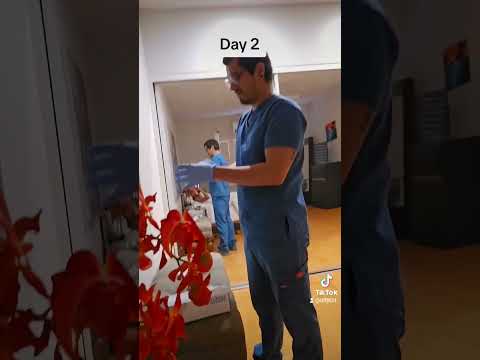
From Ceremony to Aftercare: Experience and Recovery Following Ibogaine Treatment in Mexico
Addiction Treatment
New Path Ibogaine
Tijuana,Rosarito Beach, Mexico
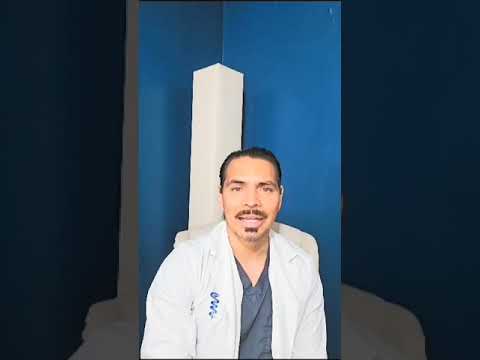
Healing Both Mind and Body: A Guide to Ibogaine Therapy for Addiction and Mental Health in Mexico
Addiction Treatment
New Path Ibogaine
Tijuana,Rosarito Beach, Mexico
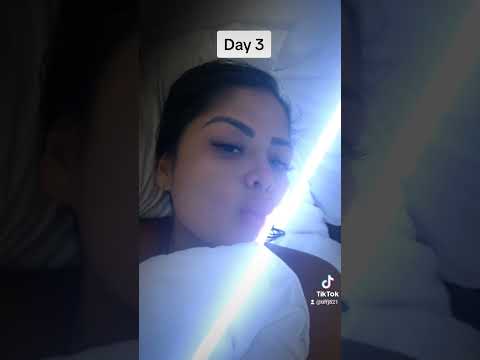
What Happens on Day 3? A Detailed Guide to the Mid-Treatment Ibogaine Experience in Mexico
Addiction Treatment
New Path Ibogaine
Tijuana,Rosarito Beach, Mexico
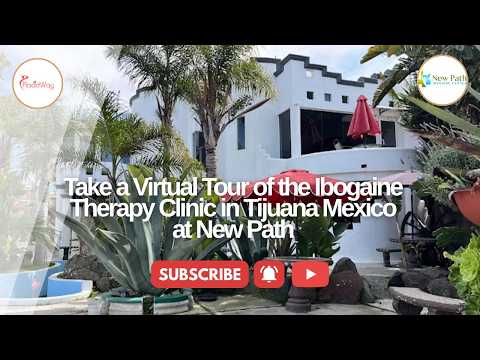
Take a Virtual Tour of the Ibogaine Therapy Clinic in Tijuana Mexico at New Path
Addiction Treatment
New Path Ibogaine
Tijuana,Rosarito Beach, Mexico
Unlock the Best PTSD Treatment Ibogaine Therapy Packages Just for You
Discover the ultimate PTSD Treatment Ibogaine Therapy packages designed to meet your health and wellness goals. Choose the perfect fit for your journey.
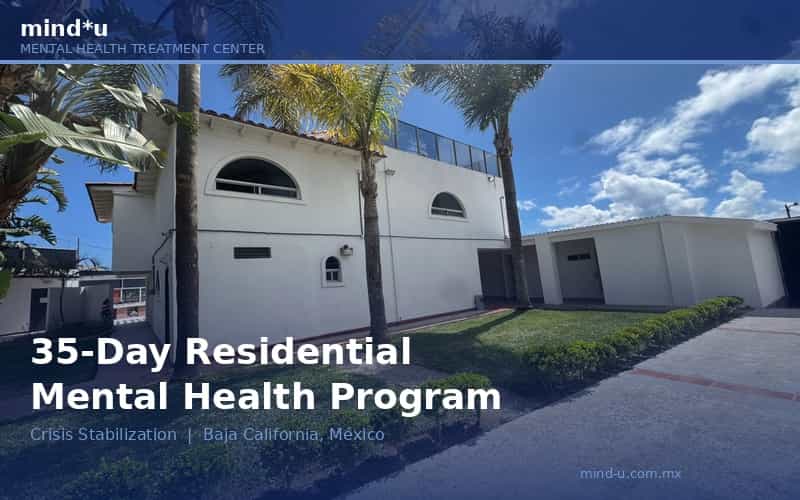
Price starting from $15,000
35-Day Residential Mental Health Program — Crisis Stabilization
Mind-U Psychiatric Residential Mental Health Center
- Psychiatry
Tijuana,Rosarito Beach, Mexico

Price starting from $8,000
Methamphetamine Addiction Treatment Package in Cancun, Mexico by Ibogaine Cancun
Ibogaine Cancun
- Addiction Treatment
Cancun, Mexico

Price starting from $7,500
Fentanyl Addiction Treatment Package at Lifes Oasis Vallarta, Puerto Vallarta, Mexico
Lifes Oasis Vallarta
- Addiction Treatment
Puerto Vallarta, Mexico

Price starting from $9,800
Opiate Addiction Treatment Package in Cancun, Mexico by Ibogaine Cancun
Ibogaine Cancun
- Addiction Treatment
Cancun, Mexico
Transformative PTSD Treatment Ibogaine Therapy Experiences: Dive into Procedure Insights
Discover the power of PTSD Treatment Ibogaine Therapy through compelling patient experiences. Uncover detailed insights into procedures, recovery journeys, and life-changing results.
.png)
Price starting from $7,800
Ibogaine Treatment for Anxiety Disorder in Tijuana, Mexico
- Ibogaine Therapy, Addiction Treatment
Tijuana, Mexico
.png)
Price starting from $7,800
Ibogaine Treatment for Nicotine Addiction in Tijuana, Mexico
- Ibogaine Therapy, Addiction Treatment
Tijuana, Mexico
.png)
Price starting from $8,250
Ibogaine Treatment for Traumatic Brain Injury (TBI) in Tijuana, Mexico
- Ibogaine Therapy, Addiction Treatment
Tijuana, Mexico
.png)
Price starting from $11,500
Ibogaine for Addiction in Cancun, Mexico
- Ibogaine Therapy, Addiction Treatment
Cancun, Mexico








If you\'re looking for an experience that awakens the best in you and renews your way of seeing the world, this is the destination. New Path not only helps you heal, but also reborn. The team works with genuine love, and you can feel it; they put their hearts into their medical commitment. Without a doubt, an environment full of calm and purpose!!
Read More