
What treatment


4+ Best Clinics for Pre implantation Genetic Screening PGS in Cyprus
Trusted Medical Tourism Platform Since 2007
What are the best Pre-implantation Genetic Screening (PGS) clinics in Cyprus?
The 8 best Pre-implantation Genetic Screening (PGS) clinics in Cyprus are: SAKALLI IVF (Nicosia), Cyprus IVF Hospital (Famagusta), EuroIVF Fertility Clinic (Kyrenia), North Cyprus IVF (Nicosia), British Cyprus IVF Hospital (Nicosia), Near East University Hospital (Nicosia), Nicosia IVF (Nicosia), and Dogus IVF Centre (Nicosia).
These facilities are regulated by the Cypriot Ministry of Health, with many adhering to ISO 15189 and JCI accreditations. They utilize advanced micromanipulation techniques to offer treatments including PGS/PGT-A, IVF, ICSI, gender selection, and egg or embryo donation. Treatment costs range from $3,100 to $9,634 USD, providing highly advanced reproductive and genetic care.
 80.00% Patient Recommend
Best Fertility Clinic - SAKALLI IVF


Overview
SAKALLI IVF offers top fertility treatments in Nicosia, Cyprus, including IVF, ICSI, egg & sperm donation, and freezing services.
Read more details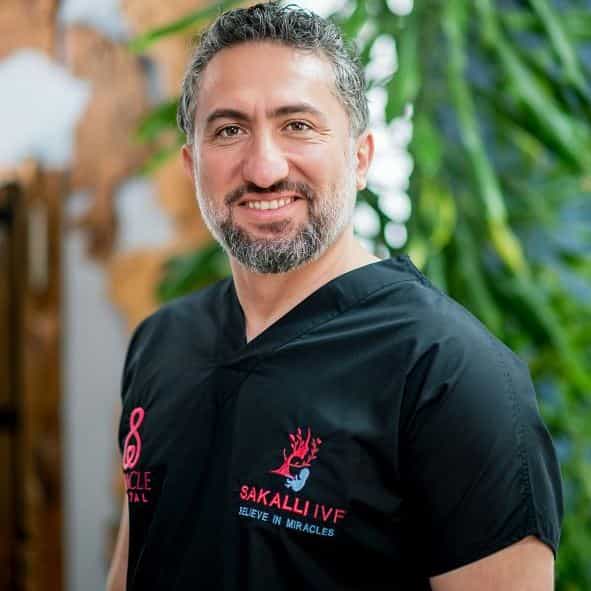

 98.36% Patient Recommend
Cyprus IVF Hospital
Overview
Cyprus IVF Hospital is a leading fertility clinic in Famagusta, Cyprus. Offering IVF, Egg Donation, Gender Selection, etc. Read verified patient reviews.
Read more details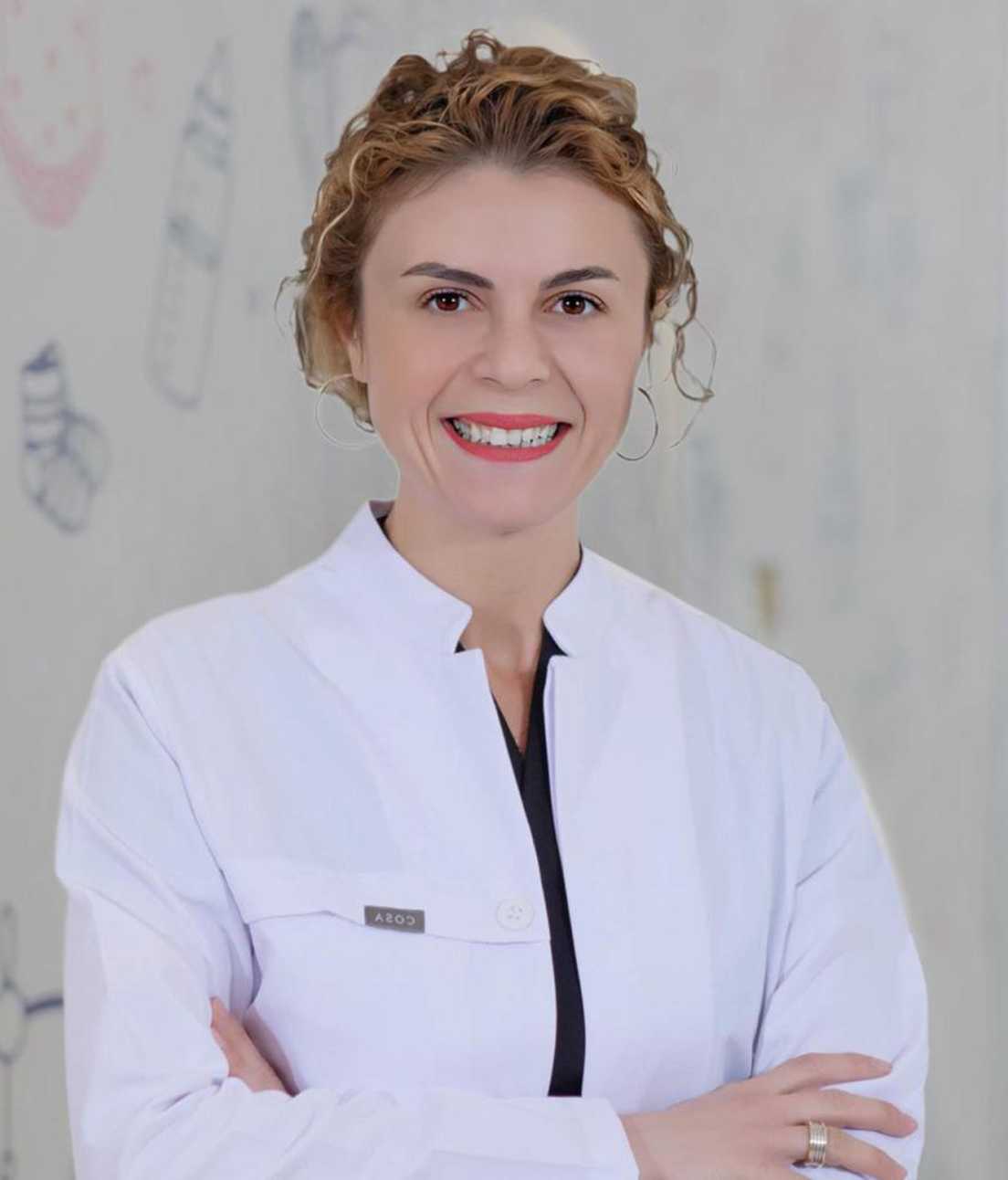

EuroIVF Fertility Clinic in Kyrenia, Cyprus
Overview
EuroIVF Fertility Clinic offers advanced care at a leading IVF clinic in Kyrenia, Cyprus with personalized fertility treatments and high success rates.
Read more details 100.00% Patient Recommend
North Cyprus IVF
Overview
North Cyprus Ivf is located in the beautiful Nicosia, Cyprus. The North Cyprus Ivf specializes in Fertility Treatment, Gynecology Treatment, Anti Aging. North Cyprus Ivf is dedicated to the constant pursuit of excellence, committed to high quality medical care, featuring experienced and trained professionals and using the latest technology. In order to contact the medical center, please fill out t
Read more detailsDiscover your treatment options with a free, no-obligation quote!
Get your quote now!Nicosia IVF
Nicosia Ivf is located in the beautiful Nicosia, Cyprus. The Nicosia Ivf specializes in Fertility Treatment. Nicosia Ivf is dedicated to the constant pursuit of excellence, committed to high quality medical care, featuring experienced and trained professionals and using the latest technology. In order to contact the medical center, please fill out the contact form.


 100.00% Patient Recommend
Kyrenia IVF Center
Overview
Kyrenia IVF Hospital provides the best IVF Treatment in Kyrenia, Cyprus. Book online now for fertility treatment at Kyrenia IVF Hospital.
Read more details

Kyrenia IVF Hospital
Overview
Kyrenia IVF Hospital provides a wide range of infertility treatment in Kyrenia, Cyprus. Their top procedures include IVF, Gender Selection, Egg Donation, Embryo Donation, PGD, Sperm Donation, Egg Freezing and Infertility treatment.
Read more details
Last updated on
Which are the leading Pre-implantation Genetic Screening (PGS) clinics in Cyprus?
Cyprus boasts several highly-regarded Pre-implantation Genetic Screening (PGS) clinics known for their advanced fertility treatments and patient-centric care. Key centers often recommended by patients and recognized for their expertise include SAKALLI IVF, Cyprus IVF Hospital, EuroIVF Fertility Clinic Cyprus, North Cyprus IVF, British Cyprus IVF Hospital, Near East University Hospital, Nicosia IVF, and Dogus IVF Centre. These clinics provide comprehensive genetic screening services to enhance the success rates of fertility treatments.
When considering Pre-implantation Genetic Screening (PGS) in Cyprus, it's reassuring to know there are multiple reputable clinics dedicated to reproductive health. These facilities are equipped with modern technology and staffed by experienced specialists focused on genetic health and successful pregnancies.
- SAKALLI IVF (Nicosia): Highly rated for fertility treatments, including advanced IVF and genetic screening services.
- Cyprus IVF Hospital (Famagusta): A leading clinic offering comprehensive fertility solutions, including egg donation and gender selection, often integrating genetic screening.
- EuroIVF Fertility Clinic Cyprus (Kyrenia): Known for expert care and advanced technology, particularly in areas like gender selection and genetic diagnosis.
- North Cyprus IVF (Nicosia): Specializes in fertility treatment and gynecology, utilizing modern genetic screening techniques.
- British Cyprus IVF Hospital (Nicosia): Part of a larger international network, offering a strong reputation for IVF and genetic screening protocols.
- Near East University Hospital (Nicosia): A comprehensive healthcare provider with a dedicated IVF department, offering genetic screening as part of broader fertility services.
- Nicosia IVF (Nicosia): Focuses on fertility treatments with commitment to quality medical care.
- Dogus IVF Centre (Nicosia): Provides extensive services including egg, sperm, and embryo donation, alongside gender selection which heavily relies on genetic screening.
What is Pre-implantation Genetic Screening (PGS) and why is it done at fertility clinics?
Pre-implantation Genetic Screening (PGS), also known as PGT-A (Preimplantation Genetic Testing for Aneuploidy), is a genetic test performed on embryos before they are implanted in the uterus. It helps identify embryos with the correct number of chromosomes, increasing the chances of a successful pregnancy and reducing the risk of miscarriage or birth defects associated with chromosomal abnormalities. Clinics perform this to improve IVF outcomes.
PGS is an invaluable tool in modern fertility treatment. It involves taking a tiny biopsy from an embryo created through In Vitro Fertilization (IVF) and analyzing the cells for chromosomal abnormalities, like an extra or missing chromosome.
The primary goal of PGS is to:
- Improve IVF Success Rates: By selecting only chromosomally normal embryos, clinics can significantly boost the chances of successful implantation and live birth.
- Reduce Miscarriage Risk: A significant percentage of early miscarriages are due to chromosomal abnormalities. PGS helps avoid transferring such embryos.
- Lower Multiple Pregnancy Risk: With confidence in the chromosomal health of the embryo, often only a single embryo needs to be transferred, reducing the risks associated with multiple pregnancies.
- Decrease Birth Defects: It reduces the likelihood of pregnancies affected by chromosomal disorders like Down syndrome.
- Benefit Specific Patient Groups: It's particularly recommended for women of advanced maternal age, those with recurrent miscarriages, multiple failed IVF cycles, or male factor infertility.
How do clinics ensure embryo safety during the PGS biopsy process?
Clinics prioritize embryo safety during PGS biopsies by employing highly skilled embryologists, using advanced micromanipulation techniques, and adhering to stringent laboratory protocols. The biopsy is typically performed on day 5 or 6 embryos (blastocysts), when they have enough cells to safely remove a few without compromising development. This meticulous approach minimizes stress to the embryo.
Ensuring the viability and health of embryos throughout the PGS process is paramount for fertility clinics.
- Experienced Embryologists: Only highly trained and experienced embryologists perform the biopsy, utilizing specialized micromanipulation equipment.
- Optimal Timing: Biopsies are ideally performed at the blastocyst stage (day 5 or 6 of development), where the embryo has differentiated into numerous cells. This allows for the removal of a few trophectoderm cells (which will form the placenta) without affecting the inner cell mass (which forms the fetus).
- Gentle Handling: Embryos are handled with extreme care under strict environmental controls to maintain optimal temperature and pH, preventing any damage or stress.
- Quality Control: Labs maintain rigorous quality control standards, including air filtration systems and constant monitoring of equipment, to provide a stable and sterile environment.
- Rapid Freezing: After the biopsy, embryos are cryopreserved (frozen) quickly and efficiently until genetic test results are available, ensuring their preservation.
What accreditations or certifications should a reputable PGS clinic in Cyprus have?
A reputable PGS clinic in Cyprus should ideally hold international accreditations such as ISO 15189 (for medical laboratories) or JCI (Joint Commission International) for overall healthcare quality. Domestically, clinics should be licensed and regulated by the Cypriot Ministry of Health, ensuring adherence to local and EU standards for fertility treatments and genetic testing.
Choosing a clinic with proper credentials is vital for ensuring high-quality and safe care. Look for clinics that display the following:
- Local Licensing: Ensure the clinic is fully licensed and regulated by the relevant health authorities in Cyprus, usually the Ministry of Health. This confirms compliance with national healthcare laws.
- European Union Directives: Since Cyprus is an EU member state, clinics should adhere to EU tissue and cell directives, which govern safety and quality standards for handling reproductive cells and embryos.
- International Accreditations:
- ISO 15189: This accreditation specifically pertains to the competence of medical testing laboratories, ensuring their genetic labs meet international quality standards.
- JCI (Joint Commission International): While less common for standalone fertility clinics, JCI accreditation signifies a commitment to international patient safety and quality-of-care standards across the entire hospital or medical group.
- Professional Memberships: Affiliation with respected international fertility organizations, like ESHRE (European Society of Human Reproduction and Embryology), indicates a commitment to best practices and ongoing professional development.
What types of genetic conditions can PGS clinics in Cyprus detect?
PGS clinics in Cyprus primarily focus on detecting aneuploidy, which refers to abnormalities in the number of chromosomes (e.g., Down syndrome, Turner syndrome). While PGS does not typically screen for specific gene mutations, some clinics may also offer PGT-M (Preimplantation Genetic Testing for Monogenic/Single Gene Defects) for couples known to be carriers of specific inherited diseases like cystic fibrosis or Huntington's disease.
PGS is a powerful diagnostic tool, mainly for assessing general chromosomal health. Here’s a breakdown of what it can detect:
- Aneuploidies: The most common type of chromosomal abnormality, involving an incorrect number of chromosomes. This includes conditions such as:
- Down syndrome (Trisomy 21)
- Edwards syndrome (Trisomy 18)
- Patau syndrome (Trisomy 13)
- Klinefelter syndrome (XXY)
- Turner syndrome (Monosomy X)
- Sex Chromosome Aneuploidies: Imbalances in X and Y chromosomes.
- Segmental Aneuploidies: Missing or extra parts of chromosomes.
- PGT-M (Monogenic/Single Gene Defects): For couples with a known family history or carrier status for specific genetic diseases, clinics can offer PGT-M. This involves specialized testing to identify embryos affected by single gene disorders such as:
- Cystic Fibrosis
- Sickle Cell Anemia
- Tay-Sachs Disease
- Spinal Muscular Atrophy
- PGT-SR (Structural Rearrangements): If one or both parents carry a chromosomal structural rearrangement (like a translocation), PGT-SR can identify embryos that have inherited an unbalanced form of the rearrangement.
What support services do PGS clinics in Cyprus offer patients during their fertility journey?
PGS clinics in Cyprus understand the emotional and psychological complexities of fertility treatments and often provide comprehensive support services. These can include dedicated patient coordinators, psychological counseling, nutritional guidance, and access to support groups. This holistic approach aims to ensure patients feel cared for and informed throughout their journey, from initial consultation through treatment and beyond.
The fertility journey, especially with advanced procedures like PGS, can be demanding. Clinics prioritize patient well-being by offering a range of support services:
- Patient Coordinators: Dedicated coordinators act as a primary point of contact, guiding patients through every step, from scheduling appointments and explaining procedures to assisting with travel arrangements for international patients.
- Psychological Counseling: Many clinics offer in-house or referred counseling services to help patients cope with stress, anxiety, and emotional challenges associated with infertility and treatment.
- Nutritional Guidance: Dietitians or nutritionists may provide personalized advice to optimize overall health and improve fertility outcomes.
- Support Groups and Peer Networks: Some clinics facilitate connections with other patients undergoing similar treatments, fostering a sense of community and shared experience.
- Information and Education: Clinics provide clear, detailed information about PGS, its benefits, risks, and the entire treatment timeline, empowering patients to make informed decisions.
- Language Support: For international patients, multilingual staff or translation services are often available to ensure effective communication.
How do clinics manage the logistics for international patients seeking PGS in Cyprus?
Clinics specializing in PGS in Cyprus are well-versed in accommodating international patients, offering streamlined logistical support. This often includes initial online consultations, assistance with travel and accommodation, airport transfers, and multilingual patient coordinators. They aim to make the entire process as smooth and stress-free as possible, allowing patients to focus solely on their treatment.
Cyprus is a popular destination for fertility tourism, and its clinics have robust systems in place for international patients:
- Initial Virtual Consultations: Many clinics offer video consultations with fertility specialists, allowing patients to discuss their medical history and receive preliminary advice without traveling.
- Dedicated Patient Coordinators: These professionals are crucial for international patients, assisting with everything from booking appointments and explaining the treatment timeline to helping with visa requirements and local logistics.
- Travel and Accommodation Assistance: Clinics often have partnerships with local hotels or travel agencies, providing recommendations or even arranging discounted rates for accommodation and transport, including airport pickups.
- Language Services: Multilingual staff are common, particularly in English, ensuring effective communication throughout the treatment process.
- Flexible Scheduling: Treatment plans are often designed to minimize the time spent in Cyprus, with some preliminary tests and monitoring potentially coordinated with local doctors in the patient's home country.
- Post-Treatment Follow-up: Follow-up consultations can often be conducted remotely after the patient has returned home.
What is the typical timeline for a PGS cycle at a Cypriot fertility clinic?
A typical PGS cycle at a Cypriot fertility clinic generally spans about 4-6 weeks from the start of ovarian stimulation to embryo transfer. This includes ovarian stimulation (10-14 days), egg retrieval, fertilization, embryo culture (5-6 days until blastocyst stage), embryo biopsy, genetic testing (1-2 weeks for results), and finally, a frozen embryo transfer in a subsequent cycle.
Understanding the timeline helps manage expectations throughout the PGS process:
- Initial Consultation & Preparation (Variable): This phase involves medical evaluations, blood tests, and ultrasound scans for both partners. Genetic counseling may also be part of this stage to discuss family history and potential risks.
- Ovarian Stimulation (10-14 days): The woman receives hormone injections to stimulate her ovaries to produce multiple eggs. Regular monitoring via ultrasound and blood tests ensures optimal follicle development.
- Egg Retrieval (1 day): A minor surgical procedure performed under sedation to collect the mature eggs from the ovaries.
- Fertilization & Embryo Culture (5-6 days): Eggs are fertilized with sperm in the lab to create embryos. These embryos are then cultured until they reach the blastocyst stage.
- Embryo Biopsy (1 day): A small number of cells are carefully removed from each blastocyst for genetic analysis.
- Genetic Testing (1-2 weeks): The biopsied cells are sent to a specialized lab for PGS analysis. During this time, the embryos are cryopreserved (frozen).
- Frozen Embryo Transfer (FET) Cycle (Approx. 2-4 weeks later): Once PGS results are available and a chromosomally normal embryo is identified, the woman undergoes preparation for an FET cycle. This involves medication to prepare the uterine lining, followed by the transfer of the selected embryo.
Are there specific legal or ethical guidelines for PGS in Cyprus?
Cyprus operates under specific legal and ethical guidelines for PGS, generally aligning with European Union directives. These guidelines ensure patient safety, informed consent, and ethical handling of embryos and genetic material. While Cyprus is known for its relatively liberal approach to fertility treatments, regulations exist concerning embryo storage, donor anonymity, and the types of genetic conditions that can be screened for, emphasizing responsible practice.
Adherence to legal and ethical frameworks is a cornerstone of reputable PGS clinics in Cyprus:
- Informed Consent: All patients must provide explicit, informed consent for PGS procedures, understanding the implications, benefits, and potential risks.
- Embryo Selection: While PGS allows for the selection of chromosomally normal embryos, ethical discussions around non-medical embryo selection (e.g., for non-medical traits) are carefully managed and often subject to specific national or clinic policies.
- Data Protection: Strict confidentiality protocols are in place to protect patient and donor information, adhering to GDPR standards.
- Regulation of Genetic Labs: Genetic testing laboratories must meet stringent quality standards and be licensed by national health authorities.
- Donor Regulations: For treatments involving donor eggs or sperm, there are regulations regarding donor screening, anonymity, and the number of offspring allowed from one donor.
- Age Limits: While some EU countries have age limits for IVF, Cyprus generally maintains a more flexible approach, but clinics often have their own medical guidelines for patient suitability.
What considerations should be made regarding embryo storage after PGS in Cyprus?
After PGS in Cyprus, viable embryos are typically cryopreserved (frozen) for future use. Patients should consider the duration of storage permitted by Cypriot law, annual storage fees, and future disposition options for any unused embryos. Clinics provide detailed information on these aspects, including options for continued storage, donation to other couples, or discarding, all requiring informed consent.
Embryo storage is a significant aspect of fertility treatment, especially after PGS:
- Legal Storage Period: Patients need to be aware of the maximum legal storage period for embryos in Cyprus. This period can vary and is subject to local regulations.
- Annual Storage Fees: Clinics typically charge annual fees for embryo cryopreservation. These costs should be clearly communicated upfront.
- Decision-Making for Unused Embryos: Patients must decide on the future of any embryos not used for pregnancy. Options usually include:
- Continuing storage for future cycles.
- Donating them to scientific research.
- Donating them to other infertile couples.
- Thawing and discarding them.
- Informed Consent: Patients will be required to provide informed consent for all storage and disposition decisions, often reviewing these options periodically.
- Quality of Storage Facilities: Reputable clinics ensure their embryology labs maintain state-of-the-art cryopreservation techniques and secure storage facilities to safeguard the embryos.
What are the qualifications of the embryology lab staff at PGS clinics in Cyprus?
The embryology lab staff at PGS clinics in Cyprus are highly trained professionals, typically holding degrees in biology, genetics, or related scientific fields, often with advanced certifications in clinical embryology. They undergo specialized training in micromanipulation techniques, embryo biopsy, cryopreservation, and genetic sample preparation. Continuous professional development and adherence to international lab standards are crucial for their expertise.
The expertise of the embryology team is critical to the success of PGS and overall IVF outcomes.
- Academic Background: Embryologists usually possess a university degree in a relevant scientific discipline, such as genetics, biology, biotechnology, or biomedical sciences.
- Specialized Certifications: Many hold postgraduate qualifications or certifications in clinical embryology from recognized international bodies, like the European Society of Human Reproduction and Embryology (ESHRE) or the American Board of Bioanalysis (ABB).
- Extensive Training: They receive hands-on training in advanced techniques essential for PGS, including:
- ICSI (Intracytoplasmic Sperm Injection) for fertilization.
- Embryo culture and assessment.
- Laser-assisted hatching and embryo biopsy procedures.
- Vitrification (flash-freezing) for cryopreservation.
- Continuous Professional Development: Top clinics ensure their embryologists regularly attend workshops, conferences, and partake in ongoing training to stay updated with the latest advancements in reproductive technologies and genetic testing protocols.
- Adherence to Standards: They strictly follow international laboratory quality control standards and protocols to ensure precision, accuracy, and safety in all procedures related to embryo handling and genetic material.
How PlacidWay helps individuals access Pre-implantation Genetic Screening (PGS) in Cyprus?
PlacidWay simplifies your journey to Pre-implantation Genetic Screening (PGS) in Cyprus by providing detailed, up-to-date information on the procedure, including its benefits, risks, and expected outcomes, empowering you to make informed choices. We help users compare treatment options across various reputable clinics, ensuring access to affordable solutions without compromising on the high quality of care. PlacidWay assists in finding trusted, accredited clinics and experienced medical professionals specializing in PGS in Cyprus, ensuring you receive expert treatment. We also offer one-on-one consultations to understand your specific needs and guide you through the decision-making process. Furthermore, PlacidWay ensures continued support after the treatment, including advice on follow-up care and recovery assistance, for a seamless experience. Ready to get Pre-implantation Genetic Screening (PGS) in Cyprus? Contact us today for a personalized consultation.Share with AI
Share this page with AI assistants to get summaries and insights


List of Best Pre implantation Genetic Screening PGS Clinics in Cyprus
Explore Pre implantation Genetic Screening PGS: Stories, Testimonials, and Procedures
Watch in-depth videos covering everything from Pre implantation Genetic Screening PGS success stories to detailed procedure explanations. Learn what to expect and hear from real patients.

The Life-Changing IVF Procedure in Northern Cyprus: A Journey to Parenthood
Fertility Treatment
Best Fertility Clinic - SAKALLI IVF
Nicosia, Cyprus
Evaluating Symptoms of Azoospermia and Navigating the IVF Procedure in Nicosia, Cyprus
Fertility Treatment
Best Fertility Clinic - SAKALLI IVF
Nicosia, Cyprus

Understanding the Difference Between Frozen and Fresh IVF Embryo Transfer Procedure in North Cyprus
Fertility Treatment
Best Fertility Clinic - SAKALLI IVF
Nicosia, Cyprus
Understanding Vaginal Flora and Its Impact on Your IVF Procedure in Nicosia, Cyprus
Fertility Treatment
Best Fertility Clinic - SAKALLI IVF
Nicosia, Cyprus
Unlock the Best Pre implantation Genetic Screening PGS Packages Just for You
Discover the ultimate Pre implantation Genetic Screening PGS packages designed to meet your health and wellness goals. Choose the perfect fit for your journey.

Price starting from $3,800
IVF Treatment Package in Nicosia, Cyprus by SAKALLI IVF Center
Best Fertility Clinic - SAKALLI IVF
- Fertility Treatment
Nicosia, Cyprus

Price starting from $9,250
Embryo Donation with PGD Package in Nicosia, Cyprus by SAKALLI IVF
Best Fertility Clinic - SAKALLI IVF
- Fertility Treatment
Nicosia, Cyprus

Price starting from $68,000
North Cyprus IVF Bring Gestational Surrogacy Package in Nicosia Cyprus
North Cyprus IVF
- Fertility Treatment
Nicosia, Cyprus
.png)
Price starting from $8,000
Affordable IVF package with Embryo Donation
Kyrenia IVF Center
- Fertility Treatment
Kyrenia, Cyprus
Transformative Pre implantation Genetic Screening PGS Experiences: Dive into Procedure Insights
Discover the power of Pre implantation Genetic Screening PGS through compelling patient experiences. Uncover detailed insights into procedures, recovery journeys, and life-changing results.

Price starting from $6,000
IVF with PGD in Cyprus
- Preimplantation Genetic Diagnosis (PGD), Fertility Treatment
Cyprus
.png)
Price starting from $6,900
IVF with PGD Nicosia, Cyprus
- IVF with Embryo Donation and Gender Selection, Fertility Treatment
Nicosia, Cyprus

Price starting from $5,500
IVF with Gender Selection in Azerbaijan
- IVF with Gender Selection, Fertility Treatment
Azerbaijan
.png)
Price starting from $7,015
Surrogacy in Tbilisi, Georgia
- Surrogacy, Fertility Treatment
Tbilisi, Georgia








This is a truly exceptional team. There are truly no words that can fully capture the depth of our gratitude for Dr. Mustafa Sakalli and Nas. After years of heartbreak, failed attempts, and emotional exhaustion, we finally met a team who truly understood our commitment pain and delivered a miracle. We would highly recommend them to anyone struggling with infertility.
Read More