
What treatment


4+ Top Clinics for Rehabilitation in Seoul, South Korea
Trusted Medical Tourism Platform Since 2007
What are the best Rehabilitation Clinics in Seoul, South Korea?
The top rehabilitation clinics in Seoul, South Korea are Jaseng Hospital of Korean Medicine, Nanoori Hospital, Wooridul Hospital, and Gasan Medical Foundation Guangdong Hospital.
These facilities, which include JCI-accredited centers, specialize in pain rehabilitation, physical therapy, traditional acupuncture, vestibular rehabilitation, and comprehensive spine care. Depending on the complexity of the therapy and any required orthopedic interventions, comprehensive rehabilitation and spine care costs range from $500 to $21,435 USD.
.png)
 100.00% Patient Recommend
Jaseng Hospital of Korean Medicine


Overview
We have the enviable reputation of providing high quality and efficient non-surgical treatment and are prepared to provide treatment in a multitude of ways.
Read more details 100.00% Patient Recommend
Nanoori Hospital - Orthopedic Surgery in South Korea

Overview
Explore advanced orthopedic surgery in Seoul, South Korea at Nanoori Hospital for spine care, joint replacement, and sports injury treatment.
Read more details
.png) 80.00% Patient Recommend
80.00% Patient Recommend
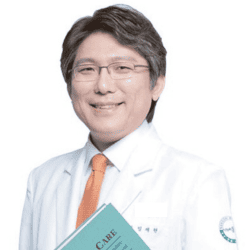
Wooridul Hospital
Overview
Seoul-based Wooridul Hospital is the first Korean JCI acredited hospital. Workplace of some of the best neurosurgeons and physicians in the world. Visit us and learn more about the world's leading spine hospital!
Read more details
St. Peters General Hospital in Seoul, South Korea
Overview
Specializing in advanced spinal and orthopedic care, Gangnam St. Peter’s Hospital offers patient-focused solutions.
Read more detailsDiscover your treatment options with a free, no-obligation quote!
Get your quote now! 100.00% Patient Recommend
Gasan Medical Foundation Guangdong Hospital
Overview
Gasan Medical Foundation Guangdong Hospital is a leading healthcare institution in Seoul, Korea, offering advanced medical services in various specialties, with a focus on patient care.
Read more details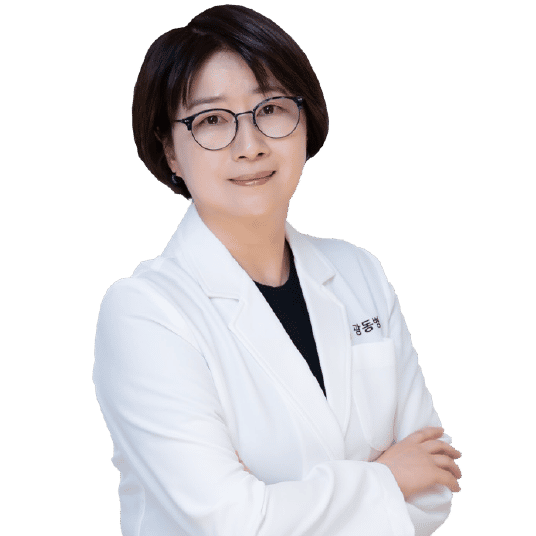
Why Seoul is a Global Hub for Advanced Rehabilitation?
Seoul combines state-of-the-art medical robotics with intensive, patient-centered care. Patients recovering from strokes, spinal cord injuries, or major orthopedic surgeries choose South Korea's capital to access futuristic therapies that accelerate the return to daily life.
Pioneering Robotic Technology
Seoul is at the forefront of robotic-assisted neurorehabilitation. Facilities utilize advanced exoskeletons, computerized gait training systems (like the Walkbot), and virtual reality environments to stimulate neuroplasticity, allowing paralyzed or stroke patients to perform thousands of precise repetitive movements impossible with manual therapy alone.
Integrative East-Meets-West Care
Many rehabilitation centers in Seoul uniquely integrate modern physical and occupational therapies with traditional Korean medicine. The strategic use of medically administered acupuncture, herbal treatments, and specialized cupping helps manage pain naturally, reduce muscle spasticity, and improve overall circulation during recovery.
Intensive, Multidisciplinary Programs
Unlike Western models that often limit therapy hours due to insurance constraints, Seoul offers comprehensive inpatient programs. Patients benefit from daily regimens orchestrated by a collaborative team of neurologists, physiatrists, physical therapists, speech pathologists, and nutritionists, maximizing the critical recovery window.
World-Class Infrastructure
South Korea is renowned for its pristine, hyper-modern hospital environments. Rehabilitation centers in Seoul feature hotel-like inpatient wards, specialized aquatic therapy pools, and dedicated international patient departments that provide medical translators, ensuring seamless communication and exceptional comfort.
Rehabilitation Costs in Seoul vs. United States (2026)
Compare projected 2026 pricing for comprehensive rehabilitation programs. Seoul offers access to high-tech, intensive inpatient care at a fraction of the cost found in North American or European health systems.
| Procedure | Seoul Price | US / UK Price | You Save | Savings % |
|---|---|---|---|---|
| Intensive Stroke Rehab (Inpatient, 1 Month) | $14,000–$18,000 | $40,000–$55,000 | $26,000+ | 66% |
| Robotic Gait Training Program (Per Week) | $2,000–$3,500 | $7,000–$10,000 | $5,000+ | 68% |
| Post-Surgical Orthopedic Rehab (2 Weeks) | $1,500–$2,800 | $4,500–$7,500 | $3,000+ | 64% |
| Spinal Cord Injury Protocol (Inpatient, 1 Month) | $16,000–$22,000 | $50,000–$70,000 | $34,000+ | 68% |
* Prices are 2026 estimates based on verified PlacidWay partner hospitals in Seoul. Total costs vary significantly based on whether the program is inpatient or outpatient, the level of robotic technology utilized, and the duration of stay. Request a free quote for a customized treatment plan.
Seoul vs. Alternative South Korean Cities for Rehabilitation
While Seoul is the epicenter of medical technology, South Korea offers several specialized regions for recovery. Here is how Seoul compares to other prominent medical hubs.
Seoul
Capital Metropolis
The ultimate destination for complex neurological and robotic rehabilitation. Seoul hosts the country's top university hospitals and the most advanced medical technology, ideal for severe stroke or spinal injury recovery.
Busan
Southern Port City
Offers excellent rehabilitation facilities paired with a restorative coastal environment. Busan is perfect for patients seeking orthopedic recovery or sports rehabilitation in a slightly more relaxed, scenic setting than Seoul.
Daegu
Central Medical Hub
Officially designated as "Medi-City Daegu," this region focuses heavily on specialized healthcare integration. It offers highly competitive pricing for post-surgical therapies and traditional Korean medicine fusion treatments.
Incheon
International Gateway
Located adjacent to the international airport, Incheon features dedicated global healthcare centers. It is highly convenient for shorter, intensive outpatient rehabilitation stints without the need to navigate deep into Seoul's center.
Specialized Rehabilitation Programs in Seoul
From cutting-edge robotics to holistic functional conditioning, Seoul's medical facilities offer tailored protocols for diverse recovery needs.
Robotic-Assisted Neurorehabilitation
$2,000 – $3,500 / weekUtilizes advanced robotic exoskeletons and harness systems to retrain the brain and body. This is crucial for paralyzed patients, allowing for intensive, repetitive walking patterns that manual therapy cannot replicate, accelerating neural pathway repair.
Save $5,000+ vs. US prices
Intensive Stroke Recovery
$14,000 – $18,000 / monthA comprehensive, multidisciplinary inpatient approach for stroke survivors. Programs include physical therapy, speech and swallowing therapy, occupational retraining, and cognitive behavioral therapy, delivered for several hours a day to maximize recovery speed.
Save $26,000+ vs. US prices
Post-Surgical Orthopedic Rehab
$1,500 – $2,800 / 2 weeksDesigned for patients recovering from joint replacements, spinal surgeries, or major trauma. Focuses on safe pain management, reducing scar tissue, aquatic therapy, and restoring full range of motion using state-of-the-art conditioning equipment.
Save $3,000+ vs. US prices
Integrative Pain Management
$1,200 – $2,000 / 2 weeksBlends cutting-edge modalities like shockwave therapy and cryotherapy with traditional Korean treatments. Ideal for chronic pain sufferers or those with severe muscle spasticity, offering non-pharmaceutical options to improve quality of life.
Save $2,500+ vs. US prices
How to Choose a Rehabilitation Center in Seoul?
Selecting the right facility is critical for your recovery trajectory. Use this 5-step checklist to evaluate Seoul's top rehabilitation hospitals.
Assess the Technological Capabilities
If you have neurological deficits, ensure the hospital offers advanced robotics (like Lokomat or Erigo), Anti-Gravity treadmills, and Virtual Reality suites. These tools are essential for modern, high-intensity functional recovery.
Verify the Multidisciplinary Team
Recovery requires more than just physical therapy. Check that the center employs a cohesive team of physiatrists, specialized neuro-therapists, speech pathologists, and clinical psychologists to address all facets of rehabilitation.
Determine Inpatient vs. Outpatient Needs
Severe strokes or spinal injuries require full-time inpatient care. Evaluate the quality of the patient wards, nutritional support, and nursing ratios. For less severe injuries, an outpatient program with nearby hotel accommodations may suffice.
Check for International Patient Support
Communication is vital in therapy. Ensure the hospital has a dedicated International Healthcare Center that provides medical interpretation services, helps with visa extensions if your therapy is prolonged, and manages dietary preferences.
Consult a Medical Facilitator
Navigating the South Korean medical system can be complex. Utilize PlacidWay to securely transfer your medical records and obtain specialized, translated treatment plans and quotes from top-tier Seoul hospitals before you travel.
Your Rehabilitation Journey in Seoul
A structured, well-planned approach is key to medical recovery abroad. Here is what you can expect from your initial inquiry to your final discharge.
Step 1: Virtual Assessment & Case Review
Submit your hospital discharge summaries, MRI/CT scans, and current therapy notes. A multi-disciplinary board in Seoul will review your case to determine if you are a candidate for intensive or robotic rehabilitation and propose a customized timeline.
Step 2: Admission & Baseline Evaluation
Upon arrival in Seoul, you will be admitted to the inpatient ward. The clinical team will conduct comprehensive physical, cognitive, and functional assessments to establish your baseline and set specific, measurable recovery goals.
Step 3: Intensive Daily Therapy
Your daily schedule begins. This often involves 3 to 5 hours of combined treatments, including robotic gait training, one-on-one manual physio, occupational therapy for daily living skills, and supportive traditional Korean medicine therapies.
Step 4: Continuous Progress Tracking
Throughout your stay, advanced sensors and computerized assessments will track your muscular strength, balance, and neurological response. The medical team holds weekly meetings to adjust your program intensity based on this data.
Step 5: Discharge & Home Program
Upon reaching maximum functional improvement or the end of your scheduled stay, the team prepares a comprehensive discharge summary. You will be provided with a tailored home exercise program and video instructions to maintain your progress post-departure.
Rehabilitation in Seoul, South Korea FAQ
Find answers to common questions regarding therapy options, hospital stays, and medical technology for rehabilitation in Seoul.
What Patients Say About Rehabilitation in Seoul
Read firsthand accounts from individuals who traveled to South Korea to accelerate their recovery using world-class therapeutic programs.
"After my stroke in the US, my insurance only covered a few weeks of basic physical therapy, which was nowhere near enough. Traveling to Seoul for a two-month inpatient program was the best decision of my life. The daily combination of robotic gait training and acupuncture helped me regain mobility on my right side that my doctors back home said was impossible."
"I suffered a severe spinal cord injury from an auto accident. The specialized neuro-rehab facility in Seoul provided a level of care I had never experienced. The translators were with me every step of the way, and the intensive daily work with the exoskeleton robots gave me back my independence. The staff's dedication to my recovery was truly unmatched."
Why Choose PlacidWay for Your Medical Journey?
Arranging complex medical care abroad requires expertise and a reliable network. PlacidWay connects you with Seoul's most advanced rehabilitation centers safely and efficiently.
Pre-Screened Medical Centers
We independently verify every South Korean hospital in our network for rigorous safety standards, international accreditations like JCI, and a proven track record of successful neurorehabilitation outcomes.
Unbiased Program Comparison
We act as your advocate, providing transparent options from multiple top-tier facilities in Seoul. You can compare treatment protocols, robotic technology availability, and costs to make an informed decision.
Direct Specialist Access
We bridge the international gap by organizing direct virtual consultations between you and the physiatrists or neurologists in Seoul, ensuring your specific recovery goals are understood before you travel.
Comprehensive Care Advocacy
From assisting with the secure transfer of your medical imaging to providing ongoing support while you are admitted to the inpatient ward, our coordination team is dedicated to your smooth recovery journey.
Reclaim Your Independence with Advanced Therapy
Access the world's most advanced robotic and integrative rehabilitation programs in Seoul and save up to 68% compared to Western healthcare costs. Start your journey to recovery today.
Get Free QuoteDisclaimer: PlacidWay is a medical tourism facilitator and does not provide medical advice, diagnosis, or treatment. We connect patients with independently verified medical centers abroad. Always consult with a qualified healthcare provider regarding your specific medical condition and rehabilitation needs.
List of Best Rehabilitation Clinics in Seoul, South Korea
Unlock the Best Rehabilitation Packages Just for You
Discover the ultimate Rehabilitation packages designed to meet your health and wellness goals. Choose the perfect fit for your journey.
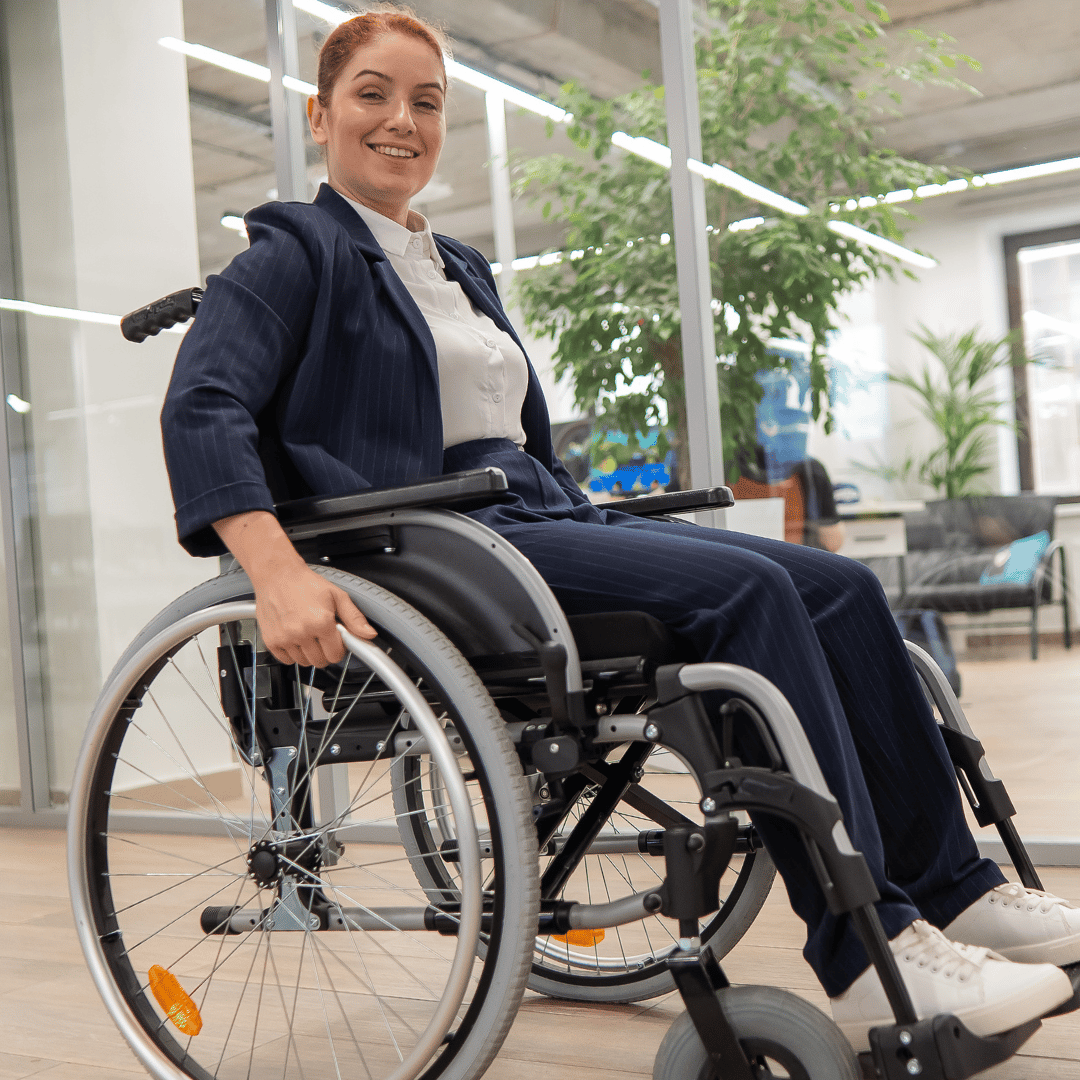
Price starting from $500
Pain Rehabilitation Package in Seoul, South Korea by Guangdong Hospital
Gasan Medical Foundation Guangdong Hospital
- Rehabilitation
Seoul, South Korea
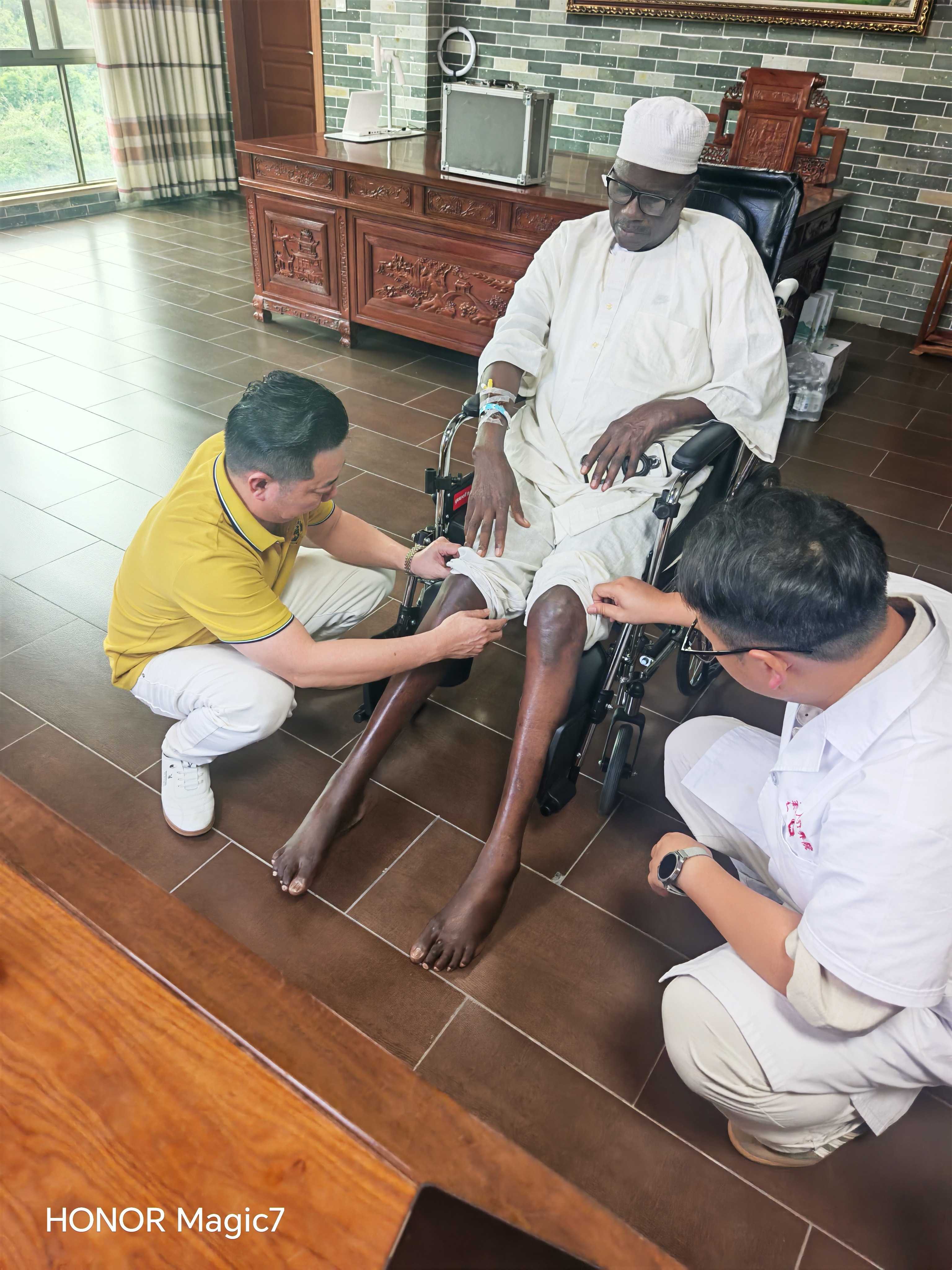
Price starting from $11,800
Spine & Joint System Rehabilitation by Guangzhou Cihua Hospital in China
Guangzhou Cihua Hospital - Orthopedic Rehab in China
- Rehabilitation
Guangzhou, China
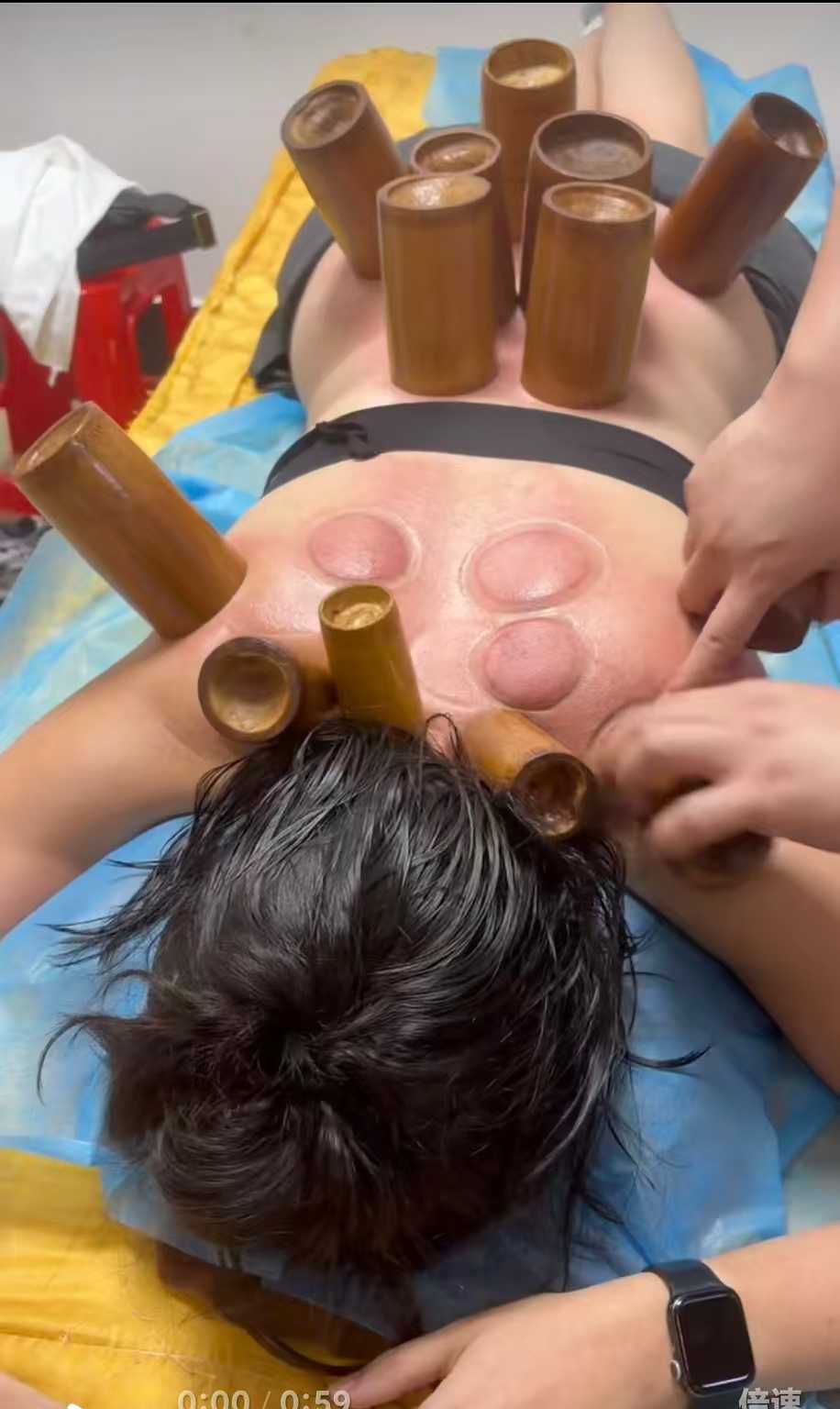
Price starting from $17,400
Post-Stroke Rehabilitation Program by Guangzhou Cihua Hospital in China
Guangzhou Cihua Hospital - Orthopedic Rehab in China
- Rehabilitation
Guangzhou, China
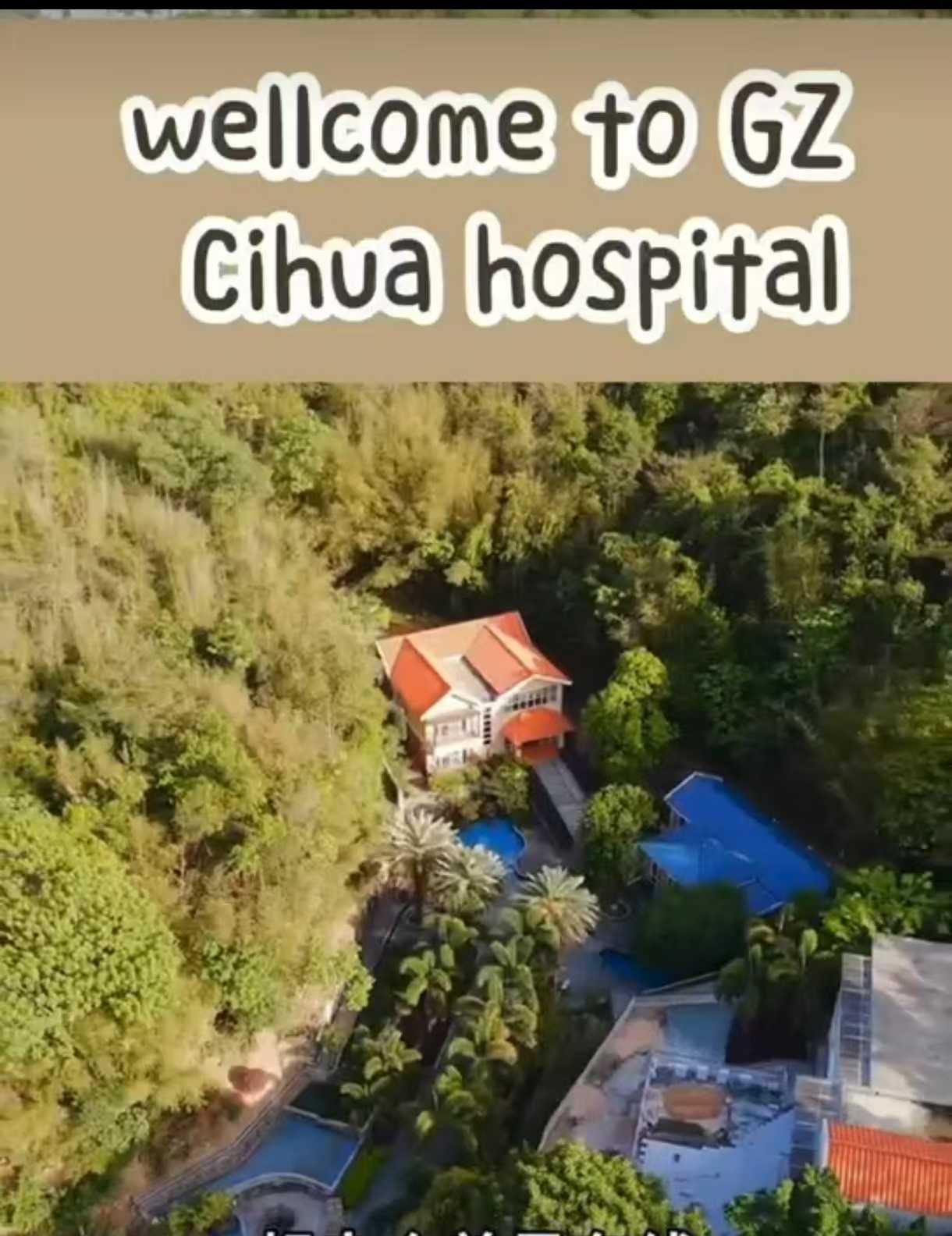
Price starting from $18,200
Male Function Comprehensive Conditioning by Guangzhou Cihua Hospital in China
Guangzhou Cihua Hospital - Orthopedic Rehab in China
- Rehabilitation
Guangzhou, China
Transformative Rehabilitation Experiences: Dive into Procedure Insights
Discover the power of Rehabilitation through compelling patient experiences. Uncover detailed insights into procedures, recovery journeys, and life-changing results.

.png)
Explore Rehabilitation: Stories, Testimonials, and Procedures
Watch in-depth videos covering everything from Rehabilitation success stories to detailed procedure explanations. Learn what to expect and hear from real patients.
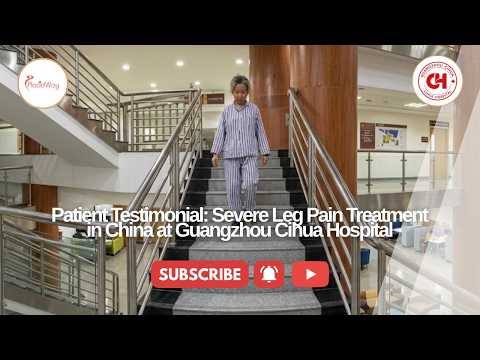
Patient Testimonial: Severe Leg Pain Treatment in China at Guangzhou Cihua Hospital
Rehabilitation
Guangzhou Cihua Hospital - Orthopedic Rehab in China
China

Vestibular Rehabilitation Therapy in Seoul, South Korea by Guangdong Hospital
Rehabilitation
Gasan Medical Foundation Guangdong Hospital
South Korea
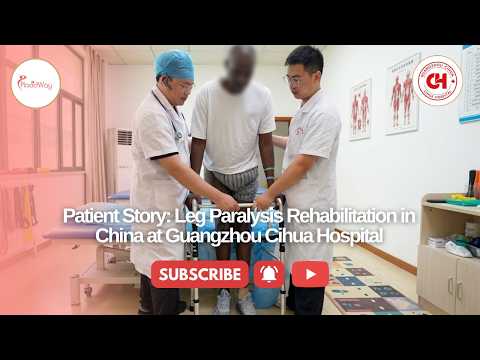
Patient Story from Africa: Leg Paralysis Rehabilitation in China at Guangzhou Cihua Hospital
Rehabilitation
Guangzhou Cihua Hospital - Orthopedic Rehab in China
China
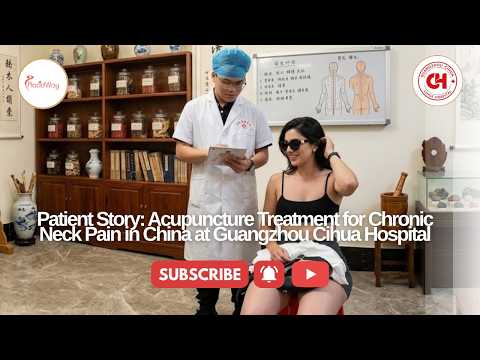
Spanish Patient Testimonial: Acupuncture Treatment for Chronic Neck Pain in China at Guangzhou Cihua Hospital
Rehabilitation
Guangzhou Cihua Hospital - Orthopedic Rehab in China
China
Learn More with These Rehabilitation Articles
Take a look at these interesting articles, stories and research that will help you learn more about Rehabilitation.
Best Rehab Centers in Mexico | Top Addiction Treatment Options
PlacidWay Medical Tourism
- Rehabilitation
Mexico
Sun, Serenity, and Sobriety: Spain’s Holistic Rehab Centers See a Surge in German Patients Seeking World-Class Care
PlacidWay Medical Tourism
- Rehabilitation
Spain

How to Educate Yourself before Going for a Surgery Abroad
PlacidWay Medical Tourism
- Rehabilitation
Mexico
Rehabilitation Solutions Near You: Explore Top Medical Centers
Discover how Rehabilitation is transforming lives at leading medical centers in Seoul, South Korea. Dive into center profile, specialties, doctors, reviews, etc. and explore the best options tailored to your needs in this region.
Gasan Medical Foundation Guangdong Hospital
Seoul, South Korea
.png)
Jaseng Hospital of Korean Medicine
Seoul, South Korea
St. Peters General Hospital in Seoul, South Korea
Seoul, South Korea
.png)
Wooridul Hospital
Seoul,Busan,Daegu, South Korea








Dr Royer is a very competent doctor and was able to convince me of his therapeutic approach straight away. I would be happy to come back!
Read More