
What treatment


2+ Best Clinics for Stem Cell Therapy for Ataxia in Dominican Republic
Trusted Medical Tourism Platform Since 2007
What are the best stem cell therapy clinics in the Dominican Republic?
The top stem cell therapy clinics in the Dominican Republic are Center for Prolotherapy and Pain Management (Santo Domingo) and Genoma Health (Santiago de los Caballeros).
These facilities utilize mesenchymal stem cells (MSCs) processed in certified laboratories that adhere to international medical standards. They offer advanced regenerative treatments for ataxia, osteoarthritis, Parkinson’s disease, Alzheimer’s, diabetes, and autism.
Treatment packages range from $4,400 to $9,120 USD, providing highly affordable and specialized neurological and orthopedic care options.
 100.00% Patient Recommend
Center for Prolotherapy and Pain Management


Overview
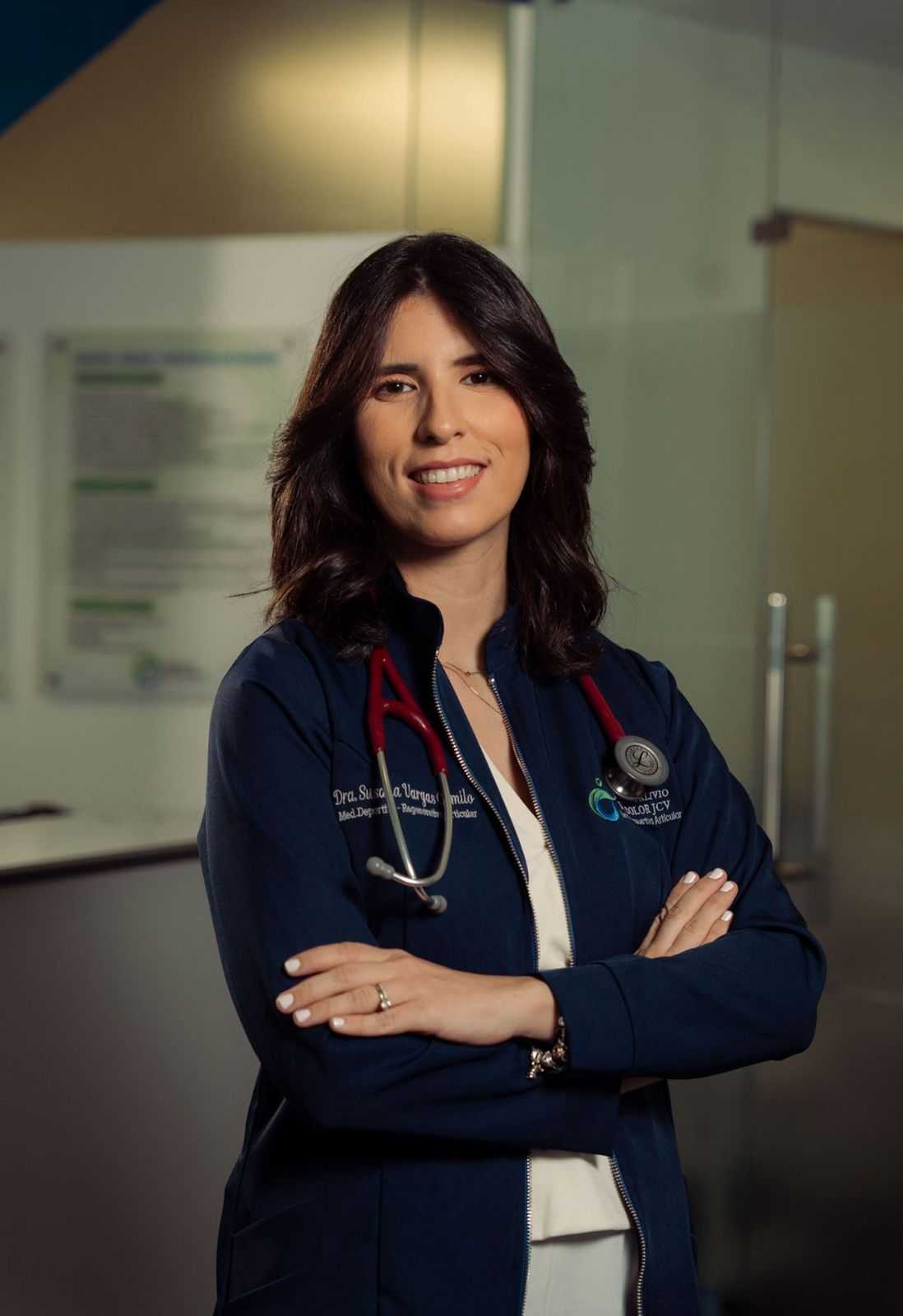
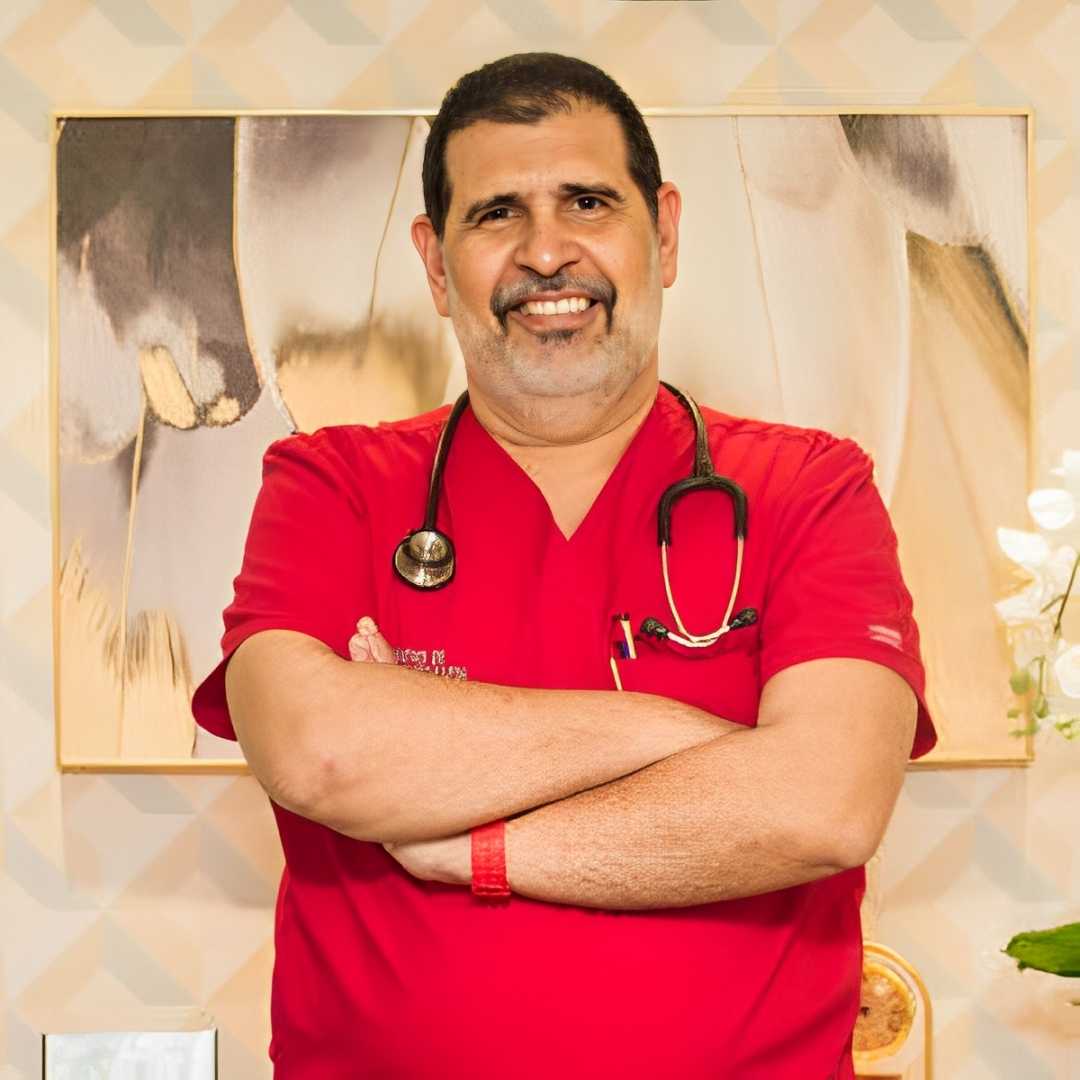
Get top quality and affordable stem cell for Orthopedic in Santo Domingo Dominican Republic at Centro de Proloterapia y Manejo del dolor, Dr. Vargas Decamps.
Read more details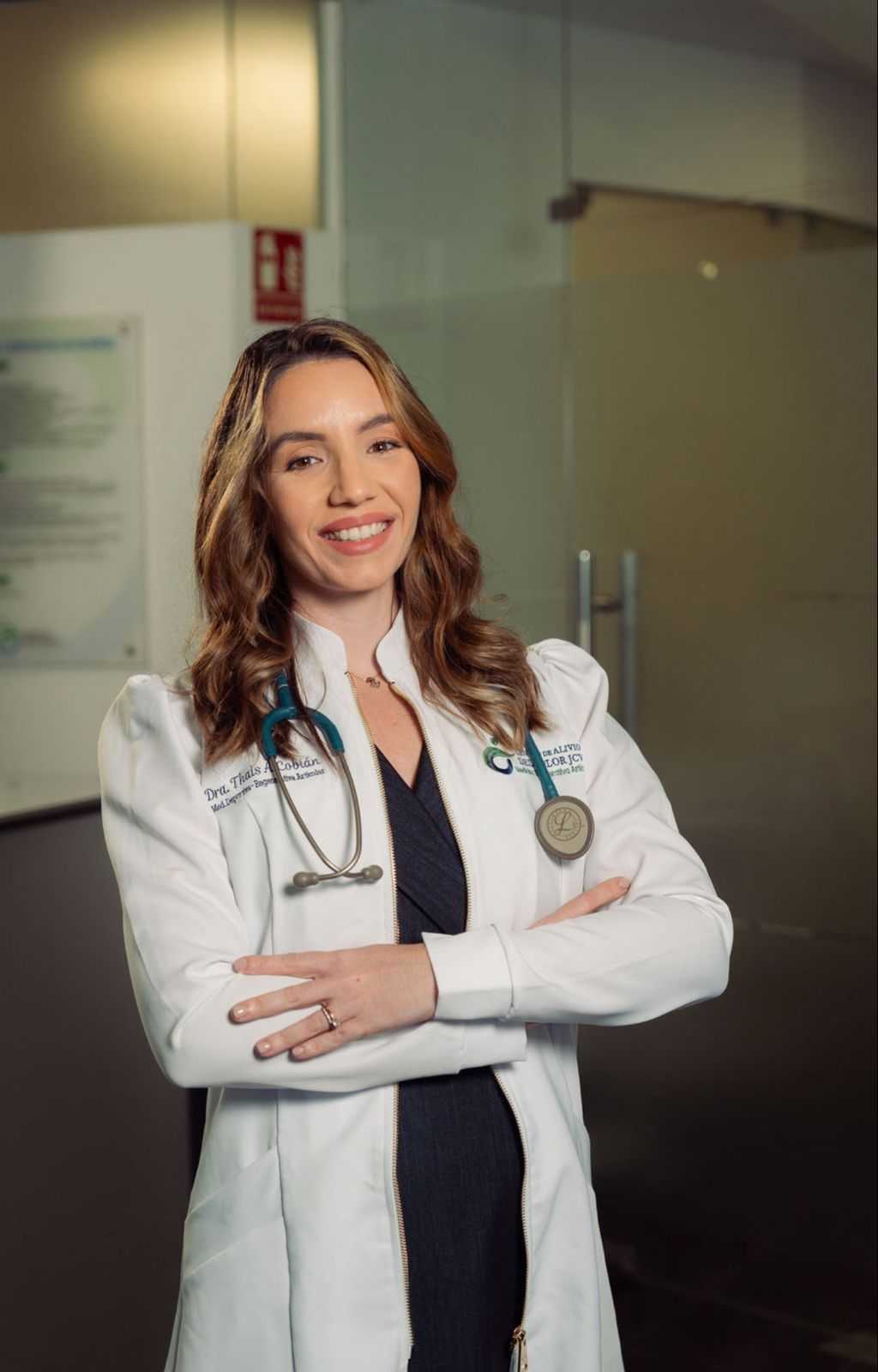

Genoma Health - Stem Cell Dominican Republic
Overview
Genoma Health offers advanced regenerative medicine and stem cell therapy in the Dominican Republic, focusing on personalized, science-based treatments.
Read more details
La Vida Regenerative Medicine in Dominican Republic
Overview
Visit La Vida Regenerative Medicine, a trusted stem cell clinic in Punta Cana, Dominican Republic, offering personalized regenerative therapies.
Read more detailsWhich are the top clinics for Stem Cell Therapy for Ataxia in the Dominican Republic?
For individuals seeking Stem Cell Therapy for Ataxia in the Dominican Republic, the Center for Prolotherapy and Pain Management in Santo Domingo stands out. This facility is recognized for regenerative medicine and patient satisfaction, providing specialized care for neurological conditions like ataxia with a focus on advanced therapeutic options.
When evaluating options for Stem Cell Therapy for Ataxia in the Dominican Republic, the Center for Prolotherapy and Pain Management in Santo Domingo is a notable choice. This center has a strong focus on regenerative medicine approaches, which are crucial for neurological conditions. They offer specialized procedures like Adult Stem Cell Therapy, indicating their commitment to advanced regenerative treatments. Reviewing patient testimonials and the range of specialized treatments offered can provide valuable insights into a clinic's suitability. Prospective patients should inquire about the clinic's specific protocols for ataxia, including the type of stem cells used and the overall treatment plan to ensure it aligns with their needs for neurological care.
What should I look for when choosing a Stem Cell Therapy for Ataxia clinic?
When choosing a Stem Cell Therapy for Ataxia clinic, prioritize facilities with accreditations, extensive experience in neurological regenerative treatments, clear safety protocols, and comprehensive patient support. Look for transparent communication about treatment plans and realistic outcomes for your specific condition.
Selecting the right clinic for Stem Cell Therapy for Ataxia requires careful consideration. Key aspects to look for include:
- Accreditation and Licensing: Ensure the clinic adheres to international medical standards and is licensed by relevant health authorities for regenerative medicine. This provides a baseline for quality and safety.
- Specialized Experience: Verify their track record and expertise specifically in treating neurological disorders and ataxia with stem cells. Inquire about their success rates and patient outcomes for similar cases.
- Team Qualifications: The medical team, including physicians and support staff, should have specialized training and extensive experience in regenerative medicine and neurology.
- Facility Standards: The clinic should boast state-of-the-art equipment and maintain high standards of hygiene and patient care environments.
- Treatment Protocols: Understand the exact type of stem cells used (e.g., mesenchymal stem cells - MSCs), their source, and the administration methods. Ask about the scientific research backing their specific protocols for ataxia.
- Patient-Centered Care: Look for clinics that offer personalized treatment plans, transparent communication, and dedicated support throughout your medical journey, from initial consultation to post-treatment follow-up.
How important is clinic accreditation for Stem Cell Therapy for Ataxia?
Clinic accreditation is crucial for Stem Cell Therapy for Ataxia as it signifies adherence to stringent safety and quality standards, protecting patients and ensuring ethical practices. It confirms proper regulatory oversight and a commitment to patient well-being, reducing risks associated with unverified or substandard treatments.
Accreditation for Stem Cell Therapy clinics, especially for complex neurological conditions like Ataxia, is incredibly important. It serves as a benchmark for quality and patient safety, ensuring that the facility operates under recognized medical guidelines. Accredited clinics typically:
- Follow Strict Guidelines: They adhere to national and international regulations regarding stem cell procurement, processing, and administration. This helps standardize practices and minimize variations that could impact safety and efficacy.
- Ensure Safety: This includes rigorous screening processes for donor cells (if allogeneic), proper cell handling techniques, and maintaining sterile environments to minimize risks of contamination or adverse reactions during treatment for neurological conditions.
- Maintain Ethical Standards: Accreditation often means the clinic's practices are regularly reviewed for ethical considerations, ensuring patient rights, informed consent, and transparent communication are prioritized throughout the regenerative medicine journey.
- Demonstrate Quality Outcomes: While stem cell therapy is an evolving field, accredited centers are more likely to track and report their outcomes rigorously, providing a clearer picture of their efficacy for conditions like ataxia. Always ask about the clinic's specific accreditations and what they entail to ensure confidence in your treatment choice.
What types of stem cells are used for Ataxia treatment at clinics?
Clinics offering Stem Cell Therapy for Ataxia commonly utilize Mesenchymal Stem Cells (MSCs), often sourced from adipose tissue, bone marrow, or umbilical cord blood. These cells are chosen for their regenerative, anti-inflammatory, and immunomodulatory properties to support neurological repair and improve functional outcomes.
In clinics providing Stem Cell Therapy for Ataxia, Mesenchymal Stem Cells (MSCs) are the most frequently employed type. These cells are highly valued for several key properties that make them suitable for neurological regenerative medicine:
- Source: MSCs can be harvested from various sources, including the patient's own adipose (fat) tissue or bone marrow (autologous). Alternatively, they can come from donated umbilical cord blood or tissue (allogeneic), which offers a younger, more potent cell source. Each source has its own advantages and considerations regarding cell quantity, quality, and potential immune response.
- Therapeutic Mechanisms: MSCs are known for their ability to differentiate into various cell types, secrete growth factors that support tissue repair, reduce inflammation within the central nervous system, and modulate the immune system. For ataxia, the therapeutic goal is often to protect existing neurons, promote neurogenesis, and improve neural connectivity, which can lead to enhanced motor control and coordination.
- Application: The administration method can vary, ranging from intravenous infusions to more targeted injections into the cerebrospinal fluid or specific areas of the brain or spinal cord to optimize delivery to the affected neurological pathways. It's important for patients to discuss the specific type of stem cells and the scientific rationale for their use in their personalized ataxia treatment plan.
What can I expect during a Stem Cell Therapy for Ataxia consultation at a clinic?
A Stem Cell Therapy for Ataxia consultation typically involves a thorough medical history review, a detailed neurological examination, and a discussion of your previous treatments. The specialist will explain specific regenerative treatment options, potential benefits, associated risks, and address all your questions to determine suitability for therapy.
A consultation for Stem Cell Therapy for Ataxia is a vital first step to determine if this advanced regenerative treatment is suitable for your condition. During this comprehensive appointment at a specialized clinic, you can expect:
- Comprehensive Medical Review: The medical team will meticulously review your complete medical history, including the specifics of your ataxia diagnosis, symptom progression, any co-existing medical conditions, and all prior treatments or medications you have received. This holistic view helps tailor a potential treatment plan.
- Neurological Assessment: A detailed physical and neurological examination will be performed. This assessment aims to thoroughly evaluate your current condition, including motor function, coordination, balance, speech, and overall neurological status to establish a baseline.
- Diagnostic Imaging and Genetic Review: Any relevant diagnostic imaging results (such as MRI scans of the brain or spine) and genetic test results related to your ataxia will be discussed. This helps the specialists understand the underlying pathology and extent of the condition.
- Treatment Discussion: The stem cell specialist will explain the various stem cell therapy approaches available at their clinic, including the type of cells they use, the expected procedural steps, and the potential benefits specific to treating ataxia.
- Risk and Benefit Analysis: You will receive a clear and honest explanation of the potential risks, side effects, and realistic expectations for improvement. Understanding these aspects is crucial for making an informed decision about regenerative therapy.
- Question and Answer Session: This is your dedicated opportunity to ask all your questions about the therapy, the clinic's experience with ataxia patients, their safety measures, and the specifics of post-treatment care. Don't hesitate to voice all your concerns.
How long does recovery typically take after Stem Cell Therapy for Ataxia at clinics?
Recovery after Stem Cell Therapy for Ataxia varies significantly, but immediate post-procedure observation is common for a few days. Patients often experience gradual improvements over several weeks to months as stem cells work to regenerate and repair neurological tissues, requiring consistent follow-up and rehabilitation.
The recovery timeline following Stem Cell Therapy for Ataxia isn't a one-size-fits-all, as it largely depends on the individual's specific type and severity of ataxia, their overall health, and the precise regenerative treatment protocol used.
- Immediate Post-Procedure: Patients typically spend a few days at the clinic for immediate observation and initial recovery. During this critical period, the medical team closely monitors for any immediate reactions or complications and manages any mild discomfort such as localized soreness at injection sites.
- Short-Term Recovery (Weeks 1-4): Upon discharge, patients are generally advised to rest and limit strenuous physical activities. Some individuals may begin to notice subtle changes in energy levels, sleep patterns, or a slight improvement in overall well-being during this phase. Clinics often recommend starting gentle physiotherapy or rehabilitation exercises to support the integration and effects of the stem cells.
- Long-Term Improvement (Months 1-12+): The regenerative process of stem cells is gradual. Most noticeable improvements in key ataxia symptoms like motor control, coordination, balance, gait, or speech tend to emerge progressively over several weeks to many months. Clinics usually schedule regular follow-up appointments, often virtual, to track progress, conduct assessments, and adjust any supportive therapies or rehabilitation programs to maximize long-term outcomes. Adhering strictly to post-treatment guidelines and maintaining an active rehabilitation regimen is crucial for achieving the best possible results.
What kind of patient support is available from Stem Cell Therapy for Ataxia clinics?
Leading Stem Cell Therapy for Ataxia clinics offer comprehensive patient support including pre-treatment evaluations, personalized care plans, on-site medical supervision, and structured post-treatment follow-up. This holistic approach aims to ensure a smooth and effective treatment journey from initial inquiry through long-term recovery.
Reputable Stem Cell Therapy for Ataxia clinics understand that a successful treatment journey extends far beyond the medical procedure itself. They typically offer comprehensive patient support services, including:
- Pre-Treatment Coordination: Assistance with planning your trip, including travel logistics, booking flights, arranging accommodation, and managing local transportation to and from the clinic for your appointments.
- Personalized Care Teams: Dedicated nurses, patient coordinators, or case managers who guide you through every step of your treatment. They serve as your main point of contact, answering questions and ensuring your comfort.
- Language Support: For international patients, access to professional medical translators or bilingual staff to ensure clear, precise communication between you and the medical team, addressing any concerns effectively.
- On-Site Medical Supervision: Continuous monitoring of your health during your stay, from cell harvesting (if applicable) to stem cell administration and initial recovery, ensuring any immediate needs are met.
- Post-Treatment Monitoring: Structured follow-up appointments, which may include remote consultations, to track your progress after you return home. This helps the clinic assess treatment efficacy and provide ongoing guidance.
- Rehabilitation Recommendations: Guidance on recommended physical therapy, occupational therapy, or other rehabilitation programs that can enhance and sustain the benefits of stem cell therapy for neurological improvement.
- Educational Resources: Providing patients and their families with detailed information about ataxia, stem cell therapy, and lifestyle adjustments to help optimize recovery and long-term health management.
Are there specific facilities or technologies used in Dominican Republic Stem Cell Therapy clinics?
Dominican Republic Stem Cell Therapy clinics for Ataxia leverage advanced medical technologies including specialized laboratories for stem cell processing, precision imaging for targeted delivery, and modern rehabilitation units. They prioritize cutting-edge equipment to ensure effective and safe regenerative treatments for neurological conditions.
Clinics offering Stem Cell Therapy for Ataxia in the Dominican Republic, particularly those focusing on advanced regenerative medicine, typically employ specialized facilities and cutting-edge technologies to enhance treatment efficacy and safety. These may include:
- Certified Laboratories: Many clinics operate with on-site or affiliated laboratories that adhere to international standards for processing and culturing stem cells. This ensures high cell viability, purity, and sterility, which are critical for effective and safe regenerative treatments.
- Advanced Imaging Guidance: For precise and targeted delivery of stem cells, clinics often utilize advanced imaging technologies such as ultrasound or fluoroscopy. This allows physicians to accurately administer stem cells to specific neurological areas, such as the spinal cord or brain, or to affected joints, depending on the patient's condition.
- Sterile Operating Theaters: Procedures for stem cell harvesting (e.g., from adipose tissue or bone marrow) and administration are performed in modern, fully equipped, and sterile operating environments. This minimizes the risk of infection and ensures patient safety during the entire process.
- Patient Monitoring Systems: During and immediately after stem cell procedures, patients are closely monitored using state-of-the-art equipment. These systems provide continuous tracking of vital signs and overall patient well-being, ensuring prompt response to any changes.
- Integrated Rehabilitation Centers: Leading clinics often integrate comprehensive rehabilitation services within their facilities or through partnerships. These centers are equipped with specialized machinery and therapists trained in neurological recovery to support and enhance the effects of stem cell therapy, aiding in improvements in motor function and coordination for ataxia patients.
What success rates are reported for Stem Cell Therapy for Ataxia in clinics?
Reported success rates for Stem Cell Therapy for Ataxia vary significantly, as it's an evolving field with diverse patient responses. Many clinics focus on symptomatic improvement and slowed progression rather than a complete cure, highlighting the importance of personalized consultations for realistic expectations regarding neurological regenerative treatment.
When considering Stem Cell Therapy for Ataxia, it's natural to inquire about success rates. However, it's important to approach this with a nuanced understanding, as the field of regenerative medicine for neurological disorders is complex and outcomes can vary:
- Variability of Outcomes: Success rates are not universally standardized and can vary widely between clinics, research studies, and individual patients. Factors such as the specific type of ataxia, the patient's overall health status, the stage of the disease progression, the type and number of stem cells administered, and the quality of post-treatment follow-up care all play a significant role.
- Focus on Improvement: For neurological conditions like ataxia, "success" is often defined by tangible improvements in quality of life metrics, reduction in symptoms (e.g., better balance, enhanced coordination, clearer speech, improved gait stability), or a noticeable slowing down of disease progression, rather than achieving a complete cure. Clinics aim to enhance existing neurological function and prevent further deterioration.
- Clinical Studies and Data: Many reputable clinics base their treatment protocols on promising results from ongoing clinical trials and observational studies. It is crucial for prospective patients to ask clinics for data specific to their own patient population, their particular stem cell protocols, and the types of ataxia they treat most successfully.
- Individualized Responses: Each patient's biological response to stem cell therapy can be unique. What works significantly for one individual may have a more modest effect on another. Therefore, a comprehensive and personalized consultation, including a thorough review of your medical history and current neurological status, is essential for the medical team to provide realistic expectations and determine potential benefits for your specific case of ataxia.
What travel and accommodation assistance can clinics offer for Stem Cell Therapy for Ataxia patients?
Many Stem Cell Therapy for Ataxia clinics, especially in medical tourism destinations like the Dominican Republic, offer comprehensive travel and accommodation assistance. This can include airport transfers, lodging arrangements, local transportation, and concierge services to ensure a stress-free experience for international patients.
For international patients seeking Stem Cell Therapy for Ataxia, clinics in popular medical tourism hubs like the Dominican Republic often provide extensive travel and accommodation support to make the entire experience as smooth and stress-free as possible. This can typically include:
- Airport Transfers: Organizing reliable pick-up and drop-off services at local airports to ensure a comfortable and safe arrival and departure.
- Accommodation Packages: Partnering with local hotels, serviced apartments, or recovery centers that cater specifically to medical tourists. These options often provide special rates, accessible rooms, and amenities suitable for patients undergoing treatment for neurological conditions.
- Local Transportation: Arranging transport for all necessary movements, including clinic visits, follow-up appointments, rehabilitation sessions, and other essential local excursions, ensuring convenience and minimizing patient fatigue.
- Concierge Services: Offering comprehensive concierge support that can include assistance with visa application processes, booking flights, arranging local sightseeing, and handling other personal needs or errands that might arise during your stay.
- Language Support: Providing professional translators or employing bilingual staff to ensure clear, accurate, and comfortable communication between you and the entire medical team, as well as local service providers.
- Dedicated Patient Coordinators: Assigning a dedicated patient coordinator who serves as your primary point of contact. This individual manages all aspects of your medical trip, from your initial inquiry and pre-arrival preparations to your post-treatment departure, ensuring a seamless journey focused on your recovery.
How PlacidWay helps individuals access Stem Cell Therapy for Ataxia in Dominican Republic?
PlacidWay provides detailed, up-to-date information about Stem Cell Therapy for Ataxia, including benefits, risks, and expected outcomes, empowering you with crucial knowledge for informed decisions. We assist users in comparing treatment options across various clinics, ensuring you find affordable, quality care that fits your needs.
PlacidWay helps individuals find trusted, accredited clinics and experienced medical professionals specializing in Stem Cell Therapy for Ataxia in Dominican Republic. Our platform showcases facilities that meet international standards, giving you peace of mind.
We offer one-on-one consultations to help you make informed decisions about your treatment plan, ensuring your specific health needs and preferences are met. Beyond treatment, PlacidWay facilitates continued support, including guidance on follow-up care and recovery assistance, for a comprehensive healthcare journey.
Ready to get Stem Cell Therapy for Ataxia in Dominican Republic? Contact us today for a personalized consultation.Share with AI
Share this page with AI assistants to get summaries and insights


List of Best Stem Cell Therapy for Ataxia Clinics in Dominican Republic
Unlock the Best Stem Cell Therapy Packages Just for You
Discover the ultimate Stem Cell Therapy packages designed to meet your health and wellness goals. Choose the perfect fit for your journey.

Price starting from $6,960
Arthritis and Osteoarthritis Treatment with Regenerative Medicine at Genoma Health
Genoma Health - Stem Cell Dominican Republic
- Stem Cell Therapy
Santiago de los Caballeros, Dominican Republic

Price starting from $9,099
Stem Cell Therapy for Ataxia Package in Tijuana, Mexico by CellsTime Clinique
CellsTime Clinique Tijuana
- Stem Cell Therapy
Tijuana, Mexico
Price starting from $4,400
Stem Cells Dominican Republic: Osteoarthritis Treatment by Dr. Vargas Decamps in Santo Domingo
Center for Prolotherapy and Pain Management
- Stem Cell Therapy
Santo Domingo, Dominican Republic
Price starting from $9,120
Diabetes Treatment with Regenerative Medicine at Genoma Health
Genoma Health - Stem Cell Dominican Republic
- Stem Cell Therapy
Santiago de los Caballeros, Dominican Republic
Transformative Stem Cell Therapy Experiences: Dive into Procedure Insights
Discover the power of Stem Cell Therapy through compelling patient experiences. Uncover detailed insights into procedures, recovery journeys, and life-changing results.

Price starting from $4,400
Stem Cell Therapy for Herniated Discs in Dominican Republic
- Stem Cell Therapy for a Herniated Disc, Stem Cell Therapy
Dominican Republic

Price starting from $9,099
Stem Cell Therapy for Ataxia in Tijuana, Mexico
- Stem Cell Therapy for Ataxia, Stem Cell Therapy
Tijuana, Mexico

Price starting from $4,400
Stem Cell Therapy for Ligament Repair in Dominican Republic
- Stem Cell Therapy for Tendon and Ligament Tears, Stem Cell Therapy
Dominican Republic
Price starting from $4,400
Stem Cell Therapy for Degenerative Disc Disease in Dominican Republic
- Stem Cell Therapy for Degenerative Discs, Stem Cell Therapy
Dominican Republic
Explore Stem Cell Therapy: Stories, Testimonials, and Procedures
Watch in-depth videos covering everything from Stem Cell Therapy success stories to detailed procedure explanations. Learn what to expect and hear from real patients.
Boosting Orthopedic Clinics' Global Reach: The Power of PlacidWay Medical Tourism - Video
Stem Cell Therapy
PlacidWay Medical Tourism
Dominican Republic

Why Leading Medical Centers Choose PlacidWay: The Ultimate Marketing & CRM Solution for Global Patient Engagement
Stem Cell Therapy
PlacidWay Medical Tourism
Dominican Republic
Empowering Patients: Self-Service's Surge in Medical Tourism
Stem Cell Therapy
PlacidWay Medical Tourism
Dominican Republic

Amplify Your Medical Center's Global Presence with PlacidWay Medical Tourism
Stem Cell Therapy
PlacidWay Medical Tourism
Dominican Republic
Learn More with These Stem Cell Therapy Articles
Take a look at these interesting articles, stories and research that will help you learn more about Stem Cell Therapy.

Neural Navigation: Why Santo Domingo is the New Frontline for Combining Stem Cells with Advanced Robotic Rehabilitation
PlacidWay Medical Tourism
- Stem Cell Therapy
Dominican Republic

Stem Cell Therapy in Santo Domingo Dominican Republic: Exploring Regenerative Care in the Caribbean
PlacidWay Medical Tourism
- Stem Cell Therapy
Dominican Republic

Evaluating Stem Cell Therapy Options and Patient Safety in Santo Domingo, Dominican Republic
PlacidWay Medical Tourism
- Stem Cell Therapy
Dominican Republic

The Inflammation Eraser: Why UK Patients are Bypassing the NHS for Santo Domingo’s Rapid-Response RA Cellular Therapy
PlacidWay Medical Tourism
- Stem Cell Therapy
Dominican Republic
Stem Cell Therapy Solutions Near You: Explore Top Medical Centers
Discover how Stem Cell Therapy is transforming lives at leading medical centers in , Dominican Republic. Dive into center profile, specialties, doctors, reviews, etc. and explore the best options tailored to your needs in this region.
Center for Prolotherapy and Pain Management
Santo Domingo, Dominican Republic
Genoma Health - Stem Cell Dominican Republic
Santiago de los Caballeros, Dominican Republic

La Vida Regenerative Medicine in Dominican Republic
Punta Cana, Dominican Republic








The doctors were wonderful and the facility is state of the art.
Read More