
What treatment


7+ Best Clinics for Stem Cell Treatment for Autism in United States
Trusted Medical Tourism Platform Since 2007
What are the best stem cell therapy for autism clinics in the United States?
The best stem cell therapy for autism clinics in the United States include Regenestem (Fort Lauderdale, FL), California Wellness Institute (Rancho Mirage, CA), Blatman Health and Wellness Center (Cincinnati, OH), Amira Integrative Health (East Stroudsburg, PA), and The Institute of Regenerative Medicine (Boca Raton, FL).
These top-rated facilities adhere to FDA guidelines for cell-based therapies. They primarily utilize Mesenchymal Stem Cells (MSCs) alongside supportive treatments to address autism spectrum disorder, cerebral palsy, multiple sclerosis, and Parkinson's disease. Depending on the personalized protocol and clinic, stem cell treatment packages in the US generally range from $4,500 to $15,000 USD.
 91.30% Patient Recommend
California Wellness Institute


Overview
Discover Urology and Anti Aging Regenerative Medicine at California Wellness Institute in Rancho Mirage, California, USA - CWIs expert care.
Read more details

 87.50% Patient Recommend
Regenestem Fort Lauderdale, USA


Overview
Regenestem is a leading regenerative medicine center in Fort Lauderdale, USA, specializing in treatments for neurological conditions, COPD, MS, and more.
Read more details
 95.02% Patient Recommend
Blatman Health and Wellness Center
Overview
Experience advanced Regenerative Medicine at Blatman Health and Wellness Center in Cincinnati, USA. Rejuvenate your health today!
Read more details
Kentuckiana Integrative Medicine in Jeffersonville, USA
Overview
Discover regenerative medicine in Jeffersonville, United States by Kentuckiana Integrative Medicine offering advanced therapies for pain relief and healing.
Read more detailsDiscover your treatment options with a free, no-obligation quote!
Get your quote now! 89.86% Patient Recommend
PlacidWay Medical Tourism
Overview
Discover affordable, quality healthcare worldwide with PlacidWay Medical Tourism. Access trusted clinics, top doctors, and personalized treatment plans.
Read more details.jpeg)


 100.00% Patient Recommend
The Institute of Regenerative Medicine
Overview
The Institute of Regenerative Medicine provides best Regenerative Medicine in Boca Raton, Florida. Book online now Regenerative Medicine for Knee Joint, Shoulder, Hip at PlacidWay!
Read more details 100.00% Patient Recommend
Amira Integrative Health by MJA Healthcare
Overview
Amira Integrative Health by MJA Healthcare in East Stroudsburg, PA, United States offers top regenerative therapies and holistic care for transformative health.
Read more details 100.00% Patient Recommend
Thrive MD
Overview
Thrive MD provides best Regenerative Medicine in Miami, Florida. Book online now Regenerative Medicine for Hip, Regenerative Medicine for Knee, and Regenerative Medicine for Shoulder at Thrive MD.
Read more detailsDiscover your treatment options with a free, no-obligation quote!
Get your quote now! 100.00% Patient Recommend
Personalized Regenerative Medicine
Overview
Personalized Regenerative Medicine provides best Regenerative Medicine in Los Angeles, USA. Book online now PRP Treatment and Regenerative Injections at Personalized Regenerative Medicine.
Read more details 100.00% Patient Recommend
Michigan Center for Regenerative Medicine
Overview
The Michigan Center for Regenerative Medicine specializes in regenerative treatments for orthopedic issues of the joints and spine. We specialize in nonsurgical orthopedics to relieve pain and improve function.
Read more details 100.00% Patient Recommend
Victor Regenerative Medicine Centers
Overview
Victor Regenerative Medicine Centers Dr. Steven Victor is located in New York, USA. The highly skilled medical team offers regenerative medicine therapies and aesthetic services to patients around the globe at affordable costs.
Read more detailscopy.png)
Authored by
Usama Ahmad
Medical content writer with 5+ years of experience specializing in stem cells and regenerative medicine content.
Reviewed by
Dr. Alejandro Fernando
Dr. Alejandro Fernando is a top stem cell specialist in Mexico City, specializing in regenerative medicine, cellular therapies, and chronic disease treatment and Medical Content Reviewer
Last updated on
Which are the top-rated clinics for Stem Cell Treatment for Autism in the United States?
When exploring Stem Cell Treatment for Autism in the United States, several clinics stand out for their patient recommendations and comprehensive services. Leading options include Regenestem Fort Lauderdale, California Wellness Institute, Thrive MD, Blatman Health and Wellness Center, and The Institute of Regenerative Medicine. These facilities are often recognized for their specialized focus on regenerative medicine and patient-centric approaches, offering various stem cell therapies and supportive treatments tailored for autism spectrum disorder. They focus on delivering a high standard of care and patient satisfaction.
Choosing the right facility is a significant decision. The top-listed clinics for autism stem cell therapy in the United States consistently receive high patient satisfaction ratings, demonstrating their commitment to positive outcomes and quality care. For example, clinics like Regenestem in Fort Lauderdale, Florida, and Amira Integrative Health in East Stroudsburg, Pennsylvania, are noted for their specific programs for autism and positive patient feedback. Others, such as the California Wellness Institute and Thrive MD in Miami, offer a broader range of regenerative medicine options that may include autism-related treatments. When evaluating these centers, consider their specific treatment protocols, patient testimonials, and physician expertise in regenerative and neurodevelopmental therapies.
What criteria define a reputable Stem Cell Treatment for Autism clinic in the US?
A reputable Stem Cell Treatment for Autism clinic in the US is characterized by its adherence to scientific evidence, physician qualifications, regulatory compliance, and transparent patient communication. Look for clinics with board-certified physicians, robust safety protocols, clear treatment plans, and a track record of ethical practices. Accreditation from recognized bodies and involvement in clinical research further validate a clinic's standing and commitment to advanced, responsible care for autism spectrum disorder.
Identifying a reputable clinic for stem cell therapy for autism involves a thorough evaluation of several key aspects:
- Physician Expertise: Ensure the medical team includes board-certified doctors with specialized experience in regenerative medicine and neurodevelopmental disorders, specifically autism.
- Accreditation & Licensing: Verify that the clinic operates under appropriate state and federal licenses and ideally holds accreditation from relevant medical organizations, signifying high standards of patient safety and care.
- Evidence-Based Practices: A strong emphasis on scientifically supported treatment protocols and, ideally, participation in clinical trials related to autism stem cell therapy.
- Transparency: Reputable clinics openly discuss treatment methodologies, potential benefits, risks, and realistic expectations. They should provide detailed information on the origin and processing of stem cells.
- Patient-Centered Care: Look for clinics that offer individualized treatment plans, comprehensive patient support, and clear communication channels throughout the treatment journey.
How do clinics in the US assess eligibility for autism stem cell therapy?
Eligibility for autism stem cell therapy in US clinics is typically determined through a comprehensive medical evaluation. This process involves a detailed review of the patient's medical history, current health status, and specific autism spectrum disorder symptoms. Clinics will conduct physical examinations, neurological assessments, and potentially genetic or metabolic tests to ascertain if the patient is a suitable candidate for the therapy, ensuring safety and potential efficacy of the treatment.
The eligibility assessment is a critical first step to ensure patient safety and optimize treatment potential. Here’s what it usually entails:
- Detailed Medical History: Doctors gather extensive information about the individual's birth history, developmental milestones, medical conditions, medications, and previous therapies.
- Autism Diagnosis Confirmation: Clinics will often require a formal diagnosis of autism spectrum disorder (ASD) based on accepted diagnostic criteria (e.g., DSM-5).
- Current Health Status: A thorough physical exam and blood tests are performed to assess overall health, rule out contraindications, and identify any underlying conditions that might affect treatment.
- Neurological and Developmental Assessments: Specialists may conduct specific tests to evaluate neurological function, cognitive abilities, communication skills, and adaptive behaviors related to autism.
- Review of Existing Therapies: Understanding current interventions and their impact helps tailor a personalized stem cell treatment plan.
What types of stem cells are commonly used in autism treatment in US clinics?
In US clinics offering stem cell treatment for autism, Mesenchymal Stem Cells (MSCs) are most commonly utilized. These cells are typically sourced from umbilical cord tissue, adipose tissue (fat), or bone marrow. MSCs are favored for their immunomodulatory and regenerative properties, which are thought to help reduce neuroinflammation and promote tissue repair, potentially improving symptoms associated with autism spectrum disorder. Research continues to explore their therapeutic potential and safety.
Mesenchymal Stem Cells (MSCs) are preferred due to their versatile properties and relative ease of procurement:
- Umbilical Cord-Derived MSCs: These are often chosen for their high proliferative capacity and low immunogenicity, meaning they are less likely to be rejected by the recipient. The harvesting process is non-invasive and poses no risk to the patient.
- Adipose-Derived MSCs: Sourced from a patient's own fat tissue through a minimally invasive liposuction procedure, these cells are readily available and can be processed quickly for autologous (self-donated) treatment.
- Bone Marrow-Derived MSCs: Also autologous, these stem cells are obtained from the patient's bone marrow, typically from the hip bone. They have a long history of use in regenerative medicine.
What supportive therapies might a US clinic offer alongside stem cell treatment for autism?
US clinics specializing in autism stem cell treatment often integrate a range of supportive therapies to enhance overall patient outcomes. These may include personalized nutritional plans, detoxification protocols, hyperbaric oxygen therapy (HBOT), physical therapy, occupational therapy, and speech therapy. The goal is to create a holistic approach that addresses various aspects of autism spectrum disorder, complementing the regenerative potential of stem cells and promoting neurodevelopmental improvements.
A comprehensive approach recognizes that stem cell therapy is one component within a broader treatment strategy for autism. Supportive therapies commonly offered include:
- Nutritional and Dietary Interventions: Tailored plans focusing on gut health, reducing inflammation, and addressing nutrient deficiencies, often including specific supplements.
- Hyperbaric Oxygen Therapy (HBOT): This therapy aims to increase oxygen delivery to brain tissues, which some believe can support brain function and recovery.
- Physical and Occupational Therapy: To improve motor skills, sensory integration, and daily living activities.
- Speech and Language Therapy: Essential for enhancing communication skills and social interaction.
- Behavioral Therapies: Such as Applied Behavior Analysis (ABA), to help manage challenging behaviors and promote adaptive skills.
- Biomedical Interventions: Addressing issues like heavy metal toxicity or chronic infections, if identified during the initial evaluation.
How important is a clinic's research involvement for autism stem cell treatment in the US?
A clinic's involvement in research is highly important for autism stem cell treatment in the US, as it signals a commitment to advancing the field and utilizing the latest scientific understanding. It indicates that the clinic is not just administering treatments but also contributing to the body of knowledge, often translating to more refined protocols and a deeper understanding of patient responses. Research participation helps ensure that therapies are informed by current evidence and best practices in regenerative medicine for autism spectrum disorder.
Research involvement offers several advantages for patients seeking autism stem cell therapy:
- Access to Cutting-Edge Protocols: Clinics actively involved in research are often at the forefront of developing and implementing new, potentially more effective, treatment strategies.
- Enhanced Expertise: Physicians and staff engaged in research maintain a deeper understanding of stem cell science, its applications, and emerging data, leading to more informed patient care.
- Commitment to Improvement: Research-oriented clinics typically have mechanisms for tracking patient outcomes and continuously refining their protocols based on data, contributing to better long-term results.
- Ethical Standards: Participation in formal clinical trials often requires adherence to stringent ethical guidelines and regulatory oversight, ensuring patient safety and data integrity.
- Personalized Treatment: Research can help identify biomarkers or individual patient characteristics that predict response to therapy, allowing for more personalized and effective treatment plans.
What patient support services do US autism stem cell clinics typically provide?
US autism stem cell clinics typically offer a robust suite of patient support services to ensure a smooth and comfortable treatment journey for families. These often include dedicated patient coordinators for appointment scheduling and travel assistance, educational resources to help families understand the process, and emotional support. Many clinics also provide translation services, dietary guidance, and comprehensive post-treatment follow-up plans, focusing on a holistic care experience for individuals with autism spectrum disorder.
Beyond the medical procedure, patient support is crucial, especially for families traveling for treatment. Common services include:
- Dedicated Patient Coordinators: These individuals act as a single point of contact, assisting with scheduling, logistics, and answering non-medical questions.
- Educational Resources: Providing families with detailed information about stem cell therapy, expected outcomes, and how to best prepare for and recover from treatment.
- Travel and Accommodation Assistance: Many clinics help international or out-of-state patients with recommendations or arrangements for travel, lodging, and local transportation.
- Nutritional Counseling: Guidance on diet and supplements that can support the patient's health and potentially enhance treatment effects.
- Psychological and Emotional Support: Resources or referrals for managing the emotional aspects of dealing with autism and undergoing new therapies.
- Translation Services: For non-English speaking patients, ensuring clear communication with the medical team.
How do US clinics handle long-term follow-up for stem cell treatment patients?
US clinics providing stem cell treatment for autism prioritize long-term follow-up to monitor progress and support ongoing development. This typically involves scheduled virtual consultations, follow-up questionnaires, and requests for updates from local therapists or physicians. The goal is to track improvements in autism symptoms, assess any changes in health, and adjust supportive therapies as needed. This comprehensive approach ensures continuous care and optimizes the potential for sustained benefits for individuals with autism spectrum disorder.
Effective long-term follow-up is essential for evaluating the success of stem cell therapy and providing ongoing support:
- Regular Check-ins: Clinics schedule periodic virtual or phone consultations with families to discuss progress, challenges, and overall well-being.
- Outcome Tracking: Patients are often asked to complete standardized questionnaires or rating scales to objectively assess changes in core autism symptoms and related behaviors.
- Collaboration with Local Providers: Clinics may coordinate with the patient's local pediatricians, neurologists, or therapists to ensure a seamless continuation of care and integration of stem cell therapy effects with existing interventions.
- Access to Support: Ongoing access to patient support teams for questions or concerns that arise after returning home.
- Therapy Adjustments: Based on follow-up assessments, recommendations for adjusting complementary therapies (e.g., speech, occupational, or behavioral therapies) may be provided to maximize long-term gains.
What are the typical steps involved in starting treatment at a US stem cell clinic for autism?
Starting stem cell treatment for autism at a US clinic typically involves an initial consultation, comprehensive medical assessment, personalized treatment planning, and scheduling of the procedure. Families usually begin with a remote or in-person consultation to discuss the patient's case and assess preliminary eligibility. This is followed by detailed diagnostic evaluations, leading to a customized treatment plan. Once approved, the treatment dates are set, and pre-procedure instructions are provided to ensure optimal preparation for the patient with autism spectrum disorder.
Navigating the process from initial inquiry to treatment day is structured to be as supportive as possible:
- Initial Consultation: This can be done remotely or in-person. Families provide basic medical information and discuss their goals and concerns regarding stem cell therapy for autism.
- Comprehensive Medical Evaluation: If preliminarily eligible, the patient undergoes thorough diagnostic tests, including blood work, neurological assessments, and a detailed review of medical history.
- Personalized Treatment Plan: Based on the evaluation, the medical team develops a customized treatment protocol, outlining the type of stem cells, number of infusions, and integrated supportive therapies.
- Informed Consent: Patients/guardians receive detailed information about the procedure, potential risks, benefits, and alternative treatments, ensuring they make an informed decision.
- Preparation & Scheduling: Once consent is obtained, treatment dates are scheduled, and specific pre-procedure instructions (e.g., dietary restrictions, medication adjustments) are provided.
- Post-Treatment Plan: Discussions about immediate post-procedure care and long-term follow-up are initiated before the patient leaves the clinic.
What safety protocols should I expect from a US clinic offering stem cell therapy for autism?
Reputable US clinics offering stem cell therapy for autism prioritize stringent safety protocols, which include comprehensive patient screening, rigorous stem cell sourcing and processing, and meticulous administration techniques. Expect thorough pre-treatment evaluations to ensure patient suitability, and verify that the clinic adheres to FDA guidelines for cell-based therapies. Post-procedure monitoring for adverse reactions and a commitment to transparent communication about safety data are also key indicators of a responsible clinic for autism spectrum disorder treatment.
Patient safety is paramount in stem cell therapy. Here are the key protocols to look for:
- Strict Patient Selection: Thorough screening processes, including medical history review, physical exams, and diagnostic tests, to identify patients who are suitable candidates and minimize risks.
- FDA Compliance & Regulation: Clinics should adhere to current FDA regulations for human cell and tissue products (HCT/Ps), ensuring cells are minimally manipulated and intended for homologous use, or are part of an FDA-approved clinical trial under an Investigational New Drug (IND) application.
- Accredited Laboratories: Stem cells should be processed in certified labs (e.g., cGMP-compliant) that follow strict quality control and sterility standards to prevent contamination.
- Sterile Administration: The administration of stem cells should be performed by qualified medical professionals in a sterile environment, minimizing the risk of infection.
- Monitoring for Adverse Events: Patients are closely monitored during and after the procedure for any immediate or delayed adverse reactions.
- Ethical Practices: A commitment to ethical guidelines, ensuring that treatments are not misrepresented and patient well-being is the primary concern.
How PlacidWay helps individuals access Stem Cell Treatment for Autism in United States?
PlacidWay provides detailed, up-to-date information about Stem Cell Treatment for Autism, including benefits, risks, and expected outcomes. PlacidWay helps users compare treatment in various clinics, ensuring affordable options without compromising on quality. PlacidWay assists users in finding trusted, accredited clinics and medical professionals specializing in Stem Cell Treatment for Autism in United States. PlacidWay offers one-on-one consultations to help users make informed decisions about their treatment, ensuring their specific needs are met. PlacidWay ensures continued support after the treatment, including follow-up care and recovery assistance. Ready to get Stem Cell Treatment for Autism in United States? Contact us today for a personalized consultation.Share with AI
Share this page with AI assistants to get summaries and insights


List of Best Stem Cell Treatment for Autism Clinics in United States
Explore Stem Cell Treatment for Autism: Stories, Testimonials, and Procedures
Watch in-depth videos covering everything from Stem Cell Treatment for Autism success stories to detailed procedure explanations. Learn what to expect and hear from real patients.
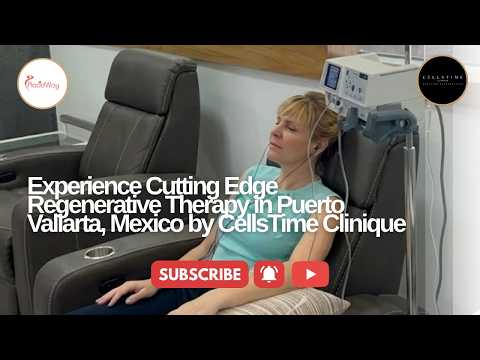
Experience Cutting Edge Regenerative Therapy in Puerto Vallarta, Mexico by CellsTime Clinique
Cancer Treatment
CellsTime Clinique Puerto Vallarta
Puerto Vallarta, Mexico
Excellence in Safety and Regenerative Innovation at CellsTime Clinique for Stem Cell Care in Puerto Vallarta
Cancer Treatment
CellsTime Clinique Puerto Vallarta
Puerto Vallarta, Mexico
Restoring Mobility and Tissue Health with Mesenchymal Stem Cell Therapy at CellsTime Clinique in Tijuana
Cancer Treatment
CellsTime Clinique Tijuana
Tijuana, Mexico

PlacidWay Partners with Vault Cares Network: A Smarter, Safer Path to Medical Care Worldwide
Addiction Treatment
Vault Cares Network
Dallas,Cleveland,Denver,Chicago,St. Louis,Las Vegas,Los Angeles,Phoenix,Houston,Atlanta, United States
Unlock the Best Stem Cell Treatment for Autism Packages Just for You
Discover the ultimate Stem Cell Treatment for Autism packages designed to meet your health and wellness goals. Choose the perfect fit for your journey.
.png)
Price starting from $8,500
Autism Treatment with Stem Cells in Tijuana, Mexico - $8,500
PlacidWay Mexico Medical Tourism
- Stem Cell Therapy
Tijuana,Mexicali, Mexico

Price starting from $4,000
Stem Cell Therapy for Autism Package in Monterrey, Mexico by Stem Solutions
Stem Solutions
- Stem Cell Therapy
Monterrey,San Pedro Garza Garcia, Mexico

Price starting from $4,200
Stem Cell Therapy for Autism Package in Monterrey, Mexico by Aura Regenerative Center
Aura Regenerative Center
- Stem Cell Therapy
Monterrey, Mexico

Price starting from $25,000
Regenerative Medicine for Autism Package in New York, USA by Victor Regenerative Medicine Centers
Victor Regenerative Medicine Centers
- Stem Cell Therapy
New York, United States
Transformative Stem Cell Treatment for Autism Experiences: Dive into Procedure Insights
Discover the power of Stem Cell Treatment for Autism through compelling patient experiences. Uncover detailed insights into procedures, recovery journeys, and life-changing results.
Price starting from $3,900
Stem Cell Therapy for Autism in Juarez, Mexico
- Stem Cell Treatment for Autism , Stem Cell Therapy
Juarez, Mexico

Price starting from $15,000
Stem Cell Therapy for Autism in Puerto Vallarta, Mexico
- Stem Cell Treatment for Autism, Stem Cell Therapy
Puerto Vallarta, Mexico
.png)
Price starting from $4,200
Stem Cell Therapy for Autism in Monterrey, Mexico
- Stem Cell Treatment for Autism, Stem Cell Therapy
Monterrey, Mexico
.png)
Price starting from $5,100
Stem Cell Therapy for Autism in Mexico
- Stem Cell Treatment for Autism, Stem Cell Therapy
Mexico








What kind of treatment does your institute do for multiple sclerosis
Read More