
What treatment


8+ Best Clinics for Stem Cell Treatment for Down Syndrome in United States
Trusted Medical Tourism Platform Since 2007
What are the best stem cell therapy clinics for Down syndrome in the United States?
The leading stem cell therapy clinics in the United States include California Wellness Institute (Rancho Mirage), Regenestem (Fort Lauderdale), Personalized Regenerative Medicine (Los Angeles), Blatman Health and Wellness Center (Cincinnati), The Institute of Regenerative Medicine (Boca Raton), Amira Integrative Health (East Stroudsburg), and Thrive MD (Miami).
Operating under strict FDA guidelines and utilizing GMP-certified laboratories, these facilities use mesenchymal, adipose-derived, and umbilical cord stem cells. Alongside Down syndrome, they treat autism, multiple sclerosis, Parkinson's disease, and cerebral palsy. Depending on the condition and administration method, treatment packages typically range from $4,500 to $15,000 USD.
 91.30% Patient Recommend
California Wellness Institute


Overview
Discover Urology and Anti Aging Regenerative Medicine at California Wellness Institute in Rancho Mirage, California, USA - CWIs expert care.
Read more details

 87.50% Patient Recommend
Regenestem Fort Lauderdale, USA


Overview
Regenestem is a leading regenerative medicine center in Fort Lauderdale, USA, specializing in treatments for neurological conditions, COPD, MS, and more.
Read more details
 100.00% Patient Recommend
Personalized Regenerative Medicine
Overview
Personalized Regenerative Medicine provides best Regenerative Medicine in Los Angeles, USA. Book online now PRP Treatment and Regenerative Injections at Personalized Regenerative Medicine.
Read more details 95.02% Patient Recommend
Blatman Health and Wellness Center
Overview
Experience advanced Regenerative Medicine at Blatman Health and Wellness Center in Cincinnati, USA. Rejuvenate your health today!
Read more detailsDiscover your treatment options with a free, no-obligation quote!
Get your quote now!
Kentuckiana Integrative Medicine in Jeffersonville, USA
Overview
Discover regenerative medicine in Jeffersonville, United States by Kentuckiana Integrative Medicine offering advanced therapies for pain relief and healing.
Read more details 89.86% Patient Recommend
PlacidWay Medical Tourism
Overview
Discover affordable, quality healthcare worldwide with PlacidWay Medical Tourism. Access trusted clinics, top doctors, and personalized treatment plans.
Read more details.jpeg)



 100.00% Patient Recommend
The Institute of Regenerative Medicine
Overview
The Institute of Regenerative Medicine provides best Regenerative Medicine in Boca Raton, Florida. Book online now Regenerative Medicine for Knee Joint, Shoulder, Hip at PlacidWay!
Read more details 100.00% Patient Recommend
Amira Integrative Health by MJA Healthcare
Overview
Amira Integrative Health by MJA Healthcare in East Stroudsburg, PA, United States offers top regenerative therapies and holistic care for transformative health.
Read more detailsDiscover your treatment options with a free, no-obligation quote!
Get your quote now! 100.00% Patient Recommend
Thrive MD
Overview
Thrive MD provides best Regenerative Medicine in Miami, Florida. Book online now Regenerative Medicine for Hip, Regenerative Medicine for Knee, and Regenerative Medicine for Shoulder at Thrive MD.
Read more details 100.00% Patient Recommend
Michigan Center for Regenerative Medicine
Overview
The Michigan Center for Regenerative Medicine specializes in regenerative treatments for orthopedic issues of the joints and spine. We specialize in nonsurgical orthopedics to relieve pain and improve function.
Read more details 100.00% Patient Recommend
Victor Regenerative Medicine Centers
Overview
Victor Regenerative Medicine Centers Dr. Steven Victor is located in New York, USA. The highly skilled medical team offers regenerative medicine therapies and aesthetic services to patients around the globe at affordable costs.
Read more detailscopy.png)
Authored by
Usama Ahmad
Medical content writer with 5+ years of experience specializing in stem cells and regenerative medicine content.
Reviewed by
Dr. Alejandro Fernando
Dr. Alejandro Fernando is a top stem cell specialist in Mexico City, specializing in regenerative medicine, cellular therapies, and chronic disease treatment and Medical Content Reviewer
Last updated on
Which are the best clinics for Stem Cell Treatment for Down Syndrome in United States?
Finding the right stem cell clinic for Down Syndrome in the United States involves looking for established providers with strong patient recommendations and a focus on regenerative medicine. Top-rated clinics from reliable platforms include Thrive MD in Miami, Personalized Regenerative Medicine in Los Angeles, The Institute of Regenerative Medicine in Boca Raton, and Amira Integrative Health in East Stroudsburg, all with 100% patient recommendation ratings. Other highly regarded options are California Wellness Institute and Blatman Health and Wellness Center.
When considering the best clinics for stem cell treatment for Down Syndrome, patients often prioritize clinics with verified patient satisfaction and specialized expertise. Based on available patient feedback and focus areas, several clinics stand out across the United States:
- Thrive MD (Miami, FL): Known for regenerative medicine, they show a strong commitment to patient care with 100% patient recommendations.
- Personalized Regenerative Medicine (Los Angeles/San Clemente, CA): This clinic also boasts a 100% patient recommendation rate, indicating high satisfaction with their regenerative therapies.
- The Institute of Regenerative Medicine (Boca Raton, FL): With a perfect 100% patient recommendation, they offer specialized regenerative treatments.
- Amira Integrative Health by MJA Healthcare (East Stroudsburg, PA): This facility also has a 100% patient recommendation rate, providing holistic and regenerative care.
- California Wellness Institute (Lancaster/Los Angeles/Riverside, CA): With 95.45% patient recommendations, they integrate urology, anti-aging, and regenerative medicine.
- Blatman Health and Wellness Center (Cincinnati, OH): This center has a 95.02% patient recommendation rate for its advanced regenerative treatments.
- Regenestem Fort Lauderdale, USA (Fort Lauderdale, FL): Offers regenerative medicine specializing in various conditions, with an 87.50% patient recommendation.
What types of stem cells are generally utilized for Down Syndrome treatment in the US?
In the United States, clinics often use mesenchymal stem cells (MSCs) for Down Syndrome treatment due to their immunomodulatory and regenerative properties. These stem cells are typically sourced from the patient's own adipose (fat) tissue or bone marrow, or from ethically sourced umbilical cord blood or tissue, minimizing immune rejection risks and maximizing safety.
The specific type of stem cells used in Down Syndrome treatment can vary based on the clinic and the individual's condition. However, Mesenchymal Stem Cells (MSCs) are commonly preferred due to their therapeutic potential, including:
- Adipose-derived Stem Cells (ADSCs): These are taken from the patient's own fat tissue, offering a readily available and abundant source. They are known for their ability to differentiate and their anti-inflammatory effects.
- Bone Marrow-derived Stem Cells (BMSCs): Harvested from the patient's bone marrow, these cells are also multipotent and have a long history of safe use in regenerative medicine.
- Umbilical Cord-derived Stem Cells (UCSCs): Sourced from umbilical cord tissue or blood after birth, these "allogeneic" cells are often favored because they are young, potent, and can be used off-the-shelf, potentially avoiding the need for patient-specific harvesting. They also have a lower risk of immune rejection compared to other allogeneic sources.
How is stem cell therapy typically administered for Down Syndrome patients in US clinics?
Stem cell therapy for Down Syndrome in US clinics is commonly administered through minimally invasive methods. These include intravenous (IV) infusions, which allow the cells to circulate throughout the body, and sometimes intrathecal injections, where cells are delivered directly into the cerebrospinal fluid to target the central nervous system more effectively.
The administration route for stem cell therapy in Down Syndrome patients is carefully selected to maximize therapeutic benefits and minimize discomfort. The primary methods include:
- Intravenous (IV) Infusion: This is a common and straightforward method where stem cells are injected directly into the bloodstream through a vein. This allows the cells to travel throughout the body, reaching various tissues and organs where they can exert their regenerative and immunomodulatory effects. It's often used for systemic benefits.
- Intrathecal Injection: For conditions involving the central nervous system, such as Down Syndrome, stem cells may be injected directly into the cerebrospinal fluid (CSF) via a lumbar puncture (spinal tap). This method allows for a more direct delivery of cells to the brain and spinal cord, potentially enhancing their therapeutic impact on neurological symptoms.
- Combination Approaches: Some protocols may involve a combination of both IV and intrathecal injections to provide both systemic and targeted effects, depending on the patient's specific needs and the clinic's treatment philosophy.
What considerations are important when evaluating a stem cell clinic for Down Syndrome in the United States?
When evaluating a stem cell clinic for Down Syndrome in the United States, prioritize clinics with proper accreditation, experienced medical staff specializing in regenerative medicine, and transparent protocols. Look for evidence-based approaches, comprehensive patient support, and clear communication about expected outcomes and potential risks.
Choosing a stem cell clinic requires careful due diligence. Here are crucial factors to consider:
- Accreditation and Regulatory Compliance: Ensure the clinic operates under strict federal and state regulations, ideally holding accreditations relevant to regenerative medicine and cellular therapies. This indicates adherence to high safety and quality standards.
- Physician Expertise and Specialization: Verify that the medical team has extensive experience in regenerative medicine and, specifically, in treating neurological or developmental conditions like Down Syndrome. Inquire about their training and background in stem cell therapies.
- Treatment Protocols: A reputable clinic will have clearly defined, evidence-based protocols for stem cell sourcing, processing, and administration. They should be able to explain the scientific rationale behind their chosen methods.
- Patient Safety and Monitoring: Understand the safety measures in place before, during, and after the procedure. This includes pre-screening, monitoring during infusions, and follow-up care to track progress and manage any potential side effects.
- Transparency and Communication: The clinic should provide honest and realistic information about the potential benefits, limitations, and risks of stem cell therapy for Down Syndrome. Avoid clinics that make extravagant claims or guarantee cures.
- Facility Standards: Assess the cleanliness and professional environment of the clinic. A high-quality facility reflects a commitment to patient well-being.
Are there ongoing clinical trials for Down Syndrome stem cell therapy in the US that I can explore?
Yes, there are indeed ongoing clinical trials for stem cell therapy for Down Syndrome in the United States. These trials are crucial for advancing research and establishing safe, effective treatments. Families interested in participation should consult with their healthcare providers and visit official trial registries like ClinicalTrials.gov for current opportunities and eligibility criteria.
Clinical trials represent the cutting edge of medical research and are essential for developing new therapies. For Down Syndrome, researchers are actively investigating how stem cells can improve cognitive function, development, and overall health. If you're considering a clinical trial:
- Official Registries: The primary resource for finding clinical trials in the U.S. is ClinicalTrials.gov, a database maintained by the National Library of Medicine. You can search by condition ("Down Syndrome") and intervention ("stem cell therapy") to find active studies.
- Types of Studies: Trials might focus on different types of stem cells (e.g., umbilical cord blood, mesenchymal stem cells) and various administration methods. Some may target specific developmental milestones or neurological symptoms associated with Down Syndrome.
- Eligibility Criteria: Each trial has specific criteria for participation, often based on age, health status, and developmental stage. It's vital to review these carefully and discuss them with your child's medical team.
- Informed Consent: Participating in a clinical trial requires thorough informed consent, ensuring you understand all aspects of the study, including potential risks and benefits.
- Consult with Specialists: Discussing clinical trial options with your child's pediatrician or a Down Syndrome specialist can help determine if a trial is appropriate and guide you through the process.
What is the typical patient journey at a Stem Cell Treatment for Down Syndrome clinic in the US?
The patient journey at a US stem cell clinic for Down Syndrome typically begins with a thorough medical evaluation and consultation, followed by a personalized treatment plan. The procedure involves stem cell administration, often on an outpatient basis, with close monitoring and comprehensive post-treatment follow-up to track progress and support recovery.
Understanding the patient journey can help families prepare for stem cell treatment. While specifics may vary, a general outline includes:
- Initial Consultation and Medical Evaluation:
- Detailed review of the patient's medical history, developmental assessments, and current health status.
- Discussion of treatment goals, potential benefits, and realistic expectations.
- Diagnostic tests (blood work, imaging, etc.) to confirm suitability and tailor the treatment.
- Personalized Treatment Plan:
- Based on the evaluation, a customized plan is developed, outlining the type of stem cells, dosage, and administration method.
- Information on pre-treatment preparations and what to expect on the day of the procedure.
- Stem Cell Procedure:
- If using autologous cells (from the patient), collection of adipose tissue or bone marrow is performed. For allogeneic cells, they are typically prepared in advance.
- Cells are processed in a specialized lab to ensure quality and concentration.
- Administration of stem cells via IV or intrathecal injection, usually in an outpatient setting.
- Patients are monitored for a few hours post-procedure for any immediate reactions.
- Post-Treatment Care and Follow-up:
- Instructions for home care, including activity restrictions and potential medications.
- Scheduled follow-up appointments (in-person or telehealth) to assess progress, track developmental changes, and provide ongoing support.
- Recommendations for complementary therapies that can enhance treatment outcomes.
What supportive therapies are often offered alongside stem cell treatment for Down Syndrome in US clinics?
Many US clinics offering stem cell treatment for Down Syndrome integrate various supportive therapies to enhance overall outcomes and developmental progress. These often include physical therapy, occupational therapy, speech therapy, and nutritional counseling, all tailored to address specific developmental and cognitive needs alongside the regenerative effects of stem cells.
Stem cell therapy is often part of a holistic approach to managing Down Syndrome. Clinics in the U.S. commonly recommend or provide access to a range of complementary therapies designed to support and maximize the benefits of stem cell treatment:
- Physical Therapy (PT): Focuses on improving gross motor skills, muscle strength, balance, and coordination, helping children achieve milestones like sitting, crawling, and walking.
- Occupational Therapy (OT): Addresses fine motor skills, sensory processing, and daily living activities, promoting independence in tasks like feeding, dressing, and writing.
- Speech and Language Therapy (SLT): Works on communication skills, including articulation, vocabulary development, and social language use, which can significantly impact a child’s ability to interact and learn.
- Nutritional Counseling: Provides guidance on dietary needs to support overall health, optimize nutrient absorption, and manage any gastrointestinal issues often seen in individuals with Down Syndrome.
- Educational and Behavioral Support: Clinics may collaborate with educators and behavioral specialists to develop strategies that aid learning and address behavioral challenges.
- Hyperbaric Oxygen Therapy (HBOT): Sometimes used to enhance tissue oxygenation, which may support the survival and function of newly introduced stem cells and promote healing.
How can I verify the credentials of a stem cell clinic for Down Syndrome in the United States?
To verify a stem cell clinic's credentials for Down Syndrome in the US, check for FDA registration and compliance, look up physician licensing through state medical boards, and seek accreditation from relevant organizations. Independent third-party reviews and transparent communication from the clinic regarding their protocols also provide crucial insights into their credibility.
Ensuring the legitimacy and quality of a stem cell clinic is paramount. Here's how to verify their credentials:
- FDA Compliance: Confirm that the clinic is registered with the U.S. Food and Drug Administration (FDA) for human cell and tissue products (HCT/Ps). While the FDA regulates the manufacturing of these products, specific stem cell *treatments* often fall under different regulatory categories. Be wary of clinics making broad claims of FDA approval for treatments that are still considered experimental.
- State Medical Board Verification: Research the licenses of all practicing physicians through their respective state medical boards. This ensures they are qualified and in good standing.
- Accreditation Bodies: Look for accreditation from recognized organizations in regenerative medicine, such as the American Association of Tissue Banks (AATB) if they handle tissue products, or other relevant professional societies.
- Professional Affiliations: Inquire about the clinic's affiliations with medical universities, research institutions, or professional organizations, which can indicate a commitment to ethical practices and ongoing education.
- Published Research and Clinical Trials: A reputable clinic will often contribute to or reference peer-reviewed research. Check if they participate in or adhere to the findings of legitimate clinical trials (search on ClinicalTrials.gov).
- Transparency in Protocols: A trustworthy clinic will openly share information about their stem cell sourcing, processing methods, safety protocols, and follow-up procedures without hesitation.
- Patient Testimonials and Reviews: While not a substitute for official verification, consistent positive feedback on independent review platforms can offer additional reassurance.
What outcomes can families realistically expect from stem cell treatment for Down Syndrome in the US?
Families considering stem cell treatment for Down Syndrome in the US should expect potential improvements in developmental milestones, cognitive function, and overall well-being, rather than a cure. Realistic outcomes often include enhanced communication, better motor skills, improved social interaction, and strengthened immune response, varying significantly per individual.
It's crucial for families to approach stem cell treatment with realistic expectations, understanding that it aims to improve quality of life and developmental capabilities, not to "cure" Down Syndrome. Potential outcomes reported in studies and patient experiences often include:
- Improved Cognitive Function: Some families observe enhancements in attention span, memory, and learning abilities.
- Enhanced Motor Skills: Fine and gross motor skills, coordination, and balance may show improvement, aiding in daily activities and physical independence.
- Better Communication and Social Interaction: Improvements in speech, language comprehension, and engagement in social settings can be significant.
- Stronger Immune System: A common benefit of stem cell therapy can be a strengthened immune response, potentially leading to fewer infections.
- General Well-being: Patients may experience increased energy levels, improved sleep patterns, and better appetite.
- Reduced Inflammatory Markers: Stem cells' anti-inflammatory properties may help address underlying inflammation often present in individuals with Down Syndrome.
What are the regulatory guidelines for stem cell therapy for Down Syndrome in the US?
In the US, stem cell therapy for Down Syndrome operates under strict FDA regulations. For therapies using a patient's own minimally manipulated cells for homologous use, regulations might be less stringent, but treatments involving more extensive manipulation or non-homologous use typically require FDA approval as a drug or biologic, often through clinical trials.
The regulatory landscape for stem cell therapy in the United States is complex and primarily governed by the U.S. Food and Drug Administration (FDA). Key aspects include:
- Human Cells, Tissues, and Cellular and Tissue-Based Products (HCT/Ps): The FDA regulates HCT/Ps under 21 CFR Part 1271. This framework distinguishes between products that are "minimally manipulated" and intended for "homologous use" (performing the same basic function in the recipient as in the donor) and those that are more extensively manipulated or used non-homologously.
- FDA Approval for Non-Homologous/More Than Minimally Manipulated Use: If stem cells are extensively processed, combined with other substances, or used for a purpose other than their original function (e.g., using fat-derived stem cells to treat a neurological condition like Down Syndrome), they are generally considered drugs or biologics. These require FDA premarket approval through rigorous clinical trials to demonstrate safety and efficacy.
- Investigational New Drug (IND) Application: Clinics offering stem cell therapies that fall under the drug/biologic category must have an active IND application with the FDA, meaning they are part of a sanctioned clinical trial.
- Current Challenges: Despite regulations, there are clinics that offer unproven stem cell therapies outside of FDA-approved clinical trials, often citing regulatory loopholes. The FDA has increased enforcement actions against such clinics, emphasizing the importance of seeking treatments within official clinical trial settings or from clinics operating strictly within clear regulatory guidelines.
What questions should I ask a potential Stem Cell Treatment for Down Syndrome clinic in the US?
When speaking with a potential US stem cell clinic for Down Syndrome, inquire about the specific type of stem cells used, their source, and administration methods. Ask about the qualifications of the medical team, regulatory compliance (especially FDA oversight), patient safety protocols, expected outcomes, and the number of patients they've treated with Down Syndrome, along with success stories or clinical data.
Asking the right questions is crucial for making an informed decision about stem cell treatment for Down Syndrome. Here are some key questions to pose:
- What specific type of stem cells do you use for Down Syndrome, and what is their source (autologous, allogeneic, umbilical cord, etc.)?
- How are the stem cells processed and prepared before treatment?
- What is the exact administration method for the stem cells (IV, intrathecal, or other), and why is this method chosen?
- Can you provide details on the qualifications and experience of the medical professionals involved in the treatment?
- What regulatory bodies (e.g., FDA) oversee your stem cell procedures, and what is your compliance status? Are you part of any active clinical trials?
- What are your patient safety protocols before, during, and after the treatment?
- What are the potential benefits and risks associated with this specific stem cell therapy for Down Syndrome?
- What are realistic expectations for outcomes, and how do you measure success? Can you share any clinical data or case studies?
- What kind of pre-treatment evaluations and post-treatment follow-up care do you provide?
- Do you offer or recommend any supportive therapies (e.g., physical therapy, occupational therapy) to complement the stem cell treatment?
What innovative research is happening in US clinics for Down Syndrome stem cell therapy?
US clinics are actively engaged in innovative research for Down Syndrome stem cell therapy, focusing on improving neurological function, cognitive development, and addressing comorbidities. Studies often explore mesenchymal stem cells, umbilical cord blood stem cells, and induced pluripotent stem cells, aiming to reduce inflammation, promote neurogenesis, and enhance overall brain health.
Research in stem cell therapy for Down Syndrome is a rapidly evolving field, with several promising avenues being explored in the United States:
- Neurogenesis and Synaptic Plasticity: Research aims to understand how stem cells can promote the growth of new neurons and improve the connections between existing brain cells, potentially enhancing cognitive abilities and memory.
- Reducing Inflammation: Chronic inflammation is often observed in individuals with Down Syndrome. Studies investigate how stem cells, particularly MSCs, can exert anti-inflammatory effects and modulate the immune system, thereby protecting neuronal health.
- Addressing Oxidative Stress: Stem cells are being explored for their ability to combat oxidative stress, which contributes to premature aging and neurodegeneration in Down Syndrome.
- Targeting Specific Gene Expression: Advanced research might involve using gene-editing techniques in conjunction with stem cells to target specific genes implicated in Down Syndrome, although this is more experimental.
- Clinical Trial Expansion: Ongoing and new clinical trials are continually being launched to test the safety and efficacy of various stem cell types and protocols, expanding the scientific evidence base for potential treatments.
- Induced Pluripotent Stem Cells (iPSCs): These cells, created from a patient's own mature cells, are being used in laboratory settings to model Down Syndrome, study disease mechanisms, and screen potential therapies before moving to human trials.
How do US stem cell clinics ensure the safety and quality of stem cell treatments for Down Syndrome?
US stem cell clinics ensure safety and quality for Down Syndrome treatments through rigorous protocols including comprehensive patient screening, accredited lab processing of cells, and adherence to FDA guidelines. They maintain sterile environments, continuously monitor patients, and conduct follow-up assessments to ensure optimal care and minimize risks.
Reputable stem cell clinics in the United States prioritize patient safety and treatment quality through several stringent measures:
- Thorough Patient Screening: Before any treatment, patients undergo extensive medical evaluations, including detailed health history, physical exams, and diagnostic tests, to identify any contraindications and ensure they are suitable candidates.
- Sterile Processing and Labs: Stem cells are processed in accredited, state-of-the-art laboratories that adhere to strict sterile techniques and Good Manufacturing Practices (GMP) to prevent contamination and ensure cell viability.
- Quality Control Testing: Processed stem cell products undergo rigorous quality control testing for sterility, cell count, viability, and potency before being administered to patients.
- Experienced Medical Teams: Procedures are performed by highly qualified and experienced medical professionals, including specialists in regenerative medicine, anesthesiologists, and nurses, who are trained in stem cell administration and emergency protocols.
- Adherence to Regulatory Standards: Clinics operate within FDA guidelines for human cell and tissue products, ensuring transparency regarding whether a treatment is part of an approved clinical trial or falls under less stringent regulatory categories for homologous use.
- Continuous Patient Monitoring: Patients are closely monitored during and after the procedure for any adverse reactions, and clinics have protocols in place for immediate intervention if needed.
- Comprehensive Follow-up Care: Post-treatment follow-up is essential for tracking patient progress, monitoring for long-term safety, and adjusting supportive therapies as necessary.
What long-term support and follow-up care can I expect from a US stem cell clinic for Down Syndrome?
US stem cell clinics for Down Syndrome typically offer extensive long-term support, including scheduled follow-up appointments, developmental assessments, and continued guidance on integrative therapies. This ongoing care monitors patient progress, addresses evolving needs, and optimizes outcomes beyond the initial stem cell administration, fostering sustained improvements.
Long-term support and follow-up care are integral components of a comprehensive stem cell treatment plan for Down Syndrome patients in the United States. Clinics understand that managing a complex condition like Down Syndrome requires ongoing attention. Here’s what families can generally expect:
- Scheduled Follow-Up Appointments: Clinics typically schedule regular follow-up visits, which may be in-person or via telehealth, to monitor the patient’s health, assess developmental progress, and evaluate the efficacy of the stem cell therapy. These appointments can range from a few weeks to several months post-treatment, extending over a year or more.
- Developmental Assessments: Standardized developmental assessments are often conducted during follow-up visits to objectively measure improvements in cognitive function, motor skills, speech, and social interaction. This data helps tailor ongoing care and track long-term progress.
- Guidance on Integrative Therapies: Clinics often provide continued recommendations and coordination for supportive therapies, such as physical therapy, occupational therapy, and speech therapy, adjusting these plans as the child develops and responds to treatment.
- Nutritional and Lifestyle Advice: Ongoing counseling on nutrition, exercise, and lifestyle factors is common, designed to support overall health and optimize the regenerative processes initiated by stem cell therapy.
- Addressing Evolving Needs: As children with Down Syndrome grow, their needs change. Long-term follow-up ensures that the treatment plan remains dynamic and responsive to these evolving challenges and opportunities.
- Access to Patient Support Networks: Some clinics may connect families with support groups or resources, fostering a community where experiences and advice can be shared.
How PlacidWay helps individuals access Stem Cell Treatment for Down Syndrome in United States?
PlacidWay provides detailed, up-to-date information about Stem Cell Treatment for Down Syndrome, including benefits, risks, and expected outcomes, empowering you with knowledge. We help users compare treatment in various clinics, ensuring affordable options without compromising on quality. PlacidWay assists users in finding trusted, accredited clinics and medical professionals specializing in Stem Cell Treatment for Down Syndrome in the United States. We offer one-on-one consultations to help users make informed decisions about their treatment, ensuring their specific needs are met. PlacidWay ensures continued support after the treatment, including follow-up care and recovery assistance. Ready to get Stem Cell Treatment for Down Syndrome in United States? Contact us today for a personalized consultation.Share with AI
Share this page with AI assistants to get summaries and insights


List of Best Stem Cell Treatment for Down Syndrome Clinics in United States
Explore Stem Cell Treatment for Down Syndrome: Stories, Testimonials, and Procedures
Watch in-depth videos covering everything from Stem Cell Treatment for Down Syndrome success stories to detailed procedure explanations. Learn what to expect and hear from real patients.
Paula Experience after Getting Regenerative Medicine for CRPS in Florida
Stem Cell Therapy
Stemedix, Inc
Scottsdale,Delray Beach,St. Petersburg,Washington, United States

Watch Why Americans are Traveling Abroad for Medical Tourism
Cancer Treatment
PlacidWay Medical Tourism
Denver, United States
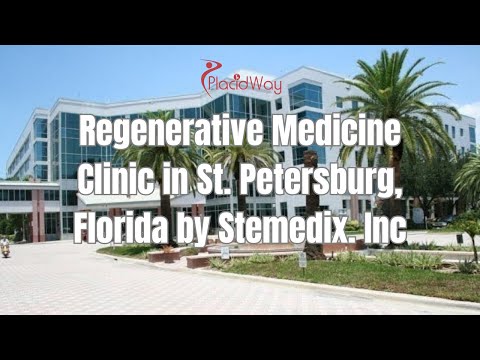
Top-Rated Clinic for Regenerative Medicine in St Petersburg Florida
Stem Cell Therapy
Stemedix, Inc
Scottsdale,Delray Beach,St. Petersburg,Washington, United States
Best Package for Orthopedic Regenerative Medicine in St Petersburg, Florida
Stem Cell Therapy
Stemedix, Inc
Scottsdale,Delray Beach,St. Petersburg,Washington, United States
Unlock the Best Stem Cell Treatment for Down Syndrome Packages Just for You
Discover the ultimate Stem Cell Treatment for Down Syndrome packages designed to meet your health and wellness goals. Choose the perfect fit for your journey.

Price starting from $12,500
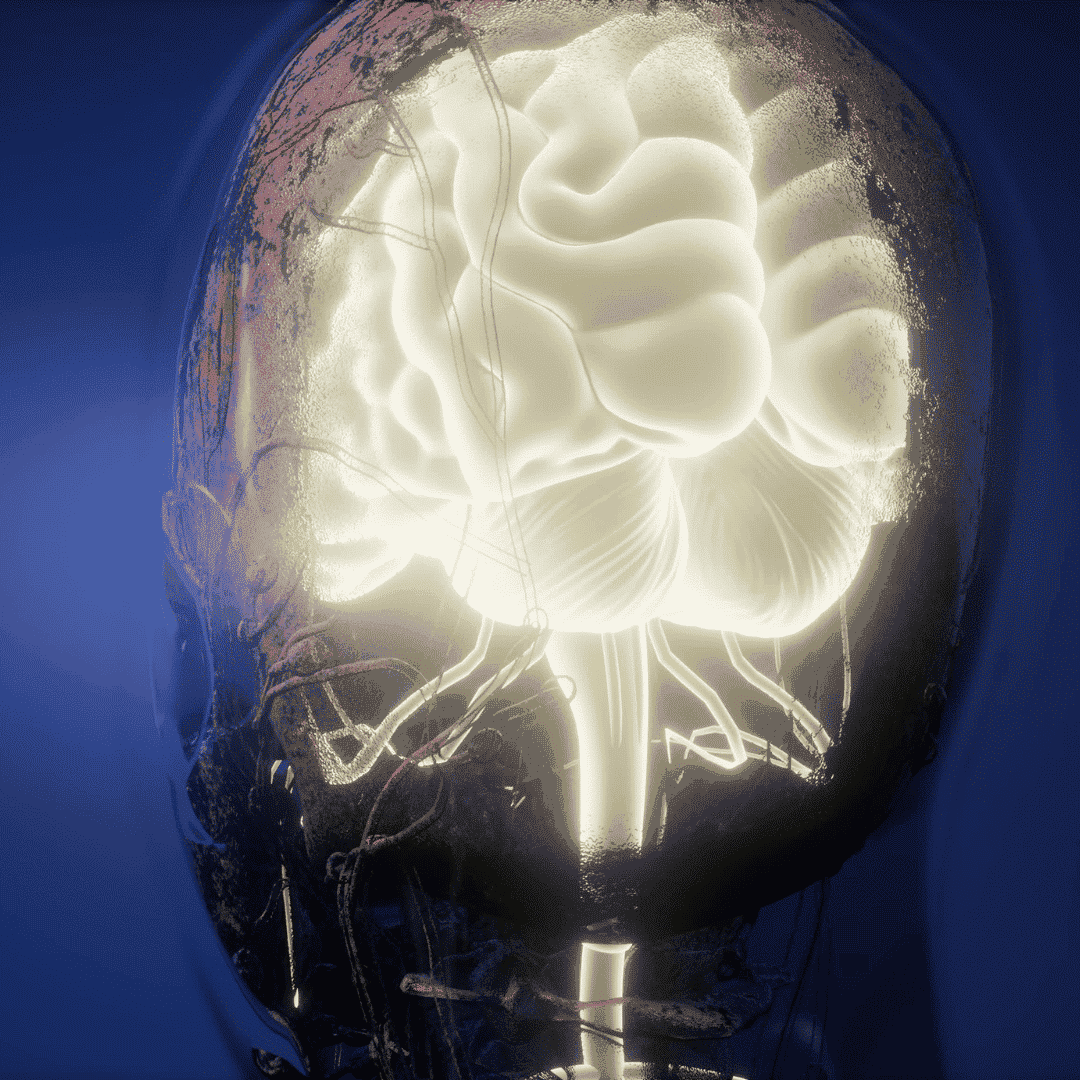
Stem Cell Therapy for Congestive Heart Failure Package in Fort Lauderdale, USA by Regenestem
Regenestem Fort Lauderdale, USA
- Stem Cell Therapy
Fort Lauderdale, United States
Price starting from $25,000
Dr. Victor Regenerative Medicine for Stroke Package in New York, USA
Victor Regenerative Medicine Centers
- Stem Cell Therapy
New York, United States
Price starting from $2,500
Orthopedics Regenerative Medicine in Florida Plantation, USA
PlacidWay US Medical Tourism
- Stem Cell Therapy
Denver, United States

Price starting from $8,500
Anti Aging Stem Cell Treatments in Fort Lauderdale, United States by Regenestem
Regenestem Fort Lauderdale, USA
- Stem Cell Therapy
Fort Lauderdale, United States
Transformative Stem Cell Treatment for Down Syndrome Experiences: Dive into Procedure Insights
Discover the power of Stem Cell Treatment for Down Syndrome through compelling patient experiences. Uncover detailed insights into procedures, recovery journeys, and life-changing results.

Price starting from $16,500
Stem Cell Therapy for Diabetes in Puerto Vallarta Mexico
- Stem Cell Treatment for Diabetes, Stem Cell Therapy
Puerto Vallarta, Mexico
Price starting from $6,500
Stem Cell Therapy for Fibromyalgia in Puerto Vallarta, Mexico
- Stem Cell Therapy for Fibromyalgia, Stem Cell Therapy
Puerto Vallarta, Mexico

Price starting from $16,000
Stem Cell Therapy for Stroke in Puerto Vallarta, Mexico
- Stem Cell Therapy for Stroke, Stem Cell Therapy
Puerto Vallarta, Mexico

Price starting from $16,500
Stem Cell Therapy for Multiple Sclerosis in Puerto Vallarta, Mexico
- Stem Cell Treatment for Multiple Sclerosis, Stem Cell Therapy
Puerto Vallarta, Mexico








What kind of treatment does your institute do for multiple sclerosis
Read More