


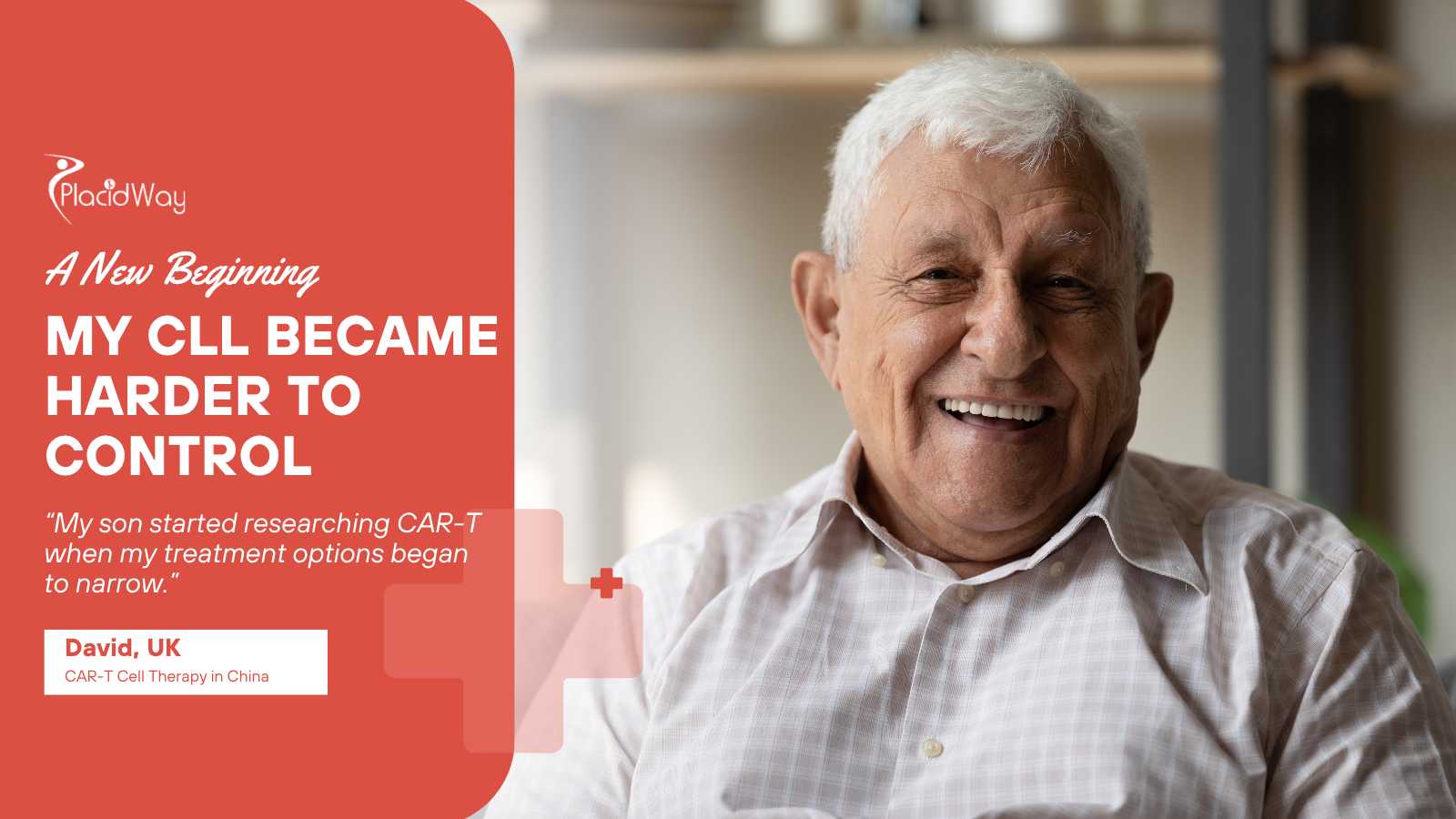
Patient Profile
Name: David
Age: 62
Residence: Manchester, UK
Treatment: CAR-T Cell Therapy
Destination: Beijing, China
Provider: Beijing Bioocus Medical Group
Journey at a Glance
◉ Diagnosis: Refractory Chronic Lymphocytic Leukemia (CLL)
◉ Local barrier: Resistant to standard targeted therapies
◉ Reason for travel: Access to advanced cellular treatments
◉ Treatment decision: CAR-T immune cell infusion
◉ Destination country: China
◉ Time abroad: 5 weeks
◉ Recovery status: Gradual immune recovery, monitoring phase
◉ Current outcome: Stabilized blood counts and improved stamina
Chronic Lymphocytic Leukemia (CLL) is a type of blood cancer where the bone marrow produces too many abnormal white blood cells, crowding out the healthy ones. For years, I managed my condition with standard targeted therapies, taking daily pills that successfully kept the leukemia in check. However, over time, the disease evolved, and my body stopped responding to these conventional treatments. My white blood cell counts began climbing again, bringing severe fatigue and swollen lymph nodes that severely impacted my daily routine.
When local options began to narrow, my son and I started researching alternative solutions to get the disease under control. This search ultimately led me to CAR-T cell therapy, a treatment designed to reprogram my own immune cells to recognize and attack the leukemia. Because accessing this cellular therapy for my specific stage of CLL was difficult within the UK's standard pathways, we made the decision to travel to Beijing Bioocus Medical Group in China to undergo the procedure.
The slow, quiet decline of my daily energy and strength
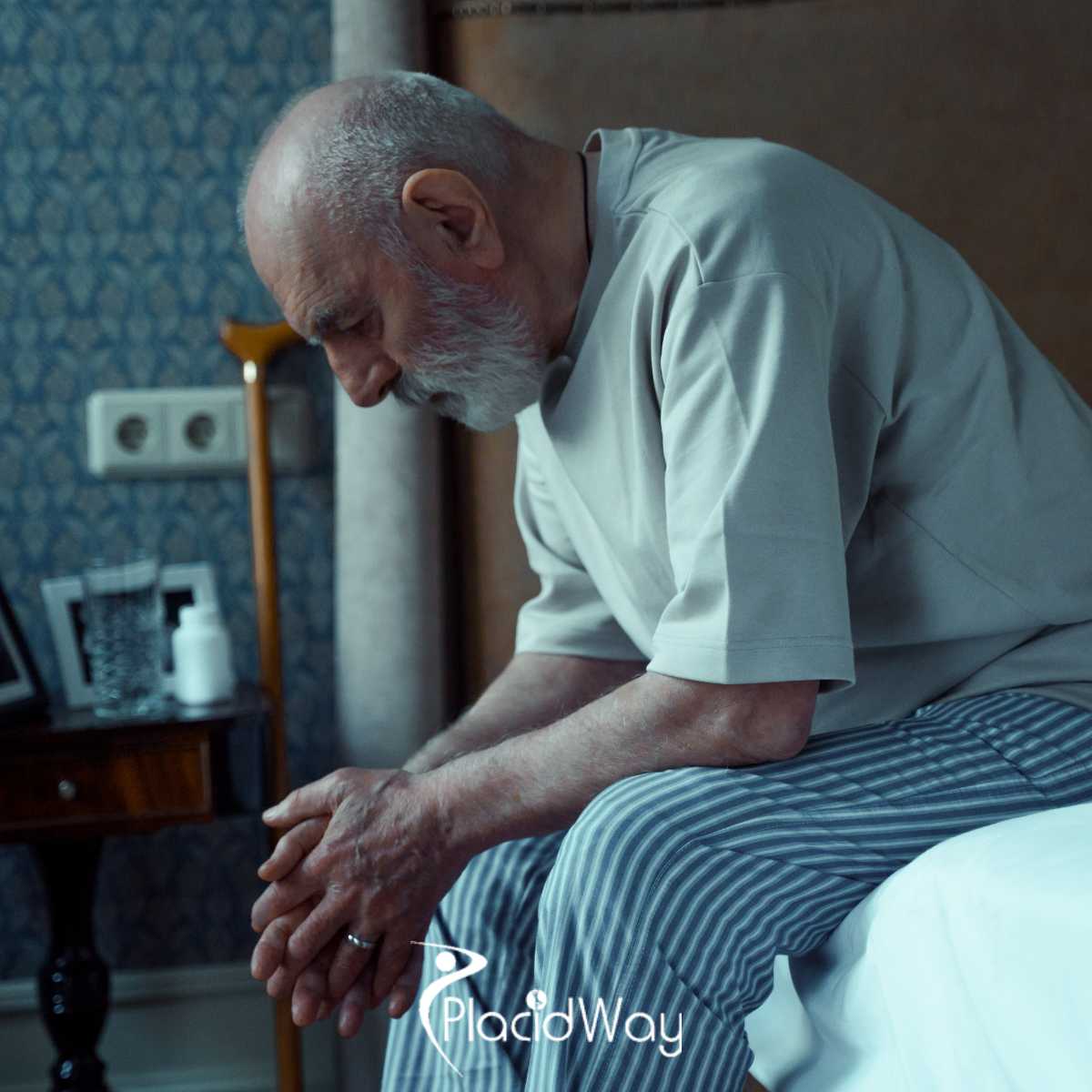
Living with a progressive blood cancer doesn't always look dramatic from the outside. For me, it looked like a very slow shrinking of my world. I have always loved spending my weekends in the garden or taking my grandson to the park, but the fatigue associated with the rising leukemia cells was overwhelming. It felt like I was constantly walking through deep water, and by early afternoon, my legs would feel physically heavy.
The physical changes were hard to ignore, too. The lymph nodes in my neck and under my arms became noticeably swollen and uncomfortable. I found myself wearing collared shirts just to hide the swelling from my family so they wouldn't worry. Sleeping became difficult because I couldn't find a comfortable position, and I would wake up drenched in sweat, a common issue when the disease is active.
"I was becoming a spectator in my own family's life. I sat in my armchair watching my son play with his kids, completely unable to muster the energy to join them on the rug."
I hated having to say no to things I used to enjoy. My wife ended up taking over the grocery shopping and the lawn care because I would be out of breath just carrying a few bags to the kitchen. It is a very specific kind of frustration when your mind wants to be active, but your blood simply cannot carry enough oxygen to let you do it.
When the standard daily pills stopped working
For a long stretch, the targeted oral medications I was prescribed did a fantastic job. My blood work would come back stable, and I felt mostly normal. But my hematologist had always warned me that CLL can mutate and figure out a way to bypass the drugs. That is exactly what happened during my routine checkup last year. The numbers on my lab reports started trending in the wrong direction, and the physical exhaustion returned forcefully.
We tried switching to a different class of medication, but the side effects were harsh, and it barely made a dent in my rising white cell count. My doctor in Manchester sat my wife and me down to discuss the reality of the situation. We were running short on standard treatments that could offer long-term control without resorting to heavy, traditional chemotherapy, which my body might not tolerate well at my age.
Choosing CAR-T therapy for chronic lymphocytic leukemia
My son is the one who really took charge of the research. He spent evenings reading through clinical data and patient forums, looking for advanced cellular therapies. He brought up CAR-T cell therapy, explaining how the process extracts your immune cells, alters them in a lab to target the cancer, and puts them back into your body. It sounded like science fiction, but the logic appealed to me.
Because getting approved for this specific therapy locally meant navigating strict trial criteria and long waiting lists, we looked abroad. We identified Beijing Bioocus Medical Group because of their dedicated work with cellular treatments for blood cancers. Naturally, the idea of flying to China for complex medical care was intimidating. I was worried about the language differences and what would happen if I had a severe reaction during the treatment.
To help manage the international logistics, my son used a platform called PlacidWay. They stepped in to help pass my extensive hematology records and previous biopsy results to the medical team in Beijing. They also coordinated our initial consultation dates. Having a middleman to handle the document transfers and secure the appointments gave my son and me the space to just focus on the travel requirements.
- The biggest questions we had before booking the flights were:
- Would my white blood cell count remain stable enough during the long flight?
- How harsh would the required chemotherapy be before the actual cells were reinfused?
- How long would I need to stay near the clinic in Beijing for post-treatment monitoring?
The reality of the cell collection and conditioning phase
Once we arrived in Beijing, the medical process moved very quickly. We skipped any thoughts of tourism; my son and I basically lived between the hotel and the clinic. The first major hurdle was the apheresis, which is the process of collecting my T-cells. I was connected to a machine that filtered my blood for hours. It wasn't painful, but it left me feeling completely drained, as if all my energy had been sucked out along with the cells.
While the lab worked on modifying my cells over the next couple of weeks, I had to undergo conditioning chemotherapy. This was by far the hardest part of the trip. The chemo is necessary to suppress your immune system so it doesn't reject the modified cells, but it knocked me flat. I lost my appetite entirely and spent days just trying to stay hydrated and resting in bed.
The reinfusion day was surprisingly quiet. A nurse hung a small IV bag containing my engineered cells, and it was over in less than an hour. The real work happened over the following days as my body reacted to the new cells. I developed a high fever and felt intense bone aches, which the doctors told me was an expected immune response. They monitored my blood pressure and temperature constantly to ensure the reaction didn't become dangerous.
Healing at home requires a lot of patience and rest
Flying back to Manchester a few weeks later was exhausting, and the recovery process has been very gradual. You do not bounce back from this kind of immune system reset quickly. For the first two months at home, I still needed naps every afternoon, and we had to be incredibly careful about avoiding infections since my immune system was rebuilding from scratch.
But slowly, the heavy fatigue started to lift. The swelling in my lymph nodes went down significantly, making it comfortable to sleep on my side again. I noticed the real change when I walked to the local shop to buy a newspaper and realized I wasn't gasping for air on the way back. My recent blood tests show that my counts are stable, and the aggressive progression of the leukemia has halted for now.
I know this isn't a simple cure. My current stability is the result of the CAR-T therapy, strict adherence to my doctors' follow-up protocols, and an incredibly careful diet to support my recovery. I still have to pace myself, but I am finally back to spending time in the garden and actually playing with my grandson, rather than just watching from the sidelines.
Looking Back
"Going abroad for complex cellular therapy is physically and mentally demanding. You have to be prepared for the rough conditioning days, but getting back the energy to participate in my family's life made the difficult weeks worthwhile."
Researching Advanced Blood Cancer Treatments?
If you are exploring cellular therapies or international hematology centers, comparing your options and understanding the logistics is a vital first step.
Request Information & Compare ClinicsConnect with accredited medical coordinators to review treatment suitability and get help with international planning.

.png)
.png)
.png)
.png)
.png)



.png)








Share this listing