
Comprehensive Guide to Hematopoietic Stem Cell Transplantation in Istanbul, Turkey
Receiving a complex diagnosis that requires advanced cellular therapy can feel entirely overwhelming for both patients and their families. However, pursuing hematopoietic stem cell transplantation in Istanbul, Turkey, has rapidly become a beacon of hope for international patients facing severe blood disorders and autoimmune conditions.
By merging highly specialized hematology experts with internationally accredited healthcare facilities, Istanbul provides world-class medical interventions. Watch the video to discover how choosing this transcontinental medical capital allows you to access life-saving, affordable bone marrow transplants without compromising on the quality of your clinical care.
Video Chapters & Quick Navigation
When searching for high-quality medical treatments abroad, patients are increasingly discovering the immense value offered by the Turkish healthcare system. Hematopoietic stem cell transplantation (HSCT) represents the pinnacle of complex cellular therapies, demanding flawless precision, advanced technology, and multidisciplinary expertise. Istanbul has successfully positioned itself at the forefront of this highly specialized medical frontier.
This comprehensive guide will walk you through everything you need to know about undergoing a bone marrow transplant in Turkey. From understanding the underlying biology of your treatment to navigating the logistics of your medical journey, we will explore why Istanbul is an internationally recognized center of excellence for hematology and oncology.
Understanding Hematopoietic Stem Cell Transplantation
Hematopoietic stem cell transplantation is often referred to simply as a bone marrow transplant. It is a critical, life-saving medical procedure utilized to treat patients with severe blood disorders, immune system deficiencies, and specific types of cancer. The primary goal is to replace damaged or diseased bone marrow with healthy hematopoietic stem cells.
These specialized stem cells are unique because they possess the remarkable ability to develop into all the different types of blood cells your body needs. This includes red blood cells for carrying oxygen, white blood cells for fighting infections, and platelets for blood clotting. Without a functional supply of these cells, the human body cannot survive.
Autologous Stem Cell Transplants
There are two primary categories of this procedure performed at top HSCT hospitals in Istanbul. The first is an autologous stem cell transplant. In this approach, the medical team harvests the patient's own healthy stem cells before administering intensive, high-dose chemotherapy or radiation therapy.
Once the aggressive cancer treatments are completed, the patient's own stored stem cells are thawed and infused back into their bloodstream. This method mitigates the risk of the body rejecting the cells. It is heavily utilized for conditions like multiple myeloma and various lymphomas, offering a pathway to recovery without needing an external donor.
Allogeneic Stem Cell Transplants
The second major category is the allogeneic stem cell transplant. This complex procedure requires a donor who is a close genetic match to the patient, typically a sibling or an unrelated volunteer found through international marrow registries. The donor's healthy immune system is transplanted into the patient.
Allogeneic transplants provide an incredible secondary benefit known as the "graft-versus-tumor" effect. The newly introduced donor immune cells can actively recognize and destroy remaining cancer cells in the patient's body. However, this procedure carries higher risks, requiring expert medical supervision to prevent severe complications.
Why Medical Tourists are Choosing Istanbul for HSCT
The decision to travel internationally for a bone marrow transplant is never made lightly. Patients require absolute certainty that their destination offers uncompromising medical safety, cutting-edge technology, and exceptional clinical outcomes. Istanbul consistently checks all these critical boxes.
Over the last decade, the Turkish Ministry of Health has heavily subsidized the modernization of its medical infrastructure. This strategic investment has transformed the city into a global destination for patients seeking an affordable bone marrow transplant in Turkey without sacrificing the caliber of care.
Internationally Accredited Facilities
One of the primary reasons patients trust Istanbul is the sheer density of Joint Commission International (JCI) accredited hospitals. This prestigious accreditation acts as a global gold standard for healthcare quality and patient safety. Hospitals in Istanbul adhere strictly to international clinical protocols.
Furthermore, many specialized hematology wards are accredited by the Foundation for the Accreditation of Cellular Therapy (FACT) or the Joint Accreditation Committee ISCT-EBMT (JACIE). These specific certifications ensure that the collection, processing, and administration of cellular therapies meet the highest scientific standards.
Board-Certified Hematology Experts
The success of a hematopoietic stem cell transplantation heavily relies on the expertise of the attending physicians. Istanbul boasts an elite roster of board-certified hematologists and oncologists. Many of these specialists have completed extensive fellowships in the United States, the United Kingdom, or Germany.
They bring back a wealth of international experience and actively participate in global medical research. This ensures that patients receiving a stem cell transplant for leukemia in Turkey benefit from the latest evidence-based protocols and innovative therapeutic advancements available worldwide.
Comprehensive Treatment for Blood Cancers
The specialized hematology centers across Istanbul are equipped to manage a wide spectrum of complex hematological malignancies. A multidisciplinary tumor board typically reviews each patient's case to determine the exact optimal timing and type of transplant required.
By leveraging advanced genomic profiling and molecular diagnostics, Turkish doctors can personalize conditioning regimens. This targeted approach maximizes the eradication of the disease while actively minimizing the toxic side effects associated with high-dose chemotherapy.
Tackling Acute and Chronic Leukemias
Leukemia, a cancer of the body's blood-forming tissues, is one of the most common indications for an allogeneic stem cell transplant. Patients suffering from Acute Myeloid Leukemia (AML) or Acute Lymphoblastic Leukemia (ALL) frequently require this intervention to achieve long-term remission.
In Istanbul, pediatric and adult leukemia patients have access to cutting-edge matched unrelated donor (MUD) transplants and haploidentical (half-matched) transplants. These advanced procedures have significantly expanded the pool of potential donors for leukemia patients.
Advanced Protocols for Lymphomas and Myeloma
For patients battling Hodgkin's and non-Hodgkin's lymphoma, autologous stem cell transplants are often utilized to rescue the bone marrow after aggressive salvage chemotherapy. Istanbul's medical centers excel in providing seamless, end-to-end care for lymphoma patients.
Similarly, multiple myeloma—a cancer of plasma cells—is heavily treated using autologous HSCT. The clinics in Istanbul are highly proficient in stem cell mobilization, cryopreservation, and re-infusion, ensuring a safe and effective treatment pathway for myeloma warriors.
The Rise of HSCT for Autoimmune Diseases
While historically reserved for blood cancers, hematopoietic stem cell transplantation has recently emerged as a revolutionary treatment for severe, treatment-resistant autoimmune diseases. Istanbul has become a pioneering destination for patients seeking to halt the progression of their debilitating conditions.
The scientific premise involves using high-dose chemotherapy to wipe out the malfunctioning immune system that is attacking the patient's own body. Afterward, the patient's purified stem cells are returned to "reboot" a new, healthy immune system that no longer exhibits autoimmune behavior.
Halting Multiple Sclerosis (MS) Progression
One of the most profound applications of this therapy is Hematopoietic Stem Cell Transplant for MS in Turkey. Patients with highly active Relapsing-Remitting Multiple Sclerosis (RRMS) who have failed traditional disease-modifying therapies are finding incredible success in Istanbul.
Clinical data shows that HSCT can halt the progression of MS, prevent new inflammatory lesions, and in some remarkable cases, reverse certain neurological disabilities. Istanbul’s leading neurologists and hematologists collaborate closely to ensure strict patient selection and meticulous post-transplant neurological care.
Expanding Horizons in Autoimmune Therapy
Beyond Multiple Sclerosis, HSCT centers in Turkey are actively treating other aggressive autoimmune disorders. This includes Systemic Sclerosis (Scleroderma), severe Crohn's disease, and treatment-refractory Systemic Lupus Erythematosus (SLE).
The protocols utilized in Istanbul closely mirror those established by the European Society for Blood and Marrow Transplantation (EBMT). This guarantees that patients traveling for autoimmune stem cell therapies receive internationally validated, evidence-based medical interventions.
The Financial Reality: Cost-Effective Cellular Therapies
The financial toxicity associated with life-saving cellular therapies is a profound burden for many families in Western countries. In the United States, an allogeneic bone marrow transplant can easily exceed $500,000, leaving patients facing insurmountable medical debt or denied insurance claims.
This stark reality highlights the tremendous value of stem cell therapy cost in Istanbul. Thanks to favorable exchange rates, lower operational costs, and comprehensive medical tourism packages, patients can save between 50% to 70% on their procedures without compromising clinical outcomes.
Unpacking the Global Cost Disparity
It is entirely normal for patients to question how a procedure can be so much more affordable in Turkey. The cost difference is not due to inferior medications or outdated technology. It is purely a reflection of the regional economics, government healthcare subsidies, and the structure of the Turkish medical system.
Furthermore, Turkish hospitals often provide transparent, all-inclusive pricing. This protects international patients from hidden fees, covering the initial consultations, hospital stays, donor search fees, and essential post-transplant medications in one straightforward package.
Comparative Cost of Bone Marrow Transplants
To better understand the financial advantages of seeking treatment in Istanbul, consider the following general cost comparison for an Autologous Stem Cell Transplant across different global healthcare markets:
| Country / Region | Estimated Cost (USD) | Wait Times |
|---|---|---|
| United States | $150,000 - $350,000+ | Moderate (Insurance dependent) |
| United Kingdom (Private) | $100,000 - $180,000 | Moderate to Long |
| Germany / Western Europe | $90,000 - $150,000 | Moderate |
| Istanbul, Turkey | $35,000 - $65,000 | Minimal |
Evaluating Top-Tier Medical Centers in Istanbul
Selecting the right hospital is paramount to the success of a hematopoietic stem cell transplantation. The best HSCT clinics in Istanbul operate dedicated, self-contained bone marrow transplant units that are physically separated from the general hospital population to prevent infections.
These specialized units are designed to cater specifically to the needs of heavily immunocompromised patients. Every detail, from the air filtration systems to the food preparation protocols, is meticulously managed by dedicated infectious disease specialists.
Advanced HEPA-Filtered Isolation Units
Following the conditioning phase of the transplant, a patient's white blood cell count drops to zero, rendering them completely defenseless against airborne pathogens. To combat this, elite hospitals in Istanbul utilize positive pressure rooms equipped with High-Efficiency Particulate Air (HEPA) filters.
These advanced filtration systems continuously cycle and purify the air, removing dangerous bacteria, viruses, and fungal spores. Patients remain in these ultra-clean environments until their new stem cells engraft and their immune system safely begins to recover.
On-Site Flow Cytometry and Cryopreservation
Another hallmark of Istanbul’s top medical centers is the presence of advanced, in-house cellular laboratories. Facilities utilizing on-site flow cytometry can instantly assess the exact number of viable CD34+ stem cells harvested from the patient or donor.
Additionally, state-of-the-art cryopreservation technology ensures that autologous stem cells are frozen safely at extremely low temperatures using liquid nitrogen. This preserves the cellular viability perfectly until the patient is ready for their life-saving infusion.
The Step-by-Step Patient Journey and Treatment Process
Traveling to a foreign country for intensive medical treatment requires exceptional logistical coordination. Medical tourism facilitators and international patient departments in Turkish hospitals excel at managing this complex journey. They provide comprehensive support, ensuring a stress-free experience from arrival to discharge.
Patients are typically assigned a dedicated, bilingual coordinator who guides them through every phase of the transplant process. This includes handling airport transfers, translating medical consultations, and securing comfortable accommodations for accompanying family members.
Initial Consultation and Comprehensive Testing
The journey begins with an exhaustive pre-transplant evaluation. The medical team in Istanbul will conduct extensive blood tests, cardiac evaluations (ECHO/ECG), pulmonary function tests, and advanced imaging such as PET-CT scans.
This rigorous screening ensures that the patient's major organs are healthy enough to withstand the severe physical toll of high-dose chemotherapy and the subsequent transplant phase. No patient proceeds to the conditioning phase without clearance from multiple medical disciplines.
Stem Cell Mobilization and Apheresis
For autologous transplants, the next step is mobilization. Patients receive growth factor injections to stimulate the bone marrow into producing an excess of stem cells and pushing them into the peripheral bloodstream. Once the target numbers are reached, the collection process begins.
This collection is called apheresis. Blood is drawn from the patient, passed through an advanced machine that centrifuges and separates the critical stem cells, and then returns the remaining blood to the body. This process is generally painless and takes a few hours over several days.
The Conditioning Regimen and Infusion
The core of the treatment is the conditioning regimen. Patients are admitted to the isolation ward to receive aggressive chemotherapy, and sometimes total body irradiation. This phase aims to destroy remaining cancer cells or the faulty immune system to create space in the marrow for the new cells.
Once conditioning is complete, the actual transplant occurs. Known as "Day Zero" in the hematology community, the thawed stem cells are infused intravenously, much like a standard blood transfusion. The stem cells then miraculously navigate through the bloodstream back into the bone marrow spaces.
Post-Transplant Recovery and Long-Term Care
The period following a bone marrow transplant is the most critical phase of the entire medical journey. Patients require vigilant, round-the-clock monitoring as they wait for the newly infused stem cells to begin producing fresh, healthy blood cells. Istanbul's hematology centers provide exceptional post-operative nursing care during this vulnerable time.
Patients will experience side effects from the chemotherapy, which may include extreme fatigue, nausea, and mucositis. The medical teams utilize proactive pain management and nutritional support through intravenous lines to maintain the patient's strength and comfort.
The Crucial Engraftment Phase
Engraftment is the highly anticipated moment when the absolute neutrophil count (ANC) begins to rise steadily, indicating that the transplanted stem cells have successfully settled in the bone marrow and are producing new white blood cells.
This process usually occurs between 14 to 21 days after the infusion. Once successful engraftment is confirmed, and the patient is free from severe fevers or infections, they can finally transition out of the strict HEPA-filtered isolation unit into standard outpatient care.
Mitigating Graft-Versus-Host Disease (GVHD)
For patients who undergo allogeneic stem cell transplants, the medical team will aggressively monitor for signs of Graft-Versus-Host Disease (GVHD). This condition occurs when the donor's immune cells recognize the patient's body as foreign and begin to attack the skin, liver, or gastrointestinal tract.
Top Turkish hospitals utilize advanced immunosuppressive medications and highly targeted biological therapies to manage and prevent GVHD. Extensive outpatient follow-ups are required in Istanbul before the patient is medically cleared to board a flight back to their home country.
Transitioning Back to a Normal Life
Recovery does not end upon discharge from the hospital. It takes several months to a full year for the new immune system to fully mature. Patients must adhere strictly to dietary precautions, avoid crowded spaces, and eventually receive revaccination for childhood diseases.
The international patient coordinators in Istanbul ensure seamless communication between the Turkish hematologists and the patient's local doctors back home. This collaborative approach to long-term care guarantees that patients are fully supported as they transition back to a healthy, disease-free life.
Ready to Explore HSCT Options in Istanbul?
PlacidWay Medical Tourism connects you directly with top-rated, internationally accredited hematology centers in Turkey. Let our experts assist you with securing cost estimates, evaluating top doctors, and managing your medical journey.
REQUEST A FREE CONSULTATION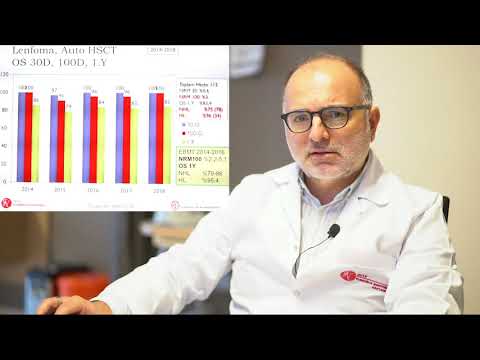









.jpg)
.jpg)










Share this listing