


Stem Cell for MS in Thessaloniki Greece: Polina's Transformative Testimonial
Polina's life changed dramatically when she discovered an innovative approach to halting her debilitating neurological symptoms. For patients seeking progressive medical interventions, accessing stem cell for MS in Thessaloniki Greece has become a beacon of unparalleled hope. This compelling testimonial details how advanced regenerative medicine provided Polina with unprecedented relief from the aggressive progression of Multiple Sclerosis.
Conventional medications often fall short for autoimmune patients, leaving them to manage continuous flare-ups and steady cognitive decline. Watch as she outlines her remarkable journey from facing severe daily mobility restrictions to reclaiming her independence through cutting-edge mesenchymal stem cell therapy in Europe's thriving medical tourism hub. Her story illuminates a powerful alternative for those battling chronic neurological conditions.
Video Chapters & Quick Navigation
Understanding the Burden of Multiple Sclerosis
Multiple Sclerosis is a relentless, unpredictable disease of the central nervous system that disrupts the flow of information within the brain, and between the brain and body. For patients like Polina, the initial diagnosis often feels like a life sentence characterized by a progressive loss of physical autonomy. The disease triggers the body's immune system to attack myelin, the protective sheath that covers nerve fibers.
This demyelination process leads to communication issues between the brain and the rest of the body. Over time, the disease can cause permanent damage or deterioration of the nerves themselves. Patients routinely suffer from profound fatigue, difficulty walking, numbness, severe muscle spasticity, and a host of cognitive impairments.
As detailed in the video at , Polina's early struggles mirrored those of millions worldwide. Simple tasks like walking up a flight of stairs or maintaining balance became monumental daily challenges. The psychological toll of anticipating the next unpredictable neurological flare-up is often just as debilitating as the physical symptoms.
The Frustrating Limitations of Standard Neurological Care
For decades, the primary course of action for managing Multiple Sclerosis has revolved around disease-modifying therapies (DMTs). While these pharmaceutical interventions can be effective at reducing the frequency and severity of relapses, they are not a cure. Furthermore, they come with a staggering array of severe side effects.
Many patients find that their bodies eventually build a tolerance to conventional treatments, or the side effects—ranging from severe immunosuppression to liver damage—become too severe to manage. Polina highlights this exact frustration, noting that standard medications felt like merely placing a tiny bandage over a rapidly expanding wound.
Patients are increasingly seeking out the best multiple sclerosis treatment centers in Europe, looking for therapies that do more than just manage symptoms. They are looking for modalities that can actually repair cellular damage. This vital search for regenerative, restorative options is what leads thousands of patients to explore advanced cellular medicine abroad.
Why Patients Choose Stem Cell for MS in Thessaloniki Greece
When discussing medical tourism for complex neurological conditions, Switzerland and Germany often dominate the conversation. However, Thessaloniki, Greece has rapidly emerged as a premier, globally recognized hub for cutting-edge regenerative medicine. The medical infrastructure in this beautiful Mediterranean city boasts state-of-the-art laboratories and highly specialized clinical teams.
At , Polina expresses her astonishment at the level of personalized care she received upon arriving in Greece. Greek medical facilities adhere strictly to comprehensive European Union healthcare directives, ensuring that tissue processing and stem cell cultivation meet the absolute highest standards of international safety and efficacy.
Beyond the clinical excellence, patients benefit immensely from the therapeutic environment. The Mediterranean climate, renowned for its healing properties, combined with the unparalleled warmth of Greek hospitality, creates an ideal setting for neurological rehabilitation. The stress reduction associated with recovering in a beautiful, supportive environment plays a measurable role in positive patient outcomes.
Comparing Global MS Treatment Options
To understand why affordable stem cell treatment in Greece is gaining such incredible traction, it is helpful to look at the comparative landscape of neurological care. The table below outlines why European centers are becoming the destination of choice.
| Treatment Aspect | Standard Care (US/UK) | Stem Cell Therapy (Thessaloniki) |
|---|---|---|
| Primary Focus | Symptom management and relapse reduction | Cellular repair, immunomodulation, and neuroprotection |
| Accessibility | Stem cell therapies highly restricted or in slow clinical trials | Immediate access to approved, advanced regenerative protocols |
| Cost Effectiveness | Astronomical long-term medication costs | Highly competitive, comprehensive all-inclusive packages |
| Patient Experience | Brief clinical visits, generic care plans | Holistic, highly personalized inpatient rehabilitation |
The Transformative Science of Mesenchymal Stem Cells
The foundation of Polina's incredible recovery lies in the application of Mesenchymal Stem Cells (MSCs). These multipotent adult stem cells are the unsung heroes of regenerative medicine. Unlike embryonic stem cells, MSCs are ethically sourced—often derived from a patient's own bone marrow or adipose tissue, or from rigorously screened umbilical cord tissue.
Using mesenchymal stem cells for autoimmune diseases works fundamentally differently than standard medication. MSCs are often referred to as the body's natural paramedics. When introduced into a patient with Multiple Sclerosis, they actively home in on areas of severe inflammation and tissue damage within the central nervous system.
Once they reach the damaged neural pathways, these cells perform three critical functions:
- Potent Immunomodulation: They calm the overactive immune system, effectively stopping the body from continuing to attack its own myelin sheaths.
- Neuroprotection: They secrete unique neurotrophic factors that protect existing, healthy neurons from future degradation.
- Remyelination Support: They stimulate the body's intrinsic repair mechanisms to begin rebuilding the damaged myelin, leading to restored nerve signaling.
The Comprehensive Pre-Treatment Evaluation
One of the hallmarks of receiving neurological rehabilitation in Thessaloniki is the exhaustive diagnostic phase. Clinics do not employ a one-size-fits-all approach. Before a single cell is administered, patients undergo a rigorous series of evaluations designed to map the exact progression of their disease.
As noted around in the video, Polina was subjected to advanced MRI imaging, detailed blood panels, and thorough neurological reflex testing. This diagnostic deep-dive ensures that the medical team understands the specific localization of the demyelinated lesions within her brain and spinal cord.
This data dictates the entire treatment protocol. The specialists determine the precise cellular dosage required, the optimal method of delivery—whether intravenous, intrathecal (via spinal tap), or a combination of both—and the specific adjunctive therapies that will maximize the cellular uptake. It is this meticulous planning that dramatically increases the success rates of treating MS lesions with stem cells.
Inside Polina's Stem Cell Infusion Process
The actual day of the stem cell procedure is a profound turning point for patients. Despite the advanced nature of the science, the administration itself is remarkably straightforward and minimally invasive. Polina describes the environment as incredibly calming, a stark contrast to the sterile, anxiety-inducing atmosphere of traditional hospitals.
The regenerative cells, having been carefully expanded and quality-tested in the laboratory, are slowly introduced into the patient's system. For treating central nervous system disorders, doctors frequently utilize an intrathecal injection. This allows the regenerative cells to bypass the blood-brain barrier, delivering the therapeutic payload directly into the cerebrospinal fluid where it is needed most.
During her testimonial at , Polina emphasizes that she felt no pain during the infusion. She was closely monitored by a multidisciplinary team of neurologists, anesthetists, and specialized nurses. The paramount focus on patient safety and comfort is a defining characteristic of high-tier European medical tourism facilities.
Analyzing the Immediate Post-Therapy Sensations
The timeline for results following an autologous stem cell transplant for multiple sclerosis or allogeneic mesenchymal therapy varies from patient to patient. However, many report experiencing subtle, immediate shifts in their physical well-being. This is often attributed to the rapid, massive reduction of systemic inflammation.
Polina shares an emotional breakthrough, recounting how the heavy, crushing fatigue that had plagued her for years began to lift within days of the procedure. Chronic fatigue is one of the most invisible yet debilitating symptoms of MS. Reclaiming physical energy is often the first vital step toward engaging effectively in physical therapy.
Additionally, she noted a distinct decrease in muscle spasticity. Her limbs, which previously felt stiff and uncooperative, began to loosen. These immediate post-therapy improvements provide a massive psychological boost, reigniting a patient's hope and validating their decision to travel abroad for advanced care.
Long-Term Mobility Recovery and Rehabilitation
Stem cell therapy is not a magic wand that works in isolation; it is a profound biological catalyst. The true, long-lasting magic happens when regenerative medicine is paired with targeted neurological rehabilitation. Clinics in Thessaloniki integrate intensive physiotherapy regimens alongside cellular treatments.
Polina's continued success over the following months underscores this reality. As the stem cells continued their immunomodulatory and remyelination work internally, Polina worked externally to retrain her nervous system. She engaged in specialized physical therapy, occupational therapy, and balance retraining exercises.
At , the joy in her voice is palpable as she describes walking significant distances without assistive devices. The synergy of cellular repair and muscular retraining allowed her to rebuild the neural pathways necessary for independent movement. This holistic approach is why medical tourism for MS is yielding such unprecedented clinical outcomes.
Navigating the Logistics of Medical Tourism in Greece
The prospect of traveling to a foreign country for a complex medical procedure can initially seem daunting. However, the ecosystem surrounding medical tourism in Thessaloniki has been refined to eliminate patient stress entirely. Facilitators and international patient coordinators handle every logistical detail of the journey.
From the moment a patient decides to pursue the cost of stem cell therapy for MS abroad, they are assigned a dedicated medical concierge. These professionals assist with securing medical visas, arranging accessible airport transfers, and booking accommodations that cater specifically to patients with mobility limitations.
Moreover, language barriers are virtually non-existent. The top clinics employ highly fluent, multi-lingual staff to ensure seamless communication between the patient, their family, and the primary medical team. Polina specifically praised this aspect of her trip, noting that she felt completely understood, supported, and safe from touchdown to departure.
Cost Analysis: Making Regenerative Medicine Accessible
A critical factor driving patients toward Greece is the sheer economics of healthcare. In North America, the out-of-pocket costs for advanced, non-standard regenerative treatments can easily exceed $50,000 to $100,000, assuming they are even available outside of heavily restricted clinical trials.
The cost of stem cell therapy for MS abroad, specifically in Greece, is substantially lower—often 40% to 60% less than equivalent treatments in the US or UK. This dramatic price difference is not a reflection of lower quality care. Rather, it is the result of lower localized operational costs, streamlined regulatory environments, and a healthcare system designed to be highly efficient.
These inclusive packages typically cover the extensive preliminary diagnostics, the cellular harvesting and cultivation, the infusion procedures, the hospital stay, and the initial rounds of physiotherapy. This transparent, bundled pricing model removes the anxiety of hidden fees and allows patients to focus purely on their healing.
Frequently Asked Questions About MS Stem Cell Treatments
Is Stem Cell Therapy a Definitive Cure for MS?
It is crucial to approach regenerative medicine with scientific realism. Currently, there is no definitive, universal cure for Multiple Sclerosis. However, stem cell therapy represents the most powerful tool available for halting disease progression, reversing neurological damage, and inducing long-term remission.
Am I a Good Candidate for this Procedure?
The most successful outcomes are typically seen in patients with Relapsing-Remitting MS (RRMS) or those in the early stages of Secondary Progressive MS (SPMS). Patients with highly active inflammation tend to respond exceptionally well to the immunomodulatory effects of mesenchymal cells. A thorough review of your medical records by a specialist in Thessaloniki is required to determine eligibility.
Are the Results Permanent?
Many patients experience profound relief that lasts for years. Because MS is a chronic autoimmune condition, the longevity of the results can vary. Some patients opt for a booster therapy after a few years to maintain their remyelination progress and keep the immune system regulated. Lifestyle factors, diet, and ongoing physical therapy greatly influence the long-term success of the treatment.
Polina's transformative experience with stem cell for MS in Thessaloniki Greece serves as a powerful testament to the advancements in modern regenerative medicine. By venturing beyond the traditional confines of localized healthcare, she was able to rewrite the narrative of her chronic illness. Her story stands as a beacon for anyone refusing to let an MS diagnosis define the limits of their life.
Ready to Reclaim Your Independence?
PlacidWay Medical Tourism connects you with Europe's most prestigious regenerative medicine clinics in Thessaloniki. Discover if you are a candidate for advanced Stem Cell Therapy for Multiple Sclerosis and take the first step toward lasting relief.
GET A FREE MEDICAL CONSULTATION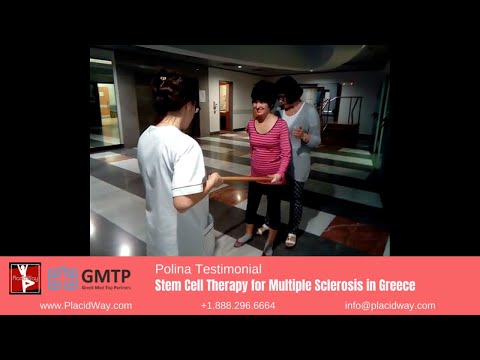

.png)

-Package-in-Istanbul,-Turkey-at-Medical-Park-Hospitals.jpg)
















Share this listing