What treatment
What treatment
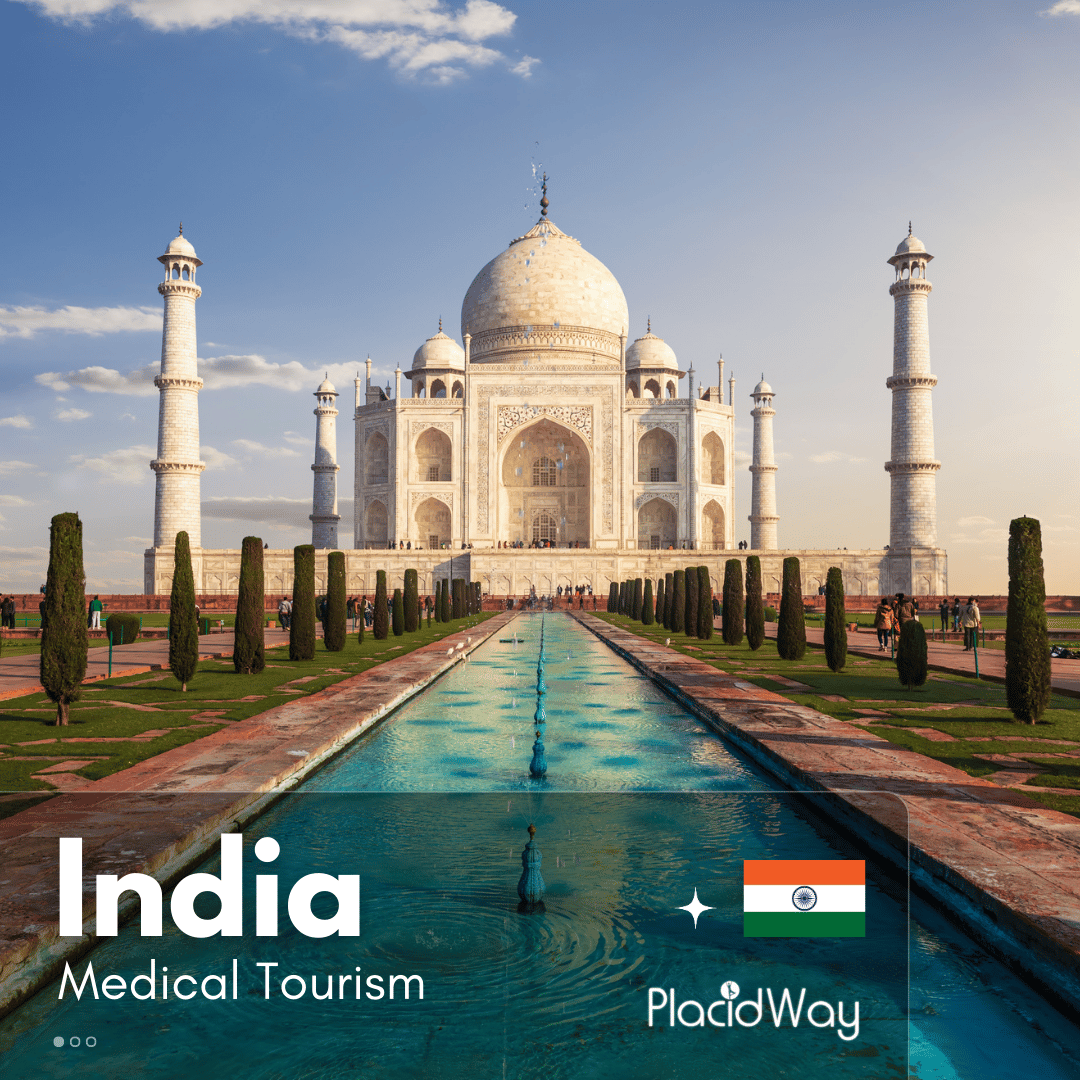
The global definition of healthcare is shifting. Patients are no longer satisfied with sterile hospital rooms and quick fixes; they are seeking environments that heal the mind as effectively as the body. This demand has birthed a sophisticated "Medical Wellness" industry, where clinical precision meets restorative luxury. In, five nations stand out not just for their beauty, but for their specific medical competencies. Mexico has mastered the art of post-surgical spiritual recovery; India remains the unmatched guardian of ancient Ayurvedic medicine; Greece utilizes its maritime geography for potent thalassotherapy; Italy offers Europe's most advanced thermal mud protocols; and Malaysia has positioned itself as the high-tech hub for preventive health screenings in a tropical paradise. This guide explores why these destinations are the leaders in holistic healing. Key Takeaways: The Wellness Landscape Holistic medical tourism is about matching your specific health needs with the destination's natural and clinical strengths. Here is how the top 5 compare: Best for Diagnostics (Malaysia): Comprehensive "HealthCation" packages (MRI, CT, Cancer Markers) cost 60-80% less than in the US, combined with luxury 5-star recovery. Best for Chronic Pain (India & Italy): India's Panchakarma and Italy's Fangotherapy (thermal mud) are the gold standards for treating arthritis and systemic inflammation without opioids. Best for Post-Op Recovery (Greece & Mexico): Greece: Thalassotherapy (sea healing) is ideal for IVF stress reduction and skin recovery. Mexico: Indigenous rituals (Temazcal) help heal the trauma of major surgeries like bariatric or cancer procedures. Cost Efficiency: A week of medically supervised wellness in India starts at $800, while premium thermal cures in Italy average €1,500+. Mexico: Ancient Traditions & Modern Recovery From the dental hubs of Tijuana to the spiritual sanctuaries of Tulum, Mexico blends high-volume medical expertise with indigenous healing rituals that address the emotional root of physical ailments. Mexico has evolved beyond being just a destination for dentistry and bariatric surgery; it is now a premier hub for holistic recovery. Medical tourists often undergo procedures in major medical corridors like Tijuana or Cancun and then retreat to the Riviera Maya or Baja California for recuperation. The unique value proposition here is the integration of Temazcal (Maya sweat lodge) ceremonies, which are increasingly used to treat PTSD, anxiety, and post-surgical depression. The Temazcal Experience A Temazcal is not a spa steam room; it is a guided medical ritual. Heat is generated using volcanic stones, often infused with medicinal herbs like sage and copal. For medical tourists recovering from cancer treatments or major life changes (like weight loss surgery), the intense heat stimulates Heat Shock Proteins (HSPs), which aid in cellular repair and immune system activation, while the guided ritual provides necessary emotional closure. Expert Insight "Don't overlook the Valle de Guadalupe wine region for wellness. Just south of the Tijuana border, this area offers incredible 'Bariatric Recovery Retreats' where specialized nutritionists design liquid and soft-diet menus using local organic produce, allowing patients to recover in a luxury vineyard setting rather than a clinical hotel." India: The Global Capital of Ayurveda For deep systemic cleansing and chronic disease management, India offers authentic, hospital-grade Ayurveda that goes far beyond the superficial "oil massages" found in the West. In India, Ayurveda is a legitimate medical science, taught in medical colleges for 5.5 years. The state of Kerala is the heartland of this tradition, where the humidity helps open pores for maximum oil absorption. Medical tourists flock here not for relaxation, but for curative treatments for conditions that Western medicine often deems "manageable but incurable," such as psoriasis, rheumatoid arthritis, and early-stage diabetes. Understanding Panchakarma The core treatment sought by international patients is Panchakarma, a comprehensive five-stage detoxification program. It involves distinct phases: preparation (oleation), elimination (emesis/purgation), and rejuvenation. Unlike wellness fads, this is a rigorous medical protocol monitored by Vaidyas (doctors) to strip toxins (Ama) from deep tissues. It typically requires a minimum stay of 14 to 21 days for efficacy. Greece: Thalassotherapy & Healing Waters Leveraging the Aegean's mineral-rich waters, Greece is reviving Hippocratic medicine through Thalassotherapy, becoming a prime destination for IVF relaxation and cosmetic surgery recovery. Thalassotherapy comes from the Greek word thalassa (sea) and therapeia (healing). Greece is uniquely positioned to offer this due to the high salinity and mineral content of its waters. Modern Greek wellness resorts, particularly in Crete, Santorini, and the Peloponnese, have integrated medical infrastructure into these natural settings. A growing niche is IVF Tourism. Stress is a known inhibitor of fertility. Greek clinics now partner with wellness hotels to offer "Fertility Retreats" where couples undergo their IVF cycles while engaged in calming Thalasso circuits, acupuncture, and Mediterranean diet nutrition plans, significantly improving success rates compared to high-stress city clinics. Did You Know? Greece is a world leader in Dialysis Tourism. The country has established high-end dialysis centers in popular vacation spots like Crete and Rhodes. This allows patients with kidney failure to enjoy a full wellness vacation, receiving their dialysis in facilities that feel more like spas than hospitals, with views of the Mediterranean Sea. Italy: Thermal Mud & Longevity Science Italy's approach to wellness is grounded in geology. The country's volcanic activity powers some of the world's most potent thermal springs, used for medically regulated 'Fangotherapy'. While Tuscany is famous for landscapes, the region of Abano Terme (Veneto) and the island of Ischia (Campania) are the powerhouses of medical tourism. The focus here is Fangotherapy (mud therapy). The mud in Abano is not just dirt; it is matured in tanks with thermal water for 60 days until it develops a unique microflora of cyanobacteria. These bacteria produce potent anti-inflammatory substances, making the mud a medically recognized treatment for osteoarthritis and osteoporosis. The Italian Medical Spa Model In Italy, a "Terme" is a health facility. Patients check in for a "Cura" (cure), involving daily morning mud applications followed by thermal baths and medical massages. The Italian National Health Service covers these treatments for locals, proving their medical validity. For international tourists, this offers a verified, scientifically backed alternative to pharmaceutical pain management. Malaysia: Preventive Health & Luxury Rehab Malaysia has carved a unique niche by combining high-tech diagnostics with luxury hospitality, offering the world's best value for comprehensive "HealthCations" and executive screenings. Unlike the spiritual focus of India or the natural focus of Greece, Malaysia wins on Preventive Medicine. The Malaysia Healthcare Travel Council (MHTC) has aggressively promoted the country as a hub where you can get a full-body MRI, CT scan, cardiac screening, and cancer markers for under $500—services that would cost thousands in the US or UK. Kuala Lumpur and Penang are filled with JCI-accredited hospitals that look like 5-star hotels. The trend here is the "3-Day Screening Retreat." Day 1 involves comprehensive testing; Day 2 and 3 are spent in a partnered luxury resort while the detailed medical report is prepared. If issues are found, the transition to treatment is seamless and immediate. Cost Comparison: Wellness Retreats by Country The table below compares 7-day medical wellness packages. Note that these are "medical" packages including doctor consults, not just hotel stays. Destination Primary Focus Package Cost (USD) Typical Inclusions India (Kerala) Ayurveda / Chronic Pain $800 – $2,500 Full board, daily treatments, doctor consults, yoga, herbal meds. Mexico (Tulum) Holistic Recovery / Detox $1,500 – $4,000 Temazcal ceremonies, organic nutrition, massage, beachfront stay. Malaysia (KL/Penang) Health Screening / Rehab $600 – $2,000 Full MRI/CT checkup, 2-night luxury hotel, dental cleaning. Italy (Ischia) Thermal / Osteoarthritis $1,200 – $3,500 Medical exam, daily mud therapy, thermal baths, half-board. Greece (Crete) Thalassotherapy / IVF $1,800 – $4,500 Sea-water circuits, algae wraps, fertility nutrition, spa access. Frequently Asked Questions (FAQ) Why is Malaysia a top destination for medical wellness? Malaysia is globally renowned for its high-tech preventive health screenings. Medical tourists flock to Kuala Lumpur and Penang for affordable, comprehensive executive check-ups (MRI, CT, blood panels) combined with luxury post-exam vacations, often costing 70% less than in the US or UK. What is Thalassotherapy in Greece? Thalassotherapy is a medically supervised treatment using mineral-rich seawater, sea mud, and algae to treat musculoskeletal pain and skin conditions. In Greece, this is often combined with IVF recovery or post-cosmetic surgery rehabilitation in luxury resort settings. How much does a thermal healing retreat cost in Italy? A 7-day thermal health package in Italy, particularly in regions like Abano Terme or Ischia, typically ranges from €800 to €2,500. This usually includes medical consultations, daily mud (fango) applications, thermal baths, and half-board accommodation. Is Mexico safe for holistic medical tourism? Yes, major wellness hubs like Tulum, Riviera Maya, and Baja California are distinct from high-conflict zones. These areas host world-class, gated wellness resorts and recovery centers that cater specifically to international medical tourists seeking bariatric or dental recovery. What conditions does Ayurveda in India treat best? Ayurveda in India is highly effective for chronic, non-communicable diseases such as rheumatoid arthritis, psoriasis, diabetes management, and neurological disorders. The intense 'Panchakarma' detox is the gold standard for systemic inflammation. Can I use US insurance for wellness retreats in Mexico? Most standard US health insurance plans do not cover wellness retreats. However, some PPO plans may reimburse specific medical procedures (like physical therapy or hyperbaric oxygen) performed within a retreat if it is a licensed medical facility. What is 'Fangotherapy' in Italy? Fangotherapy is the application of matured, mineral-rich thermal mud (fango) to the body. In Italy, this is a strictly regulated medical therapy used to reduce inflammation, treat osteoarthritis, and stimulate the immune system. Do wellness retreats in Malaysia speak English? Yes, English is widely spoken in Malaysia, and it is the primary language of the medical system. Most doctors in private hospitals and wellness centers have trained in the UK or Australia, ensuring zero language barriers for international patients. How far in advance should I book a retreat in Greece? For specialized Thalassotherapy centers in Crete or Santorini, booking 4-6 months in advance is recommended, especially for travel between May and September, which is the peak season for both tourism and health travel. Plan Your Global Wellness Journey Whether you need a high-tech health screening in Malaysia, an Ayurvedic detox in India, or thermal healing in Italy, PlacidWay connects you with accredited medical wellness facilities worldwide. Don't navigate foreign healthcare alone. Get a tailored quote that includes treatments, accommodation, and medical supervision suited to your budget. Get a Free Wellness Quote...
Read more detailsIn a world increasingly defined by chronic stress and autoimmune challenges, the ancient science of Ayurveda has transcended borders. Panchakarma, the cornerstone of Ayurvedic therapy, is no longer confined to the Indian subcontinent. Today, patients can access this rigorous, five-fold medical detoxification process in diverse landscapes—from the sacred rivers of India to the thermal springs of Italy, the coastal retreats of Mexico and Greece, and the luxury wellness centers of Bahrain. For international patients seeking holistic healthcare abroad, this global expansion offers unprecedented choice. Whether you prioritize the medical authenticity of Kerala, the proximity of Mexico, or the Mediterranean serenity of Greece, understanding the comprehensive benefits of this therapy is the first step toward a transformative healing journey. Key Takeaways: The Global Panchakarma Advantage Holistic Detoxification: Panchakarma removes fat-soluble toxins (Ama) lodged deep within tissues, unlike surface-level juice cleanses. Diverse Destinations: Choose from the roots of Ayurveda in India, European luxury in Italy/Greece, or tropical wellness in Mexico. Dual Healing: Simultaneously treats physical ailments (pain, inflammation) and emotional imbalances (anxiety, brain fog). Cost Efficiency: India remains the value leader with packages 60-70% lower than European counterparts. Regional Specialties: Italy combines Ayurveda with thermal spas; Mexico offers proximity to the US; Bahrain focuses on luxury Arabian hospitality. Understanding the Physiology of Panchakarma More than a simple cleanse, Panchakarma is a bio-purification protocol that reverses the disease process by rebalancing the body's three vital energies or Doshas. According to Ayurvedic principles, disease results from accumulated toxins, known as Ama, which block the body's micro-channels. When the three Doshas—Vata, Pitta, and Kapha—become aggravated due to lifestyle, diet, or stress, they lodge in weak tissues, causing disease. Panchakarma (meaning "Five Actions") is the clinical process of reversing this flow, guiding toxins back to the digestive tract for elimination. This customization is why visiting a certified Ayurvedic hospital is critical. Whether in New Delhi, Rome, or Cancun, the treatment must be overseen by a qualified Vaidya (physician) who tailors oil therapies and diet to your unique constitution. Physical Healing Benefits: Restoring Vitality By stripping away layers of toxicity, physical treatments reboot the immune system, improve metabolic function, and alleviate chronic pain conditions. The physical benefits of Panchakarma are measurable and often immediate. By clearing the channels (Srotas), nutrients can finally reach starved tissues. Key physical outcomes include: Restoration of Agni (Digestive Fire): Fixes the root of most diseases—poor digestion. Patients often report the elimination of bloating, hyperacidity, and IBS symptoms. Pain Relief and Joint Mobility: Therapies like Abhyanga (warm oil massage) and Pizhichil lubricate the joints, making it highly effective for arthritis treatment. Immune System Boost: Research suggests rigorous Ayurvedic detox can increase vitality (Ojas), enhancing resistance to infections. Weight Management: While not exclusively a weight-loss program, metabolic correction often leads to sustainable weight loss. Expert Insight "We are seeing a new trend of 'Fusion Wellness.' Patients from the USA are flocking to Mexico for Ayurveda because it's a short flight, while Europeans prefer Greece and Italy to combine detox with a Mediterranean climate. Meanwhile, Bahrain is emerging as a critical hub for the Gulf region, offering world-class privacy and luxury for high-net-worth individuals seeking holistic care close to home." Top 5 Global Destinations for Panchakarma From the authentic roots in India to luxury retreats in Europe and the Americas, here is where to go for the best care. 1. India: The Authentic Source India (Kerala, Rishikesh, Bangalore) remains the undisputed leader. It offers the most medically rigorous protocols, often in NABH-accredited hospitals. The humid climate of Kerala is considered ideal for opening pores and absorbing medicinal oils. Best For: Purists, serious chronic ailments, and budget-conscious travelers. 2. Italy: Thermal Luxury & Ayurveda Italy has successfully integrated Ayurveda into its world-famous thermal spa culture. Centers in Tuscany and South Tyrol combine Indian wisdom with Italian thermal waters (Fangotherapy). Best For: Luxury seekers, those combining detox with European travel. 3. Mexico: Tropical Proximity Mexico is rapidly becoming a wellness hotspot for North Americans. Resorts in Tulum, Cancun, and Cuernavaca offer high-quality Panchakarma programs, often blending Ayurvedic diet principles with fresh, local tropical cuisine. Best For: US/Canada residents, stress relief, and beachside healing. 4. Greece: Mediterranean Holistic Fusion Greece offers a unique synergy between Hippocratic medicine and Ayurveda. Wellness retreats on islands like Crete and Rhodes focus on "Blue Zone" longevity principles alongside traditional detox therapies. Best For: Longevity seekers, mental health resets, and Mediterranean diet lovers. 5. Bahrain: Middle Eastern Luxury Bahrain is carving a niche in the Middle East for ultra-luxury wellness. Centers here cater to GCC residents who desire privacy, halal-friendly environments, and opulent facilities that rival 7-star hotels. Best For: GCC residents, privacy seekers, and luxury medical tourism. Comparing Global Costs A detailed look at what a 14-day all-inclusive treatment package costs across these premier destinations. Destination Avg. Cost (14 Days) Key Advantage Ideal Patient India $1,200 - $3,000 Authenticity & Cost Medical/Chronic Care Mexico $2,500 - $4,500 Proximity to USA Wellness Vacationers Greece $3,000 - $5,500 Mediterranean Diet Longevity Seekers Bahrain $4,000 - $7,000 Privacy & Luxury GCC Residents/VIPs Italy $4,500 - $8,000 Thermal Integration European Luxury Travelers Did You Know? While India is the traditional home, Italy has seen a surge in "Ayur-Thermal" clinics. These facilities combine the detoxifying effects of Indian oil massages with the mineral-rich healing properties of Italian thermal mud, creating a powerful dual-therapy for arthritis and skin conditions. Frequently Asked Questions Common questions about efficacy, destination choices, and what to expect from a global Panchakarma experience. How does Panchakarma help with emotional healing? Panchakarma aids emotional healing by reducing cortisol levels and balancing the nervous system. Treatments like Shirodhara (oil pouring) deeply relax the mind, releasing stored emotional trauma and alleviating symptoms of anxiety and burnout. What are the physical benefits of a Panchakarma detox? Physically, Panchakarma removes deep-seated toxins (Ama), improves digestive fire (Agni), boosts immunity, restores metabolic function, and helps manage chronic conditions like arthritis, autoimmune disorders, and skin issues. Which countries offer the best Panchakarma treatments? India remains the authentic source. However, Italy offers luxury thermal integration, Mexico provides accessible tropical retreats for North Americans, Greece combines Mediterranean wellness, and Bahrain offers high-end luxury for the Middle East. How long should a treatment program last? A standard Panchakarma program requires a minimum of 7 to 10 days to be effective, but 14 to 21 days is the global gold standard for a complete cellular detox and rejuvenation. What is the cost difference between India and Europe? India is the most cost-effective, with packages ranging from $1,200-$3,000. In contrast, European destinations like Italy and Greece typically range from $3,500 to over $8,000 for similar durations due to higher luxury standards. Will I lose weight during the detox? Yes, weight loss is a frequent outcome due to the elimination of toxins, a strictly controlled Dosha-specific diet, and metabolic correction, though the primary goal is health restoration rather than cosmetic weight loss. What is unique about Panchakarma in Mexico? Mexico offers a unique blend of Ayurvedic principles with indigenous herbalism in a tropical setting, making it a highly accessible and relaxing option for patients from the USA and Canada. Is Panchakarma safe for everyone? It is a potent medical procedure and not suitable for everyone, including pregnant women or those with extreme debility. It requires supervision by a qualified Ayurvedic physician to ensure safety. Reclaim Your Balance: Plan Your Global Detox Don't let chronic stress and physical toxicity dictate your quality of life. PlacidWay connects you with top-rated, accredited Ayurvedic hospitals and wellness resorts worldwide. Whether you prefer the authenticity of India, the luxury of Bahrain & Italy, or the tropical ease of Mexico, our team helps you find the perfect package. Get a Free Quote for Global Treatment...
Read more detailsChronic stress is no longer just a feeling; it is a physiological condition that wreaks havoc on the immune system, cardiovascular health, and cognitive function. For patients suffering from burnout, high cortisol levels, or adrenal fatigue, a standard vacation often provides insufficient relief. Medical wellness yoga retreats offer a clinically structured alternative, combining ancient practices with modern physiological understanding to reset the nervous system. By traveling to destinations like India, Bali, or Thailand, patients can access these comprehensive therapies at a fraction of the cost found in Western sanatoriums. Choosing the right destination involves balancing clinical needs with environment. Whether seeking the rigorous, authentic lineage of Rishikesh or the luxury integrative care of Thailand's JCI-accredited wellness resorts, international patients are finding tangible health outcomes abroad. These programs go beyond basic relaxation, offering targeted interventions for stress management, sleep restoration, and metabolic balance. Key Takeaways: Wellness & Costs Before booking your journey, consider these core benefits of international wellness travel: Significant Cost Savings: High-end medical yoga packages in Asia are 50-70% cheaper than comparable retreats in the US or Europe. All-Inclusive Care: Standard packages typically include accommodation, specialized anti-inflammatory meals, physician consultations, and daily therapeutic sessions. Clinical Focus: Top-tier centers integrate yoga with diagnostics (HRV monitoring, cortisol testing) to track stress reduction objectively. Average Weekly Costs: India (Rishikesh/Kerala): $500 – $1,200 (Authentic & Clinical) Indonesia (Bali): $800 – $2,500 (Luxury & Spiritual) Thailand (Phuket/Samui): $1,000 – $3,500 (Integrative & Spa-based) Why Choose Medical Wellness Yoga Retreats? Understanding the physiological impact of yoga on the autonomic nervous system is key to selecting a program that offers genuine medical benefits rather than just relaxation. Unlike a casual drop-in class, medical wellness retreats utilize therapeutic yoga protocols designed to shift the body from a sympathetic (fight-or-flight) state to a parasympathetic (rest-and-digest) state. This transition is essential for lowering cortisol levels, improving heart rate variability (HRV), and promoting neuroplasticity. Leading destinations now pair these practices with medical oversight, ensuring that patients with hypertension, anxiety disorders, or chronic pain receive safe, evidence-based care. Furthermore, the immersive nature of a retreat removes patients from their "trigger environments." This separation allows for a "dopamine detox," breaking cycles of digital addiction and chronic stimulation that fuel modern burnout. By combining circadian rhythm regulation (through natural light exposure and scheduled sleep) with physical therapy, these retreats offer a metabolic hard reset. India: The Birthplace of Holistic Healing India offers the most authentic and cost-effective solutions, blending rigorous yoga traditions with the clinical science of Ayurveda. Rishikesh and Kerala Rishikesh, known as the "Yoga Capital of the World," offers a vast array of ashrams and clinics focusing on the traditional roots of Hatha and Ashtanga yoga. For medical tourists, the real value lies in the integration of Ayurvedic medicine—a recognized medical system in India. Facilities here are often staffed by qualified Ayurvedic doctors (BAMS) who prescribe herbal protocols alongside yoga to treat stress-induced digestive and sleep disorders. In the south, Kerala is famous for its "Ayureveda hospitals" which resemble resorts but function as clinics. Here, yoga for stress relief is combined with Panchakarma (detoxification) therapies. The humid, tropical climate of Kerala is also considered therapeutic for opening pores and aiding in toxin elimination. Expert Insight "While the West often views yoga as exercise, medical centers in India treat it as a therapy prescription. A standard protocol for high-stress patients includes Yoga Nidra (psychic sleep) specifically to lower blood pressure, often achieving results that would require medication elsewhere." Bali, Indonesia: The Wellness Capital Bali combines luxury hospitality with deep spiritual healing, making it the ideal destination for patients seeking emotional release alongside physical recovery. Ubud is the epicenter of Bali's wellness tourism. Retreats here focus on "emotional healing" and "burnout recovery." The Balinese philosophy of Tri Hita Karana (harmony between people, nature, and spirit) informs their approach to stress. Travelers can expect lush jungle settings that naturally lower blood pressure. Accommodation in Bali is renowned for its high value—luxury private villas with pools are often available at the price of a standard hotel room in the West. Many centers in Bali now cater specifically to Western executives and professionals, offering high-speed internet alongside silence retreats, allowing for a "soft landing" into detoxification. Therapies often include sound healing and water temple purification ceremonies, which have shown anecdotal success in treating psychosomatic stress symptoms. Did You Know? Bali observes a unique day of silence called Nyepi, where the entire island shuts down—no flights, no lights, no noise. This cultural commitment to stillness permeates their wellness industry, creating an environment uniquely suited for deep nervous system restoration not found elsewhere globally. Thailand: Integrative Detox & Stress Management Thailand excels in "medical luxury," hosting some of the world's top award-winning wellness resorts that fuse hospital-grade diagnostics with spa therapies. Thailand is a leader in integrative wellness. Destinations like Koh Samui and Hua Hin host resorts that are effectively medical facilities, employing nurses, nutritionists, and physical therapists. Programs here are data-driven; you might begin your retreat with a blood panel to check for vitamin deficiencies or hormonal imbalances caused by chronic stress. The Thai approach often combines Gentle Flow Yoga with rigorous Thai massage (passive yoga) to release deep muscular tension. Nutrition is a cornerstone, with raw vegan or alkaline diets utilized to reduce systemic inflammation. For patients worried about the "hippie" aspect of yoga, Thailand offers a polished, clinical alternative that feels like a 5-star holiday. Step-by-Step Treatment Journey Navigating the process of booking a medical wellness retreat requires planning to ensure the program meets specific health goals. 1. Assessment & Consultation Before booking, reputable medical wellness centers will ask for a health history. Be honest about current stress levels, sleep patterns, and any medications. This allows them to tailor the yoga protocol (e.g., avoiding inversions for high blood pressure patients). 2. Arrival & Decompression The first 24-48 hours are often the hardest as the body withdraws from caffeine, sugar, and high cortisol. Centers in Bali and Thailand provide "soft landing" protocols including massage and herbal teas to mitigate withdrawal headaches and fatigue. 3. The Deep Immersion Phase Days 3-7 are where the shift happens. Daily schedules typically involve sunrise meditation, morning active yoga (Hatha/Vinyasa), therapeutic workshops, and evening restorative practices. This rhythm retrains the circadian clock, crucial for fixing insomnia. Global Cost Comparison: Yoga & Wellness Packages The following table compares the average costs for a 7-day comprehensive wellness package. Prices include accommodation, meals, and therapy sessions but exclude flights. Destination Price Range (7 Days) Key Inclusions Best For India (Rishikesh) $500 - $1,200 Ayurvedic consults, vegetarian meals, intense yoga instruction. Authenticity & Budget Indonesia (Bali) $800 - $2,500 Luxury villas, spa treatments, emotional healing workshops. Spiritual Healing & Nature Thailand (Samui) $1,000 - $3,500 Medical diagnostics, detox meals, extensive spa therapies. Medical Detox & Comfort Costa Rica $1,500 - $4,000 Eco-lodging, surf/yoga combo, organic farm-to-table food. Nature Immersion (US Nearby) Mexico (Tulum) $1,200 - $3,500 Beachfront stay, Mayan healing rituals, Temazcal ceremonies. Accessibility & Rituals Emerging Destinations: Costa Rica & Mexico For North American patients seeking shorter travel times, Latin America offers world-class bio-diverse wellness hubs. Costa Rica has embraced "Blue Zone" wellness principles. Regions like Nosara are famous for their longevity and low stress. Retreats here are often eco-luxury, focusing on grounding (earthing) and connecting with nature to lower inflammation. Mexico, particularly Tulum and Baja, offers excellent accessibility for US patients. These centers often blend yoga with indigenous healing practices (like Temazcal sweat lodges), which facilitate intense emotional release and detoxification. Did You Know? Many "Yoga Retreats" in Mexico and Costa Rica are now incorporating functional medicine. You can find packages that include IV Vitamin Drips and Ozone Therapy alongside your daily Vinyasa flow, bridging the gap between holistic wellness and clinical treatment. Frequently Asked Questions How do medical yoga retreats differ from standard vacations? Medical yoga retreats focus on clinical outcomes like cortisol reduction and nervous system regulation. Unlike standard vacations, they often include physician consultations, structured stress-management protocols, and therapeutic nutrition plans overseen by wellness experts. What is the best country for affordable stress relief retreats? India offers the highest value for money, with comprehensive packages in Rishikesh and Kerala starting as low as $500 per week. The low cost of living and domestic availability of Ayurvedic medicines make high-quality care significantly cheaper than in the West. Are yoga retreats covered by health insurance? Generally, standard travel insurance does not cover wellness retreats. However, some international private medical insurance (IPMI) plans may cover physician-prescribed stress management programs at JCI-accredited medical wellness centers. What specific types of yoga are best for high stress? Restorative Yoga, Yin Yoga, and Yoga Nidra are most effective for stress. These styles emphasize long holds and deep relaxation, engaging the parasympathetic nervous system to lower heart rate and blood pressure. Do I need to be experienced in yoga to attend? No, most medical wellness retreats cater to beginners. Programs are personalized to your mobility level, focusing on gentle movement and breathwork (Pranayama) rather than advanced acrobatics. How long should a retreat be to see medical benefits? Clinical studies suggest a minimum of 7 to 10 days is required to significantly lower cortisol levels and reset the circadian rhythm. Longer stays of 14-21 days are recommended for deep burnout recovery. Is it safe to travel to India or Bali alone for a retreat? Yes, major wellness hubs like Ubud (Bali) and Rishikesh (India) are extremely safe and accustomed to international solo travelers. Most reputable centers offer airport transfers and 24/7 security within the retreat grounds. What is the average cost of a luxury wellness retreat in Thailand? Luxury medical wellness packages in Thailand (e.g., Koh Samui or Hua Hin) typically range from $2,500 to $4,500 per week. This includes 5-star accommodation, medical consultations, specialized detox meals, and spa therapies. Can yoga retreats help with anxiety and depression? Yes, evidence-based studies show that structured yoga and meditation can reduce symptoms of anxiety and depression by regulating the HPA axis. However, patients with severe conditions should seek centers with on-site clinical psychological support. Reclaim Your Peace of Mind Don't let chronic stress dictate your health. PlacidWay partners with the world's leading medical wellness centers and accredited yoga retreats to bring you scientifically structured stress-relief packages. Whether you seek the spiritual grounding of Bali or the clinical precision of Thailand, our care team can help you find a safe, effective program that fits your budget. Get a Free Quote for Wellness Retreats...
Read more detailsDiscover your treatment options with a free, no-obligation quote!
Get your quote now!In an era where mental health challenges are rising globally, millions are seeking sustainable alternatives to pharmaceutical interventions. Ayurvedic treatment for anxiety and depression offers a time-tested, holistic path to recovery that goes beyond symptom management to address the root cause of mental imbalance. Unlike conventional medicine which often isolates the mind from the body, Ayurveda views mental health as an intrinsic reflection of your physical vitality and energetic balance. For international patients, destinations like Kerala, India and Sri Lanka have become sanctuaries for healing. These regions offer authentic, immersive experiences where ancient wisdom meets modern accreditation. Whether you are struggling with chronic stress, panic attacks, or persistent depressive disorders, understanding the Ayurvedic approach to mental wellness can be the first step toward reclaiming your life without lifelong dependency on medication. Key Takeaways: Ayurvedic Mental Health Treatment Traveling for Ayurvedic care offers access to treatments that are often unavailable or prohibitively expensive in the West. Here is what you need to know about mental health packages in India and abroad: Holistic Packages: Treatment is not just a pill; it includes daily therapies (1.5–2 hours), specialized Sattvic vegetarian meals, yoga, meditation, and accommodation. Significant Cost Savings: Patients can save 50% to 75% compared to holistic wellness retreats in the US or Europe. Root Cause Focus: Therapy targets the imbalance of Doshas (Vata, Pitta, Kapha) rather than just suppressing symptoms. Cost Examples: India (Kerala): $60 – $150 per day (All-inclusive) Sri Lanka: $80 – $180 per day (Luxury Wellness) Thailand: $100 – $250 per day (Spa-integrated) The Ayurvedic Perspective on Mental Health: The Dosha Connection Ayurveda does not view anxiety and depression as diseases of the brain alone, but as systemic imbalances of the body's three vital energies. Understanding your unique constitution is the cornerstone of effective natural treatment. In Ayurveda, mental health is governed by the state of Manas (mind) and its interaction with the Tridoshas (Vata, Pitta, and Kapha). When these bio-energies are in harmony, the mind remains calm and alert. However, modern lifestyles, poor diet, and repressed emotions can disrupt this balance, leading to psychological distress. Vata Imbalance (Anxiety and Fear) Vata dosha is composed of air and ether elements. When Vata becomes aggravated in the nervous system—often due to irregular routines, lack of sleep, or excessive screen time—it manifests as anxiety, panic attacks, racing thoughts, and insomnia. Treatment focuses on grounding therapies, warm oils, and nourishing foods to settle the restless air element. Pitta Imbalance (Anger and Stress) Pitta dosha represents fire and water. An excess of Pitta can lead to irritability, frustration, and burnout. While not always "depression" in the classic sense, Pitta imbalance causes high-functioning stress that can collapse into emotional exhaustion. Cooling therapies and liver detoxification are key to managing this type of mental strain. Kapha Imbalance (Depression and Lethargy) Kapha dosha consists of earth and water. When Kapha accumulates, it creates heaviness, stagnation, and attachment. This is the primary driver of clinical depression, characterized by a lack of motivation, excessive sleeping, and emotional withdrawal. Treatments involve stimulating therapies, dry massage, and vigorous activity to mobilize stagnant energy. Did You Know? The gut-brain axis, a cutting-edge concept in modern psychiatry, has been central to Ayurveda for 5,000 years. Ayurveda states that Agni (digestive fire) is the gatekeeper of good health. A weak digestive fire creates Ama (toxins) that clog bodily channels, leading to "clouded thinking" and depression. Therefore, Ayurvedic treatment in India almost always begins with digestive correction. Top Ayurvedic Therapies for Anxiety and Stress Relief Beyond herbal medication, Ayurveda utilizes profound physical therapies that directly affect the nervous system. These treatments are best experienced in immersive environments like professional Ayurvedic hospitals. Shirodhara: The Third Eye Healing Often called the "King of Ayurvedic Treatments" for the mind, Shirodhara involves the rhythmic pouring of warm, medicated herbal oil (often utilizing Brahmi or Ashwagandha oil) over the center of the forehead. This continuous stream creates a vibration on the forehead, calming the hypothalamus and pituitary gland. It is clinically proven to lower blood pressure, reduce cortisol, and induce a state of deep relaxation essential for treating Generalized Anxiety Disorder (GAD). Abhyanga: Therapeutic Whole Body Massage This is not a typical spa massage. Abhyanga is a synchronized warm oil massage that follows the direction of arterial blood flow. For anxiety (Vata), heavy oils like Sesame are used to ground the body. The transdermal absorption of herbs through the skin helps nourish nerve endings, reducing physical tension that often accompanies mental stress. Nasya: Clearing the Head Channels Part of the Panchakarma detox, Nasya involves the administration of herbal drops into the nostrils. Ayurveda considers the nose the doorway to the brain. This therapy clears the sinuses and stimulates the limbic system, effectively lifting the "brain fog" associated with depression and improving emotional clarity. Expert Insight "The environment in which healing takes place is as important as the medicine itself. A medical tourist seeking Ayurvedic care in Kerala benefits from the 'biophilia effect'—healing through nature. Surrounded by greenery, eating fresh food, and disconnected from digital stressors, the patient's nervous system switches from 'fight or flight' to 'rest and digest' much faster than in a clinical city setting." Step-by-Step Treatment Journey in India Knowing what to expect can alleviate the anxiety of traveling for medical care. A standard treatment program at a JCI-accredited Ayurvedic hospital follows a precise, scientific protocol. Step 1: Nadi Pariksha (Diagnosis) Upon arrival at a facility in Cochin or Trivandrum, the Vaidya (doctor) performs pulse diagnosis. They determine your birth constitution (Prakriti) and current imbalance (Vikriti). This ensures the treatment plan is 100% customized to your mental and physical state. Step 2: Purvakarma (Preparation) Before deep detoxification, the body must be prepared. This involves 3-7 days of internal oleation (drinking medicated ghee) and external oleation (massage) to loosen toxins bound to deep tissues and move them to the digestive tract. Step 3: Pradhankarma (Detoxification) Depending on whether you suffer from anxiety (Vata) or depression (Kapha), the doctor will administer one of the five cleansing actions of Panchakarma, such as Virechana (purgation) or Basti (enema therapy), to physically expel the toxic buildup affecting your mental health. Step 4: Paschatkarma (Rejuvenation) This is the most critical phase for mental health. Once toxins are removed, the body is nourished with Rasayana therapies—rejuvenating herbs and treatments that strengthen the mind, improve memory, and stabilize mood for the long term. Cost Comparison: Ayurvedic Mental Health Packages Mental health care in the West can be financially draining. Ayurvedic medical tourism offers a cost-effective solution without compromising on quality, often providing 24/7 care for a fraction of the price of outpatient therapy in the US or UK. Destination Avg. Daily Cost (USD) Includes Best For India (Kerala) $60 - $150 Treatment, Accommodation, Meals, Yoga, Consults Authentic Medical Ayurveda, Serious Conditions Sri Lanka $80 - $180 Treatment, Luxury Stay, Meals, Meditation Wellness Tourism, Relaxation, Mild Anxiety Thailand $150 - $300 Spa Therapies, 5-Star Stay, Fusion Treatments Luxury Seekers, Stress Management USA / Europe $400 - $1,000+ Accommodation, Limited Therapies Short-term Stays, High Budget Potent Ayurvedic Herbs for Mental Resilience Nature provides powerful adaptability enhancers known as adaptogens. When sourced from authentic regions like the Himalayas or Southern India, the potency of these herbs is maximized. Ashwagandha (Indian Ginseng): A powerful adaptogen that stabilizes the body's response to stress. It reduces adrenal fatigue and is excellent for Vata-type anxiety and insomnia. Brahmi (Bacopa Monnieri): Known as a brain tonic, Brahmi improves cognitive function and memory while soothing the nervous system. It is often used to treat the "mental fog" of depression. Jatamansi (Spikenard): A natural sedative that promotes deep sleep and calmness without the grogginess associated with sleeping pills. It is highly effective for removing deep-seated emotional blocks. Did You Know? India is one of the world's largest manufacturers of pharmaceuticals and medical consumables, including herbal formulations. This domestic production capability significantly lowers the overhead costs for Ayurvedic hospitals, savings that are directly passed on to international patients seeking affordable mental health treatment in India. Expert Tips for Choosing a Facility Not all retreats are medical facilities. Distinguishing between a spa and a hospital is vital for treating clinical conditions. When selecting a center for treating clinical anxiety or depression, look for NABH (National Accreditation Board for Hospitals) or JCI (Joint Commission International) accreditation. These certifications ensure that the center adheres to strict hygiene, safety, and standardized care protocols. Facilities in Kerala often hold the "Green Leaf" certification, a government seal of approval for authentic Ayurvedic centers. Expert Insight "For patients traveling from the West, the 'hospital' concept in Ayurveda can be surprising. It is not sterile or white-walled. A top Ayurvedic hospital in Sri Lanka or India looks more like a resort, yet it operates with the rigor of a medical clinic. Doctors perform rounds twice daily, and dietary restrictions are strictly enforced to ensure the success of the Panchakarma treatment." Frequently Asked Questions (FAQ) Common queries from patients considering Ayurvedic treatment abroad. How effective is Ayurveda for treating severe anxiety? Ayurveda is highly effective for managing anxiety by addressing the root cause, usually a Vata imbalance. Clinical studies suggest that therapies like Shirodhara and herbs like Ashwagandha significantly reduce cortisol levels and improve symptoms of Generalized Anxiety Disorder (GAD) without the side effects of conventional sedatives. What is the cost of an Ayurvedic mental health retreat in India? A comprehensive Ayurvedic mental health retreat in India typically ranges from $60 to $150 per day. This usually includes accommodation, doctor consultations, all meals, daily therapies (like Panchakarma), and yoga sessions, making it 60-70% more affordable than Western alternatives. Can I combine Ayurvedic medicine with my current anti-depressants? It is crucial to consult with both your psychiatrist and an Ayurvedic physician before combining treatments. While many Ayurvedic therapies (like massage and diet) are safe, certain herbs may interact with SSRIs. A qualified doctor in Kerala or Sri Lanka will create an integrative plan to safely taper medication if appropriate. Which Ayurvedic body type is most prone to depression? In Ayurveda, depression is often linked to a Kapha imbalance, characterized by heaviness, lethargy, and lack of motivation. However, high Pitta can cause irritability-linked depression, while Vata imbalance leads to anxiety-driven depression. Accurate diagnosis by a Vaidya (doctor) is essential for treatment. What is the best destination for authentic Ayurvedic treatment? Kerala, India, is globally recognized as the cradle of authentic Ayurveda, offering JCI-accredited hospitals and traditional Vaidyashalas. Sri Lanka is also a premier destination, offering high-quality holistic retreats similar to Kerala but often with a focus on luxury wellness tourism. How long does Panchakarma treatment take for mental health? A standard Panchakarma course for mental health typically requires 21 to 28 days to be fully effective. This duration allows the body to go through the preparatory phase (Purvakarma), the main detox phase (Pradhankarma), and the rejuvenation phase (Paschatkarma) for lasting results. What is Shirodhara and how does it help with stress? Shirodhara involves gently pouring warm, medicated oil over the forehead (the 'third eye') in a continuous stream. It directly calms the hypothalamus and pituitary gland, inducing a deep meditative state (Theta brain waves) that rapidly reduces stress, anxiety, and insomnia. Are there side effects to Ayurvedic herbal treatments? When prescribed by a certified practitioner, Ayurvedic treatments have minimal to no side effects. However, self-medicating with raw herbs can be dangerous. It is vital to seek treatment at accredited centers in places like India or Thailand to ensure the purity and correct dosage of herbal formulations. Does diet play a role in curing depression in Ayurveda? Yes, diet is foundational. Ayurveda recommends a 'Sattvic' diet—fresh, light, and easily digestible foods—to promote mental clarity. Eliminating processed foods, excessive caffeine, and stale foods helps clear 'Ama' (toxins) that block energy channels and contribute to mental fog and depression. What happens during an initial Ayurvedic consultation? An initial consultation involves pulse diagnosis (Nadi Pariksha), tongue analysis, and a detailed lifestyle interview to determine your Prakriti (body constitution) and Vikriti (current imbalance). The doctor then designs a customized treatment plan including herbs, therapies, and diet specific to your mental health needs. Ready to Reclaim Your Peace of Mind? Mental wellness is a journey, and you don't have to walk it alone. PlacidWay partners with the top NABH and JCI-accredited Ayurvedic hospitals in Kerala, India, and Sri Lanka to bring you authentic, medical-grade mental health packages. Get a free, no-obligation quote today. Our medical care team will help you find a package that suits your budget and healing needs, ensuring a seamless journey from arrival to recovery. Get a Free Quote for Ayurvedic Treatment...
Read more details