
See the Average Price of Dental Implants in Ankara, Turkey
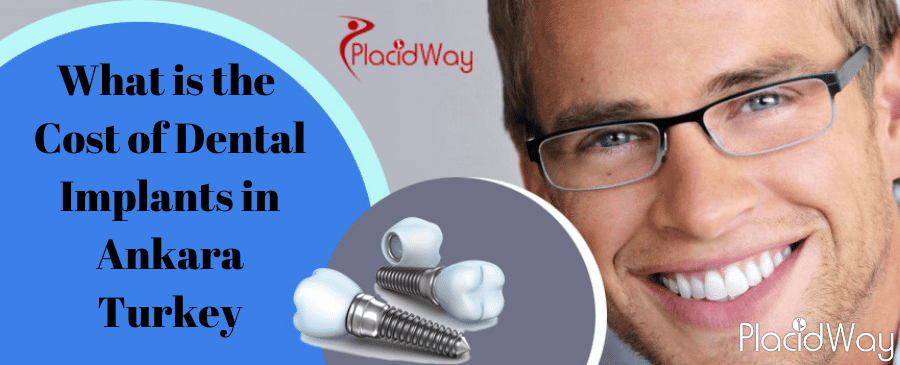
Replacing missing teeth involves careful consideration of materials, provider experience, and financial commitment. As a capital city with numerous medical universities and specialized facilities, Ankara has emerged as a distinct destination for patients seeking advanced dental care. Finding a qualified dental implant clinic in Ankara, Turkey involves looking beyond the price tag to understand the complete medical process, expected timelines, and potential risks.
This guide provides an objective overview of what international patients should expect regarding costs, procedures, and safety when considering medical tourism in Turkey for oral rehabilitation.
Key Takeaways
- Estimated single implant prices in the region average $400–$900.
- Treatment typically requires two separate trips spaced 3 to 6 months apart to allow the jawbone to heal.
- Individual suitability depends heavily on bone density, oral hygiene, and overall medical health.
- Patients must plan for comprehensive aftercare and local follow-up once they return home.
- Ankara offers a more academic and less tourist-heavy medical environment compared to coastal cities.
Why Do Patients Travel to Ankara for Dental Implants?
While coastal cities might attract patients looking to combine a beach vacation with medical care, Ankara tends to draw those focused primarily on the medical procedure itself. As the capital, the city is home to advanced medical infrastructure and highly regulated healthcare environments.
Many specialized oral surgeons and prosthodontists practice in Ankara after completing training at the city's established medical universities. For international patients, this often translates to a high standard of clinical care, standardized sterilization protocols, and a focus on complex restorative dentistry rather than purely cosmetic procedures.
What Factors Influence the Final Cost?
When you see base prices advertised, they often represent only the titanium post inserted into the jawbone. A complete restoration includes the post, the abutment (the connector), and the crown (the visible tooth).
Several variables can alter your estimated treatment total:
- Implant Brands: Premium international brands with decades of research generally cost more than newer or regional brands.
- Preparatory Surgery: If you have experienced bone loss, you may require a bone graft or sinus lift before an implant can be safely placed.
- Extractions: Removing damaged or decayed teeth adds to the initial surgical fees.
- Temporary Solutions: You may need temporary dentures or crowns to wear during the healing phase.
- Crown Materials: Zirconia crowns usually command a higher price than porcelain-fused-to-metal (PFM) alternatives.
What Types of Materials Are Used?
Titanium remains the gold standard for dental implants due to its ability to fuse with human bone—a process called osseointegration. This material is highly durable, lightweight, and well-tolerated by the vast majority of patients. For those with rare metal sensitivities, some facilities may offer zirconia implants, though these are less common and often more expensive.
For the visible portion of the tooth, materials vary based on aesthetic needs and bite force. Zirconia is frequently used for both front and back teeth because it is incredibly strong and mimics the light-reflecting properties of natural enamel. Your dentist should help you weigh the benefits of each material based on where the implant is located in your mouth.
Are Full-Mouth Restorations Available in Ankara?
Rather than replacing 14 individual teeth with 14 implants, a full-arch procedure uses four to six strategically angled implants to support a complete fixed bridge. This approach is often more cost-effective and structurally stable for extensive tooth loss.
However, this is a major surgical procedure. Suitable candidates must have adequate jawbone density in the anterior (front) part of the jaw to anchor the posts. Detailed 3D CBCT scans are required to evaluate your anatomy and determine if a full-mouth restoration is a medically sound option for you.
How Long Does the Treatment Process Take?
The biological process of bone fusing to titanium cannot be rushed. The first trip typically lasts about 5 to 7 days. During this visit, consultations, scans, extractions (if necessary), and the surgical placement of the implant post take place.
After returning home, you wait several months for osseointegration to occur. The second trip, which also usually takes a week to 10 days, involves taking final impressions, fabricating the custom crowns, and securing them to the implants. While some facilities advertise "teeth in a day," immediate loading is only appropriate for specific clinical scenarios and still requires extensive follow-up.
Who is a Suitable Candidate for Surgery?
A comprehensive medical history review is a mandatory first step. Conditions that impair healing, such as uncontrolled diabetes, autoimmune disorders, or ongoing treatments like radiation therapy, can increase the risk of implant failure.
Additionally, tobacco use significantly impairs blood flow to the gums and bone, sharply increasing the chances of post-surgical complications. Dentists strongly advise patients to quit smoking well before the surgery and throughout the entire healing phase to improve the likelihood of a successful outcome.
Important Consideration: Medications such as bisphosphonates (often prescribed for osteoporosis) can interfere with jawbone healing. Always disclose all prescriptions, supplements, and medical conditions to your treating physician.
What Are the Medical Risks and Complications?
While success rates are generally high in healthy candidates, complications can occur. Infection at the implant site can develop if oral hygiene is poor or if post-operative instructions are not followed. In the lower jaw, there is a risk of nerve damage, which can cause temporary or permanent numbness in the lips, chin, or tongue.
In the upper jaw, implants can occasionally protrude into the sinus cavities, requiring additional medical intervention. Furthermore, the body can sometimes fail to integrate with the implant (often due to poor bone quality or smoking), resulting in a loose implant that must be removed. It is vital to discuss these risks with a qualified professional before proceeding.
How Should I Handle Aftercare and Follow-up?
The success of the procedure relies heavily on what happens after you leave the clinic. Implants require the same diligent brushing and flossing as natural teeth to prevent peri-implantitis (a destructive inflammatory process affecting the soft and hard tissues surrounding an implant).
A significant challenge for medical tourists is managing urgent complications once they return home. Before traveling, it is advisable to speak with a local dentist who is willing to perform routine cleanings, take periodic X-rays, and provide emergency intervention if an issue arises with the foreign dental work.
What is the Typical Recovery Process?
In the days immediately following surgery, you can expect some swelling around your gums and face, minor bleeding, and mild to moderate pain. Dentists usually prescribe antibiotics to prevent infection and analgesics to manage discomfort. Ice packs applied to the outside of the face can help reduce initial swelling.
During the first few weeks, you will need to stick to a soft-food diet—such as yogurt, soups, and mashed vegetables—to avoid putting mechanical stress on the healing surgical sites. You will also be given specific instructions on how to clean your mouth without disturbing the stitches or the newly placed posts.
How Can I Evaluate Safety and Hygiene Standards?
When researching providers, verify their credentials. Ensure the professional placing the implants has specific, verifiable training in oral surgery or implantology. Standardized hygiene is critical; reputable facilities adhere to strict sterilization guidelines similar to hospital operating rooms.
Request an initial online consultation to ask detailed questions about the materials they use, the types of anesthesia available, and their protocol for managing complications. A responsible provider will always request comprehensive X-rays or scans before confirming your eligibility for surgery.
Why Choose PlacidWay for Medical Tourism?
Navigating healthcare options abroad requires organized information and careful planning. PlacidWay assists international patients by providing resources to explore global healthcare options.
- Extensive Provider Network: Connects patients with a wide directory of international healthcare facilities and specialists.
- Informative Profiles: Offers access to clinic details, facility credentials, and professional backgrounds to aid your research.
- Transparent Estimates: Helps patients gather initial pricing ranges so they can better understand the potential financial commitment.
- Direct Communication: Facilitates the initial contact between patients and medical centers for consultations and medical inquiries.
- Global Education: Supplies articles and guides about varying international destinations to help patients make informed healthcare decisions.
Frequently Asked Questions (FAQs)
Is it safe to get dental implants in Turkey?
Getting dental implants in Turkey can be safe when you choose properly accredited clinics and qualified professionals. However, as with any surgery, risks such as infection or implant failure exist, and traveling adds complications if aftercare is needed.
Do I need a bone graft before getting an implant?
You may need a bone graft if your jawbone lacks the density or volume to support an implant. A dental professional will determine this based on 3D imaging and X-rays of your jaw.
Can I fly immediately after dental implant surgery?
Most dentists advise waiting at least a few days before flying after implant placement to monitor for initial complications and reduce discomfort from changes in cabin pressure, which can affect the sinuses.
Do clinics in Ankara speak English?
Many facilities that cater to international patients in Ankara have English-speaking staff or provide dedicated medical interpreters to assist with communication during consultations and treatment.
How long do dental implants typically last?
In suitable candidates who maintain excellent oral hygiene and regular dental check-ups, the titanium implant post can last for many years, often a lifetime. The visible crown may need replacement after 10 to 15 years due to normal wear.
Are there hidden costs when getting dental implants abroad?
Potential extra costs can include pre-surgical X-rays, bone grafting, temporary crowns, medications, and the cost of returning for the second phase of treatment. Always request a comprehensive, itemized treatment plan.
What happens if an implant fails after I return home?
If complications arise, you will need to see a local dentist or oral surgeon. Keep in mind that some local providers may be hesitant to repair work performed abroad, and emergency local care will incur additional out-of-pocket costs.
Can I get the implant and crown in one trip?
While immediate-load implants exist for specific candidates, traditional implants require a healing period (osseointegration) of three to six months before the permanent crown can be placed, necessitating two separate trips.
What payment methods are generally accepted in Ankara?
Most major dental facilities accept international credit cards, debit cards, and cash in major currencies (USD, EUR, GBP). Financing options are rarely available for international patients.
Do I need a visa for medical travel to Turkey?
Visa requirements depend on your nationality. Many travelers can obtain an e-Visa online prior to travel, but you should check the official Turkish Ministry of Foreign Affairs website for the most current rules applicable to your passport.
Explore Your Dental Treatment Options
Connect with international providers, review estimated costs, and gather the information you need to make an informed medical decision.
Request Treatment InformationReferences
- Dental Implants: What You Should Know – U.S. Food and Drug Administration (FDA)
- Medical Tourism: Travel for Medical Care – Centers for Disease Control and Prevention (CDC)
- Dental Implant Surgery: Risks, Preparation, and Results – Mayo Clinic
- Dental Implants Oral Health Topic – American Dental Association (ADA)
- Bone Grafting Information – MouthHealthy (ADA)
- Visa Information for Foreigners – Republic of Türkiye Ministry of Foreign Affairs























Share this listing