
Knee Replacement Surgery Cost in Europe: Affordable Solutions Across the Continent

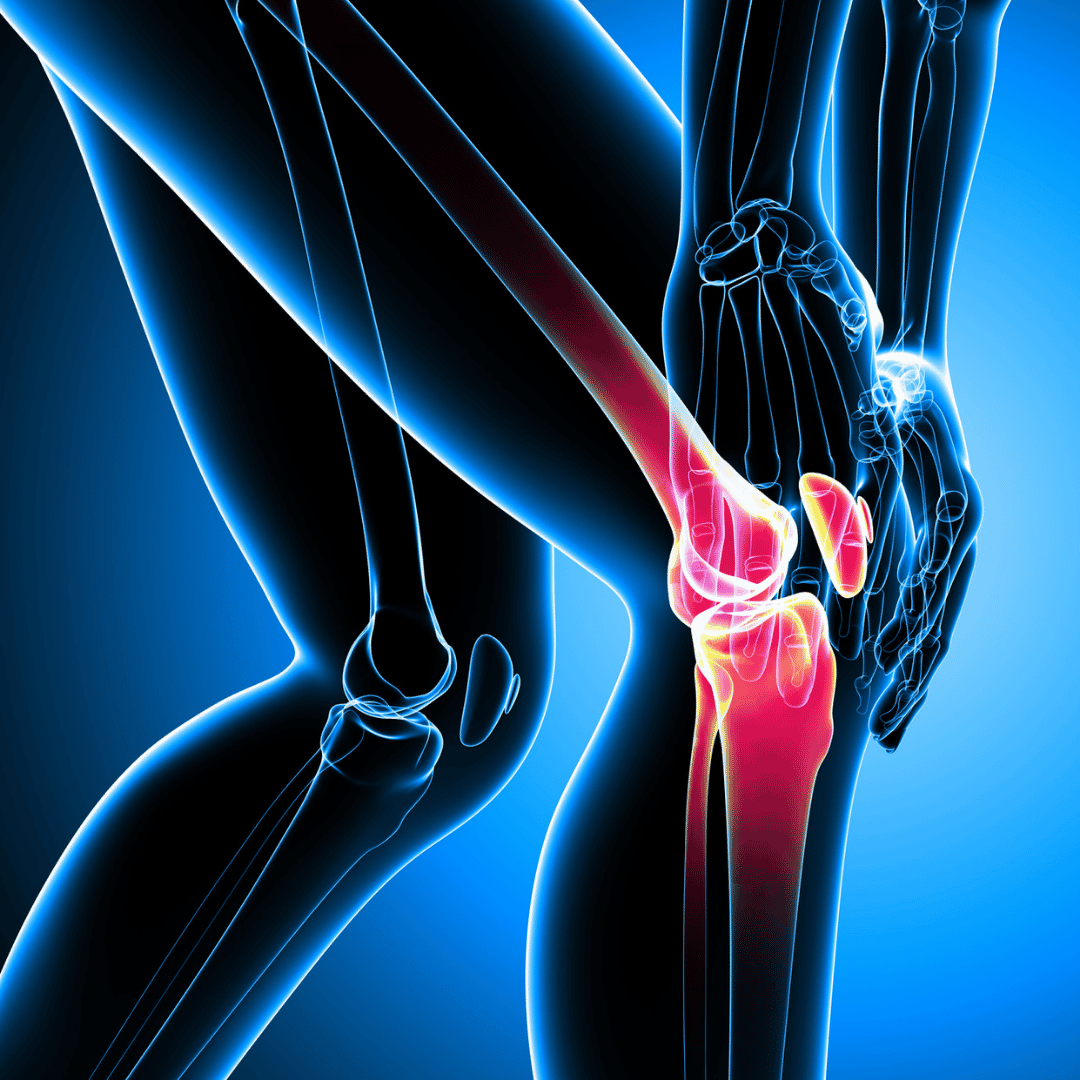
Exploring knee replacement surgery in Europe presents an alternative for patients facing high domestic healthcare expenses or extensive public waiting lists. Joint deterioration, often caused by osteoarthritis, rheumatoid arthritis, or traumatic injury, can severely limit daily activities. When conservative treatments like medication, injections, or physical therapy no longer provide relief, a joint replacement may become a viable medical option to restore function and reduce pain.
Understanding the full scope of medical tourism in Europe involves looking beyond the initial price tag. While the financial aspect is often the primary motivator, prospective patients must carefully weigh the clinical considerations, travel logistics, recovery timelines, and the vital importance of continued care once they return home.
Key Takeaways
- Estimated procedure costs across various European destinations frequently range from $7,000 to $15,000.
- Treatment packages often bundle the surgery, standard implants, hospital stay, and initial physical therapy.
- Candidacy depends on a thorough evaluation of your medical history, joint damage severity, and overall physical health.
- Patients must proactively arrange their long-term rehabilitation and medical follow-up in their home country before traveling.
- Medical tourists should factor in additional expenses such as airfare, companion travel, prolonged lodging, and specialized travel insurance.
What factors influence the knee replacement surgery cost in Europe?
Pricing is not uniform across the continent. Western European nations typically present higher estimates, reflecting higher local living costs and administrative expenses. In contrast, Central and Eastern European countries often provide more competitive pricing models while still adhering to stringent European Union medical regulations and hygiene standards.
Another major factor is the implant material. Prosthetics crafted from advanced materials—such as specialized porous metals or highly cross-linked polyethylene—may increase the overall cost but are sometimes selected for their durability. Additionally, the need for specialized surgical techniques, such as computer-assisted navigation or robotic-assisted surgery, can add to the final estimate provided by a knee replacement surgery clinic in Europe.
What is usually included in a medical tourism package for this procedure?
Facilities that frequently accommodate international patients aim to simplify the financial process by grouping predictable expenses. This typically covers your time in the inpatient ward, nursing care, routine post-operative medications (like pain relievers and blood thinners), and the first few sessions of inpatient physical therapy to get you moving safely.
It is crucial to request a detailed itemized breakdown before committing to any treatment. Packages rarely cover extended stays caused by unforeseen medical complications, complex pre-existing conditions requiring extra monitoring, or upgraded implants not specified in the standard quote. You should also clarify whether airport transfers and translation services are included or billed separately.
How do partial and total knee replacements differ in price and scope?
A partial (unicompartmental) knee replacement addresses only the damaged section of the knee, preserving healthy bone and ligaments. Because the procedure is less invasive and requires a smaller implant, the estimated cost is often lower. However, not all patients are eligible for this option; it is typically reserved for those whose arthritis is strictly confined to one compartment of the knee.
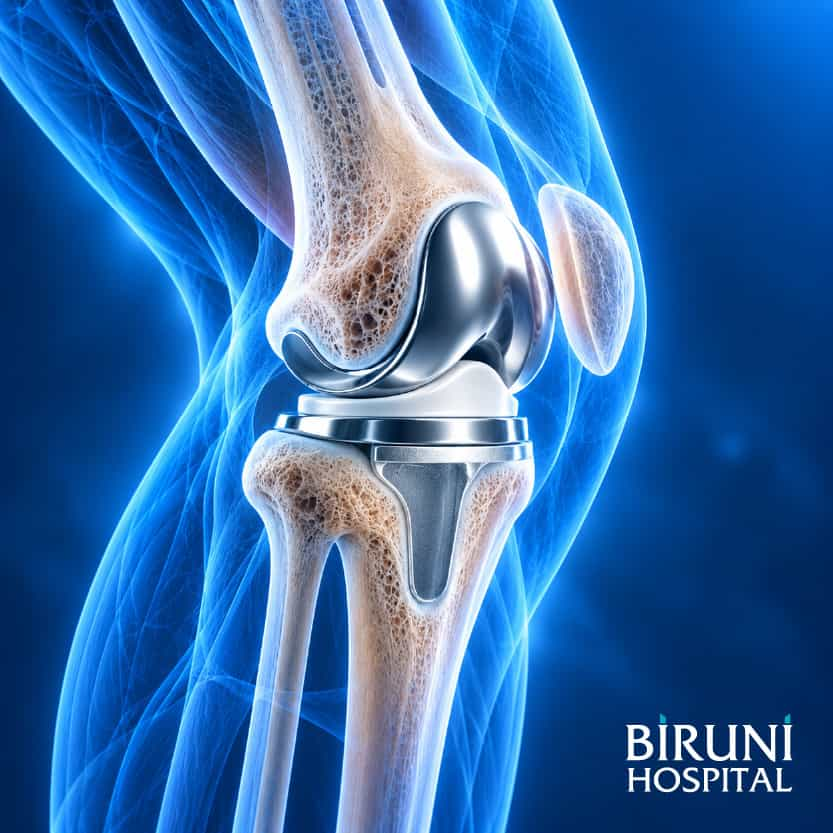
Total knee replacement involves resurfacing the ends of the femur and tibia and replacing the entire joint interface. This is the more common procedure for patients with widespread osteoarthritis. Due to the complexity of the surgery, the larger prosthetic required, and the longer expected hospital stay, it commands a higher price.
| Feature | Partial Knee Replacement | Total Knee Replacement |
|---|---|---|
| Scope | Replaces one diseased compartment | Replaces the entire joint interface |
| Cost Estimate | Typically lower | Typically higher |
| Hospital Stay | Usually 1-3 days | Usually 3-5 days |
Which European countries are common destinations for joint replacement?
Many individuals exploring medical tourism in Europe look toward Central and Eastern European countries. These regions have heavily invested in modernizing their private healthcare sectors and often feature English-speaking medical staff accustomed to international protocols. Destinations like Poland and the Czech Republic offer significant cost advantages compared to North American healthcare systems.
Turkey is also a highly prominent hub for medical travelers, frequently bridging European and Asian healthcare markets. Western European nations, such as Germany and Spain, are recognized for advanced orthopedic research and technology, though their estimated costs are closer to those found in the US or UK.
Am I a suitable candidate for a knee replacement abroad?
Not everyone is an ideal candidate for traveling to a knee replacement surgery clinic in Europe. Suitable candidates typically experience severe, chronic knee pain that significantly impairs daily activities and has not responded to non-surgical treatments. They must also have a stable medical history without severe cardiovascular or respiratory conditions that could make anesthesia or long-haul flights excessively risky.
Contraindications may include active infections, severe peripheral vascular disease, or morbid obesity, which can increase the risk of surgical complications or implant failure. You should always consult your local primary care physician or orthopedic specialist to assess your specific surgical risks before making any travel commitments.
What should I expect during the pre-operative evaluation?
Before you travel, international clinics will usually request your recent medical records, X-rays, or MRI scans for an initial remote consultation. This allows the surgical team to provide a preliminary treatment plan and an accurate estimate of the knee replacement surgery cost in Europe based on your specific joint anatomy.
Upon your arrival, a secondary, in-person evaluation is mandatory. You will typically undergo fresh imaging, blood tests, an electrocardiogram (ECG), and a consultation with the anesthesiologist. This rigorous screening is designed to identify any undiagnosed issues that might affect your safety during the procedure.
What are the potential risks and complications of knee replacement?
While joint replacement is commonly performed, it is a major operation that carries inherent medical risks. Infection is a serious concern that can occur at the incision site or deep around the implant. To mitigate this, patients are typically given prophylactic antibiotics before and after surgery. Blood clots (DVT) are another significant risk, particularly given the added immobility associated with flying. Surgeons often prescribe blood-thinning medications and compression stockings to reduce this danger.
Additionally, while modern prosthetics are durable, they can wear out or loosen over time, potentially requiring a revision surgery years later. Some patients may also experience continued stiffness or persistent pain. Discussing these specific risks with a qualified healthcare professional is essential to making an informed decision.
How long does the initial recovery take before I can fly home?
Your hospital stay normally lasts between 3 to 5 days, during which time medical staff monitor your pain levels, wound healing, and mobility. Once discharged from the inpatient unit, you will typically transition to a nearby hotel or a specialized recovery facility to continue your initial rehabilitation.
Flying too soon after major lower-extremity surgery significantly increases the risk of deep vein thrombosis. Your surgeon will evaluate your healing progress, remove any surgical staples or non-dissolvable sutures, and officially clear you for air travel only when it is medically appropriate. You will likely need mobility assistance, such as wheelchair services, at the airport.
How do I handle follow-up care and physical therapy after returning home?
The surgery itself is only the first step in restoring joint function; rehabilitation is just as critical. Upon returning home, you will need to engage in a structured physical therapy program for several months to rebuild strength, improve your range of motion, and reduce scar tissue formation. Neglecting this phase can lead to a stiff, painful joint.
It is also vital to establish a relationship with a local primary care physician or orthopedist who is willing to take over your post-operative care. You must have a clear plan in place for who to contact if you develop a fever, notice increased redness at the incision site, or experience sudden pain after returning home. Always bring copies of your surgical reports, implant details, and discharge summaries from your European facility.
What hidden expenses should I budget for when traveling for surgery?
When calculating the true cost of your medical journey, do not rely solely on the clinical quote. Flights can fluctuate in price, and you may need to purchase more expensive tickets that allow for extra legroom or flexible date changes. Accommodation expenses for the 10 to 14 days you spend recovering outside the hospital also add up quickly, especially if a companion is staying with you.
Furthermore, standard travel insurance rarely covers complications arising from planned elective surgery abroad. Specialized medical tourism insurance is highly recommended to protect against the financial impact of delayed flights due to medical unfitness or emergency hospitalization. Lastly, factor in the out-of-pocket costs for your months of physical therapy back home, which may not be fully covered by your domestic insurance.
Why Choose PlacidWay for Medical Tourism in Europe?
PlacidWay serves as an educational platform to help patients navigate their international healthcare options. Here are five factual ways the platform supports patients exploring care abroad:
1. Extensive Information Network
Provides access to a broad database of international clinics, allowing patients to review available facilities across multiple European countries in one place.
2. Transparent Cost Estimates
Facilitates the acquisition of preliminary quotes and package breakdowns, helping patients formulate realistic budgets before making decisions.
3. Provider Connections
Directly connects individuals with facility representatives, enabling patients to ask specific medical, logistical, and financial questions.
4. Multilingual Communication
Assists patients by bridging initial language barriers through multi-language support platforms when connecting with foreign medical centers.
5. Procedure Education
Supplies objective articles, guides, and checklists to help patients understand the general scope and requirements of orthopedic procedures.
Frequently Asked Questions
Can I get a bilateral knee replacement in Europe?
Yes, some facilities offer bilateral knee replacements (replacing both knees during the same surgery). However, this increases surgical time, risks, and recovery demands. A surgeon must evaluate your overall health to determine if you are a suitable candidate for a simultaneous procedure.
Will my domestic health insurance cover surgery in a European country?
Most standard domestic health insurance plans do not cover elective treatments performed abroad. You should check directly with your insurance provider to understand your policy. Some patients utilize specialized medical travel insurance or self-fund their procedures.
How long does a knee implant typically last?
Modern knee implants often last 15 to 20 years, though this varies by patient. Factors such as your activity level, weight, and adherence to rehabilitation protocols can significantly impact the longevity of the prosthetic joint.
What type of anesthesia is used for knee replacement?
Knee replacements are usually performed under general anesthesia (where you are fully asleep) or regional anesthesia (such as a spinal block, which numbs the lower half of your body). The anesthesiologist will recommend the safest option based on your medical history.
Is physical therapy included in European treatment packages?
Many international treatment packages include initial post-operative physical therapy while you remain in the hospital or a designated recovery facility. However, you will need to arrange for long-term outpatient physical therapy in your home country.
Can I travel alone for a knee replacement surgery?
While it is possible to travel alone, it is highly recommended to bring a companion. Post-operative mobility is limited, and having someone to assist with luggage, airport navigation, and daily tasks during early recovery can significantly improve your safety and comfort.
How soon after surgery can I walk?
Physical therapists typically encourage patients to stand and take a few steps with a walker or crutches within 24 hours after surgery. Early mobilization helps promote circulation and reduces the risk of blood clots, though individual progress varies.
What materials are used for knee implants in Europe?
Implants are typically made from a combination of biocompatible metals (such as titanium or cobalt-chromium alloys) and highly durable medical-grade plastics (polyethylene). The specific materials used depend on the manufacturer and the surgeon's recommendation.
Will I need special equipment at home after surgery?
Yes, most patients require assistive devices such as a walker, crutches, or a cane during the initial weeks. Raised toilet seats, shower chairs, and grab bars are also commonly recommended to prevent falls and protect the new joint.
How do I communicate with medical staff if I do not speak the local language?
Many facilities that cater to international patients employ English-speaking medical staff and patient coordinators. Additionally, dedicated translation services are often provided to ensure you fully understand your medical care, risks, and recovery instructions.
Compare Treatment Options
Connect with providers to review estimates, understand your eligibility, and gather detailed information about undergoing orthopedic procedures abroad.
Request Treatment InformationReferences
- Total Knee Replacement – American Academy of Orthopaedic Surgeons (AAOS)
- Knee Replacement Overview and Recovery – National Health Service (NHS)
- Medical Tourism Guidelines – Centers for Disease Control and Prevention (CDC)
- Knee Replacement Risks and What to Expect – Mayo Clinic
- General Safety and Considerations for Medical Tourism – World Health Organization (WHO)
- Types of Knee Surgery – Arthritis Foundation



























Share this listing