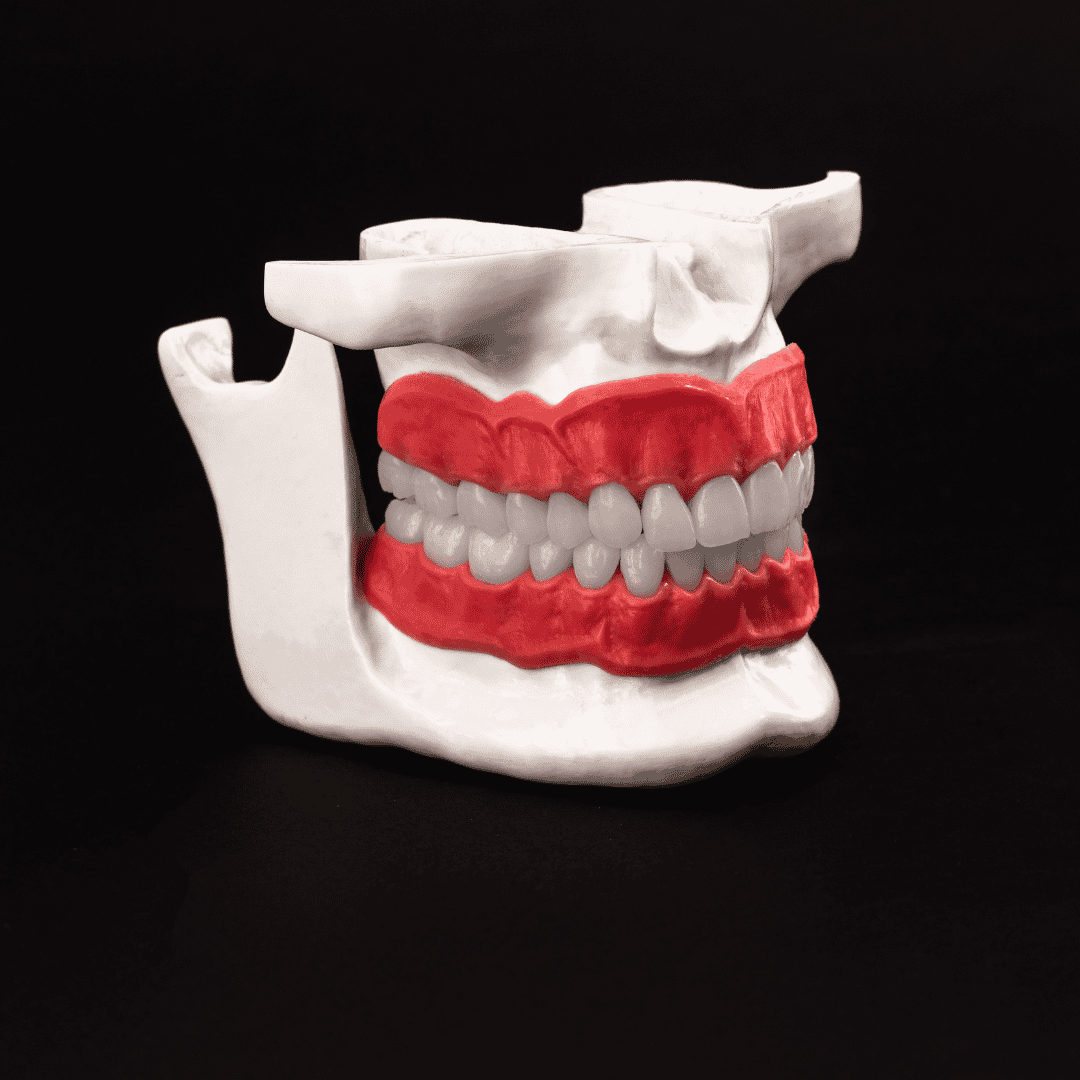
What treatment


20+ Key FAQs on Dentistry in Spain
Questions About Dentistry in Spain? Start Here
Trusted Medical Tourism Platform Since 2007
How Much do Veneers Cost in Spain?
The cost of dental veneers in Spain typically ranges from €300 to €850 per tooth. High-quality porcelain veneers are at the upper end of this range, while composite veneers offer a more affordable option. If you're dreaming of a flawless "Hollywood smile," dental veneers are one of the most effective and popular solutions available. These ultra-thin, custom-made shells are bonded to the front of your teeth to transform their appearance, correcting issues like stains, chips, gaps, and misalignment. Spain has cemented its reputation as a leading destination for dental tourism, offering a winning combination of world-class dentists, cutting-edge technology, and significantly lower prices than in the UK, USA, or other parts of Western Europe. Naturally, the first question for many is: "What is the actual cost of veneers in Spain?" The price of veneers in Spain is a major draw for international patients, with potential savings of 50-70%. The cost per tooth can start from around €300 for a direct composite veneer and go up to €850 or more for a premium porcelain veneer crafted in a top-tier laboratory. This price difference doesn't signal a compromise on quality; it reflects Spain's lower operational costs. This guide will provide a detailed breakdown of the costs for 2025, compare the different types of veneers, explore the factors that influence the final price, and help you understand the exceptional value offered by Spanish dental clinics. What is the average cost of veneers in Spain? The average cost for a high-quality porcelain veneer in Spain is between €450 and €850 per tooth. A direct composite veneer, which is applied and sculpted by the dentist in a single visit, is more affordable, averaging €300 to €400 per tooth. The total cost for a smile makeover depends on the number of veneers required. A typical treatment involves the front 6 to 10 teeth on the upper arch (the "social six" or more). Therefore, a full smile design with 10 porcelain veneers could range from €4,500 to €8,500. This is a significant saving compared to the UK, where the same treatment could easily cost over £10,000, or the USA, where prices can soar past $20,000. This affordability is paired with high standards. Spanish clinics are regulated under strict EU protocols, and dentists often use globally recognized brands like E-max for their ceramic veneers, ensuring you receive a world-class product. How does the veneers cost vary by material type? The material is the most significant factor influencing the veneer cost in Spain. Porcelain (ceramic) veneers are more expensive due to their superior durability, stain resistance, and natural appearance. Composite resin veneers are a more budget-friendly alternative. Understanding the pros and cons of each material is key to making the right choice for your smile and budget. Here’s a detailed comparison: Type of Veneer Average Price Range per Tooth (EUR) Key Features Porcelain (Ceramic) Veneers €450 - €850+ Highly durable (10-20 years), stain-resistant, most natural look, requires multiple visits. Composite Veneers €300 - €400 Affordable, applied in a single visit, easily repairable, less durable (5-7 years), can stain. Non-Prep Veneers (e.g., Lumineers) €600 - €900+ Ultra-thin ceramic, minimal to no tooth preparation, reversible, premium price. What other factors influence the final cost of dental veneers? Beyond the material, the final veneers cost is affected by the dentist's expertise and reputation, the clinic's location (e.g., Madrid, Barcelona, Valencia), the technology used (like digital smile design), and the total number of veneers being placed. Several variables contribute to your final treatment plan quote. It's important to consider: Dentist's Expertise: A cosmetic dentist with specialized training in aesthetic dentistry and a strong portfolio will command higher fees. This expertise is crucial for achieving a natural, harmonious result. Geographic Location: Clinics in prime locations in major cities like Madrid or Barcelona may have slightly higher prices than those in coastal towns like Alicante or Valencia, due to higher operational costs. Technology: Clinics that invest in advanced technology like Digital Smile Design (DSD), intraoral scanners, and in-house CAD/CAM milling machines may have different pricing structures. DSD allows you to preview your new smile before treatment begins. Number of Veneers: Clinics often offer a reduced price per veneer when a patient is getting a full set (e.g., 8, 10, or 20 veneers) as part of a complete smile makeover package. What is included in the quoted price for veneers in Spain? A standard price quote for veneers in Spain from a reputable clinic will typically include the initial consultation, a panoramic X-ray, digital smile design, the veneers themselves, a temporary set (if needed), and all fitting and bonding appointments. Clinics that serve international patients are accustomed to providing transparent, all-inclusive quotes. A comprehensive package should generally cover: Initial consultation and aesthetic assessment. Digital scans and X-rays. A "mock-up" or Digital Smile Design to visualize the result. Fabrication of the custom veneers by the dental lab. The dentist's fees for tooth preparation and final bonding. A follow-up appointment for a final check and polish. Always confirm if preparatory work like teeth cleaning or whitening is included, as this may be recommended before veneer placement for the best result. Are veneers in Spain good quality? Yes, the quality of dental veneers in Spain is exceptionally high. Top clinics use the same premium ceramic materials (like Ivoclar E-max) and partner with the same high-end dental laboratories as elite dental practices worldwide. Spain's dental profession is highly regulated, and dentists undergo extensive education and training. Many cosmetic dentists pursue postgraduate certifications in aesthetic dentistry from international institutions. The combination of skilled professionals, world-class materials, and advanced technology ensures that patients receive durable, beautifully crafted veneers that look and feel natural. How long does it take to get veneers in Spain? The process of getting porcelain veneers in Spain is very efficient, typically requiring two main visits over 5 to 7 working days. This makes it an ideal treatment for dental tourists who can combine their treatment with a short holiday. The timeline for porcelain veneers usually looks like this: Visit 1 (2-3 hours): Consultation, smile design, tooth preparation (a minimal amount of enamel is removed), and taking impressions or digital scans. Temporary veneers are placed. Lab Fabrication (3-5 days): Your custom veneers are meticulously crafted in a dental laboratory. Visit 2 (1-2 hours): The temporary veneers are removed, and the dentist permanently bonds the final custom-made porcelain veneers to your teeth, ensuring a perfect fit and bite. Composite veneers, on the other hand, can usually be completed in a single, longer appointment as the material is applied and shaped directly onto the teeth. Ready to achieve the smile of your dreams with high-quality, affordable veneers? Explore PlacidWay to connect with leading dental clinics across Spain. Get personalized, no-obligation quotes and find the perfect provider for your smile makeover today!...
Read more details

How Much Do Dentures Cost in Spain?
The cost of dentures in Spain typically ranges from €400 for a partial denture to around €650-€800 for a full acrylic denture per arch. The final price depends on the type of denture, the materials used, and the clinic's location. If you're considering dentures to restore your smile and improve your quality of life, Spain offers a compelling combination of high-quality dental care and significant cost savings. Whether you need a full set to replace all your teeth or a partial denture to fill in gaps, Spanish dental clinics are equipped with modern technology and staffed by highly-trained professionals. For many, the first and most important question is: "What is the actual cost of dentures in Spain?" The price of dentures in Spain is remarkably affordable, especially when compared to costs in the UK, Ireland, or the USA. You can often save 50% or more on your treatment. A basic removable partial denture can start from as low as €400, while a complete upper or lower denture generally falls between €600 and €800. This guide will provide a detailed breakdown of the costs, explore the different types of dentures available, and explain the factors that influence the final price, helping you make a well-informed decision for your dental health. What is the average cost of full and partial dentures in Spain? The average cost for a full denture (per arch) in Spain is about €650. For a removable partial denture, the price is typically lower, ranging from €400 to €600, depending on the number of teeth being replaced and the material. Spain presents a significant price advantage for dental prosthetics. While a full set of dentures (upper and lower) might cost over £2,000 in the UK or $3,000 in the USA, the same treatment in Spain could be less than half that price. This affordability extends to all types of dentures, from basic acrylic models to more advanced flexible or metal-frame options. These savings do not imply a compromise on quality. Spanish dental clinics adhere to high EU standards, using internationally-certified materials and modern laboratory techniques to create comfortable, functional, and aesthetically pleasing dentures. How does the cost of dentures vary by type and material? The material and type are the biggest factors influencing the denture cost in Spain. Standard acrylic full dentures are the most common and affordable. Flexible partial dentures are slightly more expensive due to the advanced material, while metal-frame partials also carry a higher price tag for their durability. Choosing the right type of denture depends on your specific needs, the number of missing teeth, and your budget. Here’s a comparison of the common options available in Spain: Type of Denture Average Price Range (EUR) Key Features Full Acrylic Denture (per arch) €600 - €800 Replaces all teeth in an upper or lower jaw. Standard, affordable option. Partial Acrylic Denture €400 - €600 Replaces one or more missing teeth, held by clasps. Budget-friendly. Flexible Partial Denture €450 - €700 Made from a flexible, lightweight material for enhanced comfort. Metal-free. Metal-Frame Partial Denture €500 - €750 Strong, durable, and less bulky than acrylic partials. Rests on existing teeth. What other factors influence the final cost of dentures? Beyond the type, the final dentures cost is affected by the dentist's expertise, the clinic's location (e.g., Madrid, Barcelona), and any preparatory work needed, such as tooth extractions, which are charged separately. Several variables can adjust the final price on your treatment plan. It's important to be aware of them: Geographic Location: Clinics in major tourist centers or large metropolitan areas like Madrid and Barcelona may have slightly higher prices than those in smaller towns due to higher operational costs. Dentist's Specialization: A prosthodontist—a specialist in tooth replacement—may have higher fees than a general dentist, reflecting their advanced training. Preliminary Procedures: The cost of the dentures themselves does not include any necessary treatments before they can be fitted. This can include extractions (around €50-€90 per tooth), fillings, or deep cleaning. Immediate vs. Conventional Dentures: An "immediate" denture, placed on the same day as extractions, may cost more than a conventional denture, which is fitted after the gums have fully healed. What is included in the quoted price for dentures in Spain? A standard price quote for dentures in Spain will typically include all appointments for impressions and measurements, the fabrication of the custom denture by the dental lab, and the final fitting and adjustment appointments. Clinics that regularly treat international patients are usually very clear about what their pricing includes. A comprehensive quote should cover: The initial consultation and examination. All dental impressions (molds) and measurements of your jaw. The creation of a wax model for a "try-in" to check the fit and appearance. The final denture itself. All appointments for fitting and making necessary adjustments for comfort. Always ask for a written treatment plan that itemizes all costs. Confirm whether follow-up adjustments after you've worn the dentures for a while are included or would be an additional charge. Are dentures in Spain good quality? Yes, the quality of dentures in Spain is excellent. Dentists are highly qualified, often with international training, and clinics use modern technology and high-grade materials that comply with strict EU safety and manufacturing standards. Spain's dental care system has a strong reputation for quality. Dentists must be registered with the Spanish General Council of Colleges of Dentistry (Consejo Dentista), which requires a degree from a recognized Spanish university and adherence to professional standards. The materials used for the denture base (acrylic, nylon) and the teeth themselves are sourced from reputable international manufacturers, ensuring a durable and natural-looking result. How long does it take to get dentures made in Spain? The process of getting custom dentures made in Spain typically takes 1 to 2 weeks, requiring several appointments. Clinics accustomed to serving dental tourists can often expedite the lab work to fit within a patient's travel schedule. Creating a well-fitting denture is a multi-step process. Here’s a typical timeline: First Appointment: Consultation, examination, and initial impressions. Second Appointment: More detailed impressions and jaw relationship measurements are taken. Third Appointment: A "wax try-in," where you get to see how the denture looks and feels before it is permanently fabricated. Final Appointment: The completed denture is fitted, and the dentist makes any necessary adjustments for a comfortable and secure fit. For international patients, clinics can often condense these steps into a shorter timeframe, sometimes completing the entire process within 5-10 days. Ready to restore your smile with high-quality, affordable dentures? Contact PlacidWay to connect with leading dental clinics in Spain. Get personalized quotes and find the perfect solution for your dental needs today....
Read more details
How Much Do All on 6 Dental Implants Cost in Spain?
The cost of All-on-6 dental implants in Spain typically ranges from €8,500 to €17,800 per jaw. This price represents a significant saving of up to 70% compared to the UK or USA, for the same high-quality materials and expert care. If you're asking, "How much do All on 6 dental implants cost in Spain?" then you are on the path to a life-changing dental solution at an affordable price. Spain has become a global leader in dental tourism, offering advanced procedures like the All-on-6 dental implant system from world-class clinics at a fraction of the cost you would pay at home. A full smile restoration is one of the most significant investments you can make in your health and confidence. The All-on-6 system provides a permanent, stable, and highly aesthetic solution for individuals who have lost most or all of their teeth. By anchoring a full bridge of teeth to six strategically placed implants in the jaw, it offers superior strength and stability compared to traditional dentures or even the All-on-4 system. The primary barrier for most people, however, is the formidable cost in countries like the UK, Ireland, or the United States. This is where Spain provides an incredible opportunity. The country's combination of highly qualified dental professionals, cutting-edge technology, and a lower cost of living allows clinics to offer these sophisticated treatments for significantly less. This guide will provide a detailed breakdown of the cost of All on 6 dental implants in Spain. We'll explore the price per arch, compare it to other solutions, detail the factors that influence the final price, and explain why Spain is a safe, reliable, and intelligent choice for your full-mouth rehabilitation. By the end, you'll have all the information you need to make a confident decision about restoring your smile in one of Europe's top dental destinations. What is the average cost of All on 6 dental implants in Spain? "The average cost for a single arch (upper or lower jaw) of All on 6 dental implants in Spain is approximately €11,400. However, prices can start as low as €8,500 and go up to €17,800 or more depending on various factors." The price for an All-on-6 procedure in Spain offers dramatic savings. In the UK, you could expect to pay upwards of £18,000 (€21,000), while in the USA, the cost can easily exceed $28,000 (€26,000) for a single jaw. The affordability in Spain does not indicate a compromise on quality; rather, it reflects the country's different economic structure, allowing for lower clinical and laboratory fees. This significant price difference makes a full-mouth restoration, which might be financially impossible for many at home, a genuinely achievable goal. The total cost for restoring both jaws with an All-on-6 system in Spain can often be less than the cost of a single arch in the UK or US. How does the cost vary between different cities in Spain? "Yes, the cost of All on 6 dental implants can vary significantly between Spanish cities. Clinics in major metropolitan areas like Barcelona may have higher prices, while cities like Alicante, Malaga, and some clinics in Madrid often offer more competitive starting prices." Location is a key factor in pricing. Larger, more expensive cities generally have higher overheads, which can be reflected in treatment costs. For example: Madrid & Malaga: You may find some of the most competitive prices here, with clinics offering All-on-6 from around €8,500. Alicante & Valencia: These popular coastal destinations for tourists also offer excellent value, with prices often starting around €8,000 - €10,000. Barcelona: As a major international hub, prices here can be slightly higher, with starting points often around €11,500 and going up significantly in premium clinics. Choosing a clinic in a slightly less central location can often provide the same quality of care and materials for a lower overall price. What is the cost difference between All-on-4 and All-on-6 in Spain? "The All-on-6 system in Spain is typically €1,500 to €3,000 more expensive per arch than the All-on-4 system. The higher cost is due to the two additional implants and the more complex surgical and prosthetic work involved." While All-on-4 is a fantastic and more common solution, the All-on-6 is considered a more premium and robust option. The starting price for All-on-4 in Spain is around €6,500-€7,500, making the All-on-6 a significant but justifiable step up in price for the right candidate. The additional two implants provide better distribution of biting forces, increase the stability of the final bridge, and can be crucial for patients with lower bone density where greater support is needed. Your dentist will perform a thorough evaluation, including a 3D CT scan, to recommend the optimal solution for your specific anatomy and needs. What factors influence the final cost of an All-on-6 procedure? "The final All on 6 cost in Spain is determined by the implant brand, the material of the final prosthesis (bridge), the need for extractions or bone grafting, the dentist's expertise, and the clinic's technology and location." Several variables can affect your final quote. Understanding them is key to comparing different clinics: Factor Impact on Cost Implant Brand Premium brands like Straumann or Nobel Biocare are more expensive than other high-quality but less-known brands. Prosthesis Material A final bridge made of composite or acrylic is the standard, more affordable option. A zirconia or porcelain bridge offers superior aesthetics and durability but costs significantly more. Bone Grafting/Sinus Lift If you have significant bone loss, you may need these preparatory surgeries, which can add €500 to €3,000 to the total cost. Tooth Extractions The removal of any remaining failing teeth will be an additional charge, typically €50 - €200 per tooth. What is included in a typical All-on-6 package in Spain? "A standard All-on-6 package in Spain typically includes the initial diagnostics (3D CT scan), the surgical placement of the six implants, the abutments, a custom-made temporary fixed bridge, and the final permanent fixed bridge after the healing period." Clinics catering to international patients design their packages to be as comprehensive as possible. You should always receive a detailed written quote, but a standard package will usually cover: The initial consultation and full diagnostic workup. All fees for the surgeon and anaesthetist. The cost of six high-quality titanium implants. A temporary, immediate-load prosthesis so you never leave without teeth. The fabrication and fitting of your final, permanent bridge (prosthesis). All necessary follow-up appointments during your visits. Some premium packages may also include accommodation, airport transfers, and a dedicated English-speaking patient coordinator. Are Spanish dentists qualified for such complex procedures? "Yes, Spanish dentists, particularly those performing All-on-6 procedures, are exceptionally qualified. They hold EU-recognized dental degrees, must be registered with the Spanish Dental Association, and often have extensive postgraduate training and master's degrees in Implantology and oral surgery." The standard of dental education and regulation in Spain is on par with the best in the world. Specialists who perform complex full-mouth restorations are often at the top of their field, with years of dedicated experience. Many are key opinion leaders for top implant brands, teach at universities, and speak at international conferences. When choosing a clinic, you should feel confident asking about the specific qualifications and experience of the surgeon who will be performing your treatment. Reputable clinics are proud of their team's expertise and will be transparent with this information. Is it safe to get All-on-6 implants in Spain? "It is extremely safe to get All-on-6 dental implants in Spain, provided you choose an accredited and reputable clinic. These facilities adhere to the highest European standards for hygiene and sterilization and use globally recognized, CE-marked materials and technology." Patient safety is the bedrock of the dental tourism industry in Spain. Top clinics invest heavily in state-of-the-art diagnostic and surgical equipment to ensure precision and predictable outcomes. They follow strict protocols to prevent infection and ensure patient comfort. Many clinics hold ISO certifications for quality management, providing an extra layer of assurance. You can ensure your safety by doing thorough research: read patient reviews, look for accreditations, and have a video consultation with the clinic to get a feel for their professionalism before you book. What is the procedure for getting All-on-6 in Spain? "The All-on-6 procedure for an international patient involves two separate trips to Spain. The first trip (around 5-7 days) is for diagnostics and surgery. The second trip (around 7-10 days) occurs 4-6 months later to fit the final, permanent bridge." The process is methodically planned for efficiency and clinical success: Online Consultation: You'll start by sending a panoramic X-ray to the clinic for a preliminary assessment and quote. First Trip (Surgery): You'll fly to Spain for an in-person consultation, 3D CT scan, and any necessary extractions. The surgeon then places the six implants. A temporary fixed bridge is fitted the same or the next day, so you leave with a functional, aesthetic smile. Healing Period: You'll return home for 4 to 6 months. This crucial period, called osseointegration, allows the implants to fuse securely with your jawbone. Second Trip (Prosthetics): You'll return to Spain. The clinic will take final impressions and the lab will craft your permanent, high-quality bridge. This is then meticulously fitted, adjusted, and secured, completing your new smile. Do clinics in Spain offer a guarantee on All-on-6 implants? "Yes, reputable Spanish clinics provide a guarantee for All-on-6 procedures. The implant fixtures themselves often have a lifetime warranty from the manufacturer (e.g., Straumann), while the clinic will typically guarantee the final bridge for 5 to 10 years." A warranty is a mark of quality and confidence. It assures you that the clinic stands behind its work. It's important to get the terms of the guarantee in writing. The warranty is always conditional on the patient maintaining proper oral hygiene, refraining from smoking, and attending regular professional cleanings and check-ups, either at home or at the clinic in Spain. Ready to reclaim your smile and your confidence with a permanent, beautiful solution? The All-on-6 dental implant system in Spain offers world-class results at a price that makes sense. PlacidWay is your trusted partner in connecting you with Spain's most reputable and experienced dental clinics. Contact us today for a free, no-obligation quote and take the first step towards your life-changing new smile....
Read more detailsDiscover your treatment options with a free, no-obligation quote!
Get your quote now!
How Much Do Implants Cost in Spain?
A single dental implant in Spain typically costs between €1,000 and €1,800. This price often includes the implant, abutment, and crown, representing a saving of 40-70% compared to countries like the UK and US without compromising on quality. Deciding to get dental implants is a major step towards restoring your smile, confidence, and quality of life. However, the high costs in many Western countries can be a significant barrier. This is where Spain offers a compelling solution. The country is not just a beautiful holiday destination; it's also home to a world-class private healthcare system with dental clinics that use the same high-quality materials and advanced technology as you'd find in the UK, Germany, or the United States. The key difference is the price. The lower cost of living and operational expenses in Spain mean these savings are passed directly on to you, the patient. This comprehensive guide will provide a detailed breakdown of the cost of dental implants in Spain. We'll explore the price for single implants, full-mouth restorations like the All-on-4 system, and what factors influence the final cost. We will also cover the qualifications of Spanish dentists, the safety and quality you can expect, what's included in treatment packages, and the types of guarantees offered. By the end of this article, you will have a clear and confident answer to your questions and understand why thousands of international patients choose Spain for their dental implant procedures every year. What is the average cost of a single dental implant in Spain? "The average cost for a complete single dental implant in Spain, including the implant screw, abutment, and crown, ranges from €1,000 to €1,800. The price can go up to €2,200 in high-end clinics in major cities." The affordability of dental implants in Spain is the primary draw for most international patients. When compared to the UK, where a single implant can cost upwards of £2,500 (€3,000), or the US, where prices can soar to $3,000-$4,500 (€2,800-€4,200), the savings are immediately apparent. It's crucial to ensure that any quote you receive is for the complete procedure. A full implant treatment consists of three parts: the titanium or zirconia screw that is inserted into the jawbone, the abutment that connects the implant to the crown, and the final crown (the visible tooth). Always confirm that the price includes all three components to avoid any unexpected costs. Even with flights and accommodation factored in, the total cost for treatment in Spain often remains significantly lower than the procedure cost alone in many other countries. How much does an All-on-4 or full mouth restoration cost in Spain? "The cost for a full-arch restoration using the All-on-4 dental implant system in Spain typically ranges from €5,500 to €8,000 per jaw. A full-mouth restoration with two arches would therefore be in the region of €11,000 to €16,000." The All-on-4 system is a revolutionary technique that restores an entire arch of teeth using just four strategically placed implants. For patients with multiple missing teeth, this is often the most effective and stable long-term solution. The cost savings in Spain for such extensive procedures are even more dramatic. In the UK or US, an All-on-4 procedure for a single arch can easily cost over €15,000. By choosing to have the treatment in Spain, patients can save tens of thousands of euros, making a life-changing restoration financially achievable. These full-arch packages usually include the surgical placement of the four implants, a temporary fixed bridge to wear during the healing period, and the final, permanent fixed bridge. What factors influence the final cost of dental implants? "The final cost of dental implants in Spain is influenced by several key factors: the brand of the implant, the crown material, the need for preparatory procedures like bone grafts, the dentist's experience, and the clinic's geographical location." Understanding these variables will help you evaluate different quotes: Implant Brand: Premium Swiss or German brands like Straumann or Nobel Biocare are more expensive than other high-quality but less famous brands. Crown Material: A crown made from zirconia is generally more expensive than one made from porcelain-fused-to-metal (PFM) due to its superior strength and aesthetics. Preliminary Procedures: If you lack sufficient bone density, you may need a bone graft or sinus lift before the implant can be placed. These procedures carry an additional cost, typically ranging from €300 to €1,500. Location: Clinics in major cities like Barcelona and Madrid or upscale coastal areas like Marbella may have higher prices than those in cities like Alicante, Valencia, or Malaga. Technology and Expertise: Clinics using advanced technology like 3D CT scanners and surgical guides, and employing highly specialized implantologists, may charge more for their premium service. Are Spanish dentists qualified to place dental implants? "Yes, dentists in Spain are highly qualified. To practice, they must hold a degree from a Spanish university or a recognized EU country. Many implant specialists pursue further postgraduate master's degrees in Implantology and are members of prestigious dental associations." The standard of dental education in Spain is exceptionally high and is regulated to be on par with the rest of the European Union. A dental degree takes five years to complete. Dentists must be registered with the Spanish Dental Association (Consejo General de Colegios de Odontólogos y Estomatólogos) to practice legally. Furthermore, many of the best dentists who cater to international patients have sought additional training abroad and are committed to continuous professional development. It is common to find implantologists who are fluent in English and have extensive experience treating complex cases for patients from all over the world. Is it safe to get dental implants in Spain? "Absolutely. Getting dental implants in Spain is very safe. Reputable clinics follow stringent EU-mandated sterilization and hygiene protocols. They use high-quality, CE-certified materials and the latest technology to ensure patient safety and predictable, successful outcomes." The quality of private dental care in Spain is renowned for being excellent. Clinics that serve a large international clientele know that their reputation depends on maintaining the highest standards of safety and care. They are often ISO certified, which demonstrates a commitment to quality management. You can ensure your safety by choosing a reputable clinic. Look for transparent websites with clear pricing, patient testimonials, before-and-after photos, and verifiable information about their dentists' qualifications. A good clinic will always be happy to answer your questions about their safety procedures and the materials they use. What is typically included in a dental implant package in Spain? "Dental implant packages in Spain are often designed for tourists and typically include the initial consultation, a 3D CT scan, the complete implant procedure (implant, abutment, crown), and follow-up checks. Some clinics also include airport transfers and accommodation." To make the process as smooth as possible for international visitors, many Spanish clinics offer all-inclusive packages. While the specifics can vary, a comprehensive package will generally cover: Diagnostics: An initial consultation and a detailed 3D CBCT scan to plan the surgery. The Surgery: The surgical placement of the implant(s). Prosthetics: The abutment and the final crown or bridge. Temporary Prosthesis: A temporary tooth to wear during the healing phase. Post-Op Care: Any necessary check-ups and stitch removal. Logistical Support: Many clinics catering to tourists will arrange for an English-speaking patient coordinator, airport pickup, and sometimes even a hotel stay. How do I choose the best clinic for dental implants in Spain? "To choose the best clinic, research their reputation thoroughly. Read recent patient reviews on independent platforms, examine their before-and-after galleries, verify the implantologist's credentials, and ensure they provide a detailed, written treatment plan and quote before you commit." Doing your homework is the most critical step. Create a shortlist of clinics and evaluate them based on the following criteria: Patient Reviews: Look for recent, detailed reviews on Google, Trustpilot, or dental tourism forums. Transparency: The clinic's website should be professional and clear about pricing, treatments, and their team. Communication: When you make an inquiry, do they respond promptly, professionally, and in clear English? Dentist's Experience: Ask about the specific experience of the dentist who will be performing your surgery. How many implants do they place per year? Technology & Materials: Do they use modern diagnostic tools? Are they open about the brands of implants they use? Do Spanish dental clinics offer guarantees on implants? "Yes, reputable clinics in Spain typically offer a guarantee on their dental work. The implant screw itself often comes with a lifetime manufacturer's warranty, while the prosthetic work like the crown or bridge is usually guaranteed by the clinic for 3 to 5 years." A guarantee is a strong indicator of a clinic's confidence in its work. For premium implant brands like Nobel Biocare or Straumann, the implant fixture is often guaranteed for life by the manufacturer. The clinic will then provide its own warranty on the crown or bridge they have fitted. It's important to understand the terms of the guarantee. It is always conditional on the patient maintaining good oral hygiene and attending regular dental check-ups. The guarantee will not cover damage caused by trauma or neglect. What is the process for getting implants in Spain as a tourist? "The process involves two short trips to Spain. The first trip (3-5 days) is for the consultation and surgical placement of the implant. After a healing period of 3-6 months at home, you return for the second trip (5-7 days) to have the final crown or bridge fitted." The journey is well-structured: Phase 1 (First Trip): You will have an in-person consultation, a CT scan, and the implant surgery. A temporary tooth may be fitted. You can fly home a day or two after the procedure. Healing Phase: This is the osseointegration period, where the jawbone fuses with the implant. This takes 3 to 6 months. Phase 2 (Second Trip): The dentist will uncover the implant, take impressions, and a dental lab will fabricate your final crown or bridge. A few days later, the final restoration is securely fitted, and your new smile is complete. Will I face a language barrier at a Spanish dental clinic? "At clinics that specialize in dental tourism, you will not face a language barrier. Dentists, patient coordinators, and support staff are typically fluent in English, and many also speak other languages like German, French, or Dutch to ensure clear and comfortable communication." Spanish clinics understand that treating international patients requires excellent communication. They have built their service model around this need. From your first email inquiry to your final check-up, you will be able to communicate your questions and concerns in English. This ensures you are fully informed and comfortable at every stage of your treatment. Ready to restore your smile with high-quality, affordable dental implants? Spain offers an unbeatable combination of clinical excellence, significant cost savings, and the chance to recover in a beautiful setting. PlacidWay can help you connect with the best, pre-vetted dental clinics in Spain. Contact us today for a free, personalized quote and take the first step toward a confident new smile....
Read more details
How Much is Average Cost for Dental Crowns in Spain?
Thinking about getting dental crowns in Spain? You're making a smart choice. Spain has rapidly become a premier destination for dental tourism, attracting thousands of patients who seek high-quality, affordable dental care. The country offers a perfect blend of experienced, multilingual dentists, state-of-the-art clinics, and prices that are significantly lower than in the UK, Ireland, and the United States. But before you book your flight, it's crucial to understand the costs involved. The price of a dental crown isn't a simple number; it's influenced by various factors, from the type of material you choose to the city where your clinic is located. This in-depth guide will walk you through every aspect of getting dental crowns in Spain. We'll explore the detailed costs, compare different types of crowns, outline the treatment process, and answer all the key questions you might have. Our goal is to provide you with the clarity and confidence needed to plan your dental journey to Spain. What is the Exact Cost of a Dental Crown in Spain? The exact cost of a dental crown in Spain typically falls between €300 and €1,000 per tooth. A standard Porcelain-Fused-to-Metal (PFM) crown costs around €350, while a more aesthetic all-ceramic or zirconia crown can be upwards of €400 to €700. While averages provide a good starting point, the final quote from your dentist will be specific to your case. The price of a dental crown in Spain is not a fixed figure. It's a sum of different components: the dentist's fee, the cost of the material, the laboratory fee for creating the crown, and any additional procedures required, like a root canal or a dental implant. Always request a detailed treatment plan that breaks down all the costs involved. This transparency is a hallmark of reputable clinics and helps you understand exactly what you are paying for, avoiding any hidden surprises down the line. What are the Different Types of Dental Crowns and Their Costs in Spain? Spain offers a variety of dental crowns at different price points. Porcelain-fused-to-metal (PFM) crowns start around €330, all-porcelain crowns from €766, and premium zirconia crowns, known for their superior strength and aesthetics, can cost over €400. The material of your crown is the single biggest factor influencing the cost. Here’s a more detailed look at the options available in Spanish clinics: Porcelain-Fused-to-Metal (PFM) Crowns: This is the traditional workhorse of dental crowns. They offer good strength due to their metal substructure and have a pleasing aesthetic from the porcelain layer. They are an excellent, budget-friendly choice, especially for back teeth. All-Porcelain or All-Ceramic Crowns: These are the top choice for achieving a perfectly natural look, making them ideal for front teeth. They mimic the translucency of natural tooth enamel better than any other material. Zirconia Crowns: Zirconia is a type of ceramic that is incredibly strong and resistant to chipping. It's biocompatible and looks very natural, making it a popular premium choice for both front and back teeth. E-Max Crowns: This is a specific type of all-ceramic crown made from lithium disilicate glass. It's known for its excellent aesthetics and strength, often considered a top-tier option for a seamless smile. Here is a comparison table: Crown Type Average Cost in Spain Best For Porcelain-Fused-to-Metal (PFM) €330 - €450 Durability on a budget, especially molars. All-Porcelain/Ceramic €400 - €700 Front teeth, achieving the most natural look. Zirconia €400 - €600 Strength and aesthetics on any tooth. E-Max €450 - €750 Premium aesthetics for front teeth. What Factors Influence the Final Price of Dental Crowns in Spain? Several factors influence the final cost, including the crown material, the complexity of the case (e.g., needing a root canal), the dentist's experience, the clinic's location (cities vs. towns), and the technology used (e.g., in-house CAD/CAM labs). Understanding these variables will help you see why prices differ from one clinic to another: Location: Clinics in major cities like Madrid or Barcelona, or in popular coastal tourist areas, may have higher overheads and thus slightly higher prices than clinics in smaller towns. Technology: Clinics that have invested in advanced technology like CAD/CAM systems for same-day crowns may charge more for the convenience and speed of the service. Additional Treatments: The price of the crown itself is separate from any preparatory work. If the tooth needs a root canal treatment or a post and core to be strong enough to support the crown, these will be additional costs. Dentist's Expertise: A highly experienced prosthodontist or cosmetic dentist with a portfolio of successful cases may command higher fees. How Does the Cost of Dental Crowns in Spain Compare to the UK and USA? Dental crowns in Spain are dramatically cheaper than in the UK and USA. Patients can expect to save 50-70%. A crown that costs £1,000-£1,500 in the UK or $1,500-$2,500 in the USA can be obtained for as little as €400-€700 in Spain. The cost savings are the primary driver for dental tourism in Spain. This significant price difference is not due to lower quality but rather the country's economic factors, including a lower cost of living, reduced clinic overheads, and lower labor costs. Even after accounting for travel and accommodation, the total expense is often far less than the cost of the treatment alone in the UK or the US. What is the Procedure for Getting a Dental Crown in Spain? The standard procedure for a dental crown in Spain requires two visits over 3 to 7 days. The first visit involves consultation, tooth preparation, and taking impressions for the lab. The second visit is for fitting the final, custom-made crown. The process is efficient and well-managed for international patients: Visit 1 (Day 1-2): This is the longest appointment. It includes a full examination with X-rays, a discussion of your options, and the preparation of the tooth. The dentist will numb the area and reshape the tooth. An impression (either digital or with putty) is taken and sent to the dental laboratory. A temporary crown is placed to protect the tooth. Lab Work (Day 2-5): The dental lab fabricates your custom crown. This usually takes a few days. Visit 2 (Day 5-7): You'll return to the clinic to have the permanent crown fitted. The dentist checks the fit, bite, and color before cementing it securely in place. For those short on time, ask about clinics with CEREC or CAD/CAM technology, which can produce and fit a high-quality ceramic crown in a single appointment. Are Dental Crowns in Spain Safe and of High Quality? Absolutely. Dental crowns in Spain are very safe and meet high international standards. Clinics use top-tier materials from reputable global brands (like Ivoclar Vivadent for E-Max), follow strict EU hygiene protocols, and are staffed by highly qualified, often internationally trained, dentists. Spain's private healthcare system is world-class. The competitive market ensures that clinics invest in modern technology and continuous training to attract patients. There is no compromise on the quality of materials or the standard of care provided. You are receiving the same, if not better, quality of treatment as you would at home. How Long Do Dental Crowns from Spain Last? With proper care, a dental crown from a Spanish clinic can last between 10 to 15 years, or even longer. The lifespan depends on the material used (zirconia and gold are the most durable) and the patient's oral hygiene and lifestyle habits. To maximize the longevity of your crown, you should treat it like a natural tooth. This includes brushing twice a day, flossing daily (especially around the crown margin), and attending regular dental check-ups. It's also wise to avoid very hard or sticky foods and to wear a nightguard if you grind your teeth. How Do I Find a Reputable Dentist in Spain? To find a reputable dentist, look for clinics with positive patient reviews, before-and-after photos, and clear information about their dentists' qualifications. Using a medical tourism facilitator like PlacidWay can also help connect you with pre-vetted, high-quality clinics. When researching, check for: Patient Testimonials: Look for reviews on independent platforms. Credentials: Check the dentists' qualifications and specializations. Communication: Ensure the clinic staff speaks English and is responsive to your questions. Transparency: A good clinic will provide a clear, itemized quote with no hidden fees. What is the Aftercare Like for a Dental Crown? Aftercare for a dental crown is straightforward. You may experience some mild sensitivity to hot and cold for a few days, which is normal. Maintain good oral hygiene by brushing and flossing regularly, and avoid chewing on hard objects with the new crown initially. Your Spanish dentist will provide you with specific post-treatment instructions. It's important to follow these to ensure the crown settles correctly and to promote long-term success. If you experience any significant pain or if the bite feels off after a few days, you should contact the clinic. Does My Insurance Cover Dental Crowns in Spain? This depends on your insurance provider and policy. Some international insurance plans may cover a portion of dental work performed abroad. It is essential to contact your insurance company before your trip to confirm their policy on overseas dental treatment and what documentation you will need to submit for reimbursement. Most patients pay for the treatment out-of-pocket and then file a claim with their insurer upon their return. The Spanish clinic will provide you with all the necessary invoices and treatment records required for your claim. What are the Best Cities in Spain for Dental Tourism? The best cities for dental tourism in Spain are typically those with major international airports and a high concentration of reputable clinics. Barcelona, Madrid, Alicante, Malaga, and Valencia are top choices, offering a wide selection of clinics and the chance to enjoy a holiday. These cities are well-equipped to handle international patients, with many clinics having dedicated coordinators to help with travel arrangements and accommodation, making the entire experience smooth and stress-free. Ready to Explore Your Options for Affordable, High-Quality Dental Crowns? Your journey to a perfect smile begins here. Contact PlacidWay to connect with top-rated dental clinics in Spain, receive personalized quotes, and plan your treatment with confidence....
Read more details
How much is average cost for Dental Bonding in Barcelona, Spain?
The average cost of dental bonding in Barcelona, Spain ranges from $100 to $250 per tooth, making it a highly cost-effective and safe option for international patients seeking top-tier cosmetic dentistry without the premium price tag found in North America or Western Europe. Key Takeaways: Dental Bonding in Barcelona The procedure offers substantial financial savings, often up to 60% less than equivalent treatments in the US or UK. Barcelona is home to world-class, English-speaking dental specialists operating in modern, high-tech facilities. Dental bonding is a minimally invasive, painless procedure typically completed in a single, fast clinic visit. Patient safety and hygiene protocols strictly adhere to rigorous European Union healthcare directives. It is an ideal cosmetic solution for repairing chipped, discolored, or slightly misaligned teeth while preserving natural enamel. What is the average cost of dental bonding in Barcelona, Spain? The average Dental Bonding cost in Spain typically falls between $100 and $250 per tooth, offering lucrative savings of up to 60% compared to identical aesthetic treatments in the United States or the United Kingdom. When evaluating the financial aspect of cosmetic dentistry, Spain consistently ranks as one of the most attractive destinations in Europe. The pricing structures in Barcelona are highly competitive without ever compromising on the quality of materials used or the expertise of the dental practitioners. Patients from abroad are often surprised to find that the composite resins utilized by Spanish dentists are sourced from the exact same premium international brands used in Beverly Hills or London. The dramatically lower costs are not a reflection of inferior care, but rather the result of a lower overarching cost of living and more affordable operational overheads within the country. Furthermore, subsidized medical education in Europe ensures that highly skilled dentists do not graduate with crippling student debt, allowing them to pass those operational savings directly onto their patients. To provide a clear perspective on just how advantageous this pricing is, below is a comparative look at how Barcelona stacks up against other major global markets. This transparency helps international patients effectively budget for their aesthetic smile makeovers. Country / Region Average Cost Per Tooth (USD) United States $300 - $600 United Kingdom $250 - $500 Canada $250 - $550 Barcelona, Spain $100 - $250 Why are patients choosing Barcelona for cosmetic dentistry? Barcelona combines exceptional dental expertise, modern EU-regulated facilities, and significant affordability, making it a premier destination for those seeking a premium Dental Bonding clinic in Spain. Advanced Dental Technology: Clinics in Barcelona heavily invest in the latest digital dentistry tools, ensuring precise color matching and flawless composite application that yields completely natural-looking results. Highly Skilled Practitioners: Spanish cosmetic dentists are renowned globally, often holding memberships in prestigious international prosthodontic and cosmetic dental associations. Rigorous EU Standards: As a member of the European Union, Spain enforces strict directives regarding clinical hygiene, patient safety, and the quality of dental materials used in all procedures. No Language Barriers: The vast majority of cosmetic clinics catering to international patients employ fluent English-speaking staff, ensuring clear communication regarding aesthetic goals and treatment plans. The Allure of the Destination: Beyond dental excellence, Barcelona offers a stunning backdrop of architecture, culture, and Mediterranean climate, allowing patients to enjoy a world-class vacation alongside their treatment. Immediate Transformational Results: Because dental bonding is a fast, single-visit procedure, international visitors do not need to commit to extended stays, making it an incredibly convenient cosmetic enhancement. Expert Dental Insight Composite resin technology has advanced significantly in the last decade. Modern nano-hybrid composites used in Spanish clinics not only mimic the exact light-reflecting properties of natural enamel but are also highly resistant to shrinking and micro-leakage. How does the dental bonding procedure work in Spanish clinics? The procedure involves gently preparing the tooth surface, applying a customized tooth-colored composite resin, meticulously sculpting it into the desired shape, and rapidly hardening it with a specialized ultraviolet curing light. The journey begins with a comprehensive consultation where your Spanish dentist will evaluate your cosmetic concerns and determine if bonding is the right solution. Utilizing a precise shade guide, the dentist will select a composite resin color that flawlessly blends with your natural teeth. Because bonding is minimally invasive, local anesthesia is usually unnecessary unless the bonding is being used to fill a decayed cavity or is close to an exposed nerve. During the application phase, the surface of the target tooth is lightly etched or roughened, and a conditioning liquid is applied. This crucial step ensures that the bonding material adheres powerfully to the tooth structure. The putty-like composite resin is then applied, expertly molded, and smoothed until it achieves the perfect aesthetic contour, seamlessly masking chips, gaps, or severe discoloration. Once the dentist is satisfied with the shape, a high-intensity ultraviolet laser or LED light is directed at the resin, hardening it in a matter of seconds. After the material has fully cured, the dentist will make final micro-adjustments, trimming off any excess material before giving the tooth a high-gloss polish. This final polish ensures that the bonded tooth matches the natural sheen and texture of the surrounding enamel, completing the smile makeover in just one visit. Who is the ideal candidate for dental bonding treatments? Ideal candidates are individuals seeking to repair chipped, cracked, or deeply discolored teeth, close minor gaps, or alter the overall shape of their teeth without undergoing extensive and invasive dental restorations. Patients with Chipped or Cracked Teeth: Bonding is the gold standard for restoring the structural integrity and appearance of teeth that have suffered minor trauma or wear and tear over time. Individuals with Stubborn Discoloration: For stains that do not respond to traditional bleaching—such as intrinsic stains caused by certain medications or excessive fluoride—bonding can completely mask the discoloration. Those Looking to Close Diastemas: If you have unwanted gaps or spaces between your teeth (diastemas), bonding can artificially widen the teeth slightly to close the spaces without the need for prolonged orthodontic treatment. Patients Desiring Shape Alterations: Bonding is highly effective at making short teeth appear longer or altering the overall shape of misshapen teeth to create a more uniform, symmetrical smile line. Individuals with Exposed Tooth Roots: If gum recession has left a portion of the tooth's sensitive root exposed, bonding resin can be applied to protect the root and significantly reduce dental sensitivity. Patients Seeking Reversible Cosmetic Work: Because minimal enamel is removed during the procedure, bonding is considered reversible, making it ideal for those not ready to commit to permanent porcelain veneers. Did You Know? Dental bonding was originally developed in the 1950s by Dr. Michael Buonocore. By discovering that mild acid could create microscopic pores in tooth enamel, he paved the way for modern adhesive dentistry, changing the world of cosmetic restorations forever. Is it safe to get dental bonding done in Spain? Yes, undergoing Dental Bonding in Spain is remarkably safe, as local dental professionals operate under stringent European Union healthcare standards and utilize cutting-edge, hospital-grade sterilization protocols. The safety of medical tourism often weighs heavily on the minds of international patients. However, the healthcare system in Spain is consistently ranked among the best in the world. Spanish dental clinics are subject to rigorous, unannounced inspections and must adhere to strict operational directives mandated by the Spanish General Council of Dentists and the broader European Union medical frameworks. Dentists practicing in Barcelona must undergo years of rigorous university training, followed by continuous professional development to maintain their licenses. Many of the specialists catering to international patients have also completed fellowships or residencies in the US or the UK, meaning their clinical approaches and standards of care are globally aligned. Furthermore, the materials used for dental bonding are incredibly safe. The composite resins are entirely biocompatible, non-toxic, and free of controversial materials like mercury, which was historically used in amalgam fillings. Clinics utilize state-of-the-art autoclaves for instrument sterilization and maintain immaculate environments, ensuring that the risk of infection or complication during a bonding procedure is virtually nonexistent. How long does dental bonding last when performed in Barcelona? With diligent oral hygiene and regular professional check-ups, high-quality composite bonding applied by dental experts in Barcelona can successfully last anywhere from 5 to 10 years before requiring a minor touch-up or replacement. Material Durability: The lifespan of the treatment heavily depends on the premium nature of the composite resin used. Spanish clinics use robust nano-composites that boast superior resistance to daily wear and tear. Location of the Bonding: Bonding placed on the edges of front teeth (incisors) experiences more biting force and may wear down slightly faster than bonding placed in less heavily utilized areas of the mouth. Dietary Habits: Frequent consumption of highly acidic foods or dark beverages like black tea, coffee, and red wine can slowly degrade or stain the resin over many years, shortening its pristine aesthetic lifespan. Bite Pressure and Bruxism: Patients who unconsciously clench or grind their teeth at night (bruxism) put immense stress on bonded teeth. Wearing a custom night guard is highly recommended to protect the investment. Routine Maintenance: Committing to biannual dental cleanings ensures that any minor micro-scratches on the bonding can be polished out professionally, extending the life and luster of the restoration significantly. What are the main benefits of choosing this non-invasive procedure? Dental bonding uniquely preserves natural tooth structure, requires minimal to absolutely no enamel removal, offers immediate aesthetic improvements in a single visit, and is highly cost-effective compared to traditional veneers or crowns. The most celebrated advantage of dental bonding is its conservative approach to dental aesthetics. Unlike porcelain veneers or dental crowns, which require a dentist to permanently shave down and remove a significant portion of healthy tooth enamel, bonding is applied directly to the existing tooth surface. This means the underlying structural integrity of your natural tooth remains completely intact and uncompromised. Time efficiency is another massive benefit for international patients exploring medical tourism in Spain. Extensive restorations can require multiple visits spread over weeks, as physical impressions must be sent to off-site dental laboratories. Dental bonding bypasses this entirely. The entire application, curing, and polishing process is done chairside, allowing you to walk out of the clinic with a dramatically enhanced smile in under an hour per tooth. Finally, bonding is an incredibly forgiving procedure. If you ever chip the bonded resin in the future, it is exceptionally easy and inexpensive to repair. A dentist can simply add more composite material to the damaged area seamlessly. If you ever decide to upgrade to porcelain veneers down the line, the bonding can be safely removed without having harmed your natural teeth. Clinical Fact Unlike natural tooth enamel, composite bonding resin is not porous. While this means it won't respond to chemical whitening treatments, it also means that with a high-quality polish, it can be highly resistant to early staining. How should you care for your teeth after dental bonding? Post-treatment care involves actively avoiding hard objects that could chip the resin, minimizing the consumption of heavy-staining beverages like coffee or wine, and maintaining an excellent daily routine of brushing and flossing. Avoid Destructive Oral Habits: Never use your bonded teeth as tools to open packages, bite your fingernails, or chew on hard objects like ice cubes, raw carrots, or pens, as composite resin is prone to chipping under sharp pressure. Mind Your Dietary Stains: For the first 48 hours after the procedure, the resin is particularly susceptible to absorbing stains. Avoid dark berries, red wine, coffee, and tobacco products strictly during this initial window. Use the Right Toothpaste: Switch to a non-abrasive toothpaste. Whitening toothpastes often contain harsh abrasives like baking soda or silica that can subtly scratch the polished surface of the bonding, making it look dull over time. Commit to Flossing: Plaque can easily build up at the margins where the composite resin meets your natural tooth. Daily flossing prevents decay from forming underneath or around the edges of your new bonding. Schedule Regular Cleanings: Visit a dental hygienist every six months. Professional polishing removes surface stains and keeps the composite resin looking shiny, fresh, and indistinguishable from your natural enamel. Why Choose PlacidWay for Dental Bonding in Barcelona, Spain? PlacidWay ensures you connect exclusively with fully vetted, internationally accredited dental facilities and highly qualified specialists, providing a seamless, transparent, and secure framework for your entire medical journey. Rigorous Clinic Vetting: PlacidWay operates a strict quality control process, ensuring that every dental center in our network adheres to the highest international standards of hygiene, technology, and patient care. Transparent Pricing Structures: We believe in absolute financial clarity. Patients receive comprehensive, upfront cost estimates for their procedures, guaranteeing that there are no hidden fees or unexpected post-treatment charges. Access to Verified Credentials: Through PlacidWay, patients can easily review the academic backgrounds, professional certifications, and specializations of their chosen Spanish dentists prior to making any commitments. Extensive Patient Reviews: Our platform provides access to a wealth of genuine patient testimonials and before-and-after portfolios, allowing you to gauge the aesthetic skill and reliability of specific dental professionals. Dedicated Patient Coordination: PlacidWay offers a personalized patient coordination team designed to answer medical inquiries, facilitate clinic communication, and ensure your entire clinical experience is stress-free and smooth. Quality Assurance Choosing an internationally recognized medical facilitator bridges the gap of uncertainty. It transitions the experience of seeking healthcare abroad from a leap of faith into a calculated, highly secure medical strategy. Frequently Asked Questions Does the dental bonding procedure cause any pain? Dental bonding is generally completely painless. Because the procedure typically does not involve working close to the tooth's sensitive inner nerve or removing significant amounts of protective enamel, local anesthesia is rarely necessary unless the bonding is being applied to fill a decayed cavity. Can I eat immediately after my dental bonding appointment? Yes, because the composite resin is fully hardened using a special ultraviolet curing light during the procedure, you can confidently eat and drink immediately after leaving the clinic. However, it is advisable to avoid extremely hard or aggressively sticky foods for the first 24 hours as a basic precaution. Will the bonded tooth seamlessly match my natural teeth? Absolutely. Dentists in Barcelona use advanced shade guides to select a composite resin color that perfectly matches the exact natural hue, translucency, and surface texture of your surrounding teeth, ensuring a completely natural and visually undetectable aesthetic result. Can dental bonding materials be whitened later on? No, composite resin does not respond to traditional peroxide-based teeth whitening treatments. If you are planning to whiten your teeth overall, it is highly recommended to complete your whitening treatments before the bonding procedure so the dentist can accurately match the resin to your newly brightened smile. Is dental bonding better than porcelain veneers? It entirely depends on your specific dental goals. Bonding is faster, considerably less expensive, and preserves more of your natural tooth structure. However, porcelain veneers are much more durable, highly stain-resistant, and better suited for creating major structural or comprehensive cosmetic changes to a smile. How long does a typical bonding appointment take in Barcelona? A standard dental bonding session typically takes between 30 to 60 minutes per tooth. Since the procedure does not require customized laboratory work or physical molds to be sent off-site like crowns or veneers do, the entire aesthetic process is conveniently completed in a single visit. Can I easily replace old or discolored dental bonding? Yes. If your old bonding has become visibly stained, chipped, or worn down over several years, a dentist can easily polish it, repair it, or safely remove and completely replace the composite resin material without causing any damage to the underlying natural tooth structure. What should I do if my dental bonding chips? If your bonding chips, there is no need to panic. Simply contact a dentist to schedule a quick, routine repair. The dentist can smoothly apply new composite resin directly to the chipped area, shape it to seamlessly blend with the existing material, and polish it so that it looks as good as new. Will my dental insurance cover bonding procedures performed abroad? Coverage varies widely by provider. Some international or premium dental insurance plans may offer out-of-network reimbursement for procedures done overseas, especially if the bonding is classified as restorative (like filling a cavity) rather than purely cosmetic. Always consult your insurance provider beforehand to clarify your specific policy terms. Are there any known side effects or risks associated with composite resin? Dental bonding is incredibly safe with minimal risks. The composite resin used is fully biocompatible and non-toxic. The only minor risk is functional; the resin is not quite as strong as natural tooth enamel, meaning it has a higher likelihood of chipping if exposed to excessive, abnormal force, such as chewing on ice or using your teeth as tools. Ready to Transform Your Smile in Barcelona? Connect with PlacidWay’s network of thoroughly vetted, world-class dental clinics. Experience premium cosmetic dentistry with complete financial transparency and exceptional patient care. Get Your Free Quote...
Read more detailsShare with AI
Share this page with AI assistants to get summaries and insights


Unlock the Best Dentistry Packages Just for You
Discover the ultimate Dentistry packages designed to meet your health and wellness goals. Choose the perfect fit for your journey.
Price starting from $5,000
All-on-6 Implants in Ankara, Turkey by Evrensel Dental Clinic
Evrensel Dental Clinic in Ankara Turkey
- Dentistry
Ankara, Turkey
Price starting from $380
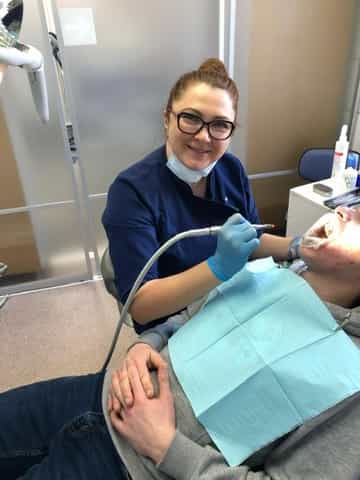
Dental Crowns Package at Casa Dental, S.R.O. - Dental Clinic in Slovakia, Košice, Slovakia
Casa Dental, S.R.O. - Dental Clinic in Slovakia
- Dentistry
Kosice, Slovakia

Price starting from $3,800
Hollywood Smile Package in Istanbul, Turkey by YEG Clinic
YEG Clinic - Best Dental Clinic Istanbul
- Dentistry
Istanbul, Turkey
.png)
Price starting from $1,000
Cheap Cosmetic Dentistry Package by Private Olimpos Demirtas Oral and Dental Health Center
Private Olimpos Demirtas Oral and Dental Health Center in Turkey
- Dentistry
Bursa, Turkey
Transformative Dentistry Experiences: Dive into Procedure Insights
Discover the power of Dentistry through compelling patient experiences. Uncover detailed insights into procedures, recovery journeys, and life-changing results.
.png)
.png)
.png)
Price starting from $4,600
All on 6 Dental Implants in Turkey
- All on 6 Dental Implants, Dentistry
Turkey