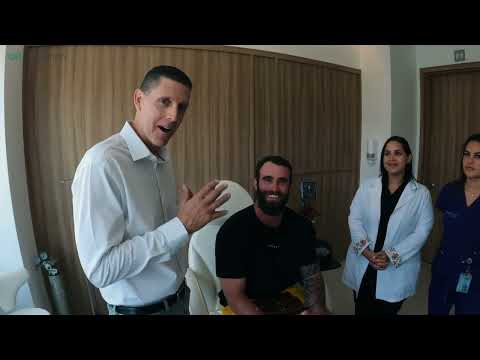
What treatment
What treatment
Costa Rica offers a range of stem cell therapy options, primarily utilizing mesenchymal stem cells derived from umbilical cord tissue or adipose tissue for various regenerative treatments. When considering stem cell therapy in Costa Rica, you're looking at a field of regenerative medicine that focuses on harnessing the body's natural healing abilities. The country has established a reputation for providing diverse stem cell therapy options, particularly those involving mesenchymal stem cells. Furthermore, the regulatory landscape in Costa Rica is supportive of these specific types of therapies, providing a framework for safe and ethical practices. This comprehensive guide will walk you through the various aspects of stem cell therapy options available in Costa Rica, answering important questions you might have as you consider your health journey. What types of stem cells are used in Costa Rica for therapy? In Costa Rica, the primary types of stem cells used for therapy are mesenchymal stem cells (MSCs), often derived from umbilical cord tissue or adipose (fat) tissue. When you hear about stem cell therapy in Costa Rica, it's almost always referring to treatments involving mesenchymal stem cells, or MSCs. These are multipotent stromal cells that can differentiate into a variety of cell types, including bone cells, cartilage cells, muscle cells, and fat cells. More importantly, MSCs possess significant immunomodulatory and anti-inflammatory properties, making them valuable in regenerative medicine. They work by secreting growth factors and cytokines that promote healing, reduce inflammation, and modulate the immune system. What conditions are treated with stem cell therapy in Costa Rica? Stem cell therapy in Costa Rica is often applied to treat a range of orthopedic conditions, autoimmune diseases, neurological disorders, and chronic inflammatory issues. Common conditions treated with stem cell therapy in Costa Rica include: Orthopedic Conditions: This is one of the most common applications. Patients with osteoarthritis (knee, hip, shoulder, spine), degenerative disc disease, chronic joint pain, tendonitis, ligament injuries, and other musculoskeletal issues often seek stem cell treatment to reduce inflammation and promote cartilage or tissue regeneration. Autoimmune Diseases: Due to their immunomodulatory effects, MSCs are explored for conditions like rheumatoid arthritis, lupus, multiple sclerosis (MS), Crohn's disease, and other autoimmune disorders where regulating the immune system is key. The goal is to dampen overactive immune responses and reduce inflammation. Neurological Disorders: While challenging, some clinics in Costa Rica offer stem cell therapy for conditions such as Parkinson's disease, stroke recovery, peripheral neuropathy, and even some forms of spinal cord injury. The hope is to support neural repair, reduce inflammation, and protect existing neurons. Chronic Inflammatory Conditions: Beyond autoimmune issues, conditions characterized by persistent inflammation, such as chronic obstructive pulmonary disease (COPD) or certain types of fibromyalgia, may also be targeted with stem cell therapy to mitigate the inflammatory response. How much does stem cell therapy cost in Costa Rica? The cost of stem cell therapy in Costa Rica typically ranges from $5,000 to $20,000 per treatment, varying based on the condition, cell source, and number of required injections. One of the significant attractions of pursuing stem cell therapy in Costa Rica for many international patients is the comparative affordability without compromising on quality of care. While exact costs can vary widely, the prices are generally more competitive than what you might find in North America or Western Europe for similar procedures. This cost-effectiveness is a major driver for medical tourism in the region. To provide a clearer picture, here's a general cost range table: Treatment Type Estimated Cost Range (USD) Single Joint Injection (e.g., knee osteoarthritis) $5,000 - $8,000 Multiple Joint Injections / Complex Orthopedic $8,000 - $15,000 Systemic (IV) Therapy for Autoimmune/Neurological $10,000 - $20,000+ Is stem cell therapy legal in Costa Rica? Yes, stem cell therapy is legal in Costa Rica, with clinics operating under a specific regulatory framework that permits the use of certain types of stem cells, especially mesenchymal stem cells. The legality of stem cell therapy is a critical concern for anyone considering these treatments abroad. In Costa Rica, the regulatory environment is quite clear for specific types of stem cell applications. The country's Ministry of Health oversees medical practices, and while regulations are designed to protect patient safety, they also allow for the therapeutic use of certain stem cells, particularly mesenchymal stem cells. What is the process for getting stem cell therapy in Costa Rica? The process for receiving stem cell therapy in Costa Rica typically involves an initial consultation, comprehensive medical review, cell harvesting or preparation, the treatment procedure, and post-treatment follow-up. Undergoing stem cell therapy in Costa Rica involves a structured process designed to ensure patient safety and optimize treatment outcomes. For international patients, this process often begins even before arriving in the country, involving careful planning and communication with the chosen clinic. Are there risks associated with stem cell therapy in Costa Rica? While generally considered safe, potential risks of stem cell therapy in Costa Rica can include minor injection-site discomfort, infection, allergic reaction, or insufficient therapeutic effect, similar to other medical procedures. Like any medical intervention, stem cell therapy carries potential risks, although many are similar to those associated with standard medical procedures involving injections or minor surgical interventions. For stem cell therapy in Costa Rica, clinics prioritize patient safety by adhering to strict protocols for cell processing and administration. How do I choose a clinic for stem cell therapy in Costa Rica? Choosing a stem cell therapy clinic in Costa Rica involves evaluating its licensing, doctor qualifications, types of cells used, patient testimonials, and transparent communication about treatment plans and outcomes. Selecting the right clinic is paramount to a safe and effective stem cell therapy in Costa Rica. With a growing number of facilities offering these treatments, it's crucial to perform due diligence. A thoughtful selection process ensures you receive care from qualified professionals in a reputable environment. What are the benefits of choosing Costa Rica for stem cell therapy? Choosing Costa Rica for stem cell therapy offers benefits such as often more affordable costs compared to North America, access to experienced medical professionals, a well-regulated environment for certain treatments, and the opportunity to recover in a beautiful, relaxing setting. Costa Rica has emerged as a preferred destination for medical tourism, particularly for those seeking advanced treatments like stem cell therapy. There are several compelling reasons why patients from around the world choose this Central American nation for their regenerative medicine needs. These combined factors make Costa Rica an attractive and viable option for individuals considering stem cell therapy, offering a blend of advanced medical care, affordability, and a conducive environment for recovery. Considering stem cell therapy in Costa Rica or exploring other medical tourism options? PlacidWay is your trusted resource for connecting with top-tier international healthcare providers. Visit PlacidWay today to discover solutions tailored to your health and wellness journey....
Read more detailsThinking about stem cell therapy but feeling daunted by the costs and restrictions in the U.S.? You’re not alone. A growing number of Americans are discovering an unexpected solution just a short flight away in Costa Rica. Known for its lush landscapes and welcoming culture, Costa Rica is also gaining a reputation as a top destination for cutting-edge medical treatments, especially in regenerative medicine. Affordable prices, world-class healthcare, and a flexible regulatory approach are making Costa Rica an appealing choice for those ready to explore stem cell therapy. Costa Rica as a Leading Destination for Stem Cell Therapy Costa Rica has emerged as a premier location for medical tourism, especially in advanced fields like stem cell therapy. The country offers a blend of highly skilled medical professionals, modern facilities, and a supportive regulatory environment that appeals to international patients. For many Americans, Costa Rica represents an ideal solution to the high costs and limited accessibility of stem cell treatments in the U.S. Why Costa Rica? Key Factors Driving the Trend 1. Cost-Effective Treatments The cost of stem cell therapy in the U.S. can range from $5,000 to over $50,000 per treatment, depending on the condition and number of sessions needed. In Costa Rica, however, similar treatments can be accessed for a fraction of this cost. The affordability of Costa Rican healthcare, without compromising quality, has made it a highly appealing option for Americans looking to avoid significant medical expenses. 2. Advanced Medical Facilities and Expertise Costa Rica boasts world-class hospitals and clinics that adhere to international standards, particularly in San José, the capital city. Many of these facilities are Joint Commission International (JCI) accredited, a globally recognized standard for healthcare quality. Additionally, Costa Rican physicians in regenerative medicine are often trained internationally, bringing expertise that rivals or exceeds that available in the U.S. 3. Progressive Legal and Regulatory Environment Unlike the highly restrictive regulatory framework in the U.S., Costa Rica has adopted progressive laws that make stem cell therapy more accessible. The country allows a broader range of stem cell procedures, enabling treatments that are still considered experimental in the United States. This flexibility has allowed Costa Rica to become a leader in stem cell innovation and availability. 4. Shorter Wait Times for Treatment In the U.S., patients often face long waiting periods for procedures due to regulatory or insurance hurdles. In Costa Rica, wait times are significantly reduced, allowing patients to begin treatment sooner and experience quicker relief. This is a significant advantage for patients suffering from chronic pain or progressive diseases where timely intervention can improve outcomes. Comparing the Cost of Stem Cell Therapy in Costa Rica vs. the U.S. Type of Treatment U.S. Average Cost Costa Rica Average Cost Joint Pain Stem Cell Therapy $10,000 – $20,000 $3,000 – $6,000 Neurological Stem Cell Therapy $15,000 – $30,000 $5,000 – $10,000 Anti-Aging Stem Cell Therapy $20,000 – $50,000 $7,000 – $12,000 These figures reflect the significant financial savings available in Costa Rica, often by as much as 50% to 70%. For many patients, this can mean the difference between accessing life-changing treatment and being unable to afford it at all. Common Conditions Treated with Stem Cell Therapy in Costa Rica Many Americans travel to Costa Rica seeking relief for a range of health conditions, including: Osteoarthritis and Joint Pain: Stem cells can help regenerate cartilage and reduce inflammation, providing long-term relief for those suffering from arthritis. Spinal Injuries: For back injuries or degenerative disc diseases, stem cell therapy offers an alternative to invasive surgery. Neurological Disorders: Conditions like Parkinson’s disease and multiple sclerosis have shown promising improvements with stem cell applications, with some patients reporting increased mobility and decreased symptoms. Autoimmune Diseases: Costa Rican Stem Cell Clinics offer therapies aimed at conditions like rheumatoid arthritis and lupus, targeting the immune system to reduce symptoms and improve quality of life. Anti-Aging and Aesthetic Treatments: Stem cell therapy is also used in Costa Rica for cosmetic treatments, including skin rejuvenation and hair restoration. What Makes Costa Rican Medical Professionals Stand Out? Costa Rican doctors specializing in stem cell therapy are often trained at prestigious medical schools worldwide, including in the U.S. and Europe. These physicians bring expertise in regenerative medicine combined with local experience, providing a unique blend of skills. Additionally, they are familiar with the specific needs of international patients, making communication, support, and post-treatment care easier and more comprehensive. High Standards of Patient Safety and Care Safety and quality of care are paramount concerns for any medical traveler. Costa Rican clinics are known for their strict adherence to safety protocols and have established systems for infection control, patient monitoring, and transparent reporting of treatment outcomes. Many clinics adhere to or exceed the standards required in the U.S., which builds trust among international patients seeking safe and effective treatment options. Challenges to Consider When Choosing Costa Rica for Stem Cell Therapy While Costa Rica presents numerous advantages, patients should consider a few potential challenges: Follow-up Care: After returning to the U.S., patients may need to coordinate follow-up care locally. Ensuring a clear plan with your Costa Rican provider for remote consultations is essential. Medical Tourism Logistics: Travel, accommodation, and local transport are added considerations. Many clinics assist international patients with these logistics, but it’s important to plan for a stay that allows time for rest and recovery. Insurance Coverage: Most U.S. insurance companies do not cover international stem cell therapies. Patients should verify their financial plan before committing to treatment. FAQs Is stem cell therapy safe in Costa Rica? Yes, Costa Rican clinics maintain strict safety standards and often exceed international protocols. Accredited facilities prioritize patient safety, and many doctors have international training. How do I find a reputable clinic in Costa Rica? Research is key. Look for clinics with international accreditations, patient testimonials, and clear communication. Some medical tourism agencies can assist with verified recommendations. Can I use my U.S. health insurance to cover stem cell therapy in Costa Rica? Typically, U.S. insurance does not cover international stem cell treatments. However, the cost is often low enough that many patients find it manageable without insurance. What is the recovery time after stem cell therapy? Recovery varies by individual and condition but is generally quicker than surgery. Many patients report minimal downtime and can enjoy Costa Rica’s relaxing environment during recovery. Do I need a visa to travel to Costa Rica for medical treatment? Americans can visit Costa Rica without a visa for up to 90 days. Ensure your passport is valid for your stay, and consult with your clinic regarding any specific travel requirements. Is language a barrier for English-speaking patients? No, most medical professionals and staff in Costa Rica speak English, especially in clinics that cater to international patients. Discover Affordable Stem Cell Therapy in Costa Rica Today! Ready to explore the benefits of stem cell therapy in Costa Rica? PlacidWay can guide you every step of the way! Discover affordable, world-class treatment options with PlacidWay and start your journey to better health today....

Read more detailsDeciding to pursue stem cell therapy is a major step, and one of the most significant factors on your mind is undoubtedly the cost. You've likely heard whispers about the high prices in the United States and the more affordable options available abroad. This often leads to a crucial question: How much does stem cell therapy cost in Costa Rica compared to the U.S.? The difference is not just a few hundred dollars; it's a substantial gap that makes Costa Rica a leading destination for medical tourism. In the U.S., a single treatment can easily climb into the tens of thousands of dollars, often not covered by insurance. In contrast, Costa Rica offers a much more accessible price point without compromising on the quality of care, thanks to lower overhead costs, experienced physicians, and a supportive healthcare environment. This guide is designed to give you a comprehensive, transparent breakdown of what you can expect to pay. We'll dive deep into the specific costs for various treatments, explore why this price disparity exists, and address the critical questions you have about safety, quality, and the overall experience. Understanding the financial landscape is the first step in making an empowered decision about your health. Whether you're considering treatment for an orthopedic injury, an autoimmune condition, or for anti-aging purposes, knowing the costs involved will help you plan your journey effectively. Let’s explore the world of regenerative medicine and uncover how Costa Rica makes cutting-edge treatments a realistic option for patients from all over the world. What is the cost of stem cell therapy in Costa Rica? The exact cost of stem cell therapy in Costa Rica typically ranges from $5,000 to $15,000. The final price depends on the specific condition being treated, the type of stem cells used, and the number of sessions required. The cost of stem cell therapy in Costa Rica is not a one-size-fits-all figure. It varies based on several key factors. For instance, treatments for localized issues like joint pain are generally on the lower end of the price spectrum, while systemic treatments for more complex conditions like autoimmune or neurological disorders are on the higher end. Here’s a general breakdown of what you might expect to pay for different types of treatments in Costa Rica: Orthopedic Conditions (Knee, Hip, Shoulder): $5,000 - $10,000 Neurological Conditions (Parkinson's, MS): $10,000 - $15,000 Autoimmune Disorders (Lupus, Rheumatoid Arthritis): $7,000 - $12,000 Anti-Aging & Cosmetic Therapies: $8,000 - $12,000 These prices often include not just the procedure itself but also consultations, lab work, and sometimes even post-treatment support. This package-based approach provides clarity and helps patients budget more effectively. How does this compare to the cost in the United States? In the United States, the cost of stem cell therapy is substantially higher, generally ranging from $15,000 to $50,000. For complex conditions or treatments requiring multiple sessions, costs can exceed $100,000. The price difference between the U.S. and Costa Rica is stark. The high cost in the U.S. is driven by several factors, including stricter and more complex regulations, higher overhead for clinics (rent, salaries, insurance), and the overall high cost of healthcare in the country. Since most stem cell therapies are still considered experimental by the FDA, they are rarely covered by insurance, leaving patients to bear the full financial burden. Here is a comparative table to illustrate the price difference: Treatment Type Average Cost in Costa Rica Average Cost in the U.S. Orthopedic (Single Joint) $5,000 - $8,000 $8,000 - $15,000 Neurological Disorders $10,000 - $15,000 $25,000 - $50,000+ Autoimmune Conditions $7,000 - $12,000 $20,000 - $40,000 Anti-Aging / Wellness $8,000 - $12,000 $15,000 - $25,000 This significant cost saving is the primary reason why thousands of patients travel from the U.S. to Costa Rica for regenerative medicine each year. Why is stem cell therapy so much cheaper in Costa Rica? Stem cell therapy is cheaper in Costa Rica due to lower operational costs, including reduced expenses for medical facilities, staff salaries, and malpractice insurance. Additionally, the country's supportive regulatory environment for regenerative medicine contributes to more competitive pricing. The cost-effectiveness of healthcare in Costa Rica is not a reflection of lower quality but rather a different economic structure. The overhead required to run a state-of-the-art medical clinic is simply less expensive than in the United States. This includes everything from the cost of real estate to the salaries of highly qualified medical professionals. Furthermore, the Costa Rican government has been proactive in creating a favorable environment for medical tourism and regenerative medicine. This has encouraged investment in modern facilities and has allowed clinics to offer advanced treatments at a fraction of the U.S. cost. The focus is on patient accessibility, which keeps prices competitive without sacrificing safety or the quality of the stem cells used. What types of stem cell therapies are offered in Costa Rica? Stem Cell Clinics in Costa Rica offer a variety of stem cell therapies, primarily using mesenchymal stem cells (MSCs) derived from sources like umbilical cord tissue, adipose (fat) tissue, and bone marrow. The choice of stem cell source depends on the patient's specific condition and treatment goals. The most common types of stem cells used in Costa Rican clinics are known for their potent regenerative capabilities and safety profile. Here’s a quick overview: Umbilical Cord Stem Cells: These are allogeneic cells (from a donor) collected from the umbilical cords of healthy, screened newborns. They are prized for their vitality and ability to differentiate into various cell types. Adipose-Derived Stem Cells: These are autologous cells, meaning they are harvested from the patient's own fat tissue. This eliminates the risk of rejection. Bone Marrow Stem Cells: Also autologous, these cells are extracted from the patient's own bone marrow. Clinics will recommend the best type of stem cell based on a thorough evaluation of your medical history and the condition being treated. The versatility in sourcing allows for highly personalized treatment plans. Is stem cell therapy in Costa Rica safe and regulated? Yes, stem cell therapy in Costa Rica is generally safe, provided you choose a reputable and accredited clinic. Many top clinics adhere to international standards, employ licensed physicians, and operate with a strong focus on patient safety and ethical practices. While Costa Rica's regulatory landscape for stem cells is more progressive than in the U.S., it does not mean it's an unregulated "wild west." The best clinics are often accredited by international bodies and follow strict protocols for cell processing and administration. They are transparent about their procedures, the source of their stem cells, and the qualifications of their medical staff. However, it is crucial for patients to do their own research. Look for clinics that: Have licensed and experienced physicians. Are transparent about their treatment protocols and pricing. Can provide patient testimonials and reviews. Operate in a modern, sterile facility. By performing due diligence, you can ensure you are receiving care that is not only affordable but also safe and effective. What is included in the cost of treatment packages in Costa Rica? Treatment packages for stem cell therapy in Costa Rica are often all-inclusive, covering the initial consultation, the procedure itself, all necessary lab work, physician fees, and post-procedure follow-up. Some packages may also include accommodation and transportation assistance. One of the major advantages of seeking treatment in Costa Rica is the transparency in pricing. Clinics understand that international patients need clarity and convenience. Therefore, they typically bundle all related costs into a single package price. This avoids the surprise "hidden fees" that can sometimes occur in the U.S. healthcare system. A typical package often includes: Initial Medical Evaluation: A thorough review of your health history. Diagnostic Tests: Any necessary blood work or imaging. Stem Cell Procedure: The harvesting (if autologous) and administration of the cells. Physician and Facility Fees: All costs associated with the medical team and clinic usage. Follow-up Care: Post-treatment consultations to monitor your progress. Always confirm exactly what is included in your package before booking to ensure there are no misunderstandings. Do I need to factor in travel and accommodation costs? Yes, when planning for stem cell therapy in Costa Rica, you must budget for travel, accommodation, and daily living expenses. However, even with these additional costs, the total expense is almost always significantly lower than the cost of treatment alone in the U.S. While the treatment itself is affordable, you need to account for the logistics of medical travel. Fortunately, Costa Rica is a relatively inexpensive country to visit. Flights from major U.S. cities are readily available and competitively priced, and there is a wide range of accommodation options to suit every budget, from budget-friendly hotels to luxury resorts perfect for recovery. Many clinics recognize this and offer assistance with travel planning. They may have partnerships with nearby hotels or provide concierge services to help you arrange flights and ground transportation. This support can make the entire process smoother and more stress-free, allowing you to focus on your health and recovery in a beautiful, tranquil environment. Ready to Explore Your Options? If you're considering affordable, high-quality stem cell therapy, Costa Rica may be the perfect solution. Let PlacidWay be your guide. We connect patients with a global network of accredited clinics and provide the resources you need to make an informed decision. Explore PlacidWay today to find world-class healthcare solutions tailored to your needs and budget....
Read more detailsDiscover your treatment options with a free, no-obligation quote!
Get your quote now!If you're exploring new treatment options for autism, you may have heard about stem cell therapy and the growing interest it’s received worldwide. Costa Rica has quickly become a top destination for this promising approach, offering advanced medical facilities and skilled professionals at more affordable rates than many other countries. But how does stem cell therapy work for autism, and why are so many families choosing Costa Rica? Understanding Autism and Its Challenges Autism is a neurological and developmental condition that generally appears in early childhood. It varies in severity and may affect individuals differently, with symptoms ranging from mild social difficulties to significant cognitive and behavioral challenges. Common symptoms of autism include: Difficulty with social interactions and communication Repetitive behaviors or obsessive interests Sensory sensitivities Challenges with motor coordination and attention Traditional treatments, including behavioral therapies, speech therapy, and medications, primarily focus on symptom management rather than addressing the underlying causes of autism. This has led to increased interest in alternative treatments like stem cell therapy, which holds the potential to target some of the biological factors contributing to ASD. Why Choose Costa Rica for Stem Cell Therapy for Autism? Costa Rica has become a popular destination for medical tourism, especially for stem cell therapy. There are several reasons why Costa Rica is chosen by many families seeking stem cell treatment for autism: Regulated Medical Facilities: Costa Rica’s medical industry is well-regulated, and its facilities follow international standards. Qualified Medical Professionals: The country has highly trained physicians and medical staff experienced in stem cell treatments. Affordable Treatment Options: Compared to the United States and other developed nations, stem cell therapy in Costa Rica is often more affordable, without compromising quality. Favorable Laws for Stem Cell Research and Therapy: Costa Rican regulations are more conducive to advancements in regenerative medicine, making it a leader in this area of healthcare. How Does Stem Cell Therapy Work for Autism? Stem cell therapy for autism primarily focuses on addressing the neuroinflammatory and immunological aspects associated with the disorder. Research has shown that children with autism often have higher levels of inflammation in the brain and an imbalance in immune cell activity. Key Mechanisms of Stem Cell Therapy in Autism Treatment Reducing Inflammation: Stem cells, particularly mesenchymal stem cells (MSCs), release anti-inflammatory factors that may help reduce brain inflammation associated with autism. Enhancing Neuronal Connectivity: By potentially supporting the repair of neural connections, stem cells may improve communication between neurons, which is crucial for cognitive and social functions. Balancing the Immune System: Stem cells can also help regulate immune responses, which is beneficial for individuals with autism who often show signs of immune dysregulation. These mechanisms make stem cell therapy a unique treatment that targets some underlying factors rather than just focusing on the outward symptoms of autism. Types of Stem Cells Used for Autism Treatment Stem cell therapy for autism in Costa Rica typically involves the use of mesenchymal stem cells (MSCs), which are derived from sources like bone marrow, umbilical cord tissue, or adipose (fat) tissue. Umbilical Cord Mesenchymal Stem Cells (UC-MSCs): These cells are non-controversial, ethically sourced, and are known for their strong anti-inflammatory and regenerative properties. Adipose-Derived Stem Cells (ADSCs): Derived from fat tissue, ADSCs are another option that is rich in MSCs and provides benefits similar to UC-MSCs. Bone Marrow Stem Cells: These are multipotent cells capable of differentiating into various cell types and have been used in regenerative medicine for many years. Each type of stem cell offers unique benefits, and the choice depends on the specific needs of the patient, as well as the protocol followed by the clinic. What to Expect During Stem Cell Therapy in Costa Rica The stem cell therapy process for autism typically includes several stages: Initial Consultation: The medical team evaluates the patient's medical history and current health status to ensure they are a suitable candidate for stem cell therapy. Cell Harvesting and Preparation: If autologous (patient-derived) cells are used, they will be harvested and processed. Alternatively, donor cells such as UC-MSCs may be utilized. Administration of Stem Cells: Stem cells are administered through various methods, including intravenous (IV) injection, intrathecal (spinal) injection, or both. The choice of method depends on the treatment plan designed by the physician. Post-Treatment Monitoring: Following stem cell administration, patients are monitored to track their response to the therapy and to evaluate improvements in cognitive, behavioral, and physical symptoms. Benefits and Limitations of Stem Cell Therapy for Autism While stem cell therapy for autism is showing potential, it is important to consider both the benefits and limitations: Benefits Potential Symptom Improvement: Some patients experience improvements in communication, social interactions, and cognitive functions. Reduced Inflammation: Stem cell therapy may help lower brain inflammation, potentially reducing some of the neurological symptoms associated with autism. Low Risk of Rejection: When using MSCs, especially from umbilical cord sources, the risk of rejection is minimal due to their immunomodulatory properties. Limitations Varied Response Rates: Not all individuals respond the same way to stem cell therapy, and results may vary significantly. Still in Experimental Stages: Stem cell therapy for autism is still being researched, and more clinical studies are needed to fully understand its effectiveness. Costs and Accessibility: Despite being more affordable in Costa Rica, stem cell therapy can still be a significant investment for families. Cost of Stem Cell Therapy for Autism in Costa Rica The cost of stem cell therapy in Costa Rica is generally lower than in the United States and Europe. However, it can still vary depending on factors such as the type of stem cells used, the clinic's facilities, and the number of sessions required. Below is a general overview of the cost range: Treatment Type Estimated Cost in Costa Rica (USD) Single Session with UC-MSCs $6,000 - $10,000 Multiple Sessions with ADSCs $12,000 - $20,000 Comprehensive Package (Consultation, Testing, and Therapy) $15,000 - $30,000 Note: Prices may vary, so it is recommended to consult directly with clinics in Costa Rica for the most accurate estimates. Is Stem Cell Therapy Safe for Autism? Stem cell therapy for autism, particularly using MSCs, is considered safe when performed in a well-regulated medical environment. Costa Rica's stem cell clinics follow strict protocols to ensure patient safety, including sourcing high-quality stem cells and adhering to sterile procedures. Most side effects reported are mild and temporary, such as fatigue or low-grade fever, which generally resolve on their own. However, as with any medical procedure, there are risks, and patients should consult with qualified professionals to assess potential risks based on individual health conditions. How to Choose a Clinic in Costa Rica for Stem Cell Therapy When considering Stem Cell Therapy Clinics for Autism in Costa Rica, here are some factors to keep in mind: Credentials and Experience: Check the qualifications and experience of the medical team. Reputation and Reviews: Look for patient testimonials and reviews to assess the clinic’s reputation. Certifications and Regulations: Ensure that the clinic operates within Costa Rican regulatory guidelines for stem cell therapy. Patient Support and Follow-Up: A reputable clinic will provide adequate follow-up care and support throughout the process. Take the Next Step with Stem Cell Therapy in Costa Rica Interested in learning more about how stem cell therapy could support autism treatment? Connect with PlacidWay to get personalized guidance, trusted information, and access to top clinics in Costa Rica. Take the first step toward exploring advanced treatment options today!...
Read more detailsStem Cell Treatment for Cerebral Palsy in Costa Rica: A Guide for Families If you have a family member with cerebral palsy, you might have heard about stem cell for cerebral palsy in Costa Rica as a way to help them feel better. Stem cells are special cells that can turn into other types of cells in the body. In Costa Rica, doctors use stem cells to try and help children with cerebral palsy improve their movement and brain function. Families from all over the world come to Costa Rica because the treatment is available at good clinics with experienced doctors. It can make a big difference for some children, helping them move better and feel more confident. The treatment itself involves giving the child stem cells that are carefully placed into their body. These stem cells can help repair areas of the brain or muscles that need extra support. While the therapy doesn’t cure cerebral palsy, it can help improve some symptoms, like muscle stiffness or trouble with balance. Many families choose Costa Rica for the affordable prices and the opportunity to see doctors who specialize in stem cell for cerebral palsy in Costa Rica. Before starting treatment, it’s important for families to talk to doctors about what to expect and how to best care for their child during recovery. What are the symptoms of cerebral palsy? The symptoms of CP can vary greatly from person to person. Some people with CP may have only minor problems with movement, while others may be unable to walk or talk. Common symptoms of CP include: Muscle stiffness or weakness Problems with balance and coordination Difficulty with fine motor skills, such as writing or buttoning clothes Speech problems Seizures Cost of Stem Cell Therapy for Cerebral Palsy in Costa Rica The cost of stem cell therapy for cerebral palsy in Costa Rica can vary depending on the clinic and the type of treatment provided. This includes the consultation, stem cell procedure, and follow-up care. Costa Rica is known for offering more affordable options compared to other countries, making it an attractive destination for families seeking high-quality care. It's important to research clinics, check patient reviews, and consult with doctors to ensure the best possible outcomes for the treatment. Thing Cost Doctor visit $100 - $500 Tests $500 - $2000 Stem cell treatment $5000 - $20,000 Hotel $50 - $200 per night What causes cerebral palsy? CP is caused by damage to the developing brain. This damage can occur before, during, or after birth. Some common causes of CP include: Lack of oxygen to the brain Infections during pregnancy Premature birth Head injuries Lifebooster Wellness Center Cellebration Wellness MEDICELL How is cerebral palsy treated? There is no cure for CP, but there are many treatments that can help improve symptoms and quality of life. These treatments may include: Medications Physical therapy Occupational therapy Speech therapy Surgery What are stem cells? Stem cells are like tiny building blocks inside your body that can turn into many different kinds of cells. They’re so special that people call them the body’s “master cells.” Imagine if you had a magic box of blocks that could become anything—like a house, a car, or a boat. That’s what stem cells can do for your body! Stem cells are like little helpers that fix things in your body. If something gets hurt, like a muscle or an organ, stem cells can help repair it. They know just what to do to make the body feel better and work properly again. It’s like having tiny doctors inside you, working hard to keep you healthy! How can stem cells be used to treat cerebral palsy? Stem cells are like little repair workers in the body. For kids with cerebral palsy (CP), these cells can be used to help fix the parts of the brain that aren’t working well. Doctors put these special cells into the body, where they can find the damaged areas and start helping to repair them. It’s like giving the brain a little boost to work better. When stem cells help fix the brain, kids with CP might find it easier to move their arms and legs or even balance better. It’s not a magic cure, but it can make a big difference in how they feel and what they can do. Many families are excited about this treatment because it gives hope for a brighter future. What are the benefits of stem cell therapy for cerebral palsy? Stem cell therapy may offer a number of benefits for people with CP, including: Improved motor skills Reduced muscle stiffness Improved balance and coordination Reduced seizures Improved speech What are the risks of stem cell therapy for cerebral palsy? Stem cell therapy can be helpful, but it’s important to know that it comes with some risks too. Sometimes, the body might not like the new stem cells, and this can cause problems like swelling or feeling sick. There’s also a chance that the treatment might not work as planned, and the child might not see much improvement. Before trying stem cell therapy, families should talk to doctors and ask lots of questions. It’s important to understand how the treatment works and what could happen. Doctors will help check if it’s a safe option for the child. Being careful and learning about the risks can help families make the best choice for their loved ones. FAQs about Stem Cell Therapy for Cerebral Palsy in Costa Rica Is stem cell therapy for cerebral palsy safe? Stem cell therapy is a relatively new treatment, and there are some risks involved. However, the treatment is generally considered safe when performed by a qualified medical professional. How long will it take for my child to see results from stem cell therapy for cerebral palsy? The time it takes to see results from stem cell therapy for CP can vary depending on the individual. Some people may see improvements within a few weeks, while others may not see results for several months. How many stem cell treatments will my child need? The number of stem cell treatments needed for CP will vary depending on the individual. Some people may only need one treatment, while others may need multiple treatments. What is the success rate of stem cell therapy for cerebral palsy? The success rate of stem cell therapy for CP is still being studied. However, many people have reported significant improvements in their symptoms after treatment. Is stem cell therapy for cerebral palsy covered by insurance? Stem cell therapy for CP is not typically covered by insurance. However, some insurance companies may cover part of the cost of treatment. Ready to Get Started? Connect with PlacidWay Today! If you’re curious about how regenerative medicine can help with cerebral palsy, we’re here to help! In Costa Rica, there are clinics that use special treatments like stem cell therapy to make kids feel stronger and move better. It’s an exciting way to give families hope and help children enjoy life even more. PlacidWay can make it easy for families to find trusted clinics for regenerative medicine for cerebral palsy in Costa Rica. We’ll guide you through the process and answer all your questions, so you feel ready to start this journey. Contact us today, and let’s take the first step toward better care and brighter smiles!...
Read more detailsClomid treatments may range between $120 and $1,200 in the United States, depending on how many cycles are needed for results. Gonadotropins injections may cost between $1,500 and $5,000 each, with costs often reaching over $8,000. Medical travelers to countries like India, Thailand, Argentina and Costa Rica may enjoy substantial savings....
Read more detailsStem cell therapy in Mexico effectively treats autoimmune diseases (MS, Lupus), neurodegenerative conditions (Autism, Parkinson’s), orthopedic injuries (knees, shoulders), and chronic organ failures (COPD, Kidney Disease) using advanced mesenchymal stem cells. Regenerative medicine has moved from science fiction to reality, and for many patients feeling stuck with traditional treatments, it offers a new ray of hope. If you are researching what conditions can be treated with stem cell therapy in Mexico, you have likely noticed that Mexico has become a global hub for these advanced procedures. Unlike in some countries where regulations strictly limit the expansion and application of stem cells, Mexico's regulatory framework (COFEPRIS) allows for the therapeutic use of expanded Mesenchymal Stem Cells (MSCs), providing patients access to high-potency treatments that might not yet be available at home. The appeal isn't just about availability; it is about the comprehensive approach. Clinics in locations like Tijuana, Mexico City, and Cancun are treating complex conditions ranging from autism spectrum disorders to chronic obstructive pulmonary disease (COPD) with protocols that combine high doses of stem cells with specialized supportive therapies. In this guide, we will explore the specific diseases showing promising results, break down the costs, and look at the safety standards to help you decide if this path is right for your health journey. Which autoimmune diseases are treated with stem cells in Mexico? "Stem cell therapy in Mexico is widely used for autoimmune conditions like Multiple Sclerosis, Lupus, Rheumatoid Arthritis, and Lyme Disease to regulate the immune system and reduce inflammation." Autoimmune diseases occur when the body's defense system attacks its own healthy tissues. In Mexico, Mesenchymal Stem Cells (MSCs) are used primarily for their immunomodulatory properties. Instead of just suppressing the immune system like traditional drugs, stem cells "reset" it. They help shift the immune response from a pro-inflammatory state to an anti-inflammatory one, which can halt the progression of diseases like Multiple Sclerosis (MS) and Lupus. For patients with Rheumatoid Arthritis or Psoriasis, this therapy can significantly reduce flare-ups and pain. The treatment usually involves intravenous (IV) infusions of millions of stem cells, which circulate through the body seeking out inflammation. Many clinics in Mexico also offer intrathecal injections (into the spinal canal) for neurological autoimmune conditions to ensure the cells reach the central nervous system directly. The goal is remission and tissue repair. While results vary, many patients report a reduction in medication dependency and improved energy levels. Mexico's ability to culture and expand cells means patients receive hundreds of millions of cells, a dosage often necessary to combat systemic autoimmune aggression effectively. Can stem cell therapy treat Autism Spectrum Disorder (ASD)? "Yes, stem cell therapy for autism in Mexico helps improve cognitive function, speech, and behavior by reducing neuroinflammation and promoting better gut health and blood flow to the brain." One of the most sought-after treatments in Mexico is for Autism Spectrum Disorder (ASD). The theory behind this treatment focuses on two main issues common in autistic children: hypoperfusion (low blood flow to specific brain areas) and chronic neuroinflammation. Stem cells can help improve blood vessel formation (angiogenesis) and reduce inflammation in the brain and gut, which are strongly linked in ASD cases. Parents traveling to Mexico often report improvements in their child's speech production, social interaction, and attention span, as well as a reduction in repetitive behaviors. The protocols in Mexico typically use donor umbilical cord tissue stem cells because they are young, potent, and do not require invasive harvesting from the child (like bone marrow extraction). It is important to understand that this is not a "cure," but a therapy to improve quality of life. Mexican clinics often combine stem cells with hyperbaric oxygen therapy (HBOT) to maximize oxygen delivery to the brain, enhancing the cells' effectiveness. How effective is stem cell therapy for COPD and lung diseases? "Stem cell therapy for COPD in Mexico has shown effectiveness in reducing lung inflammation, repairing damaged tissue, and improving breathing capacity and overall stamina." Chronic Obstructive Pulmonary Disease (COPD) and Pulmonary Fibrosis are degenerative conditions where lung tissue scars and loses elasticity. Traditional medicine offers management, but stem cell therapy aims for repair. In Mexico, doctors administer stem cells intravenously and sometimes via nebulization (inhalation), allowing the cells to come into direct contact with the damaged lung tissue. The anti-inflammatory power of the cells helps reduce the swelling in the airways, while their regenerative capabilities promote the repair of alveolar tissue. Patients with COPD often travel to Mexico to try and slow the progression of the disease. Benefits reported include less shortness of breath, reduced reliance on supplemental oxygen, and the ability to walk longer distances. Because Mexico allows for high-dose cell expansion, patients can receive the high volume of cells needed to cover the extensive surface area of the lungs, a critical factor for efficacy that is difficult to achieve with lower-dose treatments found elsewhere. What is the cost of stem cell therapy in Mexico? "Stem cell therapy in Mexico costs between $3,000 and $25,000 depending on the condition and dosage, offering significant savings compared to similar experimental treatments in the US or Europe." Cost is a major factor driving medical tourism. In Mexico, the price includes not just the cells, but often the hospital fees, medical consultations, and sometimes even ground transportation. The price varies wildly based on the cell count (how many million cells you receive) and the complexity of the administration method (IV vs. spinal injection). Here is a general breakdown: Condition / Treatment Average Cost in Mexico Est. Cost in USA/Europe Cell Count Estimate Orthopedic (Knee/Shoulder) $3,000 - $6,000 $5,000 - $10,000+ 20 - 50 Million Autism / CP / Neuro $12,000 - $18,000 $25,000+ 100 - 200 Million Autoimmune (MS/Lupus) $8,000 - $15,000 $20,000+ 100 - 300 Million Anti-Aging / Wellness $4,000 - $8,000 $10,000+ 50 - 100 Million It is vital to ask for a quote that specifies the guaranteed minimum cell count. Some clinics charge less but offer far fewer cells, which may reduce the treatment's effectiveness. Always look for value in terms of "price per million cells" and ensuring the cells are tested for viability (aliveness). Can stem cells help with orthopedic injuries and joint pain? "Yes, stem cells are highly effective for treating osteoarthritis, torn ligaments, and joint pain by regenerating cartilage and reducing inflammation without surgery." Orthopedic conditions are perhaps the most common application for stem cells globally. In Mexico, doctors treat knee osteoarthritis, rotator cuff tears, and hip pain by injecting stem cells directly into the damaged joint. Unlike cortisone shots that only mask pain and can degrade tissue over time, stem cells signal the body to repair the cartilage and tissue. Athletes and active seniors flock to Mexico because they can access potent umbilical cord stem cells, which have a stronger regenerative capacity than the patient's own older cells (autologous) often used in the US. This "allogenic" tissue is screened rigorously and can help patients avoid or delay total joint replacement surgery. Recovery is relatively quick compared to surgery. Most patients walk out of the clinic the same day, with pain relief improving over the following weeks as the inflammation subsides and regeneration begins. Is stem cell therapy available for Parkinson's disease? "Yes, therapy for Parkinson's in Mexico aims to slow progression and improve motor skills by protecting existing dopamine neurons and modulating brain inflammation." Parkinson’s disease is a progressive neurodegenerative disorder caused by the loss of dopamine-producing neurons. Stem cell therapy in Mexico offers a neuroprotective approach. The goal is not necessarily to regrow the entire brain, but to create a healthier environment that protects surviving neurons and stimulates the body's natural repair mechanisms. Clinics in Mexico typically use a multi-pronged approach for Parkinson's: high-dose IV infusions to address systemic inflammation, combined with intranasal or intrathecal delivery to bypass the blood-brain barrier. This ensures the growth factors released by the stem cells reach the brain. Patients may experience improvements in tremors, balance, and rigidity. While it is not a cure, stabilizing the condition and regaining some independence is a massive victory for many families facing this diagnosis. Can stem cell therapy treat Diabetes Type 2? "Stem cell therapy for diabetes in Mexico helps improve insulin sensitivity, reduce pancreatic inflammation, and manage complications like neuropathy." For Type 2 Diabetes, the focus of stem cell therapy is on systemic inflammation and insulin resistance. Chronic inflammation damages the body's ability to use insulin correctly. Mesenchymal stem cells can help lower this inflammation and improve the metabolic function of the liver and pancreas. Furthermore, one of the most powerful applications is for diabetic complications, specifically neuropathy (nerve pain) and kidney damage. The angiogenic (blood vessel forming) properties of stem cells can improve circulation to the extremities, helping to heal wounds and reduce nerve pain that often plagues diabetic patients. While patients usually still need to manage their diet and lifestyle, the therapy can make blood sugar levels easier to control and prevent the severe downstream effects of the disease. Can stem cells improve heart failure and cardiovascular disease? "Yes, stem cells are used to treat heart failure by promoting the formation of new blood vessels and repairing damaged cardiac tissue after heart attacks." Cardiovascular disease remains a top killer, and stem cells offer a novel way to address damaged heart muscle. In Mexico, therapies for Congestive Heart Failure and ischemic heart disease focus on improving blood flow. Stem cells release growth factors that stimulate angiogenesis—the creation of new capillaries—which improves oxygen supply to the heart muscle. This improved circulation can increase the "ejection fraction" (the percentage of blood the heart pumps out with each beat) in some patients. This translates to better stamina, less fatigue, and an improved ability to perform daily tasks without exhaustion. Some advanced clinics in Mexico may perform these procedures via catheterization for direct delivery to the heart, though IV infusion is more common due to its non-invasive safety profile. Is stem cell therapy helpful for anti-aging and wellness? "Many people visit Mexico for anti-aging stem cell treatments to boost energy, improve skin elasticity, and enhance overall physical and mental performance." You don't have to be sick to benefit from stem cells. A growing trend in Mexico is anti-aging and wellness therapy. As we age, our own stem cell supply diminishes, leading to slower healing and lower energy. IV infusions of young, healthy stem cells act as a revitalizing boost for the entire body. Biohackers and wellness enthusiasts report better sleep, improved libido, sharper mental clarity, and faster recovery from workouts. By reducing "inflammaging" (chronic, low-grade inflammation associated with aging), these treatments aim to extend the "healthspan"—the number of years you spend in good health. These treatments are often combined with other therapies like NAD+ IVs or exosome therapy for a comprehensive rejuvenation package. What types of stem cells are used in Mexico? "The most common and effective cells used are Human Umbilical Cord Tissue Mesenchymal Stem Cells (HUCT-MSCs), known for their high potency and low risk of rejection." The type of cell matters immensely. While some older treatments used the patient's own bone marrow or fat (autologous), the gold standard in Mexico is now allogenic umbilical cord tissue cells. These are donated by healthy mothers after live, healthy C-section births. Why are these better? They are "immune-privileged," meaning the patient's immune system does not attack them, eliminating the need for matching. They are also brand new—they haven't been exposed to aging, toxins, or disease like an adult patient's own cells have. This makes them replicate faster and secrete more healing growth factors. Reputable Mexican labs strictly screen these donations for all communicable diseases (HIV, Hepatitis, etc.) and expand them in clean-room environments to ensure safety and purity. Is stem cell therapy legal and regulated in Mexico? "Yes, stem cell therapy is legal in Mexico and regulated by COFEPRIS, which issues specific licenses for clinics to perform regenerative medicine procedures." A common misconception is that Mexico is a "wild west" for medicine. In reality, the industry is regulated by COFEPRIS (the Mexican equivalent of the FDA). Clinics must obtain a specific license to harvest, store, or apply stem cells. This regulatory pathway is actually clearer than in many other countries, allowing legitimate clinics to operate openly and safely. However, illegal clinics do exist. It is crucial to ask any prospective clinic for their COFEPRIS license number. A legitimate clinic will have this displayed on their website or provide it upon request. This license ensures they adhere to sanitary norms and safety protocols. The key difference is that Mexico allows the culturing (expansion) of cells, whereas the US FDA restricts this significantly. This allows Mexican clinics to offer the high doses (100 million+ cells) required for effective systemic treatment. What are the risks or side effects? "Risks are generally low but can include minor side effects like flu-like symptoms, fever, or headache for 24 hours post-treatment; infection is rare in accredited clinics." Mesenchymal stem cell therapy is considered very safe. Because the cells are immune-privileged, there is almost zero risk of rejection or "graft vs. host disease." The most common side effect is a temporary "detox" reaction, often called a Herxheimer reaction. Patients might feel tired, have a mild fever, or experience a headache for a day after the infusion as the immune system activates. Serious risks usually stem from poor administration practices (infection at the injection site) rather than the cells themselves. This is why choosing a sterile, professional, and licensed clinic is non-negotiable. Legitimate clinics will use ISO-certified labs to ensure the cells are free from bacteria or contaminants. Always discuss your full medical history with the doctor to ensure you don't have contraindications, such as active cancer, which usually disqualifies a patient from treatment. How do I choose a reputable stem cell clinic in Mexico? "Look for clinics with a valid COFEPRIS license, board-certified doctors, transparent pricing, and verifiable third-party lab reports confirming cell viability." With so many options, due diligence is your best defense. Start by verifying the clinic's credentials. Who is the medical director? Are they a specialist in regenerative medicine or hematology? Do they have a COFEPRIS license for stem cell application? Ask about the cells. Where do they come from? Does the clinic have its own lab, or do they buy cells from a third party? Ask to see a certificate of analysis (COA) for a batch of cells. This document shows the cell count and viability percentage (it should be above 90%). Finally, speak to past patients. Reputable clinics will have testimonials or be willing to let you speak to a "patient ambassador." If a clinic promises a 100% cure for an incurable disease, walk away. Honest providers will discuss realistic outcomes and "improvement," not "miracles." Explore Regenerative Medicine Options in Mexico Finding the right clinic for your condition is the most important step in your journey. PlacidWay partners with top-rated, certified stem cell centers in Mexico to offer you safe and effective treatment options....
Read more detailsDiscover your treatment options with a free, no-obligation quote!
Get your quote now!Patients choose Mexico for stem cell treatment for back pain because it offers access to high-dose, cultured umbilical cord mesenchymal stem cells (MSCs) at 50-70% lower costs than the US. Mexican clinics, regulated by COFEPRIS, can legally expand cells to therapeutic numbers (100 million+), providing more potent relief for conditions like degenerative disc disease compared to restrictive US FDA protocols. Chronic back pain is one of the most debilitating conditions affecting adults today, often leading to a cycle of painkillers, physical therapy, and eventually, invasive surgery. For many, standard medical treatments in the US or Canada hit a wall where the only remaining option is a spinal fusion or disc replacement—procedures that come with long recovery times and significant risks. This frustration is driving a massive shift toward regenerative medicine. In recent years, Mexico has emerged as the global hub for affordable stem cell treatment for back and spine pain. But it is not just the price tag that is attracting thousands of patients across the border; it is the quality and type of care available. While regulations in the United States restrict the use of stem cells to "minimally manipulated" tissue (meaning doctors cannot grow the cells in a lab to increase their numbers), Mexico’s regulatory framework allows for the safe culture and expansion of cells. This means patients in Mexico can receive treatments with hundreds of millions of active stem cells, compared to the much smaller quantities available in domestic treatments. In this guide, we will break down exactly why patients are making this choice, how the costs compare, and what you need to know about safety and efficacy. What is the cost of stem cell therapy for back pain in Mexico? The cost of stem cell therapy for back pain in Mexico typically ranges from $5,000 to $15,000 USD. This price generally includes the stem cell procedure (often with 100 million+ cells), pre-treatment testing, doctor fees, and sometimes ground transportation, whereas similar but less potent treatments in the US can cost over $25,000. One of the most immediate factors driving patients south of the border is the significant cost difference. In the United States, stem cell therapy is largely considered "experimental" by insurance companies, meaning patients must pay 100% of the cost out of pocket. Because of the high overheads of US medical practices and the scarcity of legal providers, prices are incredibly steep. In Mexico, the cost of living and medical operations is lower, but the savings also come from the efficiency of the clinics. A patient can expect to pay between $5,000 and $15,000 for a comprehensive package. This lower price point does not equate to lower quality; in fact, it often includes higher cell counts (which we will discuss later) that would be prohibitively expensive to manufacture in the US if they were even legal to produce there. Below is a breakdown of typical costs comparing Mexico to the US and Canada for regenerative spine procedures: Treatment Type Average Cost in Mexico (USD) Average Cost in USA (USD) Basic Stem Cell Injection (Joint/Spine) $3,500 - $6,000 $8,000 - $12,000 Advanced Protocol (100 Million+ Cells) $8,000 - $15,000 Not Available / $25,000+ Intradiscal Injection w/ Exosomes $10,000 - $18,000 $30,000+ (if available) Why can Mexican clinics offer higher stem cell counts than the US? Mexican clinics can offer higher stem cell counts because COFEPRIS regulations allow for the culturing and expansion of stem cells in a lab. This process multiplies a small sample into hundreds of millions of potent cells, whereas US FDA regulations strictly prohibit culturing, limiting US patients to the small number of cells naturally found in their own bone marrow or fat. The "dose" of stem cells matters significantly when treating avascular tissues like spinal discs. To see real regeneration, you often need a massive amount of cellular material to reduce inflammation and stimulate repair. This is where the regulatory difference becomes the primary medical reason to choose Mexico. In the United States, the FDA views expanded stem cells as a "drug." Therefore, clinics are generally restricted to taking your own tissue (bone marrow or fat), spinning it in a centrifuge, and reinjecting it immediately. This "same-day" procedure usually yields a relatively low number of stem cells. In contrast, Mexican laboratories are permitted to take highly potent umbilical cord MSCs and culture them for weeks, increasing the count from a few million to 100 million or even 300 million cells. This high dosage is often necessary to tackle severe inflammation in degenerative disc disease. Are stem cell clinics in Mexico regulated and safe? Yes, reputable stem cell clinics in Mexico are regulated by COFEPRIS (the Mexican equivalent of the FDA), which oversees medical sanitation, licensing, and laboratory standards. Clinics must hold a specific license for the application of stem cells, ensuring that the facility meets strict hygiene and safety protocols. Safety is the number one concern for international patients. It is a myth that Mexico is a "wild west" of medicine. The country has a robust regulatory body called COFEPRIS (Comisión Federal para la Protección contra Riesgos Sanitarios). Just like the FDA, COFEPRIS inspects laboratories, hospitals, and clinics to ensuring they adhere to Good Manufacturing Practices (GMP). However, diligence is still required. Patients should always verify that the specific clinic they are visiting holds a valid COFEPRIS license specifically for stem cell therapies. The best clinics use third-party laboratories to screen their cells for bacteria, viruses, and genetic mutations before they ever reach the patient. When these protocols are followed, the safety profile of stem cell therapy in Mexico is comparable to high-end clinics in Europe or Asia. What types of stem cells are used for spine pain in Mexico? The most common and effective cells used for spine pain in Mexico are Allogeneic Mesenchymal Stem Cells (MSCs) derived from donated umbilical cord tissue (Wharton’s Jelly). These cells are preferred because they are "young," immune-privileged (unlikely to cause rejection), and possess a much higher regenerative capacity than the older stem cells found in an adult patient's own body. In the US, most treatments are "autologous," meaning they come from you. While this sounds safe, your stem cells age as you age. If you are a 60-year-old with back pain, your stem cells are also 60 years old and have lost much of their replication speed. Mexican clinics primarily use "allogeneic" cells from the umbilical cords of healthy, pre-screened newborns (donated after C-sections). These Wharton’s Jelly MSCs are incredibly robust. They do not trigger an immune response because they lack the markers that your body would usually attack. Because they are young, they release massive amounts of growth factors and anti-inflammatory cytokines, which are the chemical messages that tell your damaged spinal discs to heal. This potency is a key reason why success rates can be higher with these cells compared to bone marrow concentrate. How does the stem cell procedure for back pain work? The procedure is minimally invasive and involves injecting stem cells directly into the affected area, such as the facet joints, epidural space, or directly into the spinal disc (intradiscal), usually under fluoroscopic (live X-ray) guidance. The entire process takes about 1 to 2 hours, is performed on an outpatient basis, and requires no general anesthesia. Treating back pain with stem cells is not a surgery; it is an interventional procedure. When you arrive at the clinic, the medical team will usually prep you with local anesthesia to numb the skin and tissues around the spine. Using a C-arm fluoroscope (a type of real-time X-ray machine), the specialist guides a thin needle precisely to the source of your pain. For a herniated disc, the doctor may perform an intradiscal injection, placing the cells directly inside the disc to stimulate cartilage repair. For spinal stenosis or general arthritis, they may inject the cells into the facet joints or the epidural space to reduce inflammation around the nerves. The precision of the injection is crucial—simply putting stem cells into the bloodstream (IV) is often not enough for deep spinal issues, although many clinics combine IV therapy with direct injections for a "whole body" systemic effect. What spinal conditions can be treated with stem cells? Stem cell therapy in Mexico is used to treat a wide range of spinal conditions, including degenerative disc disease, herniated or bulging discs, spinal stenosis, sciatica, and facet joint arthritis. It is particularly effective for patients suffering from chronic inflammation and nerve pain who wish to avoid spinal fusion surgery. The versatility of Mesenchymal Stem Cells makes them suitable for various pathologies of the spine. The primary mechanism of these cells is to modulate the immune system and stop inflammation. Since conditions like sciatica and spinal stenosis are largely driven by chronic inflammation compressing the nerves, stem cells can offer significant relief. Specifically, patients with Degenerative Disc Disease (DDD) often see the most benefit. In DDD, the disc dries out and loses height. Stem cells, when injected into the disc, can stimulate the production of proteoglycans—proteins that attract water—potentially rehydrating the disc and restoring some cushioning. While they may not regrow a completely new disc, the reduction in pain and improvement in mobility can be life-changing. Can stem cells heal a herniated disc without surgery? While stem cells cannot mechanically "suck" a large herniation back in, they can heal the tear in the outer disc wall (annulus) and reduce the inflammation that causes the pain. Many patients with herniated discs find that stem cell therapy eliminates their pain and stabilizes the disc enough to avoid surgery, effectively serving as a non-surgical repair. A herniated disc occurs when the soft inner gel pushes through a tear in the tough outer layer. Surgery (discectomy) involves cutting away the protruding piece, which removes the immediate pressure but weakens the disc forever. Stem cell therapy takes a different approach. It aims to heal the biological environment. By injecting high concentrations of MSCs, the therapy promotes the repair of the fibrous outer ring of the disc. More importantly, the enzymes released by the stem cells can help degrade the inflammatory chemicals that irritate the spinal nerve roots. So, even if the MRI still shows a slight bulge later, the symptom—the pain—is often resolved because the nerve is no longer inflamed. What is the recovery time after stem cell injections in Mexico? Recovery time is minimal, with most patients returning to light daily activities within 2 to 3 days after the procedure. However, the biological repair process takes time; patients typically start feeling significant pain relief after 3 to 4 weeks, with continued improvement for up to 6 to 12 months as the tissues regenerate. One of the biggest advantages of stem cell therapy over spinal fusion is the recovery. A spinal fusion can lay you up for months, requiring braces and intensive rehab. With stem cell therapy, you walk out of the clinic the same day. You might experience some soreness or stiffness at the injection site for roughly 48 hours, which is normal and managed with over-the-counter pain relievers. It is important to manage expectations regarding the "healing curve." You won't wake up the next morning pain-free. Stem cells work biologically, not mechanically. They need time to engraft, signal your body's repair mechanisms, and reduce inflammation. Most patients report a "turning point" around the one-month mark, where they notice they can stand longer or walk further without pain. Is it legal for US citizens to travel to Mexico for stem cells? Yes, it is completely legal for US citizens to travel to Mexico for medical treatments, including stem cell therapy. While the FDA restricts these treatments within the US, they do not prohibit citizens from seeking legal healthcare abroad, provided the patient does not try to bring non-FDA approved biological products back across the border in their luggage. Medical tourism is a well-established and legal industry. Thousands of Americans cross the border every day for dental work, bariatric surgery, and cancer treatments. There are no US laws that prevent you from receiving stem cell therapy in another country. The "illegality" you might hear about refers to clinics inside the US offering unapproved treatments. However, patients should be aware that because the treatment is not FDA-approved, they cannot claim it on their US health insurance, nor can they sue the Mexican clinic in a US court if something goes wrong. This is why vetting the clinic and ensuring they adhere to Mexican COFEPRIS laws is your primary layer of protection. How many stem cells do I need for back pain? For effective treatment of back pain, especially systemic or severe degenerative conditions, most experts in Mexico recommend a dosage between 50 million and 100 million stem cells. Higher doses allow for both targeted injections into the spine and IV infusions to lower overall bodily inflammation, ensuring a more comprehensive healing response. In the world of regenerative medicine, "cell count" is a critical metric. A bone marrow aspirate in the US might yield 50,000 to a few million MSCs. In contrast, standard protocols in Mexico often start at 50 million cells. For spine patients, who often have systemic inflammation contributing to their pain, a higher dose is beneficial. Some advanced protocols use 300 million cells spread over several days. The logic is that stem cells have a "homing" ability—they travel to areas of inflammation. By flooding the system with a high number of cells via IV, while simultaneously injecting a concentrated amount directly into the spine, doctors aim to overwhelm the inflammation and jumpstart the repair process vigorously. How does Mexico compare to the US for stem cell therapy? Mexico outperforms the US in terms of affordability, cell potency, and treatment versatility. While US treatments are limited to low-dose autologous cells due to FDA restrictions, Mexican clinics can legally administer high-dose, culture-expanded umbilical cord cells, offering a more powerful therapeutic potential at a fraction of the US price. The comparison creates a stark contrast. In the US, you are paying a premium for a restricted product. You are paying for the doctor's time and the facility fee, but the "medicine" (the cells) is limited by law to what can be extracted from your body in one sitting. It is akin to trying to put out a forest fire with a bucket of water. In Mexico, the "medicine" is the focus. The ability to use expanded cells means you are bringing a firehose to the fire. Furthermore, the experience level of Mexican doctors in this specific field is often higher. Because they have been legally performing these advanced cultures for over a decade, many top Mexican specialists have performed thousands of intradiscal stem cell injections, whereas their US counterparts may have only performed a handful due to regulatory fears. What are the success rates for stem cell therapy for back pain? While individual results vary, aggregate patient data and clinical observations from major Mexican clinics suggest a success rate of approximately 70% to 80% for back pain relief. Success is typically defined as a significant reduction in pain scores and improved mobility that lasts for several years, allowing patients to avoid or delay surgery. It is crucial to define "success." Stem cell therapy is rarely a "cure" that makes your spine look like it did when you were 18. However, for a patient who cannot walk more than 10 minutes without sitting down, "success" might mean walking for an hour pain-free. Data collected from various regenerative centers indicates that about 8 out of 10 patients experience this level of improvement. Factors that influence success include the patient's age, the severity of the spinal degeneration, and lifestyle factors like smoking or obesity. Smoking, in particular, can kill stem cells and reduce the effectiveness of the therapy. Patients who commit to a healthy post-treatment rehabilitation plan generally see the best long-term outcomes. What are the risks and side effects? The risks of stem cell therapy in Mexico are generally low, with the most common side effects being temporary swelling, stiffness, or mild fever (a flu-like response) for 24 hours. Serious complications like infection are rare when performed in sterile, licensed clinics, and the use of umbilical cord cells carries a near-zero risk of rejection. Because the treatment is non-surgical, it avoids the major risks of back surgery, such as blood clots, nerve damage from scalpel errors, or hardware failure. The most significant risk in Mexico is infection, which is why choosing a pristine, hospital-grade facility is non-negotiable. Some patients experience a "flare-up" of pain a few days after the injection. This is actually a positive sign—it means the stem cells are active and have triggered a temporary inflammatory response to kickstart healing. This settles down quickly. Unlike organ transplants, you do not need to take anti-rejection drugs for umbilical cord stem cells because they are immunologically immature and "privileged," meaning your immune system does not recognize them as foreign threats. How do I choose the right clinic in Mexico? To choose the right clinic, look for COFEPRIS licensing, verified doctor credentials, and transparency about cell origin. A reputable clinic will openly share their lab reports (Certificate of Analysis) showing cell viability and sterility, and they will have a physical medical facility, not just a rented office space. Due diligence is your responsibility. Do not just rely on a flashy website. Ask for the medical license numbers of the doctors and verify them. Ask specifically: "Where do you get your cells?" "Can I see a recent purity report?" and "What is your protocol for intradiscal injections?" Avoid clinics that promise a 100% cure—this is a red flag for a scam. Honest medical providers will explain that this is a medical procedure with variable outcomes. Also, look for clinics that offer a comprehensive consultation with a doctor before you book your travel. You should feel comfortable and informed, not pressured by a salesperson. Does insurance cover stem cell therapy in Mexico? No, standard US or Canadian health insurance does not cover stem cell therapy in Mexico because it is considered an experimental/investigational treatment and is performed internationally. Patients should be prepared to pay the full cost out of pocket, though some clinics offer financing plans or medical loan options. Since the treatments are not FDA-approved, providers like Blue Cross, Aetna, or Medicare will not reimburse you. This is a cash-pay medical sector. However, when you compare the $10,000 cost of therapy to the potential $50,000+ cost of complications from failed back surgery (or the lifetime cost of pain management prescriptions), many patients view it as a wise investment in their quality of life. Some specialized medical travel insurance policies might cover complications arising from medical tourism, but they will not cover the procedure itself. Always check with the clinic to see if they accept any form of medical financing which can break the cost down into monthly payments. Ready to Find Relief? Navigating the options for stem cell therapy in Mexico can be overwhelming. Let us help you find certified, safe, and affordable clinics tailored to your spine health needs....
Read more detailsStem cell treatment for knee arthritis in Mexico typically involves the precise injection of Mesenchymal Stem Cells (MSCs) directly into the joint to reduce inflammation and promote tissue repair. It is best suited for patients with mild to severe osteoarthritis who wish to delay or avoid knee replacement surgery. Dealing with chronic knee pain can feel like a losing battle. Whether it’s difficulty walking up stairs or the constant ache that keeps you awake at night, knee arthritis significantly impacts your quality of life. For many, the only option presented by local doctors is a total knee replacement—a major surgery with a long recovery road. However, an increasing number of patients are looking south of the border for a less invasive alternative: stem cell treatment for knee arthritis in Mexico. Mexico has become a global hub for regenerative medicine, offering advanced therapies that are often more accessible and affordable than in the United States or Canada. But how exactly does it work? Is it safe? And most importantly, is it the right choice for your specific condition? In this guide, we will break down exactly how the procedure is performed, the types of stem cells used, and who stands to benefit the most from this cutting-edge therapy. What is the procedure for stem cell knee therapy in Mexico? "The procedure typically involves three main steps: harvesting or selecting the stem cells, processing them in a laboratory to ensure high viability, and injecting them directly into the knee joint, often using ultrasound or fluoroscopic guidance for precision." The process of stem cell treatment for knee arthritis in Mexico is designed to be minimally invasive and is usually performed on an outpatient basis. Unlike major surgery, you won't need general anesthesia or a hospital stay. The entire visit generally lasts a few hours. First, the medical team prepares the stem cells. If you are receiving autologous stem cells, the doctor will harvest cells from your own body, typically through a mini-liposuction (for fat tissue) or a bone marrow aspiration. If you are receiving allogenic stem cells (from a donor), the cells are thawed and prepared from a cryopreserved bank. Mexico's regulations allow for the cultivation and expansion of these cells, meaning clinics can administer a much higher dosage (cell count) than what is typically allowed in the US. Finally, the area around the knee is numbed with a local anesthetic. Using real-time imaging like ultrasound, the doctor guides a fine needle into the joint space and injects the concentrated stem cells. This ensures the cells are delivered exactly where the damage and inflammation are located. What types of stem cells are used for knees in Mexico? "Clinics in Mexico primarily use two types of cells: Autologous Mesenchymal Stem Cells (MSCs) derived from the patient's own fat or bone marrow, and Allogenic MSCs derived from ethically sourced umbilical cord tissue (Wharton's Jelly)." Understanding the cell type is crucial. Autologous stem cells come from you. While this eliminates any risk of rejection, the potency of these cells can decline with age. If you are older, your stem cells might not be as active or effective at regeneration. Allogenic stem cells, specifically those from umbilical cord tissue, are very popular in Mexico. These cells are "young," meaning they have a higher capacity for replication and reducing inflammation. Because they lack certain markers that trigger an immune response, they are considered immune-privileged and do not require a donor match. Many experts in Mexico prefer these for treating osteoarthritis because they can be administered in high doses without the need for a painful harvesting procedure. Who is the ideal candidate for stem cell knee treatment? "The ideal candidate is someone with mild to moderate osteoarthritis (Kellgren-Lawrence grade 2 or 3) who has persistent pain, stiffness, or limited mobility and wants to avoid or delay knee replacement surgery." Not everyone is a perfect fit for this therapy. It works best for individuals who still have some cartilage remaining. If you have "bone-on-bone" arthritis (Grade 4), stem cells may help manage pain and inflammation, but they are unlikely to regrow enough cartilage to fully restore the joint space. Good candidates are also generally in good health, without active cancer or severe infections. Patients who have tried conservative treatments like physical therapy, NSAIDs, or cortisone shots without success often find stem cell therapy to be the next logical step before considering surgery. How much does stem cell knee treatment cost in Mexico? "The cost of stem cell therapy for knees in Mexico ranges from $3,500 to $8,000 USD, depending on the number of joints treated and the cell count, offering a savings of 50% to 70% compared to US prices." Cost is a major driving factor for medical tourism. In the US, stem cell therapy is not covered by insurance and can be prohibitively expensive. Mexico offers high-quality care at a fraction of the price due to lower overhead and labor costs. Below is a comparison of estimated costs: Treatment Type Average Cost in USA Average Cost in Mexico Potential Savings Single Knee Injection $5,000 - $10,000 $3,000 - $4,500 ~55% Both Knees (Bilateral) $10,000 - $20,000 $5,000 - $8,000 ~60% High Dose (100M+ Cells) $15,000 - $25,000+ $6,000 - $9,000 ~65% These packages in Mexico often include ground transportation, airport pick-up, and sometimes even hotel accommodations, adding to the value. Is stem cell therapy in Mexico safe and legal? "Yes, stem cell therapy is legal in Mexico and is regulated by COFEPRIS (the Mexican equivalent of the FDA), provided the clinic possesses the specific licenses for regenerative medicine and cell banking." Safety is a common concern. Mexico has a robust regulatory framework for regenerative medicine. The governing body, COFEPRIS, oversees the licensing of clinics and laboratories. Reputable clinics adhere to strict international standards for sterility and cell handling. However, it is vital to do your diligence. Ensure the clinic you choose has a valid COFEPRIS license and that the doctors are board-certified specialists. Avoid clinics that make unrealistic promises of a "100% cure" or those that operate in unhygienic environments. How does stem cell therapy differ from knee replacement surgery? "Knee replacement is a major surgery that removes the damaged joint and replaces it with metal and plastic, whereas stem cell therapy is a non-surgical injection aimed at repairing natural tissue and reducing inflammation." Knee replacement (arthroplasty) is a mechanical solution to a biological problem. It is effective but invasive, requiring months of physical therapy and carrying risks like blood clots or infection. Once the joint is replaced, you cannot go back. Stem cell therapy is regenerative. It aims to heal the environment inside the knee. While it may not mechanically fix a severe deformity, it can significantly reduce pain and improve function, potentially delaying the need for surgery by years. It preserves your natural anatomy, keeping future surgical options open if needed. What is the success rate of stem cell therapy for knees? "Clinical data and patient reports suggest a success rate of approximately 65% to 80% for pain relief and functional improvement, with benefits typically lasting from 6 months to several years." Success in this context is defined as a significant reduction in pain and an improvement in the ability to perform daily activities. Most patients begin to see results within 4 to 12 weeks after the injection as the inflammation subsides and the cells get to work. Factors affecting success include the severity of the arthritis, the patient's weight, overall health, and the quality of the rehabilitation protocol followed after the procedure. It is not a "magic bullet," but for the right candidate, it can be life-changing. How long does the recovery take? "Recovery is rapid; patients can typically walk immediately after the procedure, with mild soreness lasting 2 to 5 days, and can return to full, low-impact activities within 3 to 4 weeks." One of the biggest advantages of stem cell treatment is the minimal downtime. You will likely walk out of the clinic on your own two feet. Doctors usually recommend resting for the first 24 to 48 hours and avoiding strenuous exercise for a few weeks. You may be advised to wear a knee brace or use crutches for a day or two just to take the load off the joint. Unlike surgery, which requires months of rehab, you can usually return to work (desk jobs) within a day or two. Are there any risks or side effects? "The risks are minimal but can include temporary pain at the injection site, swelling, or minor bruising; serious complications like infection are extremely rare when performed in a certified sterile environment." Because the procedure involves an injection, there is always a very slight risk of infection, which is why sterile technique is paramount. If you use your own cells (autologous), there is zero risk of allergic reaction or rejection. Even with allogenic (donor) cells from umbilical cords, the risk of rejection is negligible because these cells are "immunologically immature." You might experience a "flare-up" of inflammation in the joint for the first few days, which is actually a sign that the healing process has triggered. Can I fly home immediately after the procedure? "Yes, most patients are cleared to fly home 24 to 48 hours after the procedure, as there are no significant restrictions on air travel following a joint injection." Many patients fly into cities like Tijuana, Cancun, or Mexico City for treatment. It is generally recommended to stay one extra night after the injection to monitor for any immediate reactions, but you can safely board a plane shortly after. We recommend requesting wheelchair assistance at the airport to avoid excessive walking and to keep your knee rested during the journey home. Does insurance cover stem cell therapy in Mexico? "No, standard health insurance policies generally do not cover stem cell therapy abroad, as it is often classified as an elective or experimental treatment." Since the FDA has not fully approved stem cell therapy for general orthopedic use in the US, insurance companies do not reimburse for it—whether done domestically or internationally. This is an out-of-pocket expense. However, many clinics in Mexico offer financing plans or package deals that make the payment more manageable compared to the high lump-sum costs often seen in US clinics. What should I look for in a Mexican stem cell clinic? "You should verify the clinic's COFEPRIS license, ask about the source and viability count of the stem cells, and ensure the treating physician is a board-certified specialist in orthopedics or regenerative medicine." Don't just look for the cheapest price. Quality matters. Ask the clinic specifically about their cell count guarantees—how many million live cells will you receive? A reputable clinic will be transparent about their lab processes. Also, look for patient testimonials and before-and-after case studies. Speaking to a patient coordinator who can answer all your medical and logistical questions is a good sign of a professional operation. Ready to explore your options for pain relief? If you are tired of living with knee pain and want to see if you are a candidate for stem cell therapy, PlacidWay can help you connect with top-rated, certified clinics in Mexico. Get Your Stem Cell Treatment in Mexico...
Read more detailsYes, stem cell therapy in Mexico is a promising treatment for Cerebral Palsy, helping to improve motor function, speech, and cognitive abilities. By repairing damaged neural connections, patients often see reduced spasticity and better coordination. Costs in Mexico are 60-70% lower than in the US or Panama, making it a top destination for families. For parents of children with Cerebral Palsy (CP), the journey is often defined by a relentless search for progress. You celebrate every inch of improvement—a slightly looser grip, a new word, a better night's sleep. But you also know the frustration of hitting plateaus with traditional physical therapy and medication. You’ve likely heard about stem cell therapy, a regenerative approach that aims to heal the brain rather than just manage the symptoms. But the high costs and regulatory hurdles in the US often make it feel out of reach. This is why thousands of families are turning to Mexico. Just across the border, world-class clinics are offering advanced stem cell protocols that are not yet widely available or affordable in the United States. Mexican specialists are using high doses of mesenchymal stem cells to target the root cause of CP: the brain injury itself. It is not about finding a magical "cure," but about unlocking potential—giving your child (or adult loved one) a chance at a more independent and comfortable life. In this guide, we will cut through the noise. We will explain how the treatment actually works for CP, what you can expect to pay, and how to navigate the medical landscape in Mexico safely. Can stem cell therapy improve Cerebral Palsy symptoms? Yes, stem cell therapy can significantly improve quality of life for CP patients. While it cannot reverse the original brain damage entirely, it works by reducing neuro-inflammation and promoting neurogenesis (growth of new neurons). Parents often report improvements in muscle tone, speech clarity, swallowing, and cognitive awareness. Cerebral Palsy is caused by damage to the developing brain, often resulting in a lack of oxygen. This damage creates a scar and a chronic inflammatory environment that prevents the brain from rewiring itself effectively. Stem cells act as "paramedics" for the brain. When introduced, they release powerful anti-inflammatory agents that calm this storm. Furthermore, they stimulate the body's repair mechanisms to grow new blood vessels and neural connections. This biological boost can help the brain find "workarounds" for the damaged areas, leading to functional improvements that physical therapy alone might not achieve. What is the cost of stem cell therapy for CP in Mexico? The cost of stem cell therapy for Cerebral Palsy in Mexico typically ranges from $5,000 to $9,000 USD. This comprehensive price usually includes the consultation, intrathecal (spinal) and IV injections, and airport transfers. This is vastly more affordable than the $20,000 to $30,000 often charged in Panama or Europe. Cost is the biggest barrier for most families. In Mexico, the lower cost of operation allows clinics to offer higher cell counts (more therapeutic value) for a fraction of the price found elsewhere. You aren't paying for a "brand name" hospital; you are paying for the medical expertise and the laboratory production of the cells. Here is a breakdown of typical costs: Region Average Cost (USD) Typical Protocol Mexico (Tijuana/Cancun) $5,000 - $9,000 Intrathecal + IV (High Dose) Panama $18,000 - $30,000 Similar protocol, higher overhead United States $15,000+ (if available) Often restricted to clinical trials or lower doses Europe/Asia $20,000+ Travel costs add significantly to total How are the stem cells administered? For Cerebral Palsy, the most effective method is often Intrathecal injection (Lumbar Puncture) combined with Intravenous (IV) infusion. The intrathecal method delivers cells directly into the spinal fluid, bypassing the blood-brain barrier to reach the brain tissue directly, while IV treats systemic inflammation. This is a critical detail. Getting cells into the brain is difficult because the "blood-brain barrier" protects the brain from foreign substances. An IV drip helps the whole body, but a lumbar puncture (spinal tap) acts like a highway directly to the brain. Experienced anesthesiologists perform this procedure safely in Mexico. It sounds scary, but it is a standard medical procedure. For children, mild sedation is used so they sleep through it and feel no pain. This dual-delivery approach is standard in top Mexican clinics to maximize results. What type of stem cells are used? Clinics primarily use Human Umbilical Cord Mesenchymal Stem Cells (UC-MSCs). These are donor cells from healthy births. They are preferred over the patient's own bone marrow because they are younger, more potent, and do not require invasive surgery to harvest from the child. Harvesting bone marrow from a child with CP is painful and invasive. Furthermore, their own stem cells might not be as active. Umbilical cord cells are "privileged" cells—they are universally accepted by the body without rejection and have a massive capacity to reduce inflammation and stimulate growth. Is stem cell therapy legal in Mexico? Yes, it is legal and regulated. The Mexican health authority, COFEPRIS, licenses clinics and laboratories to cultivate and administer stem cells. You must ensure the clinic you choose holds a valid COFEPRIS license for regenerative medicine. Mexico is not the "Wild West" of medicine that it was decades ago. It has established a legal framework that allows for the safe expansion of cells in labs. This allows doctors to give therapeutic doses (often 50 million to 100 million cells) that are illegal to produce in the US outside of FDA trials. What specific improvements can we expect? Improvements vary but often include reduced spasticity (muscle stiffness), better head and trunk control, improved swallowing and speech, and fewer seizures. Many parents also report that their child becomes more alert, interacts more, and has better sleep patterns. The "brain fog" often lifts. Parents recount stories of their non-verbal child starting to make sounds or use eye contact more intentionally. Physically, the reduction in spasticity can make physical therapy much more effective. If the muscles aren't fighting the child constantly, they can learn new movements faster. It is important to note that results are usually cumulative. A child might not walk immediately, but they might transition from a wheelchair to a walker over the course of a year following treatment. Is the procedure safe for children? Yes, it is considered safe. Adverse reactions are rare and typically limited to a mild headache or low-grade fever for 24 hours (a "flu-like" response). Because UC-MSCs are immune-privileged, there is virtually no risk of rejection or Graft vs. Host Disease. Safety is the number one concern for any parent. Top clinics in Mexico follow strict sterility protocols similar to US hospitals. The cells are screened for all communicable diseases. Thousands of children have been treated with this protocol with an excellent safety profile. How many treatments are needed? Most protocols suggest an initial treatment followed by a second round 6 to 12 months later. Because CP is a lifelong condition, many families view this as a maintenance therapy to support the child's development during critical growth spurts. The brain is plastic, meaning it can change. The stem cells open a "window of opportunity" for neuroplasticity. Repeating the treatment helps keep this window open longer. However, there is no pressure to commit to a lifetime of treatments; many families wait to see the results of the first round before deciding on the next steps. Can adults with Cerebral Palsy benefit? Yes, adults can also benefit. While children's brains are more plastic (adaptable), adults often experience pain relief, reduced stiffness, and improved energy. The goal for adults is often preserving function and reducing the chronic pain associated with spastic muscles. It is never "too late" to seek improvement. Adults with CP often deal with premature aging symptoms due to the stress on their bodies. Stem cells can help mitigate this wear and tear, improving mobility and reducing the reliance on pain medications. How to prepare for the trip to Mexico? Preparation involves sending medical records and MRIs for evaluation. Once approved, the clinic helps coordinate logistics. You will likely fly into San Diego (for Tijuana clinics) or Cancun. Most clinics provide VIP transport across the border or from the airport, making the process stress-free. You don't need to speak Spanish or navigate a foreign city alone. Medical tourism in Mexico is a well-oiled machine. For Tijuana, a driver picks you up in San Diego, drives you directly to the clinic or hotel, and takes you back. It is often easier than navigating a major US hospital system. Conclusion Cerebral Palsy is a complex condition, and there is no magic wand. However, stem cell therapy in Mexico offers a scientifically grounded hope—a tool to help repair the brain and improve the daily lives of those living with CP. With affordable access to high-potency treatments and experienced medical teams, Mexico provides a viable path for families refusing to accept "this is as good as it gets." If you are looking for a way to maximize potential and improve quality of life, exploring regenerative medicine could be the most important step you take. Ready to unlock new potential? Click here to explore PlacidWay and connect with Mexico's leading specialists for Cerebral Palsy stem cell therapy. Get a Free Quote & Treatment Plan Today...
Read more detailsYes, stem cell therapy in Mexico can effectively relieve knee osteoarthritis by reducing inflammation and promoting tissue repair. Patients often choose Mexico for access to expanded mesenchymal stem cells (not available in the US) at a cost 50-70% lower than American clinics. If you have been dealing with the grinding pain of knee osteoarthritis, you probably feel like your options are shrinking. Your doctor might have suggested cortisone shots that stop working after a few months, or they might be pushing for a total knee replacement—a major surgery with a long, painful recovery. It is no surprise that thousands of people are looking south of the border for a different solution. You have likely heard stories or read articles about stem cell therapy for knee osteoarthritis in Mexico. Maybe a friend of a friend went to Tijuana or Cancun and came back walking without a cane. It sounds promising, but it also raises a lot of questions. Is it safe? Is it legal? And perhaps most importantly, does it actually work, or is it just hype? You are not looking for a miracle, just a way to walk up the stairs without wincing or play with your grandkids without paying for it the next day. The reality is that Mexico has become a global hub for regenerative medicine. Unlike the United States, where regulations strictly limit how stem cells can be processed, Mexican regulations allow for the cultivation and expansion of cells. This means clinics can offer treatments with significantly higher cell counts—often 50 to 100 million cells per knee—which many experts believe provides a stronger anti-inflammatory and healing response. In this guide, we will walk through everything you need to know, from the price tag to the procedure itself, so you can decide if this path is right for your knees. Can stem cell therapy really relieve knee osteoarthritis? Stem cell therapy can significantly relieve knee osteoarthritis symptoms for many patients. While it may not regrow a completely new knee, it works by reducing chronic inflammation, modulating the immune system, and potentially repairing damaged cartilage, leading to less pain and better mobility. The short answer is that for many people, yes, it works very well. But we need to manage expectations about what "relief" means. This therapy is primarily a powerful anti-inflammatory treatment. Osteoarthritis causes pain because the joint environment is inflamed and "angry," which degrades the cartilage over time. Stem cells act like a reset button for this environment. When high-quality mesenchymal stem cells (MSCs) are injected into the knee, they signal the body to stop the inflammatory cycle. This reduction in swelling and inflammation is what reduces the pain. Over the following months, these cells can also stimulate the repair of tissues, though they turn the knee environment from a degenerative one (breaking down) to a regenerative one (building up). Most patients report a significant decrease in stiffness and a return to daily activities like walking and hiking. It is not magic, and it doesn't happen overnight, but the clinical data and patient testimonials suggest it is a viable alternative for those trying to avoid metal and plastic knee implants. How much does stem cell therapy for knees cost in Mexico? The cost of stem cell therapy for knees in Mexico ranges from $3,000 to $8,000 USD. This price typically includes the consultation, the procedure with high-dose expanded stem cells, and ground transportation. This is significantly cheaper than the $15,000 to $25,000+ often charged in the US for less potent treatments. Cost is a huge factor for anyone considering medical tourism. In Mexico, you are not just paying for the procedure; you are paying for a comprehensive package. The price variation usually depends on the number of stem cells you receive (e.g., 50 million vs. 100 million cells) and whether you treat one knee or both. Below is a breakdown of average costs to give you a clear comparison: Treatment Type Average Cost in Mexico (USD) Average Cost in US (USD) Estimated Savings Single Knee Injection $3,000 - $4,500 $6,000 - $10,000 50-60% Both Knees (Bilateral) $5,000 - $8,000 $12,000 - $20,000 60% Comprehensive (IV + Knees) $7,000 - $10,000 $25,000+ 70% It is important to note that the "US Cost" often reflects treatments using bone marrow aspirate, which has far fewer stem cells than the expanded cord-tissue cells used in Mexico. So, you are often paying less in Mexico for a more potent product. Why is stem cell therapy cheaper in Mexico than in the US? Stem cell therapy is cheaper in Mexico due to lower overhead costs for clinics, including labor and real estate, and more streamlined regulations. This allows clinics to focus resources on cell quality and expansion rather than navigating expensive administrative hurdles common in the US healthcare system. Some people worry that "cheaper" means "lower quality," but in this case, it is about economics. The cost of living and operating a business in Mexico is lower. Doctors' salaries, facility rents, and insurance costs are a fraction of what they are in the United States. These savings are passed directly to the patient. Furthermore, because the regulatory pathway is different (though still strict under COFEPRIS), clinics do not have to spend billions of dollars on the specific type of clinical trials required for FDA drug approval. They can operate as medical practices using biological therapies, which keeps the price point accessible without sacrificing safety or hygiene. Is stem cell therapy legal in Mexico? Yes, stem cell therapy is legal and regulated in Mexico. Clinics must possess a license from COFEPRIS (the Mexican equivalent of the FDA) to perform regenerative medicine procedures. Always ask to see a clinic's COFEPRIS license number before booking. Mexico has a robust legal framework for regenerative medicine. The governing body, COFEPRIS, oversees the licensing of laboratories and clinics. Unlike the US, where "expanding" (multiplying) cells in a lab is considered creating a new drug and is heavily restricted, Mexico allows licensed labs to culture cells. This is a crucial legal distinction. It means that in Mexico, you can legally receive expanded allogeneic stem cells (cells from a donor, usually umbilical cord tissue, that have been grown to large numbers). This allows for therapeutic doses that are simply not legally available in standard US clinics. What types of stem cells are used for knees in Mexico? Most top clinics in Mexico use Human Umbilical Cord Mesenchymal Stem Cells (UC-MSCs). These are young, potent cells harvested from the Wharton’s Jelly of healthy, donated cords. Some clinics also use autologous cells (from your own fat or bone marrow), but UC-MSCs are preferred for their high anti-inflammatory capability. The type of cell matters immensely. In the US, most treatments use your own body's cells (autologous). The problem is, if you are 60 or 70 years old, your stem cells are also 60 or 70 years old. They have aged and lost much of their potency. This is known as "stem cell exhaustion." Mexican clinics largely favor Wharton’s Jelly-derived MSCs. These cells are "immune-privileged," meaning the patient's body does not reject them, so no matching is required. Because they are newborn cells, they are incredibly active and reproduce quickly, releasing massive amounts of growth factors that help heal the aging knee joint. Who is the ideal candidate for this treatment? The ideal candidate is someone with mild to moderate osteoarthritis (Grade 2 or 3) who has some cartilage remaining. While patients with severe Grade 4 (bone-on-bone) arthritis can still achieve pain relief, they are less likely to see significant cartilage regrowth compared to those treated earlier. Timing is everything. If you catch osteoarthritis when you still have some joint space left, the stem cells have a scaffolding to work with. They can help protect the remaining cartilage and improve the fluid environment of the knee. These patients often see the best long-term structural results. However, many patients with "bone-on-bone" knees still seek treatment. For them, the goal is usually pain management rather than restoration. The stem cells can reduce the inflammation caused by the bones rubbing together, which can delay surgery for several years, even if it doesn't fix the underlying mechanical issue entirely. What is the success rate of stem cell therapy for knees? Clinics generally report a success rate of 80% to 85% for knee osteoarthritis. Success is defined as a significant reduction in pain and improvement in function that lasts for at least a year. It is rare for a patient to experience zero improvement if they are a good candidate. Success isn't measured by an X-ray looking like a teenager's knee; it is measured by your life. Can you walk further? Is your pain score down from an 8 to a 2? Are you sleeping better because your knees aren't throbbing at night? These are the metrics that matter. While most patients see great results, there is a small percentage (about 15%) known as "non-responders." These patients might not feel a significant change. Doctors aren't entirely sure why this happens, but it may be related to severe underlying health issues or extreme mechanical damage in the joint that biology alone cannot fix. How is the procedure performed? The procedure is a minimally invasive intra-articular injection. The doctor cleans the knee area and uses ultrasound or fluoroscopy guidance to inject the stem cells directly into the joint space. The entire process takes less than an hour and is performed on an outpatient basis. You won't be put to sleep for this. Local anesthesia is used to numb the skin, so you don't feel the needle. The use of imaging guidance (like an ultrasound) is critical. You want to make sure those precious cells go exactly inside the joint capsule, not into the surrounding muscle or fat. Once the injection is done, many clinics will also apply a second therapy, such as PRP (Platelet Rich Plasma) or exosomes, to act as a "fertilizer" for the stem cells, helping them survive and thrive in the joint. Is the procedure painful? Most patients report little to no pain during the procedure thanks to local anesthesia. You might feel a sensation of pressure or fullness in the knee as the fluid is injected, but it is generally very tolerable and much less painful than surgery. If you have ever had a cortisone shot or a gel injection (viscosupplementation) in your knee, this feels very similar. The needle is thin, and the professionals performing these injections do them daily. The anxiety before the shot is usually worse than the shot itself. After the numbing medicine wears off a few hours later, the knee might feel sore or stiff, but this is a temporary reaction to the injection, not the treatment failing. How long is the recovery time? Recovery is minimal. You can walk out of the clinic immediately. Patients are advised to take it easy for 48 to 72 hours, avoiding heavy lifting or running. Most people resume normal light daily activities within 2 to 3 days, with full exercise capability returning gradually over a few weeks. One of the biggest advantages of stem cell therapy over knee replacement is the lack of "downtime." There are no crutches, no hospital stays, and no months of rehab learning how to walk again. You basically walk in and walk out. However, "recovery" also refers to how long it takes to feel the benefits. You likely won't feel better day one. The first week is usually just settling down. Real improvement typically begins around week 3 or 4 and continues to improve for 3 to 6 months as the cells do their work. Are there any side effects or risks? Side effects are typically minor and include mild swelling, stiffness, or soreness at the injection site for a few days. Serious risks like infection are extremely rare when the procedure is performed in a certified, sterile clinic. Because the cells used (UC-MSCs) are immune-privileged, there is virtually no risk of your body rejecting them (Graft vs. Host Disease). The biggest risk is simply that the treatment doesn't work as well as you hoped. From a safety perspective, it is considered very safe compared to the risks of blood clots, infection, and anesthesia associated with knee replacement surgery. How long do the results last? Results typically last between 2 to 5 years, depending on the severity of the arthritis and the patient's lifestyle. Some patients may need a "booster" injection after a few years to maintain the benefits, while others experience relief for much longer. It is important to view this as a management therapy, not necessarily a permanent "cure." Just as the tires on your car wear down over time, your cartilage can continue to wear down if you are very active. However, getting 3 to 5 years of pain-free living without surgery is a massive win for most patients. Maintaining a healthy weight and doing low-impact exercises (like swimming or cycling) can extend the life of the treatment. Can stem cell therapy avoid knee replacement surgery? Yes, for many patients, it can delay or completely avoid the need for knee replacement surgery. By reducing pain and improving function, stem cell therapy allows patients to keep their natural knee joint for years longer than they would have otherwise. Preserving your natural joint is always the biological goal. Once you cut out the bone and replace it with metal, there is no going back. Stem cell therapy acts as a bridge. For a 55-year-old, avoiding a knee replacement is crucial because artificial knees only last 15-20 years. Avoiding a second "revision" surgery in your 70s is a major medical priority. How do I choose a safe clinic in Mexico? Choose a clinic that is COFEPRIS certified and specializes in regenerative medicine. Look for clinics that have an in-house lab or work with reputable cell banks, offer transparency on cell counts (ask for viability reports), and have verified patient testimonials. Do your homework. A reputable clinic will have no problem showing you their license and explaining exactly where their cells come from. They should provide a "Certificate of Analysis" (COA) for the cells, showing that they are alive (viable) and free from disease. Avoid any clinic that promises a "100% cure" or pressures you into signing up immediately. What happens during the consultation? During the consultation, a doctor will review your MRI or X-rays to determine if you are a candidate. They will discuss your medical history, explain the specific protocol (dosage and cell type), and provide a clear quote. This can often be done virtually before you travel. You don't have to fly to Mexico just to find out if you can be treated. Most top clinics offer free virtual evaluations. You send them your imaging via email or a secure portal, and their medical team reviews it. They will tell you honestly if your knee is too far gone for stem cells or if you are a good fit. This transparency is a hallmark of a good provider. Can I fly back home immediately after treatment? Yes, you can fly home the day after treatment. There are no flight restrictions following stem cell injections. However, many patients choose to stay an extra night just to rest before navigating airports. The flexibility of this treatment is excellent. You could theoretically fly in on a Thursday, get treated on Friday, and fly home Saturday. Since there are no large incisions or stitches, the pressure changes in an airplane cabin are not an issue. Just be sure to request wheelchair assistance at the airport if your knees are feeling sore, so you don't have to rush through terminals. Conclusion Knee pain doesn't have to dictate your life, and surgery isn't your only option. Stem cell therapy in Mexico offers a scientifically backed, legal, and affordable alternative for those seeking relief from osteoarthritis. By using high-potency cells that aren't available in the US, you can tackle inflammation at its source and potentially regenerate your quality of life. If you are ready to find a solution that fits your needs and budget, help is available to guide you to the safest and most reputable clinics. Ready to explore your options for pain relief? Explore PlacidWay and connect with top-rated medical providers for stem cell therapy today. Get a Free Quote & Treatment Plan Today...
Read more detailsYes, shoulder pain can be effectively treated with stem cells in Mexico. The therapy regenerates damaged cartilage, repairs rotator cuff tears, and reduces inflammation caused by arthritis or bursitis. It is a minimally invasive alternative to surgery that offers rapid recovery and significant cost savings compared to US treatments. Shoulder pain, whether from a sports injury or chronic arthritis, can make simple tasks like combing your hair or reaching for a cup agony. Many patients are told that surgery is their only option, facing months of painful rehab. This leads to the question: Can shoulder pain be treated with stem cells in Mexico? Mexico has become a global leader in orthopedic regenerative medicine, providing high-dose stem cell protocols that are often unavailable or prohibitively expensive in the US and Canada. The treatment utilizes the regenerative power of Mesenchymal Stem Cells (MSCs) to target the specific site of injury—be it a torn rotator cuff tendon or a worn-out joint. Instead of just masking the pain with cortisone, stem cells actively repair the structural damage, offering a biological solution to a mechanical problem. In this guide, we will explore how this therapy works for various shoulder conditions, break down the significant cost savings, and review the safety standards of top Mexican clinics. How does stem cell therapy treat shoulder pain? Stem cells treat shoulder pain by differentiating into tendon, cartilage, and ligament cells to repair tears and defects. They also release powerful anti-inflammatory proteins (cytokines) that reduce swelling in the bursa and joint capsule, effectively halting the cycle of chronic pain. The mechanism is dual-action: regeneration and modulation. When injected into the shoulder, stem cells identify damaged tissue through chemical signaling. They then dock at these sites and begin the repair process, turning into the specific cells needed (like tenocytes for tendons or chondrocytes for cartilage). Simultaneously, they act as a "fire extinguisher" for inflammation. Conditions like bursitis or tendonitis are fueled by chronic inflammation. Stem cells calm this environment, allowing the body's natural healing processes to finally take over and resolve the injury. What shoulder conditions can be treated in Mexico? Common treatable conditions include partial and full-thickness Rotator Cuff tears, Osteoarthritis, Labral tears, frozen shoulder (Adhesive Capsulitis), and chronic Tendonitis. It is particularly effective for patients looking to avoid shoulder replacement surgery. Mexico's regenerative centers see a high volume of Rotator Cuff injuries. While massive, retracted tears may still require surgery, stem cells are incredibly effective for partial tears and small full-thickness tears that haven't healed with rest. For Shoulder Arthritis, where the cartilage has worn away, stem cells can help regenerate the joint surface and improve lubrication, significantly reducing the "grinding" sensation and pain associated with movement. What is the cost of shoulder stem cell therapy in Mexico? The cost of stem cell therapy for shoulder pain in Mexico typically ranges from $3,000 to $6,000 USD. This is a savings of up to 70% compared to the US, where similar treatments can cost between $10,000 and $20,000 depending on the clinic and protocol. The price of stem cell therapy for shoulder pain in Mexico differs, yet the quality of care in top Mexican clinics is comparable to, or even exceeds, that of the US due to more flexible regulations allowing for cell expansion. This means you often get a higher dose of cells for a fraction of the price. Below is a cost comparison table for Shoulder Stem Cell treatments: Region Estimated Cost (USD) Notes Mexico (Tijuana/Cancun) $3,000 - $6,000 Includes high-dose expanded cells United States $10,000 - $20,000+ Often lower cell counts due to FDA rules Panama $15,000 - $25,000 High-end clinics, higher cost Colombia $4,000 - $7,000 Good option, further travel for some What is the success rate for rotator cuff tears? Clinical data and patient reports indicate an 80-85% success rate for properly selected candidates. "Success" is defined as significant pain reduction, improved range of motion, and tissue healing confirmed by follow-up MRI scans within 6 to 12 months. While no medical procedure guarantees 100% success, stem cell therapy offers a high probability of improvement without the risks of surgery. Patients who respond well typically see structural improvements in the tendon fibers, meaning the tear actually heals rather than just stopping hurting. Even in cases where full regeneration isn't achieved, the anti-inflammatory benefits often result in enough pain relief to return to daily activities and sleep comfortably again. How is the procedure performed? The procedure is a minimally invasive outpatient injection. Using ultrasound or fluoroscopic guidance to ensure precision, the doctor injects stem cells directly into the joint space or tendon tear. The entire process takes less than an hour and requires only local anesthesia. Precision is critical. Doctors in Mexico use advanced imaging to "see" inside the shoulder in real-time. This ensures the stem cells are deposited exactly where the tear or arthritis is located, maximizing the therapeutic effect. Because there are no incisions or stitches, the risk of infection is incredibly low, and there is no scarring. You walk out of the clinic the same day with your arm in a sling for comfort. Is it better than shoulder surgery? For many patients, yes. Surgery involves 4-6 months of painful recovery and risks like infection or frozen shoulder. Stem cell therapy has minimal downtime, fewer risks, and aims to heal the natural tissue rather than sewing it together or replacing it with metal. Shoulder surgery is notoriously difficult to recover from. Rehab can be grueling. Stem cell therapy offers a "biological bridge" that can fix the issue without the trauma of an operation. However, for massive acute tears where the tendon has snapped back completely, surgery might still be necessary to reattach it. In such cases, stem cells can be used after surgery to accelerate healing. What is the source of the stem cells? Mexican clinics primarily use Allogeneic Mesenchymal Stem Cells (MSCs) derived from donated umbilical cord tissue (Wharton's Jelly). These cells are preferred because they are "young," highly potent, and biologically more active than older cells taken from a patient's own body. As we age, our own stem cells lose their potency. A 60-year-old patient has stem cells that are also 60 years old. By using ethically sourced umbilical cord cells, patients receive a dose of fresh, vigorous cells that replicate faster and secrete more healing factors. These cells are screened rigorously for diseases and sterility, adhering to strict safety protocols. Is the treatment safe? Yes, stem cell therapy is considered very safe. The risk of rejection is virtually non-existent with umbilical cord MSCs because they are "immune-privileged." Side effects are typically limited to mild soreness at the injection site for a few days. Clinics in Mexico operate under COFEPRIS regulations (the Mexican health authority). Reputable centers use ISO-certified laboratories to culture their cells, ensuring they are free from contaminants. Unlike surgery, there is no risk of general anesthesia complications or nerve damage from scalpel incisions. How long is the recovery time? Recovery is rapid. Most patients resume light daily activities within 24-48 hours. However, heavy lifting and overhead sports should be avoided for 6 to 8 weeks to allow the new tissue to form and strengthen without disruption. You won't be bedridden. In fact, gentle movement is encouraged to circulate blood flow. Physical therapy usually begins 3-4 weeks after the injection to retrain the muscles without stressing the healing tendon. This is a stark contrast to surgical recovery, which often requires sleeping in a recliner chair for weeks and wearing a bulky abduction sling for months. Are the results permanent? If the tissue fully heals (e.g., a tendon tear repairs), the results can be permanent. For degenerative conditions like arthritis, relief typically lasts several years. Maintenance treatments may be beneficial down the line to preserve joint health. Think of it as reversing the clock. If you heal a tear, that tear is gone. However, if you return to the same repetitive motions that caused the injury, it could happen again. For arthritis, the therapy halts the degradation and improves the joint environment, offering years of relief and delaying the need for joint replacement indefinitely for many patients. Do I need a visa for Mexico? US and Canadian citizens do not need a visa for stays of less than 180 days; a valid passport is sufficient. Mexico is very accessible for medical tourists, with many clinics located in border cities like Tijuana or fly-in destinations like Cancun. Logistics are simple. Many Tijuana clinics offer private shuttle services that pick you up directly from San Diego Airport, drive you across the border in a medical lane (avoiding long lines), and take you straight to the clinic or hotel. This "concierge" service removes the stress of navigating a foreign country, allowing you to focus entirely on getting better. How do I choose a clinic in Mexico? Look for clinics with COFEPRIS licenses for cell therapy, board-certified orthopedic specialists, and transparent lab protocols. Avoid clinics that can't verify the source of their cells or guarantee a specific cell count (viability). Do your homework. A reputable clinic will be happy to show you their lab certifications and let you speak with the doctor before you book. Check for video testimonials from previous patients with similar shoulder injuries. Also, verify that the clinic uses image guidance (ultrasound/fluoroscopy) for injections. "Blind" injections are far less effective and are a sign of a lower-quality facility. Restore Your Shoulder Mobility Find top-rated Stem Cell clinics in Mexico for Rotator Cuff and Shoulder Pain. Get a free medical review and cost estimate today. Get a Free Quote on PlacidWay...
Read more detailsStem cell therapy in Mexico shows promising effectiveness for musculoskeletal pain, particularly for conditions like osteoarthritis, tendon injuries, and chronic joint pain, offering many patients significant relief and improved function. Living with musculoskeletal pain can be incredibly challenging, impacting every aspect of your daily life. Whether it's persistent knee pain, nagging back discomfort, or joint stiffness from arthritis, finding effective, long-lasting relief is often a top priority. In recent years, stem cell therapy has emerged as a compelling option, and many individuals are now exploring its potential, particularly in places like Mexico. So, how effective is stem cell therapy for managing musculoskeletal pain in Mexico? Generally, it's viewed as a promising regenerative treatment that aims to repair damaged tissues and reduce inflammation, often leading to significant pain reduction and improved mobility for many patients. Mexico has become a notable destination for those seeking these advanced treatments, offering accessibility and specialized clinics. This detailed guide will explore various aspects of stem cell therapy in Mexico, addressing common questions and helping you understand if it might be a viable option for your pain management journey. How Effective is Stem Cell Therapy for Musculoskeletal Pain in Mexico? "Stem cell therapy in Mexico shows promising effectiveness for musculoskeletal pain, particularly for conditions like osteoarthritis, tendon injuries, and chronic joint pain, offering many patients significant relief and improved function." Stem cell therapy is gaining recognition for its potential to manage various types of musculoskeletal pain. In Mexico, clinics often utilize mesenchymal stem cells (MSCs) which have regenerative and anti-inflammatory properties. These cells are believed to aid in repairing damaged tissues, reducing inflammation, and modulating the immune response, thereby alleviating pain and improving joint function. While individual results can vary, many patients report significant improvements in pain levels and mobility following stem cell treatments for conditions such as osteoarthritis, tendonitis, ligament tears, and degenerative disc disease. The effectiveness is often attributed to the cells' ability to differentiate into various cell types, stimulate local healing, and secrete growth factors that promote tissue regeneration. What Types of Musculoskeletal Conditions Does Stem Cell Therapy Address? "Stem cell therapy in Mexico addresses a range of musculoskeletal conditions, including osteoarthritis, rheumatoid arthritis, tendonitis, ligament injuries, degenerative disc disease, and chronic back or joint pain." Stem cell therapy holds promise for a wide array of musculoskeletal issues. It's particularly explored for degenerative conditions and injuries where the body's natural healing mechanisms may be insufficient. The regenerative capabilities of stem cells are leveraged to target the underlying causes of pain and dysfunction rather than just masking symptoms. Common conditions often treated with stem cell therapy include: Osteoarthritis: Degenerative joint disease affecting knees, hips, shoulders, and spine. Tendonitis and Ligament Injuries: Such as Achilles tendonitis, rotator cuff tears, tennis elbow, and various sprains. Rheumatoid Arthritis: An autoimmune inflammatory condition. Degenerative Disc Disease: Causing chronic back and neck pain. Cartilage Damage: In joints that lead to pain and limited mobility. Chronic Joint Pain: From various causes not responsive to conventional treatments. Why Consider Mexico for Musculoskeletal Stem Cell Therapy? "Mexico is a popular destination for musculoskeletal stem cell therapy due to its accessible treatments, competitive pricing, state-of-the-art facilities, and experienced medical professionals, attracting patients seeking alternative or advanced care." Mexico has emerged as a leading destination for medical tourism, particularly for advanced treatments like stem cell therapy. Several factors contribute to its popularity among international patients seeking solutions for musculoskeletal pain. The combination of high-quality care, innovative treatments, and a more accessible approach makes it an attractive option for many. Key reasons to consider Mexico for stem cell therapy include: Cost-Effectiveness: Treatments in Mexico are often significantly more affordable than in countries like the United States, without compromising on quality. Accessibility: Geographically convenient for North American patients, with many clinics located near major airports and border cities. Advanced Facilities: Many clinics in Mexico are equipped with modern technology and adhere to international standards of care, providing a comfortable and safe environment. Experienced Professionals: A growing number of Mexican physicians specialize in regenerative medicine, including stem cell therapies, bringing expertise and experience to patient care. What is the Cost of Stem Cell Therapy for Musculoskeletal Pain in Mexico? "The cost of stem cell therapy for musculoskeletal pain in Mexico typically ranges from $5,000 to $15,000 per treatment, depending on the specific condition, the type and number of stem cells used, and the clinic's reputation." The cost of stem cell therapy in Mexico can vary considerably, making it important for patients to understand the factors that influence pricing. These costs are generally more manageable than in many other countries, which is a primary driver for medical tourism. Factors affecting the total cost include: Type of Stem Cells: Whether autologous (from the patient's own body, e.g., bone marrow, adipose tissue) or allogeneic (from screened donors, e.g., umbilical cord tissue). Number of Injections: Some conditions may require multiple injection sites or sessions. Severity of Condition: More complex or widespread pain may necessitate a more involved treatment plan. Clinic Reputation and Location: Established clinics in popular medical tourism cities might have different pricing structures. Included Services: Some packages may include consultations, diagnostic imaging, follow-up care, and accommodation. Patients should always request a detailed quote from clinics and inquire about what is included in the stated price to avoid unexpected expenses. Is Stem Cell Therapy Legally Regulated in Mexico? "Stem cell therapy in Mexico operates under a regulatory framework that allows for therapeutic use, though specific regulations can vary. Patients should seek clinics adhering to international best practices and ethical guidelines." The regulatory landscape for stem cell therapy in Mexico is distinct from other countries. Mexico has a framework that permits the use of certain stem cell treatments, particularly for therapeutic purposes. This allows clinics to offer advanced regenerative therapies that might still be undergoing extensive clinical trials or face stricter regulations elsewhere. However, it is crucial for prospective patients to research clinics thoroughly. Look for facilities that operate under strict ethical guidelines, employ licensed medical professionals, and adhere to recognized quality and safety standards. While the regulatory environment is supportive of innovation, due diligence on the patient's part is essential to ensure a safe and effective treatment experience. What Does the Stem Cell Therapy Procedure Involve? "Stem cell therapy for musculoskeletal pain typically involves harvesting stem cells from the patient's own body (autologous) or a screened donor (allogeneic), processing them, and then injecting them into the affected area with precision guidance." The stem cell therapy procedure generally follows a structured approach, though specific steps can vary based on the type of stem cells used (autologous or allogeneic) and the patient's condition. The process is designed to be minimally invasive and focuses on delivering the therapeutic cells directly to the site of injury or degeneration. A typical procedure involves several key stages: Consultation and Diagnosis: Initial assessment by a specialist, including review of medical history, physical examination, and imaging (X-rays, MRI) to confirm the diagnosis and suitability for treatment. Cell Harvesting (for Autologous Therapy): If using the patient's own cells, a small sample of bone marrow (usually from the hip) or adipose (fat) tissue is collected. This is a minor surgical procedure performed under local anesthesia. Cell Processing: The harvested sample is then processed in a specialized laboratory to concentrate and isolate the stem cells. For allogeneic therapy, pre-processed cells from screened donors are prepared. Injection: The concentrated stem cells are carefully injected into the target area, such as a joint, tendon, ligament, or spinal disc. Imaging guidance (ultrasound or fluoroscopy) is often used to ensure precise placement. Post-Procedure Care: Patients usually experience minimal downtime and can typically resume light activities soon after. Post-treatment instructions, including rest and rehabilitation exercises, are provided to optimize results. What are the Potential Risks and Side Effects of Stem Cell Therapy? "Potential risks of stem cell therapy are generally low but can include temporary soreness, swelling at the injection site, infection, or allergic reaction. Serious complications are rare, especially when performed by qualified professionals." Like any medical procedure, stem cell therapy carries potential risks and side effects, though they are generally considered to be low, particularly with autologous treatments. Most reported side effects are mild and temporary. Commonly observed side effects include: Pain or Soreness: At the injection site or the site where cells were harvested (e.g., bone marrow aspiration). Swelling and Bruising: Around the treatment area, typically resolving within a few days. Infection: A rare risk, minimized by strict sterile techniques used in reputable clinics. Allergic Reaction: Extremely rare, especially with autologous cells. For allogeneic cells, screening protocols minimize this risk. Serious complications such as nerve damage or adverse immune reactions are exceedingly rare when the procedure is performed by experienced medical professionals in a sterile environment. How Soon Can Patients Expect Results from Stem Cell Therapy? "Patients receiving stem cell therapy for musculoskeletal pain often report initial improvements within a few weeks to a few months, with optimal results typically manifesting over several months as the cells continue to repair and regenerate tissue." The timeline for experiencing results from stem cell therapy can vary significantly among individuals, depending on factors such as the specific condition being treated, its severity, the patient's overall health, and the type of stem cells used. It's important to have realistic expectations, as stem cell therapy is a regenerative process that takes time. While some patients might notice subtle improvements within a few weeks, more substantial and lasting relief typically develops over several months. This is because stem cells work by gradually repairing and regenerating damaged tissues, reducing inflammation, and promoting a healing environment. The full benefits often become apparent between three to six months post-treatment, and sometimes even longer, as the body continues its regenerative processes. What Should You Look for in a Stem Cell Clinic in Mexico? "When choosing a stem cell clinic in Mexico, prioritize factors such as physician credentials, facility accreditation, transparency in procedures and cell sources, patient testimonials, and clear communication regarding treatment plans and expected outcomes." Choosing a reputable clinic is paramount for a safe and effective stem cell therapy experience in Mexico. With the growing number of facilities, knowing what to look for can help you make an informed decision and ensure you receive high-quality care. Key considerations when selecting a clinic include: Physician Credentials: Ensure the doctors are board-certified, experienced in regenerative medicine, and specifically trained in stem cell procedures. Facility Accreditation: Look for clinics that meet international standards or are accredited by recognized medical bodies, indicating a commitment to quality and safety. Transparency in Procedures: The clinic should clearly explain the type of stem cells used (autologous vs. allogeneic), their source, processing methods, and the exact procedure details. Patient Testimonials and Reviews: Seek out genuine reviews and success stories, but also understand that individual results can vary. Clear Communication: The clinic should provide comprehensive information, answer all your questions, and discuss realistic expectations for your specific condition. Follow-up Care: Inquire about post-treatment support and any recommended rehabilitation. Can Stem Cell Therapy Completely Cure Musculoskeletal Pain? "While stem cell therapy can significantly reduce musculoskeletal pain and improve function, it is generally considered a regenerative treatment that aids healing and reduces symptoms, rather than a guaranteed cure. Outcomes vary by individual and condition." It's important to approach stem cell therapy with realistic expectations. While it offers significant potential for pain reduction and improved function, it is generally not promoted as a guaranteed "cure" for musculoskeletal pain or degenerative conditions. Instead, it is best understood as a powerful regenerative treatment that assists the body's natural healing processes. The goal of stem cell therapy is to promote tissue repair, reduce inflammation, and alleviate symptoms, thereby enhancing the quality of life for patients. Many individuals experience substantial long-term relief and improved mobility, often postponing or avoiding more invasive surgical interventions. However, the extent of improvement varies greatly depending on the individual's condition, age, overall health, and adherence to post-treatment care. While some might achieve near-complete resolution of symptoms, others may experience significant reduction in pain and improved functionality, requiring ongoing management. Ready to explore options for managing your musculoskeletal pain through advanced regenerative therapies? Visit PlacidWay to learn more about a wide range of medical tourism solutions, including stem cell therapy in Mexico, and connect with reputable clinics that can help you on your journey to better health....
Read more detailsYes, stem cell therapy in Mexico is being explored as an alternative treatment for chronic Lyme disease symptoms, focusing on inflammation reduction and tissue repair, although it is not considered a direct cure. Living with Lyme disease, especially its chronic form, can be incredibly challenging. The persistent symptoms, ranging from severe fatigue and joint pain to neurological issues, can significantly impact daily life, often leaving individuals searching for effective solutions beyond conventional treatments. Many patients find themselves exploring alternative therapies when traditional antibiotic protocols don't fully resolve their chronic symptoms. This quest for relief often leads people to consider innovative treatments like stem cell therapy, particularly in places like Mexico, where regulatory environments may allow for broader access to these regenerative approaches. The idea that specialized cells could help repair damage and reduce inflammation caused by long-term Lyme infection offers a beacon of hope. Here, we'll dive into how stem cell therapy is being utilized for Lyme disease treatment in Mexico, addressing common questions and helping you understand its potential role in managing this complex condition. Can stem cell therapy truly help with Lyme disease symptoms? "Stem cell therapy can potentially help manage chronic Lyme disease symptoms by reducing inflammation, modulating the immune system, and promoting tissue repair, thereby improving overall quality of life, though it's not a direct cure." For individuals struggling with chronic Lyme disease, stem cell therapy is often explored as a complementary or alternative treatment option. The core idea is that stem cells, with their unique regenerative and immunomodulatory properties, can address some of the underlying issues contributing to persistent symptoms, such as widespread inflammation and cellular damage. While it is important to understand that stem cell therapy is not presented as a cure for Lyme disease itself, it aims to alleviate the debilitating symptoms that often persist long after antibiotic treatment. Patients frequently report improvements in areas like chronic pain, fatigue, cognitive function, and neurological symptoms. The therapy focuses on supporting the body's natural healing mechanisms, which can be overwhelmed by chronic infections like Lyme disease. What types of stem cells are used for Lyme disease treatment in Mexico? "In Mexico, mesenchymal stem cells (MSCs) are primarily used for Lyme disease treatment, sourced from umbilical cord tissue or adipose (fat) tissue, due to their strong anti-inflammatory and regenerative properties." The most common type of stem cells used for Lyme disease treatment in Mexico are mesenchymal stem cells, or MSCs. These cells are multipotent stromal cells that can differentiate into a variety of cell types, including bone, cartilage, muscle, and fat cells. More importantly for chronic conditions like Lyme disease, MSCs possess powerful immunomodulatory and anti-inflammatory capabilities. MSCs are typically sourced from: Umbilical Cord Tissue: This is a common and preferred source because umbilical cord MSCs are considered "young" and highly potent, with a robust capacity for differentiation and immune modulation. They are also ethically sourced post-delivery and carry a low risk of rejection. Adipose (Fat) Tissue: MSCs can also be harvested from a patient's own fat tissue through a mini-liposuction procedure. These autologous (patient's own) cells eliminate the risk of rejection, though their potency can vary with the patient's age and health. These cells are then processed and expanded in a laboratory before being administered to the patient, usually intravenously or sometimes through localized injections, depending on the specific symptoms being targeted. How does stem cell therapy work to address Lyme disease? "Stem cell therapy for Lyme disease works by modulating the immune response, reducing systemic inflammation, secreting growth factors to promote tissue repair, and potentially improving cellular function in damaged areas." The mechanism by which stem cells, particularly MSCs, interact with the complex pathology of chronic Lyme disease is multifaceted. Lyme disease often triggers a persistent inflammatory response and can cause damage to various tissues, including joints, nerves, and organs. Stem cells intervene by: Reducing Inflammation: MSCs release anti-inflammatory molecules that can calm the body's overactive immune response, which is a major contributor to chronic Lyme symptoms. This helps to alleviate pain and swelling. Immunomodulation: They can help rebalance the immune system, preventing it from attacking healthy tissues while still allowing it to fight off pathogens. This is crucial in autoimmune-like responses sometimes seen in chronic Lyme. Tissue Repair and Regeneration: Stem cells secrete growth factors and cytokines that stimulate the repair of damaged cells and tissues. They can promote angiogenesis (formation of new blood vessels) and encourage the regeneration of neural tissue and cartilage, addressing musculoskeletal and neurological issues. Anti-microbial Effects: Some studies suggest MSCs may also have indirect anti-microbial properties or enhance the host's ability to combat lingering infections, although this is less understood in the context of Lyme. By targeting these core issues, stem cell therapy aims to create a more healing environment within the body, allowing for symptom improvement and better function for those suffering from chronic Lyme disease. Is stem cell therapy for Lyme disease FDA approved in the US? "No, stem cell therapy specifically for Lyme disease is not FDA approved in the United States, as it is considered an investigational treatment. This is why many patients seek treatment in countries like Mexico." In the United States, the Food and Drug Administration (FDA) has a stringent regulatory framework for cell-based therapies. Generally, stem cell therapies are only FDA approved if they involve minimal manipulation of the cells and are intended for homologous use (meaning the cells perform the same basic function in the recipient as in the donor). For conditions like chronic Lyme disease, where stem cells are often expanded in culture and used for non-homologous applications (like immune modulation or systemic repair), they are considered unapproved drugs or biologics. This regulatory stance means that while research and clinical trials are ongoing, stem cell therapy for Lyme disease is not an FDA-approved treatment option in the US. Patients in the US who wish to explore this therapy typically do so through clinical trials or by traveling to countries like Mexico, where different regulatory guidelines allow for broader access to such treatments. It's crucial for patients to understand these differences when considering their options. What are the benefits of seeking Lyme disease treatment in Mexico? "Seeking Lyme disease treatment in Mexico often provides access to a wider range of alternative and regenerative therapies, including stem cell therapy, that may not be readily available or approved in other countries, often at a more affordable cost." For many individuals with chronic Lyme disease, Mexico has become a popular destination for medical tourism. Several factors contribute to this trend, offering distinct advantages for patients looking for advanced or alternative treatments: Broader Treatment Options: Mexican clinics often offer access to a wider spectrum of regenerative therapies, including various stem cell protocols, that are not yet approved or widely available in the United States or Canada. This provides more choices for patients whose conventional treatments have not been successful. Cost-Effectiveness: The cost of medical procedures, including stem cell therapy for Lyme disease, can be significantly lower in Mexico compared to many Western countries. This makes advanced treatments more accessible to a broader patient base. Expertise and Facilities: Many clinics in Mexico specialize in regenerative medicine and cater to international patients, employing highly trained medical professionals and operating modern facilities that adhere to international safety standards. Personalized Care: Patients often report a more holistic and personalized approach to care in Mexican clinics, with longer consultations and integrated wellness programs designed to support overall health alongside specific treatments. These benefits, combined with the often complex and frustrating journey of chronic Lyme disease, make Mexico an attractive option for those seeking innovative treatment avenues. What is the typical cost of stem cell therapy for Lyme disease in Mexico? "The typical cost of stem cell therapy for Lyme disease in Mexico can range from $7,000 to $20,000 or more per treatment cycle, depending on the type and number of cells, clinic, and required sessions." The cost of stem cell therapy for Lyme disease in Mexico is highly variable and depends on several key factors. Unlike conventional treatments with fixed prices, regenerative therapies are often tailored to the individual's specific condition and needs. Here's a general breakdown of what influences the cost: Type and Source of Stem Cells: Treatments using umbilical cord-derived MSCs might differ in price from those using adipose-derived MSCs. Number of Cells Administered: Higher cell counts often translate to higher costs, as more processing and laboratory work are involved. Number of Treatment Sessions: Some protocols involve a single, intensive session, while others require multiple sessions over a period to achieve desired results. Clinic Reputation and Location: Established clinics with state-of-the-art facilities and extensive experience may charge more than newer or smaller clinics. Additional Therapies: Often, stem cell therapy is part of a broader treatment plan that might include IV therapies, nutritional support, or other complementary treatments, which will add to the overall cost. Patients should always request a detailed breakdown of costs from any clinic they consider, ensuring transparency regarding what is included in the quoted price. While it can be a significant investment, the potential for improved quality of life is a major motivator for many. How long does stem cell therapy treatment take for Lyme disease in Mexico? "A typical stem cell therapy treatment course for Lyme disease in Mexico may involve a visit lasting 3-7 days for administration, with potential follow-up sessions, and noticeable improvements often appearing weeks to months later." The duration of stem cell therapy for Lyme disease in Mexico can vary based on the specific protocol designed by the clinic and the patient's individual needs. Generally, the actual administration of stem cells is a relatively quick process, often taking a few hours for intravenous infusions or localized injections. However, the entire treatment experience, including initial consultations, diagnostic tests, the procedure itself, and post-treatment monitoring, typically requires patients to stay in Mexico for a few days to a week. For example: Initial Visit: Many patients will spend 3-5 days in Mexico for the initial treatment. This allows time for thorough medical evaluation, cell preparation (if autologous cells are used), the infusion, and a short recovery period before traveling home. Follow-up Sessions: Depending on the severity of the condition and the patient's response, some protocols may recommend multiple treatment sessions spread over several months or even a year. Patients should also factor in the time it takes for the stem cells to exert their full therapeutic effects. While some individuals report feeling better within weeks, it's more common for significant improvements to manifest over several months as the cells work to reduce inflammation and promote regeneration. Patience and realistic expectations are key. Are there any risks or side effects associated with stem cell therapy for Lyme disease? "While generally considered safe, stem cell therapy can have potential risks like infection at the injection site, mild allergic reaction, temporary flu-like symptoms, or, rarely, unintended cell growth, though serious complications are uncommon with reputable clinics." As with any medical procedure, stem cell therapy carries potential risks and side effects, even when performed by experienced professionals. While mesenchymal stem cell therapy is generally well-tolerated, it's crucial to be aware of what could occur: Mild Side Effects: The most common side effects are usually temporary and mild, including soreness, bruising, or swelling at the injection site. Some patients might experience a transient "flu-like" reaction, such as low-grade fever, chills, or fatigue, particularly with intravenous infusions. This is often attributed to the body's immune system reacting to the introduction of new cells or their signaling molecules. Infection: Any invasive procedure carries a slight risk of infection. Reputable clinics follow strict sterile protocols to minimize this risk. Allergic Reactions: While rare, an allergic reaction to the stem cells or components of the culture medium is possible. This is why a thorough medical history and sometimes pre-testing are important. Unintended Cell Growth: A theoretical concern with some stem cell types is the potential for unintended cell growth, though this is exceedingly rare with MSCs, which are non-tumorigenic. Choosing a clinic with a strong track record, adherence to international quality standards, and transparent communication about potential risks is paramount to ensuring patient safety. Who is a suitable candidate for stem cell therapy for Lyme disease? "Suitable candidates for stem cell therapy for Lyme disease are typically those with chronic, debilitating symptoms who have not responded adequately to conventional treatments and are in generally stable health, without active infections or severe medical conditions." Determining suitability for stem cell therapy for Lyme disease involves a comprehensive medical evaluation by the treating clinic. It's not a one-size-fits-all solution, and patient selection is critical for safety and potential efficacy. Generally, ideal candidates often share several characteristics: Chronic Lyme Disease: Patients must have a confirmed diagnosis of Lyme disease with persistent symptoms that significantly impair their quality of life, even after standard antibiotic treatments. Stable Health: While suffering from chronic Lyme, candidates should be in a relatively stable overall health condition. Those with active acute infections (other than Lyme) or uncontrolled severe comorbidities (e.g., severe heart disease, active cancer) may not be suitable. Realistic Expectations: Understanding that stem cell therapy is a supportive treatment aiming for symptom improvement and not a guaranteed cure is essential. Commitment to Follow-up: Patients should be willing to follow post-treatment guidelines and participate in any recommended follow-up care. A detailed medical history, physical examination, and potentially additional diagnostic tests will be conducted by the clinic to assess if the patient is a good fit for the therapy. What should patients consider when choosing a clinic for stem cell therapy in Mexico? "When choosing a stem cell therapy clinic in Mexico for Lyme disease, patients should consider the clinic's accreditation, physician expertise, transparency in cell sourcing and protocols, patient testimonials, and comprehensive post-treatment care." Selecting the right clinic for stem cell therapy in Mexico is a crucial decision that requires thorough research and careful consideration. Due to the rapid growth of regenerative medicine, it's vital to choose a reputable and ethical provider. Here are key factors to consider: Accreditation and Regulatory Compliance: Verify that the clinic operates under appropriate Mexican health regulations and ideally holds international accreditations that signify high standards of patient care and safety. Physician Expertise and Experience: Inquire about the qualifications and experience of the doctors administering the therapy. Look for medical professionals with a background in regenerative medicine, immunology, or relevant specialties, and specific experience with Lyme disease patients. Transparency in Protocols and Cell Sourcing: A reputable clinic will be transparent about the type of stem cells used, their source (e.g., umbilical cord, adipose), the processing methods, and the number of cells administered. They should be able to explain their treatment protocols clearly. Patient Support and Communication: Good clinics offer excellent pre-treatment consultations, clear communication throughout the process, and provide comprehensive post-treatment care instructions and follow-up support. Costs and Inclusions: Ensure you receive a clear, itemized breakdown of all costs and understand what is included in the treatment package to avoid hidden fees. Making an informed choice will significantly enhance your experience and the potential for positive outcomes in your journey with stem cell therapy for Lyme disease. Exploring options for Lyme disease treatment, including advanced therapies like stem cell therapy in Mexico, can feel overwhelming. If you're seeking guidance on medical tourism, healthcare services, or finding reputable clinics that specialize in regenerative treatments for chronic conditions, PlacidWay is here to help you navigate your choices and connect you with suitable solutions worldwide....
Read more detailsYes, stem cell therapy is explored in Mexico as a potential option to manage fibromyalgia symptoms, offering patients access to various treatment protocols.Many individuals seek this alternative in Mexico due to different regulatory environments and potentially lower costs compared to other countries. Fibromyalgia is a chronic condition characterized by widespread pain, fatigue, sleep disturbances, and cognitive issues, affecting millions worldwide. Living with fibromyalgia can be incredibly challenging, often leading to a significant impact on daily life and overall well-being. While traditional treatments focus on managing symptoms through medication, physical therapy, and lifestyle adjustments, many individuals continue to seek alternative and innovative approaches to find lasting relief. This ongoing quest for effective solutions has led many to consider cutting-edge therapies, including stem cell treatment. The idea of using stem cell therapy to manage fibromyalgia symptoms has gained attention, particularly in countries like Mexico, where it is more readily available under different regulatory frameworks. For those exploring new avenues for symptom relief, understanding the potential, processes, and considerations surrounding stem cell therapy for fibromyalgia in Mexico is crucial. This article will dive into what stem cell therapy entails, its current application for fibromyalgia, and what patients considering medical travel to Mexico should know. What is Fibromyalgia and How Does It Affect the Body? Fibromyalgia is a chronic condition causing widespread pain, fatigue, sleep problems, and cognitive difficulties, believed to involve abnormal pain processing in the brain. Fibromyalgia is a complex chronic pain disorder that primarily affects the musculoskeletal system, leading to widespread pain throughout the body. Beyond pain, individuals often experience profound fatigue that doesn't improve with rest, sleep disturbances like insomnia, and cognitive issues often referred to as "fibro fog," which includes difficulty with memory and concentration. Other common symptoms can include headaches, irritable bowel syndrome (IBS), anxiety, and depression. The exact cause of fibromyalgia is not fully understood, but it is believed to involve a combination of genetic, environmental, and psychological factors. Research suggests that people with fibromyalgia may have an altered way their brain and spinal cord process pain signals, amplifying painful sensations. This central sensitization can make them more sensitive to pain than others, even to stimuli that typically wouldn't be painful. How Does Stem Cell Therapy Potentially Work for Fibromyalgia? Stem cell therapy for fibromyalgia aims to reduce inflammation, modulate the immune system, and promote tissue repair, potentially alleviating chronic pain and other symptoms. Stem cell therapy for fibromyalgia operates on the premise that stem cells possess unique properties that can help address some of the underlying mechanisms contributing to the condition. These mechanisms often include chronic inflammation, immune system dysregulation, and cellular damage. Mesenchymal Stem Cells (MSCs), a commonly used type of stem cell, are particularly noted for their immunomodulatory and anti-inflammatory capabilities. When introduced into the body, MSCs are thought to migrate to areas of inflammation or damage. There, they can release various growth factors, cytokines, and other bioactive molecules that help to reduce inflammation, regulate an overactive immune response, and encourage tissue regeneration. For fibromyalgia, this could translate into a reduction in widespread pain, improved fatigue levels, and potentially a better quality of life by mitigating the chronic inflammatory processes believed to contribute to the severity of symptoms. Is Stem Cell Therapy for Fibromyalgia Legal in Mexico? Yes, stem cell therapy for fibromyalgia is generally legal in Mexico, which has a more permissive regulatory environment for these treatments compared to some other countries. Mexico has established itself as a significant destination for medical tourism, particularly for advanced treatments like stem cell therapy. The regulatory framework in Mexico for stem cell treatments differs from those in countries like the United States, where many stem cell therapies are still considered experimental and are under strict FDA regulations. In Mexico, clinics can offer a broader range of stem cell treatments, including those for conditions like fibromyalgia, provided they adhere to local health authority guidelines. Patients considering stem cell therapy in Mexico should be aware that while it is legal, the level of regulation and oversight can vary between clinics. It is important to research and choose facilities that are properly licensed, utilize ethical practices, and have experienced medical professionals. The legality in Mexico provides an accessible option for many patients who might not have access to these treatments elsewhere, but due diligence remains essential. What Types of Stem Cells Are Used in Mexico for Fibromyalgia Treatment? In Mexico, Mesenchymal Stem Cells (MSCs) derived from sources like umbilical cord tissue, adipose tissue, or bone marrow are commonly used for fibromyalgia treatment. The primary type of stem cells utilized in Mexico for conditions like fibromyalgia are Mesenchymal Stem Cells (MSCs). These multipotent stromal cells are popular due to their potent immunomodulatory, anti-inflammatory, and regenerative properties. MSCs can be sourced from various tissues within the body, each offering distinct advantages: Umbilical Cord Tissue: This is a popular source because umbilical cord MSCs (UC-MSCs) are considered "young" and highly potent. They are typically obtained from donated umbilical cords after healthy births and carry a lower risk of immune rejection, making them suitable for allogeneic (donor) use. Adipose Tissue (Fat): Adipose-derived stem cells (ADSCs) are abundant and relatively easy to harvest through a minimally invasive liposuction procedure. They are typically used for autologous (patient's own) treatments. Bone Marrow: Bone marrow aspirate contains a rich supply of MSCs and hematopoietic stem cells. Harvesting requires a more invasive procedure, usually from the hip bone, and these are also typically used for autologous treatments. Clinics in Mexico often choose the stem cell source based on the patient's specific condition, overall health, and the clinic's preferred protocols, aiming to maximize the therapeutic potential for managing fibromyalgia symptoms. What Are the Potential Benefits of Stem Cell Therapy for Fibromyalgia? Potential benefits of stem cell therapy for fibromyalgia include reduced chronic pain, decreased inflammation, improved sleep, reduced fatigue, and enhanced overall quality of life. Patients seeking stem cell therapy for fibromyalgia often do so in hopes of finding relief from debilitating symptoms that haven't responded well to conventional treatments. The proposed benefits stem from the anti-inflammatory and immunomodulatory actions of the stem cells. Here are some of the potential benefits reported by patients and explored in clinical research: Pain Reduction: By potentially modulating inflammatory pathways and nerve sensitivity, stem cells may help to lessen the widespread chronic pain characteristic of fibromyalgia. Decreased Inflammation: Stem cells can exert powerful anti-inflammatory effects, which could be beneficial given the suspected role of inflammation in fibromyalgia pathology. Improved Fatigue and Sleep Quality: Reduction in pain and inflammation, along with potential immune regulation, might contribute to better sleep patterns and a decrease in persistent fatigue. Enhanced Cognitive Function ("Fibro Fog"): While not directly targeted, improvements in overall well-being, sleep, and inflammation could indirectly lead to better mental clarity and concentration. Overall Quality of Life: A reduction in multiple severe symptoms can significantly improve a patient's daily functioning, mood, and ability to engage in activities they enjoy. It is important to manage expectations, as individual results can vary, and these treatments are still considered innovative approaches for fibromyalgia. What Are the Risks and Side Effects of Stem Cell Therapy? Risks of stem cell therapy can include infection at the injection site, immune reaction, bleeding, minor pain, and very rarely, tumor formation, though serious complications are uncommon. While stem cell therapy offers hope, it's essential to be aware of potential risks and side effects, as with any medical procedure. The safety profile largely depends on the type of stem cells used, their source, and the method of administration. Commonly reported side effects are usually mild and temporary: Injection Site Reactions: Patients might experience temporary pain, bruising, swelling, or redness at the site where stem cells are injected or harvested. Mild Allergic Reactions: Though rare, some individuals may have a mild reaction, especially if donor cells are used, but extensive screening minimizes this risk. Temporary Flu-like Symptoms: Some patients report fatigue, headache, or low-grade fever following the treatment, which typically subsides within a day or two. More serious, though rare, risks can include: Infection: Any procedure involving injections carries a small risk of infection, which can be mitigated by strict sterile techniques. Bleeding or Nerve Damage: These are rare complications associated with the injection or harvesting procedures. Tumor Formation: While a theoretical risk with some types of embryonic or induced pluripotent stem cells, it is exceedingly rare with the MSCs typically used in therapies. It is crucial to discuss all potential risks with medical professionals and ensure the chosen clinic follows stringent safety protocols. How Much Does Stem Cell Therapy for Fibromyalgia Cost in Mexico? The cost of stem cell therapy for fibromyalgia in Mexico typically ranges from $5,000 to $15,000 per treatment session, varying based on the clinic, cell type, and treatment protocol. One of the compelling reasons many individuals consider medical tourism to Mexico for stem cell therapy for fibromyalgia is the often more affordable cost compared to similar treatments in other countries. The exact price can vary significantly, however, based on several factors: Factor Influence on Cost Clinic Reputation & Location Well-established clinics in major cities might charge more for their expertise and facilities. Type of Stem Cells Used Umbilical cord-derived cells might have different pricing than adipose or bone marrow cells due to sourcing and processing. Number of Cells Administered Higher cell counts typically correlate with higher costs. Number of Treatment Sessions Some protocols involve multiple sessions, increasing the overall expense. Additional Therapies Costs might include complementary treatments or post-therapy care. It's always advisable to request a detailed quote from clinics, ensuring it includes all aspects of the treatment, consultations, and any follow-up care. Patients should also factor in travel, accommodation, and other related expenses when budgeting for medical tourism. Why Consider Mexico for Stem Cell Therapy for Fibromyalgia? Mexico is considered for stem cell therapy for fibromyalgia due to its more permissive regulatory environment, potentially lower costs, and accessibility for international patients. Mexico has become a popular destination for individuals seeking alternative and advanced medical treatments, including stem cell therapy for conditions like fibromyalgia. Several factors contribute to its appeal as a medical tourism hub: Regulatory Environment: Unlike some countries where stem cell therapies are heavily restricted or considered experimental, Mexico's regulatory framework allows for broader application of these treatments, making them more accessible to patients. Cost-Effectiveness: The cost of stem cell therapy in Mexico is often significantly lower than in countries with comparable medical standards, without necessarily compromising quality. This can make treatment financially viable for many who might otherwise be unable to afford it. Proximity and Accessibility: For patients, particularly from North America, Mexico offers convenient travel options, reducing the logistical burden and cost associated with international medical travel. Experienced Medical Professionals: Many Mexican clinics employ highly trained doctors and specialists, often educated internationally, who are experienced in administering advanced regenerative therapies. State-of-the-Art Facilities: A growing number of clinics in Mexico are equipped with modern technology and adhere to international standards of care, providing a comfortable and safe environment for treatment. These combined advantages make Mexico a viable and attractive option for individuals exploring stem cell therapy to manage their fibromyalgia symptoms. What Should I Look for in a Clinic in Mexico for Stem Cell Therapy for Fibromyalgia? When choosing a stem cell clinic in Mexico for fibromyalgia, look for proper licensing, experienced doctors, clear treatment protocols, transparent pricing, and positive patient testimonials. Selecting the right clinic is paramount when considering stem cell therapy in Mexico. Thorough research and due diligence are crucial to ensure safety, ethical practices, and the best possible care. Here are key factors to consider: Accreditation and Licensing: Verify that the clinic is fully licensed and accredited by relevant Mexican health authorities. This ensures they meet established safety and quality standards. Medical Team Expertise: Research the qualifications, experience, and specialization of the doctors and medical staff. Look for professionals with specific training in regenerative medicine and experience treating conditions like fibromyalgia. Treatment Protocols: Inquire about the specific type of stem cells used (e.g., umbilical cord, adipose), their sourcing, processing methods, and the administration techniques. A reputable clinic will be transparent about their protocols. Patient Safety and Follow-up: Understand the clinic's safety measures, infection control protocols, and the type of follow-up care provided after treatment. Transparency in Pricing: Ensure the clinic provides a clear, itemized breakdown of all costs involved, with no hidden fees. This includes the procedure, consultations, and any post-treatment support. Patient Testimonials and Reviews: While not definitive, reading reviews and testimonials from other patients can offer insights into their experiences and satisfaction with the clinic's services. Asking detailed questions and seeking multiple opinions can help you make an informed decision and feel confident about your choice. What is the Recovery Process Like After Stem Cell Therapy for Fibromyalgia? After stem cell therapy for fibromyalgia, recovery typically involves a short period of rest, with most patients resuming normal activities within days, while therapeutic effects may appear gradually over weeks to months. The recovery process following stem cell therapy for fibromyalgia is generally straightforward, but it's important to understand what to expect. Immediately after the procedure, patients are usually advised to rest for a short period, often a few hours to a day, depending on the method of stem cell administration and the patient's overall condition. Key aspects of the recovery process include: Immediate Post-Treatment: Patients might experience mild soreness or bruising at the injection or harvest sites. Any flu-like symptoms are typically transient and resolve within 24-48 hours. Activity Restrictions: For a few days to a week, patients may be advised to avoid strenuous physical activity, heavy lifting, or prolonged standing to allow the body to recuperate and the cells to integrate. Gradual Symptom Improvement: The therapeutic effects of stem cell therapy are not usually immediate. It can take several weeks or even months for patients to notice improvements in their fibromyalgia symptoms, as the cells work to reduce inflammation and modulate bodily functions. This gradual improvement is due to the biological processes initiated by the stem cells. Follow-up: Clinics often schedule follow-up appointments or communicate remotely to monitor progress and provide guidance on lifestyle adjustments that can support the treatment's effectiveness. Adhering to post-treatment instructions is crucial for optimal outcomes. It is also important to remember that individual responses to the therapy can vary significantly. How to Prepare for Stem Cell Therapy Travel to Mexico? To prepare for stem cell therapy travel to Mexico, ensure your passport is valid, secure travel insurance, arrange accommodation, and consult with the clinic about pre-treatment requirements and travel logistics. Preparing for medical travel to Mexico for stem cell therapy requires careful planning to ensure a smooth and stress-free experience. Here's a checklist to help you get ready: Passport and Visa: Ensure your passport is valid for at least six months beyond your planned return date. Check if you need a visa for Mexico based on your nationality. Travel Insurance: Obtain comprehensive travel insurance that includes medical coverage for emergencies, and ideally, coverage for medical tourism specifically. Clinic Communication: Maintain clear communication with your chosen clinic. Confirm your appointment dates, understand the pre-treatment instructions (e.g., medications to stop, dietary restrictions), and clarify any logistics for your arrival and stay. Accommodation and Transport: Arrange your accommodation near the clinic and plan your local transportation. Many clinics offer assistance with these arrangements or provide recommendations. Financial Planning: Confirm payment methods with the clinic and ensure you have access to funds for treatment costs, accommodation, meals, and any unforeseen expenses. Medical Records: Gather all necessary medical records, test results, and a list of current medications to share with your Mexican medical team. Travel Companion: Consider traveling with a companion, especially if your condition makes independent travel challenging or if you might need support post-procedure. Thorough preparation will allow you to focus on your treatment and recovery with peace of mind. Considering innovative healthcare solutions or medical tourism options? Explore PlacidWay for a wide range of global healthcare services and medical travel solutions. ...
Read more detailsMesenchymal stem cell therapy in Mexico offers access to innovative treatments, often at more affordable prices, for conditions ranging from orthopedic injuries to autoimmune diseases. Patients benefit from a focus on regenerative medicine and personalized care in a well-regulated environment. Are you considering advanced treatment options for a chronic condition or injury? You might have heard about mesenchymal stem cell (MSC) therapy and its growing popularity, especially in medical tourism destinations like Mexico. It's a topic that many people are actively researching, looking for effective solutions beyond conventional medicine. Mexico has emerged as a leading destination for this innovative therapy, attracting patients from around the globe. The increasing interest in mesenchymal stem cell therapy in Mexico stems from a combination of factors, including accessibility, potentially lower costs compared to other countries, and a robust framework for regenerative medicine. This blog post will explore the key benefits and address common questions surrounding MSC therapy in Mexico, providing you with a clear understanding of what makes it an attractive option for your healthcare needs. What exactly is Mesenchymal Stem Cell (MSC) therapy? Mesenchymal Stem Cell (MSC) therapy involves using multipotent stromal cells that can differentiate into various cell types and modulate the immune system, promoting tissue repair and reducing inflammation. Mesenchymal Stem Cells (MSCs) are fascinating cells found in various tissues throughout the body, such as bone marrow, adipose (fat) tissue, and umbilical cord tissue. These cells are unique because they have the remarkable ability to self-renew and differentiate into several different types of specialized cells, including bone, cartilage, muscle, and fat cells. Beyond their regenerative potential, MSCs also possess powerful immunomodulatory and anti-inflammatory properties. This means they can help regulate the body's immune response, reduce inflammation, and create an environment conducive to natural healing. When used therapeutically, MSCs are typically administered to specific areas of the body to support repair processes, calm immune overactivity, and alleviate pain. What are the primary benefits of receiving mesenchymal stem cell therapy in Mexico? The primary benefits of mesenchymal stem cell therapy in Mexico include access to advanced treatments, often at lower costs than in other countries, alongside personalized care and a regulatory framework supporting regenerative medicine. Mexico has become a preferred destination for mesenchymal stem cell therapy due to several compelling advantages. One of the most significant benefits is the accessibility to advanced treatment protocols that may not be readily available or are significantly more expensive in other nations. Clinics in Mexico often specialize in innovative regenerative medicine, employing highly skilled medical professionals dedicated to the field. Another key benefit is the often more affordable cost of treatment without compromising on quality. Patients typically find that the overall expense, including the procedure and related travel, is considerably less than what they might pay domestically. Additionally, Mexican clinics are known for offering personalized patient care, focusing on individual needs and tailoring treatment plans for optimal outcomes in a supportive environment. Is mesenchymal stem cell therapy legal and regulated in Mexico? Yes, mesenchymal stem cell therapy in Mexico is legal and operates under specific regulatory guidelines established by COFEPRIS (Federal Commission for the Protection against Sanitary Risks), Mexico's health regulatory agency. Mesenchymal stem cell therapy is indeed legal in Mexico and is overseen by COFEPRIS, which is Mexico's equivalent of the FDA. This regulatory body ensures that medical facilities adhere to specific standards for safety, quality, and efficacy in the administration of stem cell treatments. Clinics providing MSC therapy must be authorized and comply with established guidelines for cell processing, storage, and application. This regulatory framework provides an important layer of safety and confidence for patients seeking treatment in Mexico. It ensures that clinics follow appropriate protocols for sourcing, handling, and administering stem cells, aiming to minimize risks and ensure the integrity of the treatment process. Patients are encouraged to verify that any clinic they consider is properly licensed and regulated by COFEPRIS. What conditions can be treated with MSC therapy in Mexico? Mesenchymal stem cell therapy in Mexico is explored for a wide range of conditions including orthopedic injuries (arthritis, joint pain), autoimmune diseases (lupus, MS), neurological disorders, and chronic pain management due to their regenerative and anti-inflammatory properties. The versatile properties of Mesenchymal Stem Cells make them a promising therapeutic option for a diverse array of conditions. Clinics in Mexico apply MSC therapy in various medical fields, leveraging the cells' ability to reduce inflammation, modulate the immune system, and promote tissue regeneration. Some of the conditions for which MSC therapy is commonly explored include: Orthopedic Conditions: Osteoarthritis, joint injuries (knees, hips, shoulders), tendonitis, ligament damage, and chronic back pain. Autoimmune Diseases: Rheumatoid arthritis, lupus, multiple sclerosis (MS), and Crohn's disease, where immunomodulation can be beneficial. Neurological Disorders: Conditions such as Parkinson's disease, Alzheimer's disease, and spinal cord injuries, often with the aim of neuroprotection and regeneration. Chronic Pain Syndromes: Fibromyalgia and neuropathic pain, seeking to reduce inflammation and promote healing. Degenerative Diseases: Conditions affecting organs like the heart, lungs, and kidneys, where tissue repair is needed. How does the cost of MSC therapy in Mexico compare to other countries? The cost of mesenchymal stem cell therapy in Mexico is often significantly more affordable compared to prices in the United States or Canada, making it an attractive option for many patients seeking advanced regenerative treatments. One of the most compelling reasons individuals choose Mexico for mesenchymal stem cell therapy is the substantial cost savings. The overall cost of treatment, including the procedure itself, clinic fees, and often travel expenses, can be considerably lower than in many Western countries. This affordability does not necessarily reflect a compromise in quality but rather the difference in healthcare economic structures. Factors contributing to the lower costs in Mexico include lower operational expenses for clinics, reduced insurance complexities, and a different cost of living. This allows clinics to offer advanced regenerative treatments at prices that are more accessible to a broader range of patients, making vital therapies financially feasible for those who might otherwise be unable to afford them. What should I consider when choosing a clinic for MSC therapy in Mexico? When choosing a clinic for mesenchymal stem cell therapy in Mexico, patients should consider factors like clinic accreditation, doctor's experience, cell sourcing and processing standards, transparency in treatment plans, and patient testimonials to ensure quality and safety. Selecting the right clinic is crucial for a positive and safe mesenchymal stem cell therapy experience in Mexico. It's important to conduct thorough research and ask pertinent questions. Key considerations should include: Accreditation and Licensing: Ensure the clinic is properly licensed by COFEPRIS and follows international standards. Medical Team's Expertise: Inquire about the experience and qualifications of the doctors and medical staff administering the therapy. Cell Sourcing and Processing: Understand where the stem cells come from (e.g., umbilical cord, adipose tissue, bone marrow) and how they are processed. Look for Good Manufacturing Practice (GMP) standards in their labs. Transparency: The clinic should provide clear information about the treatment plan, expected outcomes, potential risks, and all associated costs upfront. Patient Support: Evaluate the level of pre- and post-treatment support, including follow-up care and communication. A reputable clinic will be open and transparent about its procedures and practices, providing you with confidence in your choice. Are there specific diseases for which medical tourism to Mexico for MSC therapy is popular? Medical tourism to Mexico for mesenchymal stem cell therapy is particularly popular for chronic conditions like severe osteoarthritis, rheumatoid arthritis, certain neurological conditions such as Parkinson's and MS, and chronic pain syndromes, where conventional treatments have offered limited relief. Mexico has become a significant hub for patients seeking mesenchymal stem cell therapy for a variety of persistent health challenges. The appeal often lies in the availability of innovative approaches for conditions where traditional medicine might have reached its limits or requires invasive procedures with long recovery times. Patients specifically travel for solutions for: Severe Osteoarthritis and Joint Degeneration: Many seek MSC therapy to reduce pain, inflammation, and potentially slow down or reverse cartilage damage in major joints. Autoimmune Conditions: For diseases like Rheumatoid Arthritis or Multiple Sclerosis, the immunomodulatory effects of MSCs offer hope for managing symptoms and improving quality of life. Chronic Pain Syndromes: Patients with persistent pain, including neuropathic pain or fibromyalgia, often explore MSC therapy as an alternative to long-term pain medication. The ability to access these treatments in a country known for its medical expertise and hospitality further enhances Mexico's popularity for medical tourism in regenerative medicine. What are the potential risks and side effects of MSC therapy in Mexico? While generally considered safe, potential risks of mesenchymal stem cell therapy include minor injection site pain or bruising, temporary fever, and, very rarely, infection or allergic reaction; serious complications are uncommon when administered by qualified professionals in accredited clinics. Mesenchymal stem cell therapy is generally regarded as a safe procedure, especially when performed by experienced medical professionals in accredited facilities. Most potential side effects are mild and temporary. Patients might experience some discomfort at the injection site, such as localized pain, swelling, or bruising, which typically resolves within a day or two. Other infrequent and usually mild side effects can include a temporary low-grade fever or fatigue. Serious complications like infection or allergic reactions are exceedingly rare, particularly when strict sterile protocols are followed. The key to minimizing risks is to choose a reputable clinic that adheres to high safety standards and has a proven track record of successful patient outcomes. What is the typical recovery process after receiving MSC therapy in Mexico? The typical recovery process after mesenchymal stem cell therapy in Mexico is usually minimal, with most patients experiencing little to no downtime and able to resume light activities within a day or two, though full therapeutic effects may take weeks to months to become apparent. One of the appealing aspects of mesenchymal stem cell therapy is its generally straightforward and minimal recovery process. Since the procedure is often non-surgical, involving injections, most patients experience very little downtime immediately after treatment. You can typically resume light daily activities within 24 to 48 hours, though strenuous exercise might be advised against for a short period. Patients are usually provided with specific post-treatment care instructions, which may include avoiding certain medications or activities to ensure the optimal environment for the cells to work. It's important to remember that the therapeutic effects of MSCs are not always immediate. Regenerative processes take time, and improvements in symptoms or function may gradually become noticeable over several weeks to months as the cells begin to exert their regenerative and anti-inflammatory actions. How does Mexico's focus on regenerative medicine enhance MSC therapy? Mexico's strong emphasis on regenerative medicine creates a favorable environment for mesenchymal stem cell therapy, fostering innovation, research, and the development of advanced treatment protocols aimed at promoting the body's natural healing capabilities. Mexico has made significant strides in positioning itself as a leader in regenerative medicine, a field focused on repairing, replacing, or regenerating damaged cells, tissues, or organs. This commitment creates a highly conducive environment for the advancement and application of mesenchymal stem cell therapy. Many Mexican clinics and research institutions are actively involved in exploring new frontiers in cellular therapies. This focus translates into several benefits for patients: Innovation: A culture of innovation leads to the adoption of advanced techniques and protocols for MSC isolation, expansion, and administration. Expertise: Mexican medical professionals often specialize in regenerative medicine, developing deep expertise in MSC applications. Integrated Care: Clinics often offer a holistic approach, integrating MSC therapy with other supportive treatments to enhance overall patient outcomes. This dedicated approach ensures that patients receiving mesenchymal stem cell therapy in Mexico are often at the forefront of regenerative medical science. Ready to explore advanced healthcare solutions? Visit PlacidWay to connect with leading clinics in Mexico offering mesenchymal stem cell therapy and other innovative treatments designed for your well-being....
Read more detailsStem cell therapy for liver cirrhosis in Mexico typically results in improved liver function, reduced fibrosis (scarring), and decreased inflammation. Patients often experience higher energy levels, stabilized albumin and bilirubin levels, and a reduction in complications like ascites. Liver cirrhosis is a chronic condition characterized by the replacement of healthy liver tissue with scar tissue, eventually leading to liver failure. Many patients facing limited options at home ask: What are the outcomes of stem cell therapy for liver cirrhosis in Mexico? Mexico has become a leading destination for this regenerative treatment, offering advanced protocols that go beyond symptom management. In short, the therapy aims to regenerate damaged hepatocytes (liver cells) and halt the progression of scarring. The outcomes can be significant. By introducing potent stem cells—often Mesenchymal Stem Cells (MSCs)—directly into the body, the treatment works to modulate the immune system and stimulate the growth of new, healthy tissue. This offers a bridge to better health for those who may not yet qualify for a transplant or wish to avoid one. In this guide, we will explore the clinical improvements patients can expect, compare the costs with the US, and provide the essential information needed to make an informed decision about stem cell treatment in Mexico. How does stem cell therapy repair a cirrhotic liver? Stem cells repair cirrhotic livers by differentiating into hepatocyte-like cells and secreting anti-inflammatory factors. This process reduces liver fibrosis (scarring), promotes the regeneration of native liver tissue, and improves overall organ function. The liver is the only organ with a natural ability to regenerate, but in cirrhosis, this ability is overwhelmed by scar tissue. Stem cell therapy acts as a booster for this natural process. When Mesenchymal Stem Cells (MSCs) are introduced, they home in on the damaged areas of the liver. Once there, they perform two critical functions: plasticity and paracrine signaling. "Plasticity" refers to their potential to transform into liver cells. "Paracrine signaling" involves releasing bio-active molecules that reduce inflammation and signal existing liver cells to start repairing themselves, effectively breaking down the fibrous scar tissue that inhibits function. What clinical outcomes can patients typically expect? Patients typically see improvements in key liver function tests within 3 to 6 months. Outcomes include normalized bilirubin and albumin levels, improved clotting factors (INR), reduced jaundice, and a significant boost in energy and appetite. The primary outcome metrics are blood tests. After treatment in Mexico, doctors monitor the MELD score (Model for End-Stage Liver Disease). A lower MELD score indicates better liver function. Many patients report that "brain fog" (hepatic encephalopathy) clears up, and their physical stamina returns. While results vary based on the severity of the disease, the goal is functional improvement—allowing the liver to filter toxins effectively again so the patient can live a more normal life without constant fatigue. What is the cost of liver stem cell therapy in Mexico? The cost of stem cell therapy for liver cirrhosis in Mexico ranges from $8,000 to $15,000 USD. This is significantly more affordable than similar treatments in the US or Europe, which can cost upwards of $30,000 to $50,000. Mexico offers a cost-effective solution without compromising on quality. The lower cost is due to lower overheads and labor costs, not a lack of technology. Clinics in Tijuana, Guadalajara, and Mexico City use state-of-the-art labs to culture cells. Below is a cost comparison table for Liver Cirrhosis stem cell treatments: Region Estimated Cost (USD) Notes Mexico (Tijuana/Mexico City) $8,000 - $15,000 Includes hotel & transport often United States $30,000 - $50,000+ Variable availability due to FDA rules Panama $18,000 - $25,000 High-quality, higher cost of living India $7,000 - $12,000 Travel distance is significant for US patients How are stem cells administered for liver cirrhosis? Administration is usually done via Intravenous (IV) drip or directly into the hepatic artery via a catheter. The hepatic artery method is more invasive but delivers cells directly to the liver for maximum concentration. The method of delivery matters. Intravenous (IV) is the most common and least invasive method. The lungs filter some cells, but many still reach the liver because the liver acts as the body's primary filter. Some advanced clinics in Mexico offer Hepatic Artery Infusion. An interventional radiologist guides a catheter through the femoral artery directly to the liver. This ensures nearly 100% of the stem cells are delivered right to the source of the damage, potentially improving outcomes for severe cases. Is the treatment safe? Yes, stem cell therapy is generally safe. Mesenchymal Stem Cells (MSCs) are "immune-privileged," meaning they rarely cause rejection. Risks are minimal and mostly related to the injection procedure itself, such as bruising or minor infection. Safety protocols in top Mexican clinics are rigorous. They adhere to COFEPRIS regulations (Mexico's equivalent of the FDA). Whether using your own cells (autologous) or donor cells (allogeneic), the risk of adverse reaction is very low. Patients are monitored closely during the infusion for any signs of allergic reaction, though these are extremely rare with umbilical cord tissue cells. Can stem cells cure liver cirrhosis? Stem cell therapy is not a "cure" in the sense that it completely erases the disease history, but it can significantly reverse damage and improve function. It is a regenerative management tool that can delay or eliminate the need for a transplant. It is vital to be realistic. If the liver is 90% scar tissue, stem cells may not be able to fully restore it. However, for patients with mild to moderate cirrhosis (Child-Pugh A or B), the therapy can halt progression and restore enough function to live a normal life. Success depends on lifestyle changes as well. Patients must abstain from alcohol and follow a liver-friendly diet to allow the stem cells to work effectively. Why choose Mexico for this treatment? Mexico is chosen for its proximity to the US/Canada, affordable pricing, and experienced medical professionals. Cities like Tijuana are just across the border, making travel easy, while clinics often provide shuttle services and English-speaking staff. For North Americans, Mexico is the most convenient option. You can fly into San Diego and cross into Tijuana via a medical lane, or fly directly to Mexico City or Guadalajara. The medical tourism infrastructure is mature, meaning you get concierge-level service. Furthermore, Mexican regulations allow for the cultivation and expansion of stem cells, which ensures you receive a higher dosage (millions of cells) compared to what is legally allowed in some US clinics. What is the source of the stem cells? Clinics primarily use Allogeneic Mesenchymal Stem Cells (MSCs) from human umbilical cord tissue (Wharton's Jelly). These cells are young, highly potent, and free from the aging or damage found in a patient's own cells. Using umbilical cord tissue cells is the gold standard for liver cirrhosis. A patient with liver disease often has "tired" or compromised stem cells in their own bone marrow. Donor cells provide a fresh, potent boost. These cells are ethically sourced from healthy, full-term births after rigorous screening of the mother. No embryos are involved. Can this therapy treat alcoholic and fatty liver cirrhosis? Yes, it is effective for both alcoholic cirrhosis and non-alcoholic fatty liver disease (NASH). However, for alcoholic cirrhosis, the patient must have ceased drinking alcohol for a specific period before treatment to ensure efficacy. The mechanism of repair works regardless of the cause of the damage. Whether the scarring is from alcohol, fat accumulation, or hepatitis, stem cells target the inflammation and fibrosis. Doctors will require proof of sobriety for alcoholic cirrhosis patients. Introducing stem cells into a toxic environment (alcohol presence) renders the treatment useless. How long does the procedure take? The treatment protocol typically spans 2 to 5 days. The actual infusion takes only a few hours, but the stay includes medical evaluations, blood work, and sometimes multiple rounds of injections. You won't be in the hospital for weeks. Most treatments are outpatient or require just one overnight stay. The first day is for testing, the second for the procedure, and the third for observation. This short timeframe is ideal for patients who may not have the energy for long, arduous travel itineraries. Are there side effects? Side effects are mild and rare. Some patients experience a "detox" feeling, mild fever, or fatigue for 24 hours as the immune system activates. Serious complications like infection are extremely rare in accredited facilities. The body generally accepts MSCs well. The "flu-like" symptoms that some report are actually a sign that the cells are active and releasing cytokines. Doctors will provide medication to manage any discomfort. It is important to disclose all medications you are taking, as some blood thinners may need to be paused before the procedure. How do I know if I am a candidate? Candidates are determined by medical history and current blood work. Patients with active cancer or advanced multiple organ failure may not be eligible. A recent ultrasound and blood panel are required for assessment. Clinics in Mexico offer free virtual consultations. You will send your medical records via email. The medical team reviews your bilirubin, albumin, INR, and creatinine levels. If your liver is too far gone (decompensated cirrhosis with severe complications), they may advise that stem cells will not be enough. Honesty from the medical provider is key to finding a reputable clinic. Does insurance cover this treatment? Generally, no. Stem cell therapy for liver cirrhosis is considered an elective or experimental procedure by most US and Canadian insurance companies, so it is an out-of-pocket expense. Medical tourism is largely a cash-based industry. However, the cost in Mexico is low enough that many families can fund it through savings or medical loans. Some clinics offer financing plans or accept credit cards to help spread the cost. Always ask for a full quote upfront that includes all hospital fees, doctor fees, and transportation to avoid hidden costs. What follow-up is required? Patients should have follow-up blood work done at home at 1, 3, and 6-month intervals. These results are shared with the Mexican medical team to track progress and adjust any post-treatment protocols. The relationship doesn't end when you leave Mexico. Good clinics want to see your success. They will ask you to visit your local doctor to run standard liver panels. Seeing the numbers improve over the months is the best validation of the investment. Many patients return for a "booster" dose a year later to maintain the regenerative momentum. Is it safe to travel to Mexico for medical care? Yes, medical tourism corridors in cities like Tijuana and areas of Mexico City are very safe. Clinics often provide private transportation from the airport to the hotel and clinic, ensuring you are in secure hands throughout your stay. Thousands of patients cross the border annually for dental and medical work without incident. Utilizing the clinic's shuttle service adds an extra layer of security and convenience. Focus on your health and let the clinic handle the logistics. The hospitality in Mexican medical culture is warm and attentive, often surpassing what patients are used to at home. Restore Your Liver Health Find top-rated Stem Cell clinics in Mexico for Liver Cirrhosis. Get a free medical review and cost estimate today. Get a Free Quote on PlacidWay...
Read more detailsOvarian rejuvenation in Mexico works by injecting Mesenchymal Stem Cells (MSCs) directly into the ovaries. These cells release growth factors that increase blood flow and stimulate dormant follicles, potentially reversing Premature Ovarian Insufficiency (POI) and improving egg quality for IVF. For women facing diagnosis like Diminished Ovarian Reserve (DOR), Premature Ovarian Insufficiency (POI), or early menopause, the traditional options often stop at egg donation. However, Mexico has become a pioneering destination for Ovarian Rejuvenation, a regenerative therapy designed to "wake up" dormant eggs and restore hormonal function naturally. By leveraging the body's own repair mechanisms or high-potency donor cells, fertility specialists in Mexico are helping women achieve natural pregnancies or improve their IVF outcomes. This guide explores the science, costs, and clinic options available south of the border. What is the mechanism of action? The therapy relies on the paracrine effect. Injected stem cells secrete bioactive molecules and growth factors (like VEGF and IGF-1) that reduce ovarian inflammation, repair damaged tissue, and signal resting primordial follicles to mature into viable eggs. Stem cells do not necessarily turn into new eggs themselves. Instead, they act as "bio-engineers." When injected into the ovarian cortex, they create a rejuvenating environment that improves vascularization (blood supply). Better blood flow brings more oxygen and nutrients to the ovaries, which is crucial for follicle health. This process can lower FSH (Follicle-Stimulating Hormone) levels and raise AMH (Anti-Müllerian Hormone) levels, essentially turning back the biological clock of the ovaries for a window of time (typically 6-18 months). How much does ovarian rejuvenation cost in Mexico? The cost of stem cells for ovarian rejuvenation in Mexico typically ranges from $3,500 to $7,000 USD. This often includes the harvest (if autologous), cell processing, and the guided injection procedure. Comprehensive packages with IVF cycles can range from $10,000 to $15,000. In the United States, similar experimental treatments can cost upwards of $20,000 and are rarely covered by insurance. Mexico offers a cost-effective alternative without compromising on medical expertise, often using FDA-approved equipment and protocols. Treatment Protocol Mexico Cost (USD) US/Canada Cost (USD) Stem Cell Ovarian Injection (Standard) $3,500 - $5,500 $15,000 - $25,000 Advanced Protocol (Stem Cells + PRP) $5,000 - $7,000 $20,000+ IVF Cycle + Ovarian Rejuvenation $10,000 - $14,000 $30,000+ What is the success rate? Clinics report improved hormonal profiles (lower FSH, higher AMH) in 60-80% of patients. Spontaneous pregnancy rates for POI patients are estimated between 10-25%, which is significantly higher than the <5% rate for untreated patients. Success is defined differently for each patient. For some, it means the resumption of menstrual cycles after menopause. For others, it means producing viable eggs for IVF retrieval. While not a guaranteed cure for infertility, it offers a fighting chance for women who have been told they have "zero hope" with their own eggs. How is the procedure performed? The procedure is minimally invasive and performed under sedation. It involves transvaginal ultrasound-guided injection, similar to an egg retrieval. The stem cells are deposited directly into the ovarian cortex to maximize their effect. There are two main sources of cells used in Mexico: Autologous (Adipose/Bone Marrow): Fat is harvested via mini-liposuction, processed to isolate the Stromal Vascular Fraction (containing stem cells), and re-injected. This reduces rejection risk entirely. Allogeneic (Umbilical Cord): Pre-screened, high-potency cells from healthy donors. These are often "expanded" in the lab to provide a higher cell count (e.g., 50 million cells) than what can be harvested from the patient's own body. If you are exploring ovarian rejuvenation to extend your fertility window, PlacidWay Medical Tourism can connect you with top-rated stem cell clinics in Mexico for a consultation to review your AMH and FSH levels. Get a Free Quote from PlacidWay...
Read more detailsStem cell therapy in Mexico is considered an effective option for managing degenerative diseases like MS, ALS, and Parkinson's. Clinics utilize high-dose Mesenchymal Stem Cells (MSCs) to reduce inflammation and promote neural repair, with costs ranging from $5,000 to $25,000 USD—significantly lower than US prices. For patients facing the relentless progression of degenerative diseases such as Multiple Sclerosis (MS), ALS, or Parkinson's, traditional medicine often offers only symptom management. Mexico has emerged as a global beacon of hope, providing access to advanced regenerative therapies that aim to halt progression and repair damage at a cellular level. Driven by a progressive regulatory framework and world-class medical infrastructure in cities like Tijuana, Guadalajara, and Mexico City, Mexico attracts thousands of patients annually. This guide explores the effectiveness, costs, and safety of seeking stem cell treatment in Mexico for chronic degenerative conditions. Which degenerative diseases are effectively treated in Mexico? Clinics in Mexico report positive outcomes for Multiple Sclerosis (MS), Amyotrophic Lateral Sclerosis (ALS), Parkinson's Disease, Alzheimer's, and Osteoarthritis. The therapy is particularly effective for autoimmune-driven degeneration due to the immune-modulating properties of stem cells. The "effectiveness" varies by condition. For inflammatory conditions like MS and Rheumatoid Arthritis, Mesenchymal Stem Cells (MSCs) are highly effective at "resetting" the immune system, often leading to long periods of remission and reduced flare-ups. Patients frequently report improved mobility and reduced pain. For neurodegenerative conditions like ALS and Parkinson's, the goal is often disease modification. While not a cure, high-dose stem cell infusions can slow down the degeneration of neurons, improve motor function, and enhance quality of life by stimulating the repair of the myelin sheath and promoting neuroprotection. How much does stem cell therapy cost in Mexico? The cost of stem cell therapy in Mexico typically ranges from $5,000 to $25,000 USD. A standard IV protocol for autoimmune conditions averages around $8,000, while complex neuro-regenerative protocols (involving intrathecal injections and hospitalization) can reach higher tiers. One of the primary drivers for medical tourism to Mexico is the cost advantage—treatments here are often 40% to 70% cheaper than comparable (and often unavailable) treatments in the United States. This price difference is not due to lower quality, but rather lower operational costs and a streamlined regulatory pathway. Below is a breakdown of estimated costs for treating degenerative diseases in Mexico: Condition / Protocol Estimated Cost (USD) Typical Inclusions Multiple Sclerosis (MS) Protocol $8,000 - $15,000 IV Infusion (100M+ cells) + Exosomes + PT ALS / Parkinson's (Neuro-Regenerative) $12,000 - $25,000 Intrathecal + IV Administration + Hospital Stay Osteoarthritis (Knee/Hip/Shoulder) $3,500 - $7,000 Direct Joint Injection + PRP General Autoimmune / Anti-Aging $5,000 - $10,000 Systemic IV Infusion (Umbilical Cord MSCs) Why is Mexico considered a leader in this field? Mexico allows the cultivation and expansion of stem cells under COFEPRIS regulations. This enables clinics to administer high dosages (100 million+ cells) of Umbilical Cord tissue-derived cells, which are often more potent than the limited, unexpanded options available in the US. In the United States, FDA regulations restrict the manipulation of stem cells, often limiting treatments to "same-day" procedures using a patient's own bone marrow with a low cell count. In contrast, Mexican labs can legally culture cells to multiply them into the billions. This "dosage" difference is a critical factor in effectiveness, as degenerative diseases often require massive numbers of cells to see a therapeutic effect. Furthermore, Mexico has developed a specialized ecosystem of Cell Processing Centers (CPCs) that adhere to international safety standards, ensuring that the high-dose cells are pure, viable, and safe for administration. Is stem cell therapy safe and regulated in Mexico? Yes, when performed in licensed clinics. The regulatory body COFEPRIS (Mexico's equivalent to the FDA) oversees the licensing of regenerative medicine clinics. Reputable facilities operate with strict sterility protocols and use certified laboratories for cell production. However, the rapid growth of the industry means unregulated clinics do exist. Patients must exercise due diligence. A legitimate clinic will always be able to provide their COFEPRIS license number for both the clinic and the laboratory producing the cells. They should also provide a "Certificate of Analysis" (CoA) detailing the viability and count of the cells you receive. Treatments using Mesenchymal Stem Cells (MSCs)—especially from umbilical cord tissue—are generally safe because these cells are "immune-privileged," meaning they do not trigger rejection or graft-vs-host disease, even when coming from a donor. What is the procedure for treating neurodegenerative diseases? Protocols often involve a combination of Intravenous (IV) infusions (to address systemic inflammation) and Intrathecal injections (into the spinal canal) to bypass the blood-brain barrier and deliver cells directly to the central nervous system. For conditions like ALS or Parkinson's, getting cells to the brain is the biggest challenge. Systemic IV delivery helps reduce overall inflammation, but intrathecal administration is often the "gold standard" for neurological improvement. This procedure is performed by a specialist (anesthesiologist or neurosurgeon) under sterile conditions. Treatment plans usually span 3 to 5 days. Patients stay in the hospital or a nearby hotel, receiving daily therapies that may include physical therapy, hyperbaric oxygen, and nutritional IVs to support the stem cells' activity. What results can patients realistically expect? Success is defined by stopping progression and improving quality of life. For MS, many patients achieve remission or reduced lesions. For ALS/Parkinson's, success might look like improved speech, swallowing, or motor control, though reversing the disease completely is rare. Regenerative medicine is a process, not a magic switch. Most patients begin to see improvements 1 to 3 months after treatment as the cells work to repair tissue and modulate the immune system. The duration of these benefits varies; some patients require annual "booster" treatments to maintain their results. It is vital to have a consultation with the clinic's medical director to understand the specific expected outcomes for your stage of disease. Advanced stages may respond less robustly than early-stage diagnoses. How do I choose a reputable clinic in Mexico? Look for clinics with board-certified physicians, transparent COFEPRIS licensing, and clear cell sourcing protocols. Top hubs include Tijuana (accessible from San Diego), Guadalajara, and Mexico City. Avoid clinics that claim 100% cure rates. Leading clinics often have partnerships with US-based medical groups or have medical directors who are members of international regenerative societies. They should be willing to let you speak with past patients and provide detailed medical answers before you ever book a flight. If you are considering stem cell therapy for a degenerative disease and want to find verified, safe stem cell therapy clinics in Mexico, PlacidWay Medical Tourism can help you compare top-rated providers and get a free quote. Get a Free Quote from PlacidWay...
Read more detailsYes, Crohn's disease can be treated with stem cells in Mexico, where clinics use high-dose Mesenchymal Stem Cells (MSCs) to reduce inflammation and promote intestinal healing, often achieving remission rates of 50-60% in patients who have failed conventional therapies. For those living with Crohn's disease, the cycle of flare-ups, steroids, and biologics can feel endless. When standard medications stop working or cause unbearable side effects, patients often find themselves searching for alternatives. This search increasingly leads to Mexico, a country that has become a global hub for accessible and advanced regenerative medicine. But is it a viable option? Can stem cells really "reset" the immune system and heal the gut? Mexico's regulatory framework allows for the use of expanded Mesenchymal Stem Cells (MSCs), enabling clinics to administer therapeutic doses that are difficult to obtain in the US or Europe. By targeting the systemic inflammation that drives Crohn's, these therapies aim to induce deep remission and repair damaged intestinal tissue. In this guide, we will explore the effectiveness of these treatments, the costs involved compared to the US, and the safety protocols you need to know before booking a trip. How effective is stem cell therapy for Crohn’s disease? Clinical studies and patient reports indicate that 50-60% of Crohn's patients achieve clinical remission within 6 months, with significant improvements in fistula closure and a reduction in inflammatory markers like CRP. The effectiveness of stem cell therapy for Crohn's disease lies in its ability to address the root cause: an overactive immune system attacking the digestive tract. Mesenchymal Stem Cells (MSCs) act as potent anti-inflammatory agents. When infused, they migrate to inflamed areas of the gut and release signals that suppress the autoimmune attack. One of the most remarkable applications is for perianal fistulas—a painful and difficult-to-treat complication of Crohn's. Direct injection of stem cells into fistula tracks has shown closure rates significantly higher than traditional surgery alone. While not a guaranteed "cure," many patients experience long-term remission (1-3 years) and a reduced need for immunosuppressive drugs. What is the cost of treatment in Mexico? A comprehensive stem cell therapy package for Crohn's disease in Mexico typically ranges from $8,000 to $15,000 USD, which is 50-70% less than the cost of similar experimental treatments in the US. In the US, stem cell therapy for Crohn's is largely unavailable outside of clinical trials, and "off-label" treatments can cost upwards of $30,000 to $50,000. Mexico offers a far more accessible price point without compromising on quality. The lower cost is due to lower facility overheads and medical labor costs. A typical stem cell therapy package in Mexico includes high-dose IV infusions (often 100 million to 300 million cells), local injections for fistulas if needed, pre-treatment blood work, and sometimes hotel accommodation and airport transfers. This "all-inclusive" approach makes the logistics of medical travel much simpler for international patients. Cost Comparison: Mexico vs. USA Treatment Component Cost in USA (if available) Cost in Mexico High-Dose Stem Cell Infusion $25,000 - $50,000 $8,000 - $12,000 Fistula Injection (Local) $10,000+ Included or +$2,000 Hospital & Lab Fees $5,000+ Included in Package Estimated Total $40,000 - $60,000+ $8,000 - $15,000 Is stem cell therapy legal in Mexico? Yes, stem cell therapy is legal in Mexico and regulated by COFEPRIS; licensed clinics are permitted to use adult stem cells (like MSCs) for therapeutic purposes under strict safety guidelines. Mexico's regulatory body, COFEPRIS (equivalent to the FDA), oversees the licensing of regenerative medicine clinics. Unlike the US, where the expansion of stem cells is heavily restricted, Mexico permits laboratories to culture cells to reach high therapeutic numbers. This is crucial for autoimmune diseases like Crohn's, which require massive doses of cells to effectively modulate the immune system. Patients should always verify that a clinic holds a valid COFEPRIS license for stem cell application. Reputable clinics will be transparent about their licensing and the source of their cells (usually ethically sourced umbilical cord tissue from screened donors). What is the success rate? Success rates vary, but data suggests that approximately 60-70% of patients experience a significant reduction in symptoms (clinical response) and about 50% achieve full clinical remission within the first year. Success in treating Crohn's is measured by "clinical remission"—the absence of symptoms—and "endoscopic remission"—the healing of the gut lining. While stem cells are not a magic bullet that works for everyone, the response rate is impressive, especially for patients who have become resistant to biologics like Remicade or Humira. For perianal fistulas, the success rate for closure is often reported to be between 50% and 75%, offering a non-surgical alternative that preserves sphincter function. However, maintenance treatments may be required every 1-2 years to sustain remission. What are the risks and side effects? The procedure is generally safe with a low risk of serious adverse events; common side effects are mild and transient, such as low-grade fever, fatigue, or headache immediately following the infusion. Mesenchymal Stem Cells are "immune-privileged," meaning they do not trigger a rejection response even when coming from a donor. This makes the safety profile very favorable. The most common reaction is a temporary "flu-like" feeling for 24 hours as the immune system interacts with the new cells. Serious complications like infection are rare in accredited facilities that follow sterile protocols. However, it is vital to avoid "bargain basement" clinics that may not adhere to strict lab standards. Ready to explore advanced options for Crohn's remission in Mexico? Get a Free Quote from PlacidWay...
Read more details