20+ Key FAQs on Cosmetic/Plastic Surgery in Croatia

Questions About Cosmetic/Plastic Surgery in Croatia? Start Here

What are the plastic surgery prices in Croatia?


Plastic surgery prices in Croatia are generally more affordable than in Western European countries or the US, offering high-quality procedures with costs ranging significantly based on the specific surgery, clinic, and surgeon's expertise.  When we talk about plastic surgery prices in Croatia, we're discussing a dynamic landscape where excellent care meets competitive pricing. This makes it an incredibly appealing option for individuals from across Europe and beyond who are seeking procedures ranging from breast augmentation and rhinoplasty to facelifts and liposuction. What are the average costs of breast augmentation in Croatia? Breast augmentation in Croatia generally ranges from €3,000 to €5,500, including surgeon fees, anesthesia, and post-operative care, offering a cost-effective option compared to many Western countries. The cost of breast augmentation in Croatia is one of the primary reasons many individuals choose this destination for their cosmetic enhancement. Typically, you can expect prices to fall within the €3,000 to €5,500 range, which is significantly more affordable than in countries like the UK, Germany, or the United States. This price usually encompasses a comprehensive package, ensuring you don't encounter unexpected fees. However, clinics in Croatia are known for transparent pricing. A typical package for breast augmentation in Croatia often includes: Pre-operative consultations and examinations Surgeon's fees Anesthesiologist's fees Cost of breast implants Hospital stay (usually one night) Post-operative check-ups and follow-up care Necessary medications and compression garments How much does a rhinoplasty typically cost in Croatia? A rhinoplasty (nose job) in Croatia typically costs between €2,500 and €4,500. This price often covers the surgeon's fee, anesthesia, and initial post-operative appointments, making it an attractive choice for nasal aesthetic correction. What's typically included in the rhinoplasty cost in Croatia: Initial consultation and 3D imaging (if available) Surgeon's professional fees Anesthesia fees Hospital or clinic facility costs Post-operative care and follow-up visits Removal of sutures or splints What are the prices for liposuction in Croatia? Liposuction prices in Croatia vary depending on the number of areas treated, but generally range from €1,800 for a single area to €4,500 for multiple areas, providing an accessible solution for body contouring. Key elements usually included in a liposuction package are: Pre-surgical consultation and body assessment Surgeon's fee and anesthesiologist's fee Use of clinic facilities Post-operative compression garments Follow-up appointments What is the cost of a facelift in Croatia? The cost of a facelift in Croatia typically falls between €4,500 and €7,000, depending on the extent of the lift (mini-facelift, full facelift) and the surgeon's expertise, offering significant savings without compromising quality. What is generally included in a facelift package in Croatia: Detailed pre-operative consultation and assessment Surgeon's fees, covering their expertise and time Anesthesiologist's fees for safe administration Operating room and facility charges Overnight stay if deemed necessary for monitoring Post-operative dressings, medications, and follow-up care Are tummy tuck prices in Croatia competitive? Yes, tummy tuck (abdominoplasty) prices in Croatia are highly competitive, generally ranging from €3,500 to €6,000. This makes Croatia an excellent option for those seeking abdominal contouring after weight loss or pregnancy. A typical tummy tuck package in Croatia often includes: Initial consultation and comprehensive evaluation Surgeon's fee and anesthesiologist's fee Hospital stay, usually one to two nights for recovery and monitoring Post-operative care, including dressings and prescribed medications Follow-up appointments to monitor healing Compression garment (though sometimes purchased separately) How do Croatian plastic surgery prices compare to other European countries? Croatian plastic surgery prices are significantly lower than in Western European countries like the UK, Germany, or Switzerland, often by 30-60%, while maintaining high standards of medical care and modern facilities. Here's a brief comparison table for popular procedures: Procedure Croatia (Est. €) UK / Germany (Est. €) Breast Augmentation €3,000 - €5,500 €6,000 - €10,000+ Rhinoplasty €2,500 - €4,500 €5,000 - €8,000+ Liposuction (1-2 areas) €1,800 - €3,500 €3,500 - €7,000+ Facelift €4,500 - €7,000 €9,000 - €15,000+ Tummy Tuck €3,500 - €6,000 €7,000 - €12,000+ For those seeking cosmetic enhancements, the blend of affordability, quality, and an appealing recovery setting makes plastic surgery in Croatia an incredibly worthwhile choice, delivering not just aesthetic results but a positive and memorable medical journey. Ready to explore your options for medical tourism? Visit PlacidWay to find trusted clinics and personalized solutions for your healthcare needs, connecting you with top-tier aesthetic procedures worldwide, including competitive plastic surgery prices in Croatia....

Read more details

How Much Does a Rhinoplasty Cost in Croatia?


The average cost of a rhinoplasty in Croatia in 2025 ranges from €2,500 to €5,500 ($2,700 - $5,900 USD). The final price depends on the complexity of the procedure, the surgeon's experience, and the clinic's location. Considering a rhinoplasty, or "nose job," is a major decision, and one of the first questions that comes to mind is always about the price. If you've started your research, you've likely seen a wide range of costs, with prices in countries like the US and UK often reaching intimidating figures. This is where Croatia emerges as a brilliant alternative. Nestled on the stunning Adriatic coast, Croatia has become a premier destination for medical tourists seeking world-class plastic surgery without the exorbitant price tag. But what exactly is the rhinoplasty cost in Croatia? As of 2025, patients are discovering a sweet spot of affordability, quality, and an incredible recovery experience. The straightforward answer is that a nose job in Croatia can save you up to 60% compared to what you might pay at home. This isn't a gimmick or a sign of compromised quality; it's the result of a modern healthcare system operating within a country with a lower cost of living. As a member of the European Union, Croatia's private clinics adhere to the same stringent safety and quality standards you'd expect in Germany or France. You gain access to highly skilled, internationally trained surgeons who perform nuanced, artistic work. This guide will break down everything you need to know about the rhinoplasty cost in Croatia, detailing what factors influence the price, what's included in your quote, and how you can achieve your desired aesthetic goals in a smart, affordable, and beautiful way. What is the average cost range for a rhinoplasty in Croatia? The typical cost for a primary rhinoplasty in Croatia is between €2,500 and €5,500. This is equivalent to approximately $2,700 to $5,900 USD or £2,100 to £4,700 GBP, making it significantly more affordable than in many Western countries. This price range represents a standard, or primary, rhinoplasty. The exact figure within this range depends on several key factors. A purely cosmetic procedure to refine the nasal tip or remove a small bump on the bridge will fall on the lower end of the scale. More complex procedures that involve significant reshaping of cartilage and bone will be priced higher. It's important to remember that this affordability does not mean a compromise on quality. The cost of a nose job in Croatia is lower due to economic factors, such as lower operational costs for clinics and more reasonable professional fees, not because of inferior materials, technology, or surgical skill. What factors determine the final rhinoplasty cost in Croatia? The final cost is determined by the complexity of the surgery, the surgeon's experience and reputation, the geographic location of the clinic within Croatia (e.g., Zagreb vs. Split), and the type of anesthesia used for the procedure. Understanding these variables will help you gauge where your specific procedure might fall on the price spectrum. A personalized quote from a clinic is always necessary for an exact price. Procedure Complexity: A simple aesthetic correction is less expensive than a functional rhinoplasty (septorhinoplasty) that also corrects breathing issues like a deviated septum. Revision surgeries are the most complex and therefore the most expensive. Surgeon's Expertise: The best plastic surgeons in Croatia, particularly those with extensive international training and a large portfolio of successful rhinoplasties, will charge more for their expertise. This premium is often a worthwhile investment in your safety and results. Clinic Location: Clinics in the capital, Zagreb, might have slightly higher prices due to higher overheads compared to clinics in coastal cities like Split or Rijeka, which are also top medical tourism hubs. Anesthesia Type: While most rhinoplasties are performed under general anesthesia, simpler procedures might use local anesthesia with sedation. General anesthesia requires an anesthesiologist, which adds to the overall cost. What is typically included in a rhinoplasty price quote? A standard price quote for a rhinoplasty in Croatia is usually all-inclusive, covering the surgeon's fee, anesthesiologist's fee, operating room costs, pre-operative consultations, and all post-operative follow-up appointments. Clinics in Croatia that cater to international patients understand the importance of transparent and comprehensive pricing. They aim to provide a single price that covers the entire medical aspect of the journey to avoid any surprises. Your quote should generally include: Initial consultation and surgical planning All necessary pre-operative tests conducted at the clinic Surgeon and anesthesiologist fees Operating facility and equipment costs All medication and materials used during surgery Post-operative care, including removal of stitches/splint and follow-up checks before you fly home Some clinics may also offer packages that include airport transfers and accommodation assistance, making the experience even more seamless. How much does a revision rhinoplasty cost in Croatia? A revision rhinoplasty in Croatia typically costs 20-50% more than a primary procedure, with prices ranging from €4,000 to €7,000 ($4,300 - $7,500 USD). The higher cost is due to the increased complexity and unpredictability of operating on a previously altered nose. Correcting a previous nose surgery is one of the most challenging procedures in plastic surgery. The surgeon must work with scar tissue and an altered nasal structure, which requires a higher level of skill and more time in the operating room. In some cases, cartilage grafts may be needed from the ear or rib, which adds to the complexity and cost. Due to these challenges, it is crucial to choose a surgeon with specific experience and a proven track record in revision rhinoplasty. While the cost is higher, the savings compared to undergoing a revision in the US or UK are still substantial. How does the cost in Croatia compare to the UK or USA? The rhinoplasty cost in Croatia is typically 50-70% lower than in the United Kingdom and the United States. A procedure that costs $12,000 in the USA or £8,000 in the UK could be as low as $4,000-$5,000 in Croatia for the same quality of care. This stark price difference is the primary reason why Croatia has become such a popular medical tourism destination. Patients can receive care from EU-certified surgeons in modern facilities for less than half the price they would pay at home. The savings are significant enough to cover flights, accommodation, and a holiday with money to spare. Country Average Cost of Primary Rhinoplasty (USD) United States $9,000 - $15,000+ United Kingdom $7,500 - $12,000 (£6,000 - £9,500) Croatia $2,700 - $5,900 (€2,500 - €5,500) Are there hidden costs I should be aware of? Reputable clinics in Croatia practice transparent pricing, so there are typically no hidden medical costs. However, patients must budget for their own travel, accommodation, meals, and any prescription medications needed after leaving the clinic's direct care. While the surgical quote is usually all-inclusive, your total trip budget should account for these additional expenses. It is essential to clarify with your clinic what post-operative medications are included and which ones you might need to purchase from a local pharmacy. Always ask for a detailed, itemized quote in writing before booking your procedure. This document should clearly state what is covered, allowing you to plan your budget accurately and avoid any misunderstandings. How do I pay for the surgery in Croatia? Most Croatian clinics require a deposit (typically 10-30%) to secure the surgery date, which can be paid via bank transfer or credit card. The remaining balance is usually due on or before the day of the procedure and can be paid by credit card or in cash (Euros). Payment procedures are straightforward and designed to be convenient for international patients. Be sure to inform your bank or credit card company about your travel plans to ensure your cards will work in Croatia without any issues. Some clinics may offer a small discount for paying the final balance in cash, so it's worth asking about their specific policies. It's advisable to use a secure payment method like a credit card for the deposit, as it can offer additional buyer protection. Always keep records of all payments and receive a formal receipt from the clinic. Ready to explore your options for an affordable, high-quality rhinoplasty in a beautiful European destination? Explore PlacidWay to connect with leading clinics in Croatia, get a personalized, no-obligation quote, and plan your journey with confidence....

Read more details

Is Croatia Good for Plastic Surgery?


Yes, Croatia is considered a very good destination for plastic surgery. It combines highly qualified, board-certified surgeons, modern clinics that adhere to strict EU standards, and significantly lower costs, all within a beautiful Mediterranean setting ideal for recovery. When you picture Croatia, your mind probably wanders to sun-drenched islands, ancient walled cities, and the sparkling Adriatic Sea. For years, it has been a premier European holiday destination. But in recent years, this beautiful country has been gaining a stellar reputation for something entirely different: medical tourism. Specifically, an increasing number of international patients are asking, "Is Croatia good for plastic surgery?" The answer, in short, is a resounding yes. As of 2025, Croatia has firmly established itself as a hub for high-quality, affordable cosmetic procedures, offering a unique blend of medical excellence and an unparalleled recovery experience. The secret to Croatia's success lies in its compelling value proposition. As a member of the European Union, the country's medical system, including its private clinics, is held to some of the most rigorous safety and quality standards in the world. This provides patients with immense peace of mind. Combine these high standards with surgeons who are often trained internationally, state-of-the-art facilities, and prices that are significantly more accessible than in the UK, Ireland, or the United States, and you have a winning formula. Choosing plastic surgery in Croatia is no longer just about saving money; it's about making a smart, informed decision to receive world-class care while recovering in one of Europe's most stunning locations. What makes Croatia an attractive destination for plastic surgery? Croatia's main attractions for plastic surgery are its adherence to stringent EU medical standards, the high caliber of its surgeons, affordable prices that can be 40-60% lower than in Western Europe or the US, and the unique opportunity to recover in a beautiful, relaxing Mediterranean environment. Croatia offers a balanced package that appeals to the modern medical tourist who values both quality and experience. The country has successfully leveraged its strengths to create a compelling offer that stands out in a competitive market. Patients are not just buying a procedure; they are investing in a safe, effective, and enjoyable medical journey. The key advantages can be broken down into four main pillars: EU Standards of Care: As a full member of the European Union, Croatia's healthcare regulations are aligned with the rest of the bloc. This means clinics and hospitals adhere to strict protocols for safety, hygiene, equipment, and medical qualifications. Cost-Effectiveness: The cost of plastic surgery in Croatia is significantly lower than in many other Western countries. This is not due to lower quality, but to the country's lower cost of living and operational expenses. Highly Skilled Surgeons: Croatian plastic surgeons are well-educated and often pursue further training and specialization in countries like Germany, the UK, and the United States, ensuring they are proficient in the latest techniques. Idyllic Recovery Setting: The chance to recuperate on the scenic Adriatic coast is a major draw. The calm atmosphere, healthy Mediterranean diet, and pleasant climate are all conducive to a peaceful and swift recovery. How do Croatian plastic surgeons and clinics compare to Western standards? Croatian plastic surgeons and clinics are comparable to the highest Western standards. Adherence to EU regulations ensures that clinics are modern, well-equipped, and follow strict safety protocols. Surgeons are board-certified and often have extensive international training and experience.  Plastic Surgery Clinics in Croatia offer world-class care at a fraction of the cost of Western countries, making it a top destination for cosmetic procedures. This is a critical point for potential patients. The "EU Standard" is a significant seal of quality. It means that the entire medical ecosystem—from the certification of a surgeon to the sterilization of equipment—is regulated and monitored. Many private clinics in Croatia are designed specifically for an international clientele, boasting state-of-the-art technology that is often newer than what might be found in older hospitals in other countries. Furthermore, competition has driven clinics to seek international accreditations, such as those from the ISO (International Organization for Standardization), to further prove their commitment to quality. Patients can expect clean, modern facilities, English-speaking staff, and a level of professionalism that is on par with any private clinic in Western Europe. How affordable is plastic surgery in Croatia? Plastic surgery in Croatia is very affordable, with prices often 40% to 60% lower than in the UK, Ireland, or the USA for the same procedure performed with similar high-quality materials and by equally qualified surgeons. The cost advantage is a primary motivator for many patients. This financial accessibility allows individuals to undergo procedures they might not be able to afford in their home countries. The savings are substantial enough to easily cover the costs of travel and accommodation, with plenty left over. Here is a table providing an estimate of the savings on popular procedures: Procedure Average Cost in the UK/USA Average Cost in Croatia Rhinoplasty $8,000 - $15,000 $3,500 - $5,500 Breast Augmentation $7,000 - $12,000 $4,000 - $6,000 Facelift $10,000 - $20,000 $5,000 - $8,000 What are the most popular plastic surgery procedures in Croatia? The most popular plastic surgery procedures for international patients in Croatia include breast augmentation, rhinoplasty (nose surgery), facelifts, liposuction, and abdominoplasty (tummy tuck). Croatian surgeons are skilled in a full range of cosmetic procedures, but certain treatments are particularly sought after by the international market. Facial surgeries are very popular due to the nuanced and artistic skill of many Croatian surgeons. Procedures like rhinoplasty and blepharoplasty (eyelid surgery) are performed with a focus on achieving natural, harmonious results. Body contouring is also a major area of expertise. Breast surgeries, including augmentation, lifts, and reductions, are performed using high-quality implants from reputable global brands. Liposuction and tummy tucks are also frequently requested, often by patients who wish to combine their procedure with a relaxing coastal holiday. What are the qualifications of Croatian plastic surgeons? Croatian plastic surgeons are highly qualified. They must complete medical school followed by a rigorous five-year residency in plastic, reconstructive, and aesthetic surgery. Many are board-certified, members of international societies like ISAPS, and have pursued fellowships abroad. The path to becoming a plastic surgeon in Croatia is long and demanding, ensuring a high level of expertise. After their extensive local training, many of the best plastic surgeons in Croatia choose to gain experience in other countries, bringing back global best practices and cutting-edge techniques. They are often fluent in English and sometimes German or Italian, facilitating clear and comfortable communication with international patients. Which cities in Croatia are best for plastic surgery? The main hubs for plastic surgery in Croatia are the capital, Zagreb, and major coastal cities like Split and Rijeka. Zagreb has the highest concentration of top clinics, while Split and Rijeka offer the advantage of recovering directly on the beautiful Adriatic coast. Zagreb, as the capital and largest city, is home to many of the country's most renowned clinics and surgeons. It's a vibrant city with excellent flight connections, making it a convenient choice. For patients who prioritize the recovery experience, Split is an exceptional option. It's a stunning historic city and a gateway to the Dalmatian islands, allowing patients to easily transition into a holiday mindset post-surgery. Rijeka, a major port city, is another excellent choice, known for its reputable clinics and proximity to the Istrian peninsula and Kvarner Bay islands. Is it safe to travel to Croatia for a medical procedure? Yes, it is very safe to travel to Croatia for a medical procedure. Croatia is known as one of the safest countries in Europe with a very low crime rate. The medical facilities adhere to high EU safety standards, and the country has a well-developed tourism infrastructure. Patient safety is a two-fold consideration: medical safety and general travel safety. On the medical front, the EU standards provide a strong guarantee of quality and hygiene. Reputable clinics have stringent protocols to minimize risks of infection and complications. In terms of general safety, Croatia is a top-tier tourist destination renowned for its security and hospitality. Tourists, including medical tourists, can feel comfortable and at ease exploring the cities and coastal areas. As with any travel, standard precautions are advised, but the overall environment is exceptionally safe and welcoming. Ready to explore the combination of medical excellence and Mediterranean beauty? Explore PlacidWay to connect with leading, EU-certified clinics in Croatia and receive a personalized quote for your procedure today....

Read more details

Discover your treatment options with a free, no-obligation quote!

Get your quote now!

How Much Does Liposuction Cost in Croatia?


The cost of liposuction in Croatia typically ranges from €1,800 to €4,000 per area, depending on the clinic, the technology used (such as VASER), and the extent of the procedure. This is significantly more affordable than in countries like the UK or the US. Are you looking to get rid of stubborn fat pockets that don't respond to diet and exercise? Liposuction can be a fantastic solution, but the high price in many Western countries often puts it out of reach. Croatia has emerged as an appealing medical tourism destination, offering high-quality cosmetic surgery at a fraction of the price. With a reputation for modern clinics, skilled surgeons, and stunning coastal recovery settings, it's an attractive option for those seeking a more affordable and efficient way to achieve their body goals. The most common question for anyone considering this journey is, "How much does liposuction cost in Croatia?" This 2025 guide provides a detailed breakdown of the costs for various liposuction procedures, explains the factors that influence the final price, and highlights why millions of people trust Croatia for their cosmetic treatments. You'll learn about the average prices in major cities like Zagreb and Split, discover what's included in typical packages, and gain the confidence to plan your aesthetic journey in a financially smart and medically sound way. What is the average cost of liposuction in Croatia? The average cost of liposuction in Croatia is between €1,800 and €4,000. Prices can vary depending on the number of areas treated, with clinics often offering discounts for multiple zones in a single session. The cost of liposuction in Croatia is one of its biggest advantages. A single area of liposuction, such as the abdomen or thighs, typically falls within the €1,800 to €4,000 range. This is a considerable saving compared to the UK, where the same procedure can cost over €4,000, and even more in the US. The price is usually quoted per "symmetrical zone," meaning treating both inner thighs would be considered two zones. Many clinics provide clear pricing structures, and some offer package deals for international patients that can include the surgery, anesthesia, and post-operative care. How does the cost of liposuction in Croatia compare to other countries? Liposuction in Croatia is generally more affordable than in Western European countries and the US, but it may be slightly more expensive than in Eastern European countries like Turkey. Overall, it provides a strong balance of high quality and competitive pricing. When comparing prices, Croatia holds a favorable position in the medical tourism market. While the starting prices might not be as low as in places like Turkey or Poland, Croatia's reputation for modern, high-standard clinics, particularly in cities like Zagreb and Split, makes it an excellent value proposition. Patients often find that the combination of competitive prices, experienced surgeons, and a beautiful location for recovery makes Croatia a superior choice. The savings are significant enough to cover travel and accommodation, making the total trip more affordable than just the surgery alone back home. What factors influence the final price of liposuction in Croatia? The final price of liposuction in Croatia is influenced by the number of areas being treated, the surgical technique used (e.g., VASER vs. traditional), the surgeon's experience, the clinic's location and reputation, and whether the quote includes additional fees. Understanding the variables that affect the final cost will help you get an accurate quote. Here's a breakdown: Number of Areas: The most significant factor is the number of body zones you want to treat. Liposuction on the abdomen will cost less than a full-body contouring procedure that includes the thighs, flanks, and arms. Surgical Technique: Advanced techniques like VASER liposuction, which uses ultrasound to liquefy fat cells for easier removal, may be priced higher than traditional liposuction due to the specialized equipment required. Surgeon's Expertise: A highly experienced and well-known plastic surgeon with a long track record of successful procedures may charge more for their services. Clinic Location: Prices can vary slightly between clinics in major cities like Zagreb and those in smaller towns. Zagreb is a hub for top clinics, while coastal cities like Split also have reputable options. Additional Costs: Always check if the quote includes anesthesia, pre-operative tests, post-operative garments, and the required overnight hospital stay. A transparent, all-inclusive package is often the most cost-effective option. How much does VASER liposuction cost in Croatia? VASER liposuction in Croatia typically starts at around €2,000 to €3,000 per area, depending on the clinic. This advanced technology offers more precise results and faster recovery than traditional liposuction. VASER liposuction is a popular choice for patients who want more defined results and a quicker recovery time. It is considered an upgrade to traditional liposuction. The use of ultrasound technology allows the surgeon to selectively target and remove fat while leaving surrounding tissues, like nerves and blood vessels, relatively unharmed. Despite the advanced technology, the cost in Croatia remains highly competitive. The price is an excellent investment for those seeking a more sculpted and athletic look without the high price tag of Western clinics. Are plastic surgeons in Croatia well-qualified? Yes, absolutely. Many of Croatia's top plastic surgeons are highly qualified, with specialized training from institutions in the US or Western Europe. They are often members of international plastic surgery associations and have extensive experience with international patients. The quality of surgical expertise in Croatia is a key pillar of its medical tourism industry. The best surgeons are committed to upholding international standards and are skilled in the latest surgical techniques. Reputable clinics will provide you with information about their surgeons' credentials, professional affiliations, and before-and-after photos. This transparency allows you to vet your surgeon and feel confident in your choice. The combination of high qualifications and affordable prices makes Croatia an excellent option for safe and effective liposuction. What is typically included in a liposuction package in Croatia? A typical liposuction package in Croatia is often all-inclusive. It generally covers the surgeon's fee, anesthesiologist's fee, operating room costs, post-operative garments, a required overnight hospital stay, and initial follow-up appointments. Reputable clinics in Croatia prioritize transparent pricing to attract international patients. The all-inclusive package model simplifies the process and helps you budget for your trip accurately, preventing any hidden or unexpected fees. You can expect your quote to clearly outline every service and item covered, giving you complete peace of mind. Some clinics may even assist with booking accommodation and airport transfers, making the entire experience smooth and stress-free. How long do I need to stay in Croatia for a liposuction procedure? For a liposuction procedure, it is recommended to stay in Croatia for at least 7 to 10 days. This allows for the surgery, a short overnight hospital stay, and a period of initial recovery before traveling home. While liposuction is a popular procedure, it still requires proper recovery time. The initial swelling and bruising will subside over the first week, and your surgeon will want to see you for a follow-up appointment to ensure everything is healing correctly. Staying for a minimum of 7 days allows you to recover in a relaxed environment, and many patients choose to spend their recovery time in a private apartment or hotel. This timeline ensures you are in good condition for your flight home and that your surgeon is satisfied with your initial progress. Are the clinics in Croatia safe and modern? Yes. Croatia is home to numerous modern clinics that adhere to strict European Union and international healthcare standards. Many facilities are equipped with state-of-the-art technology and offer a comfortable, safe environment for patients. The safety and quality of care in Croatian clinics are comparable to those in Western Europe. The country's entry into the European Union has resulted in a higher level of standardization and regulation for healthcare facilities. Clinics that cater to international patients are particularly focused on providing a sterile, safe, and comfortable experience. You can find clinics that feel more like a luxury wellness center than a traditional hospital, making your recovery process more pleasant. How can I find a reputable surgeon for liposuction in Croatia? You can find a reputable surgeon by working with a trusted medical tourism facilitator, researching clinics with international accreditations, verifying a surgeon's board certifications, and reading patient reviews and testimonials. Thorough research is key to a successful experience. You should look for clinics that are transparent about their surgeons' qualifications and have a gallery of before-and-after photos that showcase results consistent with your aesthetic goals. A virtual consultation is a great way to communicate with the surgeon and their team to ensure you feel comfortable with their approach. This process will help you make an informed decision and feel confident about your surgery. Ready to get a sculpted body at a price you can afford? Explore PlacidWay to connect with the leading clinics and board-certified plastic surgeons in Croatia and receive your free, personalized quote today....

Read more details

What is the cost of Liposuction in Zagreb, Croatia?


  Liposuction is a widely performed cosmetic procedure designed to remove excess fat deposits and sculpt the body for a more contoured appearance. Many individuals opt for this procedure to address stubborn fat that is resistant to diet and exercise.Zagreb, Croatia, has become a popular destination for liposuction due to its affordable pricing and high medical standards. Patients from Europe and beyond choose this city for its experienced surgeons, modern clinics, and significantly lower costs compared to countries like the United States and the United Kingdom. Key Insights at a Glance Liposuction in Zagreb costs between 2000 and 4560 euros, depending on the treatment area and complexity. Many clinics offer all-inclusive packages covering surgeon fees, anesthesia, and post-surgical care. Board-certified plastic surgeons in Zagreb provide world-class treatment at competitive prices. Patients should budget for additional expenses such as travel, accommodation, and aftercare. Choosing liposuction in Zagreb can lead to savings of over 50 percent compared to costs in Western Europe and North America. Understanding Liposuction Procedures Liposuction is a body contouring procedure aimed at removing localized fat deposits that do not respond to traditional weight-loss methods. This technique is commonly performed on areas such as: Abdomen Hips Thighs Upper arms Back Neck During the procedure, a cannula is inserted beneath the skin to suction out excess fat, reshaping the targeted area for a smoother and more toned appearance. Liposuction Costs in Zagreb, Croatia The cost of liposuction in Zagreb varies depending on the size and number of areas treated. Below is an estimated price breakdown. Procedure Price Range (EUR) Details Standard Liposuction 2000 – 4560 General fat removal from common areas such as abdomen, thighs, or arms Neck Liposuction From 1327 Focuses on reducing excess fat under the chin and along the jawline 360-Degree Liposuction 4000 – 5000 Covers multiple areas such as the abdomen, waist, hips, and back for a full-body sculpting effect Arm Liposuction 1000 – 2500 Targets excess fat in the upper arms for a more defined look Thigh Liposuction 1500 – 3000 Can be performed on inner, outer, or both areas of the thighs How Does the Cost Compare to Other Countries? Patients who undergo liposuction in Zagreb can save thousands of euros compared to the prices in other countries. Below is a cost comparison: Location Average Cost of Liposuction (EUR) United States 7550 United Kingdom 6550 Zagreb, Croatia 2000 – 4560 Even after factoring in travel and accommodation expenses, the total cost remains significantly lower than in many other countries. Why Choose Zagreb for Liposuction? Affordable Pricing: High-quality procedures at a fraction of the cost compared to the United States and Western Europe. Experienced Surgeons: Many plastic surgeons in Zagreb have extensive training and international certifications. State-of-the-Art Clinics: Modern medical facilities equipped with advanced technology. Short Recovery Travel: Zagreb’s central location makes it accessible for European patients seeking affordable cosmetic procedures. Comprehensive Medical Tourism Services: Many clinics assist international patients with travel and accommodation arrangements. Potential Risks and Considerations While liposuction is a safe procedure when performed by a qualified surgeon, there are potential risks, including: Temporary swelling and bruising Minor scarring at the incision sites Fluid accumulation under the skin Irregular fat removal, leading to contour asymmetry Rare complications such as infection or anesthesia-related reactions Choosing an experienced surgeon and following post-operative care instructions can help minimize these risks. Frequently Asked Questions How long does liposuction recovery take? Most patients return to normal activities within one to two weeks. Swelling and bruising gradually subside over a few months, revealing final results. Are the results of liposuction permanent? Liposuction permanently removes fat cells, but maintaining a stable weight is essential to preserve the results. Can I undergo liposuction on multiple areas at once? Yes, many patients choose to have liposuction on multiple areas in a single session for more comprehensive body contouring. Will I have scars after liposuction? Surgeons make small incisions that typically heal well and become barely visible over time. How do I choose the right clinic in Zagreb? Look for board-certified surgeons, read patient reviews, and schedule a consultation to discuss expectations and treatment options. What is the difference between traditional liposuction and 360-degree liposuction? Traditional liposuction focuses on specific areas, while 360-degree liposuction targets multiple regions around the midsection for a more balanced body contour. How much fat can be removed during liposuction? Most surgeons recommend removing no more than five liters of fat in a single procedure to ensure safety and effective results. Get Expert Assistance for Liposuction in Zagreb Considering liposuction in Zagreb? Expert consultations can help you find the best clinics, compare pricing, and plan your procedure with confidence. Whether you want to enhance your body contours or remove stubborn fat deposits, Zagreb offers high-quality cosmetic procedures at affordable prices. Schedule a consultation with PlacidWay to explore your options and take the next step toward achieving your aesthetic goals.      ...

Read more details

How Does Deep Plane Facelift Surgery in Turkey Differ From Traditional Facelift Techniques?


A Deep Plane Facelift in Turkey differs from traditional techniques by repositioning the deeper muscle and fat layers (SMAS) as one unit rather than just tightening the skin, offering longer-lasting, more natural results at a significantly lower cost. As we age, gravity takes a toll on our facial features in ways that creams and serums simply cannot fix. If you have been looking into surgical options to turn back the clock, you have likely noticed a buzz surrounding the Deep Plane Facelift. It is often hailed as the modern gold standard for facial rejuvenation, promising results that look fresh and natural rather than "pulled" or "windblown." However, with the high price tag of this advanced procedure in the US and UK, many patients are turning their attention to Turkey. Turkey has rapidly become a global hotspot for high-end plastic surgery, offering advanced techniques like the Deep Plane Facelift at a fraction of the cost. But is it really different from the traditional facelifts of the past? The short answer is yes. The difference lies in the anatomy and the approach. While older methods focused largely on stretching the skin, the deep plane technique addresses the underlying structural issues of aging. In this article, we will explore exactly how this surgery works, why it is superior to traditional methods for many patients, and what you can expect if you choose to have it done in Turkey. We will cover everything from the technical differences and recovery times to the all-important question of cost. What is a Deep Plane Facelift exactly? A Deep Plane Facelift is a surgical technique that releases and repositions the muscle and fat layers deep beneath the skin, specifically the SMAS layer, to lift the mid-face and jawline without creating tension on the skin itself. The Deep Plane Facelift is an advanced surgical procedure that goes beyond the surface. Unlike traditional lifts that separate the skin from the underlying tissue, this technique lifts the skin and the underlying muscle (SMAS) together as a single composite unit. By working in the "deep plane"—a natural anatomical space between muscles—surgeons can release the ligaments that tether the face down. This release allows the entire face to be lifted vertically rather than pulled horizontally. It targets the mid-face, nasolabial folds (smile lines), and jowls simultaneously. Because the tension is placed on the deep muscle layers and not the delicate skin, the result is a smoother, more youthful contour that avoids the "tight" look often associated with older facelift methods. How does it differ from a traditional SMAS facelift? Traditional SMAS facelifts typically tighten the muscle layer and pull the skin separately, which can sometimes look unnatural, whereas the Deep Plane method lifts the whole structure vertically for a tension-free, seamless result. The primary difference is the level of dissection and movement. In a traditional facelift (SMAS plication or imbrication), the surgeon lifts the skin, tightens the underlying muscle with stitches, and then pulls the skin back and removes the excess. While effective, this can sometimes flatten the cheeks or widen the mouth if the skin is pulled too tight. In contrast, the Deep Plane Facelift releases four key retaining ligaments in the face. By cutting these tethers, the surgeon can move the cheek fat pads and muscle back to their youthful position on the cheekbones. This addresses the mid-face drooping that traditional lifts often miss. It is a more technically demanding surgery but offers a more comprehensive rejuvenation. Why is Turkey a popular destination for this specific surgery? Turkey attracts patients because it offers board-certified surgeons highly experienced in this complex technique at prices 50-70% lower than in Western countries, often in luxury medical tourism packages. Turkey has invested heavily in its medical tourism infrastructure. Surgeons in cities like Istanbul and Izmir often perform hundreds of Deep Plane Facelifts a year, giving them a level of experience that matches or exceeds many Western surgeons. The technique requires a high degree of skill and anatomical knowledge, and Turkish plastic surgeons are well-regarded for their training and artistry. Beyond the medical expertise, the value proposition is undeniable. Patients can receive care in JCI-accredited hospitals with VIP transfer services and 5-star hotel stays, all for less than the cost of the surgery alone in the US. This combination of quality, luxury, and affordability makes Turkey a top choice. What is the cost of a Deep Plane Facelift in Turkey? A Deep Plane Facelift in Turkey typically costs between $4,500 and $8,000, whereas the same procedure in the US or UK can range from $15,000 to $30,000 or more. The cost difference is one of the most compelling reasons to travel. In the US, the Deep Plane Facelift is considered a premium procedure, commanding top-tier pricing. In Turkey, lower operational costs allow clinics to offer the same high standard of care for much less. Below is a comparison table to highlight the savings. Procedure / Service Average Cost in USA/UK Average Cost in Turkey Deep Plane Facelift $15,000 - $35,000 $4,500 - $8,000 Neck Lift (often combined) $8,000 - $12,000 $2,500 - $4,000 Hospital Fees & Anesthesia $2,000 - $4,000 Included Pre-op Tests & Consultation $500 - $1,000 Included Accommodation & Transfers Not Included Often Included Total Estimated Cost $25,000 - $50,000+ $6,000 - $10,000 Does the Deep Plane technique last longer? Yes, results from a Deep Plane Facelift typically last 10 to 15 years, which is significantly longer than the 7 to 10 years expected from traditional facelift techniques. Longevity is a major benefit of this approach. Because the Deep Plane Facelift involves releasing ligaments and repositioning the deeper structures, the results are more stable. You are not relying on the elasticity of the skin to hold the lift in place. The tissues heal in their new, youthful position. While the aging process continues, you will always look younger than you would have without the surgery. Many patients find that this one-time investment in a more advanced procedure saves them from needing "touch-up" surgeries or fillers in the near future. Is the recovery time different from a traditional lift? Surprisingly, recovery is often faster and less painful with a Deep Plane Facelift (around 2 weeks) because the skin is not separated from the muscle, resulting in less trauma and bruising to the skin itself. It seems counterintuitive that a "deeper" surgery would have a faster recovery, but that is often the case. In a traditional facelift, separating the skin from the muscle disrupts many small blood vessels, leading to significant bruising and swelling. By keeping the skin and muscle attached and working beneath them, the Deep Plane technique preserves the skin's blood supply. Most patients in Turkey are "restaurant ready" within 10 to 14 days. While you will still have some swelling, the tell-tale bruised look resolves quicker, allowing you to enjoy a bit of your trip or return to work sooner. Does it look more natural? Yes, the Deep Plane Facelift is renowned for producing the most natural results because it restores volume to the cheeks and lifts vertically, avoiding the "stretched" or "joker" appearance. The fear of looking "done" holds many people back from surgery. The Deep Plane Facelift was specifically developed to address this. By lifting the mid-face vertically, it restores the heart shape of a youthful face. It smooths the transition from the lower eyelid to the cheek, which is a hallmark of youth. Because there is no tension on the skin, your ears will not look pulled, and your smile will remain natural. The goal of surgeons in Turkey using this technique is for you to look like a refreshed version of yourself, not a different person.f What about scarring? Incisions are discreetly placed along the hairline and around the ears, and because there is no tension on the skin closure, the scars typically heal as fine, barely visible lines. Scarring is a valid concern for any facial surgery. In a Deep Plane Facelift, the incisions are similar to traditional lifts—hidden in the natural creases around the ear and into the hairline. The key difference is tension. In traditional lifts, the skin often holds the tension of the lift, which can cause scars to widen or thicken over time (hypertrophic scarring). Since the Deep Plane technique places all the tension on the deep internal muscles, the skin is draped gently and stitched without stress. This promotes excellent scar healing that is often undetectable once fully matured. Who is the ideal candidate for this surgery? Ideal candidates are typically men and women aged 40 to 65 with moderate to severe facial sagging, deep nasolabial folds, and jowls who want a long-lasting, natural correction. While age is a factor, skin quality and anatomy matter more. If you have significant sagging in the mid-face, deep lines running from your nose to your mouth, or loose skin along the jawline, you are likely a good candidate. The Deep Plane Facelift is particularly effective for patients who want to fix "heavy" jowls or droopy cheeks. It is also a great option for younger patients (in their 40s) who want to intervene early and maintain their appearance, as well as older patients (60s and 70s) requiring significant rejuvenation. A consultation with a Turkish specialist will confirm if this advanced technique suits your specific anatomy. Is a neck lift usually included? Yes, a Deep Plane Facelift is almost always combined with a neck lift to ensure a continuous, harmonious jawline and to address sagging skin or bands on the neck. Rejuvenating the face without addressing the neck can lead to a mismatch in appearance. Most surgical packages in Turkey combine the Deep Plane Facelift with a neck lift (platysmaplasty). The deep plane dissection naturally extends into the neck, allowing the surgeon to tighten the neck muscles and define the jawline in one continuous motion. This combination creates a sharp, defined profile. When reviewing your quote, ensure that "neck lift" or "cervical lift" is explicitly listed, although it is standard practice to perform them together. What kind of anesthesia is used? Deep Plane Facelifts are performed under general anesthesia to ensure patient safety and comfort, given the precise and delicate nature of the deep tissue work. Unlike some "mini lifts" that can be done under local anesthesia with sedation, a Deep Plane Facelift is a major surgical procedure requiring general anesthesia. This allows the surgeon to work with precision on delicate facial nerves without the patient moving or feeling discomfort. In Turkey, an experienced anesthesiologist will be present throughout the entire surgery. They will evaluate your health beforehand to ensure you are fit for the procedure. Waking up is usually smooth, and you will stay in the hospital for one or two nights for close monitoring. Are Turkish surgeons qualified for this advanced technique? Yes, many top Turkish plastic surgeons are board-certified, have trained internationally in Europe or the US, and specialize specifically in facial rejuvenation and the deep plane technique. The Deep Plane technique has a steep learning curve, so you want a surgeon who specializes in it. Turkey is home to many world-class surgeons who are members of international organizations like ISAPS (International Society of Aesthetic Plastic Surgery) or the American Society of Plastic Surgeons (ASPS). When researching, look for "Board Certified Plastic, Reconstructive and Aesthetic Surgeon." Many have detailed portfolios showing before-and-after photos specifically for Deep Plane Facelifts. Do not hesitate to ask about their specific training in this method. What is included in the surgery package? Packages typically include the surgery, hospital stay (1-2 nights), hotel accommodation (5-7 nights), VIP transfers, all medical tests, post-op medications, and follow-up checks. Medical tourism in Turkey is designed to be hassle-free. Your quote usually covers almost everything except your flight. You will likely be greeted at the airport by a private driver and taken to your hotel. The package covers the hospital fees, the surgeon's fee, anesthesia, and all necessary medication. Most clinics also include a garment or compression bandage you will need to wear post-surgery. Having these logistics handled allows you to focus entirely on resting and healing without worrying about taxis or pharmacy runs. How many days do I need to stay in Turkey? You should plan to stay in Turkey for at least 7 to 10 days to allow for initial healing, drain removal (if used), and a final check-up before flying home. You cannot fly home immediately after surgery. The surgeon needs to monitor your healing, check for any fluid accumulation (hematoma), and ensure the incisions are closing properly. A standard itinerary involves arriving a day before surgery for tests, staying 1-2 nights in the hospital, and then 5-7 days at your hotel. Most surgeons will remove stitches around day 7 or 8. Once they give you the "all clear," you are free to fly back. It is a good idea to bring a scarf and sunglasses for your journey home. What are the risks involved? Risks include temporary nerve injury (facial weakness), hematoma, infection, or scarring, but serious complications are rare when performed by an experienced specialist. Because the Deep Plane Facelift involves working closer to the facial nerves than a traditional lift, the risk of temporary nerve injury is slightly higher. This might manifest as a temporary weakness in the smile or brow, which usually resolves on its own in weeks. Permanent injury is extremely rare in skilled hands. Other general surgical risks like infection or hematoma (collection of blood) are managed through proper hospital care and post-op protocols. Choosing a reputable clinic with strict hygiene standards minimizes these risks significantly. Can I combine this with other procedures? Yes, it is very common to combine a Deep Plane Facelift with blepharoplasty (eyelid lift), brow lift, or fat grafting to achieve full-face rejuvenation in a single surgery. Since you are already under anesthesia and in recovery mode, many patients choose to maximize their results. Adding an eyelid lift (blepharoplasty) brightens the eyes, while fat grafting adds volume to hollow areas like the temples or lips. Combining procedures is also cost-effective, as you only pay for the hospital and anesthesia once. Your surgeon will advise you on what combinations are safe to perform simultaneously without prolonging the surgery too much. Looking for a natural, long-lasting lift? Discover world-class surgeons and affordable all-inclusive packages for Deep Plane Facelifts in Turkey. Visit PlacidWay today to get a free consultation and personalized quote!                       ...

Read more details

Discover your treatment options with a free, no-obligation quote!

Get your quote now!

How Is Rhinoplasty Performed in Turkey, and What Techniques Are Commonly Used?


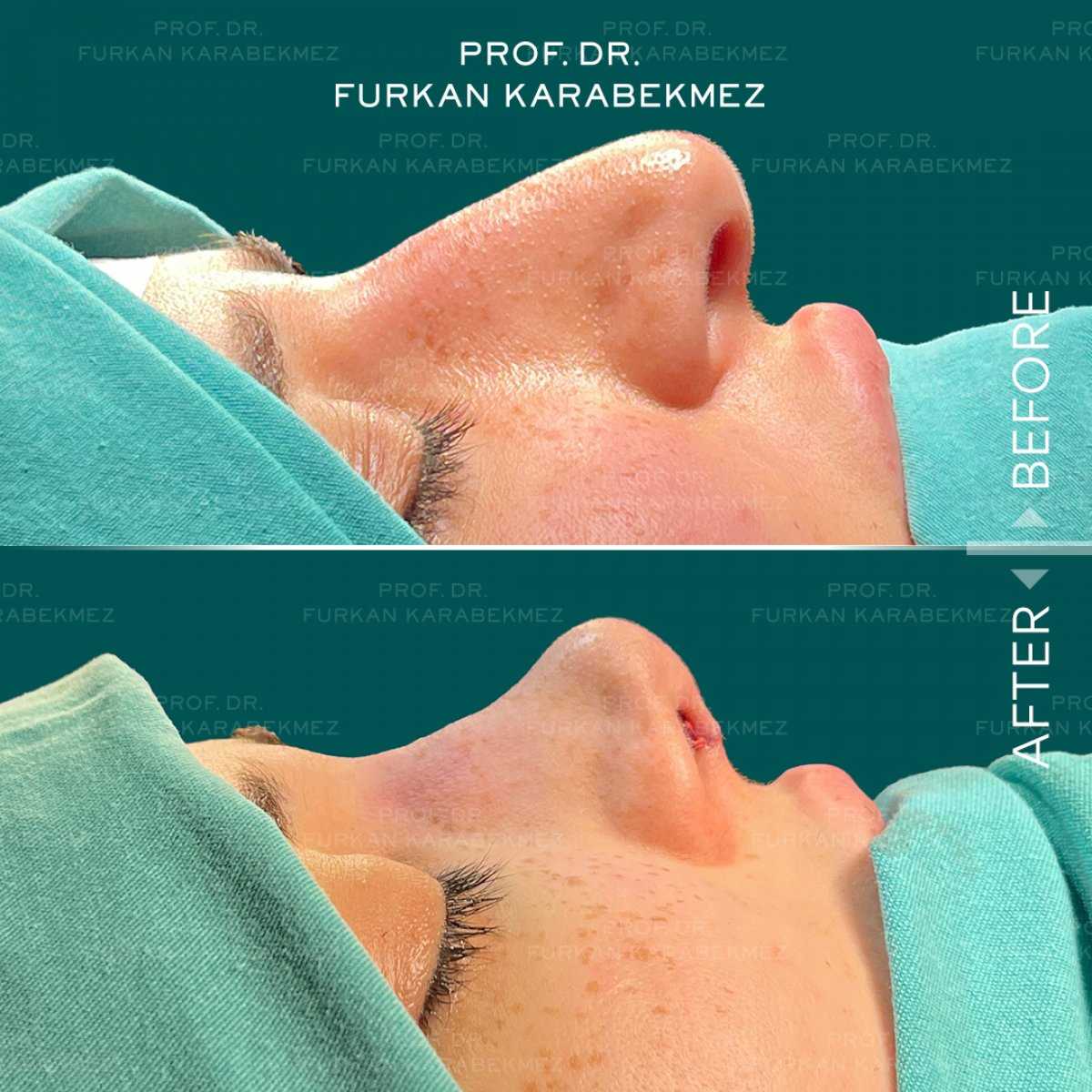
Rhinoplasty in Turkey is performed using advanced techniques like Open, Closed, Preservation, and Ultrasonic (Piezo) methods. Surgeons sculpt the bone and cartilage to improve aesthetics and function, with procedures typically lasting 2-4 hours under general anesthesia. Are you considering reshaping your nose but feeling overwhelmed by the technical jargon and endless options abroad? You are not alone. Rhinoplasty in Turkey has become a global phenomenon, attracting thousands of patients annually who are looking for high-quality results without the exorbitant price tag found in the US or UK. But beyond the attractive costs, the real question is: how is the actual procedure performed, and what makes the techniques there so special? Turkey has positioned itself as a hub for cosmetic surgery, specifically for nose jobs, by adopting cutting-edge technologies that prioritize faster recovery and natural-looking results. Whether it is the precision of Ultrasonic Rhinoplasty or the structural integrity of Preservation Rhinoplasty, Turkish surgeons are often at the forefront of modern aesthetics. In this guide, we will break down exactly how these surgeries are performed, the specific tools used, and what you can expect from consultation to recovery. We will skip the fluff and dive straight into the answers you are searching for, helping you make an informed decision about your nose job in Turkey. What is the procedure for rhinoplasty in Turkey? The procedure for rhinoplasty in Turkey involves general anesthesia, followed by precise incisions (internal or external) to access nasal structures. Surgeons then reshape bone and cartilage using specialized tools, aiming for facial harmony before closing incisions and applying a splint. The journey of a nose job in Turkey typically begins long before you enter the operating room. Once you arrive, the procedure follows a strict medical protocol. First, you will undergo a physical examination and pre-operative blood tests to ensure you are fit for surgery. The surgery itself is almost always performed under general anesthesia, ensuring you are completely asleep and pain-free throughout the process. Depending on your specific anatomy and goals, the surgeon will make incisions to access the underlying framework of the nose. This is where the artistry happens—cartilage is trimmed or grafted, and bone is carefully reduced or repositioned. The goal is never just a "smaller" nose, but one that fits your unique facial proportions. Once the reshaping is complete, the skin is redraped, incisions are sutured, and a protective splint is applied to maintain the new shape during the initial healing phase. What is Open Rhinoplasty? Open rhinoplasty involves a small incision across the columella (the tissue between the nostrils), allowing the surgeon to lift the skin for maximum visibility. This technique is preferred for complex reshaping and extensive structural work. Open rhinoplasty is considered the gold standard for complex cases. By making a tiny incision across the columella (the bridge of skin between your nostrils), the surgeon can fold the nasal skin upward. This grants them unobstructed visibility of the entire nasal structure, much like lifting the hood of a car to see the engine. This technique is particularly useful for patients requiring significant changes, such as correcting severe asymmetry, significant tip refinement, or structural reconstruction. While it does leave a minuscule scar on the columella, it is usually imperceptible once healed. The major advantage here is precision; the surgeon can see exactly what they are doing with the cartilage and bone, ensuring a highly predictable outcome. What is Closed Rhinoplasty? Closed rhinoplasty is a technique where all incisions are made inside the nostrils, leaving no visible external scars. It is best suited for patients requiring minor to moderate adjustments, such as hump removal or minor tip refinement. For patients who are worried about visible scarring, closed rhinoplasty is often the preferred choice. In this approach, every incision is made inside the nasal cavity. The surgeon works through the nostrils, modifying the bone and cartilage without fully exposing the nasal structure. Because there is less disruption to the nasal skin and tissue, this method often results in less swelling and a faster recovery time compared to the open approach. However, it requires a surgeon with exceptional skill and experience, as they are working with limited visibility. It is generally ideal for straightforward procedures, such as reducing a dorsal hump or making minor refinements to the nasal tip. What is Preservation Rhinoplasty (Let Down)? Preservation rhinoplasty, or the "Let Down" technique, involves reshaping the nose by removing cartilage and bone from deep within the nose rather than shaving down the top. This preserves the natural bridge and structural integrity of the nose. Preservation rhinoplasty is revolutionizing the field of nose surgery. Traditional methods often involve shaving down the bridge of the nose (the dorsum) and then reconstructing it. In contrast, the preservation technique keeps the natural bridge intact. Instead of cutting the top, the surgeon removes strips of cartilage and bone from the base of the nose, allowing the entire bridge to "sink" or "let down" into a lower, straighter position. This approach has massive benefits: it maintains the natural dorsal lines, preventing the "operated look" or irregularities that can sometimes occur with traditional reduction. Additionally, because the structural ligaments and soft tissues are preserved, the recovery is often quicker, and there is less risk of long-term collapse or breathing issues. What is Ultrasonic (Piezo) Rhinoplasty? Ultrasonic or Piezo rhinoplasty uses high-speed sound waves to sculpt nasal bones precisely without damaging surrounding soft tissue. This advanced technology reduces bruising, swelling, and trauma compared to traditional hammer-and-chisel methods. If you are afraid of the "hammer and chisel" concept, Ultrasonic Rhinoplasty (often called Piezo) offers a gentler alternative. This technology uses a specialized device that emits ultrasonic vibrations to cut and shape bone. The amazing thing about Piezo technology is its selectivity—it works on hard tissue (bone) but stops instantly if it touches soft tissue (skin, nerves, or blood vessels). This precision allows surgeons to polish and reshape the nasal bones with millimeter accuracy. The result? Significantly less trauma to the face, meaning patients often wake up with minimal bruising and swelling. It is widely available in Turkey and is a favorite for patients looking for a smooth recovery and refined results. What is Septorhinoplasty? Septorhinoplasty is a dual-purpose surgery that corrects a deviated septum to improve breathing while simultaneously reshaping the external nose for aesthetic purposes. It addresses both functional and cosmetic concerns in a single operation. Many patients come to Turkey thinking they just need a cosmetic tweak, only to discover they have a deviated septum. Septorhinoplasty combines two procedures: a septoplasty (to fix the crooked wall inside the nose) and a rhinoplasty (to change the outer shape). This is crucial because a beautiful nose is useless if you cannot breathe through it. By straightening the septum, the surgeon opens up the airways, improving your quality of life and sleep. Turkish surgeons are highly experienced in performing this functional-aesthetic combination, ensuring your nose looks great and functions perfectly. What is Tipplasty? Tipplasty is a specialized subset of rhinoplasty that focuses exclusively on reshaping the tip of the nose. It is less invasive than a full rhinoplasty and is used to correct bulbous, droopy, or asymmetrical nasal tips. Not everyone needs their nasal bones broken or the bridge lowered. For some, the issue is entirely in the tip. Tipplasty is a targeted procedure that modifies the cartilage at the end of the nose. Whether you have a "bulbous" tip that lacks definition or a "droopy" tip that points downward when you smile, this procedure can refine the area without touching the rest of the nasal structure. Since this surgery typically involves only cartilage and skin (no bone work), the recovery is significantly faster and easier than a full rhinoplasty. It is an excellent option for patients who are happy with the profile of their bridge but want a more refined frontal view. How is Revision Rhinoplasty performed? Revision rhinoplasty is a corrective surgery performed to fix unsatisfactory results or complications from a previous nose job. It is a complex procedure that often requires using cartilage grafts from the ear or rib to rebuild nasal structure. Sometimes, the first surgery doesn't go as planned, or an injury alters the results. Revision rhinoplasty is one of the most technically demanding procedures in plastic surgery. In Turkey, surgeons who specialize in revision cases are experts in reconstruction. Because the natural anatomy has already been altered and scar tissue is present, the surgeon must often rebuild the nose's support system. This frequently involves harvesting cartilage from other parts of the body, such as the ear (conchal cartilage) or the rib (costal cartilage), to provide the necessary structural strength. While the recovery might be slightly longer than a primary nose job, the results can restore both the appearance of the nose and the patient's confidence. What is Ethnic Rhinoplasty? Ethnic rhinoplasty is a tailored approach that reshapes the nose while preserving the unique cultural and ethnic characteristics of the patient. It focuses on facial harmony rather than imposing a "westernized" nose shape. The "cookie-cutter" nose is a thing of the past. Ethnic rhinoplasty acknowledges that different ethnic groups (African, Asian, Middle Eastern, Hispanic) have distinct nasal characteristics and facial structures. A nose that looks good on one face might look completely unnatural on another. Rhinoplasty surgeons in Turkey are well-versed in these nuances. For example, patients of African descent might seek to narrow the nostrils or define the tip without losing their ethnic identity, while Asian patients might want to augment the bridge. The goal is always to enhance the face you have, creating balance and harmony without erasing your heritage. How long does the surgery take? A standard rhinoplasty in Turkey typically takes between 2 to 4 hours, depending on the complexity of the case. Revision surgeries or complex reconstruction may take longer, sometimes up to 5 hours. Time in the operating room varies based on the technique used and the extent of the changes required. A simple closed rhinoplasty or tipplasty might be wrapped up in 1.5 to 2 hours. However, a complex open rhinoplasty or revision case often requires 3 to 4 hours or more. Speed is not the goal here; precision is. Turkish surgeons take the time needed to ensure every graft is secure and every contour is smooth. While you are under anesthesia, the time will pass instantly for you, but rest assured the medical team is working meticulously to achieve the best outcome. What type of anesthesia is used? Rhinoplasty in Turkey is almost exclusively performed under general anesthesia. This ensures the patient is completely unconscious, safe, and comfortable throughout the surgery, with no memory of the procedure. Safety and comfort are paramount. While some minor cosmetic procedures can be done with local anesthesia, a full rhinoplasty requires general anesthesia. This allows the surgeon to protect your airway and work without you feeling any discomfort or anxiety. An anesthesiologist will be present throughout the entire surgery to monitor your vitals, heart rate, and oxygen levels. You will drift off to sleep before the procedure begins and wake up in the recovery room once it is all over. How much does rhinoplasty cost in Turkey? The average cost of rhinoplasty in Turkey ranges from €2,500 to €4,500, which is significantly lower than in the UK or USA. Prices vary based on the surgeon's experience, the technique used (e.g., Piezo), and the hospital package. One of the biggest drivers for medical tourism is the cost of rhinoplasty in Turkey. Patients can often save up to 70% compared to prices in Western Europe or North America without compromising on quality. These packages usually include not just the surgery, but also VIP transfers, hotel accommodation, and medication. Here is a comparison of estimated costs for 2025: Country Average Price (GBP) Average Price (USD) Includes Hotel/Transfer? Turkey £2,400 - £3,800 $3,000 - $4,800 Yes (Typically) United Kingdom £6,000 - £10,000+ $7,500 - $12,500+ No USA £6,500 - £12,000+ $8,000 - $15,000+ No Australia £5,000 - £9,000+ $6,500 - $11,500+ No Note: Prices are estimates and vary by clinic and complexity. What is the recovery timeline? Most patients can return to work and social activities within 10 to 14 days after rhinoplasty. While bruising subsides in 2 weeks, residual swelling can take 6 to 12 months to fully resolve and reveal the final shape. Recovery is a process, not an event. Here is what you can typically expect: Day 1-3: You will experience swelling and some congestion. Rest is key. Day 6-7: The cast or splint is removed. This is the "big reveal," though your nose will still be swollen. Week 2: Most bruising has faded, and you can usually return to work or fly home. Month 1-3: About 70% of the swelling is gone. You start to see the definition. Year 1: The final shape is refined as the last of the "micro-swelling" dissipates, especially in the tip. Are the surgeons in Turkey experienced? Yes, many Turkish surgeons are highly experienced, performing hundreds of rhinoplasties annually. Turkey is a global training hub for nasal surgery, and many doctors hold European or International board certifications. Experience comes from repetition, and Turkish surgeons perform a high volume of surgeries. Because Turkey is a top destination for **nose jobs**, surgeons there encounter a vast variety of nasal structures and complex cases daily. Many are members of prestigious organizations like the European Board of Plastic Reconstructive and Aesthetic Surgery (EBOPRAS) or the American Society of Plastic Surgeons (ASPS). However, "many" does not mean "all." It is vital to research your specific surgeon, look at their before-and-after portfolio, and read verified patient reviews to ensure they meet international standards. Is rhinoplasty in Turkey safe? Rhinoplasty in Turkey is generally safe when performed in accredited hospitals by board-certified surgeons. The country enforces strict medical regulations for health tourism, but patients must diligence in choosing reputable clinics. Safety should be your number one priority. Turkey's Ministry of Health strictly regulates medical tourism, and many private hospitals in Istanbul, Antalya, and Izmir are JCI (Joint Commission International) accredited—the gold standard in global healthcare. That said, as with any medical procedure anywhere in the world, risks exist. The key to a safe experience is avoiding "too good to be true" offers. Stick to established clinics that operate in fully equipped hospitals, not small private offices without emergency facilities. What should I do before the surgery? Before surgery, you must stop smoking and avoid blood-thinning medications (like aspirin) for at least 2 weeks. You should also inform your surgeon about any supplements you take and prepare a comfortable recovery space. Preparation is half the battle. Your surgeon will give you a specific list of "dos and don'ts." The most critical rule is to stop smoking (including vaping) at least two weeks before surgery, as nicotine restricts blood flow and can cause poor healing or skin necrosis. You will also need to avoid aspirin, ibuprofen, and certain herbal supplements (like Vitamin E or Ginko Biloba) that can increase bleeding. Hydrate well, eat healthy, and try to arrive in Turkey a day or two early to settle in and rest before the big day. When can I fly home after a nose job? Patients are typically cleared to fly home 7 to 10 days after rhinoplasty, once the nasal splint has been removed and the surgeon has performed a final check-up to ensure healing is on track. You won't be flying home immediately. Most clinics require you to stay in the country for about a week. This allows the surgeon to monitor your initial healing, remove the nasal packing, and finally take off the cast. Flying too soon carries risks due to cabin pressure changes, which can increase swelling or cause bleeding. By day 7 or 10, your nose is stable enough for travel. Just remember to keep your head hydrated with saline spray during the flight and avoid lifting heavy luggage into the overhead bin! What are the risks? Risks of rhinoplasty include infection, bleeding, reaction to anesthesia, and dissatisfaction with the aesthetic result. In rare cases, breathing difficulties or septal perforation can occur, necessitating revision surgery. Transparency is essential. While rhinoplasty is safe, it is still surgery. Common temporary side effects include numbness, swelling, and bruising. More serious but rare complications can include infection or hematoma (blood collecting under the skin). The most common "risk," however, is aesthetic dissatisfaction—not liking the new shape. This is why clear communication during the consultation is critical. Using computer imaging to align your expectations with the surgeon's plan can significantly reduce this risk. Why is Turkey so popular for nose jobs? Turkey is popular for nose jobs due to the high quality of medical care, experienced surgeons using advanced technology (like Piezo), and affordable all-inclusive packages that combine surgery with a luxury travel experience. It is the perfect storm of quality, cost, and convenience. Turkey offers a unique proposition: access to some of the world's most skilled surgeons who use the latest Piezo and Preservation techniques, all for a fraction of the cost of Western clinics. Add to that the luxury service culture—where VIP transfers and 5-star hotels are standard—and it is easy to see why Istanbul has become the rhinoplasty capital of the world. Ready to Transform Your Look? Finding the right surgeon and clinic can be daunting, but you don't have to do it alone. Explore top-rated clinics and accredited surgeons for your rhinoplasty journey. Explore Rhinoplasty on PlacidWay...

Read more details

Why Are Combination Cosmetic Surgery Packages in Turkey Increasing in Demand?


Combination cosmetic surgery packages in Turkey are surging in demand because they offer a way to achieve comprehensive results with a single recovery period while saving 30-50% on costs compared to performing procedures individually. If you have been scrolling through social media or browsing medical tourism forums lately, you have probably noticed a massive trend: people aren't just flying to Turkey for a nose job anymore—they are going for the "full package." Whether it is a Mommy Makeover or a combination of facial procedures, patients are increasingly opting to get multiple things done at once. But why is this happening now? The answer lies in a mix of practicality and advanced medical capability. Combination cosmetic surgery packages in Turkey allow you to maximize your time off work, undergo anesthesia just once, and dramatically transform your appearance for a fraction of what it would cost in the US or UK. It is efficient, it is cost-effective, and thanks to Turkey's high-tech healthcare infrastructure, it is becoming safer and more accessible than ever. Let's dive deep into everything you need to know about this rising trend, from the costs and safety protocols to the most popular surgery combinations available today. What exactly is a combination cosmetic surgery package? “A combination cosmetic surgery package involves performing two or more surgical procedures, such as a tummy tuck and breast lift, during a single operation to reduce total costs and recovery time.” Think of a combination cosmetic surgery package as a holistic approach to body contouring or facial rejuvenation. Instead of scheduling a breast augmentation in January and a tummy tuck in December, you have them performed in the same surgical session. This is commonly referred to in the medical world as "stacking" procedures. In Turkey, these aren't just medical appointments; they are structured as all-inclusive packages. This means the price you are quoted usually covers the surgery, hospital fees, pre-op tests, airport transfers, and even your hotel stay. It takes the logistical stress out of planning a medical trip abroad. Why is Turkey the top destination for combined surgeries? “Turkey is the top destination for combined cosmetic surgeries due to its high concentration of JCI-accredited hospitals, experienced surgeons who specialize in high-volume complex cases, and competitive pricing driven by lower operational costs.” Turkey has positioned itself as a global leader in medical tourism, and it is not by accident. The country boasts a vast number of JCI-accredited hospitals that rival top facilities in Europe and North America. Because Turkish surgeons perform a high volume of surgeries daily, their expertise in handling complex, multi-procedure cases is often superior to generalists elsewhere. Furthermore, the exchange rate and lower cost of living allow clinics to offer premium services—like luxury recovery suites and private transport—without the premium price tag. You get VIP treatment that would cost a fortune back home. How much do combination surgery packages cost in Turkey? “Combination cosmetic surgery packages in Turkey generally range from $6,000 to $12,000 depending on the procedures, whereas similar combinations in the UK or USA can easily exceed $20,000 to $35,000.” Cost is the biggest driver. When you combine surgeries, you save money because you only pay for the operating room and anesthesia once. Below is a breakdown of average costs for popular combinations in Turkey compared to Western prices. Procedure Combination Turkey Average Cost (USD) USA/UK Average Cost (USD) Estimated Savings Mommy Makeover (Tummy Tuck + Breast Lift/Implants + Lipo) $6,500 – $10,000 $20,000 – $30,000 65-70% Face Package (Rhinoplasty + Blepharoplasty) $4,000 – $6,000 $12,000 – $18,000 60-70% Body Contouring (360 Lipo + BBL) $4,500 – $7,000 $15,000 – $22,000 65-70% Facelift + Neck Lift $5,000 – $8,000 $18,000 – $30,000 70% These prices typically include accommodation, VIP transfers, and medication, whereas Western prices usually only cover the surgeon's fee and facility costs. What is included in a "Mommy Makeover" in Turkey? “A Mommy Makeover in Turkey typically includes a tummy tuck (abdominoplasty), breast surgery (lift or augmentation), and liposuction to restore a woman's pre-pregnancy body shape.” The Mommy Makeover is arguably the most popular combination package. Pregnancy takes a toll on the body that diet and exercise often can't fix—specifically separated abdominal muscles (diastasis recti) and deflated breast tissue. In Turkey, surgeons customize this package. If you have excess fat, they might add Vaser Liposuction. If you want more curves, they might transfer that fat to the hips. The goal is a full restoration of the torso, often completed in a single 4-6 hour surgery. Can I combine a Nose Job (Rhinoplasty) with Breast Augmentation? “Yes, combining Rhinoplasty with Breast Augmentation is a very common and safe practice in Turkey, allowing patients to enhance both facial harmony and body proportion in one trip.” Absolutely. This is a favorite among younger patients who want a total "glow up." Since Rhinoplasty focuses on the face and Breast Augmentation on the chest, the surgical sites are far apart, which can actually make recovery slightly easier compared to two body surgeries. While your nose is healing under a splint, your chest will be recovering in a support bra. The downtime for both is roughly similar (1-2 weeks for initial recovery), so you aren't extending your time off work. Is it safe to have multiple plastic surgeries at once? “Combining surgeries is generally safe if the total operation time is kept under 6-7 hours and the patient is in good health, though it does slightly increase the risk of complications like blood loss.” Safety is the top priority. While combining surgeries is efficient, there is a limit. Reputable Turkish surgeons will usually cap the surgery time at around 6 hours to minimize time under general anesthesia. If a patient wants a full body lift, a facelift, and a nose job, a responsible surgeon will likely refuse to do them all at once. They may suggest splitting the procedures into two trips. Always look for surgeons who are members of ISAPS (International Society of Aesthetic Plastic Surgery) to ensure they follow strict safety protocols. How much money can I really save by combining surgeries? “By combining surgeries, you can save an additional 20-30% on hospital and anesthesia fees compared to booking them separately, on top of the already lower base prices in Turkey.” The savings are two-fold. First, Turkey's base prices are lower. Second, "bundling" removes duplicate costs. If you did two surgeries separately, you would pay for the anesthesiologist twice, the hospital overnight stay twice, and flights twice. With a combination package, you pay these overheads once. Plus, many clinics offer a "combo discount" on the second or third procedure, making the total price even more attractive. What is the "360 Lipo" and BBL combination? “The 360 Lipo and BBL combination involves liposuction around the entire midsection (back, flanks, tummy) to harvest fat, which is then purified and injected into the buttocks for volume.” This is the gold standard for hourglass figures. Lipo 360 doesn't just treat the belly; it contours the entire waistline, including the "love handles" and lower back. This creates a more dramatic waist-to-hip ratio. The fat removed during this process is "liquid gold." Instead of discarding it, surgeons use it for a Brazilian Butt Lift (BBL). This combination is highly demanding technically, and Turkish surgeons are world-renowned for their aggressive yet smooth sculpting techniques. How long is the recovery for combination surgeries? “Recovery for combination cosmestic surgeries typically requires a 10 to 14-day stay in Turkey, with most patients returning to desk jobs within 3 to 4 weeks depending on the extent of the procedures.” Recovery is more intense when you combine procedures. If you have a tummy tuck and breast lift, your mobility will be limited for the first few days. You will need to walk hunched over to protect your tummy incision, and you won't be able to lift your arms high. Most patients spend 1 or 2 nights in the hospital and then move to their hotel. You must stay in Turkey for roughly 10 days for follow-up checks and drain removal before you are cleared to fly home. Do Turkish clinics offer all-inclusive packages? “Yes, almost all clinics targeting international patients offer all-inclusive packages that cover the surgery, hotel accommodation, VIP airport transfers, and a personal patient coordinator.” This is a major selling point. When you book a package, you aren't just booking a doctor; you are booking a trip. A driver picks you up from the airport in a VIP van. Your hotel is usually a 4 or 5-star establishment nearby. This "concierge medicine" approach reduces anxiety. You don't have to worry about hailing a taxi or finding a pharmacy; your patient coordinator handles the logistics so you can focus entirely on healing. How do I choose the right surgeon for multiple procedures? “Choose a surgeon who is board-certified, has a proven portfolio of before-and-after photos for the specific combination you want, and has positive reviews on independent platforms regarding their safety standards.” Not all surgeons are masters of everything. Some excel at noses (Rhinoplasty), while others are body contouring experts. For a combination surgery, you want a surgeon with broad expertise or a clinic that uses a team approach (e.g., one surgeon for the face, another for the body). Always ask to see before-and-after photos specifically of combination cases. Look for consistency in their results and check if they are board-certified in Turkey (or Europe/USA). Does combining surgeries increase the risk of complications? “Combining surgeries can slightly increase risks such as DVT (blood clots) or infection due to longer operative times, which is why surgeons enforce strict BMI limits and health checks.” Honesty is key here. Yes, the longer you are on the operating table, the higher the risk of Deep Vein Thrombosis (DVT). This is why you will be required to wear compression stockings and start walking as soon as possible after surgery. Surgeons will also look at your BMI. If your BMI is over 30 or 32, they might advise against a massive combination procedure until you lose weight, as higher weight increases surgical risks. Can men get combination plastic surgery packages in Turkey? “Yes, men frequently opt for combination packages in Turkey, with popular combinations including Hair Transplants paired with Gynecomastia surgery or Liposuction.” This isn't just for women. The "Daddy Do-Over" is becoming real. Men often combine Gynecomastia surgery (male breast reduction) with high-definition abdominal liposuction (Six-Pack surgery). Another common combo for men is a Hair Transplant combined with dental veneers or minor facial surgeries. Since hair transplants are done under local anesthesia, they can sometimes be scheduled a few days apart from other procedures. What happens during the consultation for multiple surgeries? “During the consultation, the surgeon will assess your overall health, skin elasticity, and BMI to determine if your body can safely handle the trauma of multiple procedures at once.” Your consultation will be thorough. The doctor needs to ensure that "stacking" surgeries won't compromise the results. For example, if a tummy tuck pulls the skin down, but a breast lift pulls the skin up, the surgeon needs a precise plan to ensure the tension doesn't affect the scars. They will also verify your blood work. If your hemoglobin is low, they might cancel the combination to prevent excessive blood loss. It’s a sign of a good surgeon if they say "no" to a dangerous combination. How long do I need to stay in Turkey for combo procedures? “For most combination surgeries like a Mommy Makeover, you should plan to stay in Turkey for at least 10 to 14 days to ensure all drains are removed and incisions are healing correctly.” Don't rush your trip. While a simple nose job might only need 7 days, a combo surgery involves more drains and stitches. You need to be close to your surgeon for the first two weeks. Use this time to rest in your hotel. Most packages include breakfast and assistance, making it a comfortable, albeit low-energy, "vacation." Flying too early puts you at risk of complications, so listen to the timeline your clinic provides. Ready to Transform Your Look? If you are considering a combination surgery package in Turkey but don't know where to start, we can help. Finding a trusted, accredited surgeon is the most important step in your journey. Explore top-rated clinics and exclusive packages for medical tourism today. Explore PlacidWay for Solutions...

Read more details

How Does a Mommy Makeover in Turkey Combine Multiple Procedures Safely?


A Mommy Makeover in Turkey safely combines tummy tucks, breast surgeries, and liposuction by using experienced surgeons and modern techniques to reduce anesthesia time and streamline recovery. Deciding to get plastic surgery is never a small choice, especially when you are considering traveling abroad for it. If you have been looking in the mirror and feeling like your body just hasn't bounced back after pregnancy, you are definitely not alone. The term "Mommy Makeover" has become a buzzword for a reason—it offers a comprehensive solution to the loose skin, stubborn fat, and volume loss that diet and exercise often can't fix. Turkey has emerged as a global hotspot for these procedures, offering high-quality care at a fraction of the price you might see in the US or UK. But naturally, you probably have a hundred questions racing through your mind. Is it safe? How do I handle the recovery? And what exactly are they going to do? The idea of combining multiple surgeries into one session can sound intimidating, but when planned correctly, it is a highly effective way to restore your confidence with a single recovery period. Surgeons in Turkey are performing thousands of these combination surgeries annually, refining techniques that prioritize your safety and aesthetic goals. In this guide, we are going to walk through everything you need to know. We will look at the real costs, the recovery timeline, and the nitty-gritty details of the procedures. Whether you are curious about a tummy tuck, a breast lift, or how liposuction fits into the mix, we have got you covered. Let's get into the details so you can make the best decision for your body and your future. What exactly is a Mommy Makeover in Turkey? A Mommy Makeover in Turkey is a customized set of cosmetic procedures, typically including a tummy tuck, breast surgery, and liposuction, designed to restore a woman's post-pregnancy body. Think of a Mommy Makeover not as a single surgery, but as a tailored package of procedures meant to address the specific changes pregnancy brings to your body. No two moms are the same, so no two makeovers are identical. For most women, pregnancy stretches the abdominal muscles and skin while breastfeeding might change the shape and volume of the breasts. This surgery aims to correct all of that in one go. In Turkey, these procedures are performed by board-certified plastic surgeons who specialize in body contouring. The standard combination usually involves an abdominoplasty (tummy tuck) to tighten the core, a breast lift or augmentation to restore perkiness and volume, and liposuction to contour the waist and hips. The goal isn't just to make you look "thinner," but to restore your pre-baby proportions and firmness. What is the cost of a Mommy Makeover in Turkey compared to the US and UK? A Mommy Makeover in Turkey typically costs between $6,000 and $12,000, whereas the same set of procedures in the US or UK can range from $20,000 to over $35,000. One of the biggest driving factors for medical tourism is the price difference. In Turkey, you can receive world-class care for roughly 30-50% of what you would pay in Western countries. This lower cost doesn't mean lower quality; it is largely due to the lower cost of living, labor, and operational expenses in Turkey. The packages often include more than just the surgery—they frequently cover hotel stays, airport transfers, and post-op medications. When budgeting, it is important to look at the "all-inclusive" nature of Turkish medical tourism. In the US, you are often billed separately for the surgeon, the anesthesiologist, and the facility fee. In Turkey, you usually get one flat rate. Here is a breakdown of the approximate costs: Region Average Cost Range (USD) Includes Accommodation? Turkey $6,000 - $12,000 Yes (Typically) United States $20,000 - $35,000+ No United Kingdom $18,000 - $30,000 No Western Europe (Germany/France) $15,000 - $25,000 No Is it safe to have multiple surgeries at once? Yes, combining surgeries is generally safe for healthy candidates, provided the total operating time is kept within safe limits, usually under 6-7 hours, to minimize anesthesia risks. Safety is the top priority. Modern anesthesia and surgical techniques allow surgeons to perform multiple procedures safely in a single session. The main constraint is the duration of the surgery. Most reputable Mommy Makeover surgeons in Turkey will limit the operation to about 6 hours. If a patient needs extensive work that would exceed this time, the surgeon might recommend staging the procedures (doing them in two separate trips) to avoid complications like blood clots or excessive fluid loss. Your medical history plays a huge role here. Before you even book your flight, you will likely undergo a virtual consultation where you share your medical records. If you have a BMI over a certain limit (usually 30-32), smoke, or have underlying health issues like diabetes, a combined surgery might be deemed too risky. The surgeon's goal is to give you a great result without compromising your health. What procedures are typically included? The standard combination includes a Tummy Tuck (abdominoplasty), Breast Surgery (lift, reduction, or augmentation), and Liposuction on the flanks or abdomen. The beauty of a Mommy Makeover is that it is customizable. However, the "core" trio addresses the most common complaints after childbirth: Tummy Tuck: This repairs diastasis recti (separated abdominal muscles) and removes excess skin that exercise cannot tighten. Breast Surgery: You might choose a breast lift (mastopexy) if sagging is the issue, implants if you have lost volume, or a reduction if your breasts have become uncomfortably large. Liposuction: This is the finishing touch, often used on the "love handles," back, or thighs to create a smoother silhouette. Some women also opt to add procedures like a Brazilian Butt Lift (BBL) or vaginal rejuvenation (labiaplasty), though adding too many areas can increase recovery difficulty. How long is the recovery time? Initial recovery takes about 2-3 weeks before you can return to desk work, with full recovery for strenuous exercise taking 6-8 weeks. Recovery is a process, not an event. Because you are healing from surgery on two major areas of your body (abdomen and breasts), the first few days will be the toughest. You will likely feel tight and sore, and you will need to walk slightly hunched over to protect your tummy tuck incision. Most patients stay in Turkey for about 7-10 days post-surgery so the surgeon can monitor healing and remove any drains. By week 2 or 3, you should feel well enough to go back to a sedentary job or light daily activities. However, heavy lifting (including picking up your kids!) is strictly off-limits for at least 6 weeks. Your abdominal muscles need time to knit back together securely. It is crucial to have help at home during this period. Why is Turkey so popular for medical tourism? Turkey offers high-quality healthcare with JCI-accredited hospitals, experienced surgeons, and luxury service at affordable prices due to the favorable exchange rate. Turkey hasn't just stumbled into medical tourism success; the country has invested heavily in its healthcare infrastructure. Istanbul, in particular, boasts numerous hospitals accredited by the Joint Commission International (JCI), which is the gold standard for global healthcare. The surgeons here are often highly experienced because they perform a high volume of surgeries, giving them a level of expertise that is hard to match. Beyond the medical side, the service culture is exceptional. From the moment you land, you are often treated like a VIP. VIP transfer vans, 5-star hotel accommodations, and dedicated patient coordinators who speak English are standard parts of the package. It turns a medical procedure into a more comfortable, almost hospitality-driven experience. How do I choose the best plastic surgeon in Turkey? Look for board certification (EBOPRAS or Turkish Board), read verified patient reviews, check before-and-after photos carefully, and ensure they operate in an accredited hospital. This is the most critical step in your journey. Don't just go for the cheapest option or the one with the flashiest Instagram page. You need to verify credentials. Look for surgeons who are members of international organizations like ISAPS (International Society of Aesthetic Plastic Surgery) or the EBOPRAS (European Board of Plastic Reconstructive and Aesthetic Surgery). These memberships indicate a commitment to safety and ethical standards. Request a video consultation before you book anything. This gives you a chance to gauge the surgeon's communication style and English proficiency. Ask specific questions about their complication rates and how they handle emergencies. Trust your gut—if a surgeon promises unrealistic results or glosses over the risks, look elsewhere. What is the "drainless" tummy tuck technique? A drainless tummy tuck uses special internal quilting sutures to close the space where fluid collects, eliminating the need for uncomfortable external drains during recovery. One of the most annoying parts of a traditional tummy tuck recovery is dealing with surgical drains—little tubes that hang from your incision to collect fluid. Many advanced surgeons in Turkey now offer "drainless" tummy tucks. By using a progressive tension suturing technique, they tack the skin flap down to the muscle wall, leaving no room for fluid to build up. The benefits are significant: less hassle, less risk of the drains getting snagged, and often a slightly more comfortable recovery. However, not every patient is a candidate for this, and not every surgeon performs it. It is definitely worth asking about during your consultation if you want a smoother post-op experience. Can I breastfeed after a Mommy Makeover? Breastfeeding may still be possible depending on the surgical technique used, but procedures involving nipple repositioning can increase the risk of milk duct damage. If you plan to have more children, this is a major consideration. Breast implants generally do not interfere with breastfeeding, but a breast lift or breast reduction might. These procedures often involve moving the nipple-areola complex to a higher position. While surgeons try to keep the milk ducts and nerves intact, there is always a risk that milk production or flow could be compromised. Generally, it is recommended to wait until you are completely finished with childbearing before getting a Mommy Makeover. Future pregnancies can stretch out the abdominal muscles you just tightened and alter breast shape again, effectively undoing the results of your surgery. Will I have visible scars? Yes, scarring is inevitable with surgery, but surgeons strategically place incisions low on the bikini line and around the areola to make them easily hideable under underwear and swimwear. Plastic surgery is a trade-off: you are trading loose skin for a scar. The tummy tuck incision usually runs from hip bone to hip bone. However, skilled surgeons place this incision very low, just above the pubic mound, so it can be completely covered by standard bikini bottoms or underwear. The scar will be red and raised at first but will fade to a thin white line over 12-18 months. For breast surgeries, the scarring depends on the lift type. A "lollipop" lift leaves a scar around the nipple and vertically down to the crease, while an "anchor" lift adds a scar along the crease itself. Proper scar care, using silicone sheets and avoiding sun exposure, is vital for achieving the best aesthetic outcome. How long do I need to stay in Turkey? Most patients are required to stay in Turkey for 7 to 10 days to ensure safe recovery and attend follow-up appointments for drain and stitch removal. You cannot simply fly home the day after surgery. You will typically spend 1-2 nights in the hospital for close monitoring. After discharge, you will move to your hotel to recover. The surgeon needs to see you roughly 5-7 days post-op to check your incisions, remove drains (if used), and give you the "fit to fly" clearance. Flying too soon increases the risk of Deep Vein Thrombosis (DVT) or blood clots, which is a serious complication. Use this time to rest. Don't plan on sightseeing around Istanbul; your body needs energy to heal. Bring books, a tablet, and comfortable loose clothing to wear at the hotel. What is included in the all-inclusive packages? Packages usually cover the surgeon’s fee, anesthesia, hospital stay, VIP airport transfers, hotel accommodation for 6-8 nights, and post-op garments. One of the reasons Turkey is so convenient is the package model. You are not just paying for surgery; you are paying for logistics. A typical quote includes your hospital fees, the surgeon’s time, all necessary medication while in the hospital, and a medical compression garment (faja) you will need to wear. Most clinics also arrange your hotel stay in a 4 or 5-star hotel and provide a driver to take you between the airport, hotel, and clinic. The only things usually not included are your flights and your food expenses outside the hospital. Always ask for a detailed breakdown of the quote to ensure there are no hidden costs. What are the risks involved? Risks include infection, bleeding (hematoma), seroma (fluid accumulation), poor wound healing, and risks associated with general anesthesia. While Mommy Makeovers are routine, they are major surgeries. Infection is a risk with any incision, which is why you will be given antibiotics. Seromas are fluid pockets that can form under the skin; these are usually minor and can be drained. Blood clots are the most serious risk, which is why surgeons will have you walking (hunched over) as soon as possible after surgery to keep blood flowing. Smoking significantly increases the risk of complications, especially skin necrosis (tissue death) and poor wound healing. Reputable surgeons will refuse to operate on patients who have not stopped smoking at least 4 weeks prior to the surgery. Being honest about your lifestyle habits is crucial for your safety. How soon can I exercise after surgery? Light walking is encouraged immediately, but strenuous exercise, lifting heavy weights, or intense cardio must be avoided for at least 6 to 8 weeks. Patience is key when it comes to the gym. You can and should take short, gentle walks around your room starting the day after surgery to prevent clots. However, anything that raises your blood pressure or engages your core is dangerous in the first few weeks. If you had muscle repair (diastasis recti correction), doing a sit-up too soon could damage the internal sutures. Around 6 weeks, your surgeon will likely clear you for low-impact cardio. Weightlifting and high-intensity interval training (HIIT) usually have to wait until the 2-3 month mark. Listen to your body—if it hurts or swells, you are doing too much too soon. What should I pack for my surgery trip? Pack loose button-up pajamas, slip-on shoes, compression socks, entertainment (books/tablet), a neck pillow, and a long charging cable for your devices. Packing for a surgery trip is different from a vacation. You won't be able to lift your arms high or bend over easily. Bring shirts that button in the front so you don't have to pull anything over your head. Slip-on shoes are a lifesaver since you won't be able to bend down to tie laces. Don't forget a travel neck pillow; you will likely need to sleep propped up on your back to keep tension off your tummy. A portable battery or a long phone charger is also great because hospital outlets might not be right next to your bed. Finally, bring stool softeners—pain medication and anesthesia can cause constipation, and you want to avoid straining at all costs. Ready to Transform Your Life? If you are looking for safe, affordable, and high-quality medical tourism options, explore the best clinics and surgeons today....

Read more details

How Are Breast Augmentation Procedures in Turkey Customized for Natural Proportions?


Surgeons in Turkey customize natural breast augmentation using advanced techniques like Dual Plane placement, Hybrid Augmentation (implants + fat transfer), and 3D imaging to match your unique anatomy. They prioritize anatomical teardrop implants or ergonomic round implants to ensure a subtle, proportional, and authentic look. Achieving a natural breast augmentation result is about more than just size; it is about harmony, balance, and how the new contours fit your specific body frame. In Turkey, top plastic surgeons have mastered the art of "invisible" enhancement, where the goal is for friends and family to notice you look amazing without immediately pinpointing why. If you are considering breast augmentation in Turkey, you are likely looking for quality medical care that aligns with your aesthetic goals. Turkish clinics are renowned for using state-of-the-art technology, such as 3D Vectra simulation, which allows you to see potential results before surgery. By combining this technology with advanced surgical methods like the Dual Plane technique, surgeons can create a soft, sloping silhouette that mimics natural breast tissue. This guide covers everything you need to know about customizing your procedure for natural proportions. We will look at the costs, the specific techniques used to avoid the "fake" look, and how surgeons determine the perfect implant profile for your body type. How do surgeons in Turkey achieve natural-looking breast augmentation? "Surgeons in Turkey achieve natural results by analyzing your chest width and skin elasticity, often using Dual Plane placement to hide implant edges under the muscle for a smooth transition." The secret to a natural breast augmentation lies in the planning stage. Turkish surgeons spend considerable time measuring your chest wall, existing breast tissue, and skin quality. Instead of simply choosing the largest implant, they select a width that fits precisely within your natural breast footprint. This prevents the "bolted-on" look where implants sit too close together or spill over the sides of the ribcage. Technique is equally important. Surgeons frequently use the Dual Plane method, where the top of the implant is tucked under the chest muscle while the bottom half sits under the breast gland. This technique provides the best of both worlds: the muscle covers the upper edge of the implant, preventing visible rippling or a harsh "step-off" at the top of the breast, while the lower positioning allows for a natural, slightly drooping tear-drop shape that moves realistically. What is the cost of natural breast augmentation in Turkey? "Breast augmentation in Turkey typically costs between $2,500 and $4,500, which often includes accommodation and transfers, compared to over $8,000 in the UK or US." Turkey offers significantly more affordable pricing for breast surgery without compromising on medical standards. The lower cost is largely due to lower operational costs and government support for medical tourism, not a lack of quality. Most clinics provide "all-inclusive" packages that cover the surgery, hospital stay, hotel accommodation, and VIP transfers. Below is a comparison of average costs for breast augmentation across different regions: Country Average Price (USD) What is Included? Turkey $2,500 - $4,500 Surgery, Hotel, Transfers, Meds United Kingdom $6,000 - $10,000 Surgery Only United States $7,000 - $12,000 Surgery Only Germany $6,500 - $9,000 Surgery Only What is Hybrid Breast Augmentation and how does it help? "Hybrid Breast Augmentation combines silicone implants with fat grafting to soften implant edges and create improved cleavage, resulting in a softer, more natural feel." Hybrid breast augmentation, also known as composite breast augmentation, is gaining popularity in Turkey for women with thin skin or little natural breast tissue. In this procedure, the surgeon places a smaller implant to provide the core volume and shape. They then use liposuction to harvest fat from your thighs or abdomen, purify it, and inject it around the edges of the implant. This layer of fat acts as a natural cushion. It hides the rim of the implant, which is crucial for preventing visible rippling in the cleavage area. The result is a breast that feels softer to the touch and looks incredibly authentic, as the transition between your chest wall and the breast mound is smooth and gradual rather than abrupt. Teardrop vs. Round Implants: Which is better for a natural look? "Teardrop implants generally offer the most natural slope, but modern ergonomic round implants can also look natural by shifting shape when you stand up." Historically, teardrop (anatomical) implants were the gold standard for natural results because they are fuller at the bottom and tapered at the top, mimicking the shape of a mature breast. They are excellent for women with very little breast tissue who need the implant to define the entire breast shape. However, they are firmer and require textured surfaces to prevent rotation. Today, many Turkish surgeons prefer ergonomic round implants (like Motiva Ergonomix). These implants are round but filled with a very soft, elastic gel. When you are lying down, they look round, but when you stand up, gravity causes the gel to settle at the bottom, creating a natural teardrop shape. This dynamic movement allows for a natural look without the risk of implant rotation associated with traditional teardrop shapes. How does the surgeon choose the right implant profile for me? "Surgeons select a Low, Moderate, or High profile based on your chest width and desired projection to ensure the implant stays within your natural breast boundaries." Implant profile refers to how far the implant sticks out from your chest. For a natural proportion, choosing the correct profile is critical. A "High Profile" implant is narrow but projects outward significantly, which can look perky but sometimes artificial if not matched with enough natural tissue. A "Moderate Profile" is wider and flatter, spreading the volume over a larger area for a subtle enhancement. Your surgeon in Turkey will measure your base width—the distance across your natural breast. If you choose an implant that is too wide for your chest, it can interfere with arm movement and look unnatural. If it is too narrow, it might look like a ball sitting on your chest. The goal is to match the implant width to your natural anatomy so the volume feels like it belongs there. What is the role of 3D imaging in customizing breast surgery? "3D imaging technology like Vectra XT allows you to visualize different implant sizes and shapes on your own body before surgery, ensuring expectations align with reality." Many premium clinics in Turkey utilize 3D simulation tools during the consultation. You will stand in front of a specialized camera system that captures a high-resolution 3D model of your torso. The surgeon can then digitally "try on" different implants, showing you how a 300cc round implant looks versus a 350cc teardrop implant on your specific frame. This technology is invaluable for customized breast augmentation. It helps bridge the gap between what you imagine and what is surgically possible. You can see how different projections affect your silhouette from the side and front, helping you make a confident decision that supports your desire for a natural outcome. Does incision placement impact the natural look of breast implants? "Incision placement in the inframammary fold (under the breast) is preferred for natural results as it hides the scar in the breast crease and allows precise pocket creation." Where the surgeon makes the cut affects both the scar visibility and the control they have during surgery. The inframammary incision is the most common for natural results because it gives the surgeon the best visibility to create a precise "pocket" for the implant. A well-made pocket ensures the implant sits exactly where it should, preventing it from riding too high or shifting sideways. Other options include the periareolar incision (around the nipple) or transaxillary (armpit). While the armpit incision avoids a scar on the breast, it can make it harder for the surgeon to ensure perfect symmetry and dual-plane placement, which are essential for that natural look. Most surgeons recommend the under-breast fold as the scar becomes virtually invisible once healed. Can I fix asymmetrical breasts for a balanced natural look? "Yes, surgeons can use different sized implants or combine a breast lift on one side to correct asymmetry and achieve balanced, natural proportions." Breast asymmetry is very common; in fact, most women have one breast slightly larger or shaped differently than the other. To achieve a natural proportion, Turkish surgeons often customize the procedure by using two different implant sizes (e.g., a 275cc implant in the larger breast and a 325cc implant in the smaller one) to even out the volume. In cases where one breast droops more than the other, a unilateral breast lift (mastopexy) may be performed alongside the augmentation. This adjusts the nipple position and tightens the skin on the lower side, ensuring that both breasts sit at the same level on the chest wall, creating a harmonious and symmetrical appearance. How does skin elasticity affect natural breast augmentation results? "Good skin elasticity helps support the implant for a perky look, while loose skin may require a breast lift combined with implants to prevent sagging and ensure a natural contour." Your skin acts as the natural bra for your implants. If you have tight, youthful skin, it will hold the implant firmly in place. However, if your skin has stretched due to pregnancy, weight loss, or aging, simply adding a heavy implant can lead to an unnatural appearance where the implant sits high but the breast tissue droops off it (the "snoopy dog" deformity). In Turkey, surgeons assess your tissue quality carefully. If elasticity is poor, they will recommend a lift-and-augment procedure. By removing excess skin and tightening the breast envelope, the implant is supported properly, resulting in a firm, youthful, and naturally shaped breast rather than a heavy, sagging one. What are "Gummy Bear" implants and do they feel natural? "Gummy Bear implants use highly cohesive gel that holds its shape like a soft candy, offering a stable form and natural feel with a lower risk of rippling." The term "Gummy Bear" refers to form-stable cohesive gel implants. Unlike older liquid silicone implants, these have a thicker consistency. If you were to cut one in half, it would hold its shape just like a gummy bear candy. This structural integrity is excellent for women with thin breast tissue because the implant is less likely to wrinkle or ripple, which are tell-tale signs of surgery. While they are slightly firmer than traditional silicone, many women find they feel very natural because they mimic the density of youthful breast tissue. They are particularly effective in teardrop shapes, ensuring the breast maintains its projected lower slope over time without collapsing. How long does the swelling last before breasts look natural? "It typically takes 3 to 6 months for implants to 'drop and fluff' into their final natural position as the muscle relaxes and swelling subsides." Patience is key to a natural result. Immediately after surgery, your breasts will sit high on your chest and look swollen or "boxy." This is normal, especially with submuscular placement, as the chest muscle is tight and pushes the implant upward. Over the following weeks, a process known as "drop and fluff" occurs. The pectoral muscle relaxes, allowing the implant to settle into the lower breast pole (drop), and the skin expands slightly to accommodate the new volume (fluff). By month three, the contours will soften significantly, and by month six, your breasts should look and move completely naturally. Can I breastfeed after a customized breast augmentation? "Yes, most women can breastfeed after augmentation, especially with inframammary incisions and submuscular placement, which leave the milk ducts and gland intact." Preserving future function is part of the customized approach in Turkey. Surgeons prioritize techniques that interfere as little as possible with the breast gland. By placing the implant under the muscle (Dual Plane) and using an incision under the breast fold, they avoid cutting through the milk ducts or nerves connected to the nipple. While no surgery can guarantee 100% breastfeeding success, these methods significantly reduce the risk. If you plan to have children in the future, be sure to discuss this with your surgeon during the consultation so they can plan the procedure to protect your glandular tissue. What is the recovery time for customized breast augmentation? "Most patients return to light work within 5 to 7 days, but strenuous exercise and heavy lifting should be avoided for at least 6 weeks to ensure proper healing." Recovery from breast augmentation in Turkey is generally straightforward. You will likely spend one night in the hospital for monitoring. For the first few days, you may experience tightness and soreness, which is managed with medication. You will be given a special surgical bra to wear 24/7, which supports the implants and minimizes swelling. Most women feel well enough to go out for dinner or explore the city lightly after 2-3 days. However, you must avoid lifting your arms high or carrying heavy luggage. Your surgeon will clear you for flight typically after your check-up on day 5 or 6. Full exercise routines can usually be resumed after six weeks once the internal tissues have healed. Are there specific brands of implants used in Turkey? "Top Turkish clinics primarily use FDA-approved or CE-marked brands like Mentor, Motiva, and Polytech, ensuring high safety standards and long-term warranties." Quality assurance is vital for a natural and safe outcome. Reputable clinics in Turkey do not cut corners with generic implants. They rely on globally recognized brands. Motiva implants are particularly popular currently for their "Ergonomix" line, which is designed specifically to move and feel like natural tissue. Mentor (Johnson & Johnson) is another industry giant often used for its reliable safety profile and variety of contour profiles. Before your surgery, you will receive a card with the serial numbers of your implants, which serves as your warranty and proof of authenticity. How much does a breast lift combined with implants help with natural proportions? "A breast lift with implants helps reposition the nipple and remove sagging skin, creating a perky, youthful shape that implants alone cannot achieve on drooping breasts." For women with ptosis (sagging), an implant alone often leads to a "double bubble" effect where the implant sits high and the breast tissue hangs below it. To avoid this and achieve natural proportions, a lift is essential. The lift tightens the skin envelope and raises the nipple to the center of the breast mound. When combined with a small-to-moderate implant, the results are transformative. You get the upper fullness from the implant and the youthful positioning from the lift. This combination is very common in "Mommy Makeover" packages in Turkey and is key to restoring a natural, pre-pregnancy look. What safety standards do Turkish clinics follow for breast surgery? "Accredited clinics in Turkey follow strict International sanitary standards, and many surgeons are members of ISAPS or EBOPRAS, ensuring high-quality care." Turkey has a robust medical tourism industry regulated by the Ministry of Health. Many top hospitals are JCI (Joint Commission International) accredited, which is the gold standard for global healthcare. Surgeons are often board-certified and hold memberships in prestigious organizations like the International Society of Aesthetic Plastic Surgery (ISAPS). When customizing your surgery, these safety protocols ensure that the environment is sterile and the techniques used are up-to-date. This minimizes the risk of infection or complications like capsular contracture, which can harden the breast and ruin the natural feel of the augmentation. Does the texture of the implant surface matter? "Nano-textured or smooth surfaces are often preferred today for their softness and lower risk of complications, while macro-textured implants are used less frequently." The surface shell of the implant affects how your body heals around it. Historically, aggressive texturing was used to keep teardrop implants in place. However, modern trends in Turkey favor nano-textured (micro-textured) or smooth implants, such as Motiva's SilkSurface. These surfaces are designed to be biocompatible, reducing inflammation and the risk of "double capsule" formation. They allow the implant to move slightly within the pocket, which contributes to a more realistic physical movement of the breast when you walk or exercise, rather than remaining stiff and fixed. Can fat transfer be used alone for natural breast augmentation? "Fat transfer alone is ideal for a subtle increase of 0.5 to 1 cup size, offering the most natural feel, but it is not suitable for significant size increases." If you are looking for a modest enhancement without any foreign materials, autologous fat transfer is the most natural option available. The surgeon performs liposuction on areas like your abdomen or thighs, processes the fat, and injects it into the breasts. This technique feels 100% real because it is your own tissue. However, it has limitations. You can only safely increase size by about one cup at a time, as the injected fat needs a blood supply to survive. It is a fantastic option for fixing asymmetry or adding slight fullness to the upper pole, but for more dramatic changes, implants or hybrid techniques are better suited. Why is the consultation phase critical for natural results? "A detailed consultation allows the surgeon to understand your definition of 'natural' and plan the surgery based on your lifestyle, body measurements, and aesthetic goals." "Natural" means different things to different people. For some, it means a subtle B-cup; for others, it means a full D-cup that doesn't look fake. A thorough consultation in Turkey (often starting online with photos) ensures you and your surgeon are on the same page. During this time, be honest about your lifestyle. If you are an athlete, large implants might hinder your performance. If you wear low-cut tops, you might prioritize cleavage. The surgeon uses this information to customize every aspect of the procedure—from implant type to incision site—to ensure the final outcome fits seamlessly into your life and looks like it belongs to you.                                                                                     ...

Read more details

Who Is The Best Facelift Surgeon In Turkey?


Identifying the best facelift surgeon in Turkey is subjective, as "best" depends on individual patient needs, desired outcomes, and personal comfort. While pinpointing a single "best" surgeon is challenging due to the personalized nature of cosmetic surgery, we will equip you with the knowledge to identify highly qualified, experienced, and reputable professionals. We'll delve into what truly defines a top-tier facelift surgeon in Turkey, from their credentials and experience to patient feedback and the quality of their clinic. What is the average cost of a facelift in Turkey? The average cost of a facelift in Turkey ranges from $4,000 to $10,000. This is significantly lower than in many Western countries and typically includes surgeon fees, anesthesia, hospital stay, and post-operative care. One of the primary reasons many individuals consider a facelift in Turkey is the attractive pricing, which offers substantial savings compared to procedures in North America, Europe, or the UK, without compromising on quality. The average cost generally falls within the range of $4,000 to $10,000. However, it's important to understand that this is a broad estimate, and the actual price can vary based on several factors. Which cities in Turkey are known for quality facelift clinics? Istanbul, Ankara, and Izmir are the leading cities in Turkey renowned for their quality facelift clinics and highly experienced plastic surgeons. Istanbul is particularly prominent, hosting numerous internationally accredited medical facilities. Turkey's reputation as a medical tourism destination is bolstered by its strong healthcare infrastructure, particularly in its major cities. When it comes to finding quality facelift clinics and experienced plastic surgeons, three cities consistently stand out: Istanbul, Ankara, and Izmir. Here’s a closer look at each: Istanbul: As Turkey's largest city and a major global hub, Istanbul is at the forefront of medical tourism. It boasts the highest concentration of internationally accredited hospitals and clinics, offering state-of-the-art facilities and a vast pool of highly skilled plastic surgeons. Many of the surgeons considered among the best facelift surgeons in Turkey practice in Istanbul. The city also offers excellent connectivity for international patients and a vibrant cultural experience. Ankara: The capital city, Ankara, also has a well-developed healthcare system with several reputable clinics and hospitals. While perhaps not as globally recognized for medical tourism as Istanbul, Ankara maintains high standards of medical care and is home to many distinguished plastic surgeons. It often provides a slightly more subdued environment for recovery compared to the bustling energy of Istanbul. Izmir: Located on Turkey's Aegean coast, Izmir is another significant city for medical treatments. It offers a combination of high-quality medical services and a pleasant coastal setting, which can be appealing for patients seeking a more relaxed environment for their recovery. Izmir has a growing number of modern clinics specializing in cosmetic procedures, including facelifts, attracting patients from Europe and beyond. What should I look for in a facelift clinic in Turkey? In a facelift clinic in Turkey, look for international accreditations (e.g., JCI), modern facilities, a dedicated and experienced surgical team, transparent pricing, comprehensive aftercare, and excellent patient support including language assistance. Selecting the right facelift clinic in Turkey is as crucial as choosing the surgeon, as the clinic environment and support staff significantly impact your overall experience and safety. A reputable clinic provides a holistic care experience from consultation to post-operative recovery. How long do facelift results typically last? Facelift results typically last between 7 to 15 years, depending on the surgical technique, individual aging process, lifestyle, and skin quality. While a facelift doesn't stop aging, it effectively sets back the clock significantly. One of the most common questions patients ask is about the longevity of facelift results. While a facelift can dramatically improve signs of aging, it's important to understand that it does not halt the aging process entirely. Gravity, sun exposure, genetics, and lifestyle choices will continue to affect your skin and facial tissues over time. However, a well-performed facelift by a skilled facelift surgeon in Turkey can provide enduring rejuvenation. If you're ready to explore your options for a facelift in Turkey or other medical tourism solutions, we invite you to connect with PlacidWay. Our platform offers a comprehensive database of trusted clinics and experienced surgeons, helping you compare options, understand procedures, and plan your medical journey with confidence. Visit PlacidWay to find the best healthcare solutions tailored to your needs....

Read more details

How Much Does Liposuction Cost In Turkey?


Liposuction in Turkey typically ranges from $2,000 to $5,000, offering a more affordable option compared to many Western countries. Thinking about refreshing your look and removing stubborn fat deposits? That's where Turkey often comes into the conversation, especially for cosmetic procedures like liposuction. Many people wonder, "How much does liposuction cost in Turkey?" and it's a very valid question. How much does liposuction cost in Turkey on average? The average liposuction cost in Turkey generally falls between $2,000 and $5,000, making it significantly more affordable than in Western countries like the US or UK. Several factors contribute to Turkey's competitive pricing without sacrificing quality. Lower operational costs, a favorable exchange rate, and government support for medical tourism play a significant role. Patients receive high-quality care from experienced, often internationally trained, surgeons using modern equipment in accredited facilities. T his makes the overall value proposition of getting fat removal in Turkey exceptionally appealing. Are liposuction packages in Turkey all-inclusive? Many clinics offering liposuction in Turkey provide all-inclusive packages that often cover the surgery, anesthesia, hospital stay, medication, post-operative garments, and sometimes even accommodation and airport transfers, depending on the package. Yes, one of the compelling aspects of getting liposuction in Turkey is the prevalence of all-inclusive packages. These packages are designed to make the medical tourism experience as smooth and stress-free as possible for international patients. While the specifics can vary greatly between clinics, a typical comprehensive package often includes: The surgical procedure itself, performed by an experienced plastic surgeon. Anesthesia administered by a certified anesthesiologist. Hospital stay for one or two nights, depending on the extent of the procedure. All necessary pre-operative tests and consultations. Post-operative medication to manage pain and aid recovery. Compression garments, which are essential for healing and achieving optimal results. Follow-up appointments during your stay in Turkey. What is the typical recovery time for liposuction in Turkey? The typical recovery time for liposuction in Turkey involves initial swelling and bruising for 1-2 weeks, with most patients returning to light activities within a few days to a week. Full results are visible after 3-6 months. Understanding the recovery timeline is a crucial part of planning your liposuction in Turkey journey, allowing you to manage expectations and schedule your return to normal activities. Your surgeon will provide specific post-operative care instructions, which are vital to follow for optimal healing and results from your fat removal in Turkey. Adhering to these guidelines, especially wearing your compression garment, will significantly contribute to a smooth and successful recovery. Think of liposuction in Turkey as a powerful tool to kickstart or enhance your body sculpting journey. The procedure gives you a new starting point, but your habits moving forward will determine how well you maintain those fantastic results. Your surgeon will provide specific post-operative advice on diet and exercise to help you succeed. Ready to explore your options for safe and affordable medical procedures like liposuction? Visit PlacidWay to connect with top-rated clinics and medical professionals in Turkey and around the world, making your healthcare journey seamless and stress-free....

Read more details

What Is Included In Turkey Rhinoplasty Packages?


Turkey rhinoplasty packages typically include the surgical procedure, anesthesia, hospital stay, initial consultations, and post-operative care. Many also cover accommodation, airport transfers, and interpreter services, offering a comprehensive medical tourism experience designed for patient convenience. When planning for a cosmetic procedure like a nose job, understanding the full scope of what you're receiving is essential. In Turkey, the concept of an all-inclusive rhinoplasty package has been perfected to cater to international patients, creating a seamless and stress-free experience. These packages are designed to cover nearly every aspect of your medical journey, from the moment you land to your final check-up before you fly home. This guide will provide a detailed breakdown of all the typical inclusions, helping you understand the exceptional value and comprehensive care you can expect from a nose job in Turkey. What Specific Medical Services are Included in a Turkey Rhinoplasty Package? The medical services in a Turkey rhinoplasty package cover all core components of the surgery, including the surgeon's fee, anesthesia, all hospital and operating room costs, pre-operative blood tests and health checks, and all necessary post-operative medications and check-ups during your stay. The foundation of any rhinoplasty package is the comprehensive medical care. Clinics in Turkey bundle these services to provide a clear, single price. You can expect the package to cover: Surgeon's and Anesthesiologist's Fees: The professional fees for your entire surgical team. Hospital Costs: This includes the use of the state-of-the-art operating room and a one-night hospital stay for post-operative monitoring, which is standard for rhinoplasty. Pre-Operative Tests: All necessary blood tests and a general health assessment to ensure you are fit for surgery. Medications: All prescribed medications needed during your hospital stay and for your initial recovery at the hotel (e.g., antibiotics, pain relievers, nasal sprays). Post-Operative Supplies: This includes your nasal splint, dressings, and any special pillows or ice packs provided for your comfort. What Logistical Support like Accommodation and Transfers Can I Expect? Most packages include a multi-night stay (typically 5-7 nights) in a 4 or 5-star hotel, along with all VIP ground transportation. This includes transfers between the airport, your hotel, and the hospital for all appointments, ensuring a seamless travel experience. A major benefit of a Turkey rhinoplasty package is that it removes the stress of planning your travel logistics. The support for international patients is extensive: VIP Transfers: From the moment you land, a private driver is typically waiting to take you to your hotel. This service covers all your necessary travel: from the airport to the hotel, from the hotel to the hospital for your surgery and all follow-up appointments, and finally back to the airport for your departure. Hotel Accommodation: Packages usually include a 5 to 7-night stay in a comfortable, high-quality hotel that partners with the clinic. These hotels are chosen for their proximity to the clinic and their amenities, ensuring a pleasant recovery environment. Personal Host and Interpreter: Many clinics provide a dedicated host or patient coordinator who speaks your language. This person assists you throughout your stay, from check-in to your final consultation, ensuring clear communication and providing personal support. What Does the Pre-Operative and Post-Operative Care Process Involve? Pre-operative care includes a detailed consultation with 3D imaging to simulate results. Post-operative care involves a one-night hospital stay, several follow-up checks, removal of the nasal splint around day 7, and detailed instructions for at-home recovery. The patient journey is carefully structured. Before your surgery, you will have an in-depth consultation with your surgeon. This is where you discuss your goals, and the surgeon often uses 3D simulation technology to show you the potential results of your nose job. This ensures you and your surgeon are aligned on the aesthetic outcome. After the surgery, the post-operative care is just as thorough. You will be monitored in the hospital overnight. In the following days, you will have scheduled check-ups with your surgeon to monitor your healing. The most significant post-op appointment is usually around day 6 or 7, when your external nasal splint is removed. The surgeon will then provide you with final care instructions for the weeks and months ahead to ensure a smooth long-term recovery. How Much Does a Rhinoplasty Package in Turkey Typically Cost in 2025? In 2025, a comprehensive rhinoplasty package in Turkey typically costs between $3,000 and $7,000. The price varies based on the surgeon's experience, the complexity of the procedure (e.g., primary vs. revision rhinoplasty), and the city. The affordability of a nose job in Turkey is a primary attraction. This price is significantly lower than in the US or Western Europe, where the surgical fee alone can exceed this amount. The package price is influenced by several factors: Surgeon's Reputation: Highly sought-after surgeons with a large international following may be at the higher end of the price range. Complexity: A revision rhinoplasty or a complex case involving significant cartilage grafting will cost more than a primary rhinoplasty. Location: Clinics in major hubs like Istanbul may have slightly different pricing than those in other cities like Izmir or Antalya. Even at the higher end, these all-inclusive packages represent exceptional value for the level of care and support provided. What are the Common Exclusions or Potential Hidden Costs? The most common exclusions from a Turkey rhinoplasty package are your international flights, meals and personal spending money, and visa fees if applicable. Reputable clinics are transparent, and there are generally no hidden medical costs for a standard procedure. While packages are designed to be "all-inclusive," it's important to know what is typically not covered. Your personal expenses are your own responsibility. This includes: International Flights: You will need to book and pay for your own flights to and from Turkey. Food and Personal Expenses: While breakfast is often included with the hotel, you will need to budget for lunches, dinners, and any shopping or sightseeing. Visa Fees: Depending on your nationality, you may need to pay for a tourist visa to enter Turkey. Reputable clinics are very upfront about these exclusions. For a standard rhinoplasty, you should not expect any surprise medical bills. Always ask for a detailed written confirmation of what is included and excluded in your specific package to ensure complete clarity. Ready to explore your options for a transformative rhinoplasty in Turkey? Visit PlacidWay to connect with world-class clinics and discover comprehensive medical tourism solutions tailored to your needs....

Read more details

Where Is The Best Place For A Tummy Tuck In Turkey?


The best places for a tummy tuck in Turkey are primarily Istanbul and Antalya, known for their internationally accredited clinics, experienced surgeons, and competitive pricing. If you're considering this transformative procedure, you're not alone. Turkey has become a global hub for medical tourism, particularly for cosmetic surgeries like abdominoplasty, thanks to its combination of high-quality care, skilled surgeons, and attractive pricing.  Which cities are considered the best for a tummy tuck in Turkey? Istanbul and Antalya are widely regarded as the premier destinations for a tummy tuck in Turkey, due to their concentration of top-tier clinics, highly experienced surgeons, and well-developed medical tourism infrastructure. The city also offers a vibrant atmosphere, allowing patients and their companions to enjoy its rich history and modern amenities before or after their recovery period. Antalya, located on Turkey's Mediterranean coast, is another highly popular choice, particularly favored for its resort-like setting. How much does a tummy tuck typically cost in Turkey? The typical cost for a tummy tuck in Turkey ranges from approximately $3,500 to $6,500, which is significantly more affordable than in many Western countries, often including an all-inclusive package. The affordability of a tummy tuck in Turkey is one of its most compelling advantages. While prices can vary based on the clinic, the surgeon's experience, the complexity of the procedure (e.g., full abdominoplasty vs. mini tummy tuck), and whether additional procedures are combined, the overall cost remains highly competitive. Procedure Component Typically Included in Package? Notes Surgical Fee Yes Covers surgeon's expertise and operating room time. Anesthesia Fees Yes Administered by a qualified anesthesiologist. Hospital Stay Often 1-2 nights Includes nursing care and facilities. Pre-operative Tests Yes Blood tests, ECG, etc., to ensure fitness for surgery. Post-operative Consultations Yes Follow-up appointments with the surgeon. Medication Often included Painkillers, antibiotics for immediate post-op use. Compression Garment Usually included Essential for swelling reduction and shaping. Accommodation Often for 5-7 nights Typically in partner hotels. Airport Transfers Often included Convenience for international patients.     Is a tummy tuck in Turkey safe and what are the risks? A tummy tuck in Turkey is generally safe when performed in accredited facilities by experienced, board-certified surgeons, though like all surgeries, it carries inherent risks such as infection, bleeding, and adverse reactions to anesthesia. The safety of a tummy tuck in Turkey is comparable to that in any developed country, provided you choose an accredited clinic and an experienced, board-certified surgeon. Turkish medical facilities adhere to international standards, with many hospitals boasting JCI accreditation, a testament to their commitment to patient safety and quality of care. How can I prepare for my tummy tuck surgery in Turkey? To prepare for your tummy tuck surgery in Turkey, you should quit smoking, avoid certain medications, maintain a stable weight, arrange travel and accommodation, and follow all pre-operative instructions provided by your chosen clinic and surgeon. Proper preparation is key to a smooth surgery and successful recovery from your tummy tuck in Turkey. Your surgeon and clinic will provide you with a detailed list of pre-operative instructions, and it is crucial to adhere to them rigorously. Ready to explore your options for a transformative tummy tuck in Turkey? PlacidWay is here to guide you through finding accredited clinics, experienced surgeons, and comprehensive packages tailored to your needs. Visit PlacidWay today to connect with top medical providers and start your journey towards a more confident you....

Read more details

Where Can I Get A Tummy Tuck In Antalya?


A tummy tuck in Antalya can be performed at numerous internationally accredited clinics and hospitals known for cosmetic surgery, offering high-quality care and experienced surgeons. Getting a tummy tuck in Antalya means you can benefit from state-of-the-art medical technology and experienced professionals, often at a significantly lower cost than in many Western countries. The city has established itself as a hub for procedures like the tummy tuck, attracting patients globally who seek both aesthetic improvement and a pleasant recovery experience in a beautiful setting. How much does a tummy tuck cost in Antalya? The cost of a tummy tuck in Antalya typically ranges from $3,000 to $6,000, varying based on the clinic's reputation, the surgeon's experience, the specific type of abdominoplasty, and inclusions in the medical package. The exact cost depends on several factors. A "mini tummy tuck," which is less extensive, will naturally be less expensive than a "full abdominoplasty." If the procedure is combined with other surgeries, such as liposuction (often done concurrently for optimal results), the overall price will increase. When comparing prices, it's crucial to understand what is included in the quoted cost to avoid hidden fees. Always ask for a detailed breakdown from potential clinics. How do I choose the best clinic and surgeon for a tummy tuck in Antalya? To choose the best clinic and surgeon for a tummy tuck in Antalya, look for internationally accredited facilities, board-certified plastic surgeons with extensive experience in abdominoplasty, positive patient reviews, clear communication, and comprehensive pre- and post-operative support. Selecting the right clinic and surgeon is paramount for a successful and safe tummy tuck in Antalya. Begin by researching clinics that hold international accreditations, such as Joint Commission International (JCI), which signifies adherence to global standards for patient safety and quality of care. Online reviews and testimonials from previous patients can offer valuable insights into a surgeon's skill, bedside manner, and the overall patient experience at a particular clinic. It's also beneficial to ensure the surgeon and clinic staff can communicate effectively in English or provide reliable translation services. What types of tummy tuck procedures are available in Antalya? In Antalya, you can get various tummy tuck procedures, including full abdominoplasty for significant loose skin and muscle separation, mini tummy tuck for localized lower abdominal concerns, and extended tummy tuck for flank and lower back fat. The type of abdominoplasty recommended will depend on the extent of excess skin, fat, and muscle laxity a patient has. The most common types include: Full Tummy Tuck (Standard Abdominoplasty): This is the most comprehensive type, ideal for individuals with significant excess skin and fat above and below the belly button, along with weakened abdominal muscles (diastasis recti). It involves an incision from hip to hip, a second incision around the navel, removal of excess skin and fat, and tightening of the muscles. Mini Tummy Tuck (Partial Abdominoplasty): Suited for those with minimal excess skin and fat primarily located below the belly button. This procedure involves a shorter incision and typically does not require repositioning the navel. Muscle tightening is less extensive, focusing on the lower abdomen. Extended Tummy Tuck: This goes beyond a full tummy tuck, addressing loose skin and fat not just in the abdomen but also on the flanks (love handles) and sometimes the lower back. The incision is longer, extending around the sides, and is often chosen by individuals after massive weight loss. Ready to explore your options for a tummy tuck in Antalya or other medical procedures? Visit PlacidWay to connect with top clinics and tailor your medical journey with expert guidance....

Read more details

Who are the top 10 plastic surgeons in Turkey?


There is no official 'top 10' list of plastic surgeons in Turkey. The best surgeons are identified by their board certification from the Turkish Society of Plastic, Reconstructive and Aesthetic Surgeons (TPRECD), their specialization in a specific procedure, and their affiliation with a JCI-accredited hospital. Turkey, particularly Istanbul, has become the undisputed global capital for cosmetic surgery, attracting a massive influx of international patients. This popularity has led to a common and understandable question: "Who are the top 10 plastic surgeons in Turkey?" Patients are looking for a reliable guide to the very best talent in a market filled with hundreds of options. However, it is crucial to understand that no official, universally recognized "top 10" list exists. The "best" surgeon is not a name on a list promoted online; it is a highly qualified and skilled specialist whose artistic vision and technical expertise are a perfect match for your specific needs. Rankings are often subjective marketing tools, not objective medical evaluations. This guide, current for September 2025, will not provide a misleading list. Instead, it will empower you with something far more valuable: a professional framework for identifying a truly elite surgeon yourself. We will cover the non-negotiable credentials, the importance of the surgical facility, and how to evaluate a surgeon's work to ensure your cosmetic surgery in Turkey is a safe and successful experience. Is There an Official 'Top 10 Plastic Surgeons' List for Turkey? No, there are no official or medically recognized lists that rank Turkey's best plastic surgeons. A top surgeon's quality is proven by their verifiable credentials like TPRECD board certification, their surgical outcomes, and their commitment to patient safety, not by a subjective online ranking. It is vital to approach any "top 10" list with a critical eye. These are not created by medical boards or patient safety organizations. They are often generated by marketing agencies, travel blogs, or clinic aggregators with commercial interests. A surgeon with a massive Instagram following may be excellent at marketing, but this says nothing about their surgical complication rates or their ability to handle complex cases. The safest and most effective way to find a top surgeon is to ignore these subjective lists and focus on a methodical vetting process. By learning to identify the objective markers of quality, you can create your own shortlist of surgeons who are the best fit for your specific procedure and aesthetic goals. The Most Important Credential: TPRECD Board Certification The single most important credential for a plastic surgeon in Turkey is board certification from the Turkish Society of Plastic, Reconstructive and Aesthetic Surgeons (TPRECD). This is the only official body that verifies a surgeon has completed the extensive specialty training required. TPRECD certification is the Turkish equivalent of the American Board of Plastic Surgery (ABPS). It is your non-negotiable guarantee of a surgeon's qualifications. A TPRECD-certified surgeon has completed: Medical school. A multi-year residency in a surgical field. An additional, rigorous residency program specifically in plastic, reconstructive, and aesthetic surgery. Passed comprehensive national board examinations. Many top Turkish surgeons also hold EBOPRAS (European Board of Plastic, Reconstructive and Aesthetic Surgery) certification, which is another prestigious marker of excellence. You must verify a surgeon's TPRECD membership on the society's official website before proceeding. Why the Hospital's Accreditation (JCI) is Crucial for Your Safety Your surgery's safety is directly tied to the facility's quality. Top surgeons in Turkey operate exclusively in major, internationally accredited hospitals. The gold standard to look for is JCI (Joint Commission International) accreditation, which holds hospitals to U.S.-level safety standards. A major cosmetic procedure like a mommy makeover, BBL, or facelift should never be performed in a small, private clinic or an office back room. A JCI-accredited hospital provides a critical safety net that smaller facilities cannot match. This includes: A board-certified anesthesiologist dedicated to you during your surgery. A fully-equipped Intensive Care Unit (ICU) and 24/7 emergency services. Strict, internationally-audited protocols for sterilization and infection control. A full team of highly-trained surgical nurses and support staff. Always ask for the full name of the hospital where your surgery will be performed and confirm its JCI accreditation on the official JCI website. Evaluating a Surgeon's Specialization and Experience The best surgeons are specialists. Look for a surgeon who dedicates a significant portion of their practice to the specific procedure you want. A high volume of experience in that one area leads to more refined techniques and better outcomes. A great plastic surgeon often has one or two areas where they truly excel. If you want a rhinoplasty, find a "nose artist." If you want a BBL, find a body contouring expert. Review their website and social media presence. Is it filled with a variety of procedures, or is there a clear and deep focus on the surgery you're interested in? Ask their coordinator directly: "How many rhinoplasties (or BBLs, or facelifts) does the doctor perform each month?" A surgeon who performs 15-20 of your desired procedure a month has a level of experience that a generalist who does two a month cannot match. High volume builds mastery. What Are the Major Red Flags to Avoid? Major red flags include a lack of verifiable TPRECD certification, unrealistically low prices, communication primarily through third-party agents instead of official clinic staff, vagueness about the hospital, and a portfolio that consists of only heavily filtered photos. Protecting yourself means knowing when to walk away. Be extremely cautious of any provider that exhibits these warning signs: No TPRECD Certification: The ultimate deal-breaker. If they are not on the official directory, they are not a board-certified plastic surgeon. "Too Good to Be True" Prices: An extremely cheap price is a sign that corners are being cut on hospital safety, anesthesia, or surgeon qualifications. Unofficial Promoters: Be wary of third-party "agents" or "influencers" on Instagram or WhatsApp who are not official employees of a reputable clinic. Lack of Transparency: A reputable surgeon and clinic will be open and honest about their credentials, the facility they use, and the risks of the procedure. Finding a surgeon you can trust is the most important step in your cosmetic surgery journey. Placidway is a global leader in medical tourism, connecting patients with a network of pre-vetted, accredited hospitals and board-certified plastic surgeons in Turkey and other top destinations. Explore your options with a focus on safety and quality....

Read more details

Who are the top 10 plastic surgeons in Istanbul?


While there isn’t an official ‘top 10’ ranking of plastic surgeons in Istanbul, the most reputable ones are usually recognized through their board certification with the Turkish Society of Plastic, Reconstructive and Aesthetic Surgeons (TPRECD), their proven expertise in the procedure you’re seeking, and their affiliation with JCI-accredited hospitals. Istanbul has firmly established itself as the cosmetic surgery capital of the world, attracting a global clientele with its unique blend of highly skilled surgeons, state-of-the-art hospitals, and remarkably affordable prices. With hundreds of talented doctors in the city, it's natural for prospective patients to start their journey by searching for a list of the "top 10 plastic surgeons in Istanbul." While this seems like a logical first step, it's crucial to understand that no official, universally recognized ranking exists. The "best" surgeon is not a name on a list but a highly qualified professional whose skills, experience, and aesthetic vision are a perfect match for your specific needs. Lists found online are often subjective marketing tools, not objective medical evaluations. This guide, current for September 2025, will not provide a subjective ranking. Instead, it will empower you with something far more valuable: a professional framework for identifying a truly elite surgeon yourself. We will cover the non-negotiable credentials, the importance of the surgical facility, how to evaluate a surgeon's work, and the critical red flags to avoid, ensuring your cosmetic surgery in Istanbul is a safe and successful experience. Is There an Official 'Top 10 Plastic Surgeons' List for Istanbul? No, there are no official or medically-recognized lists that rank Istanbul's best plastic surgeons. A top surgeon's quality is proven by verifiable credentials like TPRECD board certification, their surgical outcomes, and their commitment to patient safety, not by a subjective online ranking. It is essential to approach any "top 10" list with a healthy degree of skepticism. These are not created by medical boards or patient safety organizations. They are often generated by marketing agencies, travel blogs, or clinic aggregators with commercial interests. The surgeon who is "best" for a complex ethnic rhinoplasty may not be the same surgeon who is "best" for a Brazilian Butt Lift. The safest and most effective way to find a top surgeon is to ignore these lists and instead focus on a methodical vetting process. By learning how to identify the objective markers of quality, you can create your own shortlist of surgeons who are the best fit for your specific procedure and aesthetic goals. The Most Important Credential: TPRECD Board Certification The single most important credential for a plastic surgeon in Turkey is board certification from the Turkish Society of Plastic, Reconstructive and Aesthetic Surgeons (TPRECD). This is the only official body that verifies a surgeon has completed the necessary, extensive specialty training. TPRECD certification is the Turkish equivalent of the American Board of Plastic Surgery (ABPS). It is your non-negotiable guarantee of a surgeon's qualifications. An TPRECD-certified surgeon has completed: Medical school. A multi-year residency in a surgical field. An additional, rigorous residency program specifically in plastic, reconstructive, and aesthetic surgery. Passed comprehensive national board examinations. Any doctor can call themselves a "cosmetic surgeon," but only a TPRECD-certified surgeon is a true, board-certified plastic surgeon. You should verify any potential surgeon's membership on the official TPRECD website before proceeding with a consultation. Why the Hospital's Accreditation (JCI) is Crucial for Your Safety Your surgery's safety is directly tied to the facility's quality. Top surgeons in Istanbul operate exclusively in major, internationally accredited hospitals. The gold standard to look for is JCI (Joint Commission International) accreditation, which holds hospitals to U.S.-level safety standards. A major cosmetic procedure like a mommy makeover, BBL, or facelift should never be performed in a small, private clinic or an office back room. A JCI-accredited hospital provides a critical safety net that smaller facilities cannot match. This includes: A board-certified anesthesiologist dedicated to you during your surgery. A fully-equipped Intensive Care Unit (ICU) and 24/7 emergency services. Strict, internationally-audited protocols for sterilization and infection control. A full team of highly-trained surgical nurses and support staff. Always ask for the full name of the hospital where your surgery will be performed and confirm its JCI accreditation on the official JCI website. Evaluating a Surgeon's Specialization and Experience The best surgeons are specialists. Look for a surgeon who dedicates a significant portion of their practice to the specific procedure you want. A high volume of experience in that one area leads to more refined techniques and better outcomes. A great plastic surgeon often has one or two areas where they truly excel. If you want a rhinoplasty, find a "nose artist." If you want a BBL, find a body contouring expert. Review their website and social media presence. Is it filled with a variety of procedures, or is there a clear and deep focus on the surgery you're interested in? Ask their coordinator directly: "How many rhinoplasties (or BBLs, or facelifts) does the doctor perform each month?" A surgeon who performs 15-20 of your desired procedure a month has a level of experience that a generalist who does two a month cannot match. High volume builds mastery. How to Analyze Before-and-After Photos Like an Expert Analyze a surgeon's portfolio by looking for consistency, natural-looking results, and patients with a similar 'before' body or facial type to yours. Scrutinize the details, from the quality of the scars to the overall harmony and proportion of the result. A surgeon's photo gallery is the best evidence of their artistic skill. When reviewing their work, be a discerning critic: Look for High-Quality Images: A top surgeon will have a large gallery of clear, well-lit photos from multiple angles, not just heavily filtered "dolly" shots for social media. Assess for Naturalness: Do the results fit the patient's body? Does the nose look like it belongs on the face? Do the breasts look proportional? The goal is a result that looks beautiful and refreshed, not obviously "done." Check the Scars: For procedures like a tummy tuck or breast lift, look at the quality of the incision lines. They should be thin, neat, and placed as discreetly as possible. What Are the Biggest Red Flags to Avoid? The biggest red flags are a lack of verifiable TPRECD certification, unrealistically low prices, communication only with a coordinator instead of the surgeon, vagueness about the hospital, and high-pressure sales tactics. Protecting yourself means knowing when to walk away. Be extremely cautious of any provider that exhibits these warning signs: No TPRECD Certification: The ultimate deal-breaker. If they are not on the official directory, they are not a board-certified plastic surgeon. "Too Good to Be True" Prices: A price that is thousands of dollars cheaper than other reputable surgeons is a major sign that corners are being cut on safety, hospital quality, or anesthesia. Blocked Communication: If you cannot have a direct video consultation with the surgeon who will be performing your procedure, find another clinic. High-Pressure Sales: Any coordinator who pressures you to book and pay a large deposit immediately without a proper consultation. Finding a surgeon you can trust is the most important step in your cosmetic surgery journey. Placidway is a global leader in medical tourism, connecting patients with a network of pre-vetted, accredited hospitals and board-certified plastic surgeons in Istanbul and other top destinations. Explore your options with a focus on safety and quality....

Read more details