
What treatment


Most Asked Questions About Medical Treatments Abroad
Read Helpful Answers on Various Treatments Questions
Trusted Medical Tourism Platform Since 2007

Why Are U.S. Patients Comparing Artificial Disc Replacement in Mexico Instead of Spinal Fusion?
U.S. patients increasingly choose artificial disc replacement in Mexico over fusion to preserve spine mobility and avoid adjacent segment disease, all while saving up to 70% on healthcare costs without compromising on world-class surgical quality. Key Takeaways: Spine Surgery Options and Benefits Motion Preservation: Artificial discs maintain natural spine flexibility unlike rigid spinal fusion. Financial Savings: Patients save tens of thousands of dollars on uninsured or underinsured procedures. Rapid Recovery: Prosthetic disc patients typically return to daily activities faster than fusion patients. Premium Implants: Surgeons utilize world-renowned titanium and polymer devices for lasting durability. Specialized Care: English-speaking medical teams provide personalized, distraction-free patient attention. Why do patients prefer artificial disc replacement over traditional spinal fusion? This procedure preserves natural spine motion and flexibility, unlike spinal fusion which permanently locks vertebrae together and drastically limits everyday physical movement. Traditional fusion involves removing the damaged disc and placing bone graft material between the vertebrae to encourage them to grow together into one solid bone. While this relieves nerve pressure and stabilizes the spine, it permanently eliminates all movement at that specific spinal segment. This lack of mobility can restrict daily activities and change how a patient bends or twists during routine tasks. Disc replacement utilizes an advanced prosthetic device designed to perfectly mimic the natural biomechanical function of a healthy disc. The artificial joint allows for continuous flexion, extension, and rotation. Maintaining this natural biomechanics helps patients return to physically demanding jobs or highly active lifestyles much more effectively than those who undergo solid bone fusion. Furthermore, preserving natural motion significantly reduces the stress placed on the adjacent spinal levels above and below the surgical site. Spinal fusion often accelerates wear and tear on these neighboring discs, leading to a problematic condition known as adjacent segment disease. By avoiding this extra mechanical stress, patients greatly reduce their overall risk of needing subsequent spine operations in the future. What is the average Artificial Disc Replacement cost in Mexico? The average Artificial Disc Replacement cost in Mexico ranges from $12,000 to $18,000 per level, representing massive savings compared to exorbitant North American prices. In the United States, patients without adequate insurance coverage often face debilitating bills ranging from $40,000 to over $60,000 for a single-level disc replacement. These prices reflect inflated hospital facility fees, astronomical administrative overhead, and complex insurance billing practices. This heavy financial burden forces many individuals to live with chronic pain rather than seeking the modern surgical intervention they desperately need. Conversely, the Artificial Disc Replacement cost in Mexico is structured around transparent, all-inclusive pricing models designed specifically for cash-paying international patients. These comprehensive packages generally encompass the surgeon fees, operating room time, anesthesiology, a premium prosthetic implant, and the initial inpatient hospital stay. Patients know exactly what they will pay before they even board their flight. The dramatic price difference does not indicate a reduction in medical quality or safety standards. Healthcare economics dictate that the lower cost of living, reduced malpractice insurance premiums for doctors, and streamlined administrative processes allow these world-class facilities to offer premium surgical care at a fraction of the cost found north of the border. How do I choose a safe Artificial Disc Replacement clinic in Mexico? Selecting a safe Artificial Disc Replacement clinic in Mexico requires verifying rigorous international accreditations and reviewing the specialized fellowship training of the attending neurosurgeon. When researching healthcare facilities abroad, patients should prioritize hospitals that hold prestigious international certifications such as Joint Commission International. Facilities earning these high-level accreditations must pass exhaustive inspections evaluating their sterilization protocols, emergency response capabilities, and overall patient safety measures. An accredited Artificial Disc Replacement clinic in Mexico operates under the exact same stringent safety frameworks as a highly rated American hospital. The qualifications of the surgical team are equally vital to ensuring a safe and successful outcome. Prospective patients must look for neurosurgeons or orthopedic spine specialists who have completed advanced fellowship training specifically dedicated to motion preservation technology. Many leading doctors operating in these regions have spent years training alongside top spine experts in the United States, Canada, or Germany. Finally, a secure clinical environment is characterized by the presence of modern diagnostic and surgical technology. Top-tier clinics utilize advanced imaging modalities, computer-assisted surgical navigation, and continuous intraoperative neuromonitoring to protect nerve function throughout the procedure. These technological investments demonstrate a profound commitment to achieving optimal surgical precision and maximizing patient safety. Why is medical tourism in Mexico booming for complex spine procedures? The landscape of medical tourism in Mexico is expanding rapidly because it offers immediate access to top-tier healthcare facilities and highly affordable out-of-pocket pricing for complex care. One primary catalyst driving the expansion of medical tourism in Mexico is the complete elimination of long waiting lists for elective surgeries. In many countries with socialized medicine or overburdened private networks, patients endure agonizing months waiting for a simple consultation. Traveling internationally allows patients suffering from severe nerve compression to schedule their vital procedures almost immediately, preventing further neurological damage. Geographic proximity plays a monumental role for North American patients seeking relief from chronic back or neck pain. Short, direct flights to major medical hubs simplify the logistics of traveling while physically compromised. The convenience of crossing the border for world-class medical attention eliminates the exhausting physical toll associated with long-haul international flights to other distant medical destinations. Furthermore, the entire medical hospitality ecosystem is tailored to provide exceptional, stress-free patient experiences. Bilingual care coordinators, dedicated nursing staff, and luxurious recovery environments create a holistic healing atmosphere. This concierge-level approach ensures patients focus entirely on their physical rehabilitation rather than stressing over language barriers or navigating complex hospital bureaucracies. Are globally recognized implants used for Artificial Disc Replacement in Mexico? Yes, reputable centers performing Artificial Disc Replacement in Mexico exclusively utilize high-quality, internationally approved prosthetic implants sourced from leading global medical device manufacturers. Patient anxiety regarding the quality of surgical materials used abroad is common but largely unfounded when choosing elite medical institutions. Top spine centers rely on the exact same proprietary disc replacement models utilized by premier surgical teams worldwide. These prosthetic devices undergo rigorous biomechanical testing to ensure they can withstand decades of repetitive spinal movement without structural failure. Surgeons performing Artificial Disc Replacement in Mexico select implants constructed from ultra-durable materials such as medical-grade titanium alloys and advanced polyethylene core structures. These specific materials are chosen for their profound biocompatibility, meaning the human body accepts the implant without triggering adverse immune responses or rejection complications over the long term. Prior to finalizing any surgical agreement, patients are encouraged to request specific details regarding the exact brand and model of the disc intended for their procedure. Transparent healthcare providers readily supply this vital information, allowing patients to conduct independent research and verify the safety track record of the proposed prosthetic device before committing to the operation. What is the recovery timeline for artificial disc surgery compared to fusion? Patients recover from disc replacement much faster than fusion, usually resuming light activities within a few short weeks instead of waiting several painful months for spinal bones to fully fuse. The immediate postoperative experience for disc replacement is notably less traumatic than traditional fusion. Because the surgeon does not need to harvest bone graft material from the patient's hip or wait for a solid biological fusion to occur, the early stages of healing are significantly accelerated. Many patients are encouraged to stand and walk within mere hours of waking up from general anesthesia. During the first few weeks, individuals experience standard surgical soreness at the incision site and mild muscle spasms, which are effectively managed with temporary oral medications. Unlike fusion patients who often require rigid external bracing to immobilize the spine, disc replacement patients benefit from early, gentle movement. This early mobilization promotes vital blood flow to the surgical area and prevents painful muscle stiffness. Complete integration of the implant and resolution of severe nerve pain symptoms happens progressively. While patients can typically return to office-based work within two to four weeks, intense physical labor or high-impact athletic activities must be avoided for approximately three months. A dedicated physical therapy regimen is crucial during this timeline to safely rebuild core strength and maximize the functional lifespan of the new artificial joint. Who qualifies as an ideal candidate for this spinal procedure? Ideal candidates are adults suffering from severe symptomatic disc degeneration who possess strong bone density and do not have widespread facet joint arthritis or underlying spinal instability. The evaluation process begins by identifying the specific source of neurological pain. Ideal candidates typically suffer from a herniated, bulging, or severely degenerated disc at one or two specific spinal levels that causes radiating pain, numbness, or weakness in the arms or legs. Importantly, these patients must have exhausted conservative treatments like physical therapy and epidural steroid injections before considering surgical intervention. Bone quality is a paramount factor in determining surgical candidacy. The artificial implant relies on strong, healthy vertebral bones to anchor securely in place. Individuals suffering from severe osteoporosis or significant metabolic bone diseases are generally disqualified from this procedure, as weakened bones cannot reliably support the mechanical stress of the prosthetic device, leading to a high risk of implant subsidence. Furthermore, the surrounding spinal architecture must remain relatively healthy. Patients presenting with advanced arthritis in the posterior facet joints, severe scoliosis, or existing spinal instability are better suited for traditional fusion procedures. A comprehensive MRI evaluation allows the surgical team to thoroughly inspect these structural elements and determine if motion preservation is the safest and most effective clinical pathway. What are the potential risks of undergoing spine surgery abroad? While modern spine surgery is highly successful, risks include standard surgical complications like infection alongside the unique logistical challenge of coordinating long-distance follow-up care. Any invasive spinal procedure carries inherent biological risks regardless of the geographic location of the hospital. These generalized surgical complications include the possibility of adverse reactions to general anesthesia, deep vein thrombosis, localized post-operative infections, or very rarely, unintended injury to surrounding nerve tissues. Expert surgical teams minimize these risks through rigorous preoperative testing and strict adherence to sterile operating protocols. A specific risk related to prosthetic implants involves the potential for device migration or mechanical failure over time. Although modern materials are incredibly durable, extreme physical trauma or improper bone healing can occasionally cause the artificial disc to shift from its intended position. Regular monitoring through updated diagnostic imaging ensures any structural changes are identified and addressed promptly. The most prominent challenge for international patients is establishing effective postoperative communication once they return home. Managing delayed complications or seeking rehabilitation guidance requires seamless collaboration between the foreign surgical team and local healthcare providers. Securing comprehensive medical documentation and establishing a local medical contact prior to travel heavily mitigates this geographical barrier to ongoing care. Why Choose PlacidWay for your spine surgery abroad? PlacidWay connects you with globally accredited healthcare providers while offering completely transparent pricing and dedicated patient advocacy throughout your entire international medical journey. Elite Medical Network: We provide direct access to highly specialized, internationally certified spine surgeons who focus exclusively on advanced motion preservation techniques. Financial Transparency: Our platform ensures complete financial clarity by offering upfront, all-inclusive pricing packages to help you avoid unexpected or hidden medical bills. Rigorous Safety Standards: We meticulously vet every partner clinic for strict adherence to international safety, hygiene, and technological facility protocols. Seamless Care Coordination: Our dedicated medical support team assists in securely transferring your medical records and facilitating direct virtual consultations with your chosen specialist. Patient Empowerment: We supply objective clinical data, authentic patient reviews, and comprehensive hospital profiles to enable you to make confident, informed healthcare decisions. Frequently Asked Questions About Artificial Disc Replacement in Mexico Is it safe to travel to Mexico for spine surgery? Traveling for spine surgery is completely safe when you select internationally accredited hospitals and board-certified neurosurgeons. Major medical hubs in the country adhere strictly to global healthcare protocols, utilizing the same advanced surgical equipment and sterile environments found in top-tier American or European healthcare facilities. Can I get a dual-level disc replacement in Mexico? Yes, highly skilled neurosurgeons routinely perform multi-level disc replacements for patients suffering from extensive spinal degeneration. Proper diagnostic imaging, including recent MRI and X-ray scans, is required to determine if treating two adjacent spinal levels simultaneously is the most effective clinical approach for your specific condition. Do Mexican hospitals use FDA-approved artificial discs? Top private hospitals dedicated to international patients exclusively utilize prosthetic discs manufactured by leading global medical device companies. These implants meet rigorous international safety standards and are identical to the high-quality, biologically compatible devices implanted by leading spine specialists in the United States. What is the typical hospital stay for ADR in Mexico? Most patients require a short inpatient hospital stay ranging from one to three days following their procedure to monitor vital signs and manage initial pain. Following discharge from the medical facility, patients generally recover in a nearby comfortable hotel for an additional seven to ten days before receiving medical clearance to fly home. Will my US insurance cover disc replacement in Mexico? The majority of standard domestic health insurance plans do not provide out-of-network coverage for elective surgical procedures performed internationally. However, the deeply discounted self-pay package prices often cost significantly less than the high deductibles and coinsurance fees associated with undergoing the exact same surgery domestically. How soon can I fly back to the US after spine surgery? Surgeons typically require international patients to remain in the local area for approximately ten to fourteen days post-operation to ensure proper initial healing and staple removal. Flying too soon introduces risks related to cabin pressure changes and prolonged sitting, so clearance is only granted after a final thorough physical evaluation. What happens if I need post-operative care back home? Patients are strongly advised to establish a relationship with a local primary care physician or physical therapist prior to departing for their international surgery. The surgical team abroad will provide comprehensive medical records, operative notes, and specific rehabilitation guidelines in English to ensure seamless continuity of care upon your return. Are Mexican spine surgeons internationally board-certified? Many elite neurosurgeons catering to international patients hold dual board certifications and have completed extensive fellowship training programs in the United States or Western Europe. They frequently participate in global medical societies, ensuring their surgical techniques remain at the absolute forefront of modern spinal preservation technology. Can I combine lumbar and cervical disc replacement in one trip? While technically possible, surgeons rarely recommend addressing both the cervical neck and lumbar lower back regions during a single operative session due to excessive physical trauma. Medical professionals prioritize patient safety and optimal healing, usually advising staging the surgeries several months apart to allow the body adequate recovery time. What pre-operative tests are required before traveling? Patients must provide a comprehensive medical history alongside high-resolution MRI scans taken within the last six months to determine initial surgical candidacy. Upon arrival at the international destination, the medical facility will conduct fresh blood work, electrocardiograms, and physical evaluations to confirm the patient is completely healthy for general anesthesia. Restore Your Spine Mobility Today Take control of your health and escape chronic spine pain. PlacidWay connects you with globally recognized specialists for safe, affordable motion preservation surgery. Request a free quote today to review customized treatment plans and transparent pricing packages built for your unique medical needs. Get Your Free Quote * Responses typically within 24 hours. Privacy guaranteed....
Read more details

.png)
Can Revision Surgery in Mexico Help After a Failed Spinal Fusion? A Guide for U.S. Patients
Revision surgery in Mexico for a failed spinal fusion offers U.S. patients a highly effective and affordable solution. Accredited hospitals use advanced minimally invasive techniques to relieve chronic pain at a fraction of standard healthcare costs. Key Takeaways: Spine Revision Care Abroad Cost Savings: Patients can save between 50 to 70 percent compared to private US healthcare pricing. Expert Surgeons: Access to board-certified neurosurgeons and orthopedic specialists with international fellowship training. Advanced Technology: Facilities utilize modern 3D navigation, neuromonitoring, and premium titanium hardware. No Wait Times: Avoid the lengthy scheduling delays common in North American hospital systems. Comprehensive Care: Packages often include airport transfers, private hospital suites, and initial physical therapy. Why should US patients consider spinal fusion revision surgery in Mexico? Undergoing spinal fusion revision surgery in Mexico provides access to world-class orthopedic care without the exorbitant price tags found in the US. Patients benefit from certified specialists who utilize state-of-the-art medical technology to correct surgical failures. Expert surgical teams with international training and extensive experience handling complex failed back surgery syndrome cases. Significant financial savings allowing patients to pay out-of-pocket without incurring massive lifelong medical debt. Shorter wait times for diagnostic consultations and surgical scheduling compared to overloaded healthcare systems in North America. Premium patient care experiences featuring private recovery suites, personalized nutrition, and highly attentive nursing care. Access to cutting-edge medical equipment including advanced robotic spine navigation and sophisticated intraoperative imaging systems. Comprehensive, transparent care packages that encompass pre-operative testing, surgical fees, and immediate post-operative rehabilitation. How much does spinal fusion revision surgery cost in Mexico compared to the United States? The spinal fusion revision surgery cost in Mexico typically ranges between $15,000 and $25,000, representing massive savings. This price difference does not reflect a drop in quality but rather a lower cost of living and reduced administrative overhead. In the United States, complex revision spine procedures can easily exceed $80,000 to $100,000 for uninsured or underinsured individuals. These astronomical fees often exclude facility charges, anesthesiology bills, and post-operative hardware costs, leaving patients with unexpected and crippling financial burdens. Medical facilities south of the border operate with significantly lower malpractice insurance premiums and administrative expenses. These systemic savings are directly passed on to the patient, making life-changing corrective spinal procedures financially accessible for those suffering from debilitating chronic pain. Furthermore, most top-tier facilities offer all-inclusive pricing structures. These transparent packages mean patients know exactly what their total investment will be upfront, covering everything from the operating room and surgeon fees to hospital stays, implants, and basic medications. Procedure Type Estimated Cost (US) Estimated Cost (Mexico) Single Level Revision $75,000+ $15,000 - $18,000 Multi-Level Revision $110,000+ $20,000 - $25,000 Hardware Removal/Replacement $60,000+ $12,000 - $16,000 What causes failed back surgery syndrome and why is a second operation needed? A failed spinal fusion occurs when vertebrae do not heal together properly, leading to hardware loosening, nerve compression, or adjacent segment disease. A secondary procedure becomes necessary to stabilize the spine and alleviate debilitating chronic pain. Nonunion or pseudarthrosis is one of the most common reasons a primary fusion fails. This happens when the bone graft fails to fuse the vertebrae into a single solid bone mass over time, causing unnatural microscopic movement and severe inflammatory pain at the surgical site. Another frequent complication is hardware failure, where the titanium screws or rods shift, break, or loosen due to the lack of solid bone fusion. This newly created instability can put dangerous pressure on the spinal cord or surrounding nerve roots, necessitating immediate corrective intervention to prevent permanent neurological damage. Finally, adjacent segment disease can develop when the successfully fused portion of the spine transfers extra biomechanical stress to the healthy vertebrae above or below it. This accelerated wear and tear requires a revision procedure to extend the fusion and decompress the newly affected spinal nerves. Did You Know? Smoking is one of the leading preventable causes of failed spinal fusions. Nicotine severely restricts blood vessel growth and inhibits the bone-healing cells required to create a solid fusion, which is why top surgeons require patients to quit smoking months before a revision procedure. How do I choose the best spinal fusion revision surgery clinic in Mexico? Selecting the right spinal fusion revision surgery clinic in Mexico requires careful evaluation of accreditations, surgeon credentials, and facility protocols. Patients must prioritize specialized centers that handle high volumes of complex revision cases. Verify international accreditations such as Joint Commission International or strict national certifications from the General Health Council. Ensure the lead surgeon is board-certified in orthopedic spine surgery or neurosurgery with specific fellowship training in complex revisions. Request transparency regarding the facility infection rates and their precise protocols for managing potential post-operative complications. Look for modern centers equipped with continuous intraoperative neuro-monitoring systems to protect nerve function during surgery. Review independent patient testimonials and request to speak directly with former patients who underwent similar corrective procedures. Confirm that the hospital strictly uses premium, internationally recognized brands for their titanium rods, screws, and bone graft materials. Is medical tourism in Mexico safe for complex neurological and orthopedic procedures? Engaging in medical tourism in Mexico is highly safe when patients choose strictly vetted, internationally accredited healthcare institutions. The country has established itself as a premier destination by adhering to rigorous global medical standards. The Mexican healthcare sector has invested heavily in infrastructure to attract international patients, creating highly secure medical districts in major cities. These zones feature advanced hospitals that mirror or exceed the cleanliness, technology, and patient safety protocols typically found in leading American healthcare networks. Many elite spine surgeons operating in these top facilities have completed extensive medical fellowships in the United States, Canada, or Europe. They bring global best practices back to their home country, ensuring that international patients receive surgical care that perfectly aligns with the highest international medical guidelines. To maintain their competitive edge in the massive global health market, these hospitals enforce rigorous internal quality control measures. From advanced sterilization departments to having a dedicated international patient coordinator, every aspect of the clinical experience is optimized to ensure absolute safety and superior clinical outcomes. What advanced techniques are used for revision spine operations? Modern revision spine operations utilize minimally invasive surgical approaches, intraoperative CT navigation, and neuromonitoring to enhance safety. These advanced methodologies reduce blood loss, minimize tissue damage, and accelerate the healing timeline. Computer-assisted spinal navigation systems allow surgeons to place pedicle screws with pinpoint millimeter accuracy, safely avoiding delicate nerve roots. Continuous intraoperative neuromonitoring tracks nerve electrical signals in real-time to prevent accidental neurological damage during heavy scar tissue removal. Minimally invasive tubular retractors are utilized to access the damaged spine through tiny incisions, vastly preserving surrounding healthy back muscle tissue. Advanced biologics and specialized bone morphogenetic proteins are deployed to aggressively stimulate new bone growth and prevent a repeat nonunion failure. Advanced 3D printed customized surgical guides help tailor the entire procedure specifically to the unique anatomical challenges of the individual patient. High-definition microscopic visualization provides unparalleled visual clarity when surgeons must free trapped nerves from thick post-surgical scar tissue. What is the typical timeline and patient journey for this complex procedure? The typical timeline for a complex spine revision involves extensive remote pre-operative planning followed by a 10 to 14 day stay in the destination country. This duration ensures ample time for surgical preparation, the operation, and crucial medical supervision. The journey begins weeks before travel, involving comprehensive remote consultations where foreign specialists review recent digital MRI and CT scans. This meticulous pre-planning phase is critical for diagnosing the exact biological or mechanical cause of the initial failure and designing a highly customized surgical strategy. Upon arrival, patients undergo immediate in-person physical evaluations and fresh diagnostic blood testing to ensure they are fully fit for general anesthesia. The surgical procedure is typically scheduled for the following day, after which the patient spends three to five days recovering in a private hospital suite under round-the-clock nursing care. Following hospital discharge, patients safely relocate to a comfortable, medically-equipped local recovery hotel for an additional week of monitoring. During this crucial time, they attend regular follow-up appointments to check incision wound healing, manage post-op pain levels, and eventually receive official clearance to fly back home safely. How do Mexican hospitals manage post-operative pain and rehabilitation? Top hospitals implement aggressive, multimodal pain management protocols and early mobilization strategies to facilitate a comfortable recovery. Dedicated rehabilitation teams work immediately with patients to safely rebuild core strength and restore spinal mobility. Multimodal pain control combines specialized targeted nerve blocks, anti-inflammatory medications, and analgesics to heavily minimize reliance on heavy addictive opioids. Clinical physical therapists begin gentle bedside mobilization within 24 hours of surgery to promote vital blood circulation and strictly prevent dangerous deep vein blood clots. Customized bracing protocols are established to keep the newly stabilized spine perfectly aligned during the highly vulnerable initial bone healing phase. Patients receive comprehensive discharge education detailing specific bending movement restrictions, precise lifting limits, and proper daily wound care techniques. Tailored nutritional support is provided to ensure the body receives the heavy amounts of protein and vitamins required for aggressive bone graft healing. Digital telehealth follow-up programs allow patients to consult their physical therapy team remotely once they return safely to their home country. Why Choose PlacidWay for your spine journey? PlacidWay serves as an essential partner in your medical journey, connecting you with verified spine specialists while eliminating the stress of navigating a foreign system. Our platform prioritizes patient safety, clinical transparency, and exceptional medical outcomes. Our rigorous vetting process ensures all partnered hospitals maintain strict international accreditations and historically unblemished patient safety records. We conduct comprehensive background checks on all affiliated spine surgeons to verify their board certifications, fellowships, and revision surgery success rates. Complete transparency in our pricing structures guarantees you receive accurate all-inclusive quotes with absolutely no hidden fees or surprise medical bills. Dedicated patient coordination teams provide continuous clinical advocacy and bridge any communication gaps between you and the foreign medical staff. Expert technical assistance is provided for gathering and transferring your complex medical records and massive diagnostic imaging files securely to your chosen surgical team. Ready to Reclaim Your Quality of Life? Don't let a failed spinal fusion keep you in chronic pain. Discover world-class, affordable revision spine surgery options tailored specifically to your medical needs. Let our expert coordinators guide you safely toward a successful recovery. Get a Free Custom Quote Today...
Read more details.png)
Why Are Americans Traveling to Mexico for Stem Cell Longevity Therapy Instead of Getting It in the US?
Mexico allows the use of lab-expanded, highly potent young umbilical cord stem cells, while FDA regulations strictly limit US clinics to using your own aging cells. Furthermore, Americans save 60% to 70% on these advanced treatments just across the border. You have probably noticed the shift in your body. The afternoon fatigue that hits like a wall. The joint stiffness that takes a little longer to shake off every morning. The brain fog that makes you feel less sharp than you used to be. You do your research, and you discover that regenerative medicine and cellular therapies are the future of anti-aging. But when you look into options at home, the reality sets in. Finding out exactly why are Americans traveling to Mexico for stem cell longevity therapy instead of getting it in the US usually starts with sticker shock and regulatory frustration. A single, limited stem cell treatment in the United States can cost you $15,000 to $25,000. Worse yet, because of strict federal regulations, US doctors are legally restricted to extracting your own cells (which are as old as you are) and re-injecting them without multiplying them. You are paying a premium for a medically inferior product. It is completely normal to feel hesitant about crossing the border for medical care. You might be wondering, "Is it really safe to go to Mexican stem cell clinics? Will I get ripped off? Am I putting my health at risk?" I understand those fears perfectly. This guide is written for you to give you honest, hype-free, fully factual information about stem cell longevity treatments in Mexico, so you can make an educated, confident decision about your health and your future. Quick Facts: Stem Cell Longevity Therapy (US vs. Mexico) Average Cost for IV Therapy (US) $10,000 - $25,000 Average Cost for IV Therapy (Mexico) $3,000 - $8,000 Types of Cells Allowed US: Autologous (Your own aged cells) Mexico: Allogeneic (Young umbilical cord cells) Cell Expansion (Growing in Lab) US: Strictly Prohibited by FDA Mexico: Legal and Regulated by COFEPRIS Cell Count Yield US: 1M - 5M cells (Low) Mexico: 100M - 300M+ cells (High) What Is Stem Cell Therapy for Longevity? Stem cell longevity therapy involves infusing millions of young, vibrant Mesenchymal Stem Cells (MSCs) into your bloodstream. These cells hunt down inflammation and repair damaged tissues at a cellular level, effectively turning back your biological clock. To understand why this works, we need to strip away the complex medical jargon. Mesenchymal Stem Cells (MSCs) are essentially the master repairmen of your body. When you are young, you have an abundance of them. Every time you get injured or experience inflammation, these cells rush to the site, secrete healing proteins, and fix the damage. But as you age, your supply of these cells diminishes dramatically, and the ones you have left get sluggish. Here is exactly how the procedure works when you visit a clinic in Mexico: Ethical Sourcing: The clinic uses stem cells harvested from donated human umbilical cords after healthy, full-term cesarean births. These are "day zero" cells—vibrant, highly active, and totally pure. Laboratory Expansion: In a highly sterile, ISO-certified lab, scientists multiply these cells. Instead of getting just a few thousand, they grow them until there are 100 million to 300 million potent cells. (This crucial step is not allowed in the US). Intravenous (IV) Administration: You sit comfortably in a lounge chair. A nurse sets up an IV drip containing your massive dose of stem cells. The infusion takes about 45 to 60 minutes. It is virtually painless. Homing and Repair: Once in your bloodstream, these cells use a process called "homing." They actively seek out signals of distress and inflammation in your body, whether that is in your joints, your brain, your heart, or your immune system, and they get to work repairing the tissue. The core benefit over US treatments is simple mathematics and biology. In the US, doctors have to perform a painful mini-liposuction or bone marrow extraction to get your own cells. If you are 60 years old, your stem cells are 60 years old. In Mexico, you are getting an army of hundreds of millions of brand-new, hyper-active cells without any painful extraction surgery. What Are the Benefits of Anti-Aging Stem Cell Therapy in Mexico? Choosing Mexico allows you to access 100 million+ young, expanded umbilical cord cells. This leads to profound reductions in systemic inflammation, increased energy, better sleep, and significant joint pain relief without the painful extraction process required in the US. When you compare the actual medical outcomes between the restrictive US framework and the advanced regenerative medicine in Mexico, the benefits become undeniable. Here is what you can expect: Profound reduction in systemic inflammation: Inflammation is the root cause of aging (often called "inflammaging"). Young MSCs secrete massive amounts of anti-inflammatory cytokines that calm your overactive immune system. Zero painful extractions: Because you are receiving donor umbilical cord cells, you completely skip the painful bone marrow drilling or fat liposuction required by US autologous treatments. Massive cell counts: You cannot fix decades of aging with a few million cells. By expanding the cells to 100 million or more, the therapeutic dose in Mexico is up to 50 times higher than what you might get back home. Rejuvenated energy and cognitive clarity: Patients consistently report that the "brain fog" lifts within weeks. As cellular repair happens, systemic energy levels rise, making you feel physically younger. Immune system modulation: These treatments help reset and regulate your immune system, which is incredibly beneficial if you suffer from autoimmune conditions that flare up with age. What is the Cost of Stem Cell Therapy for Anti-Aging in Mexico? You will save an average of 65% to 75% on treatments. An advanced 100-million cell IV infusion costs about $4,500 in Mexico, whereas a vastly inferior, low-cell-count autologous procedure in the US costs $15,000 or more. Let us look straight at the numbers. The main reason people begin this search is the staggering price tag in their home country. But it is vital that you understand you are not paying less for lower quality; you are bypassing an artificial price inflation created by regulatory bottlenecks. Treatment Type United States Price Mexico Price Average Savings Standard Anti-Aging IV (50M-100M cells) $12,000 - $18,000* $3,500 - $5,500 68% High-Dose Longevity Protocol (200M+ cells) $25,000+ $6,000 - $8,500 72% Targeted Joint Injections (per joint) $5,000 - $8,000 $1,200 - $2,500 70% Facial Rejuvenation (with Exosomes) $4,500 - $7,000 $1,500 - $2,500 65% *Note: US prices represent autologous (self-derived) treatments as cell expansion is restricted. Why is there such a massive price difference? It is all about how the cells are processed. Because the US FDA classifies expanded stem cells as a "drug," the approval process for a clinic to produce them costs hundreds of millions of dollars. Consequently, US clinics must perform labor-intensive surgical extractions on you every single time. In Mexico, the regulatory body (COFEPRIS) allows safe lab expansion. One healthy umbilical cord can yield enough stem cells for thousands of treatments. This creates an economy of scale. You are paying less because the science is far more efficient in Mexico, not because they are cutting corners on your safety. Is it Safe to Travel to Mexico for Stem Cells? Yes. When you choose a certified clinic, the safety profile is exceptional. Mexican facilities operate under strict COFEPRIS regulations and utilize ISO-certified cleanroom laboratories. Because MSCs are immune-privileged, allergic reactions or rejections are extraordinarily rare. This is the dealbreaker for most people. The fear of getting an infection or receiving "fake" cells in a foreign country is entirely valid. But the truth about top-tier Mexican stem cell clinics will likely surprise you. Their safety standards often rival or exceed what you find in boutique US wellness centers. Quality Metric US Clinics Top Mexican Clinics Notes Regulatory Oversight FDA COFEPRIS Both have stringent safety frameworks Lab Sterilization FDA Cleanroom ISO 13485 / Class 100 Cleanroom International sterile standards met Cell Testing Varies (often done same day) Rigorous 3rd Party Viral Testing Mexico screens for HIV, Hep, Syphilis, etc. Cell Viability Guarantee Unknown (cells degrade fast) Over 90% viability usually guaranteed Clinics provide a Certificate of Analysis Here is what keeps you safe when you go to a reputable provider: Immune Privilege: Umbilical cord MSCs do not contain HLA-DR surface markers. In plain English: your immune system does not recognize them as foreign. Therefore, your body will not reject them, and you do not need to take dangerous immunosuppressive drugs. Third-Party Screening: Every single umbilical cord used is thoroughly screened for infectious diseases, genetic anomalies, and bacteria before it ever enters the lab. Certificate of Analysis: A trustworthy clinic will literally hand you a document showing the exact count and life-status (viability) of the cells going into your body. If a clinic refuses to show you this, walk away. Medical Tourism Infrastructure: Clinics in border cities like Tijuana or resort towns like Cancun cater almost exclusively to Americans. They operate like high-end concierge medical centers, with US-trained doctors and fluent English-speaking staff. How Long Do Stem Cell Treatments for Longevity Take? The entire medical process takes just 1 to 3 days. The actual IV infusion takes less than an hour. You can fly in on a Friday, get your treatment on a Saturday, and fly home on a Sunday. Forget the idea of a long, painful hospital stay. Stem cell therapy for anti-aging is primarily an outpatient wellness procedure. Here is what your timeline looks like: Phase 1: Pre-Arrival Consultation (2-3 weeks prior): You will have a telehealth call with the clinic's medical team to discuss your goals, review any recent blood work, and determine the exact cell count you need. Phase 2: Arrival & Testing (Day 1): You arrive in Mexico. The clinic driver picks you up. You have a final physical check-up and bloodwork done at the clinic to ensure you are perfectly healthy for the infusion. Phase 3: The Infusion (Day 2): You relax in a private room. The IV is administered over 45 to 60 minutes. You might feel a slight chill or taste a metallic flavor (due to the safe preservative used to freeze the cells). After a brief observation period, you go back to your hotel. Phase 4: Return Home (Day 3): You are completely cleared to fly or drive home. Crucial considerations for your trip: Travel fatigue: Keep your schedule light for 48 hours after the IV. Your body is directing its energy toward cellular repair, so you might feel sleepy. Passports: Ensure your US passport is valid for at least 6 months past your travel date. Companions: While you are physically capable of traveling alone, bringing a friend or spouse makes the medical tourism experience much more enjoyable. Follow-up: Ask the clinic about their post-treatment telehealth check-ins, usually scheduled at the 1-month and 3-month marks. Who is the Ideal Candidate for Stem Cell Longevity Treatments? The ideal candidate is an adult experiencing age-related fatigue, joint inflammation, or general physical decline who wants to proactively extend their "healthspan." Patients with active cancer cannot receive stem cells. While stem cells are incredible, they are not magic fairy dust. They obey the laws of biology. It is vital that you are properly screened to ensure you will actually benefit from the investment. You are likely a great candidate if you: Are over 40 and want to combat general age-related decline. Suffer from osteoarthritis, nagging joint pain, or old sports injuries. Experience chronic fatigue or "brain fog" that does not resolve with sleep. Have high markers of systemic inflammation in your bloodwork. Suffer from certain autoimmune conditions (MSCs help modulate immune responses). Want to recover faster from intense physical workouts or physical labor. You must reconsider or cannot receive treatment if you have: Active Cancer: This is a strict absolute no. Stem cells promote the growth of new blood vessels and tissue. If you have an active tumor, stem cells could inadvertently help the cancer grow. You must be in remission for at least 5 years. Active Infections: If you currently have severe pneumonia, a blood infection, or an acute viral illness, you must heal first. Pregnancy: Treatments are not performed on pregnant or nursing women as a strict precaution. Unrealistic expectations: If you expect to run a marathon the day after treatment at age 80, you will be disappointed. Healing takes 3 to 6 months to peak. The only way to know for sure is to speak with a doctor. Do not guess—get a professional medical evaluation. Frequently Asked Questions When you are planning medical travel, questions naturally pile up. Here are the most detailed, fact-based answers to the exact questions Americans ask when considering longevity therapies across the border. How much does stem cell longevity therapy cost in Mexico compared to the US? Stem cell longevity treatments in Mexico typically cost between $3,000 and $8,000. In the US, similar treatments (often using inferior, unexpanded cells) can cost $10,000 to $25,000, representing a 60% to 70% savings in Mexico. The savings come from lower regulatory overhead and lower labor costs, not from cutting corners. Are Mexican stem cell clinics safe and regulated? Yes. Reputable Mexican stem cell clinics are highly regulated by COFEPRIS (Mexico's equivalent to the FDA). They use ISO-certified laboratories and rigorous third-party testing to ensure the viability, sterility, and safety of the stem cells before they are ever administered to a patient. Why can I get better stem cell treatments in Mexico than the US? The US FDA strictly limits the expansion (growing in a lab) of stem cells, forcing US clinics to use your own aged cells in extremely low quantities. Mexico allows the ethical expansion of young, potent umbilical cord stem cells, providing hundreds of millions of highly active cells for significantly superior anti-aging results. What is the recovery time for anti-aging stem cell therapy? Recovery is virtually immediate, as the treatment usually only involves an IV drip. Most patients experience mild fatigue for 24 to 48 hours as the cells begin actively working to repair tissue in the body. You can typically return to your normal routine and fly home within 1 to 2 days after your infusion. Are there any side effects or complications from stem cell therapy in Mexico? Severe complications are extremely rare. The most common side effects are temporary fatigue, a mild headache, or slight redness at the IV site, which resolve within 24 to 48 hours. Because umbilical cord mesenchymal stem cells are immune-privileged (lacking specific markers), your body will not reject them. How do I verify the quality of a stem cell clinic in Mexico? Look for a clinic that holds current COFEPRIS licensing, uses a certified cleanroom laboratory (ISO 13485), and provides a transparent Certificate of Analysis showing the cell count and viability (usually over 90%) of the cells they administer. Always ask to see these documents during your consultation. How long does it take to see results from stem cell longevity therapy? Some patients report increased energy and reduced brain fog within 1 to 2 weeks. However, deeper cellular repair, reduced joint pain, and systemic anti-aging effects take time to build, typically peaking between 3 and 6 months after the treatment as the cells continuously secrete healing proteins. Which Mexican cities are best for stem cell therapy? Tijuana, Cancun, Puerto Vallarta, and Los Cabos are the leading hubs for regenerative medicine in Mexico. Tijuana is highly popular for its immediate proximity to the US border (making it a quick drive from San Diego), while Cancun offers excellent medical facilities combined with a relaxing environment to recover. Is it safe to travel solo to Mexico for stem cell treatments? Yes. The treatment is non-invasive, meaning you will not be physically incapacitated or require someone to nurse you. Many patients travel alone. Furthermore, high-end clinics provide VIP transportation, picking you up at the airport, taking you to your hotel, and driving you to the medical facility for total security. How many trips to Mexico do I need for stem cell therapy? Anti-aging stem cell therapy typically requires just one single trip lasting 2 to 3 days. The doctor consultation, necessary bloodwork, and the stem cell infusion are often completed in one weekend. Many patients choose to return annually or bi-annually as part of their ongoing longevity maintenance. Will my US doctor provide follow-up care for Mexican stem cell treatments? Because the treatment primarily involves an IV infusion with no surgical healing required, minimal physical follow-up care is needed. However, functional medicine doctors and naturopaths in the US are usually very supportive of regenerative medicine and are happy to track your bloodwork and inflammatory markers post-treatment. Can I finance regenerative medicine in Mexico? While US health insurance will not cover stem cell therapies abroad, many patients use third-party medical tourism financing companies, personal bank loans, or health savings accounts (HSAs). Because prices are up to 70% lower in Mexico, paying cash out of pocket is much more attainable for the average American. Ready to Turn Back the Clock? You have done the research. You know why the science is better and more affordable in Mexico. You know it is safe. The only thing left is taking the first step toward getting your vitality back. Get My Free Quote No obligation. No pressure. Just honest answers from medical professionals. References National Institutes of Health (NIH). "Mesenchymal stem cells for aging and longevity." International Society for Stem Cell Research (ISSCR). "Guidelines for Stem Cell Research and Clinical Translation." COFEPRIS (Federal Commission for the Protection against Sanitary Risk). "Regulatory Framework for Cellular Therapies in Mexico." PlacidWay Medical Tourism. "Cost of Stem Cell Therapy in Mexico vs US." Medical Disclaimer Important: This article is for informational purposes only and does not constitute medical advice. Consult a licensed physician or specialist before undergoing any stem cell or regenerative medicine procedure. Individual results vary based on age, health status, and cellular response. Seek immediate medical attention if you experience severe fever, shortness of breath, or chest pain after any medical procedure....
Read more detailsDiscover your treatment options with a free, no-obligation quote!
Get your quote now!.png)
How Much Do Canadians Save on Stem Cell Anti-Aging Treatment by Going to Mexico Instead of Canada?
Canadians typically save 60% to 75% on regenerative medicine. If you are wondering how much do Canadians save on stem cell anti-aging treatment by going to Mexico instead of Canada, the numbers are clear: a comprehensive protocol costing $15,000 to $25,000 in Canada costs just $4,000 to $8,000 in Mexico, using highly regulated, safely expanded mesenchymal stem cells. You look in the mirror and notice the subtle shifts as the loss of energy that makes it harder to get through the day, the fine lines, the slower recovery after a workout. Aging is a natural process, but the exhaustion and physical decline do not have to be your permanent reality. You have likely heard about stem cell anti-aging treatment, the incredible cellular therapy that high-profile athletes and executives use to rejuvenate their bodies from the inside out. But then, you looked up the cost here in Canada. Between strict Health Canada regulations limiting cell expansion and the skyrocketing costs of private functional medicine clinics, seeking longevity treatments at home can easily drain your savings. It feels defeating. But what if I told you there is a safe, highly regulated, and drastically more affordable alternative just a flight away? If you are exploring how much do Canadians save on stem cell anti-aging treatment by going to Mexico instead of Canada, you are not alone. Thousands of Canadians are making this exact journey every year. This guide is here to walk you through the honest numbers, address your valid safety concerns, and help you decide if this regenerative leap is right for you. Quick Facts: Anti-Aging Stem Cells Mexico vs Canada Average Cost (Canada) $15,000 - $25,000 (often off-label) Average Cost (Mexico) $4,000 - $8,000 Average Savings 60% - 75% Allowed Cell Expansion Highly restricted in Canada; Fully regulated & permitted in Mexico Recovery Time 1 - 3 Days What Is Stem Cell Therapy for Anti-Aging? Stem cell anti-aging therapy involves administering high doses of young, vital Mesenchymal Stem Cells (MSCs) into your body. These cells seek out inflammation, repair damaged tissues, boost collagen, and reset your body's cellular clock. To understand why this works, you have to understand how your body ages. As you get older, your native pool of stem cells depletes. The cells that are left become sluggish. When you experience inflammation, joint wear and tear, or skin volume loss, your body simply does not have the cellular "workforce" to repair the damage like it did when you were twenty. Stem cell therapy replenishes that workforce. Here is how the process works in plain language: Cell Harvesting and Culturing: High-quality Mesenchymal Stem Cells (usually ethically sourced from donated umbilical cord tissue, known as Wharton's Jelly) are screened, purified, and cultivated in a highly sterile lab to reach an optimal dosage of millions of cells. Administration: Depending on your goals, the cells are introduced to your body. For systemic anti-aging and energy, this is done via a simple IV drip. For facial rejuvenation, micro-injections are used locally. Homing: Once inside your body, MSCs act like cellular paramedics. They emit powerful anti-inflammatory proteins and physically migrate (a process called "homing") to areas of damage, tissue wear, and high inflammation. Regeneration: The cells stimulate your body's own native cells to start producing new collagen, repairing blood vessels, and healing micro-damage, leading to profound systemic rejuvenation over the following weeks and months. Unlike surgical facelifts that only tighten skin, or caffeine-loaded supplements that give fake energy, stem cells address the actual biological root of aging: cellular degradation. Why Choose Stem Cell Anti-Aging Therapy in Mexico? Mexico allows for the safe laboratory expansion of stem cells. This means you receive a massive therapeutic dose (often 50-100 million+ cells) capable of full-body repair, at a fraction of the cost you would pay for a weaker treatment in Canada. Higher Cell Counts: Because of Canada's strict regulatory environment, many clinics are legally limited to using your own fat or bone marrow cells (which are already aged) without expanding them. Mexico's regulatory body (COFEPRIS) allows for the safe expansion of young, potent umbilical cord cells. This yields millions of active cells ready to heal you. Systemic Health Benefits: This is not just cosmetic. While your skin will look more radiant, you are also receiving internal upgrades—better sleep, lowered joint pain, enhanced cognitive clarity, and improved immune function. Non-Surgical: Bypass the risks of general anesthesia, scalpels, and long recoveries associated with plastic surgery. This is a minimally invasive therapy. Natural Appearance: Instead of the "pulled" look of a facelift or the stiffness of excessive Botox, stem cells trigger natural collagen and elastin production. You look like a rested, younger version of yourself. Cost-Effective Convenience: Flights from Canada to major Mexican medical hubs (like Cancun or Tijuana) are quick, affordable, and easy to navigate. Stem Cell Anti-Aging Treatment Cost in Canada vs Mexico On average, you save an incredible 60-75% on stem cell therapy. A complete systemic anti-aging IV package that might cost $20,000 in Canada is routinely priced around $5,500 at premier Mexican medical facilities. It is totally normal to see a price tag that is 70% cheaper and wonder, "What is the catch?" The reality is, there is no catch regarding the quality of the cells. The price difference comes down to basic economics. Treatment Type Canada (Estimated) Mexico Savings Systemic Anti-Aging (IV Stem Cells) $15,000 - $25,000+ $4,000 - $6,500 65-75% Facial Rejuvenation (Local Injections/Microneedling) $5,000 - $10,000 $1,500 - $3,500 65-70% Combined VIP Package (IV + Facial + Joints) $30,000+ (Rarely available) $7,000 - $12,000 60-70% Exosome Therapy Add-On $4,000 - $8,000 $1,500 - $3,000 60-65% Why are prices so drastically different? Laboratory and medical overhead in Canada is incredibly high. Doctor salaries, facility rent, and operational costs are massive. Furthermore, because stem cell expansion is strictly regulated in Canada, the supply of available therapies is extremely low, driving private clinic prices sky-high. In Mexico, lower operational costs, lower cost of living, and a progressive regulatory framework allow world-class labs to produce premium stem cells without passing exorbitant overhead costs onto you. Quality of Stem Cell Clinics in Mexico: Are They Safe? Yes. Top-tier Mexican stem cell clinics are rigorously regulated by COFEPRIS and adhere to international ISO cleanroom standards. The cells you receive are screened just as rigorously for diseases and viability as they would be in North America. Safety is the most important factor in this entire decision. You should never compromise your health for a bargain. Fortunately, you do not have to. The landscape of regenerative medicine in Mexico is advanced and highly monitored. Quality Metric Canada Mexico Notes Regulatory Body Health Canada COFEPRIS Both have strict medical safety standards. Lab Sterilization ISO standard cleanrooms ISO standard cleanrooms Premium MX labs match global standards. Cell Sourcing Autologous (your own) Allogeneic (young umbilical cord) Umbilical cord MSCs are much more potent for anti-aging. Doctor Credentials Board-Certified Board-Certified Many MX specialists hold US/International fellowships. When selecting a clinic, peace of mind comes from knowing exactly what you are getting: COFEPRIS Licensing: This is Mexico's equivalent to the FDA or Health Canada. A clinic legally administering stem cells must have rigorous documentation and pass frequent inspections. Certificate of Analysis (COA): Reputable clinics will show you the exact lab report for your cells before administration. This verifies the cell count (e.g., 50 million cells), viability rate (usually 95%+ alive and active), and negative tests for viruses, bacteria, and endotoxins. Experienced Specialists: Top clinics are staffed by board-certified immunologists, regenerative medicine specialists, and longevity doctors, many of whom lecture globally. Advanced Facilities: The leading medical centers in cities like Tijuana and Cancun look and operate like luxury private hospitals in Vancouver or Toronto. Do your research. Do not go to the cheapest "med-spa" you can find online. Choose a verified, dedicated regenerative hospital. Timeline for Stem Cell Anti-Aging Treatments The entire trip takes 3 to 5 days. The treatment itself usually takes just a few hours. The anti-aging benefits develop progressively over the following 3 to 6 months as your cells regenerate. One of the best parts about this therapy is that it fits easily into your schedule. You will not need to take weeks off work for recovery. Pre-Arrival (At Home): You submit a medical history form and arrange a telemedicine consultation with the clinic's doctor. You agree on a protocol and book your flight. Arrival & Consultation (Day 1): You fly into Mexico (or San Diego, CA, and are driven across the border by clinic staff). You undergo baseline blood work, a physical exam, and finalize the treatment plan. Treatment Day (Day 2): You receive your IV infusion and/or targeted facial injections in a comfortable suite. The process is relaxing and takes 1 to 3 hours. Observation & Departure (Day 3-4): The clinic monitors you for 24 hours to ensure you feel great. You are free to fly back to Canada. Important considerations: Travel Logistics: Many elite clinics offer "door-to-door" concierge services, picking you up directly from the airport terminal. Post-Treatment Sensations: You might feel slightly fatigued or experience mild "flu-like" body aches for 24 hours. This is normal; it is your immune system responding to the new cells and beginning the repair process. Long-Term Follow-up: The cells remain active in your system for months. You will notice peak results—glowing skin, improved energy, deeper sleep—around the 3 to 4 month mark. Are You a Candidate for Stem Cell Anti-Aging Therapy? Ideal candidates are men and women over 35 experiencing fatigue, joint stiffness, skin aging, or a general decline in vitality. A medical review will confirm your eligibility. Stem cell therapy is incredibly safe, but it relies on your body's biology to work. It is important to know if you fit the profile. You are likely a great candidate if you: Are experiencing the physical signs of aging (loss of skin elasticity, wrinkles, hair thinning). Suffer from age-related fatigue or brain fog. Have lingering joint pain or chronic inflammation that slows you down. Want to proactively protect your body against cellular decline. Are generally healthy without active, severe acute diseases. Have realistic expectations that this is biological regeneration, not an overnight magic trick. You may need to reconsider if you have: Active Cancer: Because stem cells promote rapid cellular growth and blood vessel formation, they are contraindicated for anyone with active cancer or tumors. Active Severe Infections: Systemic infections must be cleared before introducing new cells. Severe Autoimmune Flare-Ups: While stem cells modulate the immune system, acute flare-ups of conditions like Lupus must be managed closely by your doctor first. Unrealistic Timelines: If you expect to look 20 years younger the morning after your IV, this is not for you. Tissue repair takes time. Heavy Smoking Habits: Smoking constricts blood vessels and creates massive oxidative stress, which can kill the delicate stem cells before they have a chance to heal you. The smartest next step is a free consultation. A quick review of your health history by a regenerative specialist will give you a definitive answer. Frequently Asked Questions We know you have a lot of questions. Traveling abroad for medical care is a big decision. Here are direct, honest answers to the most common questions Canadians ask about affordable stem cell treatment in Mexico. How much do Canadians save on stem cell anti-aging treatment by going to Mexico instead of Canada? Canadians typically save 60% to 75% on stem cell anti-aging treatments by traveling to Mexico. A comprehensive systemic anti-aging IV treatment that might cost $15,000 to $25,000 in Canada costs around $4,000 to $8,000 in Mexico. Are stem cell anti-aging treatments in Mexico safe for Canadians? Yes, stem cell treatments in Mexico are safe when performed at reputable clinics regulated by COFEPRIS (Mexico's equivalent to Health Canada). These top-tier facilities follow strict international ISO standards for cell expansion and sterility. What is the recovery time for stem cell therapy for anti-aging? Recovery is incredibly fast. Most patients experience mild fatigue or localized soreness for 24 to 48 hours. You can usually return to your normal daily activities within 2 to 3 days, with internal regenerative benefits continuing for months. Do stem cell anti-aging treatments help with bone loss and skin aging? Yes. Mesenchymal Stem Cells (MSCs) are highly effective at targeting inflammation and promoting tissue regeneration, which helps combat age-related bone density loss, joint degradation, and facial volume loss by stimulating new collagen production. What happens if I have a complication after returning to Canada? Severe complications are extremely rare (less than 1-2%). Reputable Mexican clinics offer post-treatment telemedicine follow-ups. If a rare local reaction occurs, your Canadian primary care doctor can easily manage it just as they would any standard injection site reaction. How do Mexico stem cell therapy success rates compare to Canada? Success and patient satisfaction rates are highly comparable, often exceeding 85-90% in both countries. In fact, because Mexico allows for the legal expansion of higher cell counts, many patients report more robust anti-aging results from Mexican protocols. Which Mexican cities are best for affordable stem cell treatment? Tijuana, Cancun, Puerto Vallarta, and Los Algodones are the premier hubs. Tijuana is especially popular for Canadians flying into San Diego due to its world-class medical border zone, while Cancun offers a relaxing environment for recovery. Will my Canadian doctor do follow-up care after Mexico stem cell therapy? Most Canadian doctors are willing to order routine follow-up blood work to monitor your health improvements, such as reduced inflammatory markers. It helps to bring your clinical records from Mexico to share with your physician. How do I know if a Mexican stem cell clinic is reputable? Look for a clinic with a valid COFEPRIS license, board-certified regenerative medicine specialists, transparent lab protocols (like providing a Certificate of Analysis for your cells), and verifiable patient testimonials. Is it safe to travel to Mexico alone for anti-aging stem cells? Yes, many Canadians travel solo for these minimally invasive treatments. Premier clinics provide VIP concierge services, including private airport transfers and partnerships with safe, luxury hotels directly attached or adjacent to the hospital. How many trips to Mexico will I need for anti-aging stem cell therapy? Typically, only one trip lasting 3 to 5 days is required for a complete anti-aging protocol. Many patients choose to return annually or bi-annually as part of their ongoing longevity and wellness routine, but a single trip provides lasting benefits. Can Canadians finance stem cell anti-aging treatment in Mexico? While Canadian provincial health care (OHIP, MSP, etc.) does not cover international regenerative therapies, many patients utilize private medical tourism financing, personal lines of credit, or health spending accounts to fund the dramatically lower out-of-pocket cost. Ready to Reclaim Your Vitality? You have done the research. You know how much Canadians save. You understand the science and the safety. The only thing left is taking the first step. Request a free consultation today and get a personalized anti-aging treatment plan with exact pricing. Get My Free Quote No obligation. No pressure. Just honest answers from real regenerative specialists. References National Institutes of Health (NIH). "Mesenchymal Stem Cells in Anti-aging Therapy." International Society for Stem Cell Research (ISSCR). "Patient Guide to Stem Cell Treatments." COFEPRIS (Mexican Ministry of Health). "Regulatory Framework for Regenerative Medicine." PlacidWay Medical Tourism. "Stem Cell Therapy in Mexico: Cost, Reviews and Top Centers" Medical Disclaimer Important: This article is for informational purposes only and is not medical advice. Consult a licensed medical doctor or specialist before undergoing any regenerative or stem cell procedure. Individual results vary. Seek immediate medical attention if you experience severe fever, persistent swelling, or allergic reactions after any medical procedure....
Read more details.png)
From the USA to Los Cabos: How American Patients Are Accessing Stem Cell Anti-Aging Therapy Unavailable at Home
Americans are seeking regenerative medicine Los Cabos to access advanced, highly potent treatments restricted by the FDA at home. Cultured mesenchymal stem cell therapies in Mexico cost $3,000-$8,000 compared to less effective US alternatives at $8,000-$15,000 delivering 10 to 100 times more viable cells with an impressive 50-70% savings. You know the feeling. The lingering fatigue that coffee cannot fix. The slow increase in joint stiffness. The brain fog that makes it hard to focus, and the unmistakable realization that your body is not bouncing back the way it used to. You have likely tried everything your local doctor suggested: hormone creams, costly supplements, maybe even painful localized injections. Yet, you are still searching for a real solution that actually repairs your body at a cellular level. It is frustrating to realize that the most groundbreaking regenerative medicine is largely restricted where you live. When exploring the reality of From the USA to Los Cabos: How American Patients Are Accessing Stem Cell Anti-Aging Therapy Unavailable at Home, it is completely normal to feel a mix of hope and hesitation. Traveling to another country for advanced health treatments sounds intimidating. Is it safe? Will it actually work? Will I regret taking the leap? I have spoken with countless patients who stood exactly where you are right now weighing their fading energy against their fears of the unknown. I promise to give you the honest, unfiltered facts so you can make a decision rooted in confidence, not fear. Quick Facts: Mesenchymal Stem Cells Mexico vs USA Average Cell Count Delivered (US) 1 Million - 5 Million (Autologous/Uncultured) Average Cell Count Delivered (Mexico) 50 Million - 200 Million+ (Cultured MSCs) Average Cost for Anti-Aging Protocol (US) $8,000 - $15,000+ (for older, less potent cells) Average Cost for Anti-Aging Protocol (Mexico) $3,000 - $8,000 Treatment Approach Surgical extraction required (US) vs. Simple IV Drip (Mexico) Serious Complication Rate < 2% (Incredibly rare with screened MSCs) What Is It and How Does It Work? Stem cell anti-aging therapy infuses your body with millions of young, vibrant cells that seek out inflammation, repair damaged tissues, and signal your existing cells to behave like they did decades ago. Think of mesenchymal stem cells (MSCs) as the body's general contractors. When they are introduced into your system, they actively hunt down areas of high inflammation and tissue degradation. Once they find the damage, they secrete powerful growth factors that halt inflammation, repair tissue, and essentially "reboot" your cellular functions. Because FDA restrictions on stem cells prevent US doctors from multiplying these cells in a lab, Americans are traveling south to receive massive doses of highly potent, day-zero cells. Here is how a typical stem cell IV drip Los Cabos process unfolds: Consultation & Diagnostics: Your medical history and recent bloodwork are reviewed to determine the exact dosage (cell count) your body needs for optimal rejuvenation. Preparation: You will relax in a luxurious, sterile clinic setting. Many protocols include an initial infusion of vitamins or exosomes to prime your body's environment. The Infusion: Millions of lab-expanded, ethically sourced MSCs are administered through a simple, painless intravenous (IV) drip. This usually takes about 45 to 60 minutes. Systemic Distribution: Over the next few weeks and months, these cells circulate through your bloodstream, crossing barriers to heal organs, skin, joints, and brain tissue. Unlike cosmetic surgeries that just pull the skin tight, or harsh synthetic medications that mask symptoms, regenerative medicine actually heals you from the inside out. Why Choose Regenerative Medicine Los Cabos Over US Alternatives? You choose Mexico because you get vastly superior, younger cells in much higher quantities. More cells mean a more powerful anti-aging response, improved joint function, and sustained energy, all without invasive surgeries. Superior Cell Quality: US clinics mostly use your own fat or bone marrow cells (which are as old as you are and depleted in quantity). Stem cell clinics in Mexico utilize umbilical cord-derived Wharton’s Jelly MSCs—these are "day zero" cells with maximum healing potential. Massive Cell Counts: US regulations ban culturing (multiplying) cells. In Mexico, scientists safely culture cells, allowing you to receive 100 million or more cells in a single session. This is the difference between watering your lawn with a spray bottle versus a sprinkler system. No Painful Extractions: Autologous treatments in the US require a minor liposuction or a painful bone marrow draw to get the cells. In Los Cabos, you simply sit back and receive an IV drip. Systemic Health Benefits: Beyond just looking younger, patients report profound improvements in cognitive function, sleep quality, libido, and chronic pain reduction. Incredible Convenience: Los Cabos is a short, direct flight from most major US cities, allowing you to turn a medical procedure into a restorative, stress-free vacation. What is the Cost of Stem Cell Therapy in Mexico? You can expect to save 50-70% overall. A comprehensive systemic anti-aging IV protocol costs $3,000-$8,000 in Mexico. The equivalent (if it were legally possible) in the US would cost well over $20,000 to achieve similar cell counts. Let us look at the financial reality. The savings are massive, but it is critical to understand that you are not paying less for inferior quality. You are paying less because the medical overhead, regulatory burdens, and laboratory operational costs are significantly lower south of the border. Treatment Type USA Price (Autologous) Los Cabos Price (Cultured) Savings Systemic Anti-Aging IV (50M-100M cells) $8,000 - $15,000+ $3,500 - $6,000 50-60% Targeted Joint Injection (per joint) $4,000 - $8,000 $1,500 - $3,000 60-70% Facial Rejuvenation (Microneedling + Cells) $3,000 - $5,000 $1,000 - $2,500 50-60% Comprehensive Protocol (IV + Joints + Face) $15,000 - $25,000 $6,000 - $9,000 60-70% Why is anti-aging treatments Mexico so much more affordable? Culturing cells in a highly regulated US laboratory is incredibly expensive due to red tape, administrative bloat, and exorbitant malpractice insurance premiums. In Mexico, COFEPRIS (the health regulatory body) safely permits the expansion of mesenchymal cells in state-of-the-art biological labs. You are paying for pure cellular material and medical expertise, not a bloated healthcare system. Is Stem Cell Therapy Safe in Los Cabos? Yes. Top clinics in Los Cabos operate at or above US safety standards. They use strict third-party lab testing, guarantee over 90% cell viability, and are staffed by board-certified regenerative medicine specialists. It is totally normal to have a voice in your head asking, "But what if something goes wrong?" Safety is the number one concern for anyone traveling abroad for medical care. The truth is, the regenerative medicine clinics catering to Americans in Los Cabos are nothing short of world-class. Quality Metric US Standard Los Cabos Standard Notes Lab Certification FDA Guidelines COFEPRIS & ISO Standards Strict international regulations apply Donor Screening Extensive testing Extensive pathogen testing Donors are rigorously pre-screened Cell Viability Guarantee Rarely guaranteed Often >90% viability guaranteed Cells are tested right before infusion Immune Rejection Risk Zero (autologous) Virtually Zero (Immune-privileged) MSCs do not trigger an immune response Here is what keeps you safe: Immune-Privileged Cells: Wharton’s Jelly MSCs lack the markers that trigger an immune response. Your body will not "reject" them, meaning blood typing or matching is not required. Rigorous Testing: In Mexico, top-tier labs test the cellular material for viruses, bacteria, and endotoxins multiple times before it ever reaches the clinic. COFEPRIS Regulation: This is Mexico's equivalent to the FDA, and their oversight of stem cell facilities is incredibly strict. Clinics must pass rigorous inspections to maintain their biological licenses. No Surgery Required: Because you are receiving an IV drip rather than undergoing a bone marrow extraction, the risk of surgical infection drops to nearly zero. The key to safety is verifying the clinic. Always look for transparent cell counting, board-certified doctors, and a verifiable clean facility. What to Expect After Stem Cell Therapy: Your Timeline The procedure takes just a few hours, but the healing lasts for months. You may feel a bit tired for 24-48 hours, followed by gradual increases in energy, skin elasticity, and reduced joint pain over 3 to 6 months. Unlike a facelift or a double-shot of espresso, regenerative medicine takes a little time to show its full potential. You are rebuilding your body at the microscopic level. Days 1-3 (The Integration Phase): You may feel slightly lethargic, or experience a mild flu-like feeling. This is completely normal! It is your body working hard to integrate the new cells. Weeks 2-4 (The Initial Shift): Many patients report the "brain fog" lifting. Sleep becomes deeper. Skin might start taking on a healthier, more hydrated glow. Months 2-3 (The Repair Phase): The systemic anti-inflammatory effects peak. Nagging joint pains diminish, energy levels stabilize, and stamina increases. Months 4-6 (The Peak Results): Tissue regeneration reaches its height. You will likely feel younger, sharper, and more vibrant than you have in years. Crucial post-treatment considerations: Avoid NSAIDs: Ibuprofen and Aleve block inflammation. Ironically, the stem cells *need* those inflammatory signals initially to know where to go and heal. You must avoid these medications for several weeks. Travel Lightly: Take it easy flying home. Hydrate heavily to flush out toxins. Nutrition Matters: The cells need fuel to multiply and repair. A diet rich in proteins, healthy fats, and low sugar is highly recommended post-therapy. Who is the Ideal Candidate for Stem Cell IV Drips in Los Cabos? Ideal candidates are adults experiencing fatigue, aging skin, joint wear-and-tear, or cognitive fog. You must be free of active cancer or severe acute infections to safely receive treatments. As miraculous as this science is, it is not a magic wand for everyone. A reputable clinic will always review your medical history before accepting you. You are likely a great candidate if you: Are experiencing chronic fatigue or lack of stamina Suffer from osteoarthritis or chronic joint inflammation Notice cognitive decline, brain fog, or memory sluggishness Want to proactively slow down the physical aging process Are frustrated by the limitations of traditional US healthcare Are willing to commit to a healthy post-treatment lifestyle to maximize results You may need to reconsider if you have: Active Cancer: Stem cells promote growth. While they do not cause cancer, doctors will not administer them if you have an active malignancy, as they do not want to risk feeding tumor growth. Severe Active Infections: Your body needs to be relatively stable to accept the therapy. Unrealistic Expectations: This is a biological repair process, not a sudden reversal of 40 years of aging overnight. Blood Clotting Disorders: You will need clearance from your primary physician. The smartest next step? Getting a free medical review. A quick assessment of your current health will tell you instantly if you are eligible to benefit from this therapy. Frequently Asked Questions Because accessing these treatments requires crossing a border, patients naturally have a lot of questions. We have compiled the most common concerns about cost, safety, quality, and logistics so you know exactly what to expect from your regenerative medicine journey. How much is the cost of stem cell therapy in Mexico compared to the USA? Stem cell anti-aging treatments in Mexico cost between $3,000 and $8,000 depending on cell count. In the US, less potent autologous treatments cost $8,000 to $15,000, representing a 50-70% savings in Mexico. The massive difference comes from lowered lab and regulatory overhead, not a decrease in cell quality. Is stem cell therapy safe in Los Cabos? Yes, it is highly safe when performed at accredited clinics. Reputable clinics use third-party lab testing, follow COFEPRIS regulations (Mexico's FDA), and utilize heavily screened mesenchymal stem cells with complication rates under 2%. The cells used are immune-privileged, meaning your body won't reject them. What is the recovery time for stem cell anti-aging therapy? Physical recovery from an IV drip or injection takes 24 to 48 hours of mild fatigue. However, the cellular regeneration process continues over 3 to 6 months, which is when peak anti-aging results are typically felt and seen. You can usually return to work within a few days. Why are these stem cell treatments unavailable in the US? Due to FDA restrictions on stem cells, US clinics can only use a patient's own (autologous) cells, which are older and fewer in number. They cannot expand or multiply cells in a lab. Mexico allows the use and expansion of highly potent, ethically sourced mesenchymal stem cells, yielding vastly superior results. What happens if I experience complications after returning home? Severe complications are extremely rare. Reputable clinics provide extensive post-treatment communication and will coordinate with your local primary care physician if necessary. Mild flu-like symptoms usually resolve within 48 hours. If you ever feel severe pain or high fever, you should contact your local doctor immediately. Can I get mesenchymal stem cells in Mexico if I have autoimmune issues? Yes. In fact, many patients with autoimmune conditions seek mesenchymal stem cells because of their potent immunomodulatory properties, which can help regulate an overactive immune system while promoting tissue repair. Always disclose your full medical history during consultation. Are there specific locations for stem cell anti-aging besides Los Cabos? Yes. While Los Cabos is premier for luxury and convenience, other top destinations include Tijuana, Puerto Vallarta, Cancun, and Monterrey, all offering state-of-the-art regenerative medicine facilities. Many patients prefer Los Cabos specifically for its resort-like healing environment. How do I verify a Mexican stem cell clinic is legitimate? Ensure the clinic is licensed by COFEPRIS, asks for recent bloodwork, uses third-party cell viability testing, clearly discloses cell counts (e.g., 50 million to 200 million), and is staffed by board-certified doctors. Avoid any clinic making unrealistic guarantees or refusing to show their lab credentials. Will my US doctor provide follow-up care for stem cell therapy? Many US integrative and functional medicine doctors are happy to monitor your progress, run follow-up bloodwork, and manage your general wellness after you return from stem cell clinics in Mexico. It is a good idea to inform your physician of your travel plans beforehand. Is it safe to travel to Los Cabos for regenerative medicine alone? Absolutely. Los Cabos is a highly secure, tourist-friendly destination. Most premium clinics offer VIP concierge services, including airport pickups and ground transportation, making solo travel seamless and safe. You will be well cared for from the moment you land. How many trips to Los Cabos are required for full anti-aging results? Anti-aging treatments usually only require one short trip lasting 3 to 4 days. Some patients choose to return annually or bi-annually for maintenance, but this depends entirely on your personal wellness goals and how well your body maintains the cellular repairs. Are there financing options for stem cell IV drips in Los Cabos? While most US health insurance won't cover international elective treatments, some medical tourism financing companies offer loans. However, because prices are a fraction of US costs, many patients simply pay out of pocket utilizing their savings or credit cards. Ready to Reclaim Your Vitality? You have done the research. You know why From the USA to Los Cabos: How American Patients Are Accessing Stem Cell Anti-Aging Therapy Unavailable at Home has become the ultimate bio-hacking secret. The only thing left is taking the first step toward a younger, healthier you. Get My Free Quote No obligation. No pressure. Just honest medical advice to help you decide. References National Institutes of Health (NIH). "Mesenchymal Stem Cells in Regenerative Medicine." International Society for Stem Cell Research (ISSCR). "Guidelines for Stem Cell Science and Clinical Translation." Federal Commission for the Protection against Sanitary Risk (COFEPRIS). "Regulatory Framework for Biological Clinics in Mexico." PlacidWay Medical Tourism. "Comprehensive Guide to Stem Cell Therapy in Mexico." Medical Disclaimer Important: This article is for informational purposes only and is not intended as medical advice, diagnosis, or treatment. Always consult with a licensed primary care physician or specialist before undergoing any regenerative medicine or stem cell procedures. Individual results vary significantly based on age, health status, and adherence to post-care protocols. Seek immediate medical attention if you experience severe shortness of breath, chest pain, high fever, or allergic reactions after any medical procedure....
Read more details.png)
Can British Women Get IVF in Turkey After Being Refused on the NHS Due to Age or BMI?
Yes, absolutely. Can British women get IVF in Turkey after being refused on the NHS due to age or BMI? The answer is a resounding yes. Turkish clinics have no strict legal BMI limit and generally treat women up to 46 years old. Success rates are competitive at 30-40%, and treatments cost about 50-60% less than private UK clinics. Getting that rejection letter from your local Clinical Commissioning Group (CCG) feels like an absolute punch to the gut. You have dreamed of starting or growing your family, only to be told you don't qualify because you are over 39, or because your body mass index is slightly above the NHS IVF BMI restrictions of 30. It is heartbreaking, frustrating, and leaves you wondering if you have run out of options entirely. If you find yourself asking, can British women get IVF in Turkey after being refused on the NHS due to age or BMI?, I am here to tell you to take a deep breath. You are not out of options. Many women from the UK are quietly and successfully traveling abroad to bypass these postcode lotteries and rigid rules. It is completely natural to feel hesitant about seeking fertility treatment overseas. You are probably worried about the safety, the hidden costs, and whether a language barrier will make an already emotional process even harder. In this comprehensive guide, I will walk you through the honest truth about getting affordable IVF for UK patients abroad. I promise to give you the exact numbers, clear facts, and the reassurance you need to take your next step with confidence. Quick Facts: NHS vs Private IVF in Turkey Average Cost Per Cycle (UK Private) £5,000 - £8,000+ Average Cost Per Cycle (Turkey) £2,000 - £3,500 Maximum Age Limit NHS: 40-42 | Turkey: 46 (own eggs) BMI Limit NHS: Under 30 | Turkey: Flexible (Case by case) Success Rates (Under 40) UK: ~32% | Turkey: ~35-40% Recovery Time / Trip Length 15-20 days total trip; 1-2 days rest post-retrieval Warranty/Package Deals Multi-cycle discount packages widely available Complication Rate (Severe OHSS) 1% - 2% (Equally rare in both countries) What Is IVF and How Does the Process Actually Work? In Vitro Fertilization (IVF) is a medical process where eggs are retrieved from your ovaries and fertilized with sperm in a high-tech laboratory. The resulting embryo is grown for 3-5 days before being transferred directly back into your womb to establish a pregnancy. At its core, IVF bypasses many of the natural hurdles that prevent pregnancy. If you have blocked fallopian tubes, male factor infertility, or simply unexplained age-related fertility issues, IVF takes the guesswork out of fertilization. Here is exactly how the journey unfolds when you undergo treatment: Ovarian Stimulation (10-12 days): Instead of releasing one egg like in a normal monthly cycle, you take hormone injections to encourage your ovaries to produce multiple mature eggs. Egg Retrieval (15-minute procedure): Once the eggs are ready, you are placed under light sedation. A fertility specialist uses a fine needle, guided by ultrasound, to gently extract the eggs from your follicles. Fertilization (The Lab Phase): In Turkey, Intracytoplasmic Sperm Injection (ICSI) is almost always standard. An embryologist selects the absolute best, healthiest sperm and injects it directly into each egg to guarantee the highest chance of fertilization. Embryo Transfer: After 3 to 5 days, the best developing embryo (often called a blastocyst) is carefully transferred into your uterus using a thin catheter. It is painless and feels similar to a smear test. The Two-Week Wait: You return home to the UK and wait approximately 12 to 14 days before taking a blood test to confirm if the embryo has successfully implanted. This process offers profound benefits over alternatives like IUI (artificial insemination) or continuing to try naturally. IVF gives older women the highest statistical chance of getting pregnant by maximizing the number of eggs available and scientifically ensuring fertilization happens. Why are UK patients choosing IVF clinics in Turkey? Patients choose Turkey because it offers flexible BMI limits, higher age caps, and includes advanced lab technologies (like ICSI) for free—all without the stressful waitlists or astronomical price tags found in the UK. Can British women get IVF in Turkey after being refused on the NHS due to age or BMI? Yes, and they often find the experience less stressful than battling the UK healthcare system. Here is why getting private IVF abroad makes so much sense for British couples: Flexible BMI Restrictions: The NHS strictly cuts off at a BMI of 30. Turkish clinics assess your overall health, bloodwork, and ovarian reserve rather than just relying on a number on a scale. Getting IVF abroad with high BMI is entirely possible as long as you are cleared for the light sedation. Higher Age Limits: The NHS often stops funding at age 40 (sometimes 42). Turkish law allows women to use their own eggs up to age 46, provided they still have a viable ovarian reserve. Advanced Technology is Standard: In the UK, ICSI (direct sperm injection) or EmbryoGlue are often billed as pricey "add-ons." In Turkey, ICSI is almost universally included in the base package to maximize your success rate. Zero Waitlists: Your biological clock is ticking. In Turkey, you can begin your cycle on your very next period. No CCG panels, no months of waiting for an initial consultation. A Stress-Free Environment: Combining your treatment with the warm climate and hospitality of cities like Antalya or Istanbul lowers cortisol (stress hormones), which many fertility specialists believe aids the implantation process. How much does IVF cost in Turkey compared to UK clinics? You can save 50-60% by going to Turkey. A comprehensive IVF cycle with ICSI costs around £2,500 in Turkey, whereas the exact same treatment in a private UK clinic will easily exceed £6,000 to £8,000. Let's talk numbers, because hidden costs are a massive fear for couples pursuing medical tourism. The prices below represent the average out-of-pocket costs. Keep in mind that fertility medication prices vary based on your age and ovarian reserve. Procedure / Service UK Private Clinic Clinic in Turkey Estimated Savings Standard IVF with ICSI £5,000 - £6,500 £2,000 - £3,000 50-60% Stimulation Medication £1,000 - £2,000 £500 - £1,000 50% PGT-A (Genetic Testing) £2,500 - £3,500 £1,200 - £2,000 45-50% Embryo Freezing (1 year) £600 - £900 £300 - £500 40-50% Frozen Embryo Transfer (FET) £1,500 - £2,500 £700 - £1,200 50-60% Why are prices so much lower in Turkey? It is crucial to understand that cheaper does not mean lower quality. The savings come from Turkey's significantly lower cost of living, reduced overhead for clinic spaces, and lower administrative wages compared to London or Manchester. The medical equipment, incubators, and lab media are identical to what is used in Harley Street clinics. You are paying for the medicine, not the postcode. Is safe IVF treatment in Turkey guaranteed for UK patients? Yes, IVF in Turkey is exceptionally safe. Turkish clinics are heavily regulated by their Ministry of Health, and many boast international JCI accreditations, employing the same strict protocols as the HFEA in the UK. It is the most common fear: What if something goes wrong abroad? You want reassurance that you are not compromising your health for a lower price tag. The reality is that Turkey has heavily invested in becoming a global hub for medical tourism, and their fertility clinics reflect world-class standards. Quality Metric UK Clinics (HFEA Regulated) Turkish Clinics Notes Lab Equipment Vitrolife, EmbryoScope Vitrolife, EmbryoScope Identical global standard brands Success Rates (<35 yrs) 32 - 40% 35 - 45% Often slightly higher due to ICSI inclusion Specialist Training UK Medical Schools Turkey, US, or EU trained Many hold ESHRE memberships Infection/Complication Very Low (<1%) Very Low (<1%) Strict sterile environments in both Here is what gives patients peace of mind: Strict Audits: The Turkish Ministry of Health routinely inspects private hospitals, and failure to meet hygiene or protocol standards results in immediate closure. Global Memberships: Most leading Turkish fertility specialists are active members of the European Society of Human Reproduction and Embryology (ESHRE). Clean Air Labs: Reputable clinics use Class 100 cleanroom technology for their embryology labs to ensure no pollutants harm your embryos. English Fluency: Top clinics cater specifically to British and European patients. You are assigned a dedicated English-speaking coordinator who translates medical terms and guides you daily. The ultimate takeaway is that your safety is never compromised. By choosing an established, well-reviewed clinic, you receive care that mirrors—or sometimes exceeds—what you would find in London. What is the timeline when travelling to Turkey for IVF treatment? The standard IVF trip to Turkey lasts 15 to 20 days. You will arrive on day 2 or 3 of your menstrual cycle, undergo 10-12 days of stimulation, have your eggs retrieved, and finish with the embryo transfer 3-5 days later. Planning the logistics of taking time off work can feel overwhelming, but clinics make it surprisingly streamlined. Here is the typical timeline for your trip: Pre-travel (At home in the UK): You complete initial blood tests, semen analysis, and an ultrasound in the UK. You have an online consultation with your Turkish doctor to outline the plan. Days 1-2 (Arrival in Turkey): You fly to Turkey, usually on day 1 or 2 of your period. You have your first clinic visit for a baseline scan and begin hormone injections. Days 3-10 (Monitoring): You stay at your hotel, taking daily injections. You will visit the clinic 3 or 4 times for quick ultrasound scans to monitor follicle growth. You have plenty of free time to relax. Days 11-13 (Egg Retrieval): You undergo the 15-minute egg retrieval process under light sedation. Your partner provides a sperm sample the same day. Days 14-18 (Embryo Transfer): 3 to 5 days after retrieval, you return to the clinic for the transfer. You can safely fly back to the UK 24 to 48 hours later. Important considerations to keep in mind: Two-Trip Option: If you cannot take 3 weeks off work, you can do a 5-day trip for retrieval, freeze the embryos, and return months later for a 3-day trip for the transfer. Language and Transport: Check if your package includes VIP transfers from the airport to the hotel and clinic. It removes all the stress of navigating a foreign city. Insurance: Standard travel insurance does not cover medical complications arising from planned surgery abroad. Look into specialist medical tourism insurance policies. Bone grafting/Dental work: Many medical tourists combine their trip to Turkey for IVF with affordable dental work (like implants or bone grafting). Do not do this during an IVF cycle. Your body needs to focus entirely on reproductive healing; save dental work for another time! Follow-up Care: Book an appointment with your UK GP for about two weeks after you return home to handle your pregnancy blood tests. Who is an ideal candidate for getting IVF abroad with high BMI? An ideal candidate is a woman under 46, with a viable ovarian reserve, who is in good general health despite having a BMI over the UK NHS limit of 30. Anesthesiologist clearance is required for the egg retrieval. The beauty of seeking treatment in Turkey is that doctors look at the whole picture your blood pressure, heart health, and hormone levels—rather than instantly rejecting you over a single BMI metric or age bracket. You are likely a great candidate if you have: Been denied by the NHS purely because your BMI is between 30 and 35 (or sometimes higher, pending health checks). Been denied by the NHS because you are between 40 and 46 years old. A healthy uterus and a confirmed ovarian reserve (via AMH blood test). Good general cardiovascular health to safely undergo light sedation. Patience and willingness to travel for 2 to 3 weeks. A supportive partner or friend to travel with you. You may need to reconsider or seek alternative options if you have: Need for Donor Eggs or Sperm: This is critical as third-party reproduction (egg, sperm, or embryo donation) is strictly prohibited by law in Turkey. If you require donors, you must look to clinics in Northern Cyprus or Spain instead. Severe uncontrolled hypertension or diabetes: High BMI is acceptable, but only if your underlying health conditions are well-managed. Age over 46: While Turkey has generous limits, natural egg IVF success rates plummet after 45. If you are over 46, donor eggs in another country will likely be recommended. Severe Male Factor requiring surgical extraction: TESE/micro-TESE is available, but if there is zero sperm production, the inability to use donor sperm in Turkey will halt the process. Inability to travel: IVF requires strict adherence to timelines; if your schedule is entirely inflexible, international treatment is difficult. Extreme anxiety about foreign medical care: While safe, if the idea of being away from home causes panic, the stress may outweigh the financial savings. If you fit the ideal profile, your absolute best next step is to request a free video consultation. A Turkish doctor can review your UK test results and give you a definitive yes or no. Frequently Asked Questions When asking can British women get IVF in Turkey after being refused on the NHS due to age or BMI?, dozens of other practical worries usually follow. Below, I have answered the most common questions UK patients ask before booking their flights, covering everything from costs to recovery. How much does IVF cost in Turkey compared to UK clinics? A standard IVF cycle in Turkey costs £2,000 to £3,500 compared to £5,000 to £8,000 in the UK. This represents a 50-60% savings, even when factoring in flights and accommodation. The exact price depends on the medication dosage required and whether genetic testing (PGT-A) is added. Are IVF clinics in Turkey safe and regulated? Yes, IVF clinics in Turkey are strictly regulated by the Turkish Ministry of Health. Many hold international accreditations like ISO or JCI, using the exact same FDA and CE-approved equipment found in the UK. Fertility specialists are highly trained, with many holding international qualifications. What is the recovery time for IVF treatment abroad? Physical recovery from egg retrieval takes 1-2 days of resting with mild cramping, similar to a heavy period. You can usually fly back to the UK 24 to 48 hours after your embryo transfer. The emotional recovery and 'two-week wait' happen back home in your own bed. What are the complication rates for IVF in Turkey? Severe Ovarian Hyperstimulation Syndrome (OHSS) occurs in less than 1-2% of cases, which perfectly aligns with the UK standard. Clinics use careful medication monitoring and modern "trigger shot" protocols to prevent complications before they happen. Does bone loss or osteoporosis affect my IVF eligibility? Mild bone loss does not prevent you from getting IVF. However, because pregnancy places high demands on your calcium reserves, your doctor may prescribe supplements or monitor your bone density if you are an older mother. Always mention a history of bone loss during your consultation. Which Turkish cities are best for IVF medical tourism? Istanbul and Antalya are the premier destinations for fertility treatment. Istanbul offers the highest concentration of advanced laboratories and specialists, while Antalya provides a more relaxed, holiday-like environment by the sea to keep stress levels low during treatment. Will my UK GP do follow-up care and pregnancy scans? Yes. Once you are pregnant and return to the UK, your care is transferred to your local NHS midwife and GP for standard prenatal care, just as if you had conceived naturally. You simply provide them with the medical discharge report from your Turkish clinic. How do I verify an IVF clinic in Turkey is reputable? Look for clinics that are Ministry of Health approved, have doctors with ESHRE memberships, provide transparent success rates by age group, and offer clear, English-speaking coordinators. Avoid clinics that guarantee 100% success, as biology is never guaranteed. Is it safe to travel to Turkey for IVF alone? Yes, many women travel solo. Clinics usually provide VIP airport transfers and accommodation close to the hospital. However, having a partner or friend is highly recommended for emotional support and specifically to escort you back to your hotel after the light sedation of egg retrieval. How many trips to Turkey will I need for IVF? Most patients complete the entire process in one trip lasting 15 to 21 days. Alternatively, you can do two shorter trips: one for egg retrieval (5 days) and another later for frozen embryo transfer (3-4 days). The clinic will accommodate your work schedule. Can I finance my private IVF abroad? While international clinics rarely offer direct financing to UK residents, many patients use medical tourism financing companies, personal savings, or UK-based personal loans to cover the highly reduced costs. Because the price is 60% lower, paying cash is often much more achievable than in the UK. You Deserve the Chance to Grow Your Family You have done the research. You know it is safe. You know your age or BMI does not have to be the end of your fertility journey. Request a free consultation today and get a personalized treatment plan with exact pricing from a top-rated clinic. Get My Free Quote No obligation. No pressure. Just honest answers from real fertility specialists. References Human Fertilisation & Embryology Authority (HFEA). "In vitro fertilisation (IVF) process and success rates." World Health Organization (WHO). "Infertility fact sheet." National Health Service (NHS). "IVF Overview and Funding Restrictions." PlacidWay Medical Tourism. "Top 10 Countries for IVF Fertility Treatments" Medical Disclaimer Important: This article is for informational purposes only and does not constitute medical advice. Consult a licensed medical professional or fertility specialist before undergoing any medical procedure or traveling abroad for treatment. Individual results vary. Seek immediate medical attention if you experience severe abdominal pain, rapid weight gain, shortness of breath, or fever after fertility treatment, as these may be signs of OHSS....
Read more details.png)
Is Laparoscopic Hysterectomy in Turkey Safe and Affordable for Women From the UK?
Yes. For women from the UK, a laparoscopic hysterectomy in Turkey is both highly safe and significantly more affordable. The procedure costs roughly £3,500 to £5,500 in internationally accredited Turkish hospitals, compared to £10,000 to £15,000 in UK private clinics. Turkish facilities boast success rates of over 98%, utilizing the exact same state-of-the-art keyhole technology found in elite British healthcare facilities. If you are suffering from severe endometriosis, massive fibroids, or debilitating pelvic pain, you already know the heavy toll it takes on your daily life. The cancelled plans, the constant exhaustion, and the emotional drain of living your life around your symptoms. You have likely made the difficult decision that a hysterectomy is the right path forward to reclaim your health. But right now, you are facing a terrifying reality: the NHS waiting lists for non-urgent gynecological surgeries are currently stretching anywhere from 12 to 18 months in many parts of the UK. Waiting that long while in constant pain feels impossible. So, you look into going private in the UK, only to be quoted upwards of £12,000. For most women, that number is a complete roadblock. It is exactly at this point of frustration that many women ask: Is laparoscopic hysterectomy in Turkey safe and affordable for women from the UK? You might feel hesitant about traveling abroad for such a major, intimate surgery. You wonder if the care will be hygienic, if the doctors are truly qualified, and what happens when you fly home. This guide was written specifically for you. We are going to walk through the exact costs, safety standards, and honest realities of getting your uterus removal surgery abroad, treating you with the empathy and transparency you deserve. Quick Facts: Laparoscopic Hysterectomy UK vs Turkey Average Private Cost (UK) £10,000 - £15,000 Average Private Cost (Turkey) £3,500 - £5,500 Typical NHS Waiting Time 12 to 18+ months Waiting Time in Turkey 2 to 4 weeks Severe Complication Rate Under 2% (Comparable in both countries) What Is a Laparoscopic Hysterectomy? A laparoscopic hysterectomy is a minimally invasive surgery to remove the uterus using a tiny camera and specialized instruments inserted through 3-4 small incisions in the abdomen, rather than one large cut. This leads to significantly less pain and a faster recovery. Unlike a traditional "open" abdominal hysterectomy which involves a large horizontal or vertical incision across your stomach a laparoscopic hysterectomy is commonly known as "keyhole surgery." It is highly advanced, minimally invasive, and much gentler on your body. Here is step-by-step how the procedure works: Anesthesia: You are placed under general anesthesia, meaning you are completely asleep and feel no pain. Small Incisions: The surgeon makes 3 to 4 tiny incisions (about half an inch each) in your abdomen, usually including one in the belly button. The Laparoscope: A laparoscope (a thin, lighted tube with a high-definition camera) is inserted. This projects a magnified 3D view of your pelvic organs onto a monitor. Organ Removal: Using specialized micro-instruments, the surgeon carefully detaches the uterus from its ligaments and blood vessels. Depending on your condition, the cervix, fallopian tubes, and ovaries may also be removed. Extraction and Closure: The uterus is safely removed, often through the vagina (laparoscopically assisted vaginal hysterectomy) or in small pieces. The tiny abdominal incisions are then closed with dissolvable stitches or surgical glue. Because the abdominal muscles are not sliced open, the trauma to your body is vastly reduced. This is the gold standard for gynecological surgery today. Why Choose Turkey for Gynecological Surgery? Women choose Turkey because it offers immediate access to world-class, JCI-accredited hospitals and highly experienced surgeons for 50-65% less than UK private healthcare, allowing them to bypass year-long NHS waiting lists. You might be asking yourself if flying thousands of miles for surgery is truly worth it. When you look at the benefits compared to your options at home, the decision often becomes clear. Zero waiting times: On the NHS, you could wait over a year just for the surgical date while your condition worsens. In Turkey, you can schedule your surgery within a matter of weeks, exactly when it suits you. Financial accessibility: The cost of laparoscopic hysterectomy UK vs Turkey heavily favors medical tourism. You save thousands of pounds while still receiving VIP, private healthcare. Minimally invasive focus: Top Turkish hospitals heavily invest in advanced laparoscopy and Da Vinci robotic surgery systems, meaning less scarring and less pain compared to older methods. Comprehensive care packages: You aren't just paying for the surgery. Your package usually includes VIP airport transfers, a personal English-speaking coordinator, all pre-op testing, and premium hotel accommodation for your recovery. Recovery environment: Instead of recovering in a crowded, noisy ward in the UK, you recover in a private, luxurious hospital room, followed by rest in a beautiful 4- or 5-star hotel in a warm climate. Cost of Laparoscopic Hysterectomy UK vs Turkey You can expect to save between 50% and 65% by traveling to Turkey. Even when you factor in the cost of flights for you and a companion, the total expense is dramatically lower than private UK healthcare. Let's look at the financial reality. When you get a quote from a UK private hospital, that number often does not include the initial consultation fees, blood tests, or anesthesiologist fees. Medical packages in Turkey are usually "all-inclusive," preventing nasty surprise bills. Procedure / Service Private UK Price Turkey Price Savings % Total Laparoscopic Hysterectomy £10,000 - £12,500 £3,500 - £4,500 60% - 65% Hysterectomy with Oophorectomy (Ovaries) £11,500 - £14,000 £4,000 - £5,200 60% - 65% Pre-op Scans & Blood Tests £500 - £800 Included in package 100% Hospital Stay (2-3 nights) £1,000 - £2,000 Included in package 100% Why is there such a massive price gap? It is completely normal to worry that "cheaper means lower quality," but in medical tourism, that is a myth. The surgical tools, laparoscopic cameras, and medications used in Turkey are the exact same international brands used in the NHS. The price difference is solely due to Turkey's lower cost of living, lower labor costs, and government subsidies aimed at promoting the country as a global medical hub. Is it safe to travel to Turkey for a hysterectomy? Yes. If you choose an accredited hospital, the safety standards, hygiene protocols, and surgical success rates are on par with, or even exceed, standard UK care. Your health is the absolute top priority. It is the most important question you will ask. Surrendering control in a foreign country is daunting. You want absolute assurance that you are not taking a reckless risk with your body. Quality Metric UK Hospitals Accredited Turkish Hospitals Notes Surgical Standards CQC Regulated JCI / ISO Accredited JCI is the highest global gold standard Infection Rates 1% - 3% 1% - 3% Statistically identical infection risks Surgeon Training RCOG certified Turkish Medical Board, often US/EU trained Many Turkish surgeons study internationally Technology Laparoscopic / Robotic Laparoscopic / Robotic Same equipment brands used Here is what guarantees your safety when you travel: JCI Accreditation: The Joint Commission International is the toughest hospital auditing body in the world. Hospitals in Turkey that hold this are regularly subjected to rigorous inspections covering everything from sterilization to anesthesia safety. High Volume of Surgeries: Top surgeons in Turkish medical tourism hubs perform laparoscopic procedures daily. High-volume surgeons consistently have better outcomes and lower complication rates than those who perform the surgery infrequently. Thorough Pre-Op Testing: You will not be rushed into the operating theater. Upon arrival, you will undergo ECGs, comprehensive blood panels, lung x-rays, and pelvic ultrasounds to ensure you are fit for surgery. Language and Communication: Reputable hospitals employ fluent English-speaking patient coordinators who stay by your side during every consultation, ensuring nothing is lost in translation. By doing your research, checking credentials, and opting for premium hospital packages rather than looking for the absolute "cheapest" deal, you eliminate the vast majority of risks associated with medical tourism. How long to stay in Turkey after laparoscopic hysterectomy? You will need to stay in Turkey for 7 to 10 days total. This covers your pre-op tests, the surgery, 2-3 nights in the hospital, and 4-5 days of hotel recovery before you are cleared to fly back to the UK. The timeline for this journey is highly structured to prioritize your safety and smooth recovery. Day 1 (Arrival & Testing): You land in Turkey, are picked up by your VIP transfer, and taken to the hospital for your initial consultation, blood work, and imaging. Day 2 (Surgery): You are admitted to your private room. The surgery takes roughly 1.5 to 3 hours. You wake up in recovery and rest under 24/7 nursing care. Days 3-4 (Hospital Recovery): Your medical team monitors your vitals, manages your pain, and helps you stand up and take light walks to prevent blood clots. Once you are passing gas and comfortably mobile, you are discharged. Days 5-8 (Hotel Recovery): You move to your partnered hotel to rest. You will return to the clinic for a final check-up and dressing change. Day 9-10 (Return Home): You are given your fit-to-fly certificate, your translated medical notes, and you fly back to the UK. Crucial Considerations for Your Trip: Travel Support: Book "assistance" at the airport. You should not be lifting suitcases or standing in long security queues immediately after abdominal surgery. Insurance: Standard travel insurance does NOT cover medical tourism. You must purchase specialist medical complications insurance (e.g., Medical Travel Shield) before flying. Bone health and hormones: Unlike dental medical tourism, which focuses on bone grafting, a hysterectomy doesn't require this. However, if your ovaries are removed, you lose estrogen, which rapidly increases the risk of bone loss (osteoporosis). Your doctor will discuss an HRT plan to protect your bones. Follow-up Care: When you return to the UK, hand your translated medical records to your NHS GP. They will manage your ongoing care, including removing any non-dissolvable stitches if necessary. Who is an Ideal Candidate for Surgery Abroad? The ideal candidate is a woman suffering from non-cancerous uterine conditions like fibroids or endometriosis, who is in generally good health, able to travel, and exhausted by NHS wait times. Medical tourism is an amazing solution, but it is not the right fit for absolutely everyone. You need to be physically capable of handling a flight shortly after surgery. You are likely a great candidate if you have: Debilitating fibroids, adenomyosis, or severe endometriosis. Heavy, unmanageable menstrual bleeding. Good overall cardiovascular and pulmonary health. A clear diagnosis from your UK gynecologist confirming a hysterectomy is necessary. A BMI within the safe range for general anesthesia (usually under 35-40, depending on the hospital). The ability to take 4 to 6 weeks off work for total recovery. You may need to reconsider or seek domestic care if you have: Suspected or confirmed advanced gynecological cancer: Cancer treatments require complex oncology teams and long-term domestic follow-up. Severe obesity or heart disease: High-risk anesthesia cases are safer treated close to home in the UK. Previous extensive abdominal surgeries: Dense scar tissue can make a laparoscopic approach dangerous, potentially requiring an open surgery. A phobia of flying: The anxiety of travel combined with surgical recovery may be too overwhelming. No support system at home: You will need someone to help with lifting, cleaning, and cooking during your first two weeks back in the UK. A lack of specialist insurance: Never travel for surgery without medical complication coverage. If you check the right boxes, the next step is reaching out for a free, no-obligation medical assessment via a video consultation. Frequently Asked Questions We know you have a lot of questions. Deciding to have your uterus removed abroad is a major life event. We have compiled the most common, pressing questions asked by UK women regarding cost, quality, and the realities of traveling to Turkey for this procedure. How much does a laparoscopic hysterectomy cost in Turkey compared to the UK? A laparoscopic hysterectomy in Turkey typically costs between £3,500 and £5,500. In the UK, private treatment for the same procedure costs between £10,000 and £15,000. This represents a savings of 50% to 65% for UK patients, even after factoring in flights and accommodation. Are hospitals in Turkey safe and comparable in quality to UK hospitals? Yes, private hospitals in Turkey catering to medical tourists often hold Joint Commission International (JCI) accreditation, meaning they meet rigorous global safety standards. They use the same modern laparoscopic and robotic technology found in top private UK facilities, with comparable success and low infection rates. What is the recovery time for a laparoscopic hysterectomy? Initial recovery takes about 2 to 4 weeks, compared to 6 to 8 weeks for an open abdominal hysterectomy. You will typically stay in the Turkish hospital for 2 to 3 nights, rest in a hotel for another 4 to 5 days, and can fly back to the UK within 7 to 10 days post-surgery. What happens if there are complications with my surgery in Turkey? While severe complications are rare (under 2%), reputable Turkish hospitals provide extended care if issues arise during your stay. Once back in the UK, emergency complications are covered by the NHS. It is highly recommended to purchase specialist medical tourism insurance to cover any unexpected medical or travel costs. Will I experience bone loss after my hysterectomy? A hysterectomy alone does not cause bone loss. However, if your ovaries are also removed (an oophorectomy), you will enter surgical menopause, which can lead to rapid bone density loss and osteoporosis. Your surgical team will discuss Hormone Replacement Therapy (HRT) to protect your bones. Which Turkish locations are best for gynecological medical tourism? Istanbul, Antalya, and Izmir are the top destinations for UK women seeking gynecological surgery. Istanbul offers the highest concentration of JCI-accredited mega-hospitals and direct UK flights, while Antalya provides a more relaxed, resort-like environment for your post-operative recovery. Will my NHS GP provide follow-up care when I return to the UK? Yes, NHS GPs will generally provide routine post-operative care, such as checking your incisions and prescribing HRT, as long as you bring your translated surgical notes and discharge papers from Turkey. It is best to inform your GP of your plans before you travel. How do I know if a Turkish hospital or clinic is verified and reputable? Look for facilities with Joint Commission International (JCI) accreditation or ISO certification. Verify the surgeon's credentials, ensuring they are registered with the Turkish Medical Association and have specific fellowship training in advanced laparoscopic or robotic gynecological surgery. Is it safe for a woman to travel to Turkey alone for surgery? Yes, thousands of women travel solo to Turkey for medical procedures safely. Premium medical tourism packages include airport meet-and-greets, private transfers, an English-speaking patient coordinator, and nursing care. However, bringing a companion for emotional and physical support during the first 48 hours is strongly encouraged. How many trips to Turkey will I need for this procedure? You will only need one trip to Turkey. The comprehensive process—including pre-operative consultations, blood tests, scans, the surgery itself, and post-operative recovery—is completed in a single stay lasting approximately 7 to 10 days. Can I finance my hysterectomy in Turkey? While UK-based medical finance companies typically do not cover overseas treatment, many patients use personal bank loans, 0% interest credit cards, or health savings to cover the cost. Because the total price is up to 65% lower than UK private care, it is often much easier to self-fund. Ready to Take Back Control of Your Life? You have done the research. You know that waiting another 12 months in pain is not your only option. You know it is safe and affordable. Take the next step towards a pain-free life by getting a personalized treatment plan and exact pricing. Get My Free Quote No obligation. No pressure. Just honest answers. References Joint Commission International (JCI). "JCI-Accredited Organizations in Turkey." PlacidWay Medical Tourism. "Cost and Guide to Hysterectomy Surgery Abroad." Medical Disclaimer Important: This article is for informational purposes only and is not medical advice. Consult a licensed gynecologist or surgeon before undergoing any surgical procedure to determine if it is medically appropriate for you. Individual recovery times and results vary. Seek immediate medical attention if you experience severe abdominal pain, heavy bleeding, high fever, or shortness of breath after your surgery....
Read more detailsDiscover your treatment options with a free, no-obligation quote!
Get your quote now!.png)
What Is the Success Rate of IVF Treatment in Turkey for Women Over 40 From the UK?
The clinical pregnancy rate for women aged 40-42 in Turkey typically ranges from 20% to 25% per cycle, compared to the UK average of 11% to 15%. This higher success rate is often due to Turkish clinics including advanced techniques like ICSI (sperm injection) and day-5 blastocyst transfers as a standard part of your treatment package. If you are trying to conceive after 40, you already know the heavy, silent weight of the biological clock. Every month feels like a closing window. You have likely spent hours staring at NHS guidelines, only to find out that most UK trusts have strict age limits, cutting off funded IVF at 39 or 42. And when you turn to private UK clinics, the quotes of £8,000 to £10,000 per cycle leave you feeling completely priced out of your own dream of becoming a mother. It is exhausting, and it is unfair. But you are not out of options. Thousands of couples are asking, exactly What is the success rate of IVF treatment in Turkey for women over 40 from the UK? You might be wondering if going abroad is safe, if the language barrier will be terrifying, or if those affordable prices mean a drop in quality. I promise to give you the honest, unfiltered facts. By the end of this guide, you will know exactly how IVF in Turkey compares to the UK, how much it really costs, and if it is the right path to finally holding your baby in your arms. Quick Facts: IVF in UK vs. Turkey (Over 40s) Average Cost Per Cycle (UK Private) £6,000 - £10,000 (with meds & ICSI) Average Cost Per Cycle (Turkey) £2,500 - £3,500 (with meds & ICSI) Success Rate Age 40-42 (UK) 11% - 15% Success Rate Age 40-42 (Turkey) 20% - 25% Wait Times to Start UK: 3-6 months | Turkey: Immediate ICSI (Intracytoplasmic Sperm Injection) UK: £1,000+ extra | Turkey: Included Treatment Duration 15 - 20 days in-country Age Limits for Treatment UK NHS: 39-42 | Turkey: Up to 46 (varies by ovarian reserve) Legal Requirement Couples must be legally married in Turkey What Is IVF for Women Over 40 and How Does It Work in Turkey? In vitro fertilization (IVF) involves retrieving your mature eggs, fertilizing them with your husband's sperm in a lab using advanced micro-injection (ICSI), and transferring the healthiest embryo back into your uterus to grow. As we age, both the quantity and quality of our eggs decrease. By age 40, the likelihood of chromosomal abnormalities in eggs is higher, making natural conception difficult. IVF (In Vitro Fertilization) bypasses many of these natural hurdles by creating the embryos in a highly controlled, optimized laboratory setting. Here is step-by-step how the process works during your stay in Turkey: Ovarian Stimulation (Days 1-10): You take hormone medications to encourage your ovaries to produce multiple eggs rather than just one. Your Turkish doctor will monitor you closely with ultrasounds to ensure the dosage is perfect for your age. Egg Retrieval (Day 11-13): Under light sedation, the doctor uses a thin needle to retrieve the mature eggs from your ovaries. It is a quick, 15-minute procedure with minimal discomfort. ICSI Fertilization (Same Day): Unlike standard IVF where sperm are just placed near the egg, Turkish clinics routinely use ICSI (Intracytoplasmic Sperm Injection). The embryologist selects the single strongest, fastest sperm and injects it directly into your egg, drastically improving fertilization rates. Embryo Culture and PGT-A (Days 14-18): The embryos grow in an incubator for 5 days. For women over 40, clinics highly recommend PGT-A (Pre-implantation Genetic Testing). They gently test the embryo to ensure it has the correct number of chromosomes, reducing miscarriage rates. Embryo Transfer (Day 19-20): The healthiest, tested embryo is gently placed into your uterus. You rest for a day, and then you are clear to fly home to the UK. The main benefit of doing this in Turkey rather than the UK is that high-end techniques like ICSI and extended blastocyst culture are considered standard care, not expensive "add-ons" that inflate your bill. Why Do UK Women Go to Turkey for IVF? UK patients travel to Turkey to escape long NHS waitlists, avoid £10,000+ UK private clinic fees, and gain access to advanced inclusive technologies like ICSI and PGT-A testing that drastically improve success rates for women over 40. Zero wait times: Time is your most precious asset over 40. In the UK, you might wait 6 to 12 months just for an initial consultation. In Turkey, you can fly out and begin treatment on your next cycle. Comprehensive packages: UK clinics are notorious for "hidden fees." Blood tests, ICSI, freezing, and medications are usually extra. Turkish clinics bundle everything into one clear, upfront price. State-of-the-art labs: Turkey has invested heavily in medical tourism. Their embryology labs use the exact same incubators, lasers, and microscopes as the top clinics in Harley Street, London. Personalized care: You are not treated like just another number on a conveyor belt. You get 24/7 access to an English-speaking patient coordinator via WhatsApp. Reduced stress: Combining treatment with the warm, sunny environment of Istanbul or Antalya lowers your cortisol (stress) levels, which can positively impact your body's receptiveness to treatment. How Much Does IVF Cost in Turkey Compared to the UK? You can save 50-60% on IVF in Turkey. A full cycle with ICSI costs around £2,500 to £3,500 in Turkey, whereas the same comprehensive treatment in a private UK clinic will cost between £6,000 and £10,000. Let us look at the actual numbers. Many women over 40 need more than one cycle to achieve a successful pregnancy. When you are paying UK prices, a second or third cycle can financially ruin a family. In Turkey, you can undergo two full cycles for the cost of just one in the UK. Procedure / Service UK Private Clinic Turkey Clinic Savings % Standard IVF Cycle £3,500 - £5,000 £2,000 - £2,800 40-45% ICSI (Sperm Injection) £1,000 - £1,500 extra Included usually 100% Stimulation Medications £1,000 - £2,000 £500 - £800 50-60% PGT-A Genetic Testing £2,500 - £3,500 £1,000 - £1,500 55-60% Total Estimated Package £8,000 - £12,000 £3,500 - £5,100 50-60% Why are prices so much lower in Turkey? The cost of living and the national currency value make a massive difference. Doctor salaries, nursing staff wages, clinic rent, and administrative overheads are substantially lower in Turkey than in London or Manchester. The medical supplies—the needles, the culture mediums, the medications—are exactly the same global brands. You are simply paying less for the labor and the facility, not for compromised care. Safety and Quality of IVF Clinics in Turkey Yes, IVF in Turkey is highly safe. The Turkish Ministry of Health strictly regulates all IVF centers, and top clinics follow European ESHRE guidelines, maintaining the exact same sterilization and safety protocols as the UK's HFEA. It is totally normal to feel anxious about having a medical procedure abroad. "What if the clinic isn't clean?" "What if the doctors aren't qualified?" These are valid fears. But the reality of top-tier Turkish medicine will pleasantly surprise you. Turkish private hospitals are often newer, more luxurious, and better equipped than standard NHS facilities. Quality Metric United Kingdom Turkey Notes Regulatory Body HFEA Ministry of Health Both enforce strict audits Medical Guidelines ESHRE / NICE ESHRE Follow same European standards Doctor Qualifications GMC Registered TMA / Internat'l Fellowships Many trained in US or Europe Complication Rate Under 2% Under 2% Identical safety profile To ensure your safety, look for these markers when choosing a clinic: ISO 9001 Certification: This international badge proves the clinic maintains rigorous quality management and hygiene protocols. Success Rate Transparency: Reputable clinics will give you success rates specific to your age and AMH level, not just an overall blended number. English Fluency: You must be able to understand your doctor perfectly. The best clinics have dedicated, fluent translation teams. Legal Compliance: A safe clinic follows the law. In Turkey, egg/sperm donation is illegal, and you must present a marriage certificate to undergo IVF. If a clinic tells you otherwise, run. The IVF Timeline: How Long Does Fertility Treatment in Turkey Take? Expect to spend 15 to 20 days in Turkey. You will fly out on day 2 or 3 of your period, have your monitoring and retrieval, and fly back 1-2 days after your embryo transfer. Organizing time off work is one of the biggest hurdles, but the timeline is highly predictable. Before Travel (1-2 months): Initial video consultation. You will do baseline blood tests (AMH, FSH, Thyroid) and a pelvic scan in the UK, sending results to your Turkish doctor. Arrival in Turkey (Days 1-2 of cycle): You fly to Turkey. Your husband must travel with you, as Turkish law requires him to be present to sign consents and provide his sample. Stimulation Phase (Days 2-12): You attend the clinic every few days for scans while enjoying your hotel and the city. Retrieval and Fertilization (Day 13-14): The egg retrieval procedure. Your husband provides his sample. Embryo Development (Days 15-19): You relax. The lab updates you daily on embryo growth and PGT-A testing results. Transfer and Flight Home (Day 20): The embryo is transferred. You rest for 24 hours, then you are safe to fly back to the UK. Crucial Considerations: Legal Marriage: You MUST bring your official marriage certificate. It is the law in Turkey. Travel Stress: Book a hotel near the clinic to minimize taxi rides in Istanbul traffic. Medication Transport: You will bring some prescription fertility meds back to the UK in your hand luggage. The clinic will give you an official medical letter for airport security. What Are the Chances of Getting Pregnant with IVF at 40 in Turkey? Your ideal chance of success is closely tied to your Ovarian Reserve (AMH levels). If you have regular periods, an AMH above 5 pmol/L, and no severe uterine issues, you are an excellent candidate. Not every woman over 40 is guaranteed success, and an honest clinic will tell you this upfront. It is vital to know if you are a good candidate before you spend money on flights. You are likely a great candidate if you have: An AMH (Anti-Mullerian Hormone) level indicating sufficient egg reserve Regular menstrual cycles A healthy uterus with a thick, receptive lining A legally married partner with viable sperm (even if motility is low, ICSI can fix this) Good overall health with controlled BMI A realistic mindset, understanding it may take more than one cycle You may need to reconsider or seek alternate European destinations if you: Are not legally married: Turkish law strictly forbids IVF for unmarried couples or single women. Require donor eggs or donor sperm: All third-party donation is strictly illegal in Turkey. (You would need to look at Spain or Cyprus instead). Have severely diminished ovarian reserve: If your AMH is extremely low, achieving a pregnancy with your own eggs may be statistically highly unlikely. Are over the age of 46: Most clinics cap own-egg IVF around 45 or 46 due to near-zero success rates above this age. Have untreated severe endometriosis: You may need surgery before an embryo can successfully implant. Smoke heavily: Smoking dramatically ages your eggs and reduces IVF success by up to 30%. Your absolute best next step is to get your AMH tested locally in the UK (about £80-£100 privately) and send the results to a Turkish clinic for a free, honest evaluation. Frequently Asked Questions When researching IVF abroad, specific questions always pop up. Below, we cover the exact details UK couples want to know regarding cost, travel, follow-up care, and legal boundaries. How much does IVF cost in Turkey compared to the UK? A standard IVF cycle in Turkey costs between £2,500 and £3,500, which usually includes ICSI. In the UK, a private cycle costs £6,000 to £10,000 when medications and advanced techniques are added. This means UK patients typically save 50-60% by traveling to Turkey. Are IVF clinics in Turkey as safe and high-quality as in the UK? Yes. Reputable Turkish IVF clinics adhere to European Society of Human Reproduction and Embryology (ESHRE) guidelines, the same standards followed in the UK. They are strictly regulated by the Turkish Ministry of Health and often use the exact same lab equipment as top-tier London clinics. How long is the recovery time after IVF treatment? Physical recovery from egg retrieval takes just 1 to 3 days of mild cramping and bloating. After embryo transfer, you can resume normal light activities immediately, though you will need to wait 10 to 14 days to take a pregnancy test to confirm success. What happens if there are complications during my IVF cycle? Severe complications like Ovarian Hyperstimulation Syndrome (OHSS) are rare (under 2%) due to carefully tailored medication protocols. If you experience mild issues, your Turkish medical team will adjust your treatment immediately. For post-travel concerns, your clinic will coordinate with your UK GP. Which are the best locations for IVF treatment in Turkey? Istanbul is the premier hub for medical tourism and boasts the highest concentration of top-tier fertility specialists and advanced embryology labs. Antalya and Izmir are also popular for combining top-level IVF care with a relaxing, stress-free Mediterranean environment. Will my NHS GP help with follow-up care after IVF abroad? Yes, once you are pregnant, the NHS will provide your standard antenatal care just as they would if you conceived naturally. However, for mid-cycle blood tests or scans before you return to the UK, you may need to use a private UK scanning clinic. How do I know if a Turkish IVF clinic is verified and reputable? Look for clinics that are ISO 9001 certified, regulated by the Turkish Ministry of Health, and have English-speaking specialists who trained internationally. A reputable clinic will always require you to provide a marriage certificate, as Turkish law mandates IVF is only for married couples. Is it safe to travel to Turkey for IVF treatment alone? While it is physically safe and many clinics provide VIP airport transfers and translators, Turkish law dictates that IVF is only available to married couples using their own eggs and sperm. Therefore, your husband must be present to provide his sample and sign legal consent forms. How many trips to Turkey will I need for one IVF cycle? Most patients complete their treatment in a single trip lasting 15 to 20 days. You will arrive on day 2 or 3 of your menstrual cycle, undergo stimulation, egg retrieval, and embryo transfer, and then fly back to the UK. Can I finance my IVF treatment in Turkey? While Turkish clinics generally require payment upfront (usually in stages during your visit), the overall cost is so much lower than the UK that many patients use standard credit cards or personal bank loans from the UK to fund their journey. What are the chances of getting pregnant with IVF at 40 in Turkey? For UK women over 40, Turkish clinics achieve clinical pregnancy rates of 20% to 25% per cycle. This is significantly aided by the routine inclusion of ICSI and the option for PGT-A genetic testing to ensure only the healthiest embryos are transferred. Does Turkey allow egg or sperm donation? No. By law, IVF in Turkey can only be performed using the woman's own eggs and her legal husband's sperm. If you have been told you absolutely require donor eggs to conceive, Turkey will not be an option and you will need to look at other European destinations. Ready to Start Your Journey to Motherhood? You have done the research. You know it is safe, affordable, and highly successful. Do not let time slip away. Request a free consultation today to have your AMH levels reviewed and get a personalized treatment plan. Get My Free Quote No obligation. No pressure. Just honest answers from real fertility specialists. References European Society of Human Reproduction and Embryology (ESHRE). "Guidelines for Good Practice in IVF Labs." World Health Organization (WHO). "Infertility Fact Sheet." National Institute for Health and Care Excellence (NICE). "Fertility problems: assessment and treatment." PlacidWay Medical Tourism. "IVF Treatment Clinics and Cost in Turkey" Medical Disclaimer Important: This article is for informational purposes only and is not intended to replace professional medical advice, diagnosis, or treatment. Always consult a licensed fertility specialist or obstetrician/gynecologist before starting any medical treatment. Individual success rates vary based on personal health, age, and biological factors. Seek immediate medical attention if you experience severe abdominal pain, rapid weight gain, or shortness of breath after ovarian stimulation, as these may be signs of OHSS....
Read more details.png)
Is IVF in Turkey Allowed for Married Couples From Saudi Arabia and the UAE?
Absolutely. Fertility treatments are 100% legal for foreign couples as long as you provide a legally translated and apostilled marriage certificate. Couples traveling from the Gulf regularly save 60-70% on treatment costs while receiving world-class reproductive care. Struggling to conceive is one of the heaviest burdens a couple can carry. Month after month of negative tests can leave you feeling exhausted, isolated, and heartbroken. If you live in the UAE or Saudi Arabia, that emotional toll is often compounded by a massive financial one. The cost of advanced reproductive medicine in the Gulf can drain your life savings before you even see a positive result, leaving you wondering if your dream of parenthood is slipping away. If you are searching for an answer to the question, is IVF in Turkey allowed for married couples from Saudi Arabia and the UAE?, I want you to take a deep breath. You are not alone, and you have excellent options. Many Arab couples look toward Turkey as a beacon of hope a place that offers advanced medical technology, deep respect for privacy, and prices that will not put you in debt. Naturally, you might be worried about the IVF laws in Turkey for foreigners. You need to know if the clinics are safe, what legal documents are required, and if you will truly be cared for. This guide is your roadmap. I promise to give you honest, clear, and reassuring information so you can make the best decision for your future family. Quick Facts: IVF in UAE/KSA vs. Turkey Average Cost per IVF Cycle (UAE/KSA) $8,000 - $15,000 Average Cost per IVF Cycle (Turkey) $2,500 - $4,000 Average Success Rates (Under 35) 55% - 65% (Similar in both regions) Clinic Stay Duration Required Local (Home) vs. 15-21 Days (Turkey) Severe Complication Rate (OHSS) 1% - 3% (Extremely rare with modern protocols) What Is IVF in Turkey for Arab Couples, and How Does It Work? In Vitro Fertilization (IVF) is a medical process where a woman's eggs are retrieved and fertilized by her husband's sperm in a lab. In Turkey, this exact same world-class process is available to legally married foreign couples under strict, supportive legal frameworks. IVF, or In Vitro Fertilization, is the most effective form of assisted reproductive technology available today. Rather than waiting for fertilization to happen naturally inside the fallopian tubes, the process is carefully guided by embryologists in a highly controlled, sterile laboratory setting. For couples from the Middle East, IVF in Turkey offers an escape from the overwhelming financial pressure at home, without sacrificing an ounce of medical quality. Here is a plain-language look at how the 4-step process unfolds: Ovarian Stimulation: For about 10 to 12 days, you will take hormone injections to encourage your ovaries to produce multiple mature eggs, rather than just the single egg usually produced each month. Egg Retrieval: While you are under a light, comfortable sedation, the doctor uses a fine needle to gently collect the eggs from your ovaries. This takes about 15 to 20 minutes, and you will not feel any pain. Fertilization (ICSI): Your husband provides a sperm sample. In Turkey, Intracytoplasmic Sperm Injection (ICSI) is standard. The embryologist selects the absolute healthiest sperm and injects one directly into each egg to maximize the chance of fertilization. Embryo Transfer: After 3 to 5 days of careful monitoring in the lab incubator, the strongest, highest-quality embryo is gently placed into your uterus using a thin, flexible catheter. The remaining viable embryos can be frozen for the future. Compared to basic alternatives like IUI (Artificial Insemination), IVF offers significantly higher success rates, especially if you are dealing with male factor infertility, blocked tubes, or unexplained infertility. It takes the guesswork out of conception. Why Do Saudi Couples Get IVF in Turkey Instead of Staying Home? Couples choose Turkey because it combines massive cost savings with top-tier European medical standards. You get exceptional laboratory technology, complete privacy, zero wait times, and a stress-free environment away from the pressures of home. Incredible Cost Savings: You can undergo two or even three full IVF cycles in Turkey for the price of a single cycle in Dubai, Abu Dhabi, or Riyadh. Advanced European Standards: Turkish fertility labs use the exact same incubators, electronic witnessing systems, and genetic testing protocols found in top London or New York clinics. Strict Privacy and Discretion: Infertility can carry a social stigma in parts of the Gulf. Traveling to Turkey gives you the privacy to undergo treatment without neighbors or extended family asking questions. Zero Wait Times: Private Turkish clinics cater specifically to medical tourists. You do not have to wait months for an appointment; you plan your cycle around your menstrual calendar and your schedule. Stress-Free Environment: Stress negatively impacts fertility. Instead of juggling work and clinical visits, you spend your two weeks relaxing by the Bosphorus in Istanbul or the coast of Antalya, focusing entirely on your health. Cost Comparison: IVF in Turkey vs. UAE and Saudi Arabia You will save 60% to 75% on every stage of your fertility journey. While a comprehensive IVF cycle with ICSI costs upwards of $10,000 in the UAE, the exact same procedure in Turkey averages just $3,000. Let us look at the real numbers. When you are paying out of pocket because insurance rarely covers IVF in the Gulf—every dollar matters. Understanding the IVF cost Turkey vs UAE helps you realize why so many couples make the trip. Procedure UAE / Saudi Arabia Price Turkey Price Your Savings Standard IVF + ICSI Cycle $8,000 - $12,000 $2,500 - $3,500 65 - 75% PGT-A Genetic Testing (per embryo) $500 - $800 $250 - $400 50% Frozen Embryo Transfer (FET) $2,500 - $4,000 $800 - $1,200 65 - 70% Egg Freezing (Oocyte Cryopreservation) $5,000 - $8,000 $2,000 - $3,000 60% Fertility Medications (Estimated) $2,000 - $4,000 $800 - $1,500 60% Why are the prices so vastly different? It has absolutely nothing to do with the quality of medical care or the technology used. The cost differences stem entirely from economics: the exchange rate between the Turkish Lira and foreign currencies, lower operational overhead (rent, utilities), and differences in general medical salaries. The laboratory culture media, the ultrasound machines, and the incubator brands used in Turkey are identical to those used in the finest clinics in Dubai. Are IVF Regulations in Turkey for UAE Expats and Gulf Citizens Safe? Yes, unequivocally. Turkish IVF clinics are strictly regulated by the Ministry of Health. You are protected by the same medical protocols, sterilization standards, and safety measures you would find in any top-tier Western hospital. It is perfectly normal to feel anxious about receiving medical care abroad. You might wonder, "What if they mix up my embryos?" or "What if the hygiene standards are lower?" Let me put those fears to rest. The legal requirements for IVF in Turkey were designed specifically to protect patients and uphold the sanctity of the family unit. Quality Metric Home Country (UAE/KSA) Turkey Notes Legal Framework Must be legally married Must be legally married Both require marriage certificate Sperm/Egg Donation Strictly Illegal Strictly Illegal Ensures 100% biological lineage Lab Security Systems Standard tracking RFID Electronic Witnessing Zero chance of sample mix-ups in Turkey Doctor Qualifications Highly regulated Highly regulated (often Western-trained) World-renowned reproductive endocrinologists Gender Selection Allowed in some areas Illegal for non-medical reasons PGT used for disease screening only Here are the key safety facts that will give you peace of mind: Biological Security: Turkish law prohibits any form of sperm, egg, or embryo donation. Your child is guaranteed to be 100% biologically yours. Electronic Witnessing: The best locations for IVF in Turkey utilize RFID chips attached to your sample tubes and dishes. If samples that do not belong to you are brought near each other, an alarm sounds. There is a zero percent chance of a mix-up. Stringent Audits: The Ministry of Health routinely conducts unannounced inspections of IVF laboratories to verify air quality, equipment calibration, and success rate reporting. English-Speaking Support: Reputable clinics employ dedicated international patient coordinators who speak fluent English and Arabic, ensuring you understand every step, medication dose, and legal form. What is the Timeline for Legal Requirements for IVF in Turkey? A complete fresh IVF cycle takes about 15 to 21 days in Turkey. You will fly in on Day 2 or 3 of your menstrual cycle, undergo stimulation, retrieval, and transfer, and fly home safely two days later. Planning your trip is actually much simpler than it seems. Once you have a consultation and submit your marriage certificate for IVF Turkey, here is the timeline you can expect: Preparation (at home): You will send your medical records and your legally translated, notarized marriage certificate to your Turkish clinic. They will draft a treatment plan. Arrival (Day 1-3 of cycle): You fly to Turkey. On day 2 or 3 of your period, you visit the clinic for baseline bloodwork and an ultrasound to begin hormone stimulation. Monitoring (Days 4-12): You will take daily injections. Every 2 to 3 days, you visit the clinic for a quick 15-minute ultrasound to measure follicle growth. The rest of the day is yours to enjoy the city. Egg Retrieval & Sperm Collection (Day 13-15): You undergo a 20-minute retrieval under light sedation. Your husband provides his sample on this exact same day. Embryo Development (Days 15-20): The lab fertilizes the eggs and monitors their growth for 3 to 5 days. Embryo Transfer (Day 18-21): The best embryo is transferred. You rest for a day or two, then fly home to await your pregnancy test! Important considerations for your journey: Travel and Husband's Schedule: Your husband only needs to be in Turkey for the day of sperm collection. He can fly in for a weekend, while you stay for the full 20 days if work schedules are tight. Documentation: Do not forget your marriage certificate! It must be apostilled or legally attested to prove you are a married couple. Medical preparation: Unlike complex orthopedic or dental medical tourism that might involve bone grafting and physical rehabilitation, your IVF journey primarily involves hormonal preparation and light monitoring. It is remarkably gentle on the body. Insurance: Keep in mind that international medical travel usually requires out-of-pocket payment, though you can request detailed invoices to submit to your provider back home just in case. Follow-up: You will arrange for your Beta hCG blood test at a local lab in Dubai, Riyadh, or your home city exactly 10 to 12 days after your flight home. Who is the Ideal Candidate for IVF in Turkey? The ideal candidates are legally married couples facing male-factor infertility, blocked fallopian tubes, low ovarian reserve, or unexplained infertility, who are seeking high-quality, affordable care abroad. Before you pack your bags, it is crucial to know if this path is the right medical choice for you. Transparency is key. You are likely a great candidate if you: Are a legally married heterosexual couple with official documentation. Have been trying to conceive for over 1 year (or 6 months if over age 35). Are dealing with male factor infertility (low count, poor motility) where ICSI is required. Have blocked fallopian tubes, endometriosis, or PCOS. Need genetic testing (PGT) to screen for hereditary diseases. Are looking to save significantly on treatment costs without compromising on quality. You may need to reconsider or seek alternative guidance if you: Are unmarried: Turkish law strictly prohibits IVF for unmarried couples or single women. There are no exceptions. Want gender selection for family balancing: Gender selection IVF Turkey is illegal unless there is a documented, severe sex-linked genetic disease. You cannot simply choose to have a boy or a girl. Need a sperm or egg donor: Third-party reproduction (donor gametes or surrogacy) is strictly banned in Turkey. Have extreme age-related infertility: While Turkish clinics treat women up to age 45-46, if you are over 43, your doctor will require extensive testing to ensure you still have viable eggs before allowing you to travel. Cannot travel for 2-3 weeks: You must have the flexibility to stay in the country for the duration of a cycle. Are a heavy smoker: Smoking drastically reduces IVF success. Clinics highly recommend quitting 3 months before treatment. If you meet the criteria, your next step is a simple online video consultation. A Turkish specialist will review your ultrasound and bloodwork to tell you exactly what is possible. Frequently Asked Questions When you are preparing to travel from the Gulf to Turkey for something as important as having a baby, you naturally have dozens of questions. We have compiled the 12 most critical answers regarding cost, quality, laws, and the reality of the experience. How much does IVF cost in Turkey compared to the UAE and Saudi Arabia? IVF in Turkey typically costs between $2,500 and $4,000 per cycle, inclusive of the ICSI procedure. In the UAE and Saudi Arabia, the exact same cycle can cost $8,000 to $15,000. This means you can save up to 60-70% on your fertility treatments, making it possible to afford multiple cycles if necessary. Are IVF regulations in Turkey for UAE expats and Gulf citizens safe? Yes. The Turkish Ministry of Health strictly regulates all fertility centers. Clinics must adhere to European standards, and many maintain international accreditations like JCI or ISO. Success rates, laboratory standards, and safety protocols are completely transparent and heavily monitored by the government. What is the recovery time after an IVF embryo transfer? Physical recovery from the egg retrieval takes just 1 to 3 days of mild bloating. After the embryo transfer, you will need 1 to 2 days of light rest. It is not painful. Most patients can fly home safely to the Middle East 48 to 72 hours after the transfer procedure without affecting implantation. What are the potential complications of IVF? The most common complication is Ovarian Hyperstimulation Syndrome (OHSS), which historically affected about 1-5% of women. However, reputable Turkish clinics use modern "Lupron trigger" protocols and freeze-all cycles to virtually eliminate severe OHSS risks. Minor bruising at injection sites and mild cramping are normal. Do IVF medications or treatments cause bone loss? Standard IVF treatments spanning 2-3 weeks do not cause permanent bone loss. However, if your doctor prescribes long-term hormone suppressants (like Lupron Depot) for several months to treat severe endometriosis prior to an IVF cycle, it can cause temporary bone density changes. Your doctor will monitor this closely and may prescribe add-back therapy. Which are the best locations for IVF in Turkey? Istanbul is the premier hub for medical tourism, housing the most advanced laboratories, experienced embryologists, and easiest flight connections from Dubai or Riyadh. Antalya and Ankara are also excellent alternatives, offering a more relaxed, resort-like atmosphere if you want to avoid big-city hustle during your stay. How is follow-up care handled once I return to the Middle East? Turkish clinics provide a detailed medical report, ultrasound images, and a medication schedule upon your departure. You will take your pregnancy blood test (Beta hCG) 10 to 12 days later at a local clinic in the UAE or KSA. Once a heartbeat is confirmed, your local obstetrician takes over your ongoing prenatal care. How do I verify the safety of IVF clinics in Istanbul? Look for Ministry of Health certification, ISO compliance, and JCI accreditation. Crucially, verify that the clinic uses RFID electronic witnessing systems in their labs to prevent gamete mix-ups, which is a gold standard in top Turkish facilities. Never hesitate to ask a clinic for their verifiable success rate data. Is solo travel safety a concern for women undergoing IVF in Turkey? While you must be legally married to undergo IVF in Turkey, your husband only needs to be present for sperm collection (usually 1-2 days). Many women stay in Turkey alone for the remainder of the cycle. Istanbul and Antalya are incredibly safe, welcoming cities, especially in established medical tourism districts. How many trips to Turkey will I need for a complete IVF cycle? Most couples complete a fresh IVF cycle in exactly 1 trip lasting 15 to 21 days. However, if you are doing genetic testing (PGT) or a freeze-all protocol to prevent OHSS, you will need 2 shorter trips: one for egg retrieval (about 10 days) and another a month or two later for the frozen embryo transfer (3-5 days). Can I finance my IVF in Turkey? While Turkish clinics generally require payment upfront for international patients, the total cost is 60-70% lower than in the UAE or KSA. Because of this massive reduction (saving you up to $10,000), most couples find they can pay out of pocket utilizing personal savings or standard credit cards rather than needing specialized medical loans. Is gender selection IVF Turkey allowed for family balancing? No. By law, gender selection IVF in Turkey is strictly prohibited for social reasons or family balancing. Genetic testing (PGT-A/PGT-M) is highly encouraged and legally permitted, but it is used exclusively to screen embryos for severe genetic diseases and chromosomal abnormalities, ensuring you have a healthy baby. You Are One Step Closer to Growing Your Family You have done the research. You know that is IVF in Turkey allowed for married couples from Saudi Arabia and the UAE is a resounding yes. You know the quality is world-class and the savings are real. The only thing left is taking the first step. Request a free, confidential consultation today and get a personalized treatment plan. Get My Free Quote No obligation. No pressure. Just honest answers from reproductive specialists. References Republic of Turkey Ministry of Health. "Regulations on Assisted Reproductive Treatment Centers." Joint Commission International (JCI). "Quality and Safety in International Healthcare." PlacidWay Medical Tourism. "A Complete Guide for IVF in Turkey" Medical Disclaimer Important: This article is for informational purposes only and is not meant to replace professional medical advice. Always consult a licensed reproductive endocrinologist or medical professional before undergoing fertility treatments. Individual results, success rates, and medical suitability vary from person to person. Seek immediate medical attention if you experience severe abdominal pain, rapid weight gain, shortness of breath, or persistent vomiting after an IVF procedure, as these may be signs of OHSS....
Read more details.png)
How Much Does IVF With ICSI Cost in Turkey for Couples From Saudi Arabia Compared to UAE Clinics?
IVF with ICSI in Turkey costs $2,500 to $4,000 per cycle, compared to $8,000 to $12,000 in UAE clinics. For couples from Saudi Arabia, traveling to Turkey offers a massive 50% to 65% savings on premium, European-standard fertility care with identical success rates. You have been trying for months, maybe years, and every negative test feels like a heavy weight on your heart. It is emotionally exhausting. You track ovulation, schedule intimacy, and hold onto hope, only to be disappointed month after month. Navigating male infertility or unexplained fertility issues is deeply painful, but then you look at the price tags for treatment in Dubai, Abu Dhabi, or even private hospitals in Riyadh, and you feel completely priced out of your dream of having a baby. If you are researching how much does IVF with ICSI cost in Turkey for couples from Saudi Arabia compared to UAE clinics?, I promise you are in the right place. You might have heard whispers from family members or friends who quietly traveled to Istanbul and came back with a successful pregnancy. You wonder if the quality is truly the same, if the travel is worth the stress, and most importantly, if you will be safe and respected. This guide is written to give you the honest, number-backed truth so you can make a confident decision about your path to parenthood. Quick Facts: IVF with ICSI in UAE vs Turkey Average Cost Per Cycle (UAE) $8,000 - $12,000 Average Cost Per Cycle (Turkey) $2,500 - $4,000 Live Birth Rate (Under 35 years) 50% - 60% (Identical in both) Average Time Required 15 to 21 Days Arabic Translation Available Standard in both regions What Is IVF with ICSI and How Does It Work? ICSI (Intracytoplasmic Sperm Injection) is an advanced form of IVF. Instead of just mixing sperm and eggs in a lab dish, a highly skilled embryologist injects one single, healthy sperm directly into the center of the egg to force fertilization. In standard In Vitro Fertilization (IVF), thousands of sperm are placed next to an egg in a laboratory dish, and doctors wait for one to naturally penetrate the egg. But if there is male factor infertility—like low sperm count, poor motility, or abnormal shape standard IVF often fails. That is where ICSI changes everything. Here is the exact step-by-step process you will go through: Ovarian Stimulation (10-12 Days): You take daily hormone injections (like Gonal-F or Menopur) to encourage your ovaries to produce multiple mature eggs instead of just one. Egg Retrieval & Sperm Collection (Day 12-14): Under light, painless sedation, a doctor retrieves the eggs. On the exact same day, your partner provides a sperm sample. The ICSI Procedure: In the lab, an embryologist uses a microscopic needle to inject one single, best-quality sperm directly into the cytoplasm of each mature egg. Embryo Development (3-5 Days): The fertilized eggs (now embryos) grow in high-tech, climate-controlled incubators. They are graded on day 3 or day 5 (blastocyst stage). Embryo Transfer: The healthiest embryo is gently transferred into your uterus using a thin catheter. This takes 10 minutes and requires no anesthesia. The benefit? ICSI completely bypasses the sperm's need to swim and penetrate the egg. It takes the heavy lifting out of fertilization, resulting in fertilization rates of 70% to 85% of injected eggs. Why choose IVF with ICSI in Turkey over treatments in the UAE? Turkey offers European-grade embryology labs, deep expertise in male infertility, and strong cultural alignments for Saudi couples (halal food, privacy, Arabic support) all while costing 60% less than UAE options. Unmatched Affordability: You can pay for your flights from Riyadh or Jeddah, stay in a 5-star hotel in Istanbul for 3 weeks, enjoy a beautiful vacation, pay for the entire IVF cycle, and still spend less than you would on just the medical procedure alone in Dubai. Expertise in Male Infertility: Turkish embryologists handle thousands of complex ICSI cases annually. High volume means high expertise. They routinely perform advanced surgical sperm retrievals like Micro-TESE for severe cases. Cultural Comfort: As a Muslim country, Turkey aligns seamlessly with Saudi values. All clinical practices respect Islamic law, food is universally halal, privacy is deeply respected, and female doctors are widely available upon request. No Waiting Lists: Private Turkish clinics cater heavily to international patients. You dictate your schedule based on your menstrual cycle, not the clinic’s availability. Holistic and Compassionate Care: UAE clinics can sometimes feel overly corporate or rushed. Turkish hospitality extends into their medical care, offering personalized, empathetic attention during an emotionally vulnerable time. Cost Comparison: UAE vs Turkey Couples save an average of $5,000 to $8,000 per cycle. Even adding $1,500 for flights and 20 days of accommodation, the financial advantage of choosing Turkey is undeniable. Let us look at the real numbers. The reason Turkey is more affordable has absolutely nothing to do with lower quality. It is entirely based on national economics. Turkey’s cost of living, clinical rent, and local currency exchange rates make operational costs drastically lower. In the UAE, you are paying a massive premium for the high cost of real estate and expatriate salaries. Procedure Average Cost in UAE Average Cost in Turkey Savings % Standard IVF with ICSI $8,000 - $10,000 $2,500 - $3,500 65% Stimulation Medications $1,500 - $3,000 $800 - $1,200 55% PGT-A (Genetic Testing per embryo) $500 - $800 $250 - $400 50% Micro-TESE (Sperm Extraction) $3,000 - $4,500 $1,000 - $1,500 66% Frozen Embryo Transfer (FET) $2,000 - $3,500 $800 - $1,200 60% Keep in mind that IVF is often a numbers game. You might need more than one cycle to achieve a live birth. If a second cycle in the UAE bankrupts your family, the stress is unbearable. In Turkey, having a financial buffer means you can approach the process with far less anxiety. Are fertility clinics in Turkey as safe as UAE clinics for Saudi couples? Yes. Top Turkish clinics use the exact same international protocols, the same brands of medications, and the same advanced incubators as clinics in Dubai or Los Angeles. Safety and quality are non-negotiable when creating a human life. It is entirely normal to worry that lower costs mean lower standards. But in this case, that simply is not true. Turkish private healthcare is heavily regulated, heavily funded, and designed to compete on a global scale. Quality Metric UAE Clinics Turkish Clinics Notes Medication Brands Gonal-F, Menopur, Cetrotide Gonal-F, Menopur, Cetrotide Exact same global pharmaceuticals Lab Air Filtration HEPA / ISO Class 5 HEPA / ISO Class 5 Identical strict air quality for embryos Doctor Credentials International & Regional European/US trained & ESHRE certified High level of specialization Success Rates (Overall) 45% - 55% 50% - 60% Slight edge due to high daily volumes Here is what guarantees your safety: Strict Regulations: The Turkish Ministry of Health heavily audits all IVF clinics. Cleanliness, equipment calibration, and success reporting are mandatory. Technology: Top Turkish labs use Time-Lapse Incubators (like EmbryoScope). This means embryos are photographed every 10 minutes, allowing embryologists to monitor them 24/7 without ever taking them out of their safe, climate-controlled environment. Dedicated Coordinators: Reputable clinics assign you a dedicated 24/7 patient coordinator. If you feel a cramp at 2 AM or are confused about a medication dosage, help is one WhatsApp message away. What is the timeline when traveling from Saudi Arabia to Turkey for IVF? Expect to spend 15 to 21 days in Turkey. The treatment starts on day 2 or 3 of your menstrual cycle and concludes a few days after the embryo transfer. A direct flight from Riyadh or Jeddah to Istanbul is roughly 4 hours. Because you need constant monitoring, you will spend the duration of the cycle in Turkey. Here is how your timeline unfolds: Pre-travel prep (At home): You send your blood tests and semen analysis to the Turkish clinic via WhatsApp or email. A doctor reviews them via video call and clears you for travel. Arrival and Day 1-2 (In Turkey): You arrive, settle into your hotel, and visit the clinic on day 2 or 3 of your period. You get an ultrasound and receive your medications. Stimulation Phase (Days 3-12): You take daily injections at your hotel. You will visit the clinic every 2 to 3 days for a quick 15-minute ultrasound and blood test to check egg growth. Egg Retrieval & ICSI (Day 13-15): When eggs are mature, you undergo the retrieval. Your husband provides his sample. The ICSI magic happens in the lab. Transfer and Rest (Days 18-20): 3 to 5 days later, the best embryo is transferred. You are advised to rest for 1 to 2 days. Heading Home: You fly back to Saudi Arabia. 10 to 12 days later, you take a pregnancy blood test at your local lab in KSA. Crucial travel tips: Saudi citizens can easily obtain a Turkish e-Visa online in minutes. Book an Airbnb or an apart-hotel with a kitchen so you can cook your own healthy, comforting meals during the 3 weeks. Drink plenty of water and wear comfortable walking shoes—light walking around Istanbul actually improves blood flow to your uterus! Are you a good candidate for IVF with ICSI in Turkey? You are an ideal candidate if you face male factor infertility, unexplained infertility, or have failed standard IVF cycles in the past. It is vital to manage your expectations. A thorough video consultation will confirm your eligibility, but generally speaking: You are likely a great candidate if you have: Male factor infertility (low sperm count, low motility, abnormal morphology). Previous failed IVF cycles where eggs failed to fertilize. Unexplained infertility lasting more than 1 to 2 years. Blocked or damaged fallopian tubes. Polycystic Ovary Syndrome (PCOS) that hasn't responded to simple treatments like Clomid or Letrozole. The ability to travel and stay in Turkey for roughly 3 weeks. You may need to reconsider or seek highly specialized advice if you have: Severe Ovarian Failure: If you produce no eggs, IVF with your own eggs won't work. (Note: Egg donation is strictly prohibited by law in Turkey, aligning perfectly with Islamic and Saudi laws). No Sperm Found (Azoospermia): If even advanced surgical extraction (Micro-TESE) yields zero sperm, ICSI cannot proceed. (Sperm donation is also illegal in Turkey). Untreated Uterine Anomalies: Large fibroids or a septum must be surgically corrected before attempting an embryo transfer. Severe Medical Conditions: Uncontrolled hypertension or diabetes must be managed before pregnancy is attempted. Age Over 45: Success rates drop dramatically after 42. Clinics will evaluate your AMH (Anti-Mullerian Hormone) levels very carefully. Inability to fly: If you cannot commit to the travel time, local UAE or Saudi options might be necessary despite the cost. The best next step? Gather your recent AMH test and your husband's semen analysis and request a free evaluation. Frequently Asked Questions When couples begin researching IVF abroad, specific fears always pop up. Here are the clear, honest answers to the 11 most critical questions Saudi couples ask about traveling to Turkey for fertility care. How much does IVF with ICSI cost in Turkey for couples from Saudi Arabia compared to UAE clinics? IVF with ICSI in Turkey costs between $2,500 and $4,000 per cycle. In comparison, the same treatment in UAE clinics ranges from $8,000 to $12,000, offering a 50% to 65% savings for Saudi couples even when factoring in travel. How does the quality of IVF in Turkey compare to UAE clinics? Quality is identical, and sometimes superior due to higher daily patient volumes. Both Turkish and UAE clinics use FDA and CE-approved medications, advanced time-lapse incubators, and follow European Society of Human Reproduction and Embryology (ESHRE) guidelines. What is the recovery time after an egg retrieval in Turkey? Most women experience mild cramping and bloating for 1 to 3 days after egg retrieval. You can usually resume normal light activities within 24 hours, but should avoid strenuous exercise and heavy lifting for 1 to 2 weeks. What are the potential complications of IVF with ICSI? The most common complication is Ovarian Hyperstimulation Syndrome (OHSS), affecting 1-5% of patients, which causes severe bloating and fluid retention. Multiple pregnancies (twins) are also a risk if more than one embryo is transferred, which Turkish doctors try to avoid by recommending single blastocyst transfers. Can IVF medications cause bone loss? Some fertility medications (like Lupron) that temporarily suppress estrogen can cause minor, temporary dips in bone density. However, a standard 2-to-3 week IVF cycle does not cause long-term bone loss or osteoporosis. Your skeletal health is perfectly safe. What are the best locations in Turkey for fertility treatments? Istanbul, Antalya, and Ankara are the top destinations. Istanbul is highly preferred by Saudi couples due to direct 4-hour flights, the sheer density of world-renowned embryology labs, and the ease of finding halal food and Arabic translators. Will my doctor in Saudi Arabia provide follow-up care? Yes, most Saudi gynecologists and obstetricians will happily manage your pregnancy once you return. Your Turkish clinic will provide a complete, translated medical report detailing your stimulation protocol, embryo grading, and transfer details. How do I know if a Turkish fertility clinic is reputable? Look for ISO 9001 certification, high success rates published transparently, internationally trained embryologists, and verifiable patient reviews. Avoid any clinic that promises a "100% guarantee," as this is medically impossible in human reproduction. Is it safe to travel solo to Turkey for early IVF monitoring? Yes. Turkey is very safe and culturally welcoming for Middle Eastern travelers. While having your partner present for the sperm collection is required, some women travel alone for the first 7-8 days of daily stimulation injections before their husband joins them. How many trips from Saudi Arabia to Turkey will we need? Typically, you only need one trip lasting 15 to 21 days for a complete fresh IVF cycle. If you opt for genetic testing (PGT-A) or a frozen embryo transfer to let your body heal from hormones, you will need two shorter trips of 3 to 5 days each. Can we finance our IVF treatment in Turkey? Because costs are 50-65% lower than in the UAE or private Saudi hospitals, most couples pay out of pocket without financing. Some clinics offer package installments payable at different stages of the treatment (e.g., 50% at stimulation, 50% at retrieval). You Have Done the Research. Now Take the Next Step. You know the success rates. You know it is incredibly safe. You know it respects your cultural values and saves you thousands. Do not let another month pass in waiting. Request a free, confidential consultation today and get a personalized treatment plan with exact pricing. Get My Free Quote No obligation. No pressure. Just honest answers to help you build your family. References European Society of Human Reproduction and Embryology (ESHRE). "Guidelines for Good Practice in IVF Labs." World Health Organization (WHO). "Infertility Prevalence and Treatments." PlacidWay Medical Tourism. "Guide to the Best IVF Clinics in Turkey." Medical Disclaimer Important: This article is for informational purposes only and is not medical advice. Consult a licensed fertility specialist or obstetrician before undergoing any fertility treatment. Individual results vary based on age, medical history, and specific diagnoses. Seek immediate medical attention if you experience severe abdominal pain, sudden weight gain, or difficulty breathing after hormone injections, as these may be signs of Ovarian Hyperstimulation Syndrome (OHSS)....
Read more details.png)
Can Kuwaiti Women Get Uterine Fibroid Surgery in Turkey at a Lower Cost Than in Kuwait?
Yes, Kuwaiti women can get uterine fibroid surgery in Turkey at a lower cost than in Kuwait, typically saving 50% to 70%. While a myomectomy in Kuwait might cost $8,000 to $15,000, the exact same procedure in Turkey averages $3,500 to $6,000, utilizing world-class, internationally accredited hospitals and highly specialized gynecological surgeons. Living with uterine fibroids can feel like your body has turned against you. The unpredictable heavy bleeding, the exhausting pelvic pressure, the bloating that makes your clothes feel incredibly uncomfortable as it affects every single part of your daily life. If you are a woman in Kuwait dealing with these overwhelming symptoms, you know the frustration. You might be facing long wait times for specialized care in the public sector, or staring down exorbitant price tags in private hospitals that your insurance may not fully cover. You just want your life, your energy, and your comfort back. You have likely been researching your options, leading you to ask: Can Kuwaiti women get uterine fibroid surgery in Turkey at a lower cost than in Kuwait? The answer is a resounding yes. I understand that the idea of traveling abroad for a major medical procedure can feel incredibly intimidating. You might be worrying about the safety of the hospitals, the standard of care, or whether the savings are truly worth taking a flight. In this comprehensive guide, I promise to give you honest, straightforward facts. We will compare fibroid removal cost Turkey vs Kuwait, examine quality metrics, and walk through exactly what you can expect so you can confidently make the right decision for your health and your wallet. Quick Facts: Uterine Fibroid Surgery in Kuwait vs. Turkey Average Cost in Kuwait (Private) $8,000 - $15,000 Average Cost in Turkey $3,500 - $6,000 Success Rate 95% - 98% (Identical in both countries) Average Recovery Time 1-3 nights in hospital; 2-6 weeks full healing Complication Rate 1% - 3% (Extremely rare) What Exactly Is Uterine Fibroid Surgery and How Does It Work? Uterine fibroid surgery is a medical procedure to remove non-cancerous tumors from your uterus. A myomectomy removes only the fibroids and preserves your fertility. A hysterectomy removes the entire uterus, ensuring fibroids can never return. Uterine fibroids (leiomyomas) are muscular tumors that grow in the wall of the uterus. While they are almost always benign (not cancerous), they can cause sheer misery. When medications are no longer enough, surgery becomes the best path to reclaim your quality of life. Here is step-by-step how an affordable myomectomy in Turkey typically unfolds: Anesthesia administration: You are placed under general anesthesia so you will be completely asleep and pain-free during the procedure. Surgical access: Depending on the size and location of your fibroids, the surgeon will make incisions. This could be laparoscopic (several tiny keyhole incisions using a camera), robotic (highly precise robotic arms controlled by the surgeon), or open (a larger bikini-line incision for very large fibroids). Fibroid extraction: The surgeon meticulously isolates the fibroids from the healthy uterine muscle tissue and extracts them from your body. Uterine reconstruction: The uterine muscle is carefully sutured back together. This step is critical for women who wish to preserve their fertility for future pregnancies. Recovery: You are moved to a post-operative recovery room where medical staff monitor your vital signs as you gently wake up. Choosing surgery over alternative management—like taking high doses of hormones or relying on heavy pain medication—offers a definitive solution. Medications only mask the symptoms or temporarily shrink the fibroids. Surgery physically removes the root cause of your pain and bleeding. Why Choose Turkey for Uterine Fibroid Surgery? Turkey combines elite medical technology and internationally trained surgeons with comprehensive VIP care packages, all at prices 50-70% lower than private healthcare facilities in Kuwait. If you are looking for high-quality fibroid surgery Turkey offers distinct advantages that are hard to ignore. Here is why thousands of women make this journey every year: Massive Cost Savings: You pay a fraction of the price without compromising on safety or the quality of medical devices used. Advanced Technology: Turkish hospitals are heavily invested in state-of-the-art equipment, including the Da Vinci Robotic Surgical System, which allows for incredibly precise, minimally invasive fibroid removal. Zero Wait Times: In Kuwait's public system, you might wait months for a non-emergency surgery. In Turkey, your surgery is scheduled around your convenience, often within weeks. VIP Medical Tourism Infrastructure: You aren't just booking a surgery; you are booking a fully managed experience. Clinics provide airport transfers, luxury hotel accommodations, and dedicated Arabic- or English-speaking patient coordinators. Privacy and Discretion: Traveling abroad allows you to undergo surgery and recover in complete privacy, away from the social obligations of your community at home. Unmatched Expertise: Turkish gynecological surgeons perform hundreds of these specific procedures annually. Their high volume of complex cases means they have seen and successfully treated fibroids of all sizes and placements. How Much Does Uterine Fibroid Surgery Cost in Turkey Compared to Kuwait? You can expect to save between 50% and 70% overall. A laparoscopic myomectomy that costs up to $15,000 in a Kuwaiti private hospital will cost around $4,500 in Turkey. Let us look closely at the numbers. When you are paying out of pocket, clarity is essential. Here is a breakdown of what different uterine fibroid treatments cost on average. Procedure Type Price in Kuwait Price in Turkey Estimated Savings Open Myomectomy (Abdominal) $8,000 - $12,000 $3,500 - $4,500 55% - 65% Laparoscopic Myomectomy $10,000 - $15,000 $4,000 - $5,500 60% - 65% Robotic Myomectomy $15,000 - $20,000+ $6,000 - $8,000 60% - 70% Laparoscopic Hysterectomy $12,000 - $16,000 $4,500 - $6,000 60% - 65% Uterine Artery Embolization (UAE) $7,000 - $10,000 $3,000 - $4,500 55% - 60% Why is the price difference so massive? It is completely normal to wonder if a lower price means lower quality. It doesn't. The cost difference is heavily driven by basic economics. The cost of living, labor wages, facility overhead, and favorable exchange rates in Turkey drastically reduce the overall price of healthcare. The surgical tools, sutures, and anesthesia medications are exact matches for what is used in Kuwait or the US—you are simply not paying the massive markup on the hospital room and the surgeon's time. Is it Safe for Kuwaiti Women to Get Fibroid Surgery in Turkey? Yes. Top medical tourism hospitals in Turkey hold the exact same Joint Commission International (JCI) accreditations as the finest private hospitals in Kuwait. The safety protocols are rigorous and internationally recognized. It is entirely normal to feel anxious about having a surgical procedure away from your home country. Your safety should always be the absolute priority. Fortunately, when you choose the right facility, the standard of care in Turkey rivals the best healthcare systems globally. Quality Metric Kuwaiti Private Care Turkish Medical Tourism Notes Hospital Accreditation JCI / Local Standards JCI / ISO / TEMOS Turkey has over 30 JCI hospitals Surgeon Qualifications Board Certified Board Certified (Often EU/US trained) High volume of international patients Surgical Technology Laparoscopic / Robotic Laparoscopic / Robotic Identical modern equipment Infection Rate < 2% < 2% Strict sterilization protocols Here is what you need to know about safety: Global Standards: Look for hospitals with JCI accreditation. This is the gold standard of global health care, evaluating everything from patient safety to the sterility of surgical instruments. Language Support: Medical miscommunication is dangerous. Top Turkish hospitals provide dedicated patient coordinators who speak fluent Arabic and English, ensuring you fully understand your doctors. Pre-Operative Care: Before you ever enter the operating room, you will undergo rigorous blood tests, EKGs, and ultrasounds/MRIs to ensure you are healthy enough for anesthesia. Specialized Expertise: Surgeons catering to medical tourists are often the top specialists in their field, frequently publishing research and staying current with global best practices in fertility preservation. The key to a safe experience is doing your homework. Never choose a clinic solely based on the cheapest price tag. By choosing an internationally accredited provider, you ensure you are in incredibly safe, capable hands. What is the Timeline for Uterine Fibroid Treatment in Turkey? Plan for a total stay of 7 to 10 days in Turkey. This allows ample time for comprehensive pre-op tests, the surgical procedure, a 1-3 day hospital recovery, and final clearance before you fly home to Kuwait. Understanding the timeline helps alleviate anxiety. Here is exactly how your journey will unfold: Remote Consultation (At home in Kuwait): You will share your medical history, pelvic ultrasounds, and MRI results with the Turkish medical team to determine your surgical plan and receive a firm price quote. Arrival & Pre-Op Testing (Days 1-2): You arrive in Turkey, check into your hotel, and visit the hospital for comprehensive blood work, imaging, and an in-person consultation with your surgeon and anesthesiologist. Surgery & Hospital Stay (Days 3-5): The surgery takes place. You will spend 1 to 3 nights recovering in a private, comfortable hospital room with 24/7 nursing care. Hotel Recovery (Days 6-8): You are discharged to recover comfortably in your hotel. Your patient coordinator will check on you, and you will focus on resting and taking short, gentle walks. Final Check-Up & Flight Home (Days 9-10): Your surgeon removes any necessary stitches, performs a final ultrasound, hands over your complete medical file in English, and clears you to fly safely back to Kuwait. Important considerations for your trip: Travel Time: The flight from Kuwait to Istanbul is roughly 3.5 to 4 hours, which is highly manageable even during early recovery. Companion: It is highly recommended to bring a family member or friend to assist you in the days immediately following surgery. Follow-Up Care: Have a local gynecologist in Kuwait lined up for your 6-week post-op check. Medication & Bone Loss: If you have experienced temporary bone density loss from taking GnRH agonists like Lupron to shrink your fibroids before surgery, your surgeon will evaluate this during pre-op testing to ensure your body is ready for surgical recovery. Who is the Ideal Candidate for Affordable Myomectomy in Turkey? Ideal candidates are women experiencing life-disrupting symptoms from confirmed fibroids who are healthy enough for travel and general anesthesia. Not every woman needs surgery for fibroids, and not everyone is a candidate for medical tourism. You need to be honest about your health status before booking a flight. You are likely a great candidate if you have: Confirmed uterine fibroids causing severe pain, heavy bleeding, or pressure. Tried conservative medical management (like hormones) without success. Fibroids that are interfering with your fertility or causing recurrent miscarriages. Good overall cardiovascular and respiratory health. A clear understanding of the recovery process and a realistic timeline. The ability to take 2 to 4 weeks off work to properly heal. You may need to reconsider traveling abroad if you have: Severe, Unstabilized Anemia: If your fibroids have caused critical blood loss, your hemoglobin levels must be stabilized before you can safely fly or undergo anesthesia. Suspected Malignancy: If there is any suspicion of uterine cancer, you should seek immediate, continuous care at home in Kuwait. Complex Comorbidities: Uncontrolled diabetes, severe heart disease, or blood clotting disorders make surgery and flying high-risk. Inability to Fly: Deep Vein Thrombosis (DVT) risks increase with surgery and flying. Your doctor must clear you for air travel. No Support System: Recovering alone in a hotel in a foreign country is physically and emotionally taxing. Urgent/Emergency Symptoms: Sudden, agonizing pain requires immediate emergency room care locally, not a scheduled flight abroad. If you check the boxes as a good candidate, your very next step should be gathering your recent pelvic ultrasound or MRI reports so a specialist can evaluate them. Frequently Asked Questions It is normal to have a multitude of questions before committing to medical travel. We have compiled the most common concerns Kuwaiti women have regarding cost, safety, follow-up care, and the overall experience of traveling to Turkey for fibroid removal. How much does uterine fibroid surgery cost in Turkey compared to Kuwait? Uterine fibroid surgery in Turkey costs between $3,500 and $6,000 depending on the technique used. In Kuwait, private hospitals typically charge between $8,000 and $15,000. This represents a massive savings of 50% to 70%, even when factoring in flights and accommodation. Are hospitals in Turkey as safe as private hospitals in Kuwait? Yes, Turkey is home to dozens of JCI-accredited hospitals that maintain the exact same strict international safety, sterilization, and quality standards as top-tier private hospitals in Kuwait and the United States. What is the recovery time for a myomectomy? Your hospital stay is usually 1 to 3 days. Laparoscopic recovery takes roughly 2 to 4 weeks before you feel normal again, while an open abdominal myomectomy requires 4 to 6 weeks before you can return to strenuous activities or exercise. What happens if I experience complications after returning to Kuwait? Before you leave Turkey, you will receive a comprehensive medical file in English detailing your procedure. In the rare event of a complication (which occurs in only 1-3% of cases), your local gynecologist in Kuwait or a public hospital can easily follow up using these detailed surgical records. Can I get fibroid surgery if I have bone loss from taking Lupron? Yes. Many women take GnRH agonists like Lupron to shrink fibroids prior to surgery, which can cause temporary bone mineral density loss. Surgeons in Turkey are highly experienced with this medical history and will evaluate your bone density and overall health during your pre-operative assessment to ensure safe surgery. Which Turkish cities are best for medical tourism fibroid surgery? Istanbul, Ankara, and Antalya are the premier destinations. Istanbul offers the highest concentration of JCI-accredited hospitals, comprehensive VIP medical tourism infrastructure, and highly experienced gynecological surgeons. Will my gynecologist in Kuwait do follow-up care? Yes, most private and public gynecologists in Kuwait will perform routine post-operative ultrasounds and check-ups. It is highly recommended to inform your local doctor of your plans before traveling so they are prepared to seamlessly resume your care upon your return. How do I know if a Turkish hospital or clinic is verified and reputable? Look for facilities with Joint Commission International (JCI) accreditation, ISO certifications, and surgeons who are board-certified. Verifiable patient reviews and international memberships, such as with the European Society of Gynaecological Oncology (ESGO), are also strong indicators of quality. Is it safe for a Kuwaiti woman to travel to Turkey for surgery alone? Yes, Turkey is a very safe and welcoming destination for Kuwaiti medical tourists. Comprehensive medical packages include direct airport transfers, a dedicated female patient coordinator, and translators, ensuring you are never truly navigating the process alone. However, bringing a companion is still optimal for emotional support. How many trips to Turkey will I need for fibroid removal? You only need one trip. The entire process—from the initial in-person consultation and rigorous pre-op testing to the surgery and post-op flight clearance—takes approximately 7 to 10 continuous days in the country. Can I finance uterine fibroid surgery in Turkey? While international financing can be complex, the fact that costs are 50-70% lower means many Kuwaiti patients can pay out of pocket using savings or credit cards. This avoids the need for the massive medical loans often required for private care at home. Will my uterus be preserved for future pregnancy? If you desire future pregnancies, surgeons will perform a myomectomy rather than a hysterectomy. Turkish specialists are renowned for utilizing advanced robotic and laparoscopic techniques that prioritize fertility preservation and carefully rebuild the uterine wall. Ready to Reclaim Your Health and Comfort? You have done the research. You know the numbers. You understand that safe, affordable care is within reach. The only thing left is taking the first step toward a life free from fibroid pain. Request a free, confidential consultation today and get a personalized treatment plan with exact pricing. Get My Free Quote No obligation. No pressure. Just honest answers from medical experts. References American College of Obstetricians and Gynecologists. "Uterine Fibroids FAQs." Joint Commission International. "JCI Accredited Organizations in Turkey." National Institutes of Health. "Surgical Management of Uterine Fibroids." PlacidWay Medical Tourism. "Uterine Fibroid Surgery Cost and Options in Turkey" Medical Disclaimer Important: This article is for informational purposes only and is not medical advice. Consult a licensed gynecologist or surgeon before undergoing any surgical procedure. Individual results, recovery times, and eligibility vary. Seek immediate medical attention if you experience severe pelvic pain, uncontrolled heavy bleeding, high fever, or shortness of breath....
Read more details.png)
Why Is Stem Cell Therapy Highly Regulated in South Korea but Fully Legal in Japan for Korean Patients?
South Korea classifies patient-derived stem cells as highly regulated "pharmaceutical drugs," requiring up to 10 years of Phase 1-3 clinical trials for approval. Japan, conversely, passed the Regenerative Medicine Law in 2014, legally defining autologous cell therapy as a safe "medical procedure," allowing clinics to offer it to patients immediately with a 90% faster regulatory process. Hearing that standard cancer treatments are no longer working is a conversation no one should ever have to face. If you are reading this, you are likely feeling exhausted, overwhelmed, and frustrated by the bureaucratic red tape keeping you or your loved one from advanced medical options. You want to fight, but it feels like the laws in your own country are standing in your way. You might be asking, Why Is Stem Cell Therapy Highly Regulated in South Korea but Fully Legal in Japan for Korean Patients? It is the exact question countless families ask when they realize the very treatment that could offer hope and potentially extend life is just a short two-hour flight away across the sea, yet strictly off-limits at home. You are not alone in your frustration. In this comprehensive guide, we are going to honestly unpack the difference in medical laws between Korea and Japan, explore the safety of these treatments, and give you a clear roadmap. Take a deep breath; you finally have a place to find the answers you need. Quick Facts: Cell Therapy Regulations South Korea vs Japan Legal Status Banned for commercial use (South Korea) vs. Fully Legal & Regulated (Japan) Regulatory Classification Pharmaceutical Drug (South Korea) vs. Medical Procedure (Japan) Time to Market/Approval 5 to 10+ years via trials (South Korea) vs. 3 to 6 months facility check (Japan) Patient Accessibility Less than 1% of patients qualify (South Korea) vs. Open to all eligible patients globally (Japan) Average Severe Complication Rate Unknown/Data restricted (South Korea) vs. 1% to 2% highly safe (Japan) What Is Advanced Immunotherapy and How Does It Work? Advanced stem cell therapy (like NK cell therapy Japan offers) takes your body's own natural cancer-fighting cells, multiplies them by the millions in a highly sterile lab, and then reinfuses them into your bloodstream to attack cancer cells without harming healthy tissue. Think of your immune system as an army. Natural Killer (NK) cells and T-cells are your frontline soldiers, constantly looking for mutated, cancerous cells to destroy. However, cancer is deceptive; it can hide from your immune system, or the sheer volume of cancer cells can simply overwhelm your natural defenses. Here is how the procedure changes the game for Korean patients seeking cancer treatment in Japan: Blood Collection: A specialist in Japan draws a small amount of your blood (usually around 40-50ml). It feels just like a standard medical blood test. Isolation: In an advanced, government-approved laboratory, scientists isolate your specific immune cells (such as NK cells or Dendritic cells). Cultivation and Activation: Over the course of 2 to 3 weeks, these cells are heavily multiplied and "activated." Your army of a few thousand tired soldiers becomes a highly aggressive force of billions. Reinfusion: You return to the clinic, and these supercharged cells are reintroduced to your body via a simple IV drip. Cancer Targeting: Because these are your own biological cells (autologous), your body accepts them instantly, and they go straight to work hunting down cancer cells. Unlike chemotherapy, which acts like a carpet bomb destroying both healthy and sick cells, stem cell therapy is like a guided missile. It specifically targets cancer while leaving your healthy organs intact. Why Do Korean Cancer Patients Travel to Japan for Treatment? Patients choose legal stem therapy for Koreans in Japan because it offers a 0% chance of cellular rejection, causes almost no side effects compared to chemotherapy, significantly boosts overall quality of life, and is highly convenient to access with a short flight. Zero risk of rejection (Health): Because the therapy uses your own autologous cells, your body will never reject the treatment. You do not have to worry about graft-versus-host disease. Minimal side effects (Function): Chemotherapy causes hair loss, severe nausea, and profound weakness. Stem cell therapy typically only causes a mild, temporary fever as the immune system activates. Synergy with existing treatments (Duration): You do not necessarily have to quit your current treatments. Many patients use stem cell therapy alongside lower-dose chemotherapy to increase overall success rates. Quality of life (Appearance & Function): Patients report feeling energetic, maintaining their appetite, and looking healthy. You can live your life rather than spending it bedridden. Speed of access (Convenience): Instead of waiting years to be accepted into a rare clinical trial in Seoul, you can schedule an appointment in Tokyo or Fukuoka and begin treatment within weeks. How Much Does Stem Cell Therapy Cost in Japan? Because stem cell therapy is highly regulated in South Korea outside of trials, patients often look globally. By choosing Japan over the United States for advanced immunotherapies, Korean patients save 70% to 80%. A cycle in Japan costs $15,000-$30,000 compared to $100,000+ in the West. Navigating the cost of cancer treatment is stressful, especially when it is not covered by national insurance. Because South Korea has effectively banned commercial access to these therapies, Korean patients only have two realistic choices: travel to Western countries (like the US or Germany) or travel to Japan. Let's look at why Japan is the financially viable choice for so many families. Advanced Therapy Type US / Global Average Cost Japan Average Cost Savings % NK Cell Therapy (1 Cycle) $80,000 - $120,000 $15,000 - $25,000 75% - 80% Dendritic Cell Therapy $90,000 - $130,000 $18,000 - $30,000 75% - 80% T-Cell Therapy Options $150,000 - $400,000+ $20,000 - $40,000 85% - 90% Initial Consultation & Blood Work $2,000 - $5,000 $500 - $1,500 70% - 75% Why are the prices so vastly different? It all comes down to the legal framework. In countries where cell therapy is classified strictly as a pharmaceutical drug, companies must spend billions on clinical trials, passing that massive overhead cost to the patient. Because Japan legally classifies it as a medical procedure, clinics avoid pharmaceutical markups. You are paying for the highly skilled laboratory labor, the sterile facility, and the doctor's expertise not paying off a pharmaceutical company's research debt. Is the Safety of NK Cell Therapy in Japan Guaranteed? Yes. Japanese stem cell therapy is exceptionally safe. Clinics in Japan must be strictly registered and audited by the Japanese Ministry of Health, Labour and Welfare (MHLW). The infection and complication rate is less than 2%, matching or beating global standards. I know what you are thinking. If South Korea restricts it, there must be a safety reason, right? The truth is, South Korea's restriction is based on legal definitions, not a lack of safety. Autologous stem cell therapy is fundamentally one of the safest treatments available because you cannot be allergic to yourself. Let's compare the safety environments directly. Quality Metric South Korea (Restricted) Japan (Legal Access) Notes Regulatory Body KFDA (Drug Law) PMDA & MHLW (Procedure Law) Japan regulates the facility, not the "drug" Lab Sterilization GMP standards CPC (Cell Processing Center) standard Identical high-level clean room environments Clinical Experience Limited to small trials Over 10 years of commercial practice Japan has vast data on real-world outcomes Infection Rates 1-2% 1-2% Extremely rare in both nations Cell Viability Testing Strict lab audits Strict lab audits Cells are tested for purity before reinfusion Here is what gives you peace of mind: Strict Auditing: The Japanese government regularly inspects the specialized Cell Processing Centers (CPCs) where your blood is cultivated. If a clinic fails an audit, they lose their license immediately. No Foreign Substances: Reputable clinics do not mix your cells with animal products or untested chemicals. It is purely your own biology, optimized. Decade of Proof: Since 2014, thousands of international patients have safely undergone this treatment in Japan. They are not testing something new on you; they are applying a proven protocol. Total Transparency: Before any reinfusion, clinics provide data showing exactly how many viable cells they cultivated, ensuring you get the quality you paid for. The key is choosing an officially registered provider. When you do, the safety profile is exceptional. How to Travel to Japan for Cell Therapy: Your Timeline The process requires 2 trips over a span of 3 to 4 weeks. Trip 1 (1-2 days) is for consultation and blood draw. Trip 2 (1-2 days) happens 2-3 weeks later for the IV reinfusion of your multiplied stem cells. Traveling while dealing with cancer sounds daunting, but this route is incredibly streamlined for Korean patients seeking cancer treatment. Here is your step-by-step timeline: Initial Virtual Consultation (Home): You send your Korean medical records, PET scans, and blood tests to the Japanese clinic via a secure medical coordinator. They assess your case to ensure you are a valid candidate. Phase 1 Trip - Blood Draw (1-2 Days in Japan): You take a short flight (often just 1.5 to 2.5 hours). You meet the doctor, have a final consultation, and provide the small blood sample. You can fly home the same afternoon. The Cultivation Period (2-3 Weeks at Home): You rest at home in Korea while the Japanese lab scientists multiply your immune cells from a few million to several billion. Phase 2 Trip - Reinfusion (1-2 Days in Japan): You return to the clinic. The IV drip takes about 30 to 60 minutes. You rest briefly, and then you are clear to fly home. Crucial considerations to plan for: Language barrier: Reputable medical tourism clinics provide dedicated Korean-speaking coordinators who stay by your side during every medical appointment. Travel fatigue: Keep travel arrangements simple. Book hotels extremely close to the clinic to minimize walking and stress. Follow-up: Obtain all translated medical reports from the Japanese clinic to hand over to your local Korean oncologist for continuous monitoring. Current medications: Inform the Japanese doctors of every medication you take, as certain strong steroids can inhibit the growth of your immune cells. Who Qualifies for Legal Stem Therapy for Koreans in Japan? Ideal candidates have solid tumors, possess enough baseline stem strength to provide a viable blood sample, and are cleared to travel by airplane. Patients with advanced leukemia or those on extremely high doses of immunosuppressants may not qualify. We want to be completely honest: this is not a miracle cure for every single person. It is a highly advanced scientific tool. Knowing if you qualify is your most important hurdle. You are likely a great candidate if you: Have solid tumors (such as lung, breast, prostate, liver, or colon cancer). Are looking for therapies to prevent recurrence after surgery. Are concurrently undergoing standard chemotherapy and want to boost its effectiveness while protecting your immune system. Have been told you have exhausted standard options in South Korea but still maintain basic mobility and bodily functions. Have sufficient white blood cell counts (assessed via your blood tests). Can safely endure a 2-hour commercial flight. You may need to reconsider if you: Have severe blood cancers: Certain types of leukemia and lymphoma are harder to treat with autologous cell therapy because the stem cells themselves may be compromised. Are currently taking high-dose steroids: Immunosuppressants halt the ability of your cells to multiply in the lab. You may need to safely taper off under a doctor's supervision first. Have active, severe autoimmune diseases: Supercharging the immune system can sometimes exacerbate conditions like severe Lupus or Rheumatoid Arthritis. Are bedridden and cannot travel: If a 2-hour flight poses a critical risk to your life, international medical travel is not advised. Have an active, severe infection: Issues like sepsis or severe pneumonia must be treated before extracting and multiplying stem cells. Have zero viable immune cells left: If extreme, prolonged chemotherapy has completely decimated your white blood cell count, the lab may not have enough baseline material to cultivate. Frequently Asked Questions When you are navigating cancer laws across borders, you are bound to have highly specific questions. We have compiled the 12 most critical questions Korean patients ask regarding cost, recovery, safety, and logistics when planning their trip to Japan. How much does stem cell therapy cost in Japan? Stem cell therapy in Japan typically costs between $15,000 and $30,000 per treatment cycle, compared to $100,000+ for similar advanced therapies in the US or Europe. The exact price depends on the specific cell type (NK, T-cell, or Dendritic) and the number of infusions required. These lower costs are due to Japan's regulatory framework, which classifies it as a medical procedure rather than a pharmaceutical drug. Is the quality comparison between Japanese and Korean hospitals significant? Both countries have world-class medical standards. However, because Japan's ASRM framework allows legal commercialization of cell therapies, Japanese clinics have over a decade of practical, clinical experience with these specific treatments that Korean hospitals cannot legally match outside of strict trials. You are getting experienced, specialized care in Japan. What is the recovery time for stem cell therapy? Because the treatment uses your own cells, recovery is incredibly fast. Most patients experience mild fatigue or a low-grade fever for 24 to 48 hours as the immune system revs up. You can usually return to your normal daily activities, including travel, within 1 to 2 days after the infusion. What happens if there are complications during the procedure? Severe complications are exceedingly rare (less than 1-2%). If an allergic reaction or fever occurs, Japanese clinics are fully equipped to manage it immediately with standard medical protocols. They also provide comprehensive medical records for your doctors back home to ensure continuity of care in the unlikely event of a delayed reaction. Can I get stem cell therapy if I have bone loss from cancer treatments? Yes. Many cancer patients experience bone density loss or bone metastasis from aggressive chemotherapy. Because stem cell therapy is administered intravenously (through an IV) and does not require bone surgery, bone loss does not disqualify you from receiving this life-extending treatment. Which Japanese cities are best for cell therapy? Tokyo, Osaka, and Fukuoka are the premier hubs for legal stem therapy for Koreans. Fukuoka is particularly popular due to its short 1.5-hour flight time from Seoul, minimizing travel stress for immunocompromised patients while still offering top-tier, MHLW-registered laboratories. Will my Korean oncologist do follow-up care? While Korean oncologists cannot legally administer the cell therapy, most will continue your standard cancer monitoring (blood tests, PET scans) upon your return. It is crucial to provide them with the translated medical records from your Japanese clinic so they can accurately track your tumor markers. How do I know if a Japanese clinic is reputable and verified? Look for clinics officially registered under Japan's Ministry of Health, Labour and Welfare (MHLW). Reputable clinics will prominently display their Regenerative Medicine Provision Number and operate out of highly sterilized, ISO-certified Cell Processing Centers. Medical tourism agencies can help verify these credentials for you. Is it safe to travel to Japan for medical work alone? Yes, Japan is one of the safest countries in the world. However, for cancer patients undergoing medical treatment, bringing a companion is highly recommended to assist with luggage, emotional support, and navigating transportation during the first 24 hours post-treatment when you might feel slightly fatigued. How many trips to Japan will I need? Patients typically need 2 to 3 trips. The first trip (1-2 days) is for the initial consultation and blood draw. The second trip, usually 2-3 weeks later, is for the actual cell reinfusion. Some specific cancer protocols require multiple infusion trips spread over a few months for maximum efficacy. Can I finance stem cell therapy in Japan? Because it is international medical tourism, Korean national health insurance will not cover the cost, and most patients pay out-of-pocket using savings. Some specialized medical travel agencies offer phased payment plans, allowing you to pay per trip rather than all at once, easing the financial burden. Why do Korean cancer patients travel to Japan for treatment? Korean patients travel to Japan because it is the closest, safest jurisdiction where advanced autologous stem cell therapy is legally available. It offers a lifeline for patients who have exhausted standard chemotherapy options in Korea and cannot afford to wait years for local clinical trials to approve the drugs. Stop Waiting for Hope. Take Action Today. You have done the research. You understand why it is banned at home but safe and legal abroad. The only thing left is taking the first step. Request a free consultation today to see if you qualify and get a personalized treatment timeline. Get My Free Quote No obligation. No pressure. Just honest answers about your treatment options. References Pharmaceuticals and Medical Devices Agency (PMDA) Japan. "Regulatory Framework for Regenerative Medical Products." Ministry of Food and Drug Safety (MFDS) South Korea. "Advanced Regenerative Bio Act and Pharmaceutical Regulations." National Institutes of Health (NIH). "Clinical Applications of NK Cell Therapy in Solid Tumors." PlacidWay Medical Tourism. "Regenerative Medicine and Cell Therapy Options in Japan" Medical Disclaimer Important: This article is for informational and educational purposes only and does not constitute medical advice. Immune cell therapy regulations and efficacies vary by individual condition. Always consult a licensed oncologist or specialized physician before pausing current treatments or undergoing any advanced cellular therapy. Individual results vary. Seek immediate medical attention if you experience severe fever, swelling, or difficulty breathing after any medical procedure....
Read more details.png)
How Much Does Longevity Stem Cell Therapy in Tokyo Cost for South Korean Patients Traveling From Seoul?
A comprehensive, high-dose (100 million+ cells) IV treatment typically costs $12,000 to $25,000 USD. Because South Korea strictly regulates cell culturing for general anti-aging, patients fly just 2 hours to Tokyo to legally access these advanced, youth-restoring cellular therapies at state-of-the-art Japanese clinics. You have been feeling the subtle but undeniable shifts. Your energy crashes earlier in the afternoon. Your sleep is not as deep, your joints ache just a bit more after a weekend hike, and your skin is losing that effortless elasticity. You eat well, you exercise, and you probably have access to some of the finest hospitals in the world right there in Seoul. Yet, when it comes to true, cellular-level anti-aging, you are hitting a regulatory brick wall. It is incredibly frustrating to live in a medical powerhouse like South Korea but be told that high-dose, cultured stem cell therapy for longevity is restricted. You have likely heard whispers among your peers about weekend trips to Japan. They come back looking vibrant, thinking sharper, and raving about regenerative medicine. But you are cautious. You are asking yourself: How much does longevity stem cell therapy in Tokyo cost for South Korean patients traveling from Seoul in 2026? Is the lab quality actually safe? Is it worth the international travel? I completely understand your hesitation. Trusting a foreign clinic with your biology is a massive leap of faith. This guide is written specifically for you. I am going to walk you through the honest costs, the legal reasons why Tokyo is your best option, and exactly what to expect. No medical jargon without plain-English explanations. Just the clarity you need to make a confident decision about investing in your future health. Quick Facts: Longevity Stem Cell Therapy (Seoul vs. Tokyo) High-Dose Cultured MSCs (Seoul) Largely Restricted/Unavailable for pure anti-aging High-Dose Cultured MSCs (Tokyo) $12,000 - $25,000 USD Typical Cell Count Yield Seoul: 1-5 Million (Uncultured) | Tokyo: 100-200+ Million (Cultured) Regulatory Framework Seoul: Strict Bioethics Law | Tokyo: Regulated ASRM (Legal Culturing) Procedure Downtime 1-2 days for both locations Flight Travel Time ~2 to 2.5 Hours (Gimpo to Haneda) Treatment Efficacy Window Benefits peak at 3-6 months, lasting 1-3 years Adverse Complication Rate < 1% (Extremely rare with autologous cells) What Exactly Is Regenerative Longevity Therapy and How Does It Work? Longevity stem cell therapy involves extracting a tiny amount of your own fat, isolating the healing stem cells, multiplying them in a lab by the millions, and returning them to your body via an IV drip to repair aging tissues and reduce inflammation. When we talk about anti-aging stem cell therapy, we are usually talking about Mesenchymal Stem Cells (MSCs). Think of MSCs as your body's internal repair crew. When you are young, you have a massive army of them, quickly fixing tissue damage and keeping inflammation low. As you age, this army shrinks dramatically. The therapy simply replenishes your supply. Here is exactly how the medical process unfolds in a modern Tokyo clinic: The Extraction (Mini-Liposuction): A doctor uses local anesthesia to extract a very small amount of fat (about 10-20cc) from your abdomen or thighs. Fat tissue is incredibly rich in MSCs. Cell Isolation and Culturing: This is where Japan shines. The clinic sends your fat to a highly regulated Cell Processing Center (CPC). Over 3 to 4 weeks, scientists isolate the stem cells and culture (multiply) them. They turn a few million cells into a massive therapeutic dose of 100 to 200 million cells. Quality Check: Before administration, the lab tests the cells to ensure over 95% viability and absolute sterility. The Infusion: You return to the clinic, sit in a comfortable chair, and receive your multiplied cells through a simple intravenous (IV) drip. It takes about 1 to 2 hours. Cellular Homing: Once in your bloodstream, the stem cells act like biological homing pigeons. They naturally seek out areas of high inflammation and tissue damage in your body, initiating repair processes from your brain down to your joints. Unlike cosmetic surgeries that only pull back the skin to hide aging, IV stem cell therapy works from the inside out. It addresses systemic inflammation, which is the root cause of the aging process. Why Choose Systemic Stem Cell Therapy Over Other Anti-Aging Options? Systemic stem cell therapy addresses the root cause of aging (cellular degradation and inflammation) rather than just treating symptoms. It offers whole-body rejuvenation, better sleep, sharper cognition, and joint repair, which no single supplement or cosmetic surgery can provide. Comprehensive Health: Supplements like NMN or resveratrol are great, but they only provide raw materials to aging cells. Stem cell therapy introduces millions of entirely new, youthful cells to actively repair damage. Cognitive Function: Many patients report the "lifting of brain fog" within weeks of treatment. Stem cells promote angiogenesis (new blood vessel formation), improving blood flow to the brain. Natural Appearance: Instead of the frozen look of excessive Botox or the pulled look of a facelift, stem cells improve skin elasticity and collagen production globally. You look like a rested, healthier version of yourself. Joint and Tissue Repair: If you suffer from nagging shoulder pain or stiff knees, circulating MSCs naturally target these inflammatory sites, offering relief that painkillers merely mask. Energy and Vitality: By reducing systemic inflammation (often called "inflammaging"), your mitochondria function better, giving you the sustained, natural energy you remember having in your thirties. Cost of Anti-Aging Stem Cell Therapy in Tokyo Compared to Seoul Because culturing cells for anti-aging is restricted in Seoul, you cannot buy a comparable high-dose treatment locally. In Tokyo, a premium 100-million cell package costs $12,000 to $25,000, offering immense biological value that simply is not legally accessible in Korea. When looking at the numbers, it is crucial to understand that we are not comparing apples to apples. If you visit a clinic in Gangnam, they might offer you an SVF (Stromal Vascular Fraction) treatment for $5,000 to $10,000. But SVF is uncultured. You are only getting a few million cells at most. To achieve true systemic longevity benefits, medical consensus points to doses of 1 to 2 million cells per kilogram of body weight. You absolutely need cell culturing to reach that number, and that is why you travel to Tokyo. Procedure Component Seoul, South Korea Tokyo, Japan The "Why" Factor Uncultured Stem Cells (SVF) $5,000 - $10,000 $4,000 - $8,000 Available in both, but yields low cell counts. Cultured High-Dose MSC IV (100M+ Cells) Heavily Restricted $12,000 - $20,000 Japan's ASRM laws allow commercial culturing for wellness. Exosome Add-On Therapy $2,000 - $5,000 $3,000 - $6,000 Often bundled in Tokyo for skin rejuvenation. NK Cell (Immune) Therapy Limited Availability $8,000 - $12,000 Used alongside MSCs to fight precancerous cells. Full Longevity Package (MSCs + Exosomes + NK) N/A $25,000 - $35,000+ The ultimate executive health package. Why are the rules so different? South Korea has incredibly strict bioethics laws. Culturing stem cells involves manipulating them outside the body, which Korean authorities heavily restrict unless treating specific, severe diseases (like ALS or osteoarthritis under certain conditions). Japan took a different route in 2014 by passing the Act on the Safety of Regenerative Medicine. This created a highly regulated but accessible market, allowing certified labs to operate safely at scale. You are paying for the advanced laboratory labor, the specialized culturing media, and the rigorous safety testing. Is Stem Cell Treatment in Japan Safe for Korean Patients? Yes. Japanese clinics operate under strict government oversight. Because you are using your own (autologous) cells, the risk of rejection or allergic reaction is almost zero (under 1%). The main risk is laboratory contamination, which Japan prevents through mandatory certified Cell Processing Centers. Safety is the absolute most important factor when you are dealing with regenerative medicine. Traveling abroad for healthcare can feel daunting, but when it comes to stem cells, Japan is arguably the safest destination in the world. Let us look at the specific quality metrics that protect you. Quality Metric Seoul Standard Tokyo Standard Notes Lab Certification KFDA / Bioethics Act ASRM Certified CPCs Japan requires dedicated sterile processing centers. Cell Viability Rate Varies > 95% Guarantee Tokyo labs rigorously test cell life before infusion. Immune Rejection Risk Near 0% (Autologous) Near 0% (Autologous) Using your own fat ensures your body accepts the cells. Patient Support Native Language Dedicated Korean Translation Top clinics provide medical interpreters. Here is why you can rest easy: No Rejection: Because the clinic uses autologous cells (cells taken from your own body), your immune system will not attack them. There is virtually zero risk of graft-versus-host disease. Government Mandated Safety: Under Japan's ASRM, clinics cannot culture cells in a back room. They must use specialized Cell Processing Centers that operate at ISO cleanroom standards, eliminating infection risks. Detailed Reporting: After your cells are cultured, reputable clinics will provide you with a laboratory report showing exactly how many cells were grown, their viability percentage, and proof of sterilization testing. Medical Tourism Infrastructure: Tokyo has been refining its medical tourism approach for over a decade. Premium clinics have dedicated Korean-speaking medical coordinators who stay by your side during every appointment. As long as you choose a clinic fully licensed by the Japanese Ministry of Health, Labour and Welfare, you are receiving world-class, uncompromising medical care. The Complete Timeline for Stem Cell Tourism in Japan from Korea The process requires two short trips to Tokyo spaced about a month apart. The first trip is for consultation and a 30-minute fat extraction. The second trip is for your relaxing IV infusion. Fitting international medical care into a busy schedule in Seoul is easier than you think. Since Gimpo (GMP) to Haneda (HND) is essentially a commuter flight, many executives do this without missing a beat. Phase 1: Initial Remote Consultation (From Home): You will share your medical history, recent blood work, and goals via a secure video call with the Tokyo clinic's medical team. Phase 2: Trip One - Extraction (1 Day in Tokyo): You fly in, meet the doctor, finalize your plan, and undergo a quick mini-liposuction to harvest the fat. You can fly back to Seoul the same evening or the next morning. Phase 3: The Culturing Period (3-4 Weeks at Home): While you go about your life in Seoul, Japanese scientists are meticulously multiplying your cells from a few million to a therapeutic army of 100+ million. Phase 4: Trip Two - The Infusion (1-2 Days in Tokyo): You return to the clinic. An IV is placed, and over 1 to 2 hours, your youth-restoring cells are infused into your bloodstream. You rest, have a nice dinner in Ginza, and fly home. Important logistical considerations: Travel Documents: Check current visa requirements, though South Koreans generally enjoy visa-free entry for short visits to Japan. Language Barrier: Always confirm your clinic provides a medical interpreter. Do not rely on Google Translate for medical procedures. Follow-up: Ask the clinic for a comprehensive discharge summary in English or Korean so your primary care doctor in Seoul can keep it on file. Activities: Avoid intense workouts or saunas for a few days after the fat extraction, but otherwise, your life remains completely uninterrupted. Who is the Ideal Candidate for Regenerative Medicine in Tokyo in 2026? The ideal candidate is a health-conscious individual between 40 and 70 experiencing general signs of aging, fatigue, or mild joint pain, who wants to invest in preventative longevity care. Stem cell therapy is powerful, but it is not magic, and it is not for everyone. It is vital to set realistic expectations. You are likely a great candidate if you have: A desire to address systemic aging, fatigue, and declining energy levels. Noticeable "brain fog," memory sluggishness, or poor sleep quality. Chronic but mild joint pain, inflammation, or sports injuries that heal slowly. A proactive mindset regarding preventative health and longevity. Enough body fat to allow for a 10-20cc extraction (even very lean people usually have enough). The budget to invest $12,000+ without financial strain. You may need to reconsider or undergo strict medical clearance if you have: Active Cancer: Stem cells promote growth. While they don't cause cancer, you generally cannot receive MSC therapy if you have active tumors, as it could potentially aid tumor vascularization. Acute Infections: Any severe, active infection must be resolved before treatment. Severe Bleeding Disorders: Since a mini-liposuction is required, clotting disorders must be managed. Unrealistic Expectations: Stem cells will dramatically improve your vitality and internal health, but they will not make a 60-year-old look 25 again overnight. Severe Heart Failure: Late-stage organ failure requires specialized, condition-specific treatment rather than general anti-aging IV protocols. If you fit the criteria, the next step is reaching out for a no-obligation remote assessment. Frequently Asked Questions You probably still have a few lingering thoughts. We have gathered the most common questions South Korean patients ask before booking their flights to Tokyo. These cover everything from specific pricing structures to solo travel safety. How much does longevity stem cell therapy in Tokyo cost for South Korean patients traveling from Seoul in 2026? In 2026, longevity stem cell therapy in Tokyo costs between $12,000 and $25,000 USD for a comprehensive, high-dose cultured treatment. In Seoul, similar high-dose cultured treatments for general anti-aging are largely unavailable or cost upwards of $35,000+ due to strict regulations, making the quick trip to Japan highly cost-effective. Is stem cell treatment in Japan safe for Korean patients? Yes, it is highly safe. Japan regulates regenerative medicine under the strict Act on the Safety of Regenerative Medicine (ASRM). Clinics must use certified Cell Processing Centers (CPCs), ensuring a 99% sterile environment and cellular viability rates exceeding 95%. Plus, you are using your own tissue, practically eliminating rejection risks. What is the recovery time for longevity stem cell therapy? Physical recovery from the mini-liposuction (fat extraction) takes 2 to 3 days of mild soreness, similar to a deep bruise. The IV infusion itself requires zero downtime. You can fly back to Seoul the same afternoon and resume normal activities immediately. Why can't I get high-dose cultured stem cells for anti-aging in Seoul? South Korea has stringent bioethics laws that heavily restrict the culturing (multiplying) of stem cells for general anti-aging or cosmetic purposes without an underlying severe disease. Japan's legal framework allows for safe, regulated cell culturing for longevity, drawing thousands of international patients annually. What happens if something goes wrong after I return to Korea? Adverse reactions to your own (autologous) stem cells are incredibly rare (under 1%). However, reputable Tokyo clinics provide detailed post-treatment medical reports in Korean or English, allowing your local physician in Seoul to monitor your health seamlessly. Any post-extraction bruising is minor and resolves quickly. Can I get stem cell IV therapy if I have autoimmune issues? Often, yes. Mesenchymal Stem Cells (MSCs) are immunomodulatory, meaning they can actually help balance an overactive immune system, which is why they are studied for conditions like lupus and rheumatoid arthritis. However, a detailed medical consultation and blood test are required to ensure it is the right approach for your specific condition. Which areas of Tokyo are best for medical tourism? Ginza, Shinjuku, and Minato City are the premium hubs for regenerative medicine in Tokyo. These areas host top-tier, ASRM-certified clinics with multilingual staff accustomed to treating international patients from South Korea, combining excellent medical care with high-end hospitality. Will my local doctor in Seoul provide follow-up care? Yes, most physicians in Seoul will monitor your general health, blood markers, and inflammation levels after your trip. Because you are simply monitoring overall wellness rather than treating a surgical site, routine check-ups are straightforward. Just provide them with your Japanese lab reports. How do I verify if a Tokyo stem cell clinic is reputable? Look for clinics holding a Class II or Class III ASRM certification from the Japanese Ministry of Health, Labour and Welfare. They should use dedicated Cell Processing Centers and provide transparent data on their cell viability and counts. Avoid clinics that promise "miracle cures" or do not offer proper medical translation. Is it safe to travel from Seoul to Tokyo for medical treatments alone? Absolutely. The flight is only 2 to 2.5 hours, and Tokyo is one of the safest cities globally. The procedures (a small fat extraction and an IV drip) are minimally invasive, so you will be fully capable of navigating the airport, train systems, and hotel on your own without a companion. How many trips from Seoul to Tokyo are required for stem cell therapy? Typically, two trips are needed. Trip one is a single day for consultation and a minor fat tissue extraction. After 3 to 4 weeks of cell culturing in the lab, you return for trip two, which takes 1 to 2 days for the actual IV infusion. Can I finance stem cell treatments abroad? While international medical financing can be tricky, some specialized medical tourism agencies offer payment plans. However, most Korean patients use personal savings or premium credit cards, as the cost in Japan offers immense value compared to the restricted, overly expensive backdoor options back home. Ready to Rewind the Clock? You have done the research. You know that true anti-aging happens at the cellular level, and you know Tokyo is the safest, most effective place to get it done. The only thing left is taking the first step. Request a free consultation today and get a personalized longevity plan with exact pricing. Get My Free Quote No obligation. No pressure. Just honest answers from regenerative medicine specialists. References International Society for Stem Cell Research (ISSCR). "Guidelines for Stem Cell Research and Clinical Translation." PlacidWay Medical Tourism. "Stem Cell Therapy Cost in Japan: A Complete Guide" Medical Disclaimer Important: This article is for informational purposes only and is not medical advice. Consult a licensed physician before undergoing any stem cell or regenerative medicine procedure. Individual results vary. Seek immediate medical attention if you experience severe swelling, fever, or signs of infection after any medical procedure....
Read more details.png)
What Is the Step-by-Step Process for South Koreans To Book Autologous Stem Cell Therapy in Osaka?
The exact process requires two short trips to Japan spaced 3-4 weeks apart. South Koreans can expect to pay $5,500 to $12,000 in Osaka, saving up to 40% compared to similar private treatments at home, while legally gaining access to tens of millions of expanded cells not permitted by domestic regulations. Living with chronic joint pain, autoimmune flare-ups, or the exhausting physical toll of aging can make you feel completely trapped in your own body. You have likely tried every medication, physical therapy routine, and standard treatment your local doctors have recommended, only to be met with temporary relief or frustrating plateaus. It is exhausting. You want your energy back. You want your mobility back. Most importantly, you want your life back. You may have researched regenerative medicine and realized that South Korea's strict regulations severely limit the expansion and culturing of your own cells. This leads to the big question: What is the step-by-step process for South Koreans to book autologous stem cell therapy in Osaka? The idea of traveling abroad for medical care can feel overwhelming. Will it be safe? Is the language barrier going to be an issue? Will you regret spending the money? I have helped countless patients navigate this exact journey, and I promise you this guide will give you the honest, transparent, and complete information you need to make a confident decision about stem cell treatment in Japan. Quick Facts: Stem Cell Therapy in South Korea vs. Osaka Average Cost (South Korea) $8,000 - $20,000+ (Non-expanded) Average Cost (Osaka, Japan) $5,500 - $12,000 (Fully expanded) Overall Patient Success Rate 85% - 92% in Japan due to higher cell counts Average Recovery Time 1-3 days for procedure; 3-6 months for tissue repair Complication Rate Under 1% (Zero risk of immune rejection) What Is Autologous Stem Cell Therapy and How Does It Work? "Autologous" simply means the cells come from your own body. Doctors extract a small amount of your fat or blood, isolate the stem cells, multiply them in a lab to massive numbers, and reintroduce them to heal damaged tissues and fight inflammation. Think of stem cells as your body's natural repair crew. When you are injured, they rush to the site to heal the damage. However, as we age, our supply of these cells drastically drops. Autologous stem cell therapy takes a small sample of your own healthy cells, multiplies them by the millions in a highly advanced lab, and gives them back to you in a massive, concentrated dose. Here is how the regenerative medicine process unfolds: Extraction (Harvesting): A doctor safely removes a very small amount of adipose (fat) tissue from your belly or draws some blood. This takes less than an hour under local anesthesia. Isolation & Culturing: In a sterile laboratory, scientists isolate the powerful Mesenchymal Stem Cells (MSCs). Over 3 to 4 weeks, they feed and culture these cells until they multiply from a few thousand to tens or hundreds of millions. Quality Control: The expanded cells undergo rigorous testing to ensure they are healthy, active, and completely free of any contamination. Reintroduction (Infusion/Injection): The millions of supercharged cells are reintroduced to your body either through an IV drip for systemic anti-aging and autoimmune issues, or via direct injection into a damaged joint. Unlike invasive surgeries, there is no cutting of bone or massive tissue trauma. Unlike pharmaceutical drugs, stem cells actively repair the root cause of the damage rather than just masking the symptoms. And because the cells are 100% yours, the risk of your body rejecting them is absolutely zero. Why Choose Osaka for Regenerative Medicine Over Alternatives? Japan's unique progressive laws allow for the legal expansion of stem cells. You receive up to 100 million+ cells in Osaka, while South Korean clinics are legally restricted from multiplying your cells to these highly effective therapeutic levels. Many patients ask why they should bother flying 2 hours to Osaka when there are clinics in Seoul. It all comes down to medical regulations and the sheer volume of healing power you receive. Superior Cell Count (Effectiveness): In South Korea, regulations generally prevent clinics from heavily culturing and expanding your stem cells. You get back roughly what they took out. In Japan, it is fully legal and regulated to multiply your cells. Receiving 100 million cells versus 1 million cells creates a vastly different healing outcome. Safety Framework: Japan's Ministry of Health, Labour and Welfare (MHLW) and the PMDA have established the world's most robust safety framework specifically for regenerative medicine. Clinics must pass grueling inspections to operate. Convenience for South Koreans: Osaka is essentially a domestic flight away. The 1.5 to 2-hour flight from Incheon or Gimpo makes it incredibly easy to travel without severe jet lag or exhaustion. Holistic Health Focus: While surgeries force long, painful rehabs, stem cell therapy allows you to walk out the same day. It improves your overall systemic health, immune function, and energy levels simultaneously. Appearance and Vitality: IV stem cell therapy not only repairs internal inflammation but dramatically improves skin elasticity, hair health, and physical vitality, offering benefits no single surgery can match. What is the Cost of Autologous Stem Cell Therapy in Osaka? You can save 30-40% by booking in Osaka. Systemic IV therapy costs about $9,000 in Japan compared to $15,000 in Korea for similar private therapies, and you receive significantly more cultured cells for your money. When looking at the numbers, it is crucial to look at the "cost per cell" value. While the baseline prices might look somewhat similar at first glance, what you are actually buying in Japan is infinitely more valuable because of the cell expansion process. Treatment Type South Korea (Est.) Osaka (Est.) Value Savings Orthopedic Joint Injection $8,000 - $12,000 $5,500 - $7,500 ~30% Systemic IV Therapy (Anti-aging/Autoimmune) $15,000 - $20,000 $9,000 - $12,000 ~40% Facial Rejuvenation $6,000 - $8,000 $4,000 - $5,500 ~33% Comprehensive Package (IV + Joints) $25,000+ $14,000 - $16,000 ~40% Cell Yield (What you actually get) Minimal / Unexpanded 50 to 100+ Million Cells Massive ROI Why is there such a massive difference in value? South Korea has phenomenal healthcare, but their strict domestic bio-laws mean laboratories cannot legally perform the advanced, multi-week cell expansion protocols that Japan encourages. Because Japan has built dedicated biotech hubs in Osaka designed specifically for regenerative medicine, their laboratories operate with high efficiency. You are not paying for expensive middlemen; you are paying directly for world-class laboratory culturing. Is Stem Cell Treatment in Japan Safe for Foreigners? Yes, absolutely. Because you are using your own (autologous) cells, there is zero risk of rejection or allergic reaction. Japan's clinics operate under stringent international safety protocols with infection rates near zero. It is perfectly normal to feel anxious about undergoing a medical procedure in a foreign country. You are probably worried about lab contamination or what happens if something goes wrong. Let us put those fears to rest with hard facts. Japan is widely considered the global pioneer in safe stem cell research. Quality Metric South Korea Osaka, Japan Notes Regulatory Oversight MFDS MHLW / PMDA Japan specifically regulates cell expansion safely Rejection Risk 0% 0% Autologous cells are fully biocompatible Lab Sterilization ISO standard CPCs ISO standard CPCs Identical pristine clean-room lab standards Infection Rate < 1% < 1% Extremely rare in both countries Doctor Expertise Highly Trained Highly Trained Japanese doctors handle high-volume cell protocols daily Here is exactly why you can breathe easy: No Rejection: Because the clinic is using your own DNA, your immune system recognizes the cells as friendly. You will not have an allergic reaction or need immunosuppressant drugs. Strict PMDA Guidelines: The Pharmaceuticals and Medical Devices Agency in Japan audits these labs rigorously. If a lab fails a cleanliness test, it is shut down immediately. Secure Cell Transport: Your cells never leave a tightly monitored, temperature-controlled environment from the moment they are extracted to the moment they are infused. Minimal Invasiveness: Unlike a hip replacement or spine surgery that carries high risks of blood clots and hospital infections, stem cell extraction is a simple outpatient procedure. The secret to absolute safety is verifying you are booking with a legally licensed regenerative medicine facility in Osaka, which our process helps guarantee. How to Prepare for Stem Cell Treatment in Japan: The Booking Process The process requires exactly two short trips. You will spend 1-2 days in Osaka for the initial extraction, go home for 3-4 weeks while your cells grow, and return for a final 1-2 day trip for the infusion. If you have been wondering what is the step-by-step process for South Koreans to book autologous stem cell therapy in Osaka, here is the exact timeline so you can plan your work schedule and flights. Initial Virtual Consultation (Day 1): You share your medical records, MRI scans, or blood work securely with the Japanese medical team. They assess your case and provide a transparent, fixed-price quote. Booking Trip 1 - Extraction (Week 2): You take a quick flight to Osaka. You visit the clinic for a comprehensive physical checkup. A doctor extracts roughly 20-50cc of abdominal fat (a very quick, painless liposuction-like process) or draws blood. You can fly back to Seoul the very next day. The Culturing Phase (Weeks 3 to 6): You are at home in South Korea living your normal life. Meanwhile, in an Osaka laboratory, your stem cells are being isolated and multiplied to tens of millions. Booking Trip 2 - Infusion (Week 6 or 7): You fly back to Osaka. The doctor administers your newly expanded stem cells via IV drip (which takes about 1-2 hours) or local joint injection. You rest for a few hours, and you are free to fly home. Important things to think about before you book: Medical Visa Requirements for South Koreans in Japan: Good news! South Koreans enjoy visa-free entry to Japan for up to 90 days. You do not need a complicated medical visa for these short outpatient trips. Language and Translation: Top-tier Osaka facilities cater heavily to medical tourists and provide fluent Korean/English interpreters on-site so you understand every single step. Follow-up Care: After returning to Korea, you will monitor your progress with your local doctor. The Japanese clinic will provide all post-treatment documentation. Bone Grafting / Adjunct Therapies: If you are seeking stem cells for severe orthopedic reconstruction, ask if traditional bone grafting or physical therapy should be coordinated alongside your cell therapy. Insurance Constraints: National Health Insurance (NHIS) in South Korea will not cover elective overseas stem cell treatments. Plan to pay out-of-pocket, but remember the total cost is still often lower than private domestic packages. Are You a Candidate for Stem Cell Booking Guide Japan? Ideal candidates are those dealing with osteoarthritis, autoimmune disorders, chronic fatigue, or seeking advanced anti-aging. You must have adequate general health to undergo a minor fat extraction. Stem cell therapy is practically a medical marvel, but it is not magic. It is vital to set realistic expectations and ensure your body is in a state to accept the therapy. You are likely a great candidate if you have: Chronic joint pain (knees, shoulders, hips) that hasn't responded to steroid injections An autoimmune condition requiring systemic inflammation reduction A desire for holistic anti-aging and vital organ rejuvenation General good health to safely undergo local anesthesia for the fat extraction A realistic understanding that tissue regeneration takes 3 to 6 months to peak The ability to travel to Osaka for two short trips spaced a month apart You may need to reconsider or seek alternative treatments if you have: Active cancer: Stem cells promote growth, which is dangerous if you currently have an active tumor or are undergoing chemotherapy. Active severe infections: You must resolve major bacterial or viral infections before undergoing cell therapy. Severe bleeding disorders: Conditions that prevent blood clotting can complicate the fat extraction process. Complete loss of cartilage: If your joint is completely "bone-on-bone" with severe structural deformity, a surgical replacement may be your only option. Unrealistic immediate expectations: Stem cells rebuild tissue over months; they are not a next-day painkiller. Inability to travel: If flying for 2 hours causes severe medical distress, international treatment may not be feasible. The only way to know for sure is to have your medical records reviewed by the specialists in Osaka. That is your absolute next step. Frequently Asked Questions We know you have a lot of questions. From navigating costs to understanding the safety of flying solo, we have compiled the exact answers South Korean patients ask us every single day about their regenerative medicine journey. How much does autologous stem cell therapy cost in Osaka compared to South Korea? Autologous stem cell therapy in Osaka typically costs between $5,500 and $12,000 depending on the application, compared to $8,000 to $20,000 in South Korea. Patients generally save 30% to 40% while gaining access to legally expanded cell counts that provide far more value. How does the quality of stem cell therapy in Osaka compare to South Korea? The quality is world-class in both countries, but Japan's PMDA regulations allow for full cell culturing and expansion. This means you receive millions of more cells in Osaka than is legally permitted in South Korea, significantly boosting success rates to 85-92%. What is the recovery time after receiving stem cell treatment? Immediate recovery takes 1 to 3 days, mostly consisting of mild fatigue or soreness at the extraction/injection site. Cellular regeneration continues internally for 3 to 6 months, which is when you will notice the most significant improvements in pain and mobility. What are the potential complications of autologous stem cell therapy? Because the therapy uses your own cells, rejection is virtually impossible. The main risks are minor infection at the extraction site or temporary swelling, occurring in less than 1-2% of cases when treated at certified facilities. Can stem cell therapy help with severe joint and bone loss? Yes. Stem cells are highly effective at reducing inflammation and promoting tissue repair in degenerative joints. However, for severe structural bone loss, stem cells may be used alongside traditional bone grafting to accelerate the healing process. What are the best locations in Osaka for regenerative medicine? The prime medical districts in Osaka, particularly around Umeda and Namba, host Japan's top-tier regenerative medicine facilities. These areas are easily accessible via the Kansai International Airport, making them ideal for medical tourists. Will my doctor in South Korea handle my follow-up care? Yes, most South Korean physicians will monitor your progress through standard blood tests or imaging. Reputable Japanese clinics provide complete medical reports in English or Korean to ensure a seamless handover to your local doctor. How do I verify a regenerative medicine clinic in Japan is legitimate? Ensure the facility is certified by the Ministry of Health, Labour and Welfare (MHLW) of Japan. They must hold specific licenses for regenerative medicine and operate under the strict guidelines of the PMDA. Is it safe to travel to Osaka alone for stem cell treatment? Absolutely. Osaka is one of the safest cities globally. While having a companion is nice for the short extraction procedure, the process is minimally invasive, and many South Korean patients easily navigate the 2-hour flight and treatment entirely solo. How many trips to Japan will I need for autologous stem cell therapy? You will need exactly 2 short trips. The first trip (1-2 days) is for the initial consultation and fat/blood extraction. The second trip (1-2 days), scheduled 3 to 4 weeks later, is for the infusion of your newly expanded stem cells. Can I finance my stem cell treatment in Japan? While Japanese clinics typically require upfront payment via cash or credit card, many South Korean patients utilize personal medical loans or specialized health financing from their home country to cover the costs comfortably. You Have Done the Research. Let Us Handle the Rest. You know exactly what the process entails. You know the immense value of cell expansion in Japan. Take the very first step toward reclaiming your health today. Request a free consultation to get your medical records reviewed by top specialists in Osaka. Get My Free Quote No obligation. No pressure. Just honest answers from certified medical professionals. References International Society for Stem Cell Research (ISSCR). "Guidelines for Stem Cell Research and Clinical Translation." National Institutes of Health (NIH). "Efficacy of Mesenchymal Stem Cells in Joint Repair." PlacidWay Medical Tourism. "Cost and Guide for Stem Cell Therapy in Japan" Medical Disclaimer Important: This article is for informational purposes only and is not intended as medical advice. Always consult a licensed medical professional before undergoing any stem cell or regenerative medicine procedure. Individual results vary significantly based on age, condition, and overall health. Seek immediate medical attention if you experience severe pain, high fever, or unexpected swelling following any medical procedure....
Read more details.png)
Why Are Wealthy Chinese Patients Choosing Osaka for Exclusive Stem Cell Longevity Programs Over Domestic Clinics?
Discerning patients seek Japan's legally regulated framework, which boasts a 99% safety record for regenerative medicine. Compared to domestic options, Osaka clinics offer 40-70% lower transparent pricing and advanced culturing techniques that yield up to 95% cell viability, ensuring elite patients receive premium, strictly monitored anti-aging results. You have worked incredibly hard to build your wealth and secure your family's future, but lately, you might be noticing the undeniable signs of aging. The fatigue lingers a bit longer, your sleep isn't as restorative, and you are starting to worry that the relentless pace of your life is catching up with your physical health. You want the absolute best anti-aging and vitality treatments available. Yet, the unregulated, highly commercialized landscape of regenerative medicine at home leaves you feeling anxious. You are likely wondering, why are wealthy Chinese patients choosing Osaka for exclusive stem cell longevity programs over domestic clinics? You are not alone in this hesitation. Handing over your health your single most valuable asset requires absolute trust. You have likely heard stories of exorbitant prices in domestic VIP clinics promising miracles without medical transparency. You deserve honest, data-backed information before making a decision. In this guide, I will walk you through exactly what makes Japanese regenerative medicine the global gold standard for anti-aging. From strict government safety laws to clear, surprising cost comparisons, you will discover the real reasons why discerning patients are quietly flying to Japan, empowering you to make a confident choice for your own vitality. Quick Facts: Stem Cell Clinics in Japan vs China Average Cost for Premium IV Anti-Aging (China VIP) $50,000 - $100,000+ Average Cost for Premium IV Anti-Aging (Osaka) $15,000 - $30,000 Regulatory Oversight Gray area / Unstandardized (China) vs. Strict MHLW Federal Laws (Japan) Verified Cell Viability Rate Often unverified (China) vs. 90-95%+ certified (Japan) Severe Complication Rate Unknown/Unreported locally vs. <1% heavily tracked in Japan What Exactly Is a Stem Cell Longevity Program and How Does It Work? A stem cell longevity program uses your body's own master cells (Mesenchymal Stem Cells) to repair damaged tissue, reduce systemic inflammation, and reboot your immune system. The cells are harvested, multiplied by millions in a lab over 3-4 weeks, and infused back into your body to reverse cellular aging. A stem cell longevity program is not magic, but it is the cutting edge of biological science. As we age, our natural reserve of stem cells depletes. These master cells are responsible for finding inflammation and repairing damaged tissues. By the time you are 50, your body has only a fraction of the stem cells it had at birth. Japanese regenerative medicine aims to replenish this supply. Here is how the medical process safely unfolds in Osaka: Comprehensive Screening: You undergo rigorous blood work and genetic testing to ensure you are a healthy candidate. Japanese protocols do not skip this step. Cell Harvesting: A small amount of fat tissue (usually from the abdomen) is gently extracted under local anesthesia. This contains your dormant Mesenchymal Stem Cells (MSCs). Precision Culturing: In an ISO-certified, government-regulated laboratory, your cells are isolated, purified, and multiplied from a few thousand to over 100 million potent cells. This takes about 3 to 4 weeks. Intravenous (IV) Infusion: You return to the clinic to receive your freshly cultured cells via a comfortable IV drip. The cells travel throughout your bloodstream, seeking out inflammation and stimulating organ and tissue repair. Unlike surface-level cosmetic treatments that just pull your skin tight, stem cell therapy works on a cellular level. It tackles the root cause of aging—cellular degradation—offering systemic benefits like improved organ function, balanced immunity, and profound energy restoration. Why travel to Japan for stem cells instead of staying local? Patients choose Osaka for guaranteed legal safety, superior cell culturing technology, genuine privacy, and an escape from the aggressive upselling found in domestic clinics. Japan offers a holistic, medical-first approach rather than a purely commercial one. Traveling abroad for a medical procedure is a big decision. But for anti-aging stem cell treatments Osaka provides benefits that simply cannot be matched by remaining at home: Guaranteed Cell Potency: In Japan, the law mandates strict tracking of cell viability. You receive a certificate proving you are getting 100 million live, active cells. Domestic clinics often fail to provide transparent cell counts. Holistic Health, Not Just Aesthetics: Japanese longevity programs focus on your internal organs, vascular health, and immune system first. The radiant, youthful appearance is a natural byproduct of internal health, rather than a superficial fix. Absolute Discretion and Privacy: High-net-worth individuals value their privacy. Osaka’s exclusive clinics operate on a strict appointment-only basis, ensuring you never sit in a crowded waiting room. Zero Commercial Pressure: Domestic VIP clinics are notorious for aggressive sales tactics and pushing unnecessary "add-on" supplements. Japanese medical culture is deeply rooted in ethics; doctors will only recommend what is scientifically justified. Convenient Luxury: The flight from major Chinese cities to Osaka is just 2 to 4 hours. You can recover in a serene, culturally comfortable environment with world-class hospitality, making the medical trip feel like a restorative vacation. How much does the cost of stem cell therapy in Osaka compare to domestic options? You can save 40-70% by choosing Japan. An exclusive, full-body stem cell longevity program in Osaka costs $15,000-$30,000. In China, unregulated VIP health clubs often charge $50,000-$100,000 for treatments of unverified quality. Let us look closely at the numbers, because this is where the biggest misconceptions lie. Many people assume that traveling to a premier Japanese clinic will be drastically more expensive. In reality, the unregulated "black market" or VIP health sector in China has artificially inflated prices to astronomical levels to create a false sense of prestige. Procedure China VIP Price Osaka Price Savings % Autologous Stem Cell IV (Anti-aging) $40,000-$80,000 $15,000-$25,000 40-65% Targeted Joint Rejuvenation $25,000-$40,000 $10,000-$15,000 50-60% Comprehensive Longevity Package (Cells + NK) $80,000-$150,000 $30,000-$45,000 60-70% NK Cell Immune Therapy $35,000-$60,000 $12,000-$20,000 50-65% Cell Banking (Per Year) $5,000-$10,000 $1,500-$3,000 60-70% Why is Japan vastly more affordable while being higher quality? It comes down to market regulation. In Japan, stem cell therapy is considered a medical treatment, with prices stabilized by a competitive, highly regulated healthcare market. You are paying for top-tier laboratory time, expert doctors, and cleanroom facilities. In China's unregulated sector, you are often paying massive marketing markups, broker fees, and "prestige pricing" designed to make the treatment seem elite, regardless of the actual medical quality. Are Japanese stem cell quality standards really higher than domestic clinics? Yes. Japanese clinics operate under the strict Act on the Safety of Regenerative Medicine (ASRM). They must report every single procedure to the government. Infection rates are virtually zero, and cell viability is scientifically validated before infusion. I understand your fear. It is terrifying to think about injecting biological material into your body without knowing exactly where it came from or how it was handled. Safety is the primary reason wealth managers and private doctors recommend Japanese regenerative medicine to their clients. Quality Metric Domestic (China) Destination (Osaka) Notes Legal Oversight Vague/Unstandardized Strict PMDA/MHLW Laws Japan has explicit regenerative medicine laws Cell Culturing Labs Often outsourced/unverified ISO-Certified Cleanrooms Japan enforces sterile lab environments Cell Viability Guarantee Rarely provided 90-95%+ with documentation You see your cell count on paper Severe Complication Risk Unknown < 1% Adverse events must be legally reported in Japan Doctor Qualifications Variable Certified MHLW Specialists Specialized training required Here is what gives Japanese clinics the definitive edge: Government Certification: Every facility offering stem cells in Japan must hold a Class I, II, or III certification from the Ministry of Health. You can literally look up the clinic's compliance status. No Animal Products: Subpar clinics often use animal serums to culture cells quickly, which raises the risk of severe allergic reactions. Top Osaka clinics use only your own blood serum (autologous serum) to multiply your cells safely. No Tumor Risk: Japanese labs heavily screen out any abnormal cells before multiplying them. Using your own adult mesenchymal stem cells (rather than embryonic cells) means the risk of tumor formation is effectively zero. Ethical Medical Culture: Japanese doctors prioritize the Hippocratic Oath. If they believe a treatment will not benefit you, or if it carries a risk, they will politely decline to treat you. You are a patient first, not a customer. To ensure this safety, always ask to see a clinic’s MHLW certification number before making a deposit. This simple step filters out the marketing noise from the genuine medical providers. What is the timeline and recovery time for stem cell treatments? The entire process takes 4 to 6 weeks, requiring two short trips to Japan. Immediate physical recovery is just 24-48 hours, while your cells work internally to rejuvenate your body over the next 3 to 6 months. Because you are busy running businesses or managing your lifestyle, you do not have time for months of downtime. Stem cell therapy is remarkably minimally invasive. Here is the typical timeline: Trip 1: Harvesting (1-2 Days in Osaka): You arrive for your blood tests and a minor fat extraction (liposuction) from your abdomen under local anesthesia. The extraction takes less than an hour. You can fly home the next day. The Waiting Period (3-4 Weeks at Home): While you are back home, scientists in an Osaka cleanroom are carefully multiplying your stem cells to reach the 100 million+ count needed for maximum anti-aging benefits. Trip 2: Infusion (1-2 Days in Osaka): You return to the clinic to receive your cells via a relaxing IV drip, which takes about 1 to 2 hours. Cellular Regeneration (3-6 Months): The cells migrate to areas of inflammation, repairing tissue, improving vascular flow, and boosting energy levels. Results compound over time. Important considerations to keep in mind: Travel planning: Premium clinics provide visa assistance letters to expedite your medical visa processing. Language barriers: Look for clinics that provide dedicated Chinese-speaking medical concierges so nothing is lost in translation. Follow-up care: You will be given detailed, translated medical records. Your local doctor in China can easily perform the 3-month and 6-month bloodwork check-ups. Immediate side effects: You might feel slightly fatigued or have a mild, low-grade fever for 24 hours after the infusion. This is normal; it is your immune system responding to the new cellular activity. Insurance: Anti-aging stem cell therapy is elective and not covered by health insurance. Plan to pay entirely out of pocket. Understanding stem cell longevity candidate eligibility Ideal candidates are generally healthy individuals aged 40-70 looking to combat fatigue, improve immunity, and reverse systemic aging. You will be disqualified if you have active cancer, severe active infections, or certain advanced autoimmune diseases. Stem cell therapy is powerful, but it is not for everyone. Japanese clinics are strict about who they accept to ensure the highest safety and efficacy rates. You are likely a great candidate if you: Are between 40 and 70 years old (though younger and older patients are evaluated case-by-case). Are experiencing chronic fatigue, brain fog, or generalized weakness. Have mild to moderate joint pain or osteoarthritis you wish to treat naturally. Want to proactively protect against age-related degenerative diseases. Have realistic expectations that this is a gradual, internal healing process. Are generally healthy without active malignant diseases. You may need to reconsider if you have: Active cancer: Stem cells promote cell growth. While they don't cause cancer, they could theoretically accelerate existing tumors. A strict 5-year cancer-free window is usually required. Severe autoimmune diseases: Depending on the flare-up state, adding stem cells could have unpredictable immune responses. Active acute infections: Conditions like pneumonia or acute hepatitis must be fully resolved before treatment. Bleeding disorders: Since a minor liposuction is required, severe hemophilia or uncontrolled bleeding risks are disqualifiers. Uncontrolled severe diabetes: Poor blood sugar control severely impairs cell viability and healing. Pregnancy: Stem cell therapy is strictly prohibited during pregnancy and breastfeeding. The smartest next step is an initial remote consultation. You can send your recent blood work and medical history to an Osaka clinic for review before you spend a single dollar on flights or deposits. Frequently Asked Questions If you are exploring Japanese regenerative medicine for the first time, you probably have a lot of practical questions about the logistics, safety, and comparisons to what you know at home. We have compiled the 12 most common questions wealthy international patients ask to help you plan confidently. Why are wealthy Chinese patients choosing Osaka for exclusive stem cell longevity programs over domestic clinics? Patients choose Osaka because Japan has strict, government-regulated safety standards for regenerative medicine. Osaka clinics offer transparent pricing ($15,000-$30,000) and up to 95% verified cell viability, successfully avoiding the exorbitant markups and unregulated risks frequently found in domestic VIP clinics. Are Japanese regenerative medicine treatments safe for anti-aging? Yes. Japan enacted the strict Act on the Safety of Regenerative Medicine (ASRM), meaning all facilities, labs, and doctors must be heavily vetted by the Ministry of Health, Labour and Welfare (MHLW). Consequently, the severe complication rate is incredibly low, at less than 1%. What is the recovery time for stem cell treatments in Japan? The physical recovery time for stem cell treatments via IV infusion is just 24 to 48 hours for mild fatigue or a low-grade fever. Most patients return to their normal executive activities immediately, while profound cellular regeneration continues internally for 3 to 6 months. What happens if I experience complications after stem cell therapy in Osaka? Reputable Japanese clinics provide post-treatment monitoring for up to 12 months. Because you use your own cells, rejection is virtually impossible. However, if minor issues arise, Japanese doctors coordinate closely with international patient liaisons to advise your local physician and manage your care safely. Can I get stem cell therapy in Japan if I have existing health conditions? It depends heavily on the specific condition. Active cancer, severe acute infections, or advanced autoimmune disorders generally disqualify you to ensure your safety. A thorough pre-screening via comprehensive blood tests will accurately determine your eligibility before you book your trip. Which locations are best for stem cell anti-aging in Japan? Osaka and Tokyo are the undisputed premier destinations. Osaka is particularly favored for its world-class certified laboratories, slightly more private and exclusive clinic environments suited for high-net-worth individuals, and exceptional, warm hospitality. Will my local doctor in China provide follow-up care? Yes, most local doctors can easily handle routine blood work and health checks after you return. Premium Japanese clinics provide comprehensive, medically translated reports detailing your procedure that you can seamlessly share with your private physician at home. How do I know if Japanese stem cell clinics meet high quality standards? You must look for clinics that explicitly hold a Class I, II, or III certification under Japan's Ministry of Health, Labour and Welfare (MHLW). Furthermore, ensure they process cells in ISO-certified cleanrooms and provide a written guarantee of cell viability post-culturing. Is it safe to travel solo to Japan for stem cell longevity treatments? Absolutely. Japan consistently ranks as one of the safest countries globally. Furthermore, premium clinics in Osaka offer end-to-end medical concierge services, including private airport transfers, dedicated medical translators, and hotel coordination, making solo travel entirely effortless. How many trips to Osaka will I need for the complete stem cell process? Most autologous (using your own cells) treatments require exactly two trips. Trip one (1-2 days) covers your consultation and fat cell harvesting. Trip two, scheduled roughly 3 to 4 weeks later (1-2 days), is for your final, multiplied stem cell infusion. How much does the cost of stem cell therapy in Osaka compare to China? An exclusive longevity program in Osaka costs between $15,000 and $30,000. In stark contrast, unregulated VIP clinics in China often charge $50,000 to over $100,000 for treatments lacking verified cell counts, meaning you actually save 40-70% by choosing Japan. How do Japanese stem cell quality standards differ from those in China? Japan strictly monitors laboratory cell viability, sterile culturing environments, and medical advertising through stringent federal laws. Domestic clinics in China often operate in a regulatory gray area, which frequently leads to inconsistent cell counts and unverified medical efficacy. Ready to Invest in Your Longevity? You have done the research. You understand the undeniable medical advantages of Japan's regulated framework over unregulated domestic clinics. The only thing left is taking the first step. Request a free, confidential consultation today and receive a personalized treatment plan. Get My Free Quote No obligation. No pressure. Absolute privacy guaranteed. References International Society for Stem Cell Research (ISSCR). "Guidelines for Stem Cell Research and Clinical Translation." National Institutes of Health (NIH). "Mesenchymal Stem Cells in Anti-aging and Regenerative Medicine." PlacidWay Medical Tourism. "Stem Cell Therapy in Japan - A Complete Guide" Medical Disclaimer Important: This article is for informational purposes only and is not intended to serve as medical advice. Stem cell therapy is an advanced medical procedure. Always consult a licensed, board-certified medical professional before undergoing any regenerative treatment. Individual results vary significantly based on age, genetics, and lifestyle. Seek immediate medical attention if you experience severe shortness of breath, high fever, or allergic reactions following any medical procedure....
Read more details.png)
Can Single Women From the UK Have IVF Treatment With Donor Sperm in North Cyprus Legally?
Yes. Single women from the UK can have IVF treatment with donor sperm in North Cyprus 100% legally. The country has highly favorable fertility laws embracing solo motherhood, with zero waiting lists for donor sperm and total treatment costs averaging 40-60% less than private UK clinics. You have likely been dreaming of becoming a mother for a long time. The longing for a baby does not just go away because you haven't found the right partner. The biological clock ticks relentlessly, and the decision to pursue solo motherhood is both deeply brave and incredibly overwhelming. If you are reading this, you are probably exhausted by the obstacles in your home country. In the UK, the reality for single women seeking fertility treatment is often discouraging. The NHS rarely funds IVF for single women. When you turn to private UK clinics, you are met with staggering costs of £6,000 to over £10,000 per cycle. Worse still, severe sperm donor shortages mean you could be sitting on a waiting list for 12 to 24 months. You don't have that kind of time to waste. So, you start looking abroad, and one question keeps surfacing: Can single women from the UK have IVF treatment with donor sperm in North Cyprus legally? I want to reassure you right now: yes, you absolutely can. North Cyprus has quietly become one of the most popular, safe, and legally secure destinations for UK single mothers seeking IVF abroad. This guide is written to give you the honest, jargon-free, and practical information you need. I will walk you through the costs, the laws, the safety standards, and exactly what to expect so you can finally take control of your journey to motherhood. Quick Facts: UK vs. North Cyprus Donor Sperm IVF Average Cost (IVF + Donor Sperm UK) £6,000 - £10,000+ Average Cost (IVF + Donor Sperm Cyprus) £3,500 - £5,500 Donor Sperm Waiting List (UK) 12 to 24 months Donor Sperm Waiting List (Cyprus) 0 months (Immediate access) Donor Anonymity Law (UK) Open/Identifiable at age 18 Donor Anonymity Law (Cyprus) Strictly Anonymous legally Maximum Age Limit (UK Private) Typically 42-44 Maximum Age Limit (Cyprus) Up to 55 (with committee approval over 45) What Is IVF with Donor Sperm and How Does It Work? IVF (In Vitro Fertilization) with donor sperm involves stimulating your ovaries to produce eggs, retrieving those eggs, fertilizing them in a lab with rigorously screened donor sperm, and transferring the healthiest embryo into your uterus to achieve pregnancy. If you are new to the world of fertility treatments, the terminology can feel like learning a foreign language. Let us break down exactly what this procedure entails when you travel for fertility treatment North Cyprus. Here is step-by-step how the magic happens: Choosing your donor: Before you even travel, you will review detailed donor profiles. While the donor's identity remains anonymous, you get to select based on physical characteristics (height, eye color, hair color), education, occupation, and blood type. Ovarian stimulation: For about 10 to 12 days, you take hormone medications (injections you can easily do yourself at home in the UK) to encourage your ovaries to produce multiple mature eggs, rather than the usual single egg per month. Egg retrieval: Once you are in Cyprus, you will undergo a short, 15-minute procedure under light sedation. The fertility specialist gently retrieves the mature eggs from your ovaries. You won't feel a thing. Fertilization (ICSI): In the lab, the embryologist thaws your chosen donor sperm. Typically, they use a process called ICSI (Intracytoplasmic Sperm Injection), where a single, healthy sperm is injected directly into each of your eggs to maximize fertilization chances. Embryo transfer: After 3 to 5 days of careful monitoring in an incubator, the strongest, healthiest embryo (often a 'blastocyst') is transferred into your uterus using a thin, painless catheter. Any remaining high-quality embryos can be frozen for the future. The main benefit of choosing full IVF over simpler procedures like IUI (Intrauterine Insemination) is control and success rates. With IVF, doctors know exactly how many eggs fertilized and can select the absolute best embryo. This drastically increases your chances of taking a baby home compared to other methods. Why Do UK Single Women Choose Donor Sperm IVF in North Cyprus? Single women choose North Cyprus because it offers immediate access to a massive diverse sperm bank, costs about half of what UK clinics charge, operates under highly inclusive legal frameworks for solo mothers, and combines world-class medical care with a stress-free Mediterranean environment. Traveling to another country to conceive your child is a big step. But thousands of UK single mothers IVF abroad journeys begin in North Cyprus every year for incredibly pragmatic and emotional reasons. Immediate treatment (Zero wait times): The UK relies heavily on domestic donor recruitment, which has collapsed in recent years. In North Cyprus, clinics import from massive international cryobanks (like Cryos International in Denmark). You can start your cycle next month, not next year. Inclusive, non-judgmental laws: Is IVF with donor sperm legal in North Cyprus for single women? Not only is it legal, but it is deeply normalized. You will not face the institutional hurdles, mandatory excessive counseling, or subtle discrimination single women sometimes report at home. Anonymity: Under UK law, any child conceived via donor sperm can access the donor's identifying information at age 18. Some mothers love this. Others feel deeply uncomfortable with the potential for a stranger to enter their child's life later. North Cyprus strictly enforces donor anonymity by law, giving you total control over your family dynamic. Higher age limits: Private UK clinics often refuse treatment to women over 42 or 44 due to how it affects their clinic success rate statistics. North Cyprus evaluates you based on your actual health, legally permitting treatment up to age 55 (though egg donation is highly recommended for women over 44). The "fertility holiday" effect: Stress is the enemy of fertility. Waiting for an embryo transfer in a gloomy UK winter while commuting to work is stressful. Resting by the Mediterranean Sea with a supportive clinic staff looking after your every need lowers cortisol and improves your physical response to treatment. How Much Does Donor Sperm IVF Cost in North Cyprus Compared to the UK? You can expect to save 40% to 60% overall. A full IVF cycle with premium European donor sperm in North Cyprus costs roughly £3,500 to £5,500. In the UK, the same exact procedure easily reaches £8,000 to £10,000+. Let's talk frankly about money, because becoming a solo parent requires financial planning. Private fertility clinics in the UK are notoriously expensive, and hidden fees for things like blastocyst culture or ICSI often blindside patients. North Cyprus clinics generally offer comprehensive packages. Procedure / Requirement United Kingdom Price North Cyprus Price Savings Standard IVF Cycle £3,500 - £5,000 £2,200 - £3,000 40-50% Donor Sperm Vial £900 - £1,500 £800 - £1,200 10-20% ICSI (Sperm Injection) £1,000 - £1,500 Usually Included Free 100% Stimulation Medications £1,000 - £2,000 £600 - £1,000 40-50% Total Estimated Cost £6,400 - £10,000+ £3,600 - £5,200 ~50% Why is the price difference so massive? It is completely normal to worry that cheaper means lower quality. However, the price difference has nothing to do with medical standards. The savings come from economics. North Cyprus has a significantly lower cost of living, meaning the clinic's overhead—rent, electricity, administrative staff salaries, and malpractice insurance is a fraction of what it costs to run a clinic in London or Manchester. The high-tech incubators, the imported European donor sperm, and the fertility drugs are the exact same brands you would find in Harley Street. Is it Safe for Single Women to Have Fertility Treatment in North Cyprus? Yes. North Cyprus fertility clinics are rigorously regulated by the Ministry of Health and conform to strict European (ESHRE) guidelines. The donor sperm undergoes the exact same infectious and genetic disease screening as it does in the UK. Safety is the most important factor. You are doing this alone, and you need absolute certainty that the medical care is pristine and the donor sperm is perfectly safe. Let me ease those fears. Quality Metric UK Standards North Cyprus Standards Notes Regulatory Body HFEA Ministry of Health / EU Directives Strict oversight in both Donor Disease Screening HIV, Hep B/C, Syphilis, Karyotype HIV, Hep B/C, Syphilis, Karyotype Identical screening protocols Lab Equipment Time-lapse incubators (EmbryoScope) Time-lapse incubators (EmbryoScope) World-class tech available Doctor Qualifications GMC Registered International (Often UK/US Trained) Expert fertility specialists Here is why you can feel secure: Elite Sperm Banks: North Cyprus clinics do not generally rely on local men walking in off the street. They import vials from certified, massive European and American sperm banks. These banks reject up to 90% of applicants, ensuring only the healthiest genetics. Six-Month Quarantine: Following international protocols, all donor sperm is frozen and quarantined for six months, after which the donor is re-tested for HIV and other diseases before the sperm is released for your IVF cycle. Strict Lab Standards: To attract international patients like you, top clinics invest heavily in clean-room laboratories and state-of-the-art incubation technologies that rival or exceed typical UK NHS facilities. Dedicated Solo Travel Support: Knowing you are traveling alone, top clinics provide VIP airport transport, 24/7 English-speaking patient coordinators, and accommodation arrangements. You are never left to figure things out by yourself in a foreign country. The key to safety is simply choosing an established, well-reviewed clinic. Transparency is your best friend—reputable clinics will gladly show you their certifications and donor screening paperwork. How Long Does the IVF Process Take in Cyprus for UK Patients? The entire process takes about 3 weeks from the start of your menstrual cycle, but you only need to spend 7 to 10 days in North Cyprus. You handle the early preparation phase at home in the UK. You do not need to quit your job or take a month off to do this. The logistics for UK single mothers IVF abroad are highly streamlined. Phase 1: UK Preparation (Days 1 to 9 of your cycle). On the first day of your period, you begin hormone injections at home. You will have a quick ultrasound at a local UK scanning clinic around day 6 to check how your egg follicles are growing. You email those results to your Cyprus doctor. Phase 2: Travel to Cyprus (Day 9 or 10). You fly to Ercan (ECN) or Larnaca (LCA) airport. A clinic driver picks you up and takes you to your hotel. Phase 3: Egg Retrieval (Day 12 to 14). You visit the clinic for final scans and undergo the 15-minute egg retrieval procedure. The donor sperm is thawed, and fertilization occurs in the lab that same day. Phase 4: Embryo Transfer (Day 17 to 19). Three to five days after retrieval, you return to the clinic. The best embryo is transferred to your uterus. This takes 10 minutes and feels like a routine smear test. Phase 5: Fly Home (Day 18 to 20). You can fly back to the UK the day after your transfer. Two weeks later, you take a pregnancy blood test at home. Important considerations for your trip: Flight routing: You can fly directly into Larnaca (South Cyprus) from the UK and take a pre-arranged taxi across the border to the North, which is the easiest route. Medication logistics: Top clinics can ship your stimulation medication directly to your UK address, or send you a prescription that a UK pharmacy can fulfill. Work arrangements: Because Wi-Fi is excellent in Cyprus hotels, many single women bring their laptops and work remotely during the days between egg retrieval and embryo transfer. Who is a Good Candidate for Solo IVF in North Cyprus? Ideal candidates have a healthy uterus, good ovarian reserve for their age, and realistic expectations. However, even if your egg quality is low, North Cyprus offers exceptional donor egg programs alongside donor sperm. North Cyprus is incredibly welcoming, but medically speaking, the success of the treatment relies on your body. You want to set yourself up for the best possible outcome. You are likely a great candidate if you: Are under the age of 45 with a decent AMH (Anti-Mullerian Hormone) level indicating viable eggs. Have a healthy uterus free of severe fibroids or untreated endometriosis. Are emotionally ready for the journey of solo motherhood. Are comfortable with the concept of anonymous sperm donation. Maintain a generally healthy lifestyle and do not heavily smoke or drink. Are willing to use donor eggs (Double Donation) if you are over 45 or have critically low ovarian reserve. You may need to reconsider or seek additional preparation if you: Are over 55: Legal limits cap treatment at this age for the safety of both mother and child. Have a BMI over 35: High BMI can interfere with hormone medications and the anesthesia required for egg retrieval. Many clinics require you to lower your BMI prior to treatment. Have untreated medical conditions: Severe uncontrolled diabetes or cardiovascular issues must be managed prior to pregnancy. Have severe uterine scarring: Conditions like Asherman's syndrome must be surgically corrected before an embryo transfer can be successful. Desire an identifiable donor: If it is deeply important to you that your child can look up their donor's name at age 18, Cyprus law (which mandates anonymity) will not align with your wishes. Your absolute best next step is to get a baseline fertility test in the UK (AMH blood test and an internal pelvic scan). Send those results to a clinic in Cyprus, and they will tell you exactly what your chances are. Frequently Asked Questions Navigating international fertility laws, costs, and medical procedures can leave you with dozens of questions. I have compiled the exact questions single women from the UK ask most frequently, complete with direct, numbers-based answers. Can single women from the UK have IVF treatment with donor sperm in North Cyprus legally? Yes. It is 100% legal for single women from the UK to undergo IVF treatment using donor sperm in North Cyprus. The country has highly favorable fertility laws specifically designed to support solo motherhood without discrimination. You will not face the legal barriers or ethics reviews often required for single women in other European nations. How much does donor sperm IVF cost in North Cyprus compared to the UK? In North Cyprus, a full IVF cycle with donor sperm typically costs between £3,500 and £5,500. In the UK, the same private treatment can cost £6,000 to £10,000+. This represents a 40% to 60% savings for UK patients. The savings are due to lower operational and labor costs in Cyprus, not lower medical quality. Are sperm donors in North Cyprus anonymous? Yes. Unlike the UK, where donors must be identifiable when the child turns 18, North Cyprus legally requires sperm donors to remain completely anonymous. You will receive detailed physical and educational profiles (height, weight, eye color, profession, hobbies), but you will never receive a name, photo, or identifying contact information. What is the age limit for single women getting IVF in North Cyprus? The legal age limit for IVF in North Cyprus is generally up to 55 years old. However, treatments for women over 45 require special approval from the Ministry of Health's ethics committee, which involves specific cardiac and general health screenings to ensure a safe pregnancy. UK private clinics often cap age limits at 42-44 for using your own eggs. Is IVF with donor sperm safe in North Cyprus? Yes, it is very safe. Fertility clinics in North Cyprus are strictly regulated by the Ministry of Health and follow European Society of Human Reproduction and Embryology (ESHRE) guidelines. Donors undergo rigorous genetic and infectious disease screening identical to, and sometimes exceeding, UK HFEA standards. How long are the waiting lists for donor sperm in North Cyprus? There are zero waiting lists. Because North Cyprus imports high-quality sperm from major international European and American sperm banks (such as Cryos), there is an abundant supply of diverse donors ready for immediate use. This is a massive advantage compared to the 12 to 24-month wait times commonly experienced in the UK. How long do I need to stay in North Cyprus for IVF? You will generally need to stay in North Cyprus for 7 to 10 days. You can begin your ovarian stimulation medication at home in the UK, traveling to Cyprus just in time for your final monitoring scans, the egg retrieval surgery, and the embryo transfer a few days later. You can fly home the day following your transfer. What is the success rate for IVF with donor sperm in North Cyprus? Success rates range from 60% to 75% for women under 35, and 40% to 50% for women aged 35-40, which closely matches or slightly exceeds UK private clinic averages. Individual success depends heavily on your age and egg quality. If you are over 40 and opt to use donor eggs alongside donor sperm, success rates jump to 75% to 85%. How are sperm donors screened in North Cyprus? Donors undergo strict screening including psychological evaluations, rigorous semen analysis, and testing for infectious diseases (HIV, Hepatitis B/C, Syphilis) and genetic conditions (Cystic Fibrosis, Thalassemia, Karyotype analysis). The sperm is quarantined for 6 months and the donor is re-tested before the vials are released for your treatment. How do I choose a safe and reputable clinic in North Cyprus? Look for clinics with ISO certification, Ministry of Health licensing, English-speaking international patient coordinators, clear pricing without hidden fees, and transparent success rates. Avoid clinics that guarantee pregnancy, as no honest medical provider can make that promise. Request video consultations with the doctors before booking. Is it safe to travel to North Cyprus alone for fertility treatment? Absolutely. North Cyprus is incredibly safe for solo female travelers, boasting one of the lowest crime rates in Europe. Clinics are highly experienced with UK single mothers traveling for IVF abroad; they provide VIP airport transfers and dedicated coordinators who guide you through every step, ensuring you never truly feel alone. Ready to Take the Next Step Toward Motherhood? You have done the research. You know it is legal, safe, and highly affordable. The only thing left is taking action. Request a free, confidential consultation today and get a personalized IVF treatment plan with exact pricing. Get My Free Quote No obligation. No pressure. Just honest answers from fertility experts. References Human Fertilisation and Embryology Authority (HFEA). "Using Donated Sperm in Treatment." European Society of Human Reproduction and Embryology (ESHRE). "Cross Border Reproductive Care Guidelines." World Health Organization (WHO). "Infertility Fact Sheet and Treatment Standards." PlacidWay Medical Tourism. "Comprehensive Guide to IVF Treatment in North Cyprus" Medical Disclaimer Important: This article is for informational purposes only and is not medical advice. Consult a licensed fertility specialist, obstetrician, or general practitioner before undergoing any fertility treatment. Individual results vary based on age, medical history, and genetics. Seek immediate medical attention if you experience severe abdominal pain, shortness of breath, or excessive swelling after egg retrieval surgery, as these can be signs of Ovarian Hyperstimulation Syndrome (OHSS)....
Read more details.png)
What Are the IVF Success Rates for Women Over 45 Using Donor Eggs at Cyprus Clinics in 2026?
The clinical pregnancy success rate for women over 45 using donor eggs in Cyprus is an impressive 65% to 75% per embryo transfer, with a cumulative live birth rate of roughly 55% to 65%. Because the success depends entirely on the age of the young, healthy egg donor rather than the recipient's age, women over 45 enjoy the exact same high success rates as women in their twenties. If you are exploring your fertility options at this stage in life, you already know the emotional rollercoaster all too well. The monthly waiting. The negative tests. The overwhelming anxiety about a ticking biological clock. Perhaps you have already undergone multiple grueling rounds of conventional IVF with your own eggs, only to be heartbroken by poor egg quality or cancelled cycles. It is exhausting, both emotionally and financially. Let's be completely honest: the realization that you may need to use an egg donor is often a profound grieving process. But once you move through that grief, an incredible window of hope opens. Using donor eggs is one of the most successful fertility treatments available today. But when you look at the price tags in the United States or the UK often exceeding $30,000 for a single donor cycle with no guarantees as it can feel like motherhood is being priced out of your reach. That is precisely why thousands of women are looking abroad to reproductive medicine specialists in the Mediterranean. If you are asking, "What are the IVF success rates for women over 45 using donor eggs at Cyprus clinics in 2026?" you have already taken a huge step toward building your family. This guide is written to give you the honest, reassuring, and completely transparent facts you need to make a confident decision about fertility treatment abroad. Quick Facts: Donor Egg IVF Cyprus vs. US/UK Average Cost (US) $25,000 - $40,000 Average Cost (Cyprus) $5,500 - $8,500 Success Rate (Over 45) 65% - 75% per transfer Wait Time for Donor US: 6-12 Months | Cyprus: 0 Months Required Time Abroad 7 to 10 Days Donor Anonymity US: Usually Open | Cyprus: Strictly Anonymous Max Age Limit Up to 55 years old (with medical clearance) Multiple Birth Rate 10% - 15% (Depends on embryos transferred) What Exactly is Donor Egg IVF and How Does It Work? Donor egg IVF is a process where a young, rigorously screened woman donates her eggs. These eggs are fertilized with your partner's (or donor) sperm in a lab. The resulting healthy embryo is then transferred into your prepared uterus, allowing you to carry the pregnancy and give birth to the baby. When you reach your mid-40s, the quantity and genetic quality of your eggs naturally decline. This is completely normal biology, but it is the primary reason IVF fails for older women. By using eggs from a healthy donor in her 20s, you essentially erase the "age factor" from the equation. Your uterus is highly capable of carrying a healthy pregnancy well into your 50s. Here is how the medical journey unfolds in plain English: Donor Selection & Screening: You select an anonymous donor from an extensive database based on physical traits, education, and blood type. Donors undergo strict psychological, genetic, and infectious disease screening. Endometrial Preparation: While the donor takes medication to produce eggs, you take simple estrogen tablets at home. This thickens your uterine lining, creating a perfect, plush environment for a baby to grow. Egg Retrieval and Fertilization: The donor's eggs are retrieved. That same day, they are fertilized using ICSI (Intracytoplasmic Sperm Injection—where a single healthy sperm is injected directly into each egg). Blastocyst Development: The embryos grow in a highly controlled incubator for 5 days until they reach the blastocyst stage, which is the optimal stage for success. Embryo Transfer: You travel to the clinic, and the doctor gently places the best embryo into your uterus using a tiny, painless catheter. You then fly home to await your pregnancy test. The greatest benefit of this path? You experience the physical bond of pregnancy, childbirth, and breastfeeding. The baby develops inside of you, nurtured by your body, making you the undeniable biological mother from day one. Why Choose Cyprus for Donor Egg IVF Over Alternatives in 2026? Cyprus offers no waitlists for diverse donors, highly favorable legal age limits (allowing treatment up to age 55), massive cost savings of up to 75%, and a beautiful, stress-free Mediterranean environment that turns a clinical medical trip into a relaxing fertility vacation. Why are so many women packing their bags for a tiny island in the Mediterranean? It is not just about the sunshine. The legal and medical infrastructure in Cyprus makes it a global powerhouse for reproductive medicine. No Waitlists for Donors: In the UK and US, you can wait 6 to 12 months just to be matched with a donor. In Cyprus, extensive databases of young, international students mean you can start your cycle immediately. Favorable Legal Age Limits: Many European countries cut off IVF access at age 45 or 50. North Cyprus allows women up to age 55 to receive donor egg IVF, provided they pass a health and cardiac clearance. Strict Anonymity Laws: Egg donation in Cyprus is strictly anonymous by law. This gives immense peace of mind to couples who prefer absolute privacy regarding their family building. World-Class Technology: The top clinics use the exact same state-of-the-art equipment as Beverly Hills clinics, including EmbryoScope time-lapse incubators and PGT-A genetic screening. The "Fertility Vacation" Effect: Stress is the enemy of implantation. Recovering from an embryo transfer by looking out over the calm Mediterranean Sea is infinitely better for your cortisol levels than rushing back to a stressful office job in traffic. How Much Can You Really Save on IVF Costs in Cyprus? You can save 65-75% on standard donor egg treatments. A comprehensive donor cycle costs $5,500-$8,500 in Cyprus compared to $25,000-$40,000 in the US. Even factoring in flights and luxury hotels, you save tens of thousands of dollars. Let's talk numbers. Fertility treatment is notoriously expensive, and because it is rarely covered by insurance, you are likely paying out of pocket. The price difference between your home country and Cyprus is staggering, but it requires a breakdown to understand exactly what you are paying for. Procedure / Service United States Cyprus Savings % Standard Donor Egg IVF Cycle $25,000 - $40,000 $5,500 - $8,500 65-75% Donor Medication Costs $3,000 - $5,000 Included in package 100% PGT-A Genetic Testing (per embryo) $800 - $1,200 $300 - $500 50-60% Donor Sperm Add-on $1,000 - $1,500 $400 - $600 60% Embryo Freezing & 1 Year Storage $1,000 - $2,000 $500 - $700 50-65% Why is Cyprus so much cheaper? It is crucial to understand that lower cost does not equal lower quality. The savings stem from macroeconomic factors. The cost of living, clinical rent, malpractice insurance, and staff salaries in Cyprus are a fraction of what they are in London or New York. The laboratory materials the culture media, the incubators, the hormones—are identical and purchased from the exact same global medical suppliers. You are simply not paying the inflated administrative overhead that plagues the US healthcare system. Are Fertility Treatments and Donor Egg Success Rates in Cyprus Safe and Reliable? Yes. Top Cyprus clinics adhere to rigorous European standards (ESHRE). Their 65-75% clinical pregnancy rate is fully verifiable, and their laboratories use identical sterilization and handling protocols as leading clinics worldwide. I completely understand the hesitation. Bringing a child into the world is the most important thing you will ever do, and boarding a plane to undergo a medical procedure abroad requires immense trust. You want to know that the clinic is safe, the donor screening is strict, and the success rates are not just empty promises. Quality Metric Home Country (US/UK) Destination (Cyprus) Notes Donor Screening FDA / HFEA Guidelines EU Tissue Directives Both test for genetics, HIV, Hepatitis, etc. Lab Protocols ASRM / SART ESHRE Standards International standards are identical. Success Rates (Donor) 65 - 75% 65 - 75% Age of donor drives success, not location. Doctor Training US/UK Board Certified US, UK, or EU Trained Most Cyprus specialists studied abroad. Here is what guarantees your safety when choosing a clinic in Cyprus: Strict Donor Selection: Only healthy women aged 20 to 28 are accepted. They undergo extensive blood panels, karyotype mapping (to check for chromosome abnormalities), and psychological evaluations. Less than 5% of applicants are accepted. High-End Laboratories: Implantation relies heavily on lab quality. Cyprus clinics utilize HEPA-filtered clean rooms, advanced cryopreservation (vitrification), and specialized culture media that perfectly mimics the human body. Regulatory Oversight: The Ministry of Health in Cyprus audits fertility clinics regularly, ensuring compliance with strict European standards for tissue handling and patient care. Personalized Attention: Unlike large US "fertility factories" where you might see a different nurse every visit, Cyprus clinics offer dedicated coordinators. You are treated like a human being on an emotional journey, not a number. What is the Process Timeline for IVF with Donor Eggs in Cyprus? The entire process takes 2 to 3 months of preparation at home, but requires only one trip to Cyprus lasting 7 to 10 days for the actual fertilization and embryo transfer. You do not need to uproot your life or take a month off work. The process is highly streamlined for international patients. Month 1: Initial Remote Consultation. You will have a video call with the doctor. You will complete required blood tests and ultrasound scans at your local clinic and email the results. Month 2: Donor Matching & Medication Prep. You choose your donor. The clinic provides a treatment protocol. You begin taking estrogen to prepare your uterine lining, monitored by a local doctor at home. Month 3: Travel to Cyprus (Days 1-3). You arrive in Cyprus. Your partner provides his sperm sample (if not using donor sperm), and the donor's eggs are retrieved and fertilized. The Waiting Period (Days 4-8). While your embryos grow in the lab for 5 days, you relax at your hotel, swim, and enjoy the Mediterranean sunshine. Transfer Day (Day 9). The best quality blastocyst is transferred to your uterus. The procedure takes 15 minutes and is painless. Heading Home (Day 10). You fly home safely. Ten to fourteen days later, you take a blood test at home to confirm your pregnancy. Important considerations to keep in mind: Travel Stress: Book direct flights if possible, or build in a buffer day to rest before visiting the clinic to keep cortisol levels low. Medication Supply: You will need to bring enough hormone support medication (progesterone) back home to last through your first trimester. The Cyprus clinic will supply this. Communication: Ensure the clinic gives you a direct WhatsApp number for your coordinator so you can reach them immediately if you have questions during the critical two-week wait. Who is the Ideal Candidate for Donor Egg IVF in Cyprus? Women over 45, those with diminished ovarian reserve, early menopause, or a history of failed IVF cycles are excellent candidates, provided they have a healthy uterus and can carry a pregnancy safely. You are likely a great candidate if you have: Passed the age of 45 and face natural age-related egg decline. Experienced premature ovarian failure or early menopause. Undergone multiple failed IVF cycles with your own eggs. A structurally healthy uterus capable of supporting an embryo. Passed a general physical exam, clearing you for the physical demands of pregnancy. A realistic understanding that while success rates are extremely high, no medical procedure is 100% guaranteed on the first try. You may need to reconsider or undergo further medical review if you have: Severe Heart Conditions: Pregnancy at an advanced maternal age significantly increases blood volume and cardiac strain. Uncontrolled Hypertension: High blood pressure must be managed before conception to prevent preeclampsia. BMI over 35: While clinics are more accommodating than the UK's NHS, high obesity rates increase miscarriage risks and pregnancy complications. Severe Uterine Fibroids or Scarring: If the inside cavity of your uterus is damaged, an embryo cannot implant. You may require a minor surgery (hysteroscopy) first. Advanced Osteoporosis: The physical weight of pregnancy and the baby's demand for calcium can exacerbate severe bone loss. You will need clearance from a specialist. Age Over 55: Ethical and medical regulations in Cyprus mandate that treatment generally cannot exceed the age of 55 for the safety of both mother and child. If you are unsure where you stand, the smartest next step is booking a free, no-obligation remote consultation. A doctor can look at your medical history and give you a definitive "yes" or "no" before you spend a single dollar. Frequently Asked Questions When you are researching treatments halfway across the world, it is natural to have a million questions running through your mind. Below, we cover the exact concerns patients over 45 ask most frequently regarding costs, safety, bone health, and travel logistics. How much does donor egg IVF cost in Cyprus? Donor egg IVF in Cyprus costs between $5,500 and $8,500 for a standard cycle. This is significantly lower than the $25,000 to $40,000 you would typically pay in the United States or the UK, offering an average savings of 65-75%. The cost includes donor compensation, clinic fees, and standard laboratory procedures. Are IVF quality standards in Cyprus as high as the US? Yes. The top IVF clinics in Cyprus adhere strictly to ESHRE (European Society of Human Reproduction and Embryology) guidelines and EU Directives for tissue handling. They use the same advanced technologies, such as time-lapse incubators and ICSI, as top US clinics. The difference is in healthcare economics, not medical quality. What is the recovery time after embryo transfer? Physical recovery after an embryo transfer is immediate, requiring only 1 to 2 days of light rest. You can usually fly home 24 to 48 hours after the procedure. However, you must wait 10 to 14 days before taking a blood pregnancy test to confirm if the blastocyst transfer was successful. This period is often the hardest part emotionally. What are the potential complications of IVF over 45? The IVF procedure itself carries minimal risk, but pregnancy over 45 has higher risks of gestational diabetes, preeclampsia, and premature delivery. Your doctor will require a full cardiac and health clearance before you begin fertility treatment abroad. Choosing to transfer a single embryo rather than multiples drastically reduces these risks. Can osteoporosis or bone loss affect my IVF pregnancy? Yes, age-related bone loss or osteoporosis can be a factor. While it does not prevent the embryo from implanting, the physical weight of pregnancy strains the skeletal system, and the developing baby will draw calcium from your body. You will likely need a bone density scan and calcium supplements before getting approval to carry a pregnancy in your late 40s or 50s. Which locations in Cyprus are best for IVF treatments? North Cyprus (Nicosia, Kyrenia, and Famagusta) is highly renowned for IVF because of its favorable legal framework, allowing anonymous egg donation and treatments up to age 55. South Cyprus also has excellent clinics but operates under stricter EU age limitations. Both sides offer safe, modern facilities and beautiful tourist amenities. How does follow-up care work after returning home? Once you return home, your local OB/GYN or reproductive endocrinologist will perform your beta hCG blood tests and ultrasound scans. Your Cyprus clinic will remain in contact via email or video call to adjust your hormone medications during the first trimester. Once you reach 10 to 12 weeks, you are fully discharged to your local obstetrician. How do I verify a Cyprus fertility clinic is reputable? Look for ISO 9001 certification, high transparency in reporting success rates, English-speaking staff, and doctors with international board certifications. Requesting a video consultation to meet the team is the best way to gauge their professionalism. Avoid clinics that guarantee a 100% pregnancy rate, as this is medically impossible. Is it safe for a woman to travel solo to Cyprus for IVF? Absolutely. Cyprus has extremely low crime rates and is a major European tourist destination. Many women travel solo for their IVF cycle. The locals are hospitable, and English is widely spoken. However, bringing a partner or friend is recommended for emotional support during the crucial transfer week and to assist with luggage. How many trips to Cyprus will I need for donor egg IVF? You typically only need one trip lasting 7 to 10 days. All initial consultations, donor matching, and early ultrasounds are done remotely from your home country. You travel to Cyprus just for the final days of the cycle and the embryo transfer, minimizing disruption to your normal life. Can I finance my IVF treatment abroad? While international clinics generally do not accept US-based financing like CareCredit, many patients fund their treatment using personal loans, medical tourism facilitators, or savings. Because the cost is roughly 70% lower than in the US, out-of-pocket payment is far more achievable. Some clinics also offer internal multi-cycle package discounts. Ready to Take the Next Step Toward Motherhood? You have done the research. You know that age does not have to be the end of your fertility journey. The 65-75% success rates are real, and the treatment is safer and more accessible than ever. Request a free consultation today to discuss your unique situation and get a transparent treatment plan. Get My Free Quote No obligation. No pressure. Just honest answers from fertility experts. References European Society of Human Reproduction and Embryology (ESHRE). "Quality and Safety Guidelines for ART Clinics." World Health Organization (WHO). "Infertility Prevalence and Treatments." PlacidWay Medical Tourism. "Fertility Treatments and IVF Costs Abroad" Medical Disclaimer Important: This article is for informational purposes only and is not intended as a substitute for professional medical advice, diagnosis, or treatment. Always consult a licensed physician, reproductive endocrinologist, or fertility specialist before undergoing any IVF or medical procedure. Individual results and success rates vary based on personal health history. Seek immediate medical attention if you experience severe abdominal pain, heavy bleeding, or fever during fertility treatments....
Read more details.png)
Why Are German Patients Traveling to Cyprus for Egg Donation IVF When It Is Restricted in Germany?
Because the German Embryo Protection Act strictly prohibits egg donation, leaving thousands of women with premature ovarian failure or age-related infertility without domestic options. Cyprus offers a legal, fully regulated alternative with 65-75% success rates and costs that are 40-50% lower than other European destinations. If you are reading this, you are likely exhausted. You have probably spent thousands of Euros, endured countless hormone injections, and faced the crushing heartbreak of negative pregnancy tests or early losses. The realization that your own eggs may no longer be viable is a heavy burden to carry. But what makes it infinitely harder is being told by your German doctor that the one medical solution that could bring you a baby egg donation is legally forbidden in your own country. It feels incredibly unfair. Why should a geographical border dictate your right to become a mother? The truth is, it shouldn't. That is exactly why thousands of resilient German patients are looking beyond their borders to fulfill their dreams of parenthood. You are not giving up; you are just finding a new path. This guide will explain exactly why Cyprus has become the premier destination for German couples seeking egg donation IVF, how the process actually works, and what you need to know to make a confident, safe decision for your family's future. Quick Facts: Egg Donation IVF (Cyprus vs. Germany) Legal Status Germany: Strictly Illegal Cyprus: Fully Legal & Regulated Average Cost of Treatment Germany: N/A (Illegal) Cyprus: €5,000 - €7,500 Success Rates (Women 40+) Germany (Own Eggs): 10-15% Cyprus (Donor Eggs): 65-75% Wait Time for a Donor Germany: N/A Cyprus: 0 to 2 months Required Time Abroad Germany: N/A Cyprus: 5 to 8 days What Exactly Is IVF with Egg Donation and How Does It Work? IVF with egg donation is a fertility treatment where eggs from a healthy, thoroughly screened young donor are fertilized with your partner's (or a donor's) sperm in a lab. The resulting healthy embryo is then transferred into your uterus to achieve pregnancy. In standard IVF, doctors retrieve your own eggs. But if your ovarian reserve is depleted or egg quality is severely compromised, standard IVF simply will not work. Egg donation bypasses this hurdle entirely. By using the eggs of a healthy woman in her twenties, you essentially reset the biological clock of the pregnancy to that of the donor, regardless of your actual age. Here is how the journey practically unfolds: Donor Selection & Screening: You select an anonymous donor from a detailed database based on physical traits, education, and blood type. The donor has already passed strict genetic and psychological testing. Cycle Synchronization: Using simple medications prescribed remotely, your menstrual cycle is synchronized with your donor's cycle. While she prepares to donate, you prepare your uterine lining to receive an embryo. Fertilization (In the Lab): The donor's eggs are retrieved and immediately fertilized with your partner's sperm (or donor sperm) using advanced ICSI (Intracytoplasmic Sperm Injection) technology. Embryo Development: The embryos develop in highly controlled incubators for 3 to 5 days, monitored by expert embryologists. Embryo Transfer: You travel to Cyprus. A doctor carefully transfers one or two high-quality embryos into your uterus. Two weeks later, you take a pregnancy test back home in Germany. This process offers an incredible benefit over remaining childless or pursuing adoption, which in Germany can take up to 7 years. You get to carry the child, experience pregnancy, nourish the baby with your own body, and give birth. Through the science of epigenetics, your body even influences how the baby's genes are expressed. Benefits of Choosing Fertility Treatment Abroad in Cyprus Cyprus offers a unique combination of fully legal anonymous donation, massive cost savings compared to other EU nations, zero wait times, and world-class success rates exceeding 65%. Legally Secure and Anonymous: Unlike Germany, egg donation is protected by law in Cyprus. Furthermore, anonymity is guaranteed. You will never have to worry about a donor claiming maternal rights or disrupting your family's future. Unmatched Success Rates: Because donors are rigorously screened and typically between 20 and 28 years old, clinical pregnancy rates hover around 65% to 75% per transfer. Compared to the 10-15% chance of success for women over 40 using their own eggs, this is a game-changer. Zero Waitlists: In countries like the UK, waiting for a donor can take years. Cyprus has large, diverse databases of active donors, meaning you can start your treatment as soon as you are ready. Cost-Effective: While IVF is a significant investment, Cyprus is highly competitive. Treatments are nearly half the price of identical procedures in the US, UK, or Spain, without sacrificing a drop of medical quality. Stress-Free Environment: Going through IVF is stressful. Recovering from an embryo transfer while looking out at the Mediterranean Sea provides a calming, vacation-like environment that lowers cortisol levels and promotes healing. How Much Can You Save by Choosing Cyprus for IVF? Because egg donation is illegal in Germany, patients typically look to Spain or the UK, where it costs €9,000 to €15,000. In Cyprus, the exact same egg donation IVF cycle costs between €5,000 and €7,500, a massive 40-50% savings. Navigating the costs of fertility treatments can be overwhelming. Since egg donation is prohibited in Germany under the Embryonenschutzgesetz, we cannot compare Cyprus prices to German prices directly. Instead, we must look at what German patients usually pay when they travel to alternative legal destinations like Spain, alongside the average out-of-pocket costs. Fertility Procedure Other EU Hubs (e.g., Spain/UK) Cyprus Pricing Estimated Savings Standard IVF (Own Eggs) €5,000 - €8,000 €3,000 - €4,500 40-50% IVF with Egg Donation €9,000 - €15,000 €5,000 - €7,500 45-50% Embryo Donation (Double Donation) €6,000 - €9,000 €3,500 - €5,500 40-50% Frozen Embryo Transfer (FET) €2,000 - €3,000 €1,000 - €1,500 45-50% PGT-A Genetic Testing €2,000 - €4,000 €1,500 - €2,500 25-40% Why is Cyprus so much more affordable? The savings are not due to inferior medical equipment or relaxed standards. The technology (like EmbryoScope incubators) and the medication used are exactly the same as in Munich or Berlin. The difference lies strictly in the local cost of living, lower clinic overhead, and more favorable labor costs for highly trained medical staff in Cyprus. You are paying for the medicine, not the markup. Is IVF in Cyprus Truly Safe for German Patients? Yes, unequivocally. Fertility clinics in Cyprus must adhere to the stringent European Union Tissue and Cells Directives. The standard of care, hygiene, and lab technology is on par with, and often exceeds, the best clinics in Germany. When you consider why German patients are traveling to Cyprus for egg donation IVF when it is restricted in Germany, safety is often the final hurdle to cross. It is entirely normal to feel anxious about having a medical procedure abroad. However, medical tourism in Cyprus is a highly regulated, major sector of their healthcare system. Quality Metric Germany (Standard IVF) Cyprus (Donor IVF) Notes Donor Screening N/A (Illegal) Strict EU Directives Full genetic, infectious & psych screening Lab Technology High standard High standard Both use top-tier EmbryoScope tech Clinic Accreditation German Medical Board ISO 9001 & Ministry of Health Cyprus clinics face rigorous annual audits Doctor Expertise German Board Certified Internationally Trained Many trained in UK, US, or Germany To put your mind at ease, consider these facts: Rigorous Donor Testing: Donors are tested for HIV, Hepatitis B and C, Syphilis, Cytomegalovirus (CMV), and undergo genetic karyotyping to rule out inherited diseases like Cystic Fibrosis and Thalassemia. Top-Tier Equipment: Cyprus clinics heavily invest in time-lapse incubators and highly sterile clean-room laboratories to maximize embryo survival rates. No "Assembly Line" Feel: Because of the medical tourism model, Cypriot clinics prioritize personalized care. You get direct access to your coordinator and doctor, something rarely experienced in overcrowded local clinics. Language is Not a Barrier: Top clinics have dedicated German-speaking patient coordinators who translate medical documents and guide you through every step. What Is the Timeline for Egg Donation Treatment Abroad? The entire process from first contact to pregnancy test takes about 6 to 10 weeks. You only need to be in Cyprus for 5 to 8 days. The rest of the preparation is done from the comfort of your home in Germany. You do not need to uproot your life or take weeks off work. The process is designed for international patients. Here is what your timeline will look like: Weeks 1-2 (Initial Consultation): You will have a video consultation with a Cypriot fertility specialist. You will share your medical history, discuss options, and choose your donor from the database. Weeks 3-5 (Preparation in Germany): Your doctor will prescribe estrogen medications to thicken your uterine lining. You will visit your local German gynecologist for a simple ultrasound to confirm your lining is ready. Week 6 (Travel to Cyprus): You fly to Cyprus. Your partner provides a sperm sample on the day the donor's eggs are retrieved. (If using frozen or donor sperm, you do not need to coordinate this exact day). Days 3-5 of your trip: Embryos are cultured in the lab. You relax by the sea. End of Week 6 (Embryo Transfer): The best embryo is transferred into your uterus via a painless, 15-minute procedure. You can fly back to Germany the very next day. Weeks 8-9 (The Two-Week Wait): 12 to 14 days after the transfer, you take a Beta hCG blood test in Germany to confirm your pregnancy. Crucial considerations to plan for: Travel Logistics: Flights from Germany to Larnaca or Paphos are short (about 3.5 hours) and affordable. Time Off Work: You will only need about one week of vacation time. Follow-Up Care: Have a conversation with your German gynecologist beforehand so they are prepared to handle your pregnancy scans once you return. Most are highly supportive. Freezing Extras: Any remaining high-quality embryos will be frozen for future siblings. Are You a Good Candidate for Egg Donation in Cyprus? Ideal candidates include women over 40, those with diminished ovarian reserve, or patients who have endured multiple failed IVF cycles. A healthy uterus and good general health are the primary physical requirements. Egg donation is a miracle of modern medicine, but it is important to ensure it is the right step for your specific medical profile. You are likely a great candidate if you have: A low AMH (Anti-Müllerian Hormone) level indicating low egg reserve. Experienced repeated failed IVF cycles using your own eggs in Germany. Premature Ovarian Failure (early menopause). A high risk of passing on severe genetic diseases. A history of poor egg quality or poor embryo development in past cycles. A healthy uterus capable of carrying a pregnancy. You may need to reconsider or take extra medical precautions if you have: Age limitations: While Cyprus is generous, clinics have an upper age limit for the female patient (usually around 50-54 years old) to ensure the safety of the mother and child. Uncontrolled systemic illnesses: Severe heart disease, uncontrolled diabetes, or extreme hypertension make carrying a pregnancy dangerous. Severe uterine abnormalities: Large, untreated fibroids or severe adenomyosis can prevent embryo implantation and must be addressed surgically before treatment. Active cancers: Treatment must be paused and cleared by an oncologist. Extreme BMI: A BMI over 35 can significantly lower implantation success and raise pregnancy risks. Clinics may require weight management before transfer. If you meet the criteria, your next step is a simple online consultation to review your medical files and confirm your eligibility. Frequently Asked Questions We know you have questions. Leaving Germany for a major medical procedure is a big decision. Here are the most common questions German patients ask about navigating egg donation in Cyprus. Why is egg donation illegal in Germany? Egg donation is prohibited in Germany under the Embryo Protection Act (Embryonenschutzgesetz) of 1990. The law was designed to prevent split motherhood (where the genetic mother and birth mother are different) and to protect women from potential commercial exploitation, though many modern medical advocates argue the law is outdated. How much does egg donation IVF cost in Cyprus? Egg donation IVF in Cyprus typically costs between €5,000 and €7,500. This is approximately 40-50% less than in other European countries where the procedure is legal, such as Spain or the UK, where costs can range from €9,000 to €15,000. Is egg donation in Cyprus safe for German patients? Yes, it is highly safe. Cyprus follows strict European Union Tissue and Cells Directives. Reputable clinics use state-of-the-art laboratories, employ internationally trained embryologists, and adhere to strict ISO 9001 quality management protocols. What are the IVF success rates in Cyprus with donor eggs? The clinical pregnancy success rate for IVF with donor eggs in Cyprus is exceptionally high, typically ranging from 65% to 75% per embryo transfer. Because the eggs come from young, healthy donors (usually under 28), the recipient's age does not negatively impact egg quality. How are egg donors screened in Cyprus? Donors undergo rigorous physical, psychological, and genetic screening. This includes infectious disease testing (HIV, Hepatitis B/C, Syphilis), genetic carrier screening for conditions like Cystic Fibrosis and Thalassemia, and thorough psychological evaluations to ensure they understand the process. Will my German gynecologist provide follow-up care? Yes, most German gynecologists are highly supportive of patients who have traveled abroad for fertility treatments. They will perform your necessary ultrasound scans during the preparation phase and provide standard prenatal care once you return home pregnant. How many trips to Cyprus are required for IVF? Most patients only need to make one trip to Cyprus, lasting about 5 to 8 days. Initial consultations, medication planning, and preparation scans can be done remotely from Germany. You only travel for the final steps: sperm collection (if applicable) and the embryo transfer. Can I choose my egg donor's physical characteristics? Yes. While the donation is strictly anonymous, you will be able to select a donor based on detailed physical characteristics, including height, weight, eye color, hair color, skin tone, blood type, and educational background to ensure a strong match with your family. Are egg donors in Cyprus anonymous? Yes, Cyprus law dictates that egg donation is completely anonymous. The donor will never know your identity, and you will not see a photo of the adult donor, protecting the privacy and future of your family. Is it safe to travel to Cyprus alone for IVF? Absolutely. Cyprus is one of the safest countries in Europe. Many patients travel alone, though having a partner or friend for emotional support during the embryo transfer is common. Clinics usually provide VIP airport transfers and comprehensive support. What happens if the first embryo transfer fails? A standard egg donation cycle typically yields multiple high-quality embryos. If the first transfer fails, the remaining embryos are safely frozen (cryopreserved). You can return to Cyprus a few months later for a Frozen Embryo Transfer (FET), which only costs around €1,000 to €1,500. How do I verify a fertility clinic in Cyprus is reputable? Look for clinics that hold Ministry of Health licensing, ISO certifications, and publish transparent success rates. Ensure they have English or German-speaking coordinators, robust donor screening protocols, and doctors with verifiable international training. Your Dream of Motherhood Doesn't Stop at the Border You have done the research. You know that traveling to Cyprus is safe, legal, and highly successful. The only thing left is taking the first step. Request a free consultation today and get a personalized fertility plan with exact pricing. Get My Free Quote No obligation. No pressure. Just honest answers to help you build your family. References European Society of Human Reproduction and Embryology (ESHRE). "European IVF-monitoring Consortium (EIM) Data." German Federal Ministry of Justice. "Embryonenschutzgesetz (Embryo Protection Act). Human Fertilisation and Embryology Authority (HFEA). "Using Donated Eggs in Fertility Treatment." PlacidWay Medical Tourism. "Cost and Success Rates of IVF in Cyprus." World Health Organization (WHO). "Infertility Fact Sheet and Guidelines." Medical Disclaimer Important: This article is for informational and educational purposes only and does not constitute medical or legal advice. Consult a licensed reproductive endocrinologist or gynecologist before making any decisions regarding fertility treatments. Individual results vary based on medical history. If you experience severe abdominal pain, heavy bleeding, or fever during any phase of an IVF cycle, seek immediate emergency medical attention....
Read more details.png)
Can French Women Over 50 Receive IVF Treatment With Donor Eggs at Fertility Clinics in North Cyprus?
Yes. French women over 50 can legally and safely receive IVF treatment with donor eggs at fertility clinics in North Cyprus. While France limits IVF access to women under 43, North Cyprus allows treatment up to age 55. Thanks to young, healthy donors, success rates reach an incredible 70-80% per embryo transfer. Reaching your 50s should be an empowering time of life, but if your heart is quietly aching for a child, the journey can feel deeply isolating. In France, strict bioethics laws dictate that the doors to fertility treatment firmly close the moment a woman turns 43. For many, this feels less like a medical guideline and more like having the dream of motherhood unfairly taken away. You are left feeling healthy, vibrant, and capable of loving a child, yet entirely out of options at home. You might be searching for hope and wondering: Can French women over 50 receive IVF treatment with donor eggs at fertility clinics in North Cyprus? Yes, you absolutely can. I know how daunting it feels to look beyond your home country for medical care especially for something as profoundly intimate as having a baby. You are seeking honest, clear answers about IVF abroad for French women. You want to know if it is safe, what the true costs are, and if your body can truly handle this. I promise to guide you through the facts, the medical requirements, and the emotional realities without any confusing jargon, so you can make the most informed decision for your family. Quick Facts: Donor Egg IVF France vs. North Cyprus Maximum Legal Age for IVF Age 43 (France) vs. Age 55 (North Cyprus) Average Cost of Donor Egg IVF €7,000 - €9,000+ (Private EU) vs. €4,500 - €6,500 (North Cyprus) Wait Time for an Egg Donor 1 to 2+ years (France) vs. Zero waitlist (North Cyprus) Donor Egg Success Rate (Women 50+) Not applicable/Illegal (France) vs. 70% - 80% (North Cyprus) Donor Information Available Strictly Anonymous (France) vs. Anonymous with detailed physical/educational matching (North Cyprus) What Is IVF With Donor Eggs Over 50? Donor egg IVF is a medical process where a healthy, young woman donates her eggs. These eggs are fertilized with your partner's or a donor's sperm to create an embryo. This healthy embryo is then safely transferred into your prepared uterus, allowing you to carry and birth the baby yourself. When women reach their 50s, menopause has typically begun, meaning the ovaries no longer produce viable eggs. However, your uterus—the beautiful incubator designed to carry life—remains entirely capable of supporting a pregnancy with the right hormonal support. Assisted reproductive technology bridges this gap beautifully. Here is exactly how the step-by-step process works in plain language: Medical clearance: Because carrying a child at 50 requires optimal health, you will undergo thorough blood tests and a cardiac evaluation to ensure your body is strong enough for pregnancy. Uterine preparation: You will take hormone replacement therapy (HRT), usually estrogen and progesterone, to mimic a natural cycle. This thickens your uterine lining, creating a welcoming, plush environment for an embryo. Donor retrieval and fertilization: A carefully selected egg donor in her 20s undergoes egg retrieval. Her healthy eggs are combined with sperm in a state-of-the-art laboratory using advanced fertilization techniques. Embryo transfer: The strongest, healthiest embryo is selected and gently placed into your uterus using a small catheter. It is a painless procedure that takes only a few minutes. Pregnancy: If the embryo implants, you will carry the baby and give birth just as you would with a natural pregnancy, continuing hormone support for the first trimester until the placenta takes over. The beauty of this process is that it bypasses the age-related decline in egg quality, which is the primary cause of miscarriage and chromosomal issues in older mothers. You get to experience the profound bond of pregnancy and childbirth. Why Choose Fertility Clinics in North Cyprus Over 50? North Cyprus offers legal IVF up to age 55, no waiting lists, world-class doctors, and success rates that rival the best clinics in the US and Europe—all in a highly supportive, stress-free Mediterranean environment. Legal and accessible: This is the biggest factor. While France completely prohibits IVF for women over 43, the Ministry of Health in North Cyprus legally permits IVF treatment for women up to the age of 55, provided you pass strict medical health checks. No agonizing waiting lists: In France, the wait for a donor egg can stretch for 1 to 2 years, time you simply do not have. North Cyprus has a massive pool of young, healthy international university students who donate, meaning you can be matched and start treatment almost immediately. Exceptional donor eggs success rate over 50: Because the clinics use eggs from women in their prime fertile years (aged 20 to 28), the success rate is staggering. You have a 70 to 80 percent chance of achieving pregnancy per transfer. Detailed donor matching: While the process is anonymous, clinics in North Cyprus provide extensive details about donors. You can select based on physical characteristics (eye color, height, hair), educational background, hobbies, and blood type to closely match your family. Affordability without compromise: Medical tourism in North Cyprus provides access to elite reproductive endocrinologists and top-tier lab technology for a fraction of what you would pay out-of-pocket in other accessible countries like Spain or the USA. Cost of Donor Egg IVF in North Cyprus vs. France You can save 30-50% on your fertility journey. A complete donor egg cycle in North Cyprus costs €4,500-€6,500, compared to the €7,000-€9,000+ it would cost in private clinics in neighboring European countries that permit older patients. Let us talk openly about money. In France, Assurance Maladie brilliantly covers IVF, but only until your 43rd birthday. After that, you are on your own. If you look at other European countries where treatment for older women is legal (like Spain, Greece, or private UK clinics), the costs are often astronomical. North Cyprus offers a financial lifeline for IVF abroad for French women. Procedure Private EU Average (e.g., Spain/UK) North Cyprus Average Estimated Savings Donor Egg IVF Cycle €7,000 - €10,000 €4,500 - €6,500 35% - 50% Donor Sperm (if needed) €1,000 - €1,500 €400 - €700 50% - 60% Embryo Freezing (Cryopreservation) €800 - €1,200 €400 - €600 50% Preimplantation Genetic Testing (PGT-A) €2,000 - €3,500 €1,200 - €1,800 40% - 50% Recipient Medications €1,000 - €1,500 €300 - €600 60% Why are the prices so different? The dramatic cost savings have absolutely nothing to do with medical corners being cut. North Cyprus has a significantly lower cost of living, lower clinic operational overhead, and more affordable laboratory and staff salaries compared to Western Europe. The equipment, the incubators, the culture mediums, and the strict safety protocols are identical to those found in Paris, London, or New York. Are Fertility Clinics in North Cyprus Safe for French Women Over 50? Yes, absolutely. The premier fertility clinics in North Cyprus adhere to the exact same European Society of Human Reproduction and Embryology (ESHRE) guidelines as French clinics. They use state-of-the-art laboratories and highly vetted egg donors. It is completely normal to feel protective and a little anxious about safety. Traveling for medical care requires trust, especially for a menopausal pregnancy where the stakes feel incredibly high. I want to reassure you that North Cyprus is a highly regulated, internationally respected hub for fertility tourism. Quality Metric French Clinics North Cyprus Clinics Notes Laboratory Standards Strict EU Directives ESHRE & ISO Guidelines Equally high standardization Specialist Training French Medical Board US, UK, & EU Trained Internationally recognized experts Donor Health Screening Highly Regulated Highly Regulated Strict genetic & infectious disease testing Embryology Tech Advanced State-of-the-art Many Cyprus clinics use the newest AI incubators Here is what keeps you and your future baby safe: Strict Donor Vetting: Donors are not just walked off the street. They undergo extensive psychological screening, ultrasound assessments of their ovarian reserve, and rigorous blood tests to rule out HIV, Hepatitis B and C, Syphilis, and genetic carrier diseases like Cystic Fibrosis. Mandatory Maternal Screenings: Reputable clinics will not accept you simply because you can pay. If you are over 50, you are required to provide a clean bill of health from a cardiologist and a gynecologist in France before treatment begins. Your safety is prioritized over profit. Advanced Technology: The labs utilize ICSI (Intracytoplasmic Sperm Injection) and time-lapse imaging to monitor embryo development 24/7 without disturbing their environment. This ensures only the most robust embryo is transferred to you. Dedicated Patient Care: Top clinics provide fluent French-speaking coordinators. You will never be left confused by a language barrier during critical medical discussions. Timeline for IVF Treatment With Donor Eggs in North Cyprus The entire process takes about 2 to 3 months of preparation at home in France, followed by a single, relaxing 7 to 10-day trip to North Cyprus for the actual embryo transfer. You do not need to uproot your life or take months off work. The process is designed for international patients. Here is your typical timeline: Weeks 1-2 (Initial Consultation): You will have an online video call with the fertility specialist. You will review your medical history, discuss your goals, and begin the exciting process of selecting your egg donor. Weeks 3-4 (Medical Clearance at Home): You will visit your local doctor in France to undergo required blood tests, an ultrasound to check your uterine lining, and a cardiologist check-up for final clearance. Weeks 5-8 (Endometrial Preparation): You will begin taking prescribed estrogen pills or patches. This gently wakes up your uterus and builds a thick, receptive lining. Your local French doctor will perform one or two quick ultrasounds to confirm the lining is ready. Week 9 (Travel and Transfer): You will fly to North Cyprus (usually via Larnaca or Ercan airports). You will spend 7 to 10 days enjoying the beautiful Mediterranean climate. The clinic will perform a final scan, thaw the embryo (or create a fresh one with your donor), and perform the painless transfer. Week 11 (The Pregnancy Test): About 12 to 14 days after your transfer, you will take a beta hCG blood test back home in France to confirm your pregnancy. Important travel considerations: You will need to find a supportive local gynecologist in France willing to do your monitoring ultrasounds. Bring your partner or a friend to North Cyprus for the trip not because the procedure is harsh, but because it is an emotional milestone meant to be shared. Who is a Good Candidate for IVF Over 50 With Donor Eggs? Ideal candidates are healthy women up to the age of 55 with a normal uterus, good cardiovascular health, no uncontrolled chronic illnesses, and a deep emotional readiness to build a family using donor genetics. Let us be transparent. Pregnancy places significant demands on your cardiovascular system, especially over the age of 50. Medical clinics must balance your dream of motherhood with your physical safety. You are likely a great candidate if you have: Not yet reached your 55th birthday (the strict legal limit in North Cyprus). A healthy, functioning uterus capable of expanding to carry a pregnancy. Excellent cardiovascular health with normal, well-controlled blood pressure. A healthy BMI, or you are actively managing your weight and fitness. Passed a rigorous medical clearance, including a cardiac stress test or ECG. Made peace emotionally with using an egg donor to experience the joy of pregnancy. You may need to reconsider or seek alternative options if you have: Reached the age of 55: The legal framework absolutely prohibits embryo transfers past this age, with no exceptions. Severe cardiovascular disease: Pregnancy increases blood volume dramatically; a weak heart cannot safely handle this strain. Uncontrolled hypertension: High blood pressure must be stabilized to prevent dangerous complications like preeclampsia. A history of estrogen-dependent cancer: Hormone replacement therapy used to prepare the uterus may be contraindicated if you have had certain breast or ovarian cancers. Uncontrolled diabetes: Blood sugar must be strictly managed before attempting to carry a child. Significant uterine anomalies: Severe fibroids or scarring that cannot be surgically repaired may prevent successful implantation. If you are unsure where you stand, the smartest next step is booking a free consultation. The doctors will review your history and give you a candid, honest medical assessment. Frequently Asked Questions Navigating international fertility treatment brings up countless questions. Below, we answer the most common concerns French women have regarding legalities, costs, safety, and the practicalities of traveling to North Cyprus. Can French women over 50 legally get IVF in North Cyprus? Yes. While France restricts IVF treatment to women under 43, North Cyprus legally allows women up to the age of 55 to undergo IVF with donor eggs, provided they pass comprehensive medical and cardiac screenings to ensure they can safely carry a pregnancy. How much does donor egg IVF cost in North Cyprus for French patients? A complete donor egg IVF cycle in North Cyprus typically costs between €4,500 and €6,500. This is 30% to 50% less than the out-of-pocket costs at private clinics in other European countries, allowing you to access elite care affordably. Is it safe for a 50-year-old woman to carry a baby? Yes, it can be safe, but it requires careful medical supervision. Women over 50 face higher risks of gestational diabetes and hypertension. A thorough cardiac and physical evaluation is strictly required before treatment to ensure your body is ready. What is the success rate for donor egg IVF in North Cyprus? Because the eggs come from thoroughly screened, healthy donors in their 20s, the clinical pregnancy success rate is exceptionally high, typically ranging from 70% to 80% per embryo transfer. This bypasses the most common age-related fertility issues. How are egg donors screened in North Cyprus? Donors undergo rigorous screening aligned with European standards. This includes testing for infectious diseases (HIV, Hepatitis), comprehensive genetic screening, psychological evaluations, and ovarian reserve testing to guarantee only the highest quality eggs are used. Do I need to travel to North Cyprus alone? No, you do not have to travel alone. Many women bring their partner or a friend for emotional support. If you do travel solo, reputable clinics provide dedicated patient coordinators and airport transfers to ensure you feel secure, guided, and supported every step of the way. How many trips to North Cyprus are required for IVF? Typically, only one trip is required. You can complete your initial consultation, medical tests, and uterine preparation at home in France. You will then travel to North Cyprus for 7 to 10 days for the final scans and the embryo transfer procedure. Will my French gynecologist provide follow-up care? Yes, most French gynecologists and obstetricians will provide prenatal care once you return home pregnant. It is important to establish a relationship with a high-risk pregnancy specialist in France before you travel, so your transition back home is seamless. How can I verify if a fertility clinic in North Cyprus is reputable? Look for clinics that follow ESHRE guidelines, hold ISO quality certifications, employ internationally trained reproductive endocrinologists, and require strict medical clearances for women over 50. Reading verifiable patient reviews and requesting direct communication with the doctors helps confirm their credibility. Are there any hidden costs in North Cyprus IVF packages? Reputable clinics provide transparent pricing. However, be sure to budget for your flights, hotel accommodation, medications purchased in France for your uterine preparation, and pre-treatment medical screening tests (like your cardiac exam), as these are usually outside the clinic package. How long is the waiting list for an egg donor in North Cyprus? There are virtually no waiting lists. Due to a large, diverse pool of young donors—many of whom are international university students—clinics can usually match you with a suitable donor who meets your physical preferences within a matter of days or weeks. Can I finance my IVF treatment abroad? While French Assurance Maladie will not cover IVF over age 43, some patients use personal savings, secure private medical loans, or utilize financing options provided by third-party medical tourism facilitators. The significantly lower baseline cost makes it much more manageable to pay out of pocket. Take the First Step Toward Motherhood Today You have done the research. You know that age 50 does not have to be the end of your dream. You deserve compassionate care and the highest chance of success. Request a free consultation today to discuss your unique situation and receive a personalized treatment plan. Get My Free Quote No obligation. No pressure. Just honest answers from world-class fertility specialists. References European Society of Human Reproduction and Embryology (ESHRE). "Good Practice Recommendations for Oocyte Donation." Human Fertilisation and Embryology Authority (HFEA). "Using Donated Eggs in Treatment." International Journal of Fertility & Sterility. "Outcomes of Oocyte Donation Cycles in Advanced Maternal Age." PlacidWay Medical Tourism. "Guide to IVF Treatment in North Cyprus" Medical Disclaimer Important: This article is intended for educational and informational purposes only and does not constitute medical advice. Always consult with a licensed physician or reproductive endocrinologist before undergoing any fertility treatment. Pregnancy at an advanced maternal age carries inherent risks, and individual results will vary. Seek immediate medical attention if you experience severe symptoms during hormone therapy or pregnancy....
Read more details.png)
How Much Does IVF With Donor Eggs in Cyprus Cost for Indian Patients and Is It Cheaper Than IVF in India?
A complete donor egg cycle in Cyprus costs $5,500 to $7,500. While base IVF in India has a lower sticker price ($3,000 to $4,500), severe donor shortages and strict new ART laws in India mean Cyprus offers zero waitlists, premium donor profiles, and much higher success rates (65-75%), making it a smarter overall investment. If you have been navigating the turbulent waters of infertility, you already know the emotional exhaustion that comes with every negative test. You have likely spent countless nights scrolling through forums, searching for a lifeline. For many Indian couples, that lifeline used to be domestic fertility treatments. But if you have been told you need donor eggs, you have probably hit a massive, heartbreaking wall. Recent changes to India's ART (Assisted Reproductive Technology) laws have made finding a healthy, willing egg donor incredibly difficult. You are facing waitlists that stretch for months, or even years, while your biological clock refuses to pause. So, you naturally begin to look outward, asking the crucial question: How much does IVF with donor eggs in Cyprus cost for Indian patients and is it cheaper than IVF in India? I want to give you completely honest, fluff-free answers. I know you are tired of vague clinic brochures that hide the true costs until you are already sitting in their waiting room. You are worried about the safety of traveling abroad, the legalities, the hidden fees, and whether this leap of faith will finally result in the baby you are longing for. Take a deep breath. In this guide, we are going to break down every single number, compare the true value of Cyprus IVF vs India, and show you exactly why thousands of Indian couples are quietly booking flights to the Mediterranean to build their families. Quick Facts: Donor Egg IVF in Cyprus vs India Average Cost (India) $3,000 - $4,500 (approx. 2.5L - 3.7L) Average Cost (Cyprus) $5,500 - $7,500 (approx. 4.5L - 6.2L) Donor Waitlist Time India: 6-12 months | Cyprus: 0 days Average Success Rates India: 45% - 55% | Cyprus: 65% - 75% Donor Anonymity & Diversity India: Severely restricted | Cyprus: Highly diverse, strictly anonymous What Is IVF with Donor Eggs and How Does the Process Work? In vitro fertilization (IVF) with donor eggs involves taking eggs from a young, healthy donor, fertilizing them with your partner's sperm in a lab, and transferring the resulting embryo into your uterus so you can carry the pregnancy. IVF with donor eggs is a medical miracle for women who cannot conceive using their own eggs due to age, premature ovarian failure, or genetic conditions. Even though the child will not share your genetics, you will carry the pregnancy, nourish the baby, give birth, and experience the profound bond of motherhood. Epigenetics also shows that the environment of your womb actually influences how the baby's genes are expressed. Here is the step-by-step reality of how this works when you travel to Cyprus: Choosing your donor: You will review profiles of anonymous, thoroughly medically-screened young women (usually aged 20-28). You can match physical characteristics like height, eye color, and blood type. Cycle synchronization: Your fertility specialist will prescribe medications (hormone replacement therapy) for you to take in India. This thickens your endometrial lining to prepare for a baby, while simultaneously, the donor in Cyprus is stimulated to produce eggs. Egg retrieval and fertilization: The clinic retrieves the eggs from your chosen donor. That same day, your partner provides a sperm sample (or you use frozen sperm), and the eggs are fertilized in the lab using ICSI (intracytoplasmic sperm injection) to ensure the highest chance of success. Embryo transfer: Five days later, the best, most robust blastocyst (a highly developed embryo) is transferred directly into your uterus during a quick, painless procedure. The wait: You fly back to India and take a blood pregnancy test 10 to 12 days later. This process completely bypasses the hurdles of poor egg quality, which is the number one reason standard IVF cycles fail. Why Choose Cyprus for IVF with Donor Eggs Over India? Cyprus offers immediate access to a massive pool of fully screened donors, significantly higher success rates (up to 75%), and incredibly supportive legal frameworks that protect your privacy. Indian ART laws now make finding a donor a bureaucratic nightmare. Zero Waitlists: Because donor compensation is legal and well-regulated in Cyprus, clinics have vast databases of ready, willing, and medically cleared young donors. You can start your cycle next month. In India, you might wait a year. Strict Anonymity and Legal Protection: In Cyprus, egg donation is completely anonymous. The donor has no claim to the child, and you are recognized as the sole legal mother from the moment of conception. Superior Success Rates: Because Cypriot clinics have their pick of young, highly fertile donors, their blastocyst formation rates are exceptional. A 65% to 75% success rate per transfer is the norm, compared to the global average of roughly 50%. Extensive Screening: Donors in Cyprus undergo rigorous physical, genetic (karyotyping, cystic fibrosis, thalassemia), and psychological screening that exceeds standard European requirements. No Bureaucratic Red Tape: The 2021/2022 Indian ART laws restricted how many times a woman can donate, slashed compensation, and tangled the process in paperwork. Cyprus remains a safe, welcoming, and legally secure haven for fertility treatments. The Honest Cost Comparison: Is It Actually Cheaper? No, the sticker price in Cyprus is not cheaper than India. You will spend $5,500-$7,500 in Cyprus compared to $3,000-$4,500 in India. However, because the success rate in Cyprus is dramatically higher, you often avoid paying for multiple failed cycles back home, saving you thousands of dollars and immense heartache in the long run. Let us look at the actual numbers. It is vital to compare apples to apples. While the upfront cost in Cyprus is higher, you are paying for immediate access, premium donor profiles, and European-standard laboratory technology. Procedure / Expense Cost in India (Estimated) Cost in Cyprus (Estimated) The Reality Base IVF with Donor Eggs $3,000 - $4,500 $5,500 - $7,500 Cyprus includes donor compensation and advanced lab techniques. Donor Medication Included or $500 extra Usually included in package Check clinic packages carefully. Recipient Medication $200 - $400 $200 - $400 (Bought in India) Costs are identical as you prep at home. Travel & Accommodation (7-10 days) $0 (If living locally) $1,000 - $1,500 Flights from Delhi/Mumbai + hotel. Cost of a Failed Cycle Full amount lost Only $1,500 for a frozen transfer Cyprus cycles usually yield surplus embryos. Why are prices higher in Cyprus? You are not paying for inflated overhead; you are paying for the legal compensation required to maintain a massive pool of top-tier donors, comprehensive European-level genetic screening, and state-of-the-art incubation technologies like EmbryoScope. When an Indian couple spends $4,000 on two failed cycles at home because of poor donor quality, they have spent $8,000 and suffered immensely. Spending $7,000 once in Cyprus for a 75% chance of success is simply a better investment. Are Fertility Clinics in Cyprus as Safe as Top Hospitals in India? Yes, absolutely. Reputable clinics in Cyprus operate under strict European protocols (ESHRE), utilize cutting-edge ISO-certified cleanroom laboratories, and feature internationally trained embryologists. It is entirely normal to feel anxious about having a medical procedure abroad. "What if the lab is not clean? What if the doctors are not qualified?" Rest assured, fertility tourism is a massive, highly regulated industry in Cyprus. Quality Metric Top Indian Clinics Top Cyprus Clinics Notes Lab Standards ICMR Guidelines EU/ESHRE Standards Cyprus follows strict European protocols. Donor Age 23-35 years 20-28 years strictly enforced Younger donors = vastly higher success rates. Genetic Screening Basic bloodwork Karyotyping, CF, SMA, Thalassemia Cyprus screens for deeper genetic anomalies. Doctor Training Indian Medical Council UK, US, and European Trained Many Cypriot doctors hold degrees from London/US. Here is what you need to know to ease your mind: Air Quality Matters: The success of an embryo depends heavily on the lab environment. Cypriot clinics invest heavily in ISO-certified cleanrooms with advanced VOC (Volatile Organic Compound) filtration systems. International Expertise: The embryologists handling your future child are highly sought-after professionals, often trained in the UK or the United States. Dedicated Patient Coordinators: Top clinics assign you an English-speaking coordinator who holds your hand via WhatsApp 24/7, from your first question in India to your flight home. Regulation: The Ministry of Health in Cyprus conducts rigorous, unannounced audits of fertility clinics to ensure compliance with international safety standards. Choosing a reputable clinic is paramount. Always look for transparent success rates, clear communication, and verifiable international accreditations. What is the Timeline for IVF in Cyprus for Indian Couples? The entire process takes 6 to 8 weeks, but you only need to be in Cyprus for 7 to 10 days. The vast majority of the preparation happens comfortably at home in India. You do not need to quit your job or relocate to the Mediterranean for months. The process is designed for international travelers. Initial Consultation (Weeks 1-2): You have a video call with the Cypriot doctor. You do your basic blood tests and a pelvic ultrasound in your local Indian city and email the results. Donor Selection (Week 3): You select your donor from the clinic's database. Endometrial Preparation (Weeks 4-6): You begin taking estrogen pills in India. You will do one or two quick ultrasounds locally to ensure your uterine lining is thickening properly. Arrival in Cyprus (Day 1): You fly into Cyprus. The clinic driver picks you up and takes you to your hotel. Sperm Provision (Day 2 or 3): Your partner provides his sample at the clinic (the same day your donor's eggs are retrieved). Embryo Transfer (Day 7 or 8): The embryos have grown into blastocysts. You visit the clinic for a 30-minute, painless transfer procedure. Flight Home (Day 9 or 10): You fly back to India and wait 10 to 12 days to take your pregnancy blood test. Crucial travel considerations for Indian patients: Visas: Indian citizens need a visa. Your clinic will provide a medical invitation letter which heavily expedites the process. Flights: Flights from Delhi or Mumbai typically connect through the Middle East (Dubai/Doha) or Istanbul, depending on whether you are traveling to North or South Cyprus. Medications: Bring your Indian prescriptions and medications in their original packaging, accompanied by the doctor's letter. Food: Don't worry about the diet. Cyprus is very accommodating, with plenty of vegetarian options and fresh produce if you prefer not to eat local meats. Who is the Ideal Candidate for Donor Egg IVF in Cyprus? The ideal candidate is a woman facing low egg reserve, advanced maternal age (over 40), or recurrent IVF failures with her own eggs, who is healthy enough to carry a pregnancy. Donor egg IVF is a massive step. It requires letting go of a genetic connection to your child, which requires time to grieve and accept. But once you cross that bridge, the success rates are phenomenally high. You are likely a great candidate if you have: Diminished Ovarian Reserve (very low AMH levels). Premature Ovarian Failure (early menopause). Advanced maternal age (typically over 40, though Cypriot clinics treat women up to age 54 with proper health clearance). Experienced 2 or more failed IVF cycles in India using your own eggs. A healthy uterus capable of carrying a pregnancy. A strong desire to experience pregnancy and childbirth. You may need to reconsider or seek specialized care if you have: Severe uterine abnormalities: Untreated massive fibroids or severe adenomyosis can prevent an embryo from implanting, even a perfect donor embryo. Uncontrolled medical conditions: High blood pressure, severe diabetes, or heart conditions make carrying a pregnancy dangerous. BMI extremes: A BMI over 35 can significantly increase pregnancy complications. Most clinics will require you to lower your BMI before transfer. Unresolved grief: If you or your partner are still deeply struggling with the loss of a genetic connection, it is best to seek counseling before committing to donor eggs. Inability to travel: The process requires international flights, which can be stressful if you have severe travel anxiety or passport limitations. Severe male factor infertility: If your partner has zero sperm (azoospermia), you might need a sperm donor as well, which is completely possible in Cyprus via double donation. The next best step? Speak with a specialist. Send them your recent scans and let them tell you honestly what your chances are. Frequently Asked Questions Making the decision to travel for fertility treatment is overwhelming. We have compiled the most urgent questions Indian couples ask about traveling to Cyprus for donor egg IVF to give you total clarity. How much does IVF with donor eggs in Cyprus cost for Indian patients and is it cheaper than IVF in India? Donor egg IVF in Cyprus costs between $5,500 and $7,500. It is generally not cheaper than India, where base prices range from $3,000 to $4,500. However, due to strict Indian ART laws causing donor shortages, Cyprus offers zero waitlists, higher success rates (65-75%), and premium donor profiles, making it a highly cost-effective investment. Why are Indian couples traveling to Cyprus for donor eggs instead of staying in India? Recent ART laws in India have severely restricted egg donation, leading to long waitlists and limited donor pools. Cyprus offers immediate access to a massive, diverse, and strictly anonymous pool of young egg donors with no legal hurdles. What is the success rate of donor egg IVF in Cyprus compared to India? Cyprus boasts donor egg IVF success rates of 65-75% per cycle, largely due to access to young, healthy donors (typically ages 20-28) and advanced laboratory protocols. In India, success rates currently average 45-55%. Do I need an entry visa for Cyprus from India? Yes, Indian passport holders require a visa. If traveling to the Republic of Cyprus (South), a standard Schengen-style visa is needed. If traveling to North Cyprus (via Turkey), a multiple-entry Turkish transit visa is often required. Clinics usually assist with medical visa letters. Can I choose the physical characteristics of my egg donor in Cyprus? Absolutely. While the donation is strictly anonymous, you will receive a detailed profile including physical characteristics (eye color, hair color, height, blood type), educational background, and hobbies to find a match that feels right for your family. How long do Indian patients need to stay in Cyprus for the IVF process? Most Indian patients only need to stay in Cyprus for 7 to 10 days. You will complete your initial consultations, ultrasound scans, and endometrial preparation in India, traveling to Cyprus only for the final days leading up to the embryo transfer. Is it safe to travel to Cyprus for IVF treatment? Yes, Cyprus is considered highly safe for medical tourists. The fertility clinics are tightly regulated, adhere to European (ESHRE) standards, and the country boasts a robust infrastructure specifically designed to support international healthcare patients. Can I start my IVF medication in India before flying to Cyprus? Yes. This is the standard protocol. Your Cypriot clinic will coordinate with your local gynecologist in India. You will take your medications to prepare your uterine lining at home and only fly to Cyprus when you are ready for the transfer. What happens if my first embryo transfer in Cyprus fails? Because donor egg IVF usually produces multiple high-quality embryos, the remaining embryos are frozen (cryopreserved). If the first transfer fails, you can return to Cyprus a few months later for a Frozen Embryo Transfer (FET), which only costs around $1,500 to $2,000. Are egg donors in Cyprus thoroughly medically screened? Yes, donors undergo rigorous screening exceeding standard protocols. This includes testing for infectious diseases (HIV, Hepatitis), comprehensive genetic screening (Karyotyping, Cystic Fibrosis, Thalassemia), and thorough psychological evaluations. Can I travel to Cyprus alone for my embryo transfer? If you are using frozen donor sperm or your partner's sperm has already been provided and frozen, you can travel alone for the embryo transfer. However, having a partner or friend for emotional support and helping with luggage post-transfer is highly recommended. How do Indian couples finance their IVF treatments in Cyprus? Most Indian patients pay out-of-pocket using personal savings or medical loans from Indian banks, as standard health insurance rarely covers international fertility treatments. Clinics typically accept international bank transfers and credit cards. You have done the research. It is time to take the next step. Stop waiting for lists to open up while time slips away. You know the costs, you know the safety standards, and you know you deserve the highest chance of success. Request a free, confidential consultation today to discuss your case and get exact pricing. Get My Free Quote No obligation. No pressure. Just honest answers from international fertility experts. References European Society of Human Reproduction and Embryology (ESHRE). "Guidelines for IVF and Donor Regulations in Europe." PlacidWay Medical Tourism. "IVF in Cyprus: Cost, Clinics, and Complete Guide" Medical Disclaimer Important: This article is for informational purposes only and is not intended as medical advice. Always consult a licensed fertility specialist or healthcare provider before undergoing any IVF or medical procedure. Individual fertility results vary based on age, health, and medical history. Seek immediate medical attention if you experience severe abdominal pain, heavy bleeding, or shortness of breath during or after fertility treatments....
Read more detailsShare with AI
Share this page with AI assistants to get summaries and insights


Table of Contents
- Why Are U.S. Patients Comparing Artificial Disc Replacement in Mexico Instead of Spinal Fusion?
- Can Revision Surgery in Mexico Help After a Failed Spinal Fusion? A Guide for U.S. Patients
- Why Are Americans Traveling to Mexico for Stem Cell Longevity Therapy Instead of Getting It in the US?
- How Much Do Canadians Save on Stem Cell Anti-Aging Treatment by Going to Mexico Instead of Canada?
- From the USA to Los Cabos: How American Patients Are Accessing Stem Cell Anti-Aging Therapy Unavailable at Home
Explore : Stories, Testimonials, and Procedures
Watch in-depth videos covering everything from success stories to detailed procedure explanations. Learn what to expect and hear from real patients.

Dr. Rhoden's Journey to Better Mental Clarity with IV Stem Cell Therapy in Kingston, Jamaica by BIOregeneration
Stem Cell Therapy
BIOregeneration - Stem Cell Clinic in Jamaica
Kingston, Jamaica
GLP-1 Weight Loss Treatment with Stem Cells in Kingston, Jamaica by BIOregeneration Featuring Yvette's Experience
Stem Cell Therapy
BIOregeneration - Stem Cell Clinic in Jamaica
Kingston, Jamaica
Nayana Shares Her IV Stem Cell Therapy Story in Kingston, Jamaica with BIOregeneration
Stem Cell Therapy
BIOregeneration - Stem Cell Clinic in Jamaica
Kingston, Jamaica

Restore Your Confidence with a Mommy Makeover in Tijuana, Mexico by Dr. Israel Villalobos
Cosmetic/Plastic Surgery
Dr. Israel Villalobos - Plastic Surgery in Tijuana Mexico
Tijuana, Mexico
Unlock the Best Packages Just for You
Discover the ultimate packages designed to meet your health and wellness goals. Choose the perfect fit for your journey.
Price starting from $2,399
Dental Veneers Package at House of Dontics Dental Clinic in Ahmedabad, India , Ahmedabad, India
House of Dontics Dental Clinic in Ahmedabad, India
- Dentistry
Ahmedabad, India
Price starting from $79
Root Canal Package at House of Dontics Dental Clinic in Ahmedabad, India , Ahmedabad, India
House of Dontics Dental Clinic in Ahmedabad, India
- Dentistry
Ahmedabad, India
Price starting from $999
Dental Braces Abroad Package at House of Dontics Dental Clinic in Ahmedabad, India , Ahmedabad, India
House of Dontics Dental Clinic in Ahmedabad, India
- Dentistry
Ahmedabad, India
Price starting from $1,799
Invisible Aligners Package at House of Dontics Dental Clinic in Ahmedabad, India , Ahmedabad, India
House of Dontics Dental Clinic in Ahmedabad, India
- Dentistry
Ahmedabad, India
Transformative Experiences: Dive into Procedure Insights
Discover the power of through compelling patient experiences. Uncover detailed insights into procedures, recovery journeys, and life-changing results.

Price starting from $8,900
Rotator Cuff Repair in Tijuana, Mexico
- Rotator Cuff Repair, Orthopedic/Knee Surgery
Tijuana, Mexico

Price starting from $10,500
ACL Repair in Tijuana, Mexico
- ACL Repair, Orthopedic/Knee Surgery
Tijuana, Mexico

Price starting from $8,500
Shoulder Dislocation Repair in Tijuana, Mexico
- Shoulder Dislocation Repair, Orthopedic/Knee Surgery
Tijuana, Mexico
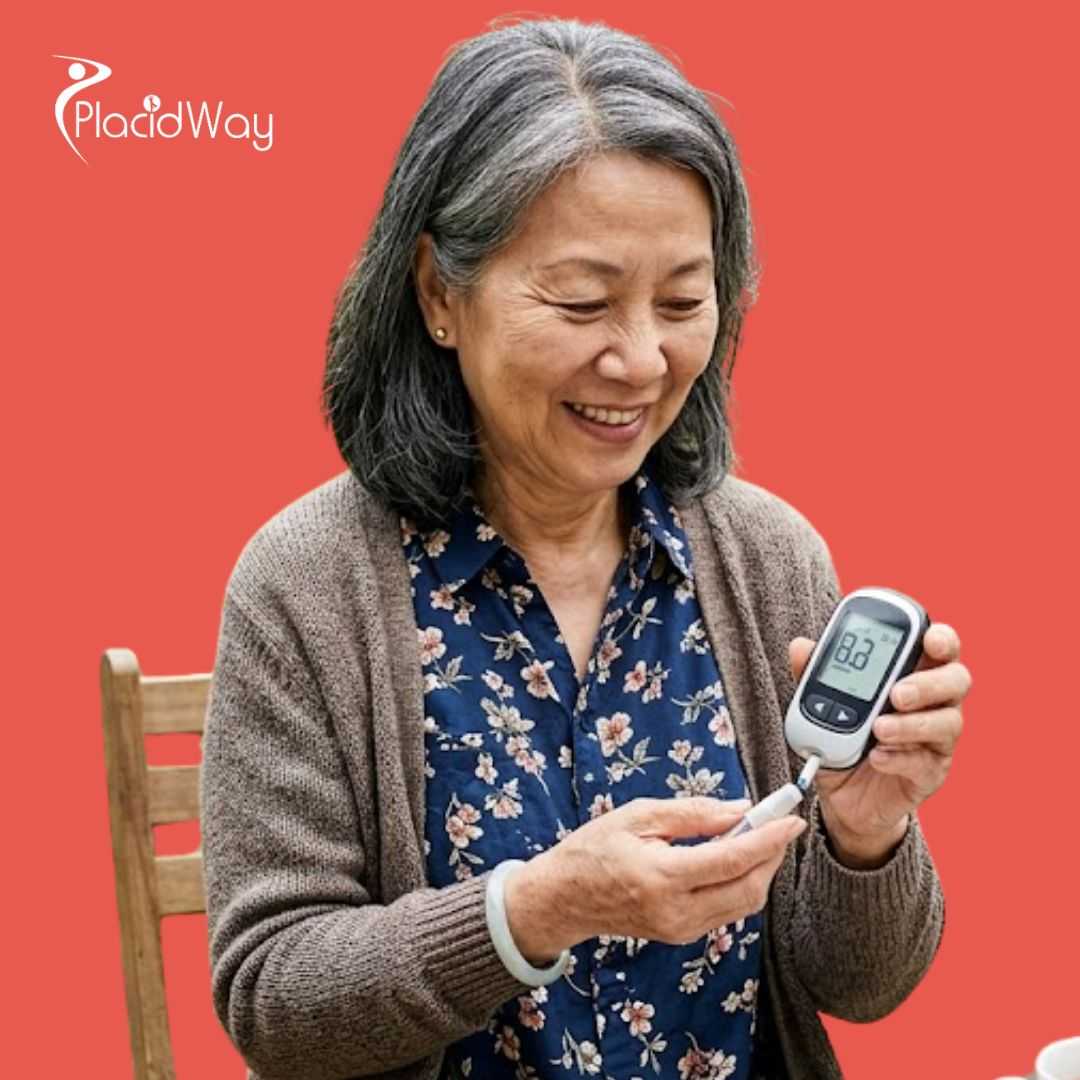
Price starting from $16,500
Stem Cell Therapy for Diabetes in Puerto Vallarta Mexico
- Stem Cell Treatment for Diabetes, Stem Cell Therapy
Puerto Vallarta, Mexico







