
What treatment


20+ Key FAQs on Obesity/Bariatric Surgery in Thailand
Questions About Obesity/Bariatric Surgery in Thailand? Start Here
Trusted Medical Tourism Platform Since 2007

Is Mini Gastric Bypass Surgery a Good Option for Weight Loss in Thailand?
Yes, Mini Gastric Bypass surgery in Thailand is an excellent option for medical tourists, offering world-class JCI-accredited hospitals and board-certified surgeons at 50-70% less than Western prices, typically ranging from $6,000 to $9,000. Struggling with obesity can be physically and emotionally draining, especially when diet and exercise fail to provide long-term results. For many, bariatric surgery is the most effective solution, but the prohibitive costs in countries like the USA, Australia, and the UK often make it inaccessible. This is where Mini Gastric Bypass surgery in Thailand has become a game-changer. Thailand is not just a holiday paradise; it is a global leader in medical tourism, renowned for its advanced healthcare infrastructure and highly skilled bariatric surgeons. Choosing to undergo this life-changing procedure in Bangkok or Phuket allows you to access premium medical care without the financial stress, often saving thousands of dollars while enjoying a recovery in a serene environment. In this comprehensive guide, we will answer every critical question you might have from safety records and surgeon qualifications to the exact costs and recovery protocols—helping you determine if traveling to the "Land of Smiles" for Gastric Bypass Surgery in Thailand is the right path for your health journey. What is Mini Gastric Bypass (MGB) surgery? “Mini Gastric Bypass is a simplified, minimally invasive weight loss surgery that creates a long narrow tube of the stomach and bypasses a portion of the intestine to reduce calorie absorption.” The Mini Gastric Bypass (MGB), also known as the One-Anastomosis Gastric Bypass (OAGB), is a powerful weight loss procedure. Unlike the traditional Roux-en-Y bypass, which requires two internal connections (anastomoses), the MGB requires only one. This makes the surgery faster, technically easier to perform, and often results in fewer complications. During the procedure, the surgeon divides the stomach to create a long, slender pouch and connects it to a loop of the small intestine, bypassing about 150 to 200 cm of the bowel. This restricts the amount of food you can eat and reduces the absorption of calories and nutrients, leading to significant and sustained weight loss. How much does Mini Gastric Bypass cost in Thailand? “The cost of Mini Gastric Bypass in Thailand typically ranges from $6,000 to $9,500, compared to $18,000 to $25,000 in the USA and $15,000 in Australia.” One of the primary drivers for medical tourism in Thailand is the cost efficiency. You are not paying for "cheap" surgery; you are paying for affordable excellence. In Western nations, surgeon fees, hospital charges, and insurance premiums drive prices up. In Thailand, lower operational costs allow hospitals to offer the same FDA-approved stapling devices and technology at a fraction of the price. Most packages in Thailand are comprehensive, covering the surgeon's fee, anesthesiologist, hospital stay (usually 3-4 nights), nursing care, and pre-op testing. Even when you factor in flights and a luxury hotel stay for recovery, the total expenditure for Gastric Bypass Surgery in Thailand is significantly lower than having the procedure domestically. Why is Mini Gastric Bypass cheaper in Thailand? “Lower labor costs, affordable malpractice insurance, and a competitive medical tourism market drive down prices in Thailand without compromising medical standards.” It is crucial to understand that low cost does not mean low quality. Thailand's economy allows for lower wages for support staff and lower facility maintenance costs. Additionally, malpractice insurance—a massive expense for US doctors—is much more reasonable in Thailand, and these savings are passed directly to the patient. Furthermore, the sheer volume of medical tourists visiting cities like Bangkok has created a competitive market. Top hospitals compete for international patients by offering state-of-the-art facilities and attractive packages, ensuring you get VIP treatment for a standard price. Are Thai hospitals safe for bariatric surgery? “Yes, Thailand boasts over 60 JCI-accredited hospitals, the gold standard in global healthcare, ensuring strict safety protocols and hygiene standards comparable to the US.” Safety is the top concern for any patient traveling abroad. Thailand was the first country in Asia to achieve Joint Commission International (JCI) accreditation, which is the same accreditation held by prestigious US hospitals like the Mayo Clinic. JCI hospitals in Thailand undergo rigorous inspections regarding patient safety, infection control, and surgical outcomes. When choosing a clinic for your Gastric Bypass Surgery in Thailand, always look for the JCI seal. These facilities utilize modern operating theaters with HEPA filters and the latest laparoscopic equipment, minimizing the risk of infection and ensuring a safe surgical environment. What are the qualifications of bariatric surgeons in Thailand? “Top Thai bariatric surgeons are often board-certified, with many having completed fellowships or specialized training in the USA, UK, or Australia.” The expertise of your surgeon is paramount. In Thailand, bariatric surgery is a specialized field. Many leading surgeons have studied abroad and are fluent in English, removing the communication barrier. They are experienced in performing thousands of laparoscopic procedures, which significantly reduces the learning curve associated with complex surgeries. Before booking, you can request the surgeon's CV. Look for memberships in international organizations such as the IFSO (International Federation for the Surgery of Obesity). This ensures they are up-to-date with the latest global techniques and safety guidelines. Mini Gastric Bypass vs. Gastric Sleeve: Which is better? “MGB typically offers greater weight loss and better diabetes remission than the Sleeve, but it carries a slight risk of bile reflux that the Sleeve does not.” Patients often debate between the Gastric Sleeve (VSG) and the Mini Gastric Bypass. The Sleeve is purely restrictive (makes the stomach smaller), while the MGB is both restrictive and malabsorptive. Because the MGB bypasses part of the intestine, it is generally more effective for patients with a higher BMI (over 45) or those with uncontrolled Type 2 diabetes. However, the MGB can cause bile reflux in some patients, whereas the Sleeve can cause acid reflux (GERD). Your Thai surgeon will evaluate your medical history, eating habits, and weight loss goals to recommend the procedure that best suits your body type. How much weight will I lose with MGB surgery? “Patients typically lose 70% to 80% of their excess body weight within the first 12 to 18 months after Mini Gastric Bypass surgery.” The weight loss results from MGB are impressive and often superior to the standard Gastric Sleeve. Most significant weight loss occurs in the first year, provided the patient adheres to the dietary guidelines. Many patients also see an immediate improvement in obesity-related conditions like high blood pressure, sleep apnea, and joint pain. It is important to remember that surgery is a tool, not a magic wand. Long-term success depends on permanent lifestyle changes. Thai hospitals provide nutritional counseling to help you transition to your new lifestyle effectively. What is the recovery time for MGB in Thailand? “Most patients stay in the hospital for 3 nights and remain in Thailand for another 7-10 days for follow-up before flying home, returning to light work within 2 weeks.” Because the Mini Gastric Bypass is performed laparoscopically (using small keyhole incisions), recovery is relatively quick. You will likely be up and walking the same day as surgery to prevent blood clots. Pain is usually managed well with medication. After discharge, you will stay in a nearby hotel. This period is crucial for ensuring there are no leaks or complications before you board a long-haul flight. Many patients enjoy relaxing by the hotel pool or exploring light local attractions during this recovery phase. Can Mini Gastric Bypass be reversed? “Yes, one advantage of the Mini Gastric Bypass is that it is technically easier to reverse or convert to a standard bypass than many other bariatric procedures.” While reversal is rare and should not be the intent when entering surgery, the MGB anatomy allows for revision if necessary. If a patient experiences severe malnutrition or intractable bile reflux, a surgeon can revise the procedure. This "exit strategy" provides peace of mind for many patients choosing this specific surgery type. However, reversal requires a skilled surgeon. If you are concerned about long-term risks, discuss this thoroughly with your Thai doctor during the consultation. What are the risks and complications of MGB? “Potential risks include vitamin deficiencies, bile reflux, marginal ulcers, and standard surgical risks like infection, though serious complications are rare in experienced hands.” Like major surgery, MGB carries risks. The most specific risk to this procedure is bile reflux gastritis, which can occur if bile flows back into the stomach pouch. While rare, it can be uncomfortable. To mitigate this, surgeons create a long pouch to distance the stomach from the bile loop. Nutritional deficiency is another factor. Because the surgery bypasses part of the intestine, you will need to take bariatric multivitamins, calcium, and iron for the rest of your life. Thai hospitals will provide you with a starter pack and a detailed prescription to take home. Does insurance cover bariatric surgery in Thailand? “Most Western health insurance policies do not cover medical tourism or elective surgeries abroad, so you should expect to pay out-of-pocket.” For the majority of patients from the US, UK, or Australia, insurance will not pay for Gastric Bypass Surgery in Thailand. This is a self-pay procedure. However, because the cost is so low—often less than the co-pay or deductible for surgery in the US as it remains a financially viable option. Some specialized medical travel insurance policies cover complications arising from medical tourism. It is highly recommended to purchase medical complication insurance before your trip to protect yourself against unforeseen hospital costs. What is the pre-op diet requirement? “Surgeons typically require a strict liver-shrinking diet (low fat, low carb) for 2 to 3 weeks before surgery to make the procedure safer and easier.” Before you even fly to Thailand, your preparation begins. A liver reduction diet is critical. Obesity often causes a fatty, enlarged liver, which sits right on top of the stomach. Shrinking the liver allows the surgeon to access the stomach safely without risking damage to the liver. Your Thai clinic will send you a diet plan via email. Cheating on this diet can lead to the cancellation of your surgery if the liver is too large to operate on safely, so compliance is mandatory. What should I pack for my surgery trip to Thailand? “Pack loose, comfortable clothing, slip-on shoes, your medical records, a tablet for entertainment, and any regular medications you take.” Comfort is key. After surgery, your abdomen will be swollen and tender, so tight waistbands are a no-go. Bring loose dresses or elasticated shorts. Since Thailand is hot and humid, breathable fabrics like cotton or linen are best. Don't forget to bring a medical summary from your GP at home, listing your medical history and current medications. Also, download plenty of movies or books, as you will be spending a fair amount of time resting in your hotel room post-op. Can I combine the surgery with a vacation? “Yes, but schedule your vacation activities *before* the surgery. After the procedure, your focus must be on rest, hydration, and light walking only.” Many people call this "Medical Tourism," but the emphasis should be on the "Medical." If you want to see the Grand Palace, visit beaches, or go shopping, do it before your surgery date. You will not feel like trekking or swimming with fresh incisions. Post-surgery, you can enjoy a "staycation" in a luxury resort, enjoying the view and the service, but physical exertion must be limited. This relaxing environment, however, is far superior to recovering in a stressful home environment. What happens if I have complications back home? “You must have a local GP or bariatric specialist willing to provide follow-up care. For emergencies, go to your local ER, carrying your Thai discharge summary.” Post-operative care is a partnership. Before you leave for Thailand, talk to your local doctor. Let them know your plans. While they may not perform the surgery, they can monitor your blood work and vitamin levels upon your return. Thai hospitals provide detailed English discharge summaries explaining exactly what was done. In the unlikely event of an emergency (like severe pain or vomiting) back home, this document is vital for the ER doctors to treat you effectively. Cost Comparison: Mini Gastric Bypass (Thailand vs USA vs Australia) Country Average Procedure Cost Wait Time Hospital Stay Thailand $6,000 - $9,500 Immediate (1-2 weeks) 3-4 Nights USA $18,000 - $25,000 Variable 1-2 Nights Australia $15,000 - $20,000 (AUD) 12+ Months (Public) 2-3 Nights UK (Private) £10,000 - £15,000 Weeks to Months 2-3 Nights Ready to Transform Your Life? Take the first step towards a healthier you. Compare top JCI-accredited bariatric hospitals in Thailand and get a free, no-obligation quote....
Read more details

How Much Does Gastric Bypass Cost in Bangkok?
Gastric bypass surgery in Bangkok, Thailand, typically costs between $10,000 and $15,000 USD. This price is a fraction of the cost in Western countries and usually includes the surgical procedure, hospital stay, and initial post-operative care. Gastric bypass surgery is a proven and effective option for long-term weight loss, especially for individuals with a high Body Mass Index (BMI) and obesity-related health issues. For many, the high cost of the procedure in their home country, such as the United States or Australia, is a major barrier. This has led to a rise in medical tourism, with Bangkok, Thailand, becoming a premier destination for bariatric surgery. Known for its world-class hospitals and experienced surgeons, Bangkok offers a compelling combination of quality, affordability, and a serene environment for recovery. However, understanding the exact financial details of gastric bypass surgery in Bangkok can be a challenge. Pricing models can differ between hospitals, and what is included in one package may not be in another. This guide is designed to provide a clear and realistic overview of the financial aspects of gastric bypass surgery in Thailand for 2025. We will break down the factors that influence the total price, compare costs to other countries, and provide a clear picture of what you can expect to pay for this life-changing procedure. What is the average cost of gastric bypass surgery in Bangkok? "The average cost of gastric bypass surgery in Bangkok ranges from approximately $10,000 to $15,000. This is a general estimate, as the price can vary based on the hospital, the surgeon's fee, and the specific surgical technique used, such as laparoscopic or robotic-assisted." The cost of gastric bypass in Bangkok is significantly lower than in many Western nations, where the same procedure can cost upwards of $25,000 to $35,000. This is one of the main reasons patients travel to Thailand for bariatric surgery. The price in Bangkok is also influenced by the hospital's reputation and facilities. Prestigious, internationally-accredited hospitals like Bumrungrad International Hospital and Bangkok Hospital may be at the higher end of the price range, while other reputable clinics might offer more competitive rates. It is important to remember that a higher price often corresponds to a more comprehensive package and a more established, internationally-recognized medical facility. What's included in a typical gastric bypass surgery package? "A typical gastric bypass surgery package in Bangkok is often all-inclusive. It usually covers the surgeon and anesthetist fees, the hospital stay (typically 3-5 nights), the use of the operating room, and standard pre- and post-operative care, including initial medications and follow-up consultations." The transparency of a package price is a major benefit of getting surgery in Thailand. Instead of receiving multiple bills, you get a single quote that covers most aspects of your treatment. A standard package for gastric bypass will generally include: All pre-operative evaluations and tests, such as blood work and a physical exam. The surgical procedure performed by a specialist bariatric surgeon. The fees for the surgical team, including the anesthetist. A hospital stay, which typically ranges from 3 to 5 nights, including accommodation, food, and nursing care. The cost of the operating room and medical supplies. Medications administered during the hospital stay. Initial post-operative follow-up appointments with the surgeon. Some higher-end packages may also include airport transfers and luxury hotel stays for post-operative recovery, offering a more complete medical tourism experience. How does the cost compare to the US, UK, and Australia? "The cost of gastric bypass surgery in Bangkok is significantly lower than in Western countries. While the procedure can cost $25,000-$35,000 in the USA, $15,000-$20,000 in the UK, and $20,000-$30,000 in Australia, the price in Bangkok is often a third of the cost, making it a viable and attractive option for patients without insurance coverage." The price difference is a key factor driving medical tourism. Here is a general comparison of costs for gastric bypass surgery: Country Estimated Cost Range (USD) United States $25,000 - $35,000 United Kingdom $15,000 - $20,000 Australia $20,000 - $30,000 Bangkok, Thailand $10,000 - $15,000 This price advantage does not come at the expense of quality. Many Thai hospitals use modern technology and have surgeons trained internationally, offering the same level of care and expertise as their Western counterparts. What factors influence the final price of gastric bypass surgery? "The final cost of gastric bypass surgery can be influenced by the complexity of the case, the surgical approach (laparoscopic vs. open), the patient's BMI and overall health, and the hospital's specific pricing for additional services or a longer hospital stay if complications arise." It is important to understand that your specific case may fall outside the average price range. Patient's BMI: A higher BMI or pre-existing conditions like diabetes or heart disease may require more complex care and a longer hospital stay, increasing the total cost. Surgical Technique: While most gastric bypass surgeries are performed laparoscopically, some complex cases may require an open surgery approach, which can change the price. Similarly, new robotic-assisted techniques are sometimes available at a higher cost. Hospital and Surgeon: As mentioned, the reputation of the hospital and the experience of the surgeon will impact the price. Surgeons with a long track record of successful bariatric procedures may charge a higher fee. Always request a personalized quote based on a thorough medical evaluation. Is gastric bypass surgery in Bangkok covered by insurance? "In most cases, gastric bypass surgery performed abroad is not covered by health insurance policies in the United States, the UK, or Australia. Patients should assume this will be an out-of-pocket expense and plan their finances accordingly. It is crucial to check with your specific insurance provider before traveling." Most health insurance policies do not provide coverage for elective procedures performed outside the home country. This is a key reason that medical tourism for bariatric surgery is so popular, as patients are already facing a large out-of-pocket expense at home and can save tens of thousands of dollars by traveling to a destination like Bangkok. It is essential to have clear communication with your insurance provider to avoid any unexpected surprises. What about pre-operative and post-operative care costs? "Most packages for gastric bypass surgery in Bangkok include the cost of pre-operative tests and initial post-operative consultations. However, costs for long-term follow-up care, medications after hospital discharge, and any nutritional or psychological counseling may not be included and should be factored into your total budget." A successful bariatric surgery journey requires a long-term commitment. While the initial package covers the procedure, you must consider the costs of your recovery and follow-up. This may include: Specialized diet and nutrition: You will need to purchase specific foods, protein supplements, and vitamins. Long-term follow-up: You will need to consult with your doctor and nutritionist regularly, and these appointments may not be included in the initial package. Travel and accommodation: The costs of flights, hotel stays for a recovery period, and local transportation for you and any companions should be part of your financial planning. It is wise to budget an additional 20-30% of the procedure cost for these supplementary expenses. What is the typical recovery time in Bangkok? "The typical hospital stay after gastric bypass surgery is 3-5 days. Doctors usually recommend that patients remain in Bangkok for an additional 1-2 weeks after discharge to recover, attend follow-up appointments, and ensure they are stable for international travel." A successful recovery is just as important as a successful surgery. After your hospital discharge, it's recommended to stay in Bangkok to recover in a comfortable environment and be close to your medical team. This period allows you to adjust to your new diet, begin to see initial weight loss results, and ensure there are no complications before a long flight home. Many medical tourism packages include a hotel stay for this recovery period to ensure you have a stress-free experience. For help finding the right hospital and surgeon for your gastric bypass surgery in Bangkok, PlacidWay can help. We connect patients with internationally-accredited hospitals and experienced specialists, ensuring you receive the highest quality of care for your medical journey....
Read more detailsShare with AI
Share this page with AI assistants to get summaries and insights


Explore Obesity Bariatric Surgery: Stories, Testimonials, and Procedures
Watch in-depth videos covering everything from Obesity Bariatric Surgery success stories to detailed procedure explanations. Learn what to expect and hear from real patients.

Sleeve Gastrectomy Surgery at Bangkok Hospital Pattaya
Obesity/Bariatric Surgery
Bangkok Hospital Pattaya
Pattaya, Thailand

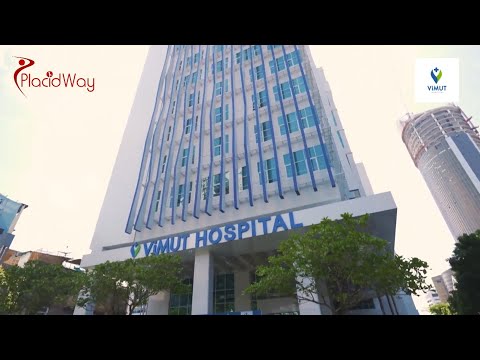
Vimut Hospital: Your Premier Multi-Specialty Healthcare Hub in Bangkok, Thailand
Cosmetic/Plastic Surgery
Vimut Hospital
Bangkok, Thailand
Unlock the Best Obesity Bariatric Surgery Packages Just for You
Discover the ultimate Obesity Bariatric Surgery packages designed to meet your health and wellness goals. Choose the perfect fit for your journey.
.png)
Price starting from $3,900
Gastric Bypass in India by Currex Hospital
Currex Hospital - Multispecialty Hospital in Bengaluru, India
- Obesity/Bariatric Surgery
Bengaluru, India

Price starting from $4,500
Gastric Balloon Package in Tijuana, Mexico by Hospital CYNTAR
Hospital CYNTAR in Tijuana, Mexico
- Obesity/Bariatric Surgery
Tijuana, Mexico

Price starting from $9,500
Gastric Bypass Package in Tijuana, Mexico by Hospital CYNTAR
Hospital CYNTAR in Tijuana, Mexico
- Obesity/Bariatric Surgery
Tijuana, Mexico

Price starting from $5,500
Obesity Surgery in Thailand
PlacidWay Asia Medical Tourism
- Obesity/Bariatric Surgery
, India
Transformative Obesity Bariatric Surgery Experiences: Dive into Procedure Insights
Discover the power of Obesity Bariatric Surgery through compelling patient experiences. Uncover detailed insights into procedures, recovery journeys, and life-changing results.
.png)
.png)
.png)
.png)
Price starting from $6,899
Gastric Sleeve in Ensenada, Mexico
- Sleeve Gastrectomy, Obesity/Bariatric Surgery
Ensenada, Mexico







