


Coping Strategies for Weight Loss Surgery in Turkey
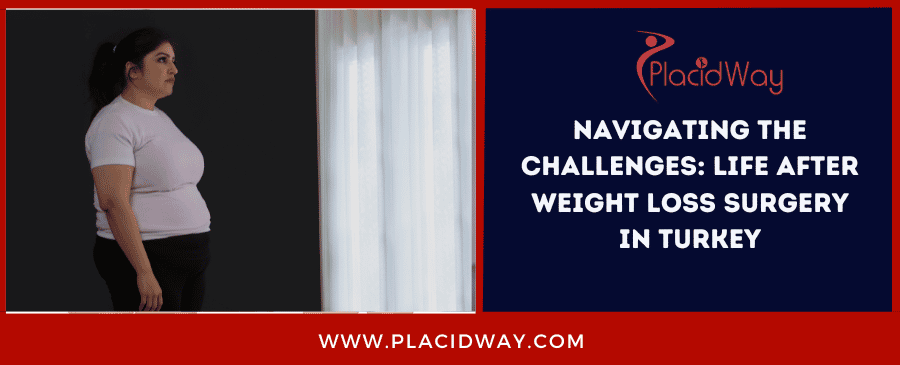
Life after Weight Loss Surgery in Turkey demands strict dietary changes, daily vitamins, and regular exercise. While patients enjoy rapid weight reduction, they must actively manage emotional adjustments and potential loose skin during recovery.
Key Takeaways: Thriving After Bariatric Surgery
- Dietary Transformation: Success relies on strict portion control and prioritizing high-protein meals.
- Lifelong Supplementation: Daily bariatric vitamins are non-negotiable to prevent serious deficiencies.
- Psychological Adaptation: Managing body image shifts and food relationship changes requires conscious effort.
- Physical Maintenance: Regular cardiovascular and strength training prevents muscle loss during rapid weight reduction.
- Structured Aftercare: Engaging with medical support teams ensures long-term health and weight maintenance.
What dietary changes are required after Weight Loss Surgery in Turkey?
Patients must transition through liquid, pureed, and soft food stages before resuming a modified solid diet. This progressive approach ensures the stomach heals properly while maximizing early nutritional intake.
The immediate post-operative phase requires complete dedication to a clear liquid diet, which gradually shifts to full liquids like protein shakes and thin broths. This initial phase is critical for allowing the internal surgical staple lines to heal without being subjected to mechanical stress. Patients must learn to sip liquids slowly throughout the day, as gulping can induce painful spasms and severe nausea.
As the weeks progress, patients enter the pureed and soft food stages, where the focus drastically shifts to protein consumption. Because the stomach capacity is severely restricted, every bite must carry nutritional value. Lean meats, eggs, and soft cheeses become the primary focus of every meal. Carbohydrates and fibrous vegetables are introduced much later, as they can cause premature fullness and displace vital protein necessary for muscle preservation.
In the long term, successful patients adopt a disciplined approach to eating known as mindful consumption. This involves chewing food up to thirty times per bite, eating meals that last no longer than twenty minutes, and strictly separating liquids from solids. Drinking fluids during meals washes food out of the stomach pouch too quickly, leading to early hunger and undermining the restrictive mechanics of the operation.
How do patients manage loose skin following Weight Loss Surgery in Turkey?
Managing excess skin involves a combination of strength training, proper hydration, collagen supplementation, and eventually body contouring procedures. While non-surgical methods help, surgical removal remains the most definitive solution.
- Progressive Strength Training: Building underlying muscle mass helps fill out mild to moderate skin laxity. Focusing on hypertrophy training creates a firmer foundation beneath the shrinking fat layers.
- Optimal Hydration Practices: Drinking excessive amounts of water improves overall skin elasticity. Well-hydrated skin retains slightly more structural integrity during periods of rapid volume loss.
- Targeted Supplementation: High-quality collagen peptides and daily vitamin C aid in tissue repair. While they will not reverse severe sagging, they promote the overall health and resilience of the dermal layers.
- Medical Compression Garments: Wearing specialized compression clothing during the initial weight reduction phase provides mechanical support to heavy tissues, preventing excessive pulling and friction-related skin irritation.
- Post-Bariatric Body Contouring: Once weight has stabilized for six months, many patients return to a trusted plastic surgeon for procedures like a tummy tuck, thigh lift, or brachioplasty to surgically excise the redundant tissues.
Skin elasticity is highly dependent on genetics and age. Younger patients with a history of carrying excess weight for a shorter duration often experience significantly better natural skin retraction than older patients.
What is the average Weight Loss Surgery cost in Turkey compared to other countries?
The Weight Loss Surgery cost in Turkey typically ranges from three thousand to five thousand dollars. This represents a massive savings compared to the exorbitant prices found in North America or Western Europe.
| Destination Country | Average Procedure Cost | Package Inclusions |
|---|---|---|
| Turkey | $3,000 - $5,000 | Surgery, Hotel, VIP Transfers, Dietitian Support |
| United States | $15,000 - $25,000 | Surgery Only (Additional fees for anesthesia/hospital) |
| United Kingdom | $10,000 - $14,000 | Surgery and Standard Hospital Stay |
| Mexico | $4,500 - $6,500 | Surgery, Hotel, Ground Transportation |
The financial accessibility of bariatric care in this region has completely revolutionized global healthcare options. Patients struggling to secure insurance coverage in their home countries find that paying out of pocket internationally is actually more affordable than meeting domestic medical deductibles. This price disparity is primarily due to lower operational costs, favorable exchange rates, and heavy government subsidies for healthcare infrastructure.
Furthermore, the standard Weight Loss Surgery cost in Turkey is usually presented as a comprehensive, all-inclusive package. This means the quoted price covers the pre-operative laboratory tests, the surgical procedure, anesthesia, multiple nights of hospital hospitalization, and post-operative medications. These transparent billing models eliminate the crippling anxiety of unexpected hospital invoices that frequently plague patients in Western medical systems.
Despite the lower price point, the quality of medical care remains uncompromisingly high. The medical facilities utilize identical FDA-approved surgical staplers, advanced laparoscopic towers, and rigorous sterilization protocols found in elite global hospitals. You are essentially paying for high-tier medical expertise minus the extreme administrative markups characteristic of privatized Western healthcare.
How do emotional changes impact life after Weight Loss Surgery in Turkey?
Rapid physical transformation often triggers complex emotional responses including body dysmorphia, relationship shifts, and mood swings. Acknowledging these psychological shifts is crucial for long-term bariatric success.
The psychological impact of rapid massive weight reduction is profound and frequently underestimated by patients. As adipose tissue breaks down quickly, it releases stored estrogen and other hormones directly into the bloodstream. This sudden hormonal influx can cause intense mood swings, crying spells, and uncharacteristic emotional volatility during the first few months of recovery. Understanding that this is a temporary biological process helps patients navigate the initial turbulence.
Another significant challenge is the development of body dysmorphia. The mind often takes much longer to adapt to the new physical reality than the body does to change. Patients may continue to perceive themselves as heavily overweight, unconsciously buying clothing several sizes too large or feeling intense anxiety in social situations. This cognitive dissonance requires immense patience and sometimes professional cognitive behavioral therapy to overcome.
Finally, the surgical removal of food as a primary coping mechanism forces patients to confront underlying emotional traumas. Without the ability to binge eat during times of stress, individuals must actively develop entirely new, healthier coping strategies. Cultivating new hobbies, joining dedicated bariatric support groups, and maintaining open communication with loved ones are vital steps in building a resilient post-operative mindset.
What vitamin supplements are necessary after Weight Loss Surgery in Turkey?
Bariatric patients require lifelong supplementation of multivitamins, calcium, iron, and B12 to prevent severe nutritional deficiencies. The altered digestive anatomy significantly reduces the natural absorption of these crucial nutrients.
- Bariatric Specific Multivitamins: Standard over-the-counter vitamins are insufficient. Patients require highly concentrated, easily absorbable chewable or liquid bariatric multivitamins that contain massive doses of essential micro-nutrients.
- Calcium Citrate: Because the digestive tract is altered, standard calcium carbonate is poorly absorbed. Calcium citrate is required daily to prevent early onset osteoporosis and severe bone density deterioration.
- Iron Supplements: The bypass of the upper intestine limits the body's natural ability to extract iron from food. Dedicated iron supplementation, combined with Vitamin C for absorption, is crucial to prevent chronic anemia and relentless fatigue.
- Vitamin B12 Injections or Sublinguals: The stomach pouch produces significantly less intrinsic factor, a protein strictly required to process dietary B12. Patients must use sublingual drops or monthly injections to prevent irreversible neurological damage.
- Vitamin D3: High doses of Vitamin D are essential for facilitating calcium absorption and regulating immune function. Most bariatric patients require continuous supplementation to keep their serum levels within an optimal clinical range.
How soon can patients resume exercise after Weight Loss Surgery in Turkey?
Light walking should begin immediately post-surgery, while strenuous activities and heavy lifting must be delayed for six to eight weeks. A gradual return to fitness protects the surgical incisions and promotes healthy cardiovascular adaptation.
Movement must begin on the very day of surgery. Nurses will assist patients out of bed to walk the hospital corridors just hours after waking from anesthesia. This immediate mobilization is not for calorie burning, but is an absolutely critical medical intervention to prevent life-threatening blood clots in the legs and to encourage trapped surgical gas to dissipate from the abdominal cavity.
During the first month at home, exercise should be strictly limited to gentle, frequent walking. Attempting high-impact aerobics or lifting weights prematurely puts dangerous tension on internal staple lines and external laparoscopic incisions. The focus during this phase is simply establishing a daily routine of movement and gradually increasing cardiovascular endurance as the body recovers from the trauma of surgery.
Once formally cleared by the surgical team, usually around the six-week mark, patients should aggressively transition into a structured fitness routine. Incorporating resistance training becomes paramount. Because the body is in a massive caloric deficit, it will naturally try to burn muscle tissue for energy. Lifting weights signals the brain to preserve muscle mass, ensuring that the weight lost is primarily stored fat rather than functional lean tissue.
Swimming is considered one of the absolute best exercises for bariatric recovery because it provides total-body resistance without placing any jarring impact on vulnerable joints that are already stressed from previous heavy weight bearing.
What are the signs of complications after returning from a Weight Loss Surgery clinic in Turkey?
Warning signs include persistent fever, severe abdominal pain, inability to keep liquids down, and sudden shortness of breath. Identifying these symptoms early allows for prompt medical intervention and prevents severe post-operative emergencies.
- Persistent Fever and Chills: A temperature spiking above normal levels can indicate a severe internal infection or a highly dangerous staple line leak that requires immediate emergency diagnostic imaging.
- Unrelenting Nausea and Vomiting: While mild nausea is common early on, the complete inability to hold down tiny sips of water leads to rapid, severe dehydration and may indicate a physical stricture or blockage.
- Sudden Chest Pain or Shortness of Breath: These are critical red flag symptoms of a pulmonary embolism, a highly dangerous condition where a blood clot travels to the lungs. This requires an immediate emergency room visit.
- Incision Site Abnormalities: Any laparoscopic incision site that becomes excessively hot to the touch, violently red, or begins draining thick, foul-smelling fluid indicates a localized skin infection requiring targeted antibiotics.
- Severe Left Shoulder Pain: Surprisingly, intense pain radiating specifically to the left shoulder blade can be referred nerve pain indicating fluid leakage from the stomach into the abdominal cavity.
Before leaving your chosen Weight Loss Surgery clinic in Turkey, ensure you have a clear emergency protocol documented and contact numbers for your local healthcare providers mapped out just in case you need rapid domestic assistance.
How does medical tourism in Turkey support long-term bariatric recovery?
Leading providers of medical tourism in Turkey offer comprehensive aftercare programs including virtual nutritionist consultations and long-term milestone tracking. This ongoing digital support bridges the geographic gap between patient and surgeon.
The landscape of international healthcare has evolved dramatically, shifting away from transactional surgeries to comprehensive longitudinal care. Modern bariatric facilities recognize that surgery is merely a singular physical intervention, whereas actual weight loss is a lifelong psychological and behavioral journey. To support this, top institutions utilize advanced telemedicine platforms to conduct routine post-operative check-ins across global time zones.
Patients participating in these medical programs receive access to dedicated dietitians who review blood work results transmitted from the patient's home country. This allows the international medical team to adjust vitamin dosages accurately and tweak macronutrient goals as the patient hits plateaus. This continuity of care ensures that patients never feel abandoned once they board their flight home.
Furthermore, many clinics facilitate massive online community groups exclusively for their international alumni. These digital spaces allow patients from the United Kingdom, the United States, and Australia to share recipes, vent about common struggles, and celebrate non-scale victories together. This peer-to-peer psychological support network is an invaluable asset for maintaining long-term motivation and adherence to the strict bariatric lifestyle.
Why Choose PlacidWay for Weight Loss Surgery in Turkey?
PlacidWay serves as your premier global healthcare companion by providing access to internationally accredited bariatric centers and verified surgical specialists. We ensure complete transparency and exceptional medical standards throughout your journey.
- Strict Hospital Vetting: We partner exclusively with medical facilities holding prestigious accreditations like JCI, ensuring they adhere strictly to the highest global standards for patient safety and rigorous sterilization protocols.
- Transparent Pricing Models: We completely eliminate hidden hospital fees by providing comprehensive, all-inclusive medical quotes upfront. You will know exactly what your medical treatments, diagnostics, and surgical fees entail before making any financial commitments.
- Dedicated Patient Advocacy: Our patient coordinators act as your personal health advocates, bridging communication gaps and ensuring your specific medical concerns are thoroughly addressed by the surgical team prior to your procedure.
- Medical Record Coordination: We securely handle the transfer of your domestic medical history, pre-operative lab results, and psychological evaluations directly to your chosen international surgeon for highly accurate preliminary assessments.
- Post-Treatment Communication Support: We facilitate seamless ongoing communication between you and your international medical providers after you return home, ensuring you have reliable access to post-operative guidance and long-term nutritional advice.
Frequently Asked Questions About Bariatric Procedures
How long should I stay in Istanbul after my bariatric procedure?
Most bariatric surgeons recommend staying in the country for at least seven to ten days following your operation. This timeframe allows your medical team to monitor your initial recovery, remove any drainage tubes, and ensure you can tolerate a liquid diet before taking a long flight home. Early departure increases the risk of undetected complications.
Can I drink alcohol after a gastric sleeve procedure?
Alcohol consumption must be strictly avoided for at least six months post-surgery. After your stomach size is reduced, alcohol is absorbed into your bloodstream at an exceptionally rapid rate, leading to severe intoxication from very small amounts. Furthermore, alcohol contains empty calories that can hinder your overall weight reduction goals and irritate the healing stomach lining.
Will I experience hair loss after my bariatric operation?
Temporary hair thinning, known as telogen effluvium, is incredibly common between three to six months post-operation. This occurs because your body redirects nutrients away from non-essential functions like hair growth during periods of rapid weight reduction and caloric deficit. Adhering strictly to your protein targets and taking prescribed biotin supplements will help your hair regrow fully within a year.
Is it safe to fly home shortly after stomach reduction surgery?
Flying is generally safe once your surgeon clears you, typically around day seven post-operation. To prevent deep vein thrombosis during your flight, you must wear medical compression socks, stay extremely hydrated, and walk the airplane aisle every hour. You should also request wheelchair assistance at the airport to avoid lifting heavy luggage or exhausting yourself.
What happens if I overeat after a gastric bypass?
Overeating after a bypass or sleeve procedure will cause severe physical discomfort, intense nausea, and potentially vomiting. Consistently ignoring your new physical fullness cues can eventually stretch the stomach pouch over time, leading to weight regain. It is crucial to eat mindfully, chew food thoroughly, and stop eating the moment you feel satisfied rather than stuffed.
Do international bariatric centers provide post-operative nutritional guidelines?
Reputable international bariatric centers provide extensive nutritional guidelines before you even depart for home. You will receive detailed meal plans covering the liquid, pureed, and soft food stages, along with long-term macronutrient targets. Many top-tier facilities also offer ongoing virtual consultations with their in-house dietitians to guide you through your transition to solid foods.
When is it safe to get pregnant after having bariatric surgery?
Medical professionals universally advise waiting at least eighteen to twenty-four months after bariatric surgery before attempting pregnancy. During the first year and a half, your body undergoes massive nutritional shifts and rapid weight reduction, which can create a hazardous environment for fetal development. Waiting ensures your weight stabilizes and your nutrient levels are sufficient to support a healthy pregnancy.
How much weight can I expect to lose in the first six months?
The first six months represent the rapid weight reduction phase, where patients typically lose fifty to seventy percent of their excess body weight. Individual results vary based on the specific procedure performed, initial body mass index, and strict adherence to post-operative dietary and exercise regimens. Consistent lifestyle changes are mandatory to maximize this critical window of opportunity.
Are carbonated drinks allowed after stomach reduction surgery?
Carbonated beverages should be avoided entirely for the rest of your life following stomach reduction surgery. The carbonation introduces excessive gas into the altered digestive tract, causing severe bloating, cramping, and pain. Furthermore, the constant pressure from carbonation bubbles can permanently stretch the newly formed stomach pouch, completely undermining the restrictive benefits of your surgical procedure.
What is dumping syndrome and how can I avoid it?
Dumping syndrome occurs when food, especially highly processed sugar, moves too quickly from the stomach into the small intestine, causing nausea, cold sweats, dizziness, and diarrhea. You can completely avoid this unpleasant experience by eliminating high-sugar foods from your diet, eating complex carbohydrates instead, and never drinking liquids within thirty minutes of consuming a solid meal.
Start Your Transformational Health Journey Today
* Receive a personalized medical assessment typically within 24 hours. Privacy strictly guaranteed.


.png)

.png)










Share this listing