
Mexico Tummy Tuck: Safety, Cost & Finding Surgeons
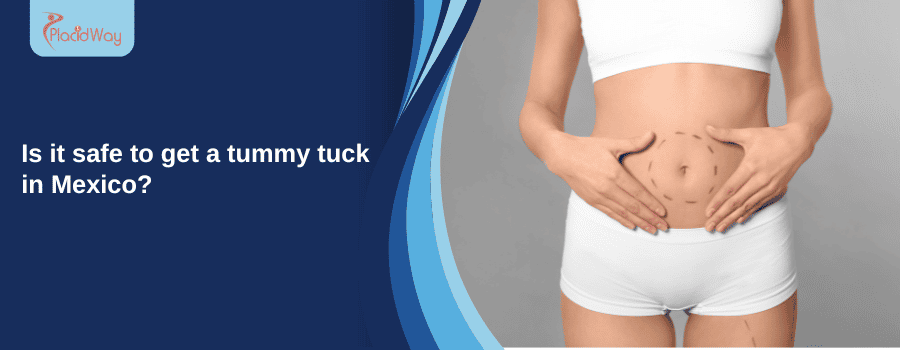
Deciding to undergo a tummy tuck in Mexico involves careful planning, particularly regarding your travel itinerary. Because abdominoplasty is a major surgical procedure that removes excess skin and tightens abdominal muscles, the initial recovery phase requires strict rest, limited mobility, and close medical supervision. Traveling long distances too soon can introduce unnecessary risks, making a well-planned extended stay vital for your health.
Understanding the exact timeline for healing, drain management, and follow-up care can help you arrange appropriate accommodations and time off from work. In this guide, we explore the physiological reasons behind the recommended stay, the dangers of early travel, and what you can expect during those crucial first two weeks post-operation.
Key Takeaways
- Plan for a 10 to 14-day stay: This timeframe is medically necessary for safe monitoring and drain removal.
- Medical clearance is required: Most airlines and surgeons require explicit medical approval before you can fly home.
- DVT is a primary concern: Long-distance travel must be delayed to mitigate the risk of deep vein thrombosis and blood clots.
- Restricted mobility: You will need to walk bent at the waist for the first week to avoid tension on the incision.
- A companion is highly recommended: Having a trusted adult to assist with basic daily tasks is crucial for a safe early recovery.
Why is a 10 to 14-day stay necessary after abdominoplasty?
An abdominoplasty is not a minor cosmetic tweak; it involves incisions that span from hip to hip, the suturing of abdominal wall muscles (muscle repair), and the repositioning of the umbilicus (belly button). In the days immediately following the procedure, your body is managing significant tissue trauma, fluid accumulation, and inflammation. Staying near your surgeon during this time allows them to assess your incision sites for early signs of infection, monitor fluid output, and ensure adequate blood supply to the healing skin flaps.
Furthermore, early post-operative complications, such as hematomas (blood collection under the skin) or seromas (fluid accumulation), most frequently occur within the first seven to ten days. Being in the same city as your operating surgeon means that if a complication arises, it can be treated immediately in a clinical setting by the professional who performed the surgery. Traveling home before this window closes leaves you vulnerable to seeking emergency care from local doctors who are unfamiliar with the specific nuances of your operation.
When is it medically safe to fly home after surgery?
- Surgeon's clearance: You must attend a final post-operative appointment where the surgeon officially clears you for travel, often providing a fit-to-fly certificate.
- Drain removal: Airlines and medical professionals generally prohibit flying with surgical drains still in place due to the risk of cabin pressure affecting fluid dynamics.
- Mobility requirements: You need to be able to stand, walk short distances, and navigate an airport without risking a fall or excessive strain on your abdomen.
- Pain management: You should be transitioning away from heavy prescription narcotics before flying, as these can impair your coordination and breathing during the journey.
- Incision stability: The initial healing of the primary incision must be stable enough to withstand the seated position required during a flight.
What are the risks of traveling too soon after a tummy tuck?
The most critical danger of flying or taking a long car ride immediately after abdominal surgery is Deep Vein Thrombosis (DVT). Surgery naturally triggers the body's clotting mechanisms. When you combine this physiological response with immobility in a cramped airplane seat, dehydration, and lower cabin oxygen levels, the risk of a blood clot forming in the legs increases substantially. If a clot breaks loose and travels to the lungs, it causes a pulmonary embolism, which is a life-threatening medical emergency.
Beyond vascular risks, traveling too soon puts mechanical stress on your healing body. Hauling luggage, sitting upright at a rigid 90-degree angle for hours, or navigating crowded transport hubs can cause the surgical sutures to tear. This can lead to wound dehiscence, where the incision opens up, inviting severe infection and necessitating additional surgery to correct.
Important Consideration: DVT Prevention
Even when cleared to fly at day 10 or 14, you should wear medical-grade compression socks, stay well-hydrated, and perform seated leg exercises or walk the airplane aisle every hour to maintain healthy blood circulation.
What happens during the first week of recovery in Mexico?
| Recovery Day | Typical Milestones |
|---|---|
| Days 1-2 | Overnight hospital stay. Intravenous pain management, vital sign monitoring, and assisted early walking to prevent clots. |
| Days 3-5 | Discharge to accommodation. Managing oral pain medications, emptying surgical drains, and strict bed rest in a flexed "V" position. |
| Days 6-8 | First major follow-up appointment. Surgeon checks incision integrity and assesses fluid output to determine if drains can be removed. |
| Days 9-14 | Drain removal (if fluid is low enough). Gradual improvement in mobility and pain. Final clearance for travel home. |
Throughout this first week, you will not be able to stand up straight. Because the abdominal skin has been pulled tight and the underlying muscles repaired, stretching out can tear the internal or external sutures. You will walk bent at the waist, which can cause secondary lower back pain. You will also wear a firm compression garment around your midsection 24 hours a day to minimize swelling and support the newly contoured tissues.
Will I need a companion to help me during my stay?
Following a tummy tuck, engaging your core muscles causes intense discomfort and poses a risk to your internal sutures. Simple tasks such as sitting up in bed, getting onto the toilet, showering, and preparing food become monumental challenges. A companion is necessary to help you physically maneuver, track your medication schedules, empty and record fluid from your surgical drains, and assist with hygiene.
If you cannot bring a friend or family member, some patients opt for specialized recovery houses. These facilities cater specifically to post-operative plastic surgery patients, providing 24-hour nursing care, prepared meals tailored to recovery, and transportation to follow-up appointments. Whether relying on a personal companion or professional staff, you should not attempt to recover alone in a hotel room.
How should I prepare my recovery accommodation?
- Sleeping arrangements: You must sleep with your upper body elevated and your knees bent to remove tension from the abdomen. If the hotel does not have a recliner chair, you will need a wedge pillow system or plenty of extra firm pillows to prop you up in bed.
- Accessibility: Ensure your room is on the ground floor or that the building has a reliable elevator. You should not be climbing stairs during the first two weeks.
- Bathroom setup: A walk-in shower is preferable to a bathtub. You may not be allowed to shower until your drains are removed, but once cleared, stepping over a high tub wall can be dangerous.
- Supplies in reach: Water, medications, healthy snacks, and a phone should be kept on a nightstand at waist level so you do not have to stretch or bend to retrieve them.
How does the drain removal process dictate my travel schedule?
Abdominoplasty creates a large space between the skin and the abdominal muscle wall. The body naturally fills this void with inflammatory fluid as it attempts to heal. Surgical drains—small silicone tubes placed under the skin—prevent this fluid from building up and causing seromas or infections.
Surgeons measure the daily fluid output, and they will only pull the drains once the body is producing minimal fluid (typically less than 25-30cc over a 24-hour period). Every patient heals at a different rate. While one patient may be ready for drain removal on day 7, another might need them until day 12. Because it is highly dangerous to fly with drains in place, and risky to have a local, unfamiliar doctor remove them at home, your travel itinerary must remain flexible enough to accommodate the fluid output timeline dictated by your own body.
What should I expect regarding the tummy tuck cost in Mexico and extended stays?
The overall tummy tuck cost in Mexico is often significantly lower than in the United States or Canada, which attracts many patients. However, to ensure a safe recovery, you cannot evaluate the cost based on the surgical fee alone. An extended stay of two weeks requires a comprehensive budget.
Patients should accurately estimate the daily rates for recovery houses or accessible hotel rooms. Additionally, you will need to account for pharmacy costs for post-operative medications, special compression garments, meals (including room service or grocery delivery), and local transportation between your hotel and the clinic for follow-up appointments. Cutting your trip short to save money on hotel nights directly compromises your safety and the final aesthetic outcome of the surgery.
What happens if complications arise before I leave Mexico?
This is the primary reason for staying the recommended 10 to 14 days. Complications like hematomas (which require surgical draining) or localized infections around the incision site usually manifest within the first week. If you are still close to your clinic, you can be readmitted or treated in-office by the medical team that performed the surgery.
Your operating surgeon knows precisely how they repaired your muscles and sutured your incisions, making them the most qualified professional to address any setbacks. If a complication arises and delays your healing, they may advise you to extend your stay in Mexico by a few extra days until you are medically cleared as fit to fly.
How do I manage aftercare once I return home?
Your recovery does not end when you board the plane. While the acute medical risks diminish after the first two weeks, it takes six to eight weeks for the internal muscle repair to stabilize, and up to a year for all residual swelling to resolve and scars to mature. You will likely be instructed to wear a compression garment day and night for four to six weeks to support the abdominal contour.
Before traveling for surgery, it is prudent to inform your local primary care doctor about your plans. Once home, if you develop an unexpected fever, worsening pain, or delayed wound healing, you should consult your local doctor immediately while keeping your international surgeon updated via telemedicine or email. Continuing a healthy diet, avoiding nicotine entirely, and slowly increasing your walking routine will support the final stages of your healing process.
Why Choose PlacidWay for Medical Tourism in Mexico?
Navigating international healthcare options requires careful research. PlacidWay assists patients in exploring medical tourism in Mexico through an accessible, informative platform.
- Extensive Network: Connects patients with a wide variety of medical facilities and specialized surgeons located across different regions of Mexico.
- Informative Profiles: Provides detailed provider profiles, highlighting medical credentials, clinic accreditations, and available treatments to aid your research.
- Transparent Estimates: Offers access to cost estimates and package inclusions so patients can budget effectively for both the procedure and the necessary extended stay.
- Direct Communication: Facilitates direct inquiries and communication between you and the international medical teams to discuss suitability and travel requirements.
- Educational Resources: Empowers patients with guides, articles, and checklists to help them make informed decisions regarding international medical care.
Frequently Asked Questions
Can I drive across the border instead of flying home?
Yes, driving across the border is possible and often preferred by patients living in border states, as it avoids cabin pressure changes. However, you still need to wait for medical clearance, usually 7 to 10 days, because prolonged sitting in a car increases DVT risk and puts pressure on your incision. You must have someone else drive while you recline, and you should stop every hour to walk.
Do I need to stay in a hospital the entire time?
No, you typically only stay in the hospital or surgical facility for 1 to 2 nights immediately following the surgery. After you are discharged, you will spend the remainder of your 10 to 14-day stay recovering in a suitable hotel or a specialized post-operative recovery house.
Is it safe to recover in a standard hotel room?
Recovering in a standard hotel is common, provided it has appropriate amenities. The room should have a recliner or plenty of extra pillows to help you sleep in a flexed position, accessible bathroom facilities, room service, and an elevator if it is not on the ground floor.
Can I combine a tummy tuck with a vacation in Mexico?
A tummy tuck is a major surgical procedure that requires significant rest and limits mobility. While you will be in a foreign destination, your time will be spent resting indoors, managing drains, and attending follow-up appointments. It should not be treated as a traditional sightseeing or beach vacation.
How long will the swelling last after I return home?
While the most acute swelling subsides within the first month, it is normal to experience mild to moderate swelling for three to six months. Compression garments help manage this, and swelling often fluctuates based on your daily activity levels.
What type of medical clearance do airlines require?
Many airlines require a fit-to-fly certificate from your surgeon after a major operation like an abdominoplasty. This document confirms that your risk for in-flight complications is managed and that your surgical drains have been safely removed.
Will a tummy tuck clinic in Mexico provide local transportation?
Many clinics that cater to international patients arrange private, comfortable transportation between the airport, the clinic, and your hotel. You should confirm these logistical details with your chosen provider before traveling.
How soon can I return to work after traveling back?
Most patients need a total of two to three weeks away from work. If you work a sedentary desk job, you may be able to return shortly after arriving home. Jobs requiring physical labor or prolonged standing will require a longer absence, typically four to six weeks.
What if I develop a fever after returning home?
A fever can be an early sign of an infection. If you develop a fever, increased pain, or unusual redness after returning home, you should immediately contact your local primary care physician or visit an urgent care center, and also notify your operating surgeon.
Can I bring my children with me during recovery?
It is highly discouraged to bring young children with you. During the first two weeks of recovery, you cannot lift anything heavier than 5 to 10 pounds, and you will require significant rest. Managing childcare while recovering from major abdominal surgery is not medically advisable.
Ready to Explore Your Options?
Compare treatment options, review provider credentials, and request detailed information to help you plan a safe and informed medical journey.
Request Treatment InformationReferences
- Tummy Tuck Recovery – American Society of Plastic Surgeons (ASPS)
- Blood Clots and Travel: What You Need to Know – Centers for Disease Control and Prevention (CDC)
- Patient Safety and Medical Travel Guidelines – International Society of Aesthetic Plastic Surgery (ISAPS)
- Abdominoplasty Aftercare – MedlinePlus, National Institutes of Health (NIH)
- Venous Thromboembolism Prophylaxis in Plastic Surgery – Aesthetic Surgery Journal (ASJ)
- Air Travel Advice and Health Risks – World Health Organization (WHO)



























Share this listing