
Affordable Full Mouth Restoration: Turkey's Prices
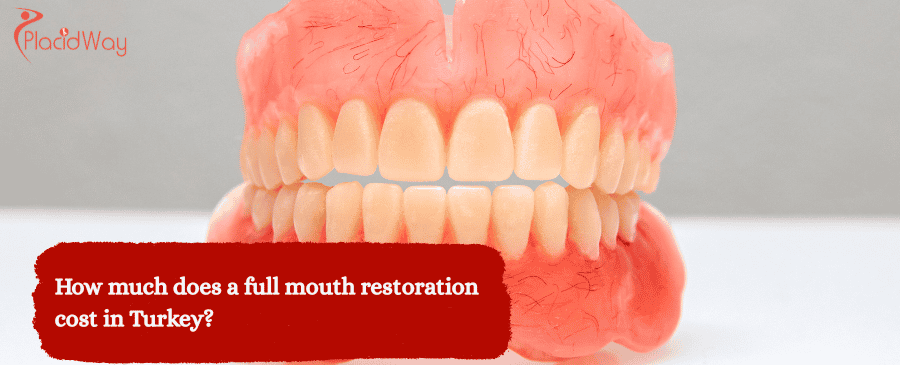
If you are struggling with extensive dental decay, multiple missing teeth, or severe wear and tear, you might be considering major dental work. Rebuilding an entire smile is a complex process, and the high prices in countries like the US, UK, and Canada often lead patients to look abroad. As a result, medical tourism in Turkey has grown significantly, particularly for complex dental procedures.
Understanding the costs, procedures, and risks associated with traveling for a full mouth restoration in Turkey is essential for making an informed, safe decision about your oral health.
Key Takeaways
- Total treatment estimates generally fall between $4,000 and $12,000, heavily dependent on the need for implants.
- A full restoration is a highly customized combination of crowns, bridges, implants, and periodontal care.
- Treatments involving dental implants usually require at least two separate trips spaced several months apart.
- Thoroughly vetting a full mouth restoration clinic in Turkey is critical to managing safety and infection risks.
- Securing a local dentist in your home country for ongoing maintenance and emergency aftercare is a necessary part of the process.
What exactly is a full mouth restoration?
Unlike a standard smile makeover—which primarily focuses on the cosmetic appearance of the front teeth—a full mouth restoration addresses the foundational health of your mouth. Dentists design these comprehensive plans to fix issues that cause pain, make eating difficult, or lead to jaw joint problems (TMJ).
Because no two mouths are the same, there is no single "standard" procedure. Your dentist will evaluate your jawbone density, gum health, and the condition of any remaining teeth. From there, they will outline a step-by-step approach. This could mean extracting unsalvageable teeth, placing implants where teeth are missing, and capping worn-down natural teeth with durable crowns.
Why is the price lower in Turkey compared to other countries?
When patients see the estimated full mouth restoration cost in Turkey, they often wonder if the price reflects lower medical standards. In reality, the pricing difference comes down to basic economics. Operating a dental clinic in Istanbul or Antalya involves significantly lower rent, utility costs, and staff wages than operating a clinic in London or New York.
Furthermore, currency exchange rates play a major role for patients paying in US Dollars, Euros, or British Pounds. While the overall cost is lower, it is vital to remember that not all clinics maintain the same standards. The savings can be substantial, but they should never come at the expense of proper sterilization, thorough diagnostics, and experienced dental professionals.
What specific treatments are included in this procedure?
A true restoration usually requires coordination across several areas of dentistry. Common components include:
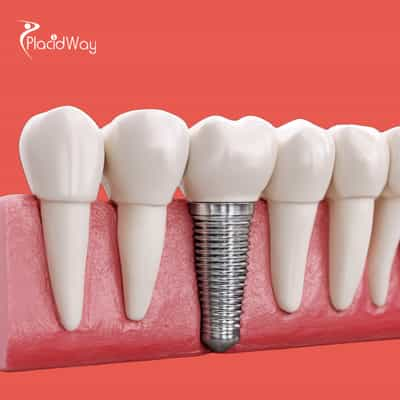
- Dental Implants: Titanium posts placed into the jawbone to act as artificial roots for missing teeth.
- Dental Crowns: Caps placed over damaged or decayed natural teeth to restore their shape, size, and strength.
- Bridges: Artificial teeth anchored in place by crowns on adjacent natural teeth or implants.
- Bone Grafting: Adding bone material to the jaw if it has deteriorated too much to support an implant.
- Periodontal Care: Deep cleaning or surgery to treat gum disease before restorative work can safely begin.
How many trips will I need for a complete restoration?
The timeline for your treatment is dictated by human biology, specifically the healing of bone. If you need teeth extracted and implants placed, your body needs time to undergo osseointegration—the process where the jawbone fuses to the titanium implant. This typically takes three to six months.
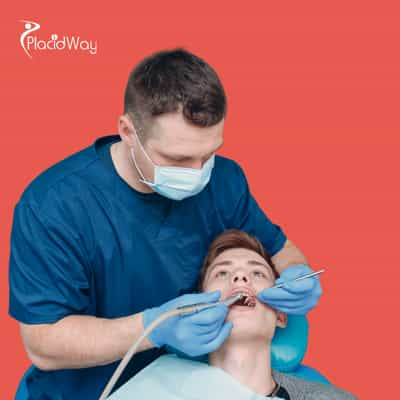
During the first trip, the dentist will handle extractions, bone grafting, and placing the implant posts. You will usually be fitted with temporary teeth so you do not have to return home with gaps in your smile. After the healing period, you will make a second trip to have the permanent, custom-made crowns or bridges attached to the implants. Trying to rush this process can significantly increase the risk of implant failure.
Are the dental materials used in Turkey of high quality?
Quality materials are crucial for the longevity of your restoration. Well-established clinics usually source their implants from major international manufacturers based in Switzerland, Germany, the US, or South Korea. Similarly, for crowns and veneers, they use premium ceramics and zirconia blocks milled in modern dental laboratories.
When discussing your treatment, ask the dentist which brands they use. Some clinics offer an "implant passport" or certification card that details the exact brand, lot number, and specifications of the materials placed in your mouth. Having this information is incredibly helpful for your local dentist back home if you ever need adjustments or repairs.
What are the medical risks of traveling for major dental work?
Every medical and dental procedure carries inherent risks, and combining major surgery with international travel adds another layer of complexity. If your bite is not aligned perfectly, it can lead to chronic jaw pain, headaches, or the fracturing of your new crowns. Infections can develop days or weeks after you return home.
Furthermore, flying shortly after extractions or implant surgery can cause discomfort, swelling, and bleeding due to changes in cabin pressure. It is generally advised to build in a few days of rest before flying back. Always disclose your full medical history, including any medications you take and conditions like diabetes or heart disease, as these can affect healing and your suitability for surgery.
How do I choose a safe clinic for this procedure?
Finding a reliable full mouth restoration clinic in Turkey requires diligent research. Start by checking the credentials of the specific dentists who will perform the work. Look for specialists; for example, prosthodontists specialize in restorations, while oral surgeons or periodontists specialize in implant placement.
You can ask the clinic about their sterilization protocols and whether they hold accreditations from international bodies like the Joint Commission International (JCI). Read reviews from multiple independent sources, and ask the clinic to see before-and-after photos of cases similar to yours. A reputable clinic will be transparent, answer medical questions thoroughly, and never pressure you into booking immediately.
Will I need to arrange local aftercare back home?
Your dental journey does not end when you step off the plane. Implants, crowns, and bridges require ongoing maintenance just like natural teeth. You will need routine X-rays and professional cleanings to prevent peri-implantitis (gum disease around an implant), which can cause the implant to fail.
Before you travel, it is highly recommended to speak with a local dentist in your hometown. Make sure they are comfortable taking over your routine care and maintenance once you return. Some local dentists may be hesitant to work on international dental work due to liability concerns or unfamiliarity with the specific implant systems used, so securing this relationship beforehand is a vital safety step.
Who is a good candidate for this extensive treatment?
A full restoration is a major physical undertaking. Ideal candidates are those whose daily lives are impacted by poor dental function but are otherwise healthy enough to undergo surgery. If implants are part of the plan, you must have enough bone in your jaw to support them. If you do not, you may require preliminary bone grafting.
There are contraindications to consider. Uncontrolled diabetes, autoimmune disorders, and treatments like radiation therapy to the head and neck can compromise healing and increase the risk of implant failure. Heavy smoking also drastically reduces the success rate of dental implants. A thorough evaluation by a qualified dental professional is the only way to determine if this treatment is appropriate for you.
Why Choose PlacidWay for Medical Tourism in Turkey?
Planning international healthcare requires access to clear, organized information. PlacidWay is a medical tourism platform designed to help patients research their options worldwide. Here is how the platform can assist you in your planning phase:
- Provides access to a large global network of dental clinics and healthcare providers.
- Allows you to compare clinic profiles, dentist qualifications, and facility details in one place.
- Facilitates direct communication between patients and international medical teams.
- Offers free educational resources and articles regarding medical tourism and dental procedures.
- Helps patients request customized treatment quotes to better understand potential costs before traveling.
Frequently Asked Questions
Does dental insurance cover full mouth restorations abroad?
Most standard domestic dental insurance plans do not cover treatments performed outside of your home country. However, you should check with your provider to see if they offer out-of-network reimbursement for international care, though this is rare.
How long does a full mouth restoration take to heal?
Healing times vary depending on the procedures involved. Simple crown placements may have little to no recovery time, while dental implants require three to six months for the bone to fuse to the implant (osseointegration) before final crowns can be attached.
Can I get all my teeth pulled and implants placed in one day in Turkey?
Some clinics offer "teeth in a day" procedures, where extractions and temporary implant loading happen simultaneously. However, not every patient has the bone density or health profile to safely undergo this rapid approach, and it requires careful assessment by a qualified dentist.
What is the difference between a full mouth restoration and All-on-4?
All-on-4 is a specific technique using four implants to support a full arch of false teeth. A full mouth restoration is a broader term that can involve any combination of crowns, bridges, veneers, and implants to rebuild a smile, often keeping as many natural teeth as possible.
Is it safe to fly immediately after dental implant surgery?
Flying immediately after surgery can increase the risk of bleeding, swelling, and discomfort due to cabin pressure changes. Dentists typically advise waiting at least 24 to 48 hours after major oral surgery before taking a flight.
Do Turkish dental clinics have English-speaking staff?
Clinics that regularly treat international patients usually employ English-speaking dentists and patient coordinators. During your initial inquiries, verify that you can communicate clearly with the actual dentist who will perform your procedure.
What happens if a dental implant fails after I return home?
If complications arise, you will need to see a local dentist for immediate care. This highlights the importance of having a local dental provider who is willing to monitor and treat your international dental work.
Can smokers undergo extensive dental restorations?
Smoking significantly increases the risk of implant failure, infection, and poor healing. Many dentists require patients to stop smoking several weeks before and after surgery, and some may decline to perform implant procedures on heavy smokers.
How long do zirconia crowns typically last?
With proper oral hygiene, regular professional cleanings, and avoidance of habits like teeth grinding, zirconia crowns can often last 10 to 15 years, and sometimes longer. Individual results will vary.
Are there financing options available for international dental work?
While some international clinics offer internal payment plans, financing usually needs to be secured through a medical loan or credit provider in your home country before you travel.
Compare Treatment Options
Gather the information you need to make an informed decision about your dental health. Connect with providers and request customized details today.
Request Treatment InformationReferences
- Dental Implants – American Dental Association (ADA)
- Medical Tourism: Travel for Medical Care – Centers for Disease Control and Prevention (CDC)
- Oral Health Fact Sheet – World Health Organization (WHO)
- Patient Rights and Regulations – Turkish Dental Association (TDB)
- Types of Implants and Techniques – American Academy of Implant Dentistry (AAID)
- Complications of Dental Implants – National Institutes of Health (NIH)
















Share this listing