
Gastric Balloon in Tijuana: Your Price Guide 2025
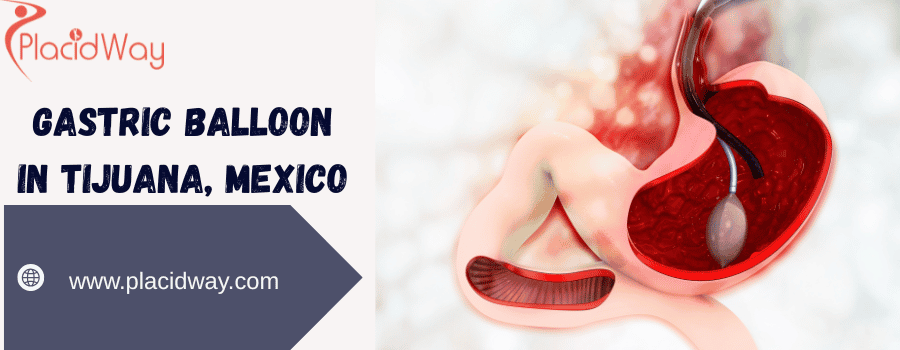
For many individuals looking for non-surgical weight loss interventions, exploring a gastric balloon in Tijuana, Mexico has become a common consideration. The procedure offers a temporary restrictive tool designed to assist with portion control and facilitate healthier lifestyle habits. Because healthcare expenses can be a barrier for many patients in their home countries, cross-border care has grown in popularity.
Understanding the financial investment, safety considerations, and necessary lifestyle commitments is crucial before pursuing treatment abroad. This guide breaks down the estimated expenses, what to expect during the procedure, how to navigate recovery, and the medical realities of pursuing this specific treatment option outside your home country.
Key Takeaways
- Cost estimates typically fall between $2,500 and $4,000, depending on the clinic and device.
- The procedure involves placing a temporary, space-occupying balloon in the stomach for 6 to 12 months.
- Initial package prices usually bundle the facility fee, the device, placement, and eventual removal.
- Patients will experience several days of nausea and discomfort as the body adjusts to the device.
- Long-term success relies entirely on committing to sustained diet and lifestyle modifications.
1. What factors influence the gastric balloon cost in Tijuana, Mexico?
Not all bariatric procedures are priced equally, even within the same geographic area. The most significant variable is the device itself. Different manufacturers produce balloons with varying materials, lifespans (typically 6 or 12 months), and placement methods. These specialized medical devices are often imported from international manufacturers, establishing a baseline price that clinics must charge to cover their inventory costs.
Additionally, the expertise of the medical team plays a role in the final estimate. Procedures performed by highly experienced, board-certified gastroenterologists or bariatric surgeons working alongside specialized anesthesiologists may command higher fees. The quality and accreditation status of the facility also influence pricing; modern centers equipped with advanced endoscopic technology and comprehensive emergency protocols generally have higher operating costs, which are reflected in patient fees.
2. What is typically included in a treatment package?
When evaluating any gastric balloon clinic in Tijuana, Mexico, you need to ask for an itemized list of what the quoted price covers. Comprehensive packages are designed to reduce financial surprises for international patients. A standard bundle usually begins with pre-procedure diagnostics, such as routine blood work and an electrocardiogram (EKG), to ensure you are healthy enough for mild sedation.
The core of the cost covers the physical balloon device, the specialist’s fee for performing the endoscopy, the anesthesiologist's fee, and the use of the recovery room. Because the device is temporary, reputable clinics also include the cost of the removal procedure—which requires a second endoscopy months later—in their initial quote. You should always clarify if follow-up nutritional counseling or prescription medications for nausea and acid reflux are included, as these out-of-pocket costs can add up.
3. Are there different types of gastric balloons available?
The technology behind intragastric devices has evolved, giving patients several options. The most common traditional models are single, saline-filled silicone spheres inserted through the mouth via endoscopy. Once in the stomach, they are filled with sterile salt water, creating a feeling of heaviness and occupying space to promote early satiety. These generally remain in place for six months.
Other variations include adjustable balloons that can be inflated or deflated slightly during their lifespan to manage side effects or enhance weight loss, often approved for up to a year of use. More recently, swallowable balloons have entered the market. These are ingested as a capsule attached to a thin catheter. Once an X-ray confirms proper positioning, they are filled with fluid. Some swallowable models degrade naturally and pass through the digestive tract, eliminating the need for a removal procedure, though they may have different eligibility criteria and cost structures.
4. How does the procedure work and what should patients expect?
Unlike gastric bypass or sleeve gastrectomy, this is not a surgery. There are no incisions, and the anatomy of the stomach is not altered. After administering a mild sedative to keep the patient comfortable and relaxed, the doctor sprays the throat with a local anesthetic. A thin, flexible tube with a camera (an endoscope) is passed through the mouth and into the stomach to ensure there are no ulcers or abnormalities that would prevent safe placement.
Once the stomach is cleared, the deflated silicone balloon is inserted. Using a catheter, the doctor fills the balloon with saline solution—often tinted with blue dye—until it reaches the size of a small grapefruit. The catheter is detached, and the balloon self-seals. The entire process takes roughly 20 to 30 minutes, followed by a few hours of monitoring in the recovery room before the patient is discharged to begin their rest period.
5. Who is considered a suitable candidate for this weight loss option?
This intervention is often recommended for individuals who fall into the lower tiers of obesity and may not qualify for, or wish to avoid, invasive bariatric surgery. It is also occasionally utilized for individuals with severe obesity to help them lose enough weight to safely undergo a subsequent surgical procedure. Suitability requires a thorough medical evaluation to rule out contraindications.
Patients are generally excluded if they suffer from large hiatal hernias, active peptic ulcer disease, bleeding disorders, or severe liver disease, or if they are pregnant. Additionally, anyone who has undergone previous gastric surgery is typically not eligible, as the altered stomach structure increases the risk of complications. A responsible medical provider will review your complete health history before approving the procedure.
6. What are the common risks and side effects associated with the balloon?
While considered less invasive than surgery, placing a foreign object in the digestive system prompts a strong physical reaction. Almost all patients experience significant nausea and gastric spasms immediately following placement. Clinics typically prescribe anti-nausea medications (anti-emetics) and antispasmodics to help manage these intense symptoms, which usually subside after three to seven days as the body acclimates. Acid reflux is another common issue, requiring the daily use of proton pump inhibitors (PPIs) to reduce stomach acid and protect the stomach lining.
Severe complications are rare but require immediate medical attention. The balloon can occasionally deflate; if the saline contains blue dye, this will be evident in the patient's urine. A deflated balloon must be removed promptly to prevent it from passing into the intestines and causing a bowel obstruction, which is a life-threatening medical emergency. Ulcers, stomach perforation, and severe dehydration from prolonged vomiting are other risks that underscore the need for proper medical screening and diligent follow-up care.
7. What does the recovery process look like during the first week?
The first week is widely considered the most challenging phase of the entire process. Patients must prioritize hydration, taking small, frequent sips of water or electrolyte solutions to prevent dehydration from vomiting. Solid foods are strictly prohibited immediately following placement.
| Recovery Phase | Typical Timeline | Dietary Focus |
|---|---|---|
| Clear Liquids | Days 1-3 | Water, clear broth, diluted apple juice. |
| Full Liquids | Days 4-7 | Protein shakes, strained soups, thin yogurt. |
| Pureed/Soft Foods | Week 2 | Mashed potatoes, scrambled eggs, pureed vegetables. |
| Regular Diet | Week 3 Onward | Small portions of nutrient-dense, solid foods. |
Transitioning through these phases too quickly can trigger violent illness and stomach spasms. Patients are advised to rest as much as possible during the liquid phase, slowly incorporating light walking as their energy returns.
8. How does medical tourism in Tijuana, Mexico work for bariatric patients?
Because of its proximity to the United States, specifically San Diego, California, this border city has developed a vast infrastructure geared toward international healthcare seekers. Many patients choose to fly into San Diego and cross the border via specialized medical lanes or dedicated shuttle services provided by their clinic.
While the procedure itself takes less than an hour, the reality of the initial side effects makes immediate long-distance travel highly unadvisable. Navigating an airport or sitting through a long car ride while experiencing intense nausea is severely uncomfortable. Responsible clinics often recommend, and sometimes mandate, that patients stay in a local hotel for at least two to three days post-procedure. This allows the medical team to monitor your hydration levels and adjust anti-nausea medications before you begin your journey home.
9. What dietary changes are necessary after the balloon is placed?
The device is only a tool; it does not alter the body's metabolism or guarantee weight loss on its own. Because the balloon occupies a significant portion of the stomach volume, you will feel full much faster. However, if you choose to consume high-calorie foods or graze continuously throughout the day, you can easily bypass the restrictive benefits of the balloon and halt your progress.
Successful patients use the time the device is in place to reprogram their relationship with food. This involves learning to eat slowly, stopping as soon as a feeling of fullness occurs, and separating eating from drinking to avoid overfilling the stomach. Carbonated beverages can cause painful bloating, and foods high in sugar or simple carbohydrates offer poor nutritional value for the small volume you are able to consume. Engaging with a dietitian in your home country is highly recommended to build sustainable habits.
10. How do patients arrange follow-up care and balloon removal?
Planning for the end of your treatment period is just as vital as planning for the placement. If your package included the removal cost, returning to your original facility requires a second round of travel arrangements. The removal procedure is similar to placement; under mild sedation, an endoscope is used to puncture the balloon, suction out the saline fluid, and retrieve the deflated silicone shell through the mouth.
If you decide to have the device removed in your home country, you must secure a specialist willing to take on your case before you ever travel abroad for the initial placement. Finding a local provider to manage a device placed internationally can sometimes be challenging. Furthermore, you must establish a plan for managing your weight after removal. The sudden return of natural stomach capacity often leads to increased hunger, making psychological support and continued dietary discipline essential to preventing weight regain.
Why Choose PlacidWay for Medical Tourism?
Navigating cross-border healthcare options requires research and access to organized information. PlacidWay serves as a resource for patients looking to explore treatments globally.
- Educational Resources: PlacidWay provides detailed content on various procedures to help patients understand their options.
- Global Connections: The platform connects individuals with medical providers across multiple international destinations.
- Clinic Information: Patients can view facility profiles, physician credentials, and available services in one place.
- Comparative Tools: The platform allows users to request estimates and compare different medical facilities based on their specific needs.
- Direct Communication: PlacidWay facilitates initial contact between the patient and the international healthcare provider for consultation purposes.
Frequently Asked Questions
How long does the gastric balloon procedure take?
The placement procedure usually takes about 20 to 30 minutes. However, patients typically spend a few hours at the clinic for preparation, mild sedation, and immediate post-procedure monitoring before being discharged.
Do I need to be put to sleep for balloon placement?
Most endoscopic gastric balloons require mild conscious sedation to keep you comfortable, rather than general anesthesia. Some newer swallowable capsule balloons do not require sedation for placement.
Can I fly home the same day I get the gastric balloon?
While it is an outpatient procedure, traveling immediately is not recommended due to the high likelihood of nausea and cramping during the first 24 to 72 hours. Medical professionals typically advise staying locally for a few days to rest.
What happens if the balloon deflates early?
Many balloons are filled with saline tinted with a safe blue dye. If the balloon develops a leak, your urine may turn blue or green, alerting you to the issue. If this happens, you must contact a doctor immediately so the deflated balloon can be safely removed before it passes into the intestines.
Will I feel the balloon inside my stomach?
During the first few days to weeks, you will likely feel the presence of the balloon, often experienced as a feeling of heaviness or bloating. Over time, the stomach adapts, and the sensation becomes much less noticeable.
How much weight can I expect to lose?
Weight loss amounts vary significantly based on dietary adherence and lifestyle changes. Many patients lose between 10% and 15% of their total body weight during the six months the balloon is in place, provided they follow the recommended nutritional plan.
Can I drink alcohol with a gastric balloon?
Alcohol consumption should be strictly limited or avoided entirely. Alcohol can irritate the stomach lining, increase the risk of ulcers, and provides empty calories that hinder your weight loss progress.
Does insurance cover a gastric balloon in Mexico?
Health insurance providers rarely cover gastric balloon procedures because they are often classified as elective or temporary interventions. Furthermore, U.S. or Canadian health insurance policies typically do not extend coverage for treatments received abroad.
Can the balloon stay in for longer than a year?
No. Depending on the specific brand and material, balloons must be removed after 6 or 12 months. Leaving the device in longer than the manufacturer's recommended timeframe increases the risk of balloon degradation, leaks, and severe intestinal blockage.
What happens after the gastric balloon is removed?
Once removed, you lose the physical restriction provided by the balloon. Maintaining your weight loss depends entirely on continuing the healthy eating habits, portion control, and exercise routines you developed while the balloon was in place.
Compare Treatment Options
Gather more information about facilities, medical teams, and estimated costs to make an educated decision about your healthcare journey.
Request Treatment InformationReferences
- Bariatric Surgery Procedures – American Society for Metabolic and Bariatric Surgery (ASMBS)
- Intragastric Balloon – Mayo Clinic
- Bariatric Surgery – National Institute of Diabetes and Digestive and Kidney Diseases (NIDDK)
- Medical Tourism Safety – Centers for Disease Control and Prevention (CDC)
- Gastric Balloon Systems – U.S. Food and Drug Administration (FDA)
- Weight Loss Surgery Information – MedlinePlus






























Share this listing