
Affordable Limb Lengthening: Best Global Options
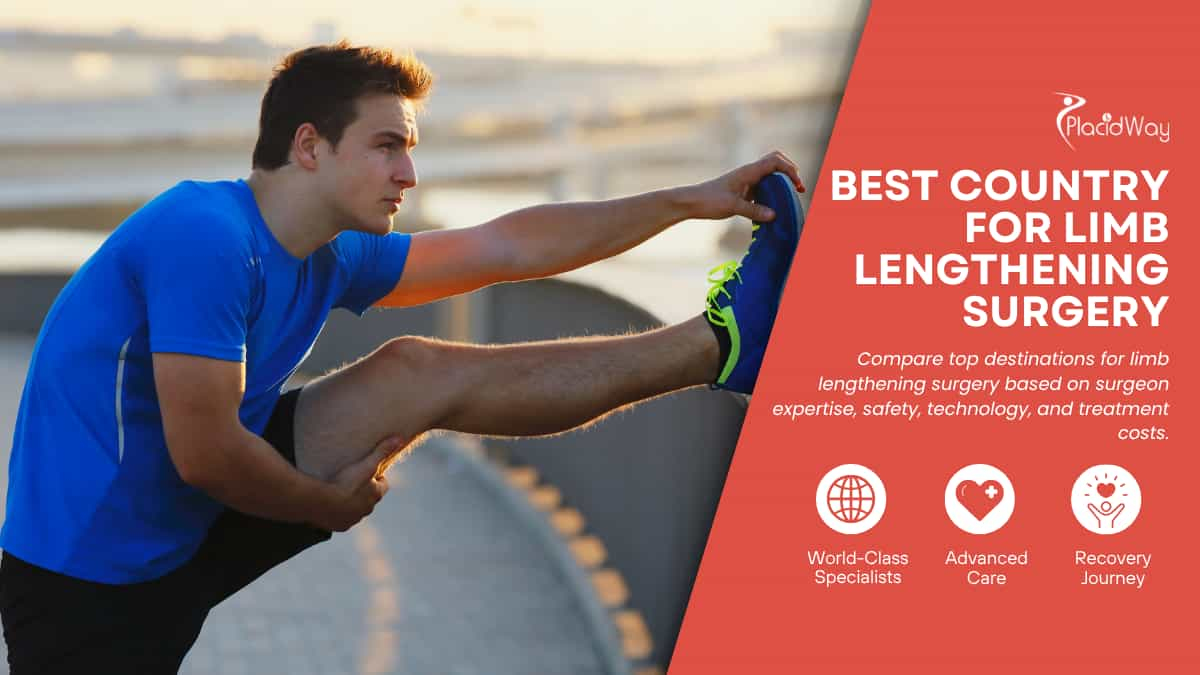
Turkey is a leading destination for limb lengthening surgery, offering experienced orthopedic surgeons, advanced internal lengthening techniques, and specialized rehabilitation at costs that can be substantially lower than in Western countries.
Key Takeaways
- Turkey has developed a robust medical infrastructure, making it a prominent destination for bone regeneration and stature enhancement procedures.
- Estimated procedural expenses depend heavily on the surgical devices utilized, ranging from external fixators to magnetic internal nails.
- The principle of distraction osteogenesis demands stringent pre-operative screening and sustained daily physical therapy.
- Selecting an accredited clinic requires verifying surgeon credentials, complication management protocols, and implant origins.
- International patients must coordinate extended stays for rehabilitation and arrange long-term follow-up care in their home countries.
Why Is Turkey Considered the Best Country for Limb Lengthening Surgery?
Choosing to undergo limb lengthening surgery in Turkey offers access to high-volume orthopedic centers where experienced surgical teams apply modern protocols in dedicated reconstructive environments.
When patients research international options for complex bone alterations, clinical experience and facility readiness are primary factors. Turkey has steadily cultivated an international reputation in orthopedics due to extensive investments in specialized medical infrastructure. Hospitals in major cities routinely perform bone distraction cases, allowing their multidisciplinary teams to refine complication management strategies.
A key advantage lies in the integration of specialized rehabilitation within the primary care model. Effective bone elongation requires daily, monitored physical therapy to prevent soft tissues from restricting bone growth. Many Turkish centers provide integrated physiotherapy units within or adjacent to the hospital, allowing clinicians to closely monitor joint mobility.
In addition, the national framework surrounding medical tourism in Turkey streamlines the administrative processes for international visitors. Facilities frequently employ dedicated case coordinators to manage medical record translations, facilitate radiographic reviews, and assist patients through the extended recovery phase associated with bone consolidation.
Did You Know?
The foundational technique for limb lengthening, known as distraction osteogenesis, triggers the body's natural healing response. By separating bone segments at a precise rate of about one millimeter per day, new bone tissue, nerves, and blood vessels are gradually generated.
What Is the Average Limb Lengthening Surgery Cost in Turkey?
The estimated limb lengthening surgery cost in Turkey typically ranges from $15,000 to $45,000, depending on whether external frames, combined methods, or advanced internal nails are selected.
Understanding the financial scope of stature enhancement requires looking beyond the initial operating room fee. Comprehensive treatment bundles usually factor in pre-operative blood panels, hospital stays, prescribed pain management medications, and several months of necessary physical therapy. In Western healthcare systems, these cumulative expenses often render the procedure inaccessible for individuals paying out-of-pocket.
The pricing structure varies distinctly based on the chosen surgical technology. External fixators present the most economical option, though they involve bulkier hardware and require meticulous pin-site care. Conversely, fully internal magnetic nails offer a more comfortable daily experience and lower superficial infection risks, but command a significantly higher price due to the cost of the implant itself.
Patients should request itemized estimations to avoid unexpected financial burdens. Prospective patients must also account for secondary expenditures such as prolonged lodging during the distraction phase, specialized mobility equipment rentals, and eventual follow-up operations to remove internal hardware once the bone has fully solidified.
| Surgical Method | Estimated Cost Range | Primary Features |
|---|---|---|
| External Fixation | $15,000 – $22,000 | Highly adjustable alignment; requires daily external pin cleaning. |
| Lengthening Over Nail (LON) | $20,000 – $30,000 | Reduces duration of external frame wear; utilizes internal rod. |
| Internal Motorized Nail | $38,000 – $48,000 | No external hardware; remotely controlled lengthening process. |
How to Choose a Safe Limb Lengthening Surgery Clinic in Turkey?
Selecting a reliable limb lengthening surgery clinic in Turkey mandates verifying the surgeon's specialty training, inspecting facility accreditations, and confirming transparent clinical practices.
Due to the prolonged nature of bone consolidation, the relationship between patient and clinic must endure long after the initial operation. Begin by examining the primary surgeon's credentials, ensuring they hold specialized board certifications in orthopedics and documented experience specifically with deformity correction and distraction osteogenesis.
A safe clinical environment prioritizes rigorous pre-operative evaluations. Reputable centers will mandate comprehensive radiographic imaging, bone density scans, and psychological assessments to determine physiological and mental suitability. They will openly discuss contraindications and realistically outline the risks of nerve strain, muscle contracture, and delayed bone union.
Furthermore, verify the origin and regulatory status of the hardware used. Clinics should utilize FDA-cleared or internationally recognized implant systems where applicable. Patients should inquire about the clinic's defined protocols for addressing complications like pin-site infections or premature consolidation during the active distraction phase.
Who Is an Ideal Candidate for Limb Lengthening in Turkey?
Suitable candidates are skeletally mature individuals who exhibit strong bone density, maintain a healthy lifestyle, and demonstrate the psychological resilience required for extended rehabilitation.
Medical clearance requires that a patient's growth plates be entirely closed, establishing skeletal maturity. Underlying health conditions that impair bone healing, such as severe metabolic disorders, unmanaged diabetes, or vascular insufficiencies, typically disqualify individuals from undergoing elective stature procedures.
Physical fitness prior to the operation provides a significant advantage. The lengthening phase places immense tension on surrounding soft tissues. Individuals with a strong muscular foundation and high baseline flexibility tend to manage the demanding daily physical therapy requirements better, which helps prevent severe joint stiffness.
Psychological preparedness is equally critical. The recovery timeline spans several months, restricting mobility and introducing daily discomfort. A candidate must hold realistic expectations regarding the achievable height gain and understand that strict compliance with post-operative guidelines dictates the overall success of the regeneration process.
Which Surgical Methods Are Used for Limb Lengthening in Turkey?
Orthopedic teams utilize three primary categories: external fixators, combined lengthening over nail (LON), and fully internal motorized nails to facilitate bone distraction.
- External Fixation Frameworks: Traditional methods involve rings or rods placed outside the leg, anchored by pins that pass through the skin into the bone. This permits highly precise adjustments but carries elevated risks for superficial tract infections.
- Lengthening Over Nail (LON): This hybrid approach pairs an internal intramedullary rod with a temporary external frame. Once active lengthening ceases, the internal rod provides stability, allowing the external hardware to be removed earlier in the healing timeline.
- Internal Magnetic Nails: Representing advanced orthopedic technology, these devices sit entirely inside the bone marrow cavity. An external magnetic remote interacts with a small motor inside the nail to achieve daily distraction.
- Tissue Distraction Management: Regardless of the method, the soft tissues must adapt to the new skeletal length, requiring vigilant monitoring of nerve tension and muscle elasticity.
- Hardware Removal Protocols: Both internal and external components generally require secondary surgical interventions for removal once the physician confirms solid bone consolidation on radiographs.
What Are the Potential Risks of Medical Tourism in Turkey for Bone Surgery?
Major reconstructive surgery carries universal clinical risks, such as non-union, nerve damage, and deep vein thrombosis, which may be compounded by international travel logistics.
Even under the care of skilled professionals, distraction osteogenesis is an invasive process. Complications can manifest as muscle contractures, where soft tissues fail to stretch adequately, restricting ankle or knee movement. Nerve tension can develop if the bone lengthens too rapidly, sometimes requiring a temporary pause or reversal in the distraction schedule.
Traveling internationally for medical care introduces distinct variables. Patients must establish a local orthopedic contact in their home country willing to monitor the final consolidation phase and manage hardware removal. Miscommunications or absent medical records can disrupt the continuity of care once a patient returns home.
Furthermore, extended periods of immobility increase the risk of blood clots. Medical teams must institute appropriate prophylactic measures. Patients pursuing medical tourism in Turkey should plan for prolonged local accommodations, as air travel is generally restricted during the acute active distraction phase to mitigate vascular risks.
Important Consideration
Never view orthopedic surgery abroad as a standard vacation. The physical demands of bone regeneration require dedicated focus, routine clinical visits, and avoidance of typical tourist activities.
How Does the Recovery Process Work After Leg Lengthening in Turkey?
Rehabilitation involves three distinct phases: the immediate surgical recovery, the active distraction phase requiring daily physical therapy, and the extensive bone consolidation phase.
Following the initial osteotomy—the surgical cutting of the bone—patients typically rest for several days to allow acute swelling to subside. The active distraction phase then commences. During this period, the device is adjusted gradually, usually aiming for a millimeter of growth daily, divided into smaller increments to encourage cellular regeneration in the gap.
This phase relies heavily on intensive physiotherapy. Because muscles and tendons resist stretching, patients must perform prescribed exercises rigorously to maintain joint flexibility. Radiographs are taken frequently to verify that the bone regenerate is forming correctly without premature hardening.
Upon reaching the target length, the distraction ceases, initiating the consolidation phase. The newly formed, fragile bone matrix slowly calcifies into dense structural bone. During this time, surgeons dictate controlled, progressive weight-bearing protocols to stimulate bone density until full strength is achieved, often spanning several months.
Why Choose PlacidWay to Explore Limb Lengthening Surgery in Turkey?
PlacidWay serves as a global medical resource platform, connecting individuals with detailed treatment information, structured cost estimates, and verified international healthcare facilities.
Comprehensive Information Access
Review extensive profiles detailing facility infrastructure, available surgical technologies, and standard operating procedures for complex orthopedic care.
Transparent Pricing Overviews
Evaluate itemized cost estimations across different clinics to understand the financial scope of internal versus external lengthening techniques.
Direct Clinic Communication
Utilize structured channels to present your medical history, transmit radiographic files, and ask clinical questions directly to international orthopedic teams.
Educational Patient Resources
Access detailed guides covering distraction osteogenesis principles, expected recovery timelines, and regulatory guidelines for healthcare abroad.
Systematic Case Organization
Benefit from structured intake frameworks that organize complex medical inquiries into manageable, well-documented evaluation phases.
Frequently Asked Questions About Limb Lengthening in Turkey
How painful is limb lengthening surgery in Turkey?
Discomfort is expected during bone distraction as tissues and nerves stretch. Medical teams in Turkey typically manage pain using structured physical therapy protocols and prescribed analgesics.
How long does the consolidation phase take for limb lengthening in Turkey?
The consolidation phase usually requires one to two months per centimeter of gained length. Regular radiographic imaging is used to verify that the new bone has adequately calcified before weight-bearing begins.
Can adults undergo leg lengthening surgery in Turkey safely?
Adults may be candidates if they possess fully fused growth plates and sufficient bone density. Comprehensive medical evaluations determine individual eligibility to mitigate surgical risks.
Does insurance cover the limb lengthening surgery cost in Turkey?
Standard health insurance rarely covers stature lengthening when performed for cosmetic purposes. Coverage is generally restricted to documented medical necessities like traumatic limb discrepancies.
Are the height gains from limb lengthening in Turkey permanent?
Once the distraction gap fills with regenerated bone and fully hardens during the consolidation phase, the structural height increase becomes permanent.
What is the maximum height increase possible during limb lengthening in Turkey?
Orthopedic guidelines generally suggest a maximum of five to eight centimeters per bone segment to minimize the risks of nerve tension and severe muscle contractures.
Can both femurs and tibias be lengthened together in a clinic in Turkey?
Simultaneous lengthening of both femurs and tibias elevates complication rates significantly. Surgeons usually stage these surgeries months or years apart for patient safety.
How soon can I return to work after bone lengthening in Turkey?
Remote workers may resume duties in a few weeks, provided they manage daily physical therapy. Physically demanding jobs usually require several months of rehabilitation before safe return.
Will there be visible scars after internal limb lengthening surgery in Turkey?
Incision points for inserting internal nails or external fixator pins will leave permanent scars. Internal implant techniques typically yield smaller, less prominent scarring over time.
Is medical tourism in Turkey safe for complex reconstructive orthopedic procedures?
Orthopedic surgery carries inherent risks, but choosing accredited facilities with verified international standards and experienced surgeons helps support safer clinical outcomes.
Explore Your Medical Tourism Options
Evaluate detailed orthopedic care profiles, compare facility capabilities, and review structured cost estimates for bone reconstruction procedures globally.
Request Treatment InformationReferences
- Role of distraction osteogenesis in surgery – National Institutes of Health (NIH)
- Lower Limb Length Discrepancy Overview – American Academy of Orthopaedic Surgeons (AAOS)
- Height Surgery: FAQs about Stature Lengthening – Hospital for Special Surgery (HSS)
- Distraction osteogenesis in combined sequential use – PubMed
- Health Care Abroad and Medical Tourism Risks – Centers for Disease Control and Prevention (CDC)
- Pediatric Limb Deformity and Lengthening Center Guidelines – Hospital for Special Surgery (HSS)
Medical Disclaimer: The information provided in this guide is for educational purposes only. It is not intended to substitute for professional medical advice, diagnosis, or treatment. Always consult with a qualified orthopedic specialist regarding medical conditions and surgical suitability.




















Share this listing