
Top Istanbul Clinics Specializing in Hip Replacement Surgery

If you are considering hip replacement surgery in Turkey, you may be wondering how to navigate the vast medical landscape of its largest city. Istanbul has become a major hub for orthopedic care, drawing international patients who seek advanced joint preservation and replacement procedures. Because medical regulations rightfully restrict the direct promotion of specific named clinics or doctors, this guide focuses on helping you understand how to identify qualified centers, what the procedure involves, and how to safely navigate your medical journey.
Hip replacement, or hip arthroplasty, is a major surgical procedure designed to relieve chronic pain and restore mobility in a damaged joint. Choosing to undergo this procedure abroad requires careful planning, a thorough understanding of the medical requirements, and a realistic approach to recovery. Whether you are dealing with advanced osteoarthritis, rheumatoid arthritis, or a traumatic hip injury, understanding the standards of care in Istanbul will help you make a more informed healthcare decision.
Key Takeaways
- Istanbul hosts numerous modern, internationally accredited facilities focusing on specialized orthopedic and joint replacement procedures.
- Choosing a clinic requires verifying independent credentials, such as JCI accreditation, and ensuring the surgeon has specific expertise in hip arthroplasty.
- Patients must plan for an extended stay in Turkey to begin physical therapy and mitigate the risks of flying too soon after major surgery.
- Like all surgeries, hip replacement carries risks such as infection and blood clots, making pre-surgical screening and post-operative care critical.
- Coordinating post-operative care and rehabilitation with local healthcare providers in your home country is essential for long-term success.
1. What makes Istanbul a popular destination for joint replacements?
The growth of medical tourism in Turkey has led to significant investments in healthcare infrastructure, particularly in Istanbul. Both the European and Asian sides of the city are home to large hospital groups and specialized orthopedic centers that frequently handle high volumes of joint replacement cases. These facilities are often equipped with modern diagnostic imaging, specialized orthopedic operating theaters, and dedicated rehabilitation wings.
Many orthopedic surgeons practicing in Istanbul have completed fellowships or specialized training abroad, bringing international techniques back to their local practices. Furthermore, hospitals that cater to international patients usually have dedicated international patient departments. These departments help navigate language barriers by providing interpreters and assisting with the transfer of medical records between your local doctor and the surgical team in Turkey.
However, popularity should not be confused with a guarantee of outcomes. The decision to travel to Istanbul should be based on a careful review of a facility's medical merits, safety protocols, and the specific expertise of the surgical team handling your case, rather than geographic appeal alone.
2. How do I choose the right hip replacement surgery clinic in Turkey?
Selecting an appropriate medical facility is the most critical step in your journey. You should look beyond marketing materials and focus on objective markers of quality and patient safety. Here are several practical steps for evaluating a clinic:
- Verify Accreditations: Check if the hospital holds Joint Commission International (JCI) accreditation or ISO certifications. These organizations audit facilities for strict adherence to international safety and hygiene standards.
- Review Surgeon Credentials: Ensure the orthopedic surgeon is board-certified and specifically specializes in joint replacement rather than general orthopedics. Look for memberships in recognized medical societies, such as the European Federation of National Associations of Orthopaedics and Traumatology (EFORT).
- Assess Facility Capabilities: A specialized clinic should have an on-site intensive care unit (ICU) for emergencies, advanced diagnostic tools, and in-house physical therapy services.
- Inquire About Prosthetics: Ask the clinic what brands and types of hip implants they use. Reputable clinics use highly tested, globally recognized implant brands known for their durability and biocompatibility.
3. What types of hip replacement procedures are available in Istanbul?
The type of surgery you require depends entirely on the extent of the damage to your hip joint. In a Total Hip Arthroplasty (THA), the surgeon replaces both the femoral head (the ball at the top of the thigh bone) and the acetabulum (the socket in the pelvis) with prosthetic components. This is the most common approach for severe arthritis.
Partial hip replacements are less common for chronic conditions and are usually reserved for specific types of hip fractures where the socket remains healthy. In these cases, only the femoral head is replaced.
Additionally, some specialized centers in Istanbul handle revision hip replacements. This is a highly complex procedure to remove and replace an older prosthetic that has worn out, loosened, or become infected over time. Revisions require an advanced level of surgical expertise and specialized facilities. Your surgeon may also discuss different surgical approaches, such as the anterior (from the front), lateral (from the side), or posterior (from the back) approach, each carrying distinct benefits and considerations based on your body type and medical history.
4. Who is an ideal candidate for this orthopedic procedure?
Hip replacement surgery is typically recommended only after conservative, non-surgical options have been exhausted. If you have tried physical therapy, walking aids, anti-inflammatory medications, or joint injections without significant relief, a specialist may suggest joint replacement. Common underlying conditions include osteoarthritis, rheumatoid arthritis, avascular necrosis, or joint damage from a previous injury.
However, having joint pain does not automatically make you a candidate for surgery. Medical eligibility must be determined by a qualified healthcare professional. Conditions that may delay or prevent surgery include active infections, severe cardiovascular disease, poorly controlled diabetes, or significant neurological issues that could impair post-operative rehabilitation.
During your initial consultation, the surgical team will evaluate your body mass index (BMI), bone density, and overall health. Patients must be committed to the rehabilitation process, as active participation in physical therapy is required for a successful recovery.
5. What is the estimated hip replacement surgery cost in Turkey?
It is important to understand that healthcare costs are highly individualized. The final price you are quoted will depend on several factors, including the specific clinic in Istanbul, the experience level of the surgeon, the exact brand and material of the prosthetic implant, and the length of your hospital stay.
When reviewing estimates provided by international clinics, ask for a clear breakdown of what is included. A comprehensive estimate should ideally cover the surgical fee, operating room charges, anesthesia, the prosthetic implant, hospital room and board for the initial recovery period, basic pre-operative tests, and initial in-hospital physical therapy.
Be aware of potential additional expenses. Costs that are often not included in standard surgical packages include flights, hotel accommodations for the post-hospital recovery period, extended physical therapy sessions, medical complication insurance, and medications required after discharge. Never choose a clinic based solely on the lowest price; patient safety, hygiene standards, and surgical expertise should always be the priority.
6. What does the pre-surgical evaluation involve in Istanbul clinics?
Even if you have provided medical records and X-rays from your home country, the surgical team in Istanbul will conduct their own comprehensive evaluations before proceeding with the operation. This is a standard patient safety protocol. You will typically arrive in the city a few days before your scheduled surgery to complete these tests.
The pre-surgical workup generally includes extensive blood tests to check kidney function, liver function, and blood count. An electrocardiogram (ECG) and often a consultation with a cardiologist are required to ensure your heart is healthy enough for anesthesia. You will also have fresh X-rays or potentially an MRI so the surgeon can precisely plan the implant size and positioning.
Additionally, patients are often evaluated for any hidden infections. Even a minor dental infection or urinary tract infection can pose a serious risk to a new artificial joint, as bacteria can travel through the bloodstream. If an infection is found, the surgery may be postponed until it is fully treated.
7. What can I expect during the recovery process before flying home?
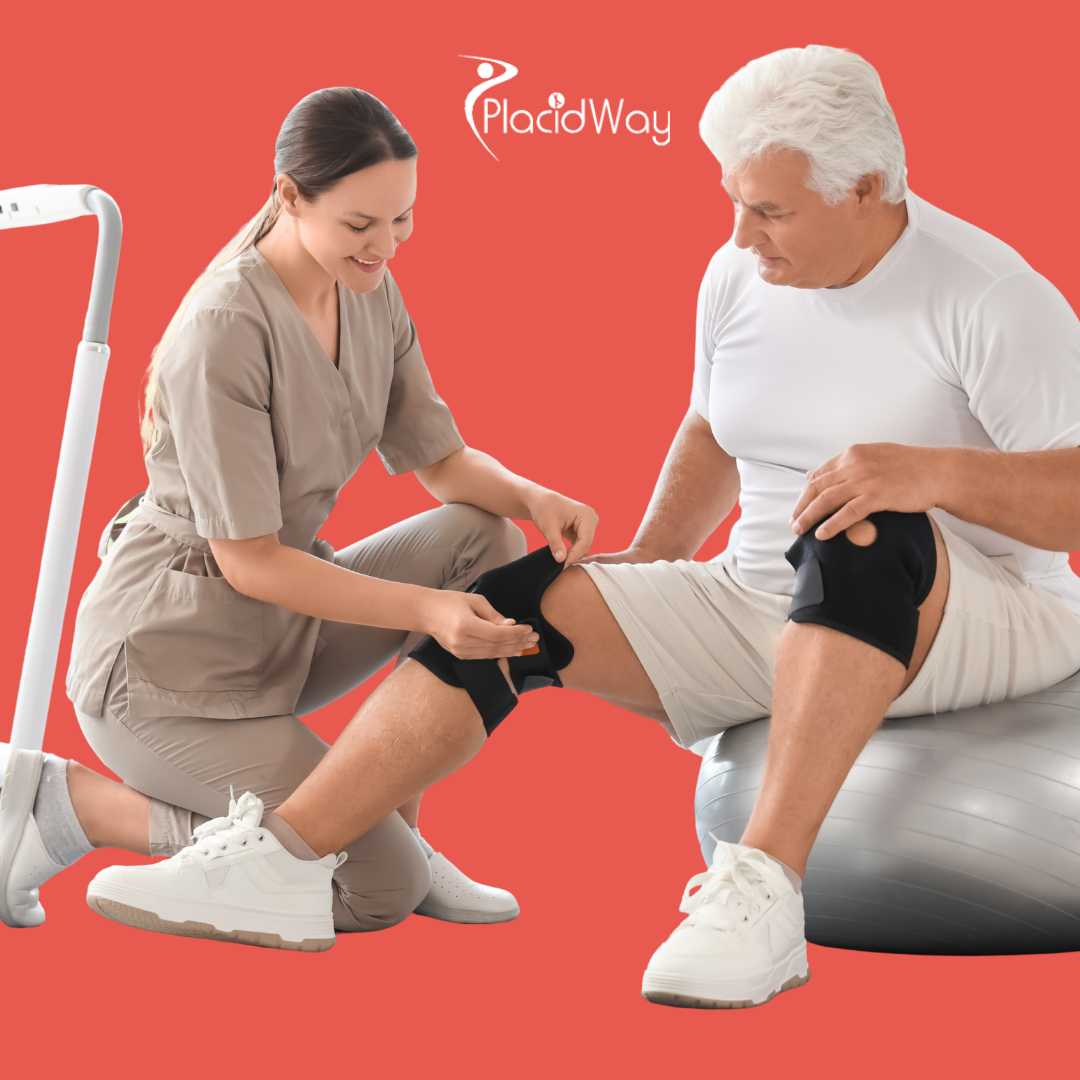
After the surgery, you will stay in the hospital for typically 3 to 5 days, depending on your progress. During this time, pain management is closely monitored, and you will begin physical therapy almost immediately. A physiotherapist will help you sit up, stand, and eventually take a few steps using a walker or crutches. Early movement is vital for promoting blood circulation and joint mobility.
Once discharged from the hospital, you cannot immediately fly home. Patients are strongly advised to stay in an accessible hotel or recovery facility in Istanbul for an additional 2 to 3 weeks. During this period, you will continue with physical therapy, and your surgeon will schedule follow-up appointments to monitor wound healing and remove stitches or staples.
The waiting period before flying is a crucial safety measure to minimize the risk of Deep Vein Thrombosis (DVT), a dangerous blood clot that can form in the legs during long periods of immobility on an airplane. Your medical team will advise you when it is safe to travel and may prescribe blood-thinning medication for your journey.
8. What are the potential risks and complications of this surgery?
While hip replacement is widely performed and often highly effective, no surgical procedure is completely without risk. It is essential to understand these risks so you can recognize warning signs and seek immediate medical attention if complications arise.
- Infection: This can occur at the incision site or deeper around the new joint. Severe infections may require additional surgery to clean the area or even temporarily remove the implant.
- Blood Clots: Clots in the leg veins (DVT) can be life-threatening if they break off and travel to the lungs. Preventive measures include blood thinners, compression stockings, and early mobilization.
- Dislocation: The ball of the new joint can sometimes pop out of the socket, particularly in the first few months when tissues are healing. Patients are given strict instructions on how to avoid certain leg positions.
- Leg Length Discrepancy: Occasionally, one leg may feel slightly longer or shorter than the other after surgery as the surgeon attempts to maximize joint stability.
- Wear and Loosening: Over the course of years or decades, the implant may wear down or loosen from the bone, eventually necessitating revision surgery.
Thorough preoperative screening and strict adherence to your surgeon's aftercare instructions can help mitigate, though not completely eliminate, these risks.
9. How do I handle medical follow-ups once I return to my home country?
Medical tourism requires careful planning for the phase of care that happens after you return home. Because your surgical team is located in Istanbul, you will need local medical support to ensure your joint heals correctly over the subsequent months. It is highly recommended to arrange this support before you even travel for surgery.
Before leaving the clinic in Istanbul, ensure you receive a comprehensive medical file in English. This should include your surgical report, details of the exact implant brand and serial numbers used, post-operative X-rays, and discharge notes outlining your medication schedule and physical therapy protocols.
Once home, you will need to continue physical therapy for several months to rebuild muscle strength and achieve a full range of motion. You should also have a local doctor who can perform routine check-ups and act quickly if you develop signs of complications, such as persistent fever, unusual swelling, redness at the incision site, or sudden severe pain in the new joint.
Why Choose PlacidWay for Medical Tourism?
Planning international healthcare involves navigating complex information. PlacidWay serves as a global medical tourism resource, providing patients with access to structured information to help them make educated decisions.
- Provides a centralized platform to explore internationally accredited medical facilities.
- Offers detailed profiles outlining the specific credentials, certifications, and expertise of healthcare providers.
- Enables patients to request information and compare treatment offerings across multiple destinations.
- Supplies educational resources and articles regarding medical procedures and healthcare systems abroad.
- Connects patients directly with medical centers for initial consultations and information gathering.
Frequently Asked Questions
How long does a hip replacement surgery usually take?
The surgical procedure itself typically takes between one and two hours, depending on the complexity of the joint damage and the specific technique used by the orthopedic surgeon. Additional time is required for anesthesia preparation and initial recovery room observation.
Do orthopedic surgeons in Istanbul clinics speak English?
Many orthopedic surgeons and medical staff in facilities catering to international patients speak English. Clinics often provide dedicated interpreters for other languages to assist with communication throughout the consultation, surgery, and recovery phases.
Are minimally invasive hip replacements offered in Istanbul?
Yes, many specialized orthopedic centers in Istanbul offer minimally invasive approaches, such as the anterior approach, though suitability depends on the patient's individual anatomy and medical condition. Only a surgeon can determine if this technique is appropriate for you.
How long do modern hip implants typically last?
While individual results vary based on activity level, weight, and implant type, modern hip implants generally last 15 to 20 years, with some functioning well even longer before a revision may be considered due to wear and tear.
Will I need physical therapy while still in Istanbul?
Yes, physical therapy usually begins within a day after surgery. You will work with a physiotherapist in the hospital and during your extended stay in Istanbul to start regaining mobility safely before traveling home.
Can I have both hips replaced at the same time in Turkey?
Bilateral hip replacement is sometimes performed for younger, healthier patients without significant underlying medical issues, but this is decided on a strict case-by-case basis by the surgical team. It carries a higher risk of complications and requires a more intensive recovery.
What kind of anesthesia is used for this procedure?
Hip replacement can be performed under general anesthesia or regional anesthesia (such as a spinal or epidural block). The anesthesiologist will recommend the safest option based on your health profile and the surgeon's preferences.
Is it safe to fly after having a hip replacement?
Flying too soon after surgery increases the risk of deep vein thrombosis (DVT). Most surgeons recommend waiting at least two to three weeks before taking a short flight, and potentially longer for long-haul travel, often with prescribed blood thinners.
What materials are used in hip implants?
Hip implants are typically made from a combination of biocompatible metals (such as titanium or cobalt-chromium alloys), highly cross-linked polyethylene (medical-grade plastic), and sometimes ceramics. The exact combination depends on patient needs and surgeon recommendation.
How quickly can I walk after the operation?
Many patients are assisted to stand or take a few steps with a walker or crutches on the same day or the day after surgery, though full weight-bearing recovery takes several weeks to months of dedicated rehabilitation.
Compare Treatment Options
Gather information on accredited facilities, explore different treatment approaches, and connect with healthcare providers to make an informed medical decision.
Request Treatment InformationReferences
- Total Hip Replacement – American Academy of Orthopaedic Surgeons (AAOS)
- Hip Replacement – Mayo Clinic
- Recovery from Hip Replacement – National Health Service (NHS)
- Medical Tourism Safety – Centers for Disease Control and Prevention (CDC)
- Find Accredited Organizations – Joint Commission International (JCI)
- Hip Surgery Information – Arthritis Foundation


























Share this listing