
Affordable Stem Cell Knee Repair in Colombia | 2025 Prices

Finding effective ways to manage joint pain can be a long and frustrating journey. For those exploring alternatives to traditional joint replacement, regenerative medicine has become a topic of high interest. When researching stem cell therapy for knees arthritis in Colombia, understanding the financial investment, the procedure details, and the reality of what the treatment can achieve is essential for making an informed decision about your health.
Many international patients are drawn to the region seeking options for chronic joint discomfort. Exploring a stem cell therapy clinic in Colombia often reveals a combination of modern medical infrastructure and more accessible pricing compared to North America or Europe. However, because this remains an evolving field of medicine, it is vital to approach the topic with realistic expectations, thoroughly researching both the potential benefits and the limitations of the treatment.
Key Takeaways
- The cost for knee stem cell injections in Colombia is usually estimated between $3,000 and $8,000 per knee.
- Treatments typically utilize either autologous cells from your own body or allogeneic umbilical cord cells.
- The procedure aims to reduce inflammation and manage symptoms, not to completely cure or regrow missing cartilage.
- Medical history and the severity of osteoarthritis heavily influence whether you are an appropriate candidate.
- Patients should factor in additional costs such as travel, accommodation, and post-procedure physical therapy.
What factors influence the stem cell therapy for knees arthritis cost in Colombia?
When you begin comparing estimates, you will quickly notice that prices are not uniform across the board. The type of biological material being used is a primary driver of cost. For instance, extracting stem cells from your own bone marrow or adipose fat requires a minor surgical harvesting procedure, which adds to the operating room and anesthesia fees. Conversely, using ethically sourced umbilical cord tissue may involve higher laboratory processing and procurement costs.
Additionally, the specific protocols used by a clinic play a significant role. Some facilities may include complementary therapies, such as Platelet-Rich Plasma (PRP) injections, to support the stem cell treatment. You must also consider the inclusions of your quoted price. Be sure to ask if the estimate covers initial consultations, imaging like MRIs or X-rays, the harvesting process, the injection itself, and any necessary follow-up appointments before you leave the country.
| Cost Factor | Description |
|---|---|
| Cell Source | Autologous bone marrow or fat versus allogeneic umbilical cord cells. |
| Dosage Requirements | The number of million cells recommended based on joint damage. |
| Additional Therapies | Inclusion of PRP or physical therapy sessions in the package. |
| Facility Location | Major urban centers may have different pricing than smaller cities. |
What types of stem cells are used for knee arthritis treatments?
Autologous stem cell therapy involves drawing cells directly from your body. Bone Marrow Aspirate Concentrate involves extracting marrow, usually from the hip bone, while adipose-derived therapy involves a mini-liposuction procedure to gather fat tissue from the abdomen or thighs. These samples are then centrifuged to isolate the regenerative cells. Because these cells come from your own body, the risk of immune rejection is exceptionally low.
Allogeneic treatments utilize mesenchymal stem cells from Wharton Jelly, found in human umbilical cords. These tissues are collected after healthy, full-term deliveries from screened donors. Many doctors prefer this method for older patients, as the cells are younger and may possess a more robust ability to replicate and modulate inflammation compared to older adult stem cells. Your medical provider will assess your health to recommend the most appropriate option.
Am I a suitable candidate for stem cell therapy for knee osteoarthritis?
It is crucial to understand that stem cell therapy is not a universal fix. Patients with severe, end-stage, bone-on-bone osteoarthritis may not experience significant benefits, as there is little to no joint space or cartilage matrix left to support the therapy. In such advanced cases, traditional joint replacement surgery is typically the medically advised route.
To determine eligibility, a qualified healthcare provider will evaluate your recent medical imaging, such as X-rays or MRIs, and review your comprehensive medical history. Certain conditions, such as active infections, recent cancer diagnoses, or specific autoimmune disorders, may serve as contraindications. A thorough consultation is necessary to ensure the treatment is safe and has a reasonable chance of providing symptom relief for your specific joint profile.
How does stem cell treatment for knees compare to traditional surgery?
Traditional total knee arthroplasty provides a definitive mechanical solution to severe arthritis by replacing the worn-out bone and cartilage with metal and plastic components. While highly effective, it involves general anesthesia, significant tissue disruption, a hospital stay, and months of rigorous physical rehabilitation. It also carries surgical risks such as blood clots and hardware complications.
Regenerative injections offer an alternative approach for patients who either do not yet qualify for a joint replacement or wish to delay the procedure. The therapy is performed in an outpatient setting, requires minimal downtime, and preserves the natural biomechanics of the knee. However, while surgery offers a predictable mechanical fix, the biological response to stem cells is variable, and long-term symptom relief is not guaranteed.
What can I expect during the stem cell procedure in Colombia?
If you are receiving autologous therapy, the day begins with the harvesting of your bone marrow or fat tissue under local anesthesia. This extraction usually takes less than an hour. The biological material is then processed in a specialized laboratory centrifuge to separate and concentrate the stem cells. If you are receiving allogeneic cord tissue cells, the harvesting step is bypassed, and the laboratory prepares the pre-screened vial for injection.
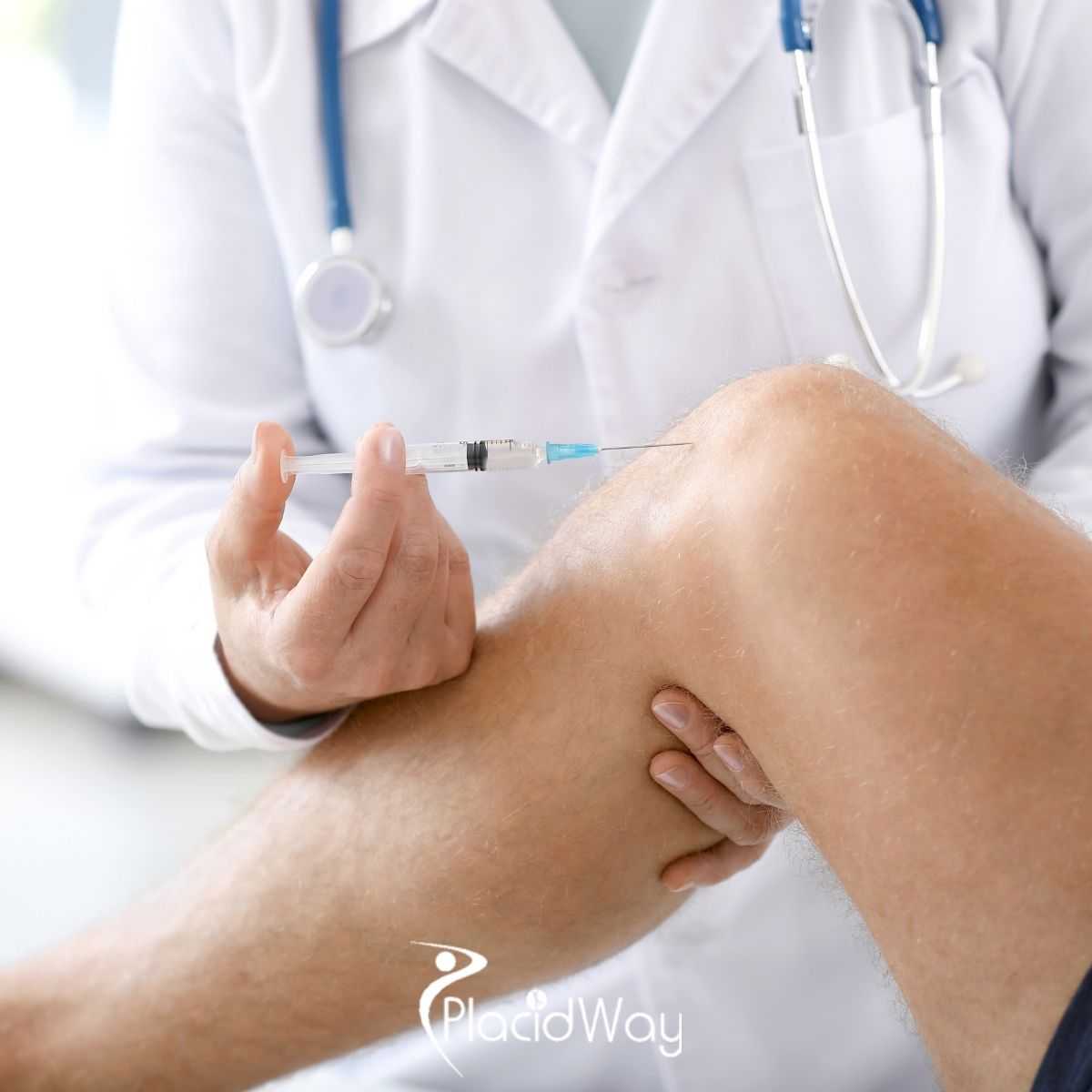
The actual injection into the knee is straightforward. Many specialized clinics use ultrasound or fluoroscopic guidance to ensure the needle is placed accurately within the joint space. Once the cells are administered, a small bandage is applied. You will likely rest in a recovery room for a short time to monitor for any immediate adverse reactions before you are cleared to return to your hotel.
How long is the typical recovery period after knee injections?
Immediately following the procedure, it is common to experience a temporary increase in soreness, swelling, and stiffness in the treated knee. This inflammatory response is a normal part of the healing process. Doctors usually advise against taking non-steroidal anti-inflammatory drugs during this period, as they can interfere with the activity of the newly introduced cells.
Patients are typically encouraged to walk gently but should avoid high-impact activities, heavy lifting, or long periods of standing for several weeks. A structured physical therapy program is often recommended once you return home. Committing to prescribed rehabilitation exercises can help strengthen the surrounding muscles, stabilize the joint, and optimize the potential benefits of the biological treatment.
Are there risks or side effects associated with stem cell knee therapy?
Because the procedure involves penetrating the skin and entering the joint capsule, there is always a slight risk of infection. Clinics mitigate this by maintaining strict sterile environments and protocols. If autologous cells are used, the risk of disease transmission or immune rejection is virtually eliminated. However, you may experience soreness or bruising at the harvest site on your hip or abdomen.
When utilizing allogeneic donor cells, stringent screening of the donor material is required to prevent communicable diseases. Though mesenchymal stem cells are widely considered immune-privileged meaning they rarely trigger an immune system attack patients should still discuss allergy history and potential autoimmune reactions with their medical team. If you experience severe pain, excessive heat, or fever upon returning home, you must consult a local healthcare professional immediately.
How do I find a reputable stem cell therapy clinic in Colombia?
Vetting a clinic requires diligent research. Look for medical providers who possess specific training in regenerative therapies and orthopedic joint care. They should be willing to share details regarding their cell processing methods, the types of equipment they use, and how they source their biological materials. Avoid providers who pressure you into immediate decisions or guarantee permanent, risk-free cures.
It is also helpful to inquire about the clinics regulatory compliance. In Colombia, medical products and protocols are overseen by entities such as INVIMA, the national regulatory agency. Request to speak with the doctor directly during an initial video consultation to ask questions about how they manage international patients, how they handle unexpected complications, and what local follow-up care is required before you fly home.
What makes medical tourism in Colombia a popular choice for joint treatments?
Medical tourism in Colombia has grown steadily over the last decade. Cities like Bogota, Medellin, and Cali host healthcare infrastructures that cater specifically to international visitors, offering modern technology and bilingual staff. The favorable exchange rate often allows patients to access private medical care and regenerative therapies at a fraction of the cost they might incur in their home countries.
Beyond the medical aspects, the country offers a supportive environment for recovery. Many patients combine their healthcare journey with a few days of relaxation before heading home. However, traveling for medical care requires careful logistical planning. You must account for flight times, necessary rest days in a hotel, and the potential physical strain of navigating airports while nursing a freshly treated joint.
Why Choose PlacidWay for Your Healthcare Journey?
Planning medical care in another country can feel overwhelming. PlacidWay serves as a global medical tourism platform designed to help patients explore international healthcare options, including options in South America.
- Facility Discovery: Browse a comprehensive directory of international medical centers and specialized clinics.
- Direct Communication: Use the platform to facilitate initial contact with medical teams abroad.
- Estimate Comparisons: Request and compare pricing estimates from multiple providers to suit your budget.
- Multilingual Support: Access assistance from a customer service team capable of bridging language barriers during initial inquiries.
- Patient Resources: Read general information and reviews to help you gather the facts you need before making a healthcare decision.
Frequently Asked Questions
Is stem cell therapy for knee arthritis painful?
The injection itself may cause mild discomfort, similar to a standard joint injection. Local anesthesia is typically used to numb the area, and you may experience temporary soreness or swelling for a few days following the procedure.
How many injections will I need for my knees?
Many patients receive a single injection per treated knee, though some treatment protocols may recommend a series of injections spread over several months. Your medical provider will determine the appropriate frequency based on your specific joint condition.
Can I walk immediately after knee stem cell therapy?
You can usually walk shortly after the procedure, but you should avoid strenuous activities and excessive weight-bearing for at least a few days. Many clinics recommend bringing someone to help you navigate immediately following the treatment.
Will my insurance cover stem cell treatment in Colombia?
Health insurance providers rarely cover stem cell therapy for arthritis, especially when performed internationally, as it is still largely considered an elective or experimental treatment. You should expect to pay for the procedure out of pocket.
How long do the effects of knee stem cell therapy usually last?
Symptom relief can vary widely among individuals, lasting anywhere from six months to several years. Some patients may require maintenance treatments over time if their joint pain and stiffness return.
Are there age limits for receiving stem cell therapy?
While there is no strict upper age limit, a patients overall health, medical history, and the severity of their osteoarthritis play a larger role in determining eligibility. Older adults should undergo a thorough medical evaluation to ensure the treatment is appropriate.
Can stem cells regrow knee cartilage completely?
Stem cells cannot completely regrow degraded cartilage or reverse severe bone-on-bone arthritis. The primary goal of the treatment is to reduce joint inflammation, manage pain symptoms, and potentially slow further joint degeneration.
What should I pack for a medical trip to Colombia?
Bring comfortable, loose-fitting clothing, supportive walking shoes, all relevant medical records and imaging, your regular medications, and items to keep you comfortable during your initial recovery in your hotel.
Do Colombian medical staff speak English?
Many facilities that frequently treat international patients employ bilingual doctors and support staff. However, it is always a good idea to confirm language accommodations or the availability of a medical translator before booking your procedure.
How soon can I fly home after knee stem cell injections?
Most patients can fly home within three to five days after the injections, depending on their comfort level and their doctors recommendations. You should discuss your specific travel timeline with your healthcare provider during the consultation.
Ready to Explore Your Joint Care Options?
Connect with specialized medical facilities and request detailed information to help you make an informed decision about your health.
Request Treatment InformationReferences
- Osteoarthritis Diagnosis and Treatment – Mayo Clinic
- Stem Cell Therapy for Arthritis – Arthritis Foundation
- FDA Warns About Unapproved Stem Cell Therapies – U.S. Food and Drug Administration
- Medical Tourism Travel Health Guidance – Centers for Disease Control and Prevention
- Efficacy of Mesenchymal Stem Cells in the Treatment of Knee Osteoarthritis – National Center for Biotechnology Information
- Patient Resources on Osteoarthritis – Osteoarthritis Research Society International (OARSI)


























Share this listing