
Save 70% on Hip Replacement in Guadalajara | Cost Guide
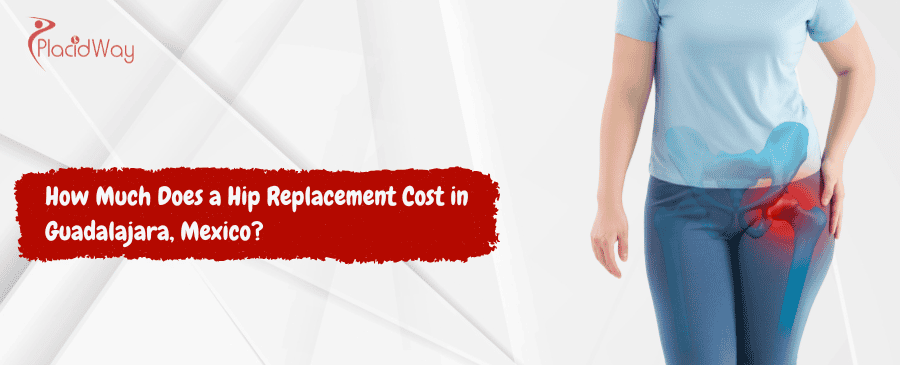
Dealing with chronic hip pain can limit your independence and dramatically reduce your quality of life. For many patients, a hip replacement offers the chance to restore mobility and relieve joint deterioration. However, the high out-of-pocket expenses in places like the United States or Canada often lead individuals to look for alternatives abroad. Choosing to undergo a hip replacement in Mexico is a major decision that requires thorough research, realistic expectations, and an understanding of the medical realities involved.
When investigating a hip replacement clinic in Mexico, especially in a major hub like Guadalajara, you must look beyond just the price tag. Factors such as patient safety, surgeon credentials, post-operative care, and travel logistics all play an equally important role in your overall experience.
Key Takeaways
- The total cost typically ranges between $8,500 and $12,500, which can represent substantial savings compared to North American healthcare averages.
- Candidates must undergo thorough medical clearance to ensure they are healthy enough for major surgery and international travel.
- A mandatory local stay of 10 to 14 days is normally required post-surgery to monitor early recovery and mitigate the risk of blood clots before flying.
- Physical therapy is essential and must be continued meticulously once you return to your home country.
- You must request comprehensive medical records from your procedure to share with your local primary care physician upon return.
What is included in the price of a hip replacement in Guadalajara
When you receive a quote for orthopedic surgery abroad, it is crucial to understand the breakdown of the fees. Most comprehensive packages in Guadalajara bundle the major components of the surgery itself. This generally includes one or two nights of hospitalization, the specialized prosthetic implant, medications administered during your stay, and the direct fees for the surgical and anesthesia team. Standard pre-operative blood work and X-rays performed right before the procedure are often factored in as well.
However, it is equally important to know what is not included. You will need to budget separately for your flights, hotel or recovery house accommodations for the mandatory two-week post-op stay, ground transportation, and meals. Furthermore, if you choose specialized implants, such as highly durable ceramic options, or if unexpected complications arise requiring an extended hospital stay, your final costs may increase.
| Cost Component | Estimated Inclusion | Typical Status in Quotes |
|---|---|---|
| Surgeon and Medical Team Fees | Primary orthopedic surgeon, anesthesiologist, nurses | Included |
| Facility & Hospital Stay | 1 to 3 nights inpatient care | Included |
| Prosthetic Implant | Standard metal, plastic, or ceramic joint | Included (varies by material) |
| Travel & Accommodations | Flights, hotel for 10-14 days post-op | Not Included |
| At-Home Physical Therapy | Long-term rehabilitation in your home country | Not Included |
How much can you save by traveling to Guadalajara for a hip replacement
For individuals without comprehensive health insurance, or those facing massive deductibles, the financial burden of joint replacement in North America can be staggering, sometimes exceeding $30,000 to $40,000. Exploring medical tourism in Guadalajara, Mexico presents an alternative that makes the surgery financially accessible for many.
These lower costs do not inherently mean lower quality of care. The price difference is largely driven by macro-economic factors. The cost of living in Mexico is lower, which translates to lower wages for support staff, reduced administrative overhead, and fewer facility fees compared to US hospitals. Additionally, medical malpractice insurance premiums are vastly different, which heavily influences the prices surgeons must charge to operate.
Are there different types of hip replacement surgeries available in Mexico
During your consultation, an orthopedic specialist will review your imaging to determine the most appropriate approach. A Total Hip Arthroplasty (THA) is the most common procedure, wherein both the ball (femoral head) and the socket (acetabulum) are replaced with prosthetic components. If only the ball of the joint is damaged, you might be a candidate for a partial hip replacement.
Surgical approaches also vary. Some surgeons utilize traditional posterior or lateral approaches, while others may offer an anterior approach, which can sometimes spare muscle tissue and potentially lead to a slightly faster early recovery. The type of implant materials—such as ceramic-on-plastic or metal-on-plastic—will also be discussed. Always remember that the surgeon will recommend the method they believe offers the highest chance of long-term success for your unique joint condition.
Am I a suitable candidate for a hip replacement abroad
Not everyone suffering from hip pain is an automatic candidate for surgery. Medical professionals typically view joint replacement as a last resort after physical therapy, pain management, and mobility aids have failed to provide relief. If your hip pain keeps you awake at night, prevents you from walking comfortably, or restricts your ability to perform daily tasks, a surgical evaluation may be the next step.
However, pursuing this procedure abroad adds a layer of complexity. You must be healthy enough to endure not only a major operation but also the physical strain of flying. Patients with severe cardiovascular conditions, active infections, uncontrolled diabetes, or high risks of blood clots may be advised against medical travel. An independent evaluation by your local primary care doctor is a crucial step in assessing your fitness for surgery abroad.
What is the typical recovery time after a hip replacement in Mexico
Recovery is a highly individualized process. Most patients are encouraged to stand and walk with a walker or crutches within 24 to 48 hours of waking up from surgery. This early movement is critical to prevent joint stiffness and to reduce the risk of dangerous blood clots forming in the legs.
Over the first few weeks, you will gradually transition from a walker to a cane, and eventually to walking unassisted. While you may feel significantly better within a month or two, the internal healing of bone and soft tissue around your new prosthetic continues for up to a year. Patience, adherence to physical therapy, and avoiding high-impact activities during this period are essential for achieving optimal results.
How safe is it to have orthopedic surgery in Guadalajara
Guadalajara is one of Mexico's largest cities and boasts a robust medical infrastructure, including hospitals that meet high international standards. Many practicing orthopedic surgeons have completed extensive medical training, and some hold international affiliations or memberships with recognized medical boards.
Safety largely depends on the choices you make before booking. You can mitigate risks by verifying the credentials of the medical team, ensuring the hospital has dedicated intensive care units (just in case), and asking about their infection control protocols. Thoroughly researching the facility and having open conversations with the medical staff about their emergency response plans will help you make a medically sound decision.
What are the potential risks and complications of this procedure
While joint replacement is generally considered highly successful, it is not without risk. Infections can occur at the incision site or deeper around the new prosthesis. If a deep infection develops—even months after the procedure—it may require a secondary surgery to clean the area or replace the implant.
Blood clots are another serious concern for orthopedic patients, especially when long-distance travel is involved. Surgeons typically prescribe blood thinners and recommend compression stockings to lower this risk. Additionally, the new artificial joint can occasionally dislocate from its socket if you bend or twist into restricted positions during early recovery. Understanding these risks fully before you travel is paramount to ensuring you take your post-operative instructions seriously.
How long do I need to stay in Guadalajara after my hip surgery
This extended stay is not merely a recommendation; it is a critical safety protocol. Sitting in a pressurized airplane cabin with limited mobility shortly after major bone surgery drastically increases the chance of developing deep vein thrombosis (DVT). A clot can travel to your lungs, causing a potentially fatal pulmonary embolism.
During this two-week recovery window in Guadalajara, you will typically have follow-up appointments. The surgical team will check your incision for signs of infection, evaluate your early mobility, and perhaps remove surgical staples or stitches. Only when the physician determines that your risk factors are sufficiently lowered will you be cleared for the journey home.
How do I prepare for traveling to Mexico for orthopedic surgery
Successful medical tourism in Mexico requires extensive planning. Start by communicating transparently with your chosen surgical team. They will need recent X-rays, MRIs, and a complete history of your medications to plan the surgery. You must also visit your local primary care physician for a general health check to ensure your heart and lungs are strong enough for anesthesia.
Logistically, ensure your passport is up to date well in advance. When booking a hotel or recovery facility in Guadalajara, confirm that it is accessible for someone with limited mobility—look for ground-floor rooms, elevators, and walk-in showers with grab bars. It is also highly recommended to travel with a companion who can assist you with basic tasks, manage luggage, and provide support during the flight back.
What should I expect for post-operative care and physical therapy
The surgery itself is only the first step; physical therapy is the engine that drives your recovery. While still in Guadalajara, a physiotherapist will teach you how to safely get in and out of bed, use the restroom, and navigate stairs using assistive devices. You will learn specific exercises to strengthen the muscles surrounding your new hip.
Before you leave for Mexico, you should ideally have an appointment scheduled with a physical therapist in your hometown for shortly after your return. Continuity of care is vital. Your local therapist will guide you through progressive resistance exercises and monitor your gait over the subsequent months. Failing to commit to physical therapy can result in a stiff, poorly functioning joint, negating the benefits of the surgery.
Why Choose PlacidWay for Medical Tourism in Guadalajara?
Navigating the complexities of international healthcare can feel overwhelming. PlacidWay acts as a resource to help patients research and compare medical facilities across the globe. When looking into treatments in Guadalajara, PlacidWay offers several useful resources:
- Connects patients with an extensive network of international healthcare providers.
- Provides accessible information on various orthopedic procedures and estimated price ranges.
- Facilitates side-by-side comparison of different facilities to assist your research.
- Offers educational resources to help patients understand the general scope of medical tourism.
- Helps connect users with clinics that have multilingual staff accustomed to treating international patients.
Frequently Asked Questions (FAQs)
Does Medicare or US insurance cover hip replacements in Mexico?
In most cases, standard domestic US health insurance plans and traditional Medicare do not cover elective surgeries performed outside the United States. You will typically need to pay out-of-pocket, though some specialized medical travel insurance plans or specific corporate health benefits may offer partial reimbursement.
How long do modern hip implants typically last?
Depending on the materials used, the patient's age, and their activity level, modern hip implants typically last 15 to 20 years. Some patients may retain their initial prosthetic for life, while younger, more active individuals might eventually require a revision surgery.
Can I fly home immediately after a hip replacement?
No, flying immediately after major orthopedic surgery is strongly discouraged due to the elevated risk of deep vein thrombosis (DVT) or blood clots. Most surgeons require you to stay locally for 10 to 14 days before you are cleared for air travel.
Will I need physical therapy in Mexico or at home?
You will need both. Your initial, light physical therapy usually begins in the hospital in Guadalajara just a day or two after surgery. Once you are cleared to travel and return home, you must continue a rigorous physical therapy program with a local professional to ensure a successful recovery.
What type of anesthesia is used for hip replacements?
Surgeons typically use either general anesthesia, where you are completely unconscious, or regional anesthesia (such as an epidural or spinal block) combined with a sedative so you remain relaxed and pain-free. The anesthesiologist will determine the safest option based on your health history.
How do I manage pain during the flight home?
Your medical team will usually prescribe pain management medications to take before and during your flight. You should also request wheelchair assistance at the airports, choose an aisle seat or one with extra legroom, and do permitted ankle exercises to promote circulation.
Do orthopedic surgeons in Guadalajara speak English?
Many surgeons who cater to international patients speak English fluently, often having completed portions of their medical training or fellowships in the US or Europe. However, it is always recommended to confirm this during your initial consultation or ask if medical translators are provided.
What happens if my implant fails or I get an infection after I return home?
If a complication arises after returning home, you must seek immediate care from a local physician or emergency room. This underscores the importance of having your full medical records from your surgery in Mexico to share with your local healthcare providers.
Can I get both hips replaced at the same time in Mexico?
While bilateral hip replacements (doing both hips at once) are possible, they carry a higher risk of complications and demand a more strenuous recovery. Only highly qualified candidates are considered for bilateral surgery, and your surgeon will evaluate if it is appropriate for you.
What materials are used in hip implants in Guadalajara?
Facilities use standard, international-grade prosthetic components, which usually consist of combinations of metal alloys, medical-grade plastics (polyethylene), and ceramics. Your surgeon will discuss the best material combination for your anatomy and lifestyle.
Explore Your Orthopedic Treatment Options
If you are considering a joint replacement and want to gather more information about facilities, estimated pricing, and procedural options in Guadalajara, we can help you compare choices.
Request Treatment InformationReferences
- Total Hip Replacement – American Academy of Orthopaedic Surgeons (AAOS)
- Medical Tourism: Travel for Medical Care – Centers for Disease Control and Prevention (CDC)
- Hip Replacement: Risks and Results – Mayo Clinic
- Travel and Health: Medical Tourism – World Health Organization (WHO)
- Hip Replacement Surgery Basics – National Institute of Arthritis and Musculoskeletal and Skin Diseases (NIAMS / NIH)
- Patient Safety Quality Guidelines – Joint Commission International (JCI)


























Share this listing