
Affordable Meniscus Surgery in Puerto Vallarta | Save 70%
Navigating joint pain can be exhausting, and a torn meniscus is a common culprit that limits mobility and diminishes quality of life. For many patients facing high healthcare costs or long wait times at home, exploring options abroad has become a viable alternative. Exploring meniscus surgery in Puerto Vallarta, Mexico allows individuals to seek necessary orthopedic care while potentially managing their out-of-pocket expenses.
This guide explores the details of knee arthroscopy, estimated pricing, recovery timelines, and the broader landscape of medical tourism in Puerto Vallarta, Mexico. By understanding the procedure and the considerations of traveling for healthcare, you can better discuss your options with a qualified medical professional.
Key Takeaways
- Estimated pricing for this procedure in Puerto Vallarta ranges from $3,500 to $5,500.
- Surgery is typically performed arthroscopically on an outpatient basis.
- Recovery protocols differ significantly depending on whether the cartilage is trimmed or repaired.
- Traveling for surgery requires specific pre-operative planning and post-operative travel health precautions.
- Patients must arrange for long-term physical therapy in their home country to ensure optimal joint rehabilitation.
What exactly is meniscus surgery and why might you need it?
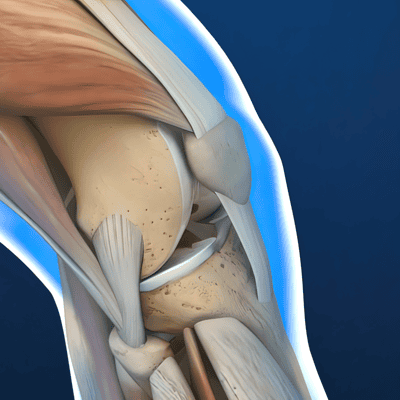
The knee contains two menisci—tough, rubbery pieces of cartilage that act as shock absorbers between your thighbone (femur) and shinbone (tibia). A tear can occur suddenly during sports activities or develop gradually due to degenerative changes associated with aging.
When the meniscus is damaged, patients often experience pain, stiffness, swelling, and a sensation of the knee "catching" or giving way. If the tear affects a person's ability to walk, work, or engage in daily activities, an orthopedic specialist may recommend arthroscopic surgery to address the damaged tissue.
How does the cost of meniscus surgery in Puerto Vallarta compare to the US?
The difference in healthcare economics, administrative overhead, and the cost of living contribute to the lower price point found at a typical meniscus surgery clinic in Puerto Vallarta, Mexico. While cost is a major driving factor, evaluating the overall value requires factoring in travel expenses, accommodation, and the cost of physical therapy once you return home.
| Location | Estimated Cost Range |
|---|---|
| United States (Uninsured) | $8,000 - $15,000+ |
| Puerto Vallarta, Mexico | $3,500 - $5,500 |
Note: The prices listed are general estimates. Final costs depend on medical facility fees, surgeon expertise, tear complexity, and specific patient requirements.
What is usually included in the price of the procedure?
When requesting a quote from a clinic, you should ask for a comprehensive breakdown of what is covered. Typical packages include:
- Orthopedic surgeon and assistant fees
- Anesthesiologist fees
- Use of the operating room and recovery area
- Standard surgical supplies and medications used during surgery
- Initial post-operative follow-up appointment before flying home
You should also budget for expenses outside the surgical quote, such as flights, hotel stays, ground transportation, pre-operative blood work, specialized imaging (like MRIs), and prescription medications needed for recovery.
How do I know if I am a good candidate for knee arthroscopy?
Not every torn meniscus requires surgery. A physician may suggest surgical intervention if you experience persistent mechanical symptoms, such as the knee locking, catching, or giving out, which fail to improve with rest, ice, medication, and physical therapy.
Your doctor will also evaluate the presence of advanced osteoarthritis. If severe arthritis is already wearing away the protective cartilage in the knee, repairing or removing a piece of the meniscus may not provide meaningful pain relief, and alternative treatments might be more appropriate. A thorough pre-surgical evaluation is essential for determining the best medical approach.
Important Consideration
Patients with pre-existing conditions such as heart disease, diabetes, or a history of blood clots must undergo rigorous medical clearance before traveling abroad for surgery to manage perioperative risks effectively.
What are the different types of meniscus procedures?
The surgical approach directly impacts recovery expectations and long-term joint health. The outer edge of the meniscus (the red zone) has a rich blood supply, making it capable of healing. Tears in this area may be treated with a meniscus repair, where the surgeon uses anchors or sutures to hold the tissue together while it heals.
Conversely, the inner portion of the meniscus (the white zone) lacks a blood supply. Tears here cannot heal on their own, even if stitched. For these injuries, surgeons typically perform a partial meniscectomy, removing the damaged, frayed tissue to leave a smooth edge and eliminate mechanical symptoms.
What should I expect during the recovery timeline?
If you undergo a partial meniscectomy, rehabilitation is generally swift. Many patients can bear weight on the knee shortly after surgery, use crutches for only a few days, and return to light daily activities within three to four weeks, provided they adhere to post-operative instructions.
A meniscus repair requires a much longer healing process to protect the delicate sutures. Patients are often required to wear a hinged knee brace and use crutches for four to six weeks, keeping weight off the healing joint. Full return to strenuous sports or heavy physical labor may take three to six months. In both cases, engaging in prescribed physical therapy upon returning home is critical for regaining range of motion and strengthening the surrounding muscles.
Are there potential risks or complications associated with this surgery?
Any incision introduces the possibility of surgical site infection, and the use of anesthesia involves cardiovascular and respiratory risks that vary by patient. Specific to knee surgery, there is a risk of deep vein thrombosis (DVT)—the formation of blood clots in the leg veins. This risk can be elevated if you are taking a long flight home shortly after the procedure.
Additionally, there is the possibility that the surgery may not completely relieve your pain, or that a repaired meniscus may fail to heal, requiring further intervention. It is essential to discuss these risks with both your primary care physician at home and your prospective surgeon in Mexico before making a decision.
Why do patients choose Puerto Vallarta for orthopedic care?
Located on Mexico's Pacific coast, the city features an international airport with direct flights from numerous major cities across the United States and Canada. This accessibility reduces the physical strain of long-haul travel, which is a significant benefit for individuals dealing with mobility issues and joint pain.
Furthermore, many clinics that cater to international patients feature bilingual staff, which helps ensure clear communication regarding medical history, surgical expectations, and post-operative care instructions. While the location is beautiful, medical travelers must remember that rest and healing take priority over typical vacation activities.
How should I prepare for traveling home after knee surgery?
To ensure a safer journey home, consider these travel precautions:
- Wait time: Most surgeons advise staying in the destination for several days post-surgery for observation and follow-up before flying.
- Clot prevention: Your doctor may prescribe compression stockings, recommend specific ankle-pumping exercises, or prescribe blood-thinning medication.
- Seating arrangements: Booking an aisle seat or paying for extra legroom can allow you to keep your leg extended and make it easier to stand and walk during the flight.
- Mobility aids: Ensure your airline is aware that you will be traveling with crutches or require wheelchair assistance through the terminal.
How do I select a reputable meniscus surgery clinic in Puerto Vallarta, Mexico?
When researching healthcare providers, verifying the qualifications of the orthopedic surgeon is paramount. Look for board certifications from recognized medical bodies, such as the Mexican Council of Orthopedics and Traumatology. You can also inquire about their specific experience performing arthroscopic knee procedures.
It is equally important to evaluate the facility. Ask about emergency protocols, infection rates, and whether the clinic can facilitate communication with your primary care physician at home. A reputable clinic will be transparent, eager to answer your clinical questions, and clear about the limitations and risks of the procedure.
Why Choose PlacidWay for Medical Tourism?
PlacidWay is an informational platform designed to help patients research international healthcare options. When exploring treatment abroad, PlacidWay offers several resources:
- Global Network: Provides access to information on healthcare facilities across multiple countries and specialties.
- Provider Profiles: Allows users to review clinic backgrounds, physician credentials, and available treatments in one place.
- Informational Resources: Offers guides and articles to help patients understand the logistics of seeking healthcare internationally.
- Direct Communication: Facilitates initial contact between patients and international clinics to request quotes and ask medical questions.
- Comparative Tools: Helps patients compare estimated treatment costs and facility amenities across different global destinations.
Frequently Asked Questions
How long does meniscus surgery take?
Meniscus surgery is typically performed as an outpatient arthroscopic procedure and usually takes between 30 minutes to an hour, depending on whether the meniscus is being trimmed or repaired.
Will I need physical therapy after my surgery in Puerto Vallarta?
Yes, physical therapy is strongly recommended after meniscus surgery. While you may begin basic exercises in Mexico, you will likely need to continue a structured physical therapy program once you return home to restore strength and mobility.
Can I fly immediately after knee arthroscopy?
Flying immediately after knee surgery increases the risk of deep vein thrombosis (blood clots). Surgeons typically recommend waiting a few days to a week before flying, and they may prescribe compression stockings or blood thinners for the journey.
Will a meniscus repair last forever?
While a successful meniscus repair can preserve knee function for many years, results vary by patient. Factors such as age, activity level, body weight, and overall joint health influence the long-term durability of the repair.
Do I need general or local anesthesia for this procedure?
Knee arthroscopy can be performed under general anesthesia, regional (spinal) anesthesia, or occasionally local anesthesia with sedation. The anesthesiologist will discuss the most appropriate option based on your health profile.
Can I combine a vacation with meniscus surgery in Mexico?
While Puerto Vallarta is a popular tourist destination, medical tourism requires prioritizing recovery. You can enjoy the coastal environment while resting, but activities like swimming, extensive walking, or active tours will be restricted post-surgery.
What happens if I don't treat a torn meniscus?
Leaving a symptomatic meniscus tear untreated can lead to continued pain, knee locking, swelling, and an increased risk of developing early-onset osteoarthritis as the protective cartilage continues to degrade.
Are the surgeons in Puerto Vallarta board-certified?
Many orthopedic surgeons in Puerto Vallarta hold certifications from the Mexican Council of Orthopedics and Traumatology. Patients should always request and verify the specific credentials of their prospective surgeon.
Will I need crutches after the procedure?
If you undergo a partial meniscectomy, you might only need crutches for a few days. If the meniscus is repaired with sutures, you may need crutches and a knee brace for four to six weeks to protect the healing tissue.
Does medical insurance cover meniscus surgery in Puerto Vallarta?
Standard US or Canadian health insurance policies rarely cover planned medical procedures performed abroad. However, some specialized medical tourism insurance policies or self-funded employer plans may offer coverage, so you should check with your provider directly.
Compare Treatment Options Today
Take the next step in researching your orthopedic healthcare options. Request facility details and estimated pricing directly.
Request Treatment InformationReferences
- Knee Arthroscopy - American Academy of Orthopaedic Surgeons
- Knee Arthroscopy - Mayo Clinic
- Meniscus Tears - American Academy of Orthopaedic Surgeons
- Medical Tourism Travel Information - Centers for Disease Control and Prevention
- Management of Meniscus Tears - National Institutes of Health
- Blood Clots and Travel - Centers for Disease Control and Prevention



























Share this listing