
A Guide to Choose Hair Transplant Clinic in Turkey

Navigating the options for a hair transplant in Turkey can feel overwhelming. With thousands of facilities operating in popular cities, identifying a medically sound, ethical provider is essential for your safety and results. While medical tourism offers access to experienced surgeons and modern facilities, it also requires patients to do their due diligence to avoid unregulated operations.
Understanding what distinguishes a reputable medical facility from a commercial "hair mill" is the most important step in your journey. This guide covers how to evaluate a clinic, verify medical credentials, understand pricing structures, and plan a safe trip for medical tourism in Turkey.
Key Takeaways
- Always verify that the clinic is registered with the Turkish Ministry of Health and meets local regulatory standards.
- Confirm that a licensed doctor will evaluate your scalp, plan the hairline, and perform the surgical incisions.
- Beware of clinics offering unusually low prices or promising guaranteed, limitless graft numbers.
- Ensure the facility provides comprehensive postoperative instructions and a clear plan for ongoing communication after you return home.
- Consult with your primary healthcare provider to confirm you are a suitable candidate before traveling abroad for surgery.
What credentials should I look for in a Turkish hair transplant surgeon?
The qualifications of the person performing your procedure matter more than the branding of the clinic. In Turkey, hair transplants must legally be performed under the supervision of a medical doctor, typically a dermatologist or plastic surgeon. Before committing to a facility, ask for the full name and medical credentials of the primary physician who will be responsible for your care.
It is helpful to cross-reference the doctor’s name with professional medical boards. While membership in international societies like the ISHRS is not legally required, it often indicates a commitment to ethical practices and continuing medical education. A doctor who frequently attends global conferences or publishes peer-reviewed research is likely staying updated on accepted surgical safety protocols.
Do not hesitate to ask how long the surgeon has been performing hair transplants and roughly how many procedures they conduct each day. A doctor who focuses on quality will typically limit their daily patient roster to one or two surgeries to avoid fatigue and maintain a high standard of care.
Why is it important that a doctor performs the procedure instead of technicians?
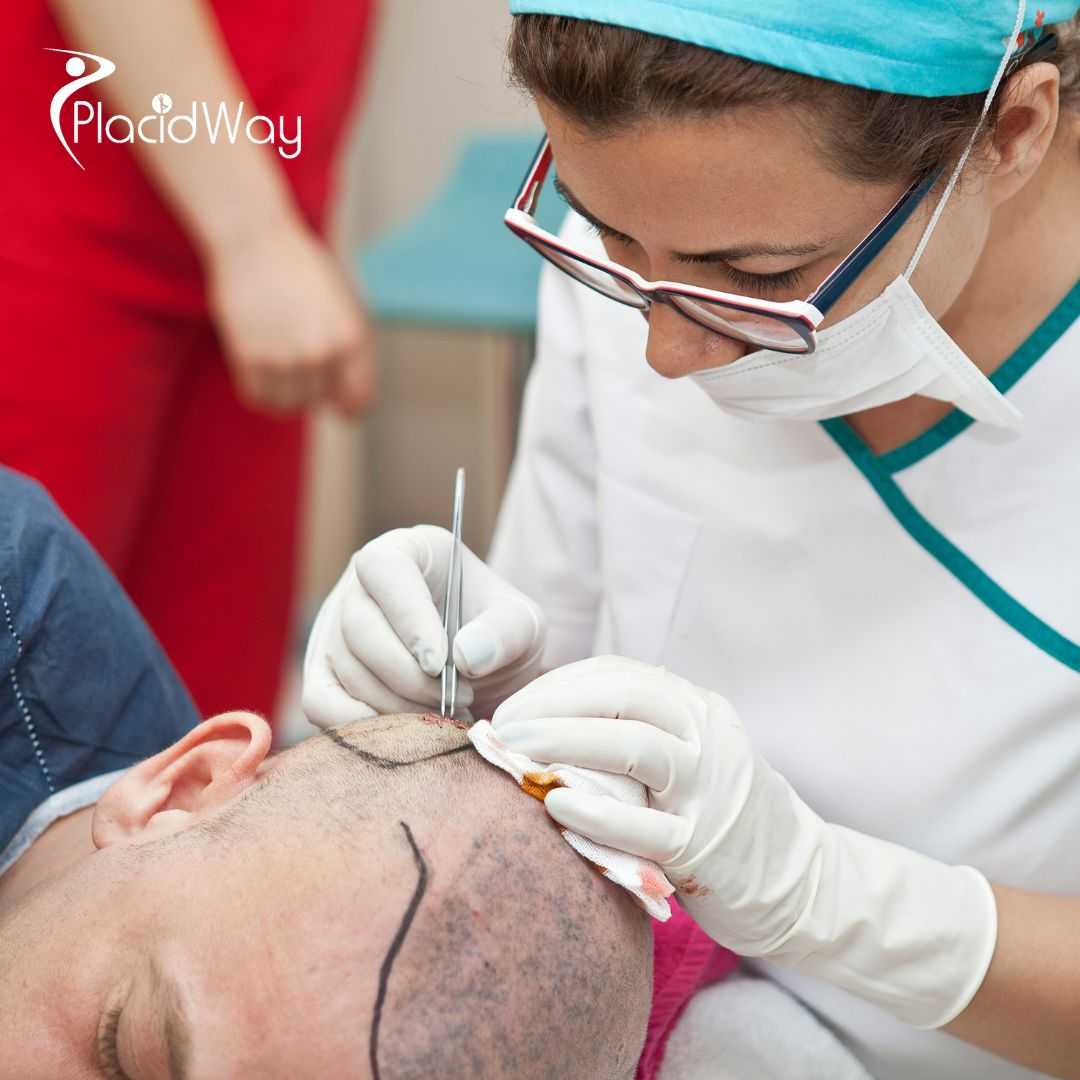
One of the primary risks in global hair restoration is the rise of unauthorized clinics where technicians perform the entire surgery while the doctor is absent or merely acting as a figurehead. Hair transplantation is a surgical procedure. Making incisions into the scalp requires an in-depth understanding of anatomy, blood flow, and local anesthesia.
When you choose a hair transplant clinic in Turkey, ensure you receive a written commitment regarding the doctor's involvement. Technicians and nurses play a vital role in assisting—such as sorting and preparing the extracted grafts—but the actual extraction strategy and the creation of recipient sites should be executed by the physician.
Delegating surgical steps to untrained personnel increases the risk of overharvesting the donor area, necrosis (tissue death), severe infections, and unnatural results. By confirming the doctor's hands-on involvement, you take a major step toward protecting your health and the longevity of your donor hair supply.
How can I verify the medical standards of a hair transplant clinic in Turkey?
Legitimate medical facilities in Turkey are strictly regulated by the government. Any clinic offering services to international patients must hold a specific authorization certificate. This certification means the facility is subject to periodic inspections regarding hygiene, equipment sterilization, and staffing protocols.
You can also look for international accreditations, such as those from the Joint Commission International (JCI), though these are more common for large hospital networks than standalone boutique clinics. Ask the clinic about their sterilization processes. They should use autoclaves for reusable tools and single-use, disposable punches for extractions to prevent cross-contamination and bloodborne infections.
Furthermore, the physical location of the clinic matters. Procedures should take place in a dedicated medical building or hospital environment with emergency resuscitation equipment on hand, rather than in an unregulated office space or hotel room.
What should a comprehensive hair transplant consultation include?
A trustworthy provider will evaluate whether you are actually a suitable candidate before accepting your booking. Not everyone with hair loss can safely undergo a transplant. The consultation—even if initially conducted online via photographs—must address your specific pattern of baldness and the long-term stability of your remaining hair.
- Medical History: Discussing past surgeries, chronic illnesses, medications, and allergies to local anesthetics.
- Donor Area Evaluation: Calculating the number of grafts that can safely be extracted without leaving the back of your head looking patchy.
- Hairline Design: Planning a hairline that is age-appropriate and suits your facial structure.
- Future Hair Loss: Addressing the likelihood of ongoing natural hair loss and whether medical therapies (like minoxidil or finasteride) may be necessary to maintain results.
- Risk Disclosure: An honest conversation about potential complications, such as poor graft survival or scarring.
How do I evaluate before-and-after hair transplant photos for authenticity?
Visual evidence is a major factor in choosing a provider, but before-and-after photos can easily be manipulated. When reviewing a clinic's portfolio, look for consistency. The "before" and "after" images should ideally be taken in the same room, under the same harsh clinical lighting, and from the exact same angles (front, top, sides, and back).
Pay close attention to the donor area in the "after" photos. A successful hair transplant is not just about the new hair on top; it also involves leaving the back of the head looking healthy and unscarred. If a clinic rarely shows the donor area after extraction, they may be trying to hide evidence of overharvesting.
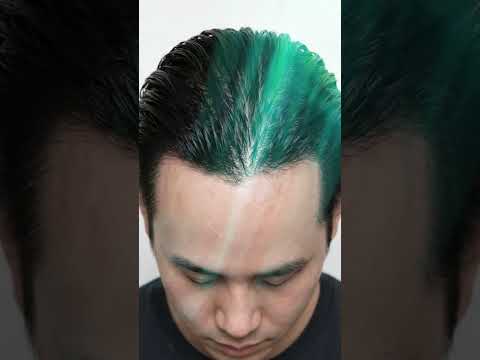
Be wary of clinics that only show patients with wet, combed-back hair in the "before" shot, and styled, blown-dry hair in the "after" shot. Look for clear, high-resolution videos where the surgeon combs through the transplanted hair, as video is generally more difficult to artificially enhance than still photography.
What questions should I ask about hair transplant aftercare in Turkey?
The success of your surgery relies heavily on how you treat the grafts during the first 14 days. A reputable clinic will provide a detailed, written aftercare manual in your native language. They should physically demonstrate how to sleep, how to apply any necessary saline sprays, and how to perform the first scalp wash.
Ask the clinic about their communication protocol after you fly home. You need to know who to contact—and how quickly they typically respond—if you experience unusual swelling, prolonged pain, or signs of infection. Some clinics schedule regular check-ins via video call at the 1-month, 3-month, and 6-month marks to track your progress.
It is also wise to ask what the clinic's policy is regarding corrective procedures if a significant portion of the grafts fail to grow due to surgical error, though you should remember that no medical outcome can be completely guaranteed.
How much does a hair transplant cost in Turkey compared to other countries?
The lower pricing in Turkey is primarily driven by favorable exchange rates, lower local labor costs, and a highly competitive medical tourism market, rather than a lack of medical technology. However, prices that fall far below the local average should be viewed with caution. If a clinic offers a procedure for under $1,500 with "unlimited grafts," it is highly likely operating as a volume-driven mill with minimal doctor involvement.
| Pricing Model | What to Expect | Considerations |
|---|---|---|
| Per-Graft Pricing | You pay exactly for the number of follicles extracted and implanted. | Often associated with boutique, doctor-led clinics focusing on quality. |
| Flat-Fee Packages | A set price covering surgery, hotel, and local transfers regardless of graft count. | Convenient, but verify that the graft count is clinically appropriate, not just maximized. |
When comparing quotes, ask for a detailed breakdown of what is included. Reputable clinics will clearly state whether preoperative blood tests, postoperative medications, specialized shampoos, and follow-up consultations are covered in the initial estimate.
What are the risks of choosing an unregulated hair mill in Turkey?
A "hair mill" operates on a high-volume business model, sometimes treating up to 30 patients a day. In these environments, speed takes priority over medical safety and aesthetic precision. The primary risk is donor depletion. If technicians extract too many grafts from a concentrated area, they can permanently scar the back of the head, a condition sometimes referred to as a "moth-eaten" appearance.
Furthermore, improper angulation during implantation can lead to hairs growing in unnatural directions, creating a harsh, doll-like hairline. Correcting these mistakes is incredibly difficult, expensive, and sometimes impossible if the donor hair supply has been exhausted.
Medically, poor hygiene in unregulated settings can lead to serious skin infections, delayed healing, and tissue necrosis—where the scalp tissue dies due to compromised blood supply. Protecting yourself requires looking past aggressive marketing and prioritizing verifiable medical credentials.
What happens if I need medical support after returning home from Turkey?
While severe complications are relatively rare in well-executed hair transplants, they can occur. Because you will be thousands of miles away from your surgical team, managing late-stage healing issues requires local support. Before traveling, it is advisable to speak with your primary care provider or a local dermatologist about your plans.
If you experience sudden swelling, intense redness, pus, or fever weeks after your procedure, you must seek immediate medical attention locally rather than waiting for email responses from the overseas clinic. Provide your local doctor with your translated surgical records.
Keep in mind that local healthcare systems or private insurance generally will not cover the cost of corrective cosmetic procedures, though they will treat acute infections or immediate medical emergencies arising from the surgery.
Why Choose PlacidWay for Medical Tourism in Turkey?
PlacidWay provides resources to help patients navigate international healthcare options.
- Informational Directory: PlacidWay offers access to a wide directory of international clinics and healthcare providers.
- Provider Profiles: Patients can review facility profiles, available treatments, and publicly listed medical credentials.
- Direct Communication: The platform facilitates initial contact between patients and international medical teams.
- Educational Content: PlacidWay provides articles and guides focused on helping patients understand medical tourism.
- Cost Comparisons: The platform allows users to request estimates from multiple facilities to compare pricing structures.
Frequently Asked Questions
Is medical tourism in Turkey safe for hair transplants?
Medical tourism in Turkey can be safe for hair transplants if you select a facility registered with the Turkish Ministry of Health and ensure a qualified doctor performs the procedure. Thorough research and vetting are essential to minimize risks.
What is the typical recovery time after a hair transplant in Turkey?
Initial recovery usually takes about 7 to 10 days, during which scabbing and redness subside. However, full hair growth is a gradual process that typically takes 12 to 18 months to become fully visible.
Can I travel immediately after a hair restoration procedure?
Most surgeons advise waiting at least 2 to 3 days before flying. Changes in cabin pressure and the physical strain of travel can increase swelling or the risk of displacing newly implanted grafts.
Which hair transplant techniques are commonly used in Turkish clinics?
The most common techniques are Follicular Unit Extraction (FUE) and Hair Transplant . Both involve extracting individual hair follicles, but they differ slightly in how the grafts are implanted into the scalp.
How do I know if I am a suitable candidate for hair restoration?
Suitability depends on the cause of your hair loss, your age, overall health, and having a sufficient supply of healthy donor hair. A professional medical evaluation is necessary to determine if the procedure is appropriate for you.
Are blood tests required before a hair transplant procedure?
Yes, reputable clinics require preoperative blood tests to screen for infectious diseases, check clotting factors, and ensure you are healthy enough to undergo a surgical procedure using local anesthesia.
What happens if the transplanted hair does not grow as expected?
If growth is poor, you should consult your primary surgeon or a local dermatologist. Poor growth can result from graft mishandling, underlying health conditions, or improper aftercare, and may require medical therapy or a corrective procedure.
Do Turkish clinics provide translated medical records?
Professional clinics that routinely treat international patients usually provide operative reports, post-care instructions, and medical records in English to ensure your local doctor can coordinate any necessary follow-up care.
How long should I plan to stay in Istanbul or Antalya for the procedure?
Patients are typically advised to stay in the destination city for 4 to 5 days. This allows time for the preoperative consultation, the surgery day, and the critical first wash and follow-up appointment.
Will my local doctor need to remove stitches after I return?
If you undergo an FUE or procedure, no stitches are typically used, so removal is unnecessary. If you have an FUT (strip) procedure, you will likely need a local healthcare provider to remove the sutures about 10 to 14 days later.
Compare Treatment Options Today
Gather the information you need to make an informed decision about your healthcare journey. Request educational materials and facility details to explore your options.
Request Treatment InformationReferences
- Beware of the Hair Transplant Black Market – International Society of Hair Restoration Surgery (ISHRS)
- Hair Transplant Overview and Risks – National Health Service (NHS) UK
- Complications in Hair Transplantation – Journal of Cutaneous and Aesthetic Surgery (via PubMed)
- Hair Transplants: What to Expect – American Academy of Dermatology Association
- Health Tourism Regulations – Republic of Turkey Ministry of Health
- Medical Tourism Safety Guidelines – Centers for Disease Control and Prevention (CDC)





















Share this listing