
What treatment


20+ Key FAQs on Hair Transplantation in Turkey
Questions About Hair Transplantation in Turkey? Start Here
Trusted Medical Tourism Platform Since 2007

Why Is Turkey Considered a Global Leader in FUE and Hair Transplant Procedures?
Turkey dominates the hair transplant industry due to a combination of affordable pricing (saving patients up to 70%), highly experienced surgeons performing thousands of cases, and the widespread adoption of advanced FUE and Hair Transplant technologies. For decades, individuals struggling with hair loss have sought effective solutions, but in recent years, one destination has emerged as the undisputed capital of hair restoration: Turkey. If you have researched hair transplants, you have likely noticed that Turkey is consistently ranked as the top choice for international patients. But what drives this phenomenon? The country has successfully positioned itself at the intersection of medical excellence and tourism. By offering state-of-the-art procedures like Follicular Unit Extraction (FUE) and Hair Transplant at a fraction of the cost found in Western nations, Turkey attracts hundreds of thousands of medical tourists annually. Beyond the price tag, the sheer volume of procedures performed has created a pool of surgeons with unparalleled experience and expertise. In this guide, we will explore the specific reasons behind Turkey's leadership in this field, from cost breakdowns and safety standards to the technological advancements that ensure natural-looking results. Why is Turkey the top destination for hair transplants? Turkey is the top destination because it offers high-quality medical care accredited by international organizations at affordable prices, supported by government incentives for medical tourism. Turkey’s rise to the top is not accidental; it is the result of strategic government investment in medical tourism and a robust healthcare infrastructure. The Turkish government provides significant support to healthcare facilities that cater to international patients, allowing clinics to invest in the latest equipment and maintain high standards without passing exorbitant costs on to the patient. This ecosystem has created a competitive environment where clinics strive for excellence to attract global clientele. Furthermore, geographic location plays a role. Bridging Europe and Asia, Turkey is easily accessible to patients from the UK, Europe, the Middle East, and even the US. Istanbul, in particular, has become a hub where certified clinics offer luxurious experiences that feel more like a vacation than a medical trip. The combination of JCI-accredited hospitals and hospitality makes it a compelling choice for those seeking hair restoration. Finally, the "reputation loop" strengthens its position. As more patients visit and share their successful before-and-after photos, trust in Turkish clinics grows. This word-of-mouth marketing, bolstered by verified reviews, solidifies Turkey's status as the go-to place for FUE and Hair Transplant procedures. What is the difference between FUE and Hair Transplant? FUE involves opening channels before implanting harvested grafts, while Hair Transplant uses a specialized pen to implant grafts directly without pre-made incisions, offering higher density control. Understanding the difference between FUE (Follicular Unit Extraction) and Hair Transplant is crucial for patients. In a standard FUE procedure, the surgeon harvests hair follicles from the donor area (usually the back of the head) and then opens micro-channels in the recipient area using a blade (often Sapphire). The grafts are then manually placed into these channels. This method is excellent for covering large bald patches effectively. Hair Transplant is considered a more advanced evolution of FUE. It utilizes a tool called a Choi Implanter Pen. The harvested follicles are loaded into the pen and implanted directly into the scalp. This eliminates the need to create separate channels beforehand. The primary benefit of Hair Transplant is precision; it allows the surgeon to control the angle, depth, and direction of each hair with extreme accuracy, often resulting in a more natural-looking hairline and higher density. While FUE is generally faster and more suitable for patients needing a high number of grafts (e.g., 4,000+), Hair Transplant is often preferred for hairline redesigns, eyebrow transplants, or increasing density between existing hairs without shaving the head. Both techniques are minimally invasive and leave no linear scarring. How much does a hair transplant cost in Turkey compared to other countries? A hair transplant in Turkey costs between $1,500 and $4,500, whereas the same procedure in the US or UK can range from $10,000 to $20,000. Cost is the single biggest driver for medical tourists. The disparity in pricing is staggering, yet it does not reflect a disparity in quality. The lower costs in Turkey are due to the lower cost of living, lower labor costs, and the domestic production of medical equipment. In Western countries, overheads, insurance, and surgeon fees drive prices up significantly. Below is a detailed comparison of estimated costs for a 3,000-graft hair transplant procedure: Country Estimated Cost (USD) Inclusions Turkey $1,500 - $4,500 All-inclusive (Hotel, Transfers, Meds) USA $12,000 - $20,000 Procedure Only UK $8,000 - $15,000 Procedure Only Canada $10,000 - $18,000 Procedure Only Australia $11,000 - $16,000 Procedure Only This table highlights the incredible value proposition. In Turkey, the price you pay often covers not just the surgery, but 3 nights in a 4 or 5-star hotel, VIP transfers between the airport and clinic, and all necessary post-operative medications. In contrast, Western clinics typically charge per graft, meaning the cost increases as the hair loss severity increases. Are hair transplant surgeons in Turkey experienced? Yes, Turkish surgeons are among the most experienced in the world, often performing hundreds of procedures annually, which hones their skills and artistic precision. Experience in surgery is directly correlated with volume. Because Turkey attracts such a massive influx of patients, Turkish surgeons perform hair transplants daily, whereas a surgeon in a general cosmetic practice in Europe might only perform a few per week. This high volume allows Turkish medical teams to master the nuances of different hair types, ethnicities, and hair loss patterns. Many lead hair transplant surgeons in Turkey are members of prestigious international boards such as the ISHRS (International Society of Hair Restoration Surgery). They regularly attend global conferences to stay updated on the latest techniques. However, it is important to note that while the lead surgeon plans the hairline and supervises the operation, experienced technicians often assist with the graft extraction and placement, which is a standard practice globally to ensure efficiency. The "art" of hair transplantation—designing a natural hairline that frames the face correctly—is a skill perfected over time. Turkish surgeons are renowned for their ability to create dense, natural-looking results that do not look "pluggy" or artificial, thanks to their extensive daily practice. What is the success rate of hair transplants in Turkey? The success rate for hair transplants in Turkey is typically reported between 95% and 98%, provided the patient follows aftercare instructions and chooses a reputable clinic. Success in hair transplantation is defined by the survival rate of the transplanted grafts. In top-tier Turkish clinics, this survival rate is exceptionally high. The use of Sapphire blades in FUE creates smaller, cleaner incisions that heal faster and hold the grafts more securely, contributing to these high numbers. Similarly, the Hair Transplant technique minimizes the time grafts spend outside the body, boosting their viability. However, "success" is also subjective and relies on patient satisfaction. A successful medical procedure must also meet aesthetic expectations. This is why the consultation phase is critical. Surgeons in Turkey use digital mapping tools to show patients exactly what coverage they can expect based on their donor area capacity. Managing expectations is key to a 98% satisfaction rate. It is worth noting that success also depends on the patient. Smoking, poor diet, and failure to follow the post-op washing regimen can compromise graft survival. Clinics provide detailed guides and often have dedicated WhatsApp support lines to monitor patient recovery for 12 months post-surgery, ensuring the success rate remains high. Is it safe to get a hair transplant in Turkey? Yes, it is safe, but patients must research and choose clinics accredited by the Turkish Ministry of Health and international bodies like JCI to ensure strict safety protocols. Safety is a valid concern for anyone traveling abroad for surgery. The Turkish Ministry of Health enforces strict regulations on medical tourism. Legitimate hair transplant procedures must be performed in a hospital or a fully equipped surgical center, not in a regular office or hotel room. The best clinics adhere to strict sterilization protocols to prevent infection and ensure patient safety. To ensure safety, patients should look for the "TÜRSAB" seal (Association of Turkish Travel Agencies) which verifies the agency's legal status, and check if the clinic is JCI (Joint Commission International) accredited. This accreditation is the gold standard in global healthcare safety. While the vast majority of clinics are safe and professional, "black market" clinics do exist. These are uncertified locations offering rock-bottom prices. Patients should avoid any clinic that does not offer a consultation with a doctor or offers prices that seem too good to be true (e.g., under $1,000 for a full session). Prioritizing value over the absolute lowest price is the best way to stay safe. What technology is used in Turkish hair transplant clinics? Turkish clinics utilize cutting-edge technology such as Sapphire FUE blades, Choi Implanter Pens for Hair Transplant and needle-free anesthesia to maximize comfort and results. Turkey is often an early adopter of new hair restoration technologies. The standard FUE method has been upgraded in many clinics to Sapphire FUE. Instead of using steel blades to open channels, surgeons use blades made from sapphire gemstone. These blades are sharper and smoother, causing less tissue damage, less bleeding, and faster healing. They also allow for closer channel placement, leading to higher hair density. Another technological leap is Needle-Free Anesthesia. Many patients fear the pain of the anesthetic injections more than the surgery itself. Turkish clinics frequently use jet-injection devices that use high pressure to deliver the anesthetic through the skin without a needle, significantly reducing discomfort. Robotic hair restoration is also available in some high-end clinics, though manual extraction by expert surgeons remains the preferred standard for its adaptability. The combination of these advanced tools ensures that patients receive world-class care that rivals or exceeds what is available in their home countries. What is included in all-inclusive hair transplant packages? Packages typically include the surgery, 2-3 nights in a 4/5-star hotel, VIP airport transfers, pre-op blood tests, post-op medications, and translation services. The concept of the "all-inclusive" package is a major selling point for Turkey. It removes the logistical stress from the patient. Once you book your flight, the clinic usually handles everything else. Upon arrival at the airport, a private driver picks you up and takes you to your hotel. The next day, you are shuttled to the clinic for the procedure. These packages are comprehensive. They include the consultation, blood tests (to check for HIV, Hepatitis, etc.), the surgery itself (with maximum grafts), and a post-op care kit containing special shampoos, lotions, and antibiotics. Some premium packages even include PRP (Platelet-Rich Plasma) therapy, which boosts healing and hair growth. Having a personal translator or a multi-lingual host is also standard. This ensures that language barriers do not affect the quality of care or the patient's comfort. This level of service, combined with the medical procedure, provides a "VIP" experience that is rare in Western healthcare systems. How long is the recovery time for FUE vs Hair Transplant? Recovery is quick for both, but Hair Transplant often heals slightly faster (5-7 days) compared to FUE (7-10 days) due to the lack of channel incisions. Recovery is a crucial phase of the hair transplant journey. With Sapphire FUE, the tiny incisions scabbing over takes about 7 to 10 days. During this time, patients must be careful not to touch or bump the recipient area. The scabs typically fall off after the 10th wash (around day 10-12), revealing the short, transplanted hairs. Hair Transplant can offer a slightly faster visual recovery. Since there are no separate channel incisions, there is often less bleeding and crusting. Patients might look "presentable" a few days earlier than with FUE. However, the internal healing of the scalp takes about the same time for both. Most patients can return to work within 3 to 5 days if their job is not physically demanding. However, strenuous exercise, swimming, and sweating should be avoided for at least a month to ensure the grafts anchor securely. Full growth is a patience game: visible growth starts at 3-4 months, with full results seen at 12-18 months. Can I combine a hair transplant with a holiday in Turkey? Yes, but you should schedule your sightseeing before the surgery, as you need to rest and avoid sun exposure immediately after the procedure. Many patients want to make the most of their trip to Istanbul or Antalya. It is perfectly possible to enjoy the rich history, food, and culture of Turkey, but timing is everything. Surgeons strongly advise doing all your heavy sightseeing, hammam visits, and shopping before your surgery date. After the surgery, you will have bandages on your donor area and your scalp will be sensitive. You must avoid direct sunlight, sweating, and dusty environments to prevent infection. You will likely prefer to relax in your hotel room or take gentle walks rather than climbing the stairs of the Galata Tower. That said, recovering in a beautiful city with excellent room service and hospitality can make the healing process much more pleasant. Just remember that the primary purpose of the trip is medical, and your recovery protocols must take precedence over tourism. What is the best time of year to get a hair transplant in Turkey? Hair transplants can be done year-round, but Autumn and Winter are popular to avoid sweating and strong sun exposure during the initial healing phase. Technically, hair transplant surgery can be performed at any time of the year. However, post-operative care requires you to keep the scalp dry and protected from the sun. For this reason, many patients prefer the cooler months of Autumn, Winter, or early Spring. Summer procedures are fine, but they require more discipline. You cannot go swimming in the sea or pool for at least a month, and you must wear a loose hat to block UV rays if you are outside. Sweating can irritate the scalp and potentially dislodge grafts in the first few days, so the summer heat in Turkey can be a challenge if you plan to be outdoors. Ultimately, the "best" time is when you can take a week off work to relax and let the initial healing happen in privacy. Many people choose the winter holidays for this reason. How many grafts can be transplanted in one session? Surgeons can safely transplant up to 4,000–5,000 grafts in a single "mega session," depending on the quality of the patient's donor area. One of the advantages of choosing Turkey is the ability to undergo "mega sessions." In many Western clinics, sessions are capped at 2,000–3,000 grafts due to time constraints or pricing models. In Turkey, experienced teams work efficiently to transplant up to 4,500 or even 5,000 grafts in a single day, providing maximum coverage for extensive baldness. However, there is a limit. Over-harvesting the donor area (taking too many follicles) can leave the back of the head looking patchy and thin. A responsible surgeon will assess your donor capacity and may recommend two separate sessions spaced a year apart if you need more than 5,000 grafts. The goal is always balance: achieving good coverage in the balding area while maintaining a healthy-looking donor area. FUE allows for this balance better than older techniques, as it thins the donor area uniformly rather than removing a strip of skin. How do I choose the right clinic in Turkey? Choose a clinic based on surgeon certification, real patient reviews, before/after photos, and transparency about who will perform the surgery. With hundreds of clinics in Istanbul alone, making a choice can be overwhelming. To filter the best from the rest, start by checking the lead surgeon's credentials. Are they a doctor? Do they belong to international societies? Avoid clinics that are run solely by technicians without doctor supervision. Look for consistent, high-quality before-and-after photos that show results in harsh lighting, not just flattering angles. Video testimonials are harder to fake than text reviews. Also, ask specific questions during your consultation: "Will the doctor open the channels?" "How many patients do you treat per day?" Beware of brokers or aggressive sales agents who promise unrealistic results. A trustworthy clinic will be honest about what is achievable and will prioritize your health over a sale. Platforms that vet medical providers can be a safe way to find reputable clinics. What are the side effects of hair transplant surgery? Common side effects include swelling, itching, and temporary "shock loss," all of which are normal and subside within a few weeks. Like any surgical procedure, hair transplants come with temporary side effects. Swelling around the forehead and eyes is very common around day 3 or 4 but usually disappears after a week. Wearing a headband provided by the clinic helps prevent this fluid from moving down the face. Itching in the donor and recipient areas is a sign of healing but can be annoying. Saline sprays and antihistamines can help manage this. Perhaps the most alarming side effect for patients is "shock loss"—the shedding of the newly transplanted hair (and sometimes native hair) a few weeks after surgery. This is completely normal and part of the hair growth cycle. The roots remain healthy under the skin, and new growth will begin in a few months. Infection is rare if hygiene protocols are followed. Numbness in the scalp can persist for a few months but typically resolves on its own as the nerves regenerate. Do Turkish clinics offer a warranty on hair transplants? Yes, most reputable clinics provide a guarantee certificate, promising a free corrective procedure if the transplanted grafts fail to grow. To provide peace of mind to international patients, many top Turkish clinics offer a written guarantee or warranty. This document typically states that if a certain percentage of the transplanted grafts do not grow, the clinic will perform a touch-up procedure at no cost (excluding travel expenses). This warranty is a testament to their confidence in their results. However, it is conditional. The patient must demonstrate that they followed post-operative care instructions. If the failure is due to patient negligence (e.g., bumping the head, scratching off grafts, or sunburn), the warranty may be void. Always ask to see a copy of the guarantee policy before booking. It adds an extra layer of security to your investment in yourself. Ready to Restore Your Confidence? If you are considering a hair transplant in Turkey, ensure you are choosing a certified and trusted provider. Explore PlacidWay to compare top-rated clinics, read verified patient reviews, and find exclusive packages for medical tourism in Turkey. Explore Hair Transplant Options...
Read more details

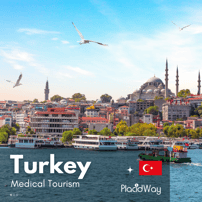
What are the Things I Wish I Knew Before a Hair Transplant in Turkey?
Considering a hair transplant in Turkey is a major medical and personal decision. Many individuals travel abroad seeking hair restoration, often enticed by before-and-after photos and appealing packages. However, the reality of the procedure involves careful preparation, a long recovery timeline, and a thorough understanding of the medical process involved. Knowing what to expect before booking your flight can help you manage your expectations and prioritize your health. Before getting a hair transplant in Turkey, you should know that results take 12 to 18 months, the first two weeks of recovery require sleeping upright, temporary shedding is a normal phase, and choosing a medically qualified clinic is essential. Key Takeaways Full hair restoration results can take up to 12 to 18 months to become visible. A phase known as "shock loss," where transplanted hair falls out before regrowing, is a standard part of recovery. Strict post-operative care, including specific sleeping positions and washing techniques, impacts the final outcome. Price alone should not dictate your choice; medical oversight and practitioner credentials are paramount for safety. You may still need ongoing medical treatments to preserve your natural, non-transplanted hair. How long does it really take to see final hair transplant results? Final results from a hair transplant typically take between 12 and 18 months to fully mature. Patience is essential, as the follicles must undergo a complete biological resting and growth cycle. Many patients expect to have a full head of hair just a few months after their procedure. However, human hair grows slowly, averaging about half an inch per month. When follicles are transplanted, they undergo trauma and immediately enter a resting phase. It usually takes three to four months before you begin to see new, fine hairs emerging through the scalp. By the six-month mark, you may see about 40% to 50% of the final growth, but the hairs can still appear thin or wiry. As you progress toward the one-year milestone, the hair shaft typically thickens, and the density improves significantly. The crown area, in particular, has a slower blood supply and may take the full 18 months to show the final result. What is the "shock loss" phase after a hair transplant? Shock loss is a temporary phase occurring two to four weeks post-surgery, where the newly transplanted hairs shed and fall out. This is a normal physiological response to scalp trauma and does not mean the procedure failed. Experiencing shock loss can be highly distressing if you are unprepared for it. After the grafts are implanted, the blood supply to the scalp is temporarily disrupted. This stress causes the hair follicles to shift prematurely into the telogen (shedding) phase of the hair growth cycle. Consequently, the visible hair shafts detach and fall out, often leaving you looking exactly as you did before the surgery, if not slightly thinner. It is vital to understand that while the hair shaft sheds, the actual follicle root remains securely anchored beneath the skin. Once the resting phase concludes—usually after a few months—these roots will begin producing brand new, healthy hair shafts. Occasionally, nearby native hair can also experience mild shedding, though it typically recovers alongside the transplanted hair. How uncomfortable is the procedure and the initial recovery? While local anesthesia numbs the scalp during the surgery, the injection process can cause brief discomfort. During the first week of recovery, patients frequently experience tightness, itching, and swelling around the forehead and eyes. The hair transplant procedure itself is usually well-tolerated once the anesthesia takes effect. However, the initial administration of numbing injections can be stinging and uncomfortable. Some clinics offer needle-free anesthesia devices or mild sedation to help manage this anxiety and discomfort. Post-operative recovery comes with its own set of challenges. As the numbing medication wears off, the scalp may feel tender or tight. Over the first three to five days, gravity often causes fluid from the injected anesthesia to drain downward, which can lead to noticeable swelling around the forehead and even the eyes. Additionally, as the microscopic incisions begin to heal and scab over, intense itching is common. Scratching must be strictly avoided to prevent dislodging the fragile new grafts. Why is sleeping upright necessary during the first week? Sleeping at a 45-degree angle helps minimize facial swelling and prevents your newly implanted hair grafts from rubbing against pillows and becoming dislodged. One of the most challenging aspects of early recovery is the restricted sleeping position. For the first seven to ten days, clinics strongly advise sleeping on your back with your head elevated. Lying flat allows fluid to pool in the face, exacerbating swelling. More importantly, rolling onto your stomach or side risks direct contact between your scalp and the bedding. In the initial days, the newly implanted grafts have not yet firmly rooted into the surrounding tissue. Even mild friction from a pillowcase can pull them out, potentially compromising the final density of your transplant. To manage this, many patients rely on a travel neck pillow to keep their head stabilized facing forward throughout the night. What factors influence the total hair transplant cost in Turkey? The total estimated hair transplant cost in Turkey depends on the number of grafts required, the extraction technique used, the level of doctor involvement, and whether the clinic offers comprehensive care packages. Extraction Technique: Specialized methods like Direct Hair Implantation (DHI) or Sapphire FUE generally cost more than standard Follicular Unit Extraction (FUE) due to the tools and time required. Practitioner Involvement: Clinics where a board-certified dermatologist or plastic surgeon performs or closely supervises the incisions typically charge more than facilities relying solely on unlicensed technicians. Graft Count: While some clinics offer fixed package rates, others price the procedure based on the exact number of grafts needed to cover the thinning areas. Facility Standards: Treatment inside a fully accredited, multi-specialty hospital environment will often have higher fees compared to small, independent aesthetic centers. Included Services: Many international patients opt for packages that bundle the surgery, post-operative medications, special shampoos, and local transfers, which affects the final price tag. How do I choose a safe hair transplant clinic in Turkey? Selecting a safe hair transplant clinic in Turkey requires researching the medical credentials of the operating doctor, ensuring the facility adheres to strict sterilization protocols, and avoiding places that promise unrealistic results. With numerous options available, focusing on medical safety is crucial. Begin by verifying who will actually perform the surgery. International medical guidelines suggest that a qualified physician should make the recipient site incisions, as this dictates the angle, depth, and direction of the new hair. Facilities where doctors only conduct a brief initial consultation before leaving the entire surgery to technicians pose a higher risk of complications and subpar aesthetic outcomes. Aspect Red Flags (Proceed with Caution) Green Flags (Positive Indicators) Medical Staff Unnamed technicians performing the entire procedure. Procedure led by a named, qualified dermatologist or surgeon. Graft Limits Promising 6,000+ grafts in a single day. Conservative extraction limits to preserve the donor area. Consultation High-pressure sales tactics and guarantees. Honest discussion of risks, eligibility, and realistic density. Additionally, research the clinic’s infrastructure. Procedures should take place in sterile, hygienic environments equipped to handle potential medical emergencies. Look for facilities with recognized accreditations or affiliations with international medical boards. Are there long-term maintenance requirements for transplanted hair? While transplanted hair is typically resistant to genetic balding, your native hair remains vulnerable. Doctors often recommend ongoing medical management to maintain overall hair density and prevent future loss behind the transplanted area. A common misconception is that a hair transplant is a final, one-and-done cure for baldness. The truth is that hair loss is a progressive condition. The follicles taken from the back of your head (the donor area) are usually resistant to dihydrotestosterone (DHT), the hormone responsible for pattern baldness. Once relocated, these specific hairs are likely to survive long-term. However, the original hair on the top and front of your scalp remains susceptible to thinning. If you do not stabilize this ongoing loss, you may eventually develop a noticeable gap between your transplanted hairline and your receding natural hair. To combat this, physicians frequently advise patients to consider FDA-approved medical treatments, such as finasteride or minoxidil, to support long-term hair retention. What happens if I have an underlying medical condition? Certain health conditions, such as diabetes, bleeding disorders, or autoimmune diseases, can affect healing, increase infection risks, or alter graft survival. A comprehensive medical screening is required to determine if surgery is safe for you. Patient safety must always come first. A hair transplant is a surgical procedure that involves hundreds or thousands of micro-incisions. If you have unmanaged diabetes, your body's ability to heal these incisions may be compromised, increasing the risk of necrosis (tissue death) or severe infections. Similarly, conditions that affect blood clotting can lead to excessive bleeding during the operation. Scalp conditions, such as severe psoriasis or certain types of scarring alopecia, may also contraindicate a transplant because the hostile scalp environment could prevent the new grafts from surviving. Always provide a full, honest medical history to your provider. A responsible medical professional may advise against the procedure or require clearance from your primary care physician before moving forward. How does the density of a transplant compare to natural hair? A hair transplant cannot replicate the exact density of your original, pre-hair-loss state. The goal is to create an illusion of fullness by strategically placing a limited number of grafts to cover the scalp. It is important to manage expectations regarding density. Natural human hair grows at a density of roughly 80 to 100 follicular units per square centimeter. In a hair transplant, surgeons typically implant between 30 and 50 units per square centimeter. Attempting to pack grafts too densely can compromise blood flow to the scalp, leading to poor growth and graft failure. Skilled surgeons use artistic techniques to maximize the visual impact of the available grafts. They will carefully consider the angle, direction, and placement of single-hair follicles at the hairline for a natural look, while placing thicker, multi-hair follicles further back to build volume. While the result can significantly improve your appearance and frame your face, it will not be as thick as the hair you had in your youth. What should I expect when traveling for medical tourism in Turkey? When engaging in medical tourism in Turkey, you must plan for language barriers, extended stay requirements for early recovery, and the logistics of seeking follow-up care once you return to your home country. Travel Timing: Rushing to the airport immediately after surgery is not advisable. Plan to stay in the country for at least a few days to rest and attend the vital first post-operative wash and check-up. Communication: While many major clinics employ translators or English-speaking staff, understanding specific medical instructions requires clear communication. Do not hesitate to ask for written post-op guidelines in your native language. Environmental Factors: Your healing scalp must be protected from direct sunlight, dust, and heavy perspiration. This means traditional tourist activities, like visiting beaches or hiking, are off-limits during your recovery period. Local Aftercare: You need a plan for what to do if complications, such as an infection, arise after you return home. Establish contact with a local physician or dermatologist who can assist you if needed. Travel Health: Follow all international travel health guidelines, stay hydrated, and follow your clinic's instructions regarding when it is medically safe to board a pressurized aircraft. Why Choose PlacidWay for Medical Tourism in Turkey? Navigating healthcare options abroad can be overwhelming. PlacidWay serves as a global medical tourism platform connecting patients with healthcare facilities worldwide. Here is how PlacidWay can assist in your research: Broad Network Access: PlacidWay provides information on a wide range of clinics and medical facilities in Turkey, allowing you to explore multiple options in one place. Provider Profiles: The platform displays clinic details, including facility accreditations, technologies utilized, and listed medical credentials, aiding in your independent research. Direct Communication: PlacidWay facilitates contact between you and the medical centers, making it easier to ask specific clinical questions and request tailored treatment estimates. Comparative Tools: You can compare estimated costs, procedural approaches, and facility amenities across different clinics to find a choice that aligns with your medical needs and budget. Informational Resources: The platform offers articles and guides concerning international patient experiences, helping you better understand the general logistics of seeking care abroad. Frequently Asked Questions (FAQs) Is a hair transplant in Turkey permanent? Transplanted hair follicles are typically resistant to the hormone DHT, which causes pattern baldness. While the transplanted hair often remains for a long time, you may still lose your native, non-transplanted hair as you age, which could require ongoing medical management. Can women undergo a hair transplant in Turkey? Yes, women can undergo hair restoration procedures. However, female pattern hair loss often differs from male pattern baldness, presenting as diffuse thinning rather than distinct bald patches. A thorough medical evaluation is necessary to determine if surgery is appropriate. What is the difference between FUE and DHI methods? FUE (Follicular Unit Extraction) involves extracting individual follicles and implanting them into pre-made incisions. DHI (Direct Hair Implantation) uses a specialized pen to extract and implant follicles simultaneously without prior channel opening. Both methods have specific indications depending on patient needs. How many grafts can safely be extracted in one session? The safe number of grafts varies by individual donor capacity, but extracting too many (often above 3,500 to 4,000 in a single day) can risk permanent depletion or scarring in the donor area. Your medical provider should plan extractions conservatively. Is it safe to fly immediately after a hair transplant? Flying too soon can increase the risk of swelling and dislodging grafts due to cabin pressure and physical movement. Medical guidelines usually suggest waiting at least 48 to 72 hours before taking a flight, though your specific clinic may recommend a longer recovery period locally. Can I wear a hat after the procedure? Most clinics advise against wearing standard tight hats or caps for at least 10 to 14 days, as friction can easily dislodge newly implanted grafts. If protection is needed from the sun or dust, a loose-fitting bucket hat may be approved by your doctor after a certain period. Will people notice I had a hair transplant? In the initial weeks, visible scabbing, redness, and swelling will make the procedure obvious. Once the scalp heals and the transplanted hair begins its natural growth cycle (usually around month four to six), the results begin to blend in with your existing hair. How soon can I exercise after the surgery? Light walking is usually permitted after a few days, but strenuous exercise, heavy lifting, and activities that cause heavy sweating should generally be avoided for at least two to four weeks to prevent infection and avoid raising blood pressure in the scalp. What happens if I do not have enough donor hair? If your scalp donor area is depleted, you may not be a suitable candidate for a traditional transplant. In some cases, practitioners may explore body hair transplantation (using hair from the beard or chest), though these hairs have different growth cycles and textures. Does a hair transplant stop future hair loss? No. A hair transplant only relocates healthy hair to thinning areas; it does not cure the underlying cause of hair loss. Doctors frequently recommend ongoing medical treatments, such as oral or topical medications, to slow down the loss of the remaining natural hair. Compare Treatment Options Gather the information you need to make an informed, medically sound decision about your hair restoration journey. Request details on clinics, methods, and estimates today. Request Treatment Information References Hair Loss Treatment: Hair Transplant – American Academy of Dermatology Association Surgical Treatments for Hair Loss – International Society of Hair Restoration Surgery (ISHRS) Hair Transplant Guide – National Health Service (NHS) Hair Loss: Diagnosis and Treatment – Mayo Clinic Hair Transplantation – StatPearls, National Center for Biotechnology Information (NCBI) Hair Restoration Information – American Board of Cosmetic Surgery Travelers' Health: Turkey – Centers for Disease Control and Prevention (CDC) Medical Disclaimer: The content in this article is for informational and educational purposes only and does not constitute medical advice, diagnosis, or treatment. Hair transplantation is a surgical procedure with inherent risks, including infection, scarring, and variable aesthetic outcomes. Results can vary significantly from patient to patient. Always consult with a qualified, board-certified physician or dermatologist to determine if this procedure is medically appropriate for your specific health profile before making any travel or treatment decisions....
Read more details
How Affordable is Medical Tourism in Turkey for European patients?
Medical tourism in Turkey offers estimated savings of 40% to 70% for European patients compared to Western prices. Affordability depends on the procedure, clinic, and travel expenses. Individual costs, suitability, and medical outcomes will vary. Every year, thousands of individuals look beyond their domestic borders for healthcare solutions, making medical tourism in Turkey an increasingly common choice for European patients. Whether motivated by long waiting lists at home, the high out-of-pocket costs of elective procedures, or the desire for specific specialty care, patients are carefully weighing their options. Understanding exactly how affordable this pathway is requires looking beyond the basic price tag of a procedure to consider travel, accommodation, potential risks, and aftercare. Deciding to seek treatment abroad is a significant health and financial commitment. While the lower pricing structure in Turkish clinics often looks appealing on paper, patients must evaluate the complete picture. This includes verifying facility standards, understanding international patient rights, and planning for safe recovery before returning to Europe. Key Takeaways European patients often estimate out-of-pocket savings between 40% and 70% on private elective procedures in Turkey. The total financial outlay must include flights, local accommodation, food, and potential companion expenses. National European health insurance generally does not cover planned procedures in non-EU countries like Turkey. Thorough research into clinic accreditations, such as JCI, can help mitigate risks associated with cross-border care. Planning for localized follow-up care in Europe is a critical step for long-term health and safety. Why do European patients travel to Turkey for medical care? European patients typically choose Turkey to bypass long waiting times at home, access more affordable private healthcare, and utilize modern, specialized facilities geared toward international visitors. The primary driver for most European patients is the distinct difference in healthcare economics. In countries like the UK, Germany, and the Netherlands, private healthcare for elective, non-life-threatening procedures carries a premium price tag. For those relying on public healthcare systems, long waiting lists for non-urgent procedures can cause extended discomfort. Turkey has developed a large private healthcare sector specifically structured to serve international patients quickly and efficiently. Additionally, geographical proximity plays a large role. Flight times from most major European capitals to Istanbul, Antalya, or Izmir range from two to four hours. This relative closeness reduces travel fatigue, keeps flight costs reasonable, and makes the logistical burden of organizing medical travel slightly easier compared to flying to destinations in Asia or the Americas. Turkey has also invested heavily in healthcare infrastructure over the past two decades. Many private hospitals feature modern technology and employ medical professionals who have trained or worked internationally. However, because regulatory environments differ from those in the European Union, patients carry the responsibility of verifying the credentials and safety records of the specific facility they choose. How much can you typically save on medical tourism cost in Turkey? Patients often see estimated savings of 40% to 70% compared to Western European private clinic prices, driven by differences in the cost of living, favorable exchange rates, and lower operational costs. Cost comparisons between Europe and Turkey highlight substantial differences, particularly for elective surgeries that are rarely covered by public health systems. The affordability stems primarily from Turkey's lower cost of living and lower overhead costs for running a medical facility. Labor costs, facility maintenance, and administrative expenses are generally much lower than in Western Europe. Furthermore, favorable currency exchange rates between the Euro, British Pound, and the Turkish Lira have historically amplified purchasing power for European visitors. Many clinics cater to this by bundling their services into comprehensive estimates that cover the procedure, local transfers, and sometimes hotel stays, making financial planning more predictable for the patient. Keep in mind that estimates are not guarantees. The final price can fluctuate based on the complexity of your medical case, the specific materials or implants used, and the length of hospital stay required. Medical professionals should provide a detailed, itemized breakdown before any commitment is made, ensuring you understand exactly what you are paying for. Are there hidden costs when planning medical treatments in Turkey? While procedure prices may be transparent, patients should budget for flights, extended hotel stays for recovery, specialized post-operative garments, medications, and potential emergency contingencies. Travel and Accommodation: Even if a clinic provides a few nights in a hotel, you may require a longer stay before being medically cleared to fly. Extra nights, meals, and companion costs add up. Pre-operative Testing: Some clinics charge separately for the extensive blood tests, ECGs, or imaging required to clear you for surgery. Aftercare Supplies: Depending on the procedure, you may need to purchase compression garments, specific medical shampoos, crutches, or prescription medications that are not included in the baseline estimate. Translation Services: While many large hospitals provide free translators, independent specialists may require you to hire your own translator if they do not speak your language fluently. Complication Management: If a complication occurs requiring an extended hospital stay or additional surgery, your final bill may increase significantly unless you hold specialized medical travel insurance. Does European health insurance cover procedures performed abroad? National public health insurance in Europe typically does not cover planned medical treatment in Turkey, as Turkey is outside the EU/EEA cross-border healthcare directive. For citizens of the European Union, the Cross-Border Healthcare Directive allows patients to seek treatment in another EU or EEA member state and apply for reimbursement from their home country. However, because Turkey is not an EU member, this directive does not apply. Patients traveling to Turkey for planned care should assume they will be paying entirely out-of-pocket. Some private European health insurance policies may offer international coverage or have specific partnerships with accredited international hospitals. If you hold private insurance, you must contact your provider directly to check your policy details. In most cases, elective or cosmetic procedures are excluded regardless of location. Patients should also consider purchasing specialized medical tourism insurance. Standard travel insurance almost always excludes coverage for complications arising from planned medical procedures. Specific medical travel policies can offer a safety net for emergency medical evacuation or extended hospital stays caused by unexpected surgical complications. What are the most popular procedures for European medical tourists? European patients frequently travel to Turkey for dental restorations, hair transplantation, bariatric (weight loss) surgery, aesthetic plastic surgery, and specialized fertility treatments. The affordability of private care in Turkey has made certain specialties particularly attractive. Dental procedures, such as dental implants, veneers, and full-mouth restorations, are highly sought after because they are often classed as private, out-of-pocket expenses across most of Europe. Hair transplantation has also seen massive growth, with Turkish clinics becoming globally recognized hubs for these procedures. Bariatric surgery—such as gastric sleeve or gastric bypass—draws many patients who do not meet the strict body mass index (BMI) criteria for publicly funded surgery in their home countries or who face multi-year waiting lists. Similarly, elective aesthetic surgeries (like breast augmentation, rhinoplasty, or abdominoplasty) are popular due to the wide availability of specialized clinics. Regardless of the procedure, it is crucial to remember that all surgeries carry inherent risks. The suitability of any treatment varies by patient. A thorough medical evaluation, ideally initiated through consultations with your local physician before you decide to travel, is a vital part of a responsible medical journey. How does the quality of care compare to Western European standards? Quality of care in Turkey can range from excellent in internationally accredited hospitals to inadequate in unregulated facilities. Thorough independent research is required to ensure European standards are met. Turkey has a large number of hospitals accredited by the Joint Commission International (JCI), an organization that evaluates medical facilities against stringent global safety and quality standards. In these top-tier facilities, the infrastructure, hygiene protocols, and medical technology often parallel what patients would expect in Germany, the UK, or France. However, the medical tourism boom has also led to the rise of smaller, aggressively marketed clinics that may lack proper accreditation, emergency care capabilities, or appropriately specialized staff. Patients must look past promotional social media content and focus on objective medical credentials. When assessing quality, check if the surgeon is board-certified in their specialty, ask how many times they have performed the specific procedure, and verify the facility's emergency protocols. High-quality care relies on transparent communication, realistic outcome expectations, and strict adherence to international safety guidelines. Is it safe to visit a medical clinic in Turkey? Visiting a medical clinic in Turkey can be safe if you choose an accredited facility and a qualified physician, but traveling for surgery introduces specific physiological and logistical risks that must be managed. Patient safety involves both the clinical standards of the hospital and the risks inherent to medical travel. Clinically, well-regulated Turkish hospitals adhere strictly to infection control, patient privacy, and surgical safety protocols. To maximize safety, avoid facilities that pressure you into immediate booking or downplay the risks of surgery. From a travel perspective, the act of flying shortly before or after surgery increases the risk of complications, particularly Deep Vein Thrombosis (DVT) and pulmonary embolism. Changes in cabin pressure and prolonged immobility are dangerous for post-operative patients. Your surgeon must evaluate your individual risk factors (such as age, weight, and medical history) to determine a safe timeline for flying. Furthermore, language barriers can pose a safety risk if you cannot effectively communicate your medical history, allergies, or post-operative pain to the nursing staff. Ensuring that your medical team speaks your language proficiently, or that medical translators are continuously available, is a non-negotiable aspect of safe cross-border care. How long should you plan to stay for recovery before flying home? Recovery time in Turkey varies heavily by procedure. Minor treatments may require just a few days, while major surgeries often dictate a stay of 10 to 14 days before it is medically safe to fly. Dental and Hair Procedures: Often require 3 to 5 days. This allows for initial healing and follow-up checkups to ensure implants or grafts are stable before travel. Bariatric Surgery: Typically requires a stay of 7 to 10 days. Patients need hospital monitoring for a few days to manage diet transitions and check for leaks, followed by rest at a local hotel. Aesthetic Plastic Surgery: May require 7 to 14 days, depending on the extent of the surgery. Drain removal, swelling management, and stitch removal must occur before long-distance travel. Orthopedic Procedures: Can demand several weeks of local physical therapy and monitoring before a patient can comfortably and safely endure an international flight. Individual Healing: Complications, such as slow wound healing or infections, will extend these timelines. You must have flexibility in your travel schedule to accommodate unexpected medical delays. What happens if you need follow-up care after returning to Europe? Once back in Europe, you must transition your care to a local healthcare provider. Managing this transition effectively requires obtaining detailed medical records before you leave Turkey. One of the most complex aspects of medical tourism is the discontinuity of care. When you return home, your Turkish surgeon is no longer available for physical examinations. If you develop a fever, severe pain, or notice signs of infection, you must visit your local general practitioner or an emergency room immediately. Some European doctors may express hesitation when treating complications from surgeries performed abroad, particularly if they do not have access to the operative notes. To facilitate safe aftercare, insist on receiving all medical documentation in English. This includes your discharge summary, details of any implants or devices used, surgical reports, and post-operative imaging. Ideally, you should discuss your plans to travel abroad with your primary care doctor in Europe before you go. Establishing a plan for routine follow-up care (such as blood tests after bariatric surgery or suture removal after plastic surgery) ensures you are not left navigating the medical system alone while recovering. Why Choose PlacidWay for Medical Tourism in Turkey? Navigating cross-border healthcare requires access to clear, organized information. PlacidWay serves as a global medical tourism platform helping patients explore international treatment options. Choosing PlacidWay offers several practical advantages for patients looking into healthcare in Turkey: Access to Information: PlacidWay provides detailed profiles of medical facilities and clinics in Turkey, helping patients research their options. Direct Communication: The platform facilitates direct contact between patients and international healthcare providers for personalized inquiries. Pricing Estimates: Patients can request and compare cost estimates for various medical procedures across different facilities before traveling. Multilingual Support: The platform assists patients globally, helping bridge language gaps during the initial information-gathering phase. Broad Selection: PlacidWay lists a wide variety of medical specialties, from dentistry and orthopedics to aesthetic and bariatric surgery. Frequently Asked Questions Is a visa required for European citizens traveling to Turkey for medical reasons? Visa requirements vary by nationality. Many European citizens can enter Turkey for up to 90 days without a visa, but you should always check current regulations with the Turkish Ministry of Foreign Affairs before booking your trip. Can you pay in Euros for medical services in Turkey? Many international clinics in Turkey accept payments in Euros, US Dollars, and British Pounds, in addition to Turkish Lira. Discuss payment methods and currencies with your clinic beforehand to understand exchange rates and potential transaction fees. Do doctors in Turkish medical facilities speak English or German? A large number of doctors and medical staff in facilities catering to international patients speak English. Some clinics also have German-speaking staff or provide dedicated translators to assist patients during consultations and treatment. Are initial consultation fees included in treatment cost estimates? This varies by provider. Some clinics include initial online consultations in their overall price estimates, while others may charge a separate fee. Always request a detailed, itemized breakdown of what is covered before agreeing to treatment. Can you fly home immediately after having surgery in Turkey? Flying immediately after surgery is generally discouraged due to the risk of deep vein thrombosis (DVT) and other complications. Your surgeon will advise a specific recovery period—ranging from a few days to several weeks—before you are cleared to fly. What happens if a complication arises after returning to Europe? If complications occur after returning home, you will likely need to seek care through your local healthcare system. It is vital to have comprehensive medical records from your Turkish clinic to share with your local physician for continuity of care. Are medical devices and implants used in Turkey CE-marked? Reputable, internationally accredited clinics in Turkey typically use medical devices, implants, and materials that are CE-marked or FDA-approved. You should always ask your provider for the specifications and brand names of any materials used. Can I bring a companion to stay with me at the hospital? Most private hospitals that treat international patients allow a companion to stay in your private room. Many package estimates also factor in accommodation for a travel companion, though you should confirm these details directly with the facility. How do I transport my medical records back to Europe? Before leaving the clinic, request physical and digital copies of all your medical records, including imaging, surgical notes, and implant details. Ensure these documents are provided in English so your local doctor can review them easily. Is it safe to combine a holiday with a medical procedure in Turkey? While often marketed as a medical holiday, your primary focus should be health and recovery. Activities like swimming, sunbathing, or extensive sightseeing are often contraindicated after surgery to prevent infection and promote healing. Compare Treatment Options Abroad Explore facility profiles, gather cost estimates, and connect with international medical providers to help make an informed healthcare decision. Request Treatment Information Medical Disclaimer: The information provided in this article is for educational and informational purposes only and does not constitute professional medical advice, diagnosis, or treatment. Always seek the advice of a qualified healthcare provider regarding any medical condition or treatment plan. Outcomes, risks, and suitability for treatment vary by individual. Do not disregard professional medical advice or delay seeking it because of something you have read here. References Medical Tourism Guidelines – Centers for Disease Control and Prevention (CDC) Going Abroad for Medical Treatment – National Health Service (NHS) Accredited Organizations Registry – Joint Commission International (JCI) Planned Healthcare Abroad – European Union Global Statistics on Aesthetic Procedures – International Society of Aesthetic Plastic Surgery (ISAPS) Patient Safety Fact Sheet – World Health Organization (WHO)...
Read more detailsDiscover your treatment options with a free, no-obligation quote!
Get your quote now!
How to Choose Hair Transplant Clinic in Turkey
Choosing a hair transplant clinic in Turkey requires verifying the surgeon's medical credentials, ensuring the facility meets international health standards, and confirming the doctor—not just technicians—performs the critical steps. Navigating the options for a hair transplant in Turkey can feel overwhelming. With thousands of facilities operating in popular cities, identifying a medically sound, ethical provider is essential for your safety and results. While medical tourism offers access to experienced surgeons and modern facilities, it also requires patients to do their due diligence to avoid unregulated operations. Understanding what distinguishes a reputable medical facility from a commercial "hair mill" is the most important step in your journey. This guide covers how to evaluate a clinic, verify medical credentials, understand pricing structures, and plan a safe trip for medical tourism in Turkey. Key Takeaways Always verify that the clinic is registered with the Turkish Ministry of Health and meets local regulatory standards. Confirm that a licensed doctor will evaluate your scalp, plan the hairline, and perform the surgical incisions. Beware of clinics offering unusually low prices or promising guaranteed, limitless graft numbers. Ensure the facility provides comprehensive postoperative instructions and a clear plan for ongoing communication after you return home. Consult with your primary healthcare provider to confirm you are a suitable candidate before traveling abroad for surgery. What credentials should I look for in a Turkish hair transplant surgeon? You should look for a licensed medical doctor with specific training in hair restoration, ideally holding membership in recognized professional organizations like the International Society of Hair Restoration Surgery (ISHRS). The qualifications of the person performing your procedure matter more than the branding of the clinic. In Turkey, hair transplants must legally be performed under the supervision of a medical doctor, typically a dermatologist or plastic surgeon. Before committing to a facility, ask for the full name and medical credentials of the primary physician who will be responsible for your care. It is helpful to cross-reference the doctor’s name with professional medical boards. While membership in international societies like the ISHRS is not legally required, it often indicates a commitment to ethical practices and continuing medical education. A doctor who frequently attends global conferences or publishes peer-reviewed research is likely staying updated on accepted surgical safety protocols. Do not hesitate to ask how long the surgeon has been performing hair transplants and roughly how many procedures they conduct each day. A doctor who focuses on quality will typically limit their daily patient roster to one or two surgeries to avoid fatigue and maintain a high standard of care. Why is it important that a doctor performs the procedure instead of technicians? A doctor must make the surgical incisions and plan the graft placement to prevent complications, ensure proper tissue handling, and create a natural-looking hairline, rather than leaving these critical medical steps to unlicensed technicians. One of the primary risks in global hair restoration is the rise of unauthorized clinics where technicians perform the entire surgery while the doctor is absent or merely acting as a figurehead. Hair transplantation is a surgical procedure. Making incisions into the scalp requires an in-depth understanding of anatomy, blood flow, and local anesthesia. When you choose a hair transplant clinic in Turkey, ensure you receive a written commitment regarding the doctor's involvement. Technicians and nurses play a vital role in assisting—such as sorting and preparing the extracted grafts—but the actual extraction strategy and the creation of recipient sites should be executed by the physician. Delegating surgical steps to untrained personnel increases the risk of overharvesting the donor area, necrosis (tissue death), severe infections, and unnatural results. By confirming the doctor's hands-on involvement, you take a major step toward protecting your health and the longevity of your donor hair supply. Important Consideration: The ISHRS actively warns patients against the "black market" of hair transplantation, where unlicensed personnel perform surgeries. Always ask: "Who exactly will be making the incisions in my scalp?" How can I verify the medical standards of a hair transplant clinic in Turkey? Verify that the clinic holds a Health Tourism Authorization Certificate from the Turkish Ministry of Health and operates in a fully equipped clinical setting equipped to handle medical emergencies. Legitimate medical facilities in Turkey are strictly regulated by the government. Any clinic offering services to international patients must hold a specific authorization certificate. This certification means the facility is subject to periodic inspections regarding hygiene, equipment sterilization, and staffing protocols. You can also look for international accreditations, such as those from the Joint Commission International (JCI), though these are more common for large hospital networks than standalone boutique clinics. Ask the clinic about their sterilization processes. They should use autoclaves for reusable tools and single-use, disposable punches for extractions to prevent cross-contamination and bloodborne infections. Furthermore, the physical location of the clinic matters. Procedures should take place in a dedicated medical building or hospital environment with emergency resuscitation equipment on hand, rather than in an unregulated office space or hotel room. What should a comprehensive hair transplant consultation include? A thorough consultation should include a medical history review, an assessment of your donor hair density, a realistic discussion of achievable results, and an explanation of the potential risks and limitations of the procedure. A trustworthy provider will evaluate whether you are actually a suitable candidate before accepting your booking. Not everyone with hair loss can safely undergo a transplant. The consultation—even if initially conducted online via photographs—must address your specific pattern of baldness and the long-term stability of your remaining hair. Medical History: Discussing past surgeries, chronic illnesses, medications, and allergies to local anesthetics. Donor Area Evaluation: Calculating the number of grafts that can safely be extracted without leaving the back of your head looking patchy. Hairline Design: Planning a hairline that is age-appropriate and suits your facial structure. Future Hair Loss: Addressing the likelihood of ongoing natural hair loss and whether medical therapies (like minoxidil or finasteride) may be necessary to maintain results. Risk Disclosure: An honest conversation about potential complications, such as poor graft survival or scarring. How do I evaluate before-and-after hair transplant photos for authenticity? Evaluate photos by checking for consistent lighting, identical head angles, and clear focus, while remaining cautious of images that appear heavily edited, blurred, or dramatically styled to hide low density. Visual evidence is a major factor in choosing a provider, but before-and-after photos can easily be manipulated. When reviewing a clinic's portfolio, look for consistency. The "before" and "after" images should ideally be taken in the same room, under the same harsh clinical lighting, and from the exact same angles (front, top, sides, and back). Pay close attention to the donor area in the "after" photos. A successful hair transplant is not just about the new hair on top; it also involves leaving the back of the head looking healthy and unscarred. If a clinic rarely shows the donor area after extraction, they may be trying to hide evidence of overharvesting. Be wary of clinics that only show patients with wet, combed-back hair in the "before" shot, and styled, blown-dry hair in the "after" shot. Look for clear, high-resolution videos where the surgeon combs through the transplanted hair, as video is generally more difficult to artificially enhance than still photography. What questions should I ask about hair transplant aftercare in Turkey? You should ask how the clinic will monitor your recovery once you leave, what specific medications they provide, how to properly wash your scalp, and what steps to take if you suspect an infection. The success of your surgery relies heavily on how you treat the grafts during the first 14 days. A reputable clinic will provide a detailed, written aftercare manual in your native language. They should physically demonstrate how to sleep, how to apply any necessary saline sprays, and how to perform the first scalp wash. Ask the clinic about their communication protocol after you fly home. You need to know who to contact—and how quickly they typically respond—if you experience unusual swelling, prolonged pain, or signs of infection. Some clinics schedule regular check-ins via video call at the 1-month, 3-month, and 6-month marks to track your progress. It is also wise to ask what the clinic's policy is regarding corrective procedures if a significant portion of the grafts fail to grow due to surgical error, though you should remember that no medical outcome can be completely guaranteed. How much does a hair transplant cost in Turkey compared to other countries? The estimated hair transplant cost in Turkey ranges from $2,000 to $5,000, which is often significantly lower than the $8,000 to $15,000 typically charged in the US, UK, or Western Europe. The lower pricing in Turkey is primarily driven by favorable exchange rates, lower local labor costs, and a highly competitive medical tourism market, rather than a lack of medical technology. However, prices that fall far below the local average should be viewed with caution. If a clinic offers a procedure for under $1,500 with "unlimited grafts," it is highly likely operating as a volume-driven mill with minimal doctor involvement. Pricing Model What to Expect Considerations Per-Graft Pricing You pay exactly for the number of follicles extracted and implanted. Often associated with boutique, doctor-led clinics focusing on quality. Flat-Fee Packages A set price covering surgery, hotel, and local transfers regardless of graft count. Convenient, but verify that the graft count is clinically appropriate, not just maximized. When comparing quotes, ask for a detailed breakdown of what is included. Reputable clinics will clearly state whether preoperative blood tests, postoperative medications, specialized shampoos, and follow-up consultations are covered in the initial estimate. What are the risks of choosing an unregulated hair mill in Turkey? Unregulated clinics carry risks such as severe scalp infections, permanent donor area depletion, unnatural hairlines, tissue necrosis, and transmission of bloodborne diseases due to poor sterilization. A "hair mill" operates on a high-volume business model, sometimes treating up to 30 patients a day. In these environments, speed takes priority over medical safety and aesthetic precision. The primary risk is donor depletion. If technicians extract too many grafts from a concentrated area, they can permanently scar the back of the head, a condition sometimes referred to as a "moth-eaten" appearance. Furthermore, improper angulation during implantation can lead to hairs growing in unnatural directions, creating a harsh, doll-like hairline. Correcting these mistakes is incredibly difficult, expensive, and sometimes impossible if the donor hair supply has been exhausted. Medically, poor hygiene in unregulated settings can lead to serious skin infections, delayed healing, and tissue necrosis—where the scalp tissue dies due to compromised blood supply. Protecting yourself requires looking past aggressive marketing and prioritizing verifiable medical credentials. What happens if I need medical support after returning home from Turkey? You will need to establish a relationship with a local doctor or dermatologist who can assess your scalp, treat any developing infections, and manage complications if your overseas clinic is unresponsive. While severe complications are relatively rare in well-executed hair transplants, they can occur. Because you will be thousands of miles away from your surgical team, managing late-stage healing issues requires local support. Before traveling, it is advisable to speak with your primary care provider or a local dermatologist about your plans. If you experience sudden swelling, intense redness, pus, or fever weeks after your procedure, you must seek immediate medical attention locally rather than waiting for email responses from the overseas clinic. Provide your local doctor with your translated surgical records. Keep in mind that local healthcare systems or private insurance generally will not cover the cost of corrective cosmetic procedures, though they will treat acute infections or immediate medical emergencies arising from the surgery. Why Choose PlacidWay for Medical Tourism in Turkey? PlacidWay provides resources to help patients navigate international healthcare options. Informational Directory: PlacidWay offers access to a wide directory of international clinics and healthcare providers. Provider Profiles: Patients can review facility profiles, available treatments, and publicly listed medical credentials. Direct Communication: The platform facilitates initial contact between patients and international medical teams. Educational Content: PlacidWay provides articles and guides focused on helping patients understand medical tourism. Cost Comparisons: The platform allows users to request estimates from multiple facilities to compare pricing structures. Frequently Asked Questions Is medical tourism in Turkey safe for hair transplants? Medical tourism in Turkey can be safe for hair transplants if you select a facility registered with the Turkish Ministry of Health and ensure a qualified doctor performs the procedure. Thorough research and vetting are essential to minimize risks. What is the typical recovery time after a hair transplant in Turkey? Initial recovery usually takes about 7 to 10 days, during which scabbing and redness subside. However, full hair growth is a gradual process that typically takes 12 to 18 months to become fully visible. Can I travel immediately after a hair restoration procedure? Most surgeons advise waiting at least 2 to 3 days before flying. Changes in cabin pressure and the physical strain of travel can increase swelling or the risk of displacing newly implanted grafts. Which hair transplant techniques are commonly used in Turkish clinics? The most common techniques are Follicular Unit Extraction (FUE) and Direct Hair Implantation (DHI). Both involve extracting individual hair follicles, but they differ slightly in how the grafts are implanted into the scalp. How do I know if I am a suitable candidate for hair restoration? Suitability depends on the cause of your hair loss, your age, overall health, and having a sufficient supply of healthy donor hair. A professional medical evaluation is necessary to determine if the procedure is appropriate for you. Are blood tests required before a hair transplant procedure? Yes, reputable clinics require preoperative blood tests to screen for infectious diseases, check clotting factors, and ensure you are healthy enough to undergo a surgical procedure using local anesthesia. What happens if the transplanted hair does not grow as expected? If growth is poor, you should consult your primary surgeon or a local dermatologist. Poor growth can result from graft mishandling, underlying health conditions, or improper aftercare, and may require medical therapy or a corrective procedure. Do Turkish clinics provide translated medical records? Professional clinics that routinely treat international patients usually provide operative reports, post-care instructions, and medical records in English to ensure your local doctor can coordinate any necessary follow-up care. How long should I plan to stay in Istanbul or Antalya for the procedure? Patients are typically advised to stay in the destination city for 4 to 5 days. This allows time for the preoperative consultation, the surgery day, and the critical first wash and follow-up appointment. Will my local doctor need to remove stitches after I return? If you undergo an FUE or DHI procedure, no stitches are typically used, so removal is unnecessary. If you have an FUT (strip) procedure, you will likely need a local healthcare provider to remove the sutures about 10 to 14 days later. Compare Treatment Options Today Gather the information you need to make an informed decision about your healthcare journey. Request educational materials and facility details to explore your options. Request Treatment Information References Beware of the Hair Transplant Black Market – International Society of Hair Restoration Surgery (ISHRS) Hair Transplant Overview and Risks – National Health Service (NHS) UK Complications in Hair Transplantation – Journal of Cutaneous and Aesthetic Surgery (via PubMed) Hair Transplants: What to Expect – American Academy of Dermatology Association Health Tourism Regulations – Republic of Turkey Ministry of Health Medical Tourism Safety Guidelines – Centers for Disease Control and Prevention (CDC) Medical Disclaimer: The information provided in this article is for educational purposes only and does not constitute professional medical advice, diagnosis, or treatment. Outcomes, risks, and recovery times for hair transplantation vary significantly by individual. Always seek the advice of a qualified healthcare provider regarding a medical condition and thoroughly evaluate any international medical facility before proceeding with surgery....
Read more details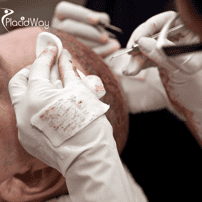
How Can Hair Transplant Doctors in Turkey Restore Your Hair and Confidence
A hair transplant in Turkey involves relocating healthy hair follicles to thinning areas to naturally restore hair density. When performed by appropriately qualified medical professionals, the procedure can effectively address hair loss, though individual recovery times, graft survival, and final cosmetic results will vary. Hair loss can significantly impact self-esteem and confidence. For many individuals experiencing pattern baldness or thinning hair, surgical restoration offers a potential solution. In recent years, Turkey has emerged as a prominent destination for patients seeking these procedures, combining advanced medical techniques with localized care ecosystems. However, undergoing surgery abroad requires careful consideration. Understanding the medical techniques involved, realistic recovery timelines, and the importance of verifying provider credentials is essential for protecting your health and achieving satisfactory outcomes. This guide explores the factual realities of seeking hair restoration abroad. Key Takeaways Doctors typically utilize Follicular Unit Extraction FUE or Direct Hair Implantation DHI for precise graft placement. Prices generally range from $1,500 to $3,500, varying based on the complexity of your specific hair loss pattern. Suitable candidates must have sufficient healthy donor hair and stable hair loss before undergoing surgery. Final, fully matured results typically take 12 to 18 months to become visible. Patient safety requires strictly verifying that procedures are performed by licensed medical doctors rather than uncredentialed technicians. Which hair transplant techniques do doctors in Turkey use Doctors primarily utilize Follicular Unit Extraction FUE or Direct Hair Implantation DHI to relocate individual hair follicles. These modern methods are designed to minimize linear scarring at the back of the head compared to older techniques. The fundamental goal of any hair transplant is to move hair from an area of the scalp resistant to balding usually the back and sides to areas experiencing thinning. Follicular Unit Extraction is currently the most widely adopted method. During FUE, the surgeon uses a micro-punch tool to extract individual follicular units one by one. Tiny incisions are then made in the recipient area, and the extracted grafts are carefully placed into these channels. Direct Hair Implantation is a variation of FUE. While the extraction process remains similar, the implantation differs. In DHI, the surgeon uses a specialized pen-like tool that simultaneously creates the incision and implants the follicle. Some practitioners prefer this method as it can offer greater control over the angle and depth of the implanted hair, which may help create a more natural-looking hairline. Both techniques are complex surgical procedures that require substantial skill. The choice between FUE and DHI depends on the patient's specific type of hair loss, the doctor's expertise, and the density required. Neither method is entirely scar-free, though the micro-scars they produce are typically easily concealed by short hair. What is the average hair transplant cost in Turkey The estimated cost for hair restoration in this region usually ranges from $1,500 to $3,500. This is often significantly lower than prices in North America or Western Europe, primarily due to lower local operational costs and currency exchange rates. When evaluating the financial aspect of the procedure, it is important to understand what is typically included. Many clinics offer comprehensive pricing structures that cover the surgical procedure, local anesthesia, necessary pre-operative blood tests, and post-operative medications like antibiotics and anti-inflammatory drugs. These estimates reflect the general market rate, but your individual cost will depend heavily on your specific needs. Several factors influence the final price. The total number of grafts required to achieve your desired density is the primary driver of cost. A patient requiring minor hairline adjustments will naturally pay less than someone needing extensive restoration across the entire crown. Furthermore, the experience level of the operating doctor and the specific technique used for example, DHI is sometimes priced slightly higher than FUE will impact the estimate. While affordability is a major draw for international patients, medical experts strongly advise against choosing a provider based on price alone. Extremely low costs can sometimes indicate that uncredentialed technicians, rather than qualified doctors, will be performing the critical stages of the surgery, which significantly increases the risk of complications. Who is considered an ideal candidate for hair restoration Suitable candidates generally have stabilized hair loss, adequate donor hair at the back of the head, and realistic expectations about the surgical outcome. A thorough medical evaluation is necessary to confirm eligibility and rule out underlying health issues. Not everyone experiencing hair loss is a viable candidate for a transplant. The procedure relies on a finite supply of donor hair; therefore, individuals with severe, widespread balding may not have enough healthy follicles to adequately cover the thinning areas. The quality, thickness, and color contrast of the donor hair also play crucial roles in determining how dense the final result will appear. Age and the progression of hair loss are critical factors. Surgeons often advise younger patients those in their early twenties to wait before undergoing surgery. Because male pattern baldness is progressive, transplanting hair too early can result in an unnatural appearance if the native hair behind the transplanted area continues to recede. Establishing a stabilized hair loss pattern is essential for long-term aesthetic success. Furthermore, candidacy depends on your overall health. Conditions that impair healing, such as uncontrolled diabetes, or certain scalp conditions like active alopecia areata, may contraindicate surgery. Your medical history, current medications, and blood work must be reviewed by a qualified healthcare professional prior to proceeding. What happens during the initial consultation at a hair transplant clinic in Turkey During the consultation, the doctor will evaluate your scalp elasticity, review your medical history, and discuss your aesthetic goals. They will calculate the number of grafts safely available and mathematically design your new, age-appropriate hairline. The initial consultation is a vital step in the treatment process, often beginning before you even travel. Many providers conduct initial assessments via photographs to provide a preliminary estimate of feasibility and graft counts. However, the comprehensive in-person consultation on the day before or morning of surgery is where the definitive surgical plan is established. During this in-person meeting, the doctor uses specialized magnification to examine the density and health of your donor area. Blood tests are drawn to screen for transmissible diseases and ensure you are fit for local anesthesia and surgery. This is also the time when the doctor will map out the recipient area. Designing the hairline is both a medical and artistic process; the surgeon must take into account your facial symmetry, age, and future hair loss trajectory to ensure the result looks natural years down the line. A responsible consultation must include a transparent discussion of risks. Your doctor should explain potential complications, the expected timeline for recovery, and alternative medical therapies such as minoxidil or finasteride that may be required to maintain your non-transplanted hair. Patients should use this time to ask detailed questions and ensure they feel comfortable with the proposed approach. What should I expect during the recovery period Recovery involves initial rest with swelling, scabbing, and redness that typically resolves within one to two weeks. Patients must carefully follow instructions regarding sleeping positions and physical activity to protect the newly implanted grafts. The immediate post-operative period is critical for the survival of the transplanted follicles. In the first few days, it is common to experience swelling around the forehead and eyes, which can be managed with cold compresses and medication. Small scabs will form around each incision site in both the donor and recipient areas. These scabs generally heal and flake off within ten to fourteen days if proper washing protocols are followed. During the first week, patients must sleep with their head elevated to minimize swelling and prevent accidental rubbing of the grafts against pillows. Heavy lifting, strenuous exercise, direct sunlight exposure, and swimming must be avoided for several weeks, as increased blood pressure or infection can dislodge or damage the healing follicles. It is vital to understand that recovery varies by individual. While many people feel well enough to return to office-based work within a week, visible signs of surgery may persist slightly longer. If you experience unexpected pain, excessive bleeding, or signs of infection after returning home, you must seek prompt medical evaluation, either through your surgical provider or a local physician. When will I see the final results of my hair transplant Visible new hair growth usually begins around three to four months after the procedure. However, hair grows in cycles, and it typically takes 12 to 18 months for the hair to thicken fully and reveal the final cosmetic outcome. Patience is a necessary component of hair restoration. Shortly after the procedure, typically between weeks two and eight, patients often experience what is known as shock loss. During this phase, the newly transplanted hairs shed. This shedding can be alarming, but it is a normal physiological response to surgical trauma. The root of the follicle remains secure beneath the skin, preparing for a new growth cycle. Around the third or fourth month, fine, wispy hairs will begin to emerge. Over the subsequent months, these hairs gradually lengthen, thicken, and mature into normal terminal hairs, matching the texture of the hair from your donor area. By the six-month mark, many patients see roughly fifty percent of their expected growth, which can significantly improve their appearance. The complete maturation of the transplanted hair, particularly in the crown area where blood supply can be slightly lower, may take up to a year and a half. Because outcomes rely on the individual's healing capacity and hair characteristics, density will never perfectly replicate the hair of your youth, but it can provide substantial cosmetic improvement for suitable candidates. Are there risks or side effects associated with the procedure Like any surgical intervention, hair transplants carry risks such as infection, bleeding, visible scarring, and poor graft survival. Choosing highly qualified medical professionals is essential to minimize the likelihood of unnatural-looking results or donor area depletion. While generally considered safe when performed by experienced surgeons, hair restoration is a medical procedure with inherent risks. Minor side effects like temporary numbness, itching, or small cysts in the recipient area are relatively common and usually resolve on their own. However, more significant complications can occur, particularly if strict hygiene and surgical protocols are not followed. One of the most concerning risks is the over-harvesting of the donor area. If an inexperienced practitioner extracts too many grafts or removes them too closely together, it can result in patchy, moth-eaten scarring at the back of the head that cannot be reversed. Additionally, poor placement of the grafts at incorrect angles can result in an unnatural, plug-like appearance. Infection is a risk with any incision, requiring strict adherence to post-operative cleaning instructions. Furthermore, poor blood supply or traumatic handling of the follicles during extraction can lead to low graft survival rates, meaning the transplanted hair fails to grow. To mitigate these risks, comprehensive pre-operative screening and meticulous surgical technique by a board-certified doctor are critical. Important Consideration: The International Society of Hair Restoration Surgery (ISHRS) strongly warns patients against the global "black market" of hair transplants, where operations are performed entirely by unlicensed technicians rather than medical doctors, which severely increases the risk of irreversible complications. How does medical tourism in Turkey work for hair transplants Medical tourism in this region typically involves specialized packages designed for international patients. These often combine the surgical procedure, required medications, local transportation, and translation services to facilitate care for those traveling from abroad. Turkey has developed a robust infrastructure dedicated to international healthcare. For hair restoration, clinics have streamlined their processes to accommodate patients flying in for brief stays. Most international patients arrive in major cities like Istanbul, where a high concentration of specialized medical facilities is located. The logistics of medical tourism require careful planning. Care packages frequently provide an assigned patient coordinator who assists with communication, ensuring language barriers do not impede medical care. The typical itinerary involves arriving a day before the surgery for in-person consultations and blood work, undergoing the procedure the next day, and remaining in the city for a few days to rest and attend post-operative checkups. While this ecosystem is convenient, patients must remain vigilant. Returning home shortly after surgery means you will handle the majority of the recovery process away from your primary surgeon. Reputable providers will establish a clear plan for virtual follow-ups to monitor your progress and advise you on what steps to take should any unexpected complications arise once you are back in your home country. How can I ensure my safety when traveling for a hair transplant Prioritize your safety by rigorously researching facility accreditations, verifying the specific doctor’s medical qualifications, and understanding all potential risks. Avoid facilities that promise guaranteed results or pressure you into immediate decisions. Safeguarding your health begins long before you book a flight. It is critical to confirm that the facility is registered with local health authorities, such as the Turkish Ministry of Health. Additionally, seek out doctors who are recognized by international bodies, such as the ISHRS or the American Board of Hair Restoration Surgery, which require adherence to strict ethical and medical standards. A key safety measure is confirming exactly who will perform the surgery. In legitimate medical settings, a doctor conducts the consultation, designs the hairline, and performs or directly supervises the surgical extraction and incision-making processes. Be highly skeptical of providers who are unwilling to name the attending physician or who delegate surgical steps entirely to non-medical staff. Finally, consult with your local primary care physician before committing to surgery abroad. They can review your medical history to ensure you are a safe candidate for elective surgery and help you develop a contingency plan for handling any necessary medical care or complication management upon your return home. Why Choose PlacidWay for Medical Tourism Research Navigating the complexities of healthcare abroad requires access to organized, objective information. PlacidWay serves as a global medical tourism platform designed to help patients research international treatment options. Here is how the platform assists patients exploring healthcare overseas: Educational Resources: PlacidWay provides detailed informational guides about specific procedures, helping patients understand medical requirements before making decisions. Provider Profiles: The platform hosts comprehensive listings of international clinics and hospitals, detailing their available specialties and facility information. Direct Communication: Patients can use the system to connect directly with international healthcare providers to ask specific medical questions and request estimates. Global Comparison: The platform allows users to compare different medical centers and healthcare destinations to see how approaches and estimated costs vary worldwide. Focus on Information Gathering: PlacidWay encourages patients to conduct thorough research and individualized consultations rather than rushing into immediate medical commitments. Frequently Asked Questions Can a hair transplant fail? Yes, a hair transplant can fail if the newly implanted grafts do not survive. This can happen due to poor surgical technique, inadequate blood supply, infection, or failing to follow aftercare instructions. A thorough medical evaluation beforehand helps minimize this risk. Does the hair transplant procedure hurt? The procedure itself is typically performed under local anesthesia, meaning you should not feel pain while the follicles are extracted and implanted. However, patients often experience mild discomfort, tightness, or soreness during the initial recovery days, which is usually managed with prescribed medication. Can women undergo hair restoration in Turkey? Yes, women can be candidates for hair restoration, particularly those experiencing certain types of thinning, such as traction alopecia or female pattern hair loss. However, because female hair loss patterns often differ from men's, a specialized diagnosis is required to determine if surgery is appropriate. How many grafts can be safely extracted in one session? Most qualified surgeons recommend extracting no more than 3,000 to 4,000 grafts in a single session. Taking too many grafts at once can severely deplete the donor area, leaving visible thin patches or scarring at the back of the head. Will I need a second hair transplant later in life? It is possible. While transplanted hair is usually resistant to the hormones that cause male pattern baldness, your native hair may continue to thin over time. Some patients opt for a second procedure years later to address new areas of hair loss. How long should I stay in Turkey after the surgery? Doctors generally advise staying in the country for at least three to five days after the procedure. This allows time for the initial post-operative checkup and the crucial first hair wash, which is usually performed by the clinic staff to demonstrate proper technique. Can beard or body hair be used for a transplant? In cases where the scalp donor area is severely depleted, some doctors may extract hair from the beard or chest. However, body hair has a different texture and growth cycle than scalp hair, so results vary and it is typically used only to add density behind the hairline. Is it safe to fly after a hair transplant? Flying is usually permitted 48 to 72 hours after the procedure, provided your doctor clears you for travel. Patients must be careful not to bump their head on the airplane and should stay hydrated to minimize swelling. What is shock loss after a hair transplant? Shock loss is a temporary shedding of the newly transplanted hairs, and sometimes surrounding native hairs, due to the trauma of surgery. This typically occurs two to eight weeks post-surgery and is a normal part of the hair cycle before new growth begins. Do I need to take medication after the procedure? Many doctors recommend FDA-approved medical therapies, such as minoxidil or finasteride, after a transplant. These medications help maintain the native hair that was not transplanted and can improve the overall long-term density of your hair. Research Your Hair Restoration Options Gather information, compare international medical facilities, and explore estimated costs to make an informed decision about your healthcare. Request Treatment Information References Hair Transplant Surgery – International Society of Hair Restoration Surgery (ISHRS) A Hair Transplant Can Give You Permanent, Natural-Looking Results – American Academy of Dermatology Complications in Hair Transplantation – National Center for Biotechnology Information Hair Transplant Overview – National Health Service (NHS) Hair Loss Diagnosis and Treatment – Mayo Clinic Health Tourism in Turkey – Republic of Turkey Ministry of Health Medical Disclaimer: The information provided in this article is for educational purposes only and does not constitute medical advice, diagnosis, or treatment. Outcomes, risks, and recovery times for hair restoration surgery vary significantly among individuals. Always consult with a qualified, board-certified healthcare professional to determine if a medical procedure is appropriate for your specific health condition and needs....
Read more details
Why is Turkey Famous For Medical Tourism for Hair Transplant
Turkey is famous for hair transplant medical tourism because it offers highly experienced surgeons, modern minimally invasive techniques, and comprehensively structured care packages at a lower estimated cost than many Western nations. In recent years, tens of thousands of international patients have traveled abroad seeking solutions for hair loss. At the center of this global trend is a robust healthcare infrastructure that has turned specific regions into specialized hubs. When individuals consider a hair transplant in Turkey, they are looking at a country that has heavily invested in its medical tourism sector. By combining state-of-the-art medical technology, specialized medical professionals, and streamlined patient services, the country has built a strong reputation in the field of surgical hair restoration. However, traveling abroad for a medical procedure is a significant decision. While the prospect of restoring one's hair can be exciting, it remains a surgical intervention that requires careful medical consideration, realistic expectations, and diligent aftercare. Understanding why this destination is popular—along with the realities of the procedure, estimating costs, assessing risks, and planning logistics—is essential for any prospective patient. Key Takeaways Turkey's popularity is driven by specialized surgeons, high procedure volumes, and supportive healthcare infrastructure. Treatment estimates are often lower due to differences in regional economics, not necessarily lower medical standards. Proper clinic selection involves checking international accreditations and ensuring direct surgeon involvement. Surgical risks exist, and securing local medical follow-up in your home country is highly recommended. Post-operative care and adherence to hygiene protocols are critical for graft survival and healing. Why is Turkey so popular for hair transplant procedures? The country’s popularity stems from a strong emphasis on medical tourism, a high concentration of specialized medical professionals, and decades of experience performing hair restorations. The global prominence of this destination did not happen overnight. Over the past two decades, there has been a concentrated effort by local health authorities and private medical sectors to elevate the standard of care for international patients. Because hair restoration is so frequently requested, surgeons in the region often perform a high volume of these specific procedures. In medicine, high repetition and focused specialization can contribute to the refinement of surgical skills. Furthermore, the geographical location plays a vital role. Positioned at the crossroads of Europe, Asia, and the Middle East, the country is easily accessible via direct flights from dozens of major international cities. This accessibility, combined with medical facilities that cater specifically to non-native speakers, creates an environment where patients feel accommodated and understood despite being far from home. How much does a hair transplant cost in Turkey? While prices vary based on the clinic and individual hair loss, a hair transplant cost in Turkey is generally estimated to be notably lower than in the US, UK, or Western Europe. One of the primary drivers for international patients is the financial aspect of the treatment. Hair restoration is typically classified as a cosmetic procedure, meaning it is rarely covered by standard health insurance policies. Patients paying out-of-pocket often look for more economical options. The lower estimated costs found abroad are largely due to regional economic factors. The general cost of living, clinical operational costs, and local labor rates are lower, allowing facilities to offer services at a reduced price point. It is crucial to understand that lower prices do not automatically equate to lower quality, just as higher prices do not guarantee success. However, patients should be wary of prices that seem unusually low even for the region. Quotes can fluctuate based on the specific technique used, the number of grafts required, the experience level of the attending surgeon, and whether the clinic includes supplementary services such as hotel stays and airport transfers. Always request a transparent, itemized estimate before committing to travel. What surgical techniques are typically offered? Surgeons predominantly utilize modern, minimally invasive methods such as Follicular Unit Extraction (FUE) and Direct Hair Implantation (DHI) rather than older linear extraction methods. Advancements in medical technology have significantly changed how hair restorations are performed. The traditional Follicular Unit Transplantation (FUT) method, which involves removing a strip of skin from the back of the scalp, is now less common due to the linear scar it leaves behind. Instead, most modern clinics focus on FUE and its variations. During an FUE procedure, individual hair follicles are extracted from a donor area (usually the back or sides of the head) using a specialized micro-punch tool. These follicles are then prepared and implanted into incisions made in the thinning or balding areas. The DHI technique is a variation of FUE where extraction and implantation occur almost simultaneously using a specialized pen-like tool, which can sometimes allow for denser packing of the hair without prior incision creation. The choice of technique should be determined by a qualified surgeon based on the patient's specific pattern of hair loss, hair texture, and scalp condition. Expert Insight Not every technique is suitable for every patient. A thorough, individualized medical consultation is necessary to determine if you are a candidate for FUE, DHI, or if alternative medical therapies might be more appropriate. How should patients select a safe hair transplant clinic in Turkey? Identifying a safe hair transplant clinic in Turkey requires researching the facility's international accreditations, verifying the surgeon's credentials, and avoiding places that make unrealistic medical guarantees. With the surge in popularity, the number of facilities offering hair restoration has grown exponentially. While many maintain high medical standards, others may operate more like commercial enterprises than medical centers. To prioritize safety, prospective patients should look for clinics accredited by respected bodies, such as the Joint Commission International (JCI), or those that strictly adhere to local Ministry of Health regulations. Equally important is the medical team. The procedure should be led by a qualified, board-registered doctor, rather than delegated entirely to unlicensed technicians. Patients should ask directly who will be performing the extraction and implantation phases of the surgery. Membership in recognized professional organizations, such as the International Society of Hair Restoration Surgery (ISHRS), can be a positive indicator of a surgeon's commitment to continuing education and ethical practices. Always request verifiable before-and-after photos and seek out unbiased patient reviews. What are the potential risks of traveling for hair restoration? Like any surgical intervention, hair transplants carry risks such as infection, uneven growth, scarring, and the logistical challenge of managing complications once you return to your home country. No surgical procedure is without risk. While hair transplantation is generally considered safe for suitable candidates, potential complications can include scalp infections, excessive bleeding, temporary numbness, and noticeable scarring in the donor area. In some cases, patients may experience "shock loss," where native hair temporarily falls out due to the trauma of the surgery. Additionally, if the follicles are poorly placed, the resulting hairline may look unnatural. When you add travel into the equation, the risks become more complex. Long flights shortly after surgery can increase swelling and discomfort. More importantly, if a medical complication develops weeks or months after you return home, you cannot simply drive back to your original surgeon. It is essential to understand the clinic's policy on post-operative issues and to identify a local physician or dermatologist who is willing to provide ongoing monitoring and care if needed. How does medical tourism in Turkey accommodate international patients? To simplify the process, medical tourism in Turkey often relies on structured treatment packages that bundle the clinical procedure with logistical support like accommodation and local transport. Navigating a foreign country for medical treatment can be daunting. To mitigate this stress, many healthcare providers have developed comprehensive patient support systems. When individuals request information, they are often presented with packages that cover multiple aspects of the journey. These may include airport pick-up, transfers between the hotel and the hospital, accommodation in partnered hotels, and access to fluent translators who accompany the patient during medical consultations. While these logistical conveniences make the process smoother, patients must keep their primary focus on the medical aspects of the trip. The inclusion of a luxury hotel stay should never overshadow the need for strict hygiene, qualified medical staff, and safe surgical environments. A well-organized itinerary allows the patient to rest and focus entirely on their recovery without worrying about hailing taxis or navigating language barriers. What is the typical recovery timeline? Initial healing takes about one to two weeks, but it is important to remember that transplanted hair will typically shed before regrowing, with final results visible around 12 to 18 months post-surgery. Managing expectations regarding the recovery timeline is vital. In the first few days following the procedure, patients can expect redness, swelling, and scabbing around both the donor and recipient areas. This is a normal part of the healing process. Most clinics advise sleeping with the head elevated to reduce swelling and provide detailed instructions on how to gently wash the scalp to soften and remove scabs without dislodging the new grafts. Around three to four weeks post-surgery, patients usually experience a shedding phase. This can be alarming, but it is a standard reaction as the transplanted follicles enter a resting phase. New hair growth typically begins to emerge between the third and fourth months, initially appearing fine and thin. Over the subsequent months, the hair generally thickens and matures. A patient should not evaluate the final aesthetic outcome until at least a full year has passed. Who is an appropriate candidate for this procedure? Ideal candidates are generally adults experiencing pattern baldness who have realistic expectations and a sufficient supply of healthy donor hair on the back or sides of the scalp. Not everyone suffering from hair loss is a suitable candidate for surgery. The procedure relies on relocating existing hair, not creating new hair from scratch. Therefore, a patient must have adequate donor hair density to cover the thinning areas. If the hair loss is too extensive, or the donor hair is too weak, the results may be sparse or unsatisfactory. Additionally, the underlying cause of the hair loss must be diagnosed. The surgery is most effective for androgenetic alopecia (pattern baldness). Individuals with diffuse hair loss, active scalp infections, or autoimmune conditions such as alopecia areata may not be eligible, as the transplanted hair could also be susceptible to falling out. A comprehensive medical history, sometimes including blood tests, should be reviewed by the doctor to determine individual eligibility and minimize risks. How important is post-operative care after returning home? Strict adherence to post-operative instructions is critical for the survival of the new grafts, and establishing contact with a local healthcare provider is highly recommended for ongoing support. The success of the procedure relies heavily on what the patient does after leaving the clinic. Patients will be given specific guidelines regarding physical activity, sun exposure, and hygiene. Strenuous exercise, heavy lifting, and activities that cause excessive sweating must typically be avoided for several weeks to prevent infection and protect the grafts. Direct sunlight on the healing scalp should also be avoided, as it can cause hyperpigmentation and damage the sensitive skin. Because the patient will be far away from their operating surgeon, diligent communication is required. Most reputable facilities offer remote follow-up via photo submissions at scheduled intervals (e.g., one month, three months, six months). However, remote follow-up cannot replace hands-on medical care if an acute issue like an infection occurs. Having a general practitioner or dermatologist at home who is aware of your procedure can provide peace of mind and immediate assistance if necessary. How long should you plan to stay in the country? Most medical professionals recommend a stay of at least three to five days to accommodate the initial consultation, the surgical procedure, and the crucial first post-operative check-up and wash. Proper scheduling is a key component of a safe medical trip. While the surgery itself usually takes a single day (often lasting between 6 to 8 hours), rushing the travel itinerary can be detrimental to your recovery. Day one is typically reserved for arriving, settling in, and attending a detailed in-person consultation and blood work. Day two is generally the surgery day. The days following the surgery are essential for initial monitoring. Clinics strongly prefer patients to remain in the area so the medical staff can perform the first hair wash—a delicate process that patients should learn from the professionals before attempting it at home. Flying immediately after the surgery is discouraged due to the risks associated with cabin pressure changes, swelling, and the physical stress of navigating busy airports. Giving yourself a few days of quiet rest in your hotel room is an important part of the healing journey. Why Choose PlacidWay for Medical Tourism? Navigating the complexities of international healthcare can be challenging. PlacidWay acts as a medical tourism platform designed to help patients research and connect with healthcare facilities around the globe. When exploring your options, PlacidWay offers several informational benefits: 1. Access to Information The platform provides detailed profiles of various international medical centers, allowing you to review their listed services and specialties. 2. Direct Connections Patients can use the service to directly contact clinics, ask specific medical questions, and request individualized treatment estimates. 3. Provider Transparency Facilities listed on the platform often display their international accreditations and surgeon credentials to help patients verify qualifications. 4. Comparative Tools The platform allows users to compare different clinics, treatment methods, and estimated costs across multiple global destinations. 5. Educational Resources PlacidWay supplies articles, patient guides, and resources designed to educate individuals about the realities, preparations, and requirements of seeking healthcare abroad. Frequently Asked Questions Is it safe to get a hair transplant in Turkey? Getting a hair transplant in Turkey can be safe if you choose an accredited facility and a qualified, experienced surgeon. However, all surgeries carry inherent risks, so thorough research and medical clearance are essential. Does hair transplant surgery hurt? The procedure is typically performed under local anesthesia, so patients usually feel little to no pain during the surgery. Mild discomfort, swelling, and soreness are common during the initial days of recovery. How long do hair transplant results last? Transplanted hair follicles are generally resistant to the hormone that causes hair loss, meaning results can often be long-lasting. However, patients may continue to lose their native, non-transplanted hair over time. Can women get hair transplants in Turkey? Yes, many clinics offer hair transplantation for women experiencing certain types of hair loss. A thorough medical evaluation is necessary, as female pattern hair loss can differ significantly from male pattern baldness. What happens if I have a complication after leaving Turkey? If a complication arises after returning home, you should seek immediate medical attention from a local healthcare provider or dermatologist. It is highly recommended to arrange local follow-up care before you travel. Are all Turkish hair transplant clinics accredited? No, not all clinics hold international accreditations. Patients should specifically look for facilities recognized by bodies like the Joint Commission International (JCI) or the Turkish Ministry of Health. Will I need to shave my head for the procedure? Many traditional FUE procedures require shaving the head to harvest and implant follicles effectively. Some clinics offer partially shaven or unshaven techniques for suitable candidates, though this may limit the number of grafts that can be placed. Can I wear a hat on my flight home? Surgeons typically advise against wearing standard, tight-fitting hats immediately after surgery, as friction can dislodge newly implanted grafts. Clinics often provide a loose-fitting medical cap specifically designed for the journey home. How soon can I wash my hair after the surgery? The first hair wash is usually performed at the clinic 24 to 48 hours post-surgery. After that, patients are given specific instructions on how to gently wash their scalp at home using a special lotion and shampoo. Is an online consultation enough to confirm my eligibility? While an online consultation using photographs can provide an initial estimate and determine preliminary suitability, a final, definitive medical assessment must always be conducted in person by the attending surgeon. Compare Treatment Options Today Gather the information you need to make an educated medical decision. Connect with accredited healthcare providers to evaluate your eligibility and receive personalized treatment estimates. Request Treatment Information References Surgical Treatments for Hair Loss – International Society of Hair Restoration Surgery (ISHRS) Hair Transplant Overview – American Academy of Dermatology (AAD) Medical Tourism Guidelines – Centers for Disease Control and Prevention (CDC) Complications in Hair Transplantation – National Institutes of Health (NIH) / PubMed Hair Transplant: About the Procedure – Mayo Clinic International Patient Safety Standards – Joint Commission International (JCI) Medical Disclaimer: The content provided in this article is for informational and educational purposes only. It does not constitute medical advice, diagnosis, or treatment recommendations. Hair transplantation is a surgical procedure that carries inherent risks, and outcomes can vary significantly between individuals based on their medical history, condition, and adherence to aftercare protocols. Always consult with a qualified, board-registered healthcare professional for personalized medical advice before making any decisions regarding surgical interventions or traveling abroad for medical care....
Read more details
How much does a hair transplant cost in Istanbul, Turkey?
The estimated cost of a hair transplant in Istanbul, Turkey typically ranges from $1,500 to $3,500. This often depends on the technique used, the number of grafts required, and the specific clinic's pricing structure for international patients. For many individuals managing hair loss, exploring surgical options often involves looking beyond their home borders. A hair transplant in Turkey has become a prominent option for international patients seeking treatment. When researching this destination, understanding the financial commitment is usually the first step. This article provides an in-depth look at what influences the hair transplant cost in Turkey, focusing specifically on Istanbul. We will cover the different surgical techniques, what patient packages typically include, medical eligibility, and important safety considerations when pursuing medical tourism in Turkey. Key Takeaways The average cost for a procedure in Istanbul is estimated between $1,500 and $3,500. FUE (Follicular Unit Extraction) and DHI (Direct Hair Implantation) are the most common methods offered. Many clinics provide bundled packages that may include local transport and hotel stays. Not all patients are suitable candidates; a thorough medical assessment is required prior to travel. Patients must plan for post-operative care and possible local follow-up once they return home. 1. Why is a hair transplant in Istanbul, Turkey often more affordable? The affordability of hair restoration in Istanbul is primarily driven by Turkey's lower cost of living and favorable exchange rates, rather than a necessary reduction in medical standards. When comparing prices globally, patients often wonder why the estimates in Istanbul are lower than those in North America or Western Europe. The primary factor is the broader economic context. Overhead costs for maintaining a medical facility, including rent, utilities, and administrative expenses, are generally lower in Turkey. Additionally, labor costs for medical staff, including nurses and surgical technicians, align with the local economy. The currency exchange rate between the Turkish Lira and major global currencies like the US Dollar, Euro, or British Pound also plays a significant role in making treatments more accessible to international visitors. Finally, the concentration of clinics in Istanbul has created a highly competitive market. To attract international patients, clinics often optimize their operations and bundle services, creating price efficiencies. However, patients should remember that low cost should never override the verification of safety protocols and the medical qualifications of the treating team. 2. What does the average hair transplant cost in Istanbul include? International patient packages in Istanbul usually bundle the surgery, local airport transfers, hotel accommodation, and initial post-operative medications into one comprehensive price. When you receive a quote from a hair transplant clinic in Turkey, it is rarely just for the time spent in the operating chair. Because clinics cater heavily to international arrivals, they have structured their offerings to reduce logistical stress for the patient. The Procedure: The surgical fees, local anesthesia, and medical consumables. Accommodation: Usually 2 to 3 nights in a partnered hotel. Transfers: VIP transport between the airport, hotel, and clinic. Aftercare Products: Specialized shampoos, lotions, and a few days' supply of antibiotics and painkillers. Translation Services: A dedicated host to help communicate with the medical staff if there is a language barrier. It is important to note what is generally not included. Flights, travel insurance, meals outside the clinic/hotel, and any long-term prescription medications are typically the responsibility of the patient. Always ask for an itemized list before committing. Expert Insight: When reviewing packages, verify whether the quoted price covers a set number of grafts or an "unlimited" session. Be cautious of "unlimited graft" claims, as extracting too many follicles in one day can severely damage the donor area. 3. Which hair transplant methods are commonly available in Istanbul? Clinics in Istanbul most commonly utilize Follicular Unit Extraction (FUE) and Direct Hair Implantation (DHI), which are modern techniques designed to avoid the linear scarring associated with older methods. The surgical technique used is a major factor in both the outcome and the overall cost. In the past, Follicular Unit Transplantation (FUT) was the standard, which involved removing a strip of scalp. Today, the vast majority of clinics in Istanbul focus on extraction methods that remove individual follicles. FUE (Follicular Unit Extraction): This method involves using a micro-punch tool to extract individual hair follicles from the back of the head. The surgeon then creates tiny incisions (channels) in the balding area and implants the grafts. A variation called Sapphire FUE uses blades made from synthetic sapphire, which some professionals suggest allows for more precise incisions. DHI (Direct Hair Implantation): DHI is a modified version of FUE. The extraction process is similar, but for the implantation phase, a specialized tool (often called a Choi pen) is used. This tool creates the incision and implants the follicle simultaneously, which may reduce the time the graft spends outside the body and sometimes allows for a higher density of placement. 4. Am I a suitable candidate for a hair restoration procedure? Not everyone is suited for a hair transplant; ideal candidates have sufficient donor hair, realistic expectations, and hair loss that has been assessed by a medical professional. Before considering travel or costs, it is vital to determine if surgery is medically appropriate for your specific condition. A transplant does not create new hair; it simply redistributes existing healthy hair. Therefore, the quality and density of your "donor area" (usually the back and sides of the head) are critical. Age is another important consideration. While younger patients in their early twenties may want a transplant, many surgeons advise waiting until the pattern of hair loss has stabilized. Performing surgery too early can result in an unnatural appearance if the native hair continues to thin behind the transplanted hairline. Patients with active scalp infections, certain autoimmune disorders (like alopecia areata), or poorly managed chronic health conditions may be contraindicated for surgery. A comprehensive medical consultation, which may involve blood tests and reviewing your medical history, is a necessary step to ensure safety and suitability. 5. How do the costs vary between FUE and DHI techniques? DHI procedures typically cost more than standard FUE due to the specialized implanter tools required and the increased time and precision required by the medical team. When evaluating estimates, you will likely notice a price difference based on the technique. A standard FUE procedure usually falls on the lower end of the pricing spectrum. Because the channel-opening and implantation phases are separated, the medical team can work efficiently, often allowing for a larger number of grafts to be moved in a single session. DHI requires the use of single-use, sterile implanter pens. Loading these pens with individual grafts requires additional skilled technicians working simultaneously with the surgeon. This labor-intensive process limits the number of grafts that can be safely placed in a single day compared to FUE, driving up the cost per graft. Some clinics may recommend a combination of both methods, using DHI for the front hairline where precision is crucial, and FUE for the crown area to maximize coverage. Your pricing will reflect the specific surgical plan tailored to your needs. Important Consideration: Do not choose a technique based solely on price. A qualified medical professional should recommend the method most likely to achieve a natural result based on your hair caliber, skin type, and degree of loss. 6. What are the potential risks and complications of hair transplants? While generally considered safe when performed by qualified professionals, hair transplants carry medical risks such as infection, scarring, poor graft survival, and unnatural-looking results. Because hair transplantation is a minimally invasive surgical procedure, it carries inherent risks that patients must carefully weigh. One of the primary medical risks is infection, which can occur if the surgical environment is not sterile or if the patient fails to follow proper aftercare hygiene. Another significant risk is donor area depletion. If a clinic over-harvests the back of the head in an attempt to provide maximum coverage, it can result in a moth-eaten appearance and prevent the possibility of future procedures. Furthermore, if the grafts are handled poorly or deprived of blood supply for too long during surgery, they may fail to grow, resulting in low density. There is also the risk of aesthetic dissatisfaction. An improperly designed hairline that does not account for facial proportions or future aging can look highly unnatural. Discussing these risks openly with your chosen provider is an essential part of the informed consent process. 7. How long does it take to recover and see results? Initial recovery typically takes 10 to 14 days for the scalp to heal, while final, visible hair growth usually requires 12 to 18 months as the follicles enter a new growth cycle. Patience is a crucial aspect of the hair restoration journey. The initial recovery phase lasts about two weeks. During this time, you will experience redness, swelling, and scabbing across the treated areas. Most patients feel comfortable returning to non-strenuous work within a week to ten days, though the scalp may still look visibly healing. Between weeks two and eight, a phenomenon known as "shock loss" commonly occurs. This is when the newly transplanted hairs shed. This is a normal part of the process, as the trauma of surgery forces the follicles into a resting phase. New growth typically begins around the third or fourth month, appearing thin and fine at first. The hair will gradually thicken over the following months. By month twelve, most patients can see significant improvement, though final density in areas like the crown can take up to 18 months to fully mature. 8. How should I prepare for medical tourism in Turkey? Planning your trip requires arranging necessary travel documents, scheduling adequate time off work for initial healing, and coordinating medical reviews well before booking flights. Proper preparation can significantly reduce the stress associated with receiving medical care abroad. First, research the entry requirements for Turkey based on your nationality. Many travelers will need to secure an e-Visa online prior to departure. Before finalizing travel dates, have a thorough virtual consultation with the clinic. You should share clear photographs of your scalp and provide a comprehensive medical history, including any medications you currently take. Blood thinners, certain vitamins, and alcohol usually need to be discontinued several days or weeks before surgery to minimize bleeding risks. Plan to arrive at least a day before your surgery to rest and attend an in-person pre-operative consultation. Ensure you have comfortable, button-down shirts to wear after the procedure, as pulling clothing over your head can dislodge the newly placed grafts. 9. What type of aftercare is required once I return home? Long-term success relies on following specific clinic washing protocols, avoiding strenuous physical activity initially, and maintaining regular communication with your provider. The success of the procedure depends heavily on how you treat your scalp in the weeks following the surgery. Once you return home, you must adhere strictly to the post-operative instructions provided by your clinic. This includes how to sleep (usually elevated to reduce swelling) and how to carefully wash the scalp without using high water pressure or aggressive rubbing. You will need to avoid heavy exercise, swimming, saunas, and direct sun exposure for several weeks to prevent infection and protect the grafts. Because you will be far from your treating physician, it is highly beneficial to establish contact with a local primary care doctor or dermatologist who knows you traveled for surgery. If you experience signs of infection, such as excessive redness, pain, or fever, you will need prompt local medical attention while simultaneously updating your clinic abroad. 10. Are additional procedures or multiple sessions usually needed? Depending on the severity of your current hair thinning and future progressive loss, a single session may not provide sufficient coverage, requiring additional surgeries later on. It is a common misconception that one procedure will completely restore a full head of hair for a lifetime. Hair loss is often a progressive condition. While the transplanted hair is usually resistant to falling out, the native hair surrounding it may continue to thin over time. Patients with extensive baldness (such as Norwood Scale 5 or 6) often require two or more sessions spaced a year apart to achieve adequate density across the entire scalp. Attempting to cover a massive area in one day often results in a very sparse look or risks over-harvesting the donor site. Understanding this reality helps manage expectations regarding the total, long-term financial commitment. If you might need a second procedure in the future, you must factor that into your overall budget beyond the initial estimate. Why Choose PlacidWay for Medical Tourism? Navigating healthcare options in another country requires access to organized information. PlacidWay serves as a resource for international patients in the following ways: Provides a comprehensive directory of international healthcare facilities and clinics. Allows individuals to compare pricing estimates across different regions and countries. Offers educational resources to help patients understand various medical procedures. Facilitates direct communication requests between patients and international healthcare providers. Operates as a transparent platform designed to support your information-gathering process. Frequently Asked Questions How many grafts can be safely transplanted in one session? The safe number of grafts varies by patient, but many medical professionals recommend capping a single session at 3,000 to 4,000 grafts. Exceeding this limit may increase the risk of donor area depletion or compromise blood supply to the newly implanted follicles. Is the hair transplant procedure painful? The procedure is typically performed under local anesthesia, meaning the scalp is numb during the extractions and implantations. Patients often report mild discomfort during the initial anesthetic injections and some soreness during the recovery phase. Can women get hair transplants in Istanbul? Yes, women experiencing certain types of female pattern hair loss or traction alopecia may be candidates. However, female hair loss often has different underlying causes than male pattern baldness, requiring a thorough diagnostic evaluation before surgery is considered. What happens if I experience a complication after returning home? If a complication arises after returning home, you should immediately contact your treating clinic for guidance and seek care from a local physician or dermatologist. It is highly recommended to establish a relationship with a local doctor before traveling for surgery. Are the results of a hair transplant permanent? Transplanted hair follicles are generally resistant to the hormone DHT, meaning they typically continue to grow long-term. However, a transplant does not stop the progression of native hair loss, which may require ongoing medical management. How soon can I wash my hair after the procedure? Most clinics provide specific post-operative washing instructions, typically advising the first gentle wash to occur 24 to 48 hours after surgery. This is often done using a specialized lotion and shampoo to protect the newly placed grafts. Does insurance cover hair restoration abroad? Because hair transplantation is almost universally classified as an elective cosmetic procedure, health insurance typically does not cover the cost, whether performed locally or internationally. Can I wear a hat after the surgery? You must avoid tight-fitting hats for at least 10 to 14 days to prevent dislodging the grafts. Clinics may provide a loose, specialized medical hat to protect your scalp from sun exposure and dust during your journey home. What is the difference between a high-volume center and a specialized clinic? High-volume centers often perform many surgeries daily, frequently delegating most steps to technicians. Specialized clinics typically limit their daily procedures, with the primary physician directly performing or closely supervising critical steps like extractions and incisions. Do I need to take medications like Finasteride afterward? Many hair restoration surgeons recommend medications such as Minoxidil or Finasteride after a transplant to help preserve your existing, non-transplanted hair. The suitability of these medications depends on your individual medical history and potential side effects. Compare Treatment Options Gather the information you need to make an informed decision. Request pricing estimates and clinic details to understand your options abroad. Request Treatment Information References Surgical Treatments for Hair Loss – International Society of Hair Restoration Surgery (ISHRS) Hair Transplants: What to Expect – American Academy of Dermatology (AAD) Hair Transplant Overview – National Health Service (NHS UK) Medical Tourism: Travel for Medical Care – Centers for Disease Control and Prevention (CDC) Beware of Medical Tourism in Hair Transplants – ISHRS Patient Warning Complications in Hair Transplantation – Journal of Cutaneous and Aesthetic Surgery (NCBI) Medical Disclaimer: The information provided in this article is for educational and informational purposes only and does not constitute medical advice. Costs, recovery times, and outcomes vary by individual patient and treatment complexity. Hair transplantation is a surgical procedure carrying inherent risks. Always consult with a qualified, appropriately licensed healthcare provider or specialist to determine if this procedure is suitable for your specific medical history and condition....
Read more detailsDiscover your treatment options with a free, no-obligation quote!
Get your quote now!
Who is a Good candidate for Hair Transplant in Turkey?
A good candidate for a hair transplant in Turkey typically has stabilized hair loss, sufficient healthy donor hair at the back of the scalp, and realistic expectations. They should be in good general health to undergo the procedure safely. Deciding to address hair loss is a highly personal journey. Every year, thousands of people look into hair transplant in Turkey as a potential solution due to the wide availability of experienced surgical teams and modern facilities. However, not everyone with thinning hair qualifies for surgical restoration. Understanding whether you are a suitable candidate is the most critical first step before you consider booking flights or comparing treatment options. The success of hair restoration relies heavily on your unique biology, the progression of your hair loss, and your overall medical health. A careful evaluation helps ensure that the procedure can safely meet your goals and provide a natural-looking outcome. If you are exploring medical tourism in Turkey for this procedure, you need to know exactly what reputable medical professionals look for during an initial consultation. Key Takeaways Adequate donor hair density at the back or sides of the scalp is essential for coverage. Your hair loss should ideally be stabilized to prevent future unnatural gaps. Good general health is necessary to minimize surgical risks and promote proper healing. Different types of hair loss require different approaches; not all are treatable with surgery. A professional medical assessment is required before traveling abroad for treatment. Does age affect my eligibility for a hair transplant in Turkey? Age plays a significant role in determining candidacy, with most experts recommending patients wait until their late 20s or older. Treating hair loss too early can lead to unpredictable and unnatural results as the hair continues to thin over time. When you are in your early twenties, the long-term pattern of your hair loss is often still unpredictable. If a surgeon lowers your hairline at age 22, you might continue to lose the native hair sitting directly behind the transplanted area over the next decade. This can create an unnatural "island" of transplanted hair surrounded by a bald scalp, which is notoriously difficult to correct. By waiting until you are closer to 30, your pattern of baldness usually becomes more established. This allows the medical team at a hair transplant clinic in Turkey to accurately predict future loss and strategically place grafts where they will look natural for the rest of your life. Older patients, even those in their 60s, can be excellent candidates provided their general health is good and their donor hair is sufficient. How much donor hair do I need to be considered a good candidate? You need a sufficient supply of dense, healthy hair follicles in the "safe donor zone" at the back and sides of your head. Without adequate donor supply, it is impossible to achieve meaningful coverage in the thinning areas. Hair transplantation is essentially a redistribution process. It does not create new hair; it moves existing, genetically resistant hair to areas where hair is thinning or gone. The quality and quantity of your donor area dictate what can realistically be achieved. During an evaluation, a specialist will look at several factors regarding your donor area: Follicular density: The number of hair follicles per square centimeter. Hair caliber: Thicker hair shafts provide better coverage and block light from reflecting off the scalp more effectively than fine hair. Scalp laxity: For certain extraction methods, how flexible your scalp is can impact graft harvesting. Donor preservation: Ensuring that removing the necessary grafts will not leave the back of your head looking noticeably thin. What types of hair loss can be treated in Turkey? The most common and successfully treated condition is androgenetic alopecia, widely known as male or female pattern baldness. Hair loss caused by stress, medication, or certain autoimmune diseases usually cannot be treated with a transplant. Androgenetic alopecia involves hair follicles at the front and top of the head shrinking due to genetic sensitivity to DHT (dihydrotestosterone). Because the hair at the back of the head is typically resistant to DHT, it can be transplanted to the thinning areas and will continue to grow normally. Conversely, conditions like diffuse unpatterned alopecia (DUPA), where hair thins evenly all over the scalp including the donor area, generally disqualify a person from surgery. Transplanting unhealthy, miniaturizing hairs will only result in those hairs eventually falling out. A comprehensive diagnosis from a dermatologist or qualified hair restoration specialist is crucial to identify your specific type of hair loss before pursuing treatment. Are women good candidates for hair restoration in Turkey? Women can be excellent candidates, but their eligibility criteria often differ from men. Because female pattern hair loss frequently presents as diffuse thinning across the entire scalp, careful donor area assessment is required. Many women experience great results from hair restoration, particularly those dealing with a distinct widening of the part line, or those who have traction alopecia caused by tight hairstyles over many years. Women seeking to lower a naturally high hairline or restore hair lost to cosmetic surgery scarring are also frequently good candidates. However, if a woman is experiencing widespread thinning that includes the back and sides of the scalp, she may lack a stable donor zone. Blood tests are often recommended for female patients to rule out underlying causes of hair loss, such as thyroid imbalances, iron deficiency, or hormonal fluctuations, which should be managed medically rather than surgically. How does my general medical health impact my suitability? Because a hair transplant is a surgical procedure requiring local anesthesia, you must be in good overall health. Chronic conditions like uncontrolled high blood pressure, diabetes, or blood clotting disorders can increase surgical risks. Patient safety always comes first. Even minimally invasive techniques like FUE (Follicular Unit Extraction) involve thousands of tiny incisions, which stress the body and carry standard surgical risks like infection or poor healing. When exploring a hair transplant in Turkey, you will be asked to provide a thorough medical history. Patients taking blood thinners may need to pause their medication, which requires strict approval from their prescribing physician. If you have a compromised immune system, a history of severe allergic reactions to local anesthetics, or uncontrolled cardiovascular issues, a transplant may not be safe. Transparency with your medical provider is vital to prevent severe complications during your time abroad. What scalp conditions might disqualify me from the procedure? Active scalp infections, severe psoriasis, and certain scarring alopecias can render the scalp environment unsuitable for transplanted grafts to survive. The scalp must be healthy and free of severe inflammation. A healthy scalp provides the blood supply and cellular environment needed for new grafts to root and thrive. If you have an active flare-up of seborrheic dermatitis or psoriasis, surgery will typically be postponed until the condition is fully managed. Conditions categorized as scarring alopecia (cicatricial alopecia), where hair follicles are destroyed and replaced by scar tissue due to inflammation, pose a significant challenge. Transplanting hair into active scar tissue often results in poor graft survival. While some burnt-out (inactive) scarring conditions can be treated, it requires highly specialized assessment to ensure the disease will not reactivate and destroy the new hair. Can I get a hair transplant in Turkey if my hair loss is still progressing? It is highly recommended that your hair loss be stabilized before undergoing surgery. Operating on rapidly thinning hair can lead to patchy results as you continue to lose your non-transplanted native hair. Hair transplants do not stop the progression of genetic hair loss; they only replace hair that has already fallen out. If your hair is currently shedding aggressively, many ethical providers will advise against immediate surgery. Instead, your doctor may suggest a medical management plan. The use of FDA-approved medications, such as minoxidil or finasteride, can often slow or halt the progression of hair loss. After a period of stabilization—often six months to a year of medical therapy—you may become a much better candidate for a surgical procedure. Managing ongoing loss is a crucial part of long-term planning for medical tourism in Turkey. Factor Favorable for Candidacy Unfavorable for Candidacy Age Late 20s or older with established pattern Early 20s with unpredictable shedding Donor Area High density, thick caliber hair Low density, widespread thinning (DUPA) Medical Health Generally healthy, no bleeding issues Unmanaged diabetes, active infections Hair Loss Stability Stable for 6-12 months Active, rapid shedding Why do realistic expectations matter for this procedure? A good candidate understands that a hair transplant creates the illusion of density but cannot give you back the full head of hair you had as a teenager. Understanding the limitations of surgery prevents disappointment. Psychological readiness is just as important as physical readiness. If you have extensive baldness, there simply will not be enough donor hair to cover the entire top of your head with thick density. In such cases, surgeons often focus on framing the face by restoring the frontal hairline and adding light coverage behind it. Furthermore, candidates must understand that results take time. You will not leave the clinic with flowing hair. The transplanted hairs typically shed within the first few weeks, and new growth usually begins around month three or four. It can take 12 to 18 months to see the final outcome. A clear understanding of this timeline is vital. Are previous unsuccessful transplants a barrier to getting treatment in Turkey? Not necessarily. Many patients travel abroad for revision or repair surgeries. However, candidacy depends heavily on how much healthy donor hair remains and the condition of the previously treated scalp. Repair cases are generally more complex than initial transplants. If a previous surgery depleted your donor area or left significant scarring, your options for repair may be limited. The surgeon must carefully evaluate the remaining donor supply and assess whether the old grafts can be removed, camouflaged, or improved upon. In some revision cases, surgeons may utilize alternative donor areas, such as beard hair or chest hair, to supplement scalp donor hair. This approach requires specific expertise and careful planning to ensure the texture and growth cycle of body hair blends reasonably well with scalp hair. Why Choose PlacidWay for Medical Tourism in Turkey? Navigating the global healthcare landscape requires reliable information and careful research. PlacidWay serves as a comprehensive platform designed to assist patients in gathering facts and exploring their options worldwide. Access to Information: PlacidWay provides detailed profiles of numerous international medical facilities and clinics. Direct Provider Connections: The platform facilitates direct communication between patients and healthcare providers. Facility Comparisons: Patients can compare facility accreditations, specialties, and available treatments in one place. Educational Resources: PlacidWay offers informative guides and articles to help patients understand medical tourism. Empowered Decision Making: By organizing complex healthcare information, the platform helps individuals make informed choices about their personal health journey. Frequently Asked Questions What is the best age to get a hair transplant in Turkey? While there is no strict legal age limit, many hair restoration professionals recommend waiting until you are at least 25 to 30 years old. By this age, the pattern of hair loss is usually more established, allowing the surgeon to design a more appropriate and long-lasting hairline. Can a person with diabetes undergo a hair transplant in Istanbul? Patients with well-controlled diabetes may be candidates for a hair transplant, but they require careful evaluation. High blood sugar can impact healing and increase infection risks, so your primary care doctor must clear you for the procedure. Does curly hair affect my candidacy for a Turkish hair transplant? Curly or wavy hair can actually be an advantage as it often provides better scalp coverage than straight hair. However, tight curls, common in Afro-textured hair, require specific surgical expertise to extract the follicles without damaging them. Many clinics in Turkey specialize in these techniques. Can I be a candidate if I only need a hairline correction? Yes, many individuals travel for hairline lowering or correction. This requires excellent donor hair and a surgeon skilled in creating a natural, age-appropriate design. You must have stable hair loss behind the hairline to prevent future gaps. Are smokers allowed to get hair transplants in Turkey? Smoking constricts blood vessels and reduces oxygen flow to the scalp, which can severely compromise the survival of transplanted grafts. Most clinics strongly advise patients to stop smoking for several weeks before and after the procedure to improve the chances of a favorable outcome. How long should I wait after noticing hair loss before traveling to Turkey? You should not rush into surgery at the first sign of thinning. It is usually best to consult a dermatologist first, try medical therapies if appropriate, and wait until your hair loss stabilizes. A premature transplant can lead to unnatural results as surrounding hair continues to thin. Can I get a beard or eyebrow transplant if I do not need a scalp transplant? Yes. Facial hair restoration uses similar principles to scalp transplants. Healthy follicles are extracted from the back of the head and carefully implanted into the beard or eyebrow areas. Good general health and sufficient donor hair are still required. Does the cause of my hair loss affect whether a clinic in Turkey will accept me? Absolutely. Hair transplants are primarily effective for androgenetic alopecia (male or female pattern baldness). Reversible hair loss caused by stress, medication, or temporary illness cannot and should not be treated with surgery. Is alopecia areata treatable with a hair transplant? Generally, no. Alopecia areata is an autoimmune condition where the body attacks its own hair follicles. Transplanted hair would likely be attacked and fall out as well. Medical management is usually the recommended approach for this condition. Do I need a medical consultation before booking a flight to Turkey? Yes. You should always undergo a preliminary medical and photographic assessment with your chosen provider before making travel plans. This helps determine your initial eligibility and prevents you from traveling only to find out you are not a suitable candidate. Ready to Explore Your Options? Compare treatment options and gather the information you need to make an informed decision about your healthcare journey. Request Treatment Information References Hair Loss: Diagnosis and Treatment – American Academy of Dermatology Hair Loss in Men – International Society of Hair Restoration Surgery (ISHRS) Hair Transplantation: Basic Overview – National Institutes of Health (NIH) / PubMed Central Hair Loss Diagnosis and Treatment – Mayo Clinic Travelers' Health: Turkey – Centers for Disease Control and Prevention (CDC) Alopecia Areata Patient Information – British Association of Dermatologists Medical Disclaimer: The content provided in this article is for informational and educational purposes only and should not be construed as medical advice. The information regarding hair transplant cost in Turkey, candidacy, safety, and outcomes is general in nature. Every patient’s medical history and hair loss condition are unique. Results vary from person to person. Always seek the advice of a qualified healthcare professional or a board-certified specialist regarding any medical condition or before making decisions about treatments or traveling for medical procedures....
Read more details
How Much Does a Beard Transplant Cost in Turkey?
The cost of a beard transplant in Turkey typically ranges from $2,000 to $4,500. This price is significantly lower than in the US or UK and often includes an all-inclusive package with accommodation, transfers, and more. A full, well-defined beard is a symbol of style and confidence for many men. However, genetics, scarring, or other factors can lead to patchy or thin facial hair. If you've been dreaming of a thicker beard, a beard transplant in Turkey offers a permanent and remarkably affordable solution. This procedure has surged in popularity, not just for its effectiveness, but for the incredible value and quality of care available in cities like Istanbul. Turkey has firmly established itself as the global capital for hair restoration procedures, and beard transplants are no exception. Patients from around the world are drawn to the combination of highly skilled surgeons, state-of-the-art clinics, and prices that are often 70-80% lower than in Western countries. The main question on most people's minds is, "What is the actual beard transplant cost in Turkey?" While the price is a major draw, it's the comprehensive care packages and consistent, natural-looking results that complete the picture. This guide provides a detailed breakdown of everything you need to know about getting a beard transplant in Turkey. We'll explore the costs, the advanced techniques used, what's included in the price, and how to choose a reputable clinic for your procedure. Let's dive into how you can achieve the beard you've always wanted without breaking the bank. What is the average cost of a beard transplant in Turkey? The average cost of a beard transplant in Turkey is approximately $2,500 to $4,500. This price often covers the entire procedure, from the initial consultation to post-operative care, and is a fraction of the $8,000 to $15,000 you might pay in the United States or the UK. The affordability of beard transplants in Turkey is due to the country's lower operational costs and the competitive market, not a compromise on quality. Turkish clinics use the same, if not more advanced, technologies and techniques as their Western counterparts. The price is typically quoted as part of an all-inclusive package, which provides exceptional value for international patients. The final cost depends on several factors, primarily the number of grafts required to achieve your desired density and coverage. A small touch-up to fill in patches will cost less than creating a full, thick beard from scratch. Always ensure you get a personalized quote from your chosen clinic after a thorough online consultation. What factors determine the final beard transplant cost? The primary factors that influence the beard transplant cost in Turkey are the number of grafts needed, the surgical technique used (FUE or DHI), the surgeon's experience, and the clinic's reputation and location. Understanding these elements will help you see why prices can vary from one clinic to another. Here’s a closer look: Number of Grafts: This is the most significant cost factor. The more grafts you need, the higher the price. Filling small patches: 300 - 800 grafts Goatee or mustache: 600 - 1,500 grafts Full beard creation: 1,500 - 3,000+ grafts Surgical Technique: The method of extraction and implantation affects the price. DHI is often slightly more expensive than FUE because it requires a specialized tool (the Choi pen) and more precision. Surgeon's Expertise: Renowned surgeons with a proven track record of excellent, natural-looking results may charge a premium for their skills. Clinic Facilities: Clinics with JCI accreditation and the latest technology may have higher prices, which reflect their investment in quality and patient safety. What is included in a beard transplant package in Turkey? Most Turkish clinics offer all-inclusive packages designed for international patients. A typical beard transplant package includes the surgical procedure, 4- or 5-star hotel accommodation for 2-3 nights, all VIP airport and clinic transfers, a translator, medications, and aftercare products. These packages provide incredible convenience and transparency, eliminating hidden costs and logistical headaches. When you receive a quote, it generally covers everything from the moment you land in Turkey until you depart. Inclusion Description The Procedure The full beard transplant surgery, including the maximum number of grafts agreed upon. Accommodation A 2 or 3-night stay in a comfortable, high-quality hotel close to the clinic. VIP Transfers Private transportation between the airport, hotel, and clinic for all your appointments. Consultation & Aftercare Includes pre-op blood tests, post-op medications, special shampoos, lotions, and follow-up support. Translator Services An interpreter to ensure clear communication between you and the medical team. The only major cost not typically included is your flight ticket. Always confirm the full list of inclusions with the clinic before booking. FUE vs. DHI: Which technique is better for beard transplants? Both FUE (Follicular Unit Extraction) and DHI (Direct Hair Implantation) are excellent techniques for beard transplants, delivering natural and permanent results. DHI is often preferred for facial hair as it allows for precise control over the angle and direction of implantation, which is crucial for a natural look. In the FUE method, surgeons first extract follicles from the donor area (usually the back of the scalp) and then open channels in the beard area before implanting the grafts. It is highly effective and suitable for covering large areas. The DHI technique uses a special implanter tool called a Choi pen. This pen allows the surgeon to extract a follicle and implant it directly into the recipient site in one motion, without needing to create pre-made channels. This can lead to faster healing and potentially higher graft survival rates. Because of the precision it offers, many top surgeons in Turkey recommend DHI for achieving the most natural-looking beard density and design. How long does the procedure and recovery take? A beard transplant procedure in Turkey takes between 4 to 8 hours to complete, depending on the number of grafts. The initial recovery is quick, with most patients returning to non-strenuous daily activities within 3-5 days. The recovery process is straightforward. You can expect some redness, swelling, and tiny scabs in both the donor and recipient areas for the first week. The clinic will provide you with clear aftercare instructions on how to wash your face and care for the grafts. Any discomfort is typically mild and easily managed. The transplanted hairs will fall out after 2-3 weeks—this is a normal phase called "shock loss." New, permanent hair will begin to grow in their place around the 3-4 month mark. You can expect to see the full, final results of your new beard after 10 to 12 months. Is a beard transplant in Turkey safe and are the results permanent? Yes, a beard transplant in Turkey is very safe when performed at a reputable, accredited clinic by an experienced surgeon. The success rate is extremely high, typically over 95%, and the results are permanent. The hair follicles are taken from a donor area on your scalp that is resistant to balding. Once these follicles are transplanted to your face, they retain this characteristic and will continue to grow for a lifetime, just like natural facial hair. You can shave, trim, and style your new beard as you wish once it has fully grown in. To ensure your safety, it's vital to choose a clinic that adheres to international health and safety standards. Look for certifications from organizations like the JCI (Joint Commission International) and surgeons who are members of respected bodies like the ISHRS (International Society of Hair Restoration Surgery). How do I choose the best clinic for my beard transplant? To choose the best clinic for beard transplant in Turkey, thoroughly research their reputation. Check for board-certified surgeons, read patient reviews and testimonials, examine before-and-after photos, and ensure they provide a transparent, all-inclusive price quote. Don't let a low price be your only guide. Prioritize quality and safety by looking for these key indicators: Surgeon's Credentials: Ensure the procedure is performed or directly supervised by a qualified and experienced surgeon, not just technicians. Patient Reviews: Look for consistent, positive feedback on independent platforms like Google, Trustpilot, or healthcare forums. Before-and-After Gallery: A reputable clinic will proudly showcase high-quality photos of their results. Look for patients with similar facial structures and goals to your own. Communication: The clinic should offer a thorough consultation (even if online) and have English-speaking staff who can answer all your questions clearly. Taking the time to research properly will ensure you get fantastic results at a great price, making your medical journey to Turkey a complete success. Ready to achieve the perfect beard with a trusted and affordable solution? Explore PlacidWay to connect with leading clinics in Turkey. We provide comprehensive information and support to help you plan your medical tourism journey with confidence. Start your transformation today!...
Read more details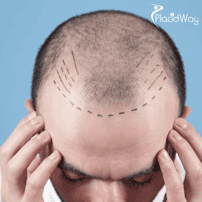
Why Are Turkey Hair Doctors Renowned for Their Expertise in Hair Loss Treatment?
Turkey's hair doctors are renowned for their expertise due to an unparalleled combination of high-volume surgical experience, mastery of advanced techniques like FUE and DHI, access to state-of-the-art technology, and the ability to deliver world-class results at highly affordable prices. Hair loss is a deeply personal issue that affects millions of men and women worldwide, often impacting confidence and self-esteem. The search for a permanent, natural-looking solution has led to a global phenomenon: medical tourism for hair restoration. At the epicenter of this movement is Turkey, a country that has firmly established itself as the world's leading destination for hair transplants. Every year, hundreds of thousands of people travel to Istanbul and other Turkish cities, returning home with renewed confidence and a full head of hair. This raises a critical question: how did Turkish hair doctors become the undisputed leaders in this highly specialized field? The answer is a powerful synergy of factors that have created a perfect environment for excellence. It's not just about lower prices, although that is a significant draw. The true renown of Turkey hair doctors comes from their immense practical experience, driven by the sheer volume of procedures they perform. This constant practice hones their skills to a level of artistry and precision that is difficult to replicate elsewhere. They are pioneers and masters of the most advanced techniques, from Sapphire FUE to DHI, using cutting-edge technology to create hairlines that are virtually undetectable from natural growth. This guide will explore in detail every reason behind their global reputation, from their rigorous qualifications and the state-of-the-art hair transplantation clinics in Turkey they work in, to the incredible value they offer and the consistently high rates of patient satisfaction that fuel their fame. Why is Turkey Considered the Hair Transplant Capital of the World? Turkey is the hair transplant capital because it performs the highest volume of procedures globally, creating a hub of hyper-specialized surgeons, advanced clinics, and a highly developed medical tourism infrastructure that offers unparalleled quality and affordability in one package. Turkey's ascent to the top of the hair restoration world is no accident. It's the result of a concerted effort by both the government and the private healthcare sector to build a world-class medical tourism industry. With over 500 clinics in Istanbul alone, the country has an unmatched concentration of facilities dedicated to hair loss treatment. This intense competition drives innovation and quality up, while keeping prices accessible. The sheer number of international patients—estimated to be in the hundreds of thousands annually—creates a virtuous cycle. High patient volume leads to more experienced doctors, which leads to better results and more positive reviews, attracting even more patients. This ecosystem is supported by seamless all-inclusive packages that handle every detail for the traveling patient, from airport pickups to luxury accommodation, making the entire process smooth and stress-free. Are Turkish Hair Transplant Surgeons Properly Qualified? Yes, the best Turkish hair transplant surgeons are highly qualified medical doctors who have completed extensive training. Reputable surgeons are often members of international bodies like the ISHRS (International Society of Hair Restoration Surgery) and have years of specialized experience in hair restoration. A common concern for medical tourists is the legitimacy of a doctor's credentials. In Turkey, the top tier of hair surgeons are not only licensed medical doctors but are also specialists who have dedicated their careers to the art and science of hair transplantation. They often hold certifications in plastic surgery or dermatology and pursue ongoing education to stay at the forefront of the field. When selecting a clinic, it is vital to verify the surgeon's qualifications. Reputable clinics will be transparent about their medical team's credentials, showcasing their memberships in prestigious international organizations and their years of experience. The leading Turkey hair doctors have often performed thousands of successful procedures, building a portfolio of results that speaks to their skill and expertise. Why is a Hair Transplant in Turkey So Much Cheaper? A hair transplant in Turkey is significantly cheaper primarily due to the country's lower cost of living and operational expenses (staff wages, clinic rent) and a favorable currency exchange rate. The high volume of procedures also allows clinics to achieve economies of scale, further reducing costs. The cost difference is the most dramatic and appealing factor for many. A procedure that might cost $15,000 in the USA or £8,000 in the UK can often be performed in Turkey for between $2,000 and $4,000, including accommodation and transfers. This isn't a reflection of lower quality but of different economic realities. Everything from the surgeon's salary to the cost of medical supplies and rent for a state-of-the-art facility is lower in Turkey. This economic advantage allows clinics to offer premium services without the premium price tag. The all-inclusive package model also provides incredible value, bundling all necessary components into one transparent price and eliminating the risk of hidden fees that can be common in other countries. Cost Comparison: Hair Transplant (Approx. 3000 Grafts) Country Average Cost (USD) What's Typically Included Turkey $2,000 - $4,500 Surgery, 5-star hotel, VIP transfers, aftercare kit USA $12,000 - $20,000+ Surgery only UK $7,000 - $12,000 Surgery only Germany $6,000 - $10,000 Surgery only What Hair Transplant Techniques Are Turkish Doctors Experts In? Turkish doctors are experts in the most advanced Follicular Unit Extraction (FUE) and Direct Hair Implantation (DHI) techniques. They are particularly renowned for pioneering variations like Sapphire FUE, which uses sapphire blades for finer incisions, and the DHI method using the Choi Implanter Pen for maximum density. Gone are the days of the old "hair plugs." Modern hair restoration is about creating a completely natural and dense result, and Turkish surgeons are masters of the latest methods to achieve this. FUE (Follicular Unit Extraction): This is the gold standard. Instead of removing a strip of scalp, individual hair follicles (grafts) are extracted one by one from a donor area (usually the back of the head) and implanted into the balding areas. This results in minimal scarring and a natural look. Sapphire FUE: A refinement of the FUE technique where the channels in the recipient area are opened using blades made from pure sapphire instead of steel. These blades are sharper and create finer, V-shaped incisions, which can lead to less tissue damage, denser packing of grafts, and faster healing. DHI (Direct Hair Implantation): In this technique, extracted follicles are loaded into a special tool called a Choi Implanter Pen. This pen allows the surgeon to implant the graft directly into the scalp in one motion, without needing to create a separate channel first. This method offers excellent control over the angle and direction of implantation and is ideal for increasing density and creating a precise hairline. What are the Success Rates for Hair Transplants in Turkey? The success rate for hair transplants performed at reputable clinics in Turkey is exceptionally high, typically exceeding 95%. Success is defined by the survival rate of the transplanted grafts, which, with modern techniques and proper aftercare, grow permanently in their new location. The high success rate is a direct result of the factors previously mentioned: surgeon expertise, advanced technology, and meticulous procedures. The FUE and DHI methods, when performed by a skilled hand, ensure that the delicate hair follicles are handled with care, maximizing their chance of survival after transplantation. It's important to have realistic expectations. The final results of a hair transplant are not immediate. The newly transplanted hairs will shed in the first few weeks (a normal process called "shock loss") before entering a new growth phase. Noticeable growth begins around 3-4 months, with the final, mature result visible after 12-18 months. A reputable clinic will provide comprehensive aftercare instructions to ensure you get the best possible outcome. How Do I Choose the Best Hair Doctor in Turkey? To choose the best hair doctor in Turkey, thoroughly research the clinic's reputation, verify the surgeon's credentials and experience, scrutinize before-and-after photos for natural results, and read unfiltered reviews from previous international patients. Prioritize quality and safety over the absolute lowest price. With so many options, due diligence is crucial. Here are key steps to finding a top-tier clinic: Check for Accreditations: Look for clinics that are part of internationally recognized hospitals, often with JCI accreditation. Verify the Surgeon: Ensure a qualified doctor, not just technicians, will be performing the critical parts of the surgery (like channel opening and design). Analyze Before-and-After Photos: Look for high-quality, clear photos. Do the hairlines look natural and age-appropriate? Is the density good? Read Patient Testimonials: Look for detailed reviews on independent platforms like Google, Trustpilot, and hair loss forums. Video testimonials can also be very insightful. Ask Questions: A good clinic will offer a detailed online consultation, answer all your questions transparently, and provide a clear treatment plan and quote. Is a Hair Transplant in Turkey Safe? Yes, a hair transplant in Turkey is very safe when performed at a licensed, reputable clinic that operates in a sterile hospital environment. These clinics adhere to strict international health and safety standards, making the procedure as safe as it would be in any top Western country. Safety is paramount. The horror stories often associated with medical tourism stem from patients choosing unlicensed, low-cost operators that cut corners. However, the established and reputable clinics in Turkey prioritize patient safety above all else. They perform procedures in fully-equipped, hygienic hospitals, conduct thorough pre-operative health screenings, and provide detailed post-operative care instructions to minimize any risk of infection or complications. By choosing a well-vetted clinic, patients can be confident in the safety and professionalism of their treatment. Ready to take the first step towards restoring your hair with a world-renowned expert? PlacidWay connects you with Turkey's leading, fully-vetted hair restoration clinics. Get your free, personalized quote today and discover your best hair loss solution!...
Read more details
Which clinic in Turkey is best for hair transplant?
Turkey has become a global hub for hair transplant procedures, attracting thousands of international patients seeking high-quality and affordable solutions for hair loss. The country's clinics are renowned for their advanced techniques, experienced surgeons, and impressive success rates. With so many options available, choosing the "best" clinic can feel overwhelming. This guide aims to answer common questions and provide insights to help you make an informed decision and achieve natural-looking results for your hair restoration journey. Which clinic in Turkey is best for hair transplant? "Identifying a single 'best' clinic for hair transplant in Turkey is subjective and depends on individual needs, but ClinicExpert, Capital Hair Center, and Erdem Health Group are consistently ranked among the top choices, praised for their expertise, advanced techniques, and patient satisfaction." While there isn't one universally "best" clinic, several stand out due to their consistent high quality, positive patient reviews, and experienced medical teams. These clinics often utilize the latest techniques, such as Sapphire FUE and DHI, and provide comprehensive all-inclusive packages for international patients. Factors like the surgeon's experience, the clinic's hygiene standards, and the personalized care offered all contribute to their reputation. It's crucial to research thoroughly and consider what aspects are most important to you when choosing. What factors define a "best" hair transplant clinic? "The 'best' hair transplant clinic is characterized by highly experienced and certified surgeons, adherence to international medical standards, transparent pricing, positive patient testimonials, comprehensive aftercare, and the use of advanced techniques like FUE and DHI." A truly excellent hair transplant clinic goes beyond just performing the surgery. It involves a holistic approach to patient care. This includes a thorough pre-operative consultation, accurate hair analysis, a custom-designed hairline, and meticulous post-operative follow-up. The clinic should have a strong track record of natural-looking results and a commitment to patient safety and satisfaction. Accreditation by international organizations, like JCI (Joint Commission International), can also be an indicator of high standards. How much does a hair transplant typically cost in Turkey? "The cost of a hair transplant in Turkey typically ranges from $2,000 to $5,000 for an all-inclusive package, significantly lower than in Western countries, with the price varying based on the clinic, the number of grafts, and the technique used (e.g., FUE or DHI)." One of the primary reasons Turkey is a popular destination for hair transplants is the cost-effectiveness. While prices vary, they are generally much more affordable compared to clinics in the UK, USA, or Europe, often representing a saving of 50-70%. These all-inclusive packages often cover the surgery, accommodation, VIP transfers, and post-operative care, making the experience convenient for international patients. It's important to understand what is included in the package to avoid any hidden costs. What hair transplant techniques are commonly used in Turkey? "The most common and effective hair transplant techniques utilized in Turkey are Follicular Unit Extraction (FUE), including its advanced variation Sapphire FUE, and Direct Hair Implantation (DHI), both of which offer natural-looking and long-lasting results." FUE involves individually extracting hair follicles from a donor area (usually the back of the head) and transplanting them to the recipient area. Sapphire FUE uses sapphire blades for incisions, leading to smaller, more precise channels and potentially faster healing. DHI is a modified FUE technique where hair follicles are implanted directly into the scalp using a special pen-like instrument, without the need for pre-made incisions. Both methods are minimally invasive and aim for maximum graft survival and a natural appearance. What should I look for in a hair transplant surgeon in Turkey? "When choosing a hair transplant surgeon in Turkey, prioritize board certification, extensive experience (at least 5-10 years) with a high success rate, specialization in modern techniques like FUE and DHI, positive patient reviews, and clear communication skills." The surgeon's expertise is paramount to a successful hair transplant. Look for a surgeon who is a member of reputable international hair restoration societies. They should have a portfolio of before-and-after photos demonstrating natural and dense results. During your consultation, assess their ability to clearly explain the procedure, manage expectations, and address your concerns. A skilled surgeon will also accurately determine the number of grafts needed and design a natural-looking hairline. What is the success rate of hair transplants in Turkey? "The success rate of hair transplants in Turkey is remarkably high, typically ranging from 90% to 95%, thanks to the experienced surgeons, advanced techniques, and state-of-the-art facilities that prioritize patient care and optimal graft survival." Turkish clinics generally boast impressive success rates due to their high volume of procedures and specialized focus on hair restoration. Success is often measured by the survival rate of transplanted grafts and the overall aesthetic outcome, including density and naturalness. While individual results can vary, a high success rate indicates the clinic's proficiency and commitment to delivering satisfactory outcomes. How long is the recovery period after a hair transplant in Turkey? "The initial recovery period after a hair transplant in Turkey involves redness and scabbing for about 7-14 days, with full healing of the scalp occurring within 1-2 months, and visible new hair growth typically starting at 3-4 months, with final results appearing after 12-18 months." The first few days involve swelling and redness, which gradually subside. Scabs will form where the grafts were placed and will naturally fall off within two weeks. Patients are usually advised to avoid strenuous activities for a few weeks and follow specific post-operative care instructions, including gentle washing. The transplanted hair will shed within the first month or two, which is a normal part of the process, before new, permanent hair begins to grow. Are hair transplants in Turkey safe? "Yes, hair transplants in Turkey are generally safe when performed by reputable clinics that adhere to strict hygiene protocols, employ qualified medical staff, and use modern, sterile equipment, minimizing risks such as infection or complications." While any surgical procedure carries inherent risks, established hair transplant clinics in Turkey prioritize patient safety. They follow international medical guidelines, use single-use equipment, and conduct thorough pre-operative assessments to ensure patient suitability. Choosing a clinic with good reviews and proper certifications is essential to mitigate potential risks and ensure a safe and successful outcome. What kind of aftercare and follow-up can I expect from a Turkish clinic? "Reputable hair transplant clinics in Turkey offer comprehensive aftercare, including post-operative medications, special shampoos, detailed washing instructions, and virtual follow-up consultations for up to 12-18 months to monitor progress and address any concerns." Aftercare is crucial for the success and longevity of a hair transplant. Clinics in Turkey often provide a complete aftercare kit and a schedule for medication and washing. They typically offer ongoing support through online consultations, allowing patients to send photos and receive advice on their hair growth journey, even after returning to their home country. This dedicated follow-up ensures that patients are supported throughout the entire healing and growth process. Can I combine a hair transplant with other medical tourism procedures in Turkey? "Yes, it is common for individuals visiting Turkey for a hair transplant to combine it with other medical tourism procedures, such as dental treatments or cosmetic surgeries, due to the country's reputation for high-quality, affordable healthcare across various specialties." Turkey's thriving medical tourism industry means that many clinics and facilitators offer packages that can include multiple procedures. This allows patients to maximize their trip and address various health and aesthetic concerns in one visit. However, it's essential to plan carefully with your chosen clinic to ensure that combining procedures is medically advisable and that you have sufficient recovery time for each. What are the common reasons people choose Turkey for hair transplants? "People choose Turkey for hair transplants primarily due to the significantly lower costs compared to Western countries, the high quality of medical care and expertise, advanced surgical techniques, high success rates, and all-inclusive packages that simplify the travel and treatment process." The combination of affordability without compromising on quality is a major draw. Turkish clinics have invested heavily in state-of-the-art technology and employ highly skilled surgeons. The competitive market also drives clinics to offer attractive all-inclusive packages that simplify the entire process for international patients, often including accommodation, transfers, and post-operative care, making it a seamless experience. Are there any red flags to watch out for when choosing a clinic? "When selecting a hair transplant clinic in Turkey, be wary of clinics that offer excessively low prices, promise unrealistic results (e.g., 'unlimited grafts'), lack transparent communication, have no named surgeon, or pressure you into quick decisions without a thorough consultation." It's important to be a discerning consumer. Red flags can include clinics that don't provide clear information about the surgeon's qualifications, use outdated techniques, or have predominantly negative online reviews on independent platforms. Always ensure the clinic has proper medical licenses and that the staff are adequately trained and professional. A reputable clinic will always prioritize patient safety and realistic expectations. Considering a hair transplant in Turkey? Explore the possibilities with PlacidWay, your trusted partner in medical tourism. PlacidWay connects you with top-rated clinics in Turkey, offering transparent pricing, expert guidance, and comprehensive support for your hair restoration journey and other healthcare needs. Visit PlacidWay today to find your ideal solution. ...
Read more details
How much is fue hair transplant in Turkey?
Are you considering a FUE hair transplant in Turkey but find yourself overwhelmed by the pricing and options? You're not alone. The affordable cost of a Follicular Unit Extraction (FUE) hair transplant in Turkey has made it a global hotspot for hair restoration. A FUE hair transplant is a procedure that involves extracting individual hair follicles from a donor area and implanting them into a balding or thinning area. This minimally invasive technique is renowned for its natural-looking results and quicker recovery times. The primary reason for Turkey's popularity in this field is the significant cost savings without compromising on the quality of care, thanks to the country's lower operational costs and government support for medical tourism. How much does a FUE hair transplant cost in Turkey? "The cost of a FUE hair transplant in Turkey typically ranges from $2,000 to $6,000. However, the final price can vary depending on several factors, including the number of grafts required, the clinic's reputation, the surgeon's experience, and the specifics of the treatment package." The price for a FUE hair transplant in this region is considerably lower than in many Western countries. In the US or UK, the same procedure could cost you anywhere from $8,000 to $20,000 or more. This significant price difference is not a reflection of lower quality but is primarily due to Turkey's lower cost of living, which translates to reduced operational expenses for clinics. Furthermore, the Turkish government actively promotes medical tourism, leading to a highly competitive market. This competition drives clinics to offer attractive all-inclusive packages to international patients, making the overall experience more affordable and convenient. What factors influence the cost of a FUE hair transplant in Turkey? "Several key factors influence the final cost of a FUE hair transplant in Turkey, including the number of grafts needed, the technology used (e.g., Sapphire FUE, DHI), the experience of the surgeon, the reputation and location of the clinic, and the inclusiveness of the package." Understanding the breakdown of costs can help you make an informed decision. Here’s a closer look at the primary influencing factors: Number of Grafts: This is the most significant cost determinant. The more extensive your hair loss, the more grafts you will need, which will increase the price. Technique Used: While FUE is the standard, advanced variations like Sapphire FUE (using sapphire blades for incisions) or DHI (Direct Hair Implantation) can be more expensive due to the specialized tools and expertise required. Surgeon's Expertise: Highly experienced and renowned surgeons may charge more for their services, but their expertise can significantly impact the quality of the results. Clinic's Reputation and Location: Clinics in major cities like Istanbul may have slightly higher prices due to higher overheads. A clinic's accreditations and patient reviews also play a role in their pricing structure. Package Inclusions: Most Turkish clinics offer all-inclusive packages. The extent of these services (e.g., luxury accommodation, VIP transfers) will affect the overall cost. What is typically included in an all-inclusive FUE hair transplant package in Turkey? "An all-inclusive FUE hair transplant package in Turkey generally includes the surgical procedure, pre-operative consultation and tests, post-operative medications and care products, accommodation in a 4 or 5-star hotel, all airport and clinic transfers, and often a translator." These comprehensive packages are designed to provide a seamless and stress-free experience for international patients. You can typically expect the following to be included: The Procedure: The cost of the FUE hair transplant itself, including the extraction and implantation of grafts. Consultation: A thorough consultation with the surgeon to assess your hair loss and plan the procedure. Medical Tests: Necessary blood tests before the surgery. Accommodation: A few nights' stay in a comfortable hotel. Transfers: Pick-up from the airport and transportation between the hotel and the clinic. Aftercare: A kit containing special shampoos, lotions, and any necessary medications for post-operative care. Translator Services: A translator to assist you during your consultations and the procedure. Are there any hidden costs I should be aware of? "While most FUE hair transplant packages in Turkey are transparently priced, potential hidden costs can include flights to and from Turkey, meals (if not included in the hotel package), additional medications if you have specific needs, and any optional post-procedure treatments like PRP sessions that are not part of the initial package." It's crucial to get a detailed breakdown of what your chosen package includes. Reputable clinics will be upfront about all costs. However, it's wise to budget for: Flights: The cost of your airfare to Turkey is usually not included. Food: While breakfast at the hotel is often included, you'll likely need to cover other meals. Personal Expenses: Any sightseeing or personal shopping you wish to do. Additional Treatments: Some clinics might recommend supplementary treatments like Platelet-Rich Plasma (PRP) therapy to enhance results, which may come at an extra cost. Follow-up Medications: While the initial aftercare kit is provided, you might need to purchase more of certain products later on. How many grafts will I need for a full head FUE hair transplant? "The number of grafts needed for a full head FUE hair transplant varies significantly based on the degree of hair loss, the size of the balding area, and the desired density. On average, a person may need anywhere from 2,000 to 6,000 grafts or more for extensive coverage." The Norwood scale is often used to classify the extent of male pattern baldness. Here's a general idea of the number of grafts you might need based on this scale: Norwood Stage Description Estimated Grafts Needed Stage 2-3 Mild to moderate hairline recession 1,500 - 2,500 Stage 4 Significant recession and a bald spot on the crown 2,500 - 4,000 Stage 5 Hairline and crown bald spots begin to merge 4,000 - 5,000 Stage 6-7 Extensive hair loss on the front and top of the scalp 5,000 - 7,000+ A consultation with a qualified surgeon is the only way to get an accurate estimate of the number of grafts you will require. Is a FUE hair transplant in Turkey safe and reliable? "Yes, a FUE hair transplant in Turkey is generally safe and reliable, provided you choose a reputable and internationally accredited clinic with experienced surgeons. Turkey has a robust healthcare system with many modern facilities that adhere to high international standards." To ensure your safety and the quality of your results, it's essential to do thorough research. Look for clinics that: Are accredited by international organizations like JCI (Joint Commission International). Have highly experienced and qualified surgeons who are often members of international hair restoration societies. Have a portfolio of before-and-after photos and positive patient testimonials. Offer transparent pricing and clear communication. While the vast majority of patients have positive experiences, it's crucial to be aware of the risks associated with any surgical procedure and to choose a clinic that prioritizes patient safety. How do I choose the best FUE hair transplant clinic in Turkey? "Choosing the best clinic for your FUE hair transplant in Turkey involves researching the clinic's accreditations, the surgeon's qualifications and experience, reading patient reviews and testimonials, examining before-and-after photos, and ensuring they offer transparent pricing and excellent communication." Here are some steps to guide you: Check Credentials: Look for clinics with certifications from reputable organizations. Verify Surgeon's Experience: Research the surgeon who will be performing your procedure. Check their qualifications and experience in FUE techniques. Read Reviews: Look for reviews on independent platforms to get an unbiased understanding of other patients' experiences. Scrutinize Before-and-After Photos: A good clinic will have a large gallery of high-quality, unedited photos showcasing their work. Schedule a Consultation: A virtual or in-person consultation will allow you to ask questions and get a feel for the clinic's professionalism. Get a Detailed Quote: Ensure you receive a comprehensive quote that outlines everything included in the price. What is the recovery process like after a FUE hair transplant in Turkey? "The initial recovery after a FUE hair transplant in Turkey is relatively quick. You can expect some redness, swelling, and scabbing in the first week. Most patients can return to non-strenuous activities within a few days. The newly transplanted hairs will shed in the first few weeks, with new growth becoming visible in 3-4 months and full results appearing in 12-18 months." Your clinic will provide you with detailed aftercare instructions to ensure a smooth recovery. This typically includes: How to wash your hair gently. Medications to take to prevent infection and reduce swelling. Avoiding strenuous activities, direct sunlight, and swimming for a few weeks. Sleeping in an upright position for the first few nights to minimize swelling. Patience is key during the recovery process. While the initial healing is fast, it takes time for the new hair to grow and for the final results to become apparent. What is the difference between FUE, Sapphire FUE, and DHI? "FUE is the standard technique where individual follicles are extracted and implanted. Sapphire FUE is a variation of FUE that uses sapphire blades instead of steel blades to create the recipient sites, which can lead to less scarring and faster healing. DHI (Direct Hair Implantation) is another advanced technique where a special tool called a Choi pen is used to implant the extracted follicles directly into the recipient area without prior incisions." Here's a quick comparison: Technique Description Advantages FUE Individual follicular units are extracted and implanted. Minimally invasive, natural-looking results. Sapphire FUE Uses sapphire blades for creating incisions. Can lead to faster healing and denser packing of grafts. DHI Uses a Choi pen for direct implantation. Offers precise control over the angle and depth of implantation, potentially leading to higher graft survival rates. The best technique for you will depend on your specific needs and the recommendation of your surgeon. DHI and Sapphire FUE are often priced slightly higher than standard FUE. How long do the results of a FUE hair transplant last? "The results of a FUE hair transplant are considered permanent. The transplanted hair follicles are taken from a donor area (usually the back of the head) that is genetically resistant to the hormone responsible for hair loss. Therefore, the transplanted hairs will continue to grow for a lifetime." It's important to note that while the transplanted hair is permanent, a hair transplant does not stop the progression of hair loss in other areas of the scalp. Your surgeon may recommend medical treatments like minoxidil or finasteride to help maintain your existing hair and prevent further thinning. Can women also get a FUE hair transplant in Turkey? "Yes, women can also benefit from a FUE hair transplant in Turkey. While the patterns of hair loss in women can differ from men, FUE can be an effective solution for women experiencing thinning hair or a receding hairline, provided they have a stable donor area." The approach for female hair transplants may differ slightly, and a thorough consultation is crucial to determine the cause of hair loss and the suitability of the procedure. Many Turkish clinics have extensive experience in performing FUE hair transplants for women with excellent results. What are the payment options for a FUE hair transplant in Turkey? "Most clinics in Turkey offer various payment options for a FUE hair transplant. These typically include bank transfers, credit card payments, and sometimes cash on arrival. It's best to confirm the accepted payment methods with your chosen clinic beforehand." Some clinics may require a deposit to secure your booking, with the remaining balance due upon your arrival. Be sure to inquire about any potential fees associated with credit card payments. Ready to take the next step towards a fuller head of hair? Explore your options for a FUE hair transplant in Turkey with PlacidWay. We connect you with a network of world-class, accredited clinics and experienced surgeons to ensure you receive the highest quality care at an affordable price. Let us help you find the perfect solution for your hair restoration journey....
Read more details
How Much 5000 Grafts Hair Transplant Cost in Turkey?
Considering a 5000 grafts hair transplant in Turkey? You're not alone. Turkey has become a global hotspot for hair restoration, offering a blend of high-quality results and affordable prices that are hard to beat. If you're struggling with significant hair loss, a 5000 graft procedure can be a life-changing solution, and understanding the cost of a 5000 grafts hair transplant in Turkey is the first step on your journey to a fuller head of hair. This comprehensive guide will walk you through everything you need to know, from the price you can expect to pay to the factors that influence it, ensuring you make an informed decision. The decision to undergo a hair transplant is a significant one, and it's natural to have a lot of questions. We've gathered the most common queries from AI platforms, forums, and search engines to provide you with clear and detailed answers. Our goal is to demystify the process and give you the confidence to take the next step. What is the average cost of a 5000 grafts hair transplant in Turkey? "The average cost of a 5000 grafts hair transplant in Turkey typically ranges from €2,500 to €5,500. This price can vary depending on the clinic's reputation, the technique used, and the specifics of the all-inclusive package." A 5000 grafts hair transplant in Turkey is a significant procedure designed for individuals with advanced hair loss. The price is considerably lower than in many Western countries, where a similar procedure could cost upwards of $15,000 to $25,000. This affordability is one of the primary reasons why millions of people travel to Turkey for hair restoration each year. The cost isn't just about the surgery itself. Most reputable clinics in Turkey offer all-inclusive packages that provide excellent value for money. These packages often cover not just the procedure but also accommodation, airport transfers, and post-operative care, making the entire experience seamless and stress-free for international patients. What factors influence the cost of a 5000 grafts hair transplant in Turkey? "Several key factors influence the cost of a 5000 grafts hair transplant in Turkey, including the hair transplant technique (FUE or DHI), the surgeon's experience and the clinic's reputation, the technology used, and the comprehensiveness of the treatment package." Understanding the variables that affect the price will help you choose a clinic and package that aligns with your budget and expectations. Here’s a breakdown of the most significant factors: Hair Transplant Technique: The two most common methods for a 5000 grafts procedure are Follicular Unit Extraction (FUE) and Direct Hair Implantation (DHI). DHI is generally more expensive than FUE due to the specialized tools and higher level of precision required. Clinic's Reputation and Surgeon's Experience: Highly reputable clinics with experienced and internationally recognized surgeons often charge more. However, this premium is often justified by a higher success rate and a more positive patient experience. Technology and Equipment: Clinics that invest in the latest technology and state-of-the-art equipment may have slightly higher prices. This can include advanced imaging systems for hairline design and specialized tools for graft extraction and implantation. All-Inclusive Packages: The contents of the all-inclusive package can also affect the final cost. A premium package might include a longer stay in a 5-star hotel, VIP transfers, and additional post-operative treatments like PRP (Platelet-Rich Plasma) therapy. What is typically included in a 5000 grafts hair transplant package in Turkey? "A standard 5000 grafts hair transplant package in Turkey typically includes the surgical procedure, pre-operative consultation and blood tests, post-operative medications and care products, accommodation in a 4 or 5-star hotel for a few nights, and all airport and clinic transfers." One of the major advantages of getting a hair transplant in Turkey is the convenience of all-inclusive packages. These packages are designed to provide a hassle-free experience for international patients. While the specifics can vary from one clinic to another, a typical package will include: The Procedure: The 5000 grafts hair transplant itself, performed by an experienced medical team. Consultation: A thorough pre-operative consultation with the surgeon to discuss your goals, assess your hair loss, and design your new hairline. Accommodation: A 2-3 night stay in a comfortable hotel, often located near the clinic. Transfers: VIP transfers between the airport, hotel, and clinic. Aftercare: A comprehensive aftercare kit with special shampoos, lotions, and medications, along with detailed instructions for the recovery period. Translator Services: Many clinics provide a dedicated translator to ensure clear communication throughout your journey. Are there any hidden costs I should be aware of? "While reputable clinics in Turkey are generally transparent about their pricing, potential hidden costs for a 5000 grafts hair transplant could include flights to and from Turkey, the cost of meals (if not included in the hotel package), and any additional, optional treatments you choose to undergo." Transparency is a hallmark of the best hair transplant clinics in Turkey. They strive to provide a clear and upfront cost with no surprises. However, it's always wise to clarify a few things before booking your procedure. The most common expense not included in the package is the cost of your flights. Additionally, while post-operative medications are usually part of the package, you might need to purchase additional pain relievers or other over-the-counter medications. Some clinics may also offer optional treatments like laser hair therapy or additional PRP sessions at an extra cost. Always ask for a detailed breakdown of what's included in your chosen package to avoid any misunderstandings. How do I choose a reputable clinic for my 5000 grafts hair transplant in Turkey? "To choose a reputable clinic for your 5000 grafts hair transplant in Turkey, look for clinics with experienced and certified surgeons, positive patient reviews and testimonials, before-and-after photos of previous patients, and international accreditations. A transparent pricing policy and clear communication are also crucial." With hundreds of clinics to choose from, selecting the right one can feel overwhelming. Here are some key things to look for to ensure you're in safe hands: Surgeon's Credentials: Research the qualifications and experience of the surgeon who will be performing your procedure. Look for affiliations with international hair restoration societies. Patient Reviews: Read reviews from previous patients on independent platforms. Look for consistent positive feedback about the results, the clinic's hygiene, and the quality of care. Before-and-After Gallery: A reputable clinic will have an extensive gallery of before-and-after photos showcasing their work. This will give you a good idea of the results you can expect. Transparency: Choose a clinic that is open and honest about its pricing and what's included in the package. They should be willing to answer all your questions without any pressure. Communication: From your initial inquiry to your post-operative follow-up, the clinic should provide clear and prompt communication. What is the difference between the FUE and DHI techniques for a 5000 grafts transplant? "For a 5000 grafts hair transplant in Turkey, the FUE (Follicular Unit Extraction) technique involves extracting individual hair follicles and implanting them into channels created in the recipient area. The DHI (Direct Hair Implantation) technique uses a specialized Choi pen to implant the follicles directly without the need for pre-made channels, offering more precision." Both FUE and DHI are advanced and effective hair transplant techniques. The choice between them often depends on the patient's specific needs and the surgeon's recommendation. FUE (Follicular Unit Extraction): In the FUE method, the surgeon extracts individual hair follicles from the donor area (usually the back of the head) using a micro-punch. These follicles are then carefully implanted into tiny incisions or channels that have been created in the balding areas. FUE is a versatile technique suitable for covering large areas, making it a popular choice for a 5000 grafts hair transplant. DHI (Direct Hair Implantation): The DHI technique is a more recent innovation. It involves the use of a Choi implanter pen, a specialized tool that allows the surgeon to implant the extracted hair follicles directly into the recipient area without creating prior incisions. This provides greater control over the angle, depth, and direction of the implanted hairs, which can lead to a more natural-looking result. However, DHI is a more time-consuming and meticulous process, which is why it's often more expensive. Is a 5000 grafts hair transplant painful? "A 5000 grafts hair transplant in Turkey is performed under local anesthesia, so you will not feel any pain during the procedure itself. You may experience some mild discomfort or soreness in the days following the surgery, but this can be easily managed with the provided pain medication." The thought of any surgical procedure can be daunting, but a hair transplant is generally a well-tolerated and minimally invasive procedure. The local anesthesia effectively numbs the scalp, ensuring a comfortable experience during the hours-long surgery. After the procedure, it's normal to experience some swelling, redness, and a feeling of tightness in the scalp. The clinic will provide you with pain relievers to manage any discomfort. Most patients find that they can return to their normal daily activities within a few days, although strenuous exercise should be avoided for a few weeks. What is the recovery process like after a 5000 grafts hair transplant? "The initial recovery period after a 5000 grafts hair transplant in Turkey is about 7 to 10 days, during which the scalp will heal. The newly transplanted hairs will shed within the first few weeks, and new, permanent hair growth will typically begin after 3 to 4 months, with final results visible in 12 to 18 months." Patience is key when it comes to seeing the final results of your hair transplant. The recovery process can be broken down into several stages: First Few Days: Your scalp will be sensitive, and you'll need to follow the clinic's aftercare instructions carefully. This will include how to sleep to protect the newly implanted grafts and how to wash your hair gently. First Two Weeks: The scabs in the recipient area will start to fall off. It's important not to pick at them to avoid dislodging the grafts. Two to Eight Weeks: You will experience what is known as "shock loss," where the transplanted hairs fall out. This is a normal and expected part of the process. Three to Six Months: You will start to see new hair growth. Initially, the new hairs may be fine and thin, but they will gradually become thicker and stronger. One Year and Beyond: You will see the final, most impressive results of your 5000 grafts hair transplant. Your new hair will have grown to a significant length, and the density will be at its peak. What is the success rate of a 5000 grafts hair transplant in Turkey? "The success rate of a 5000 grafts hair transplant in Turkey is very high, often exceeding 95% at reputable clinics. The success of the procedure depends on the skill of the surgeon, the quality of the donor's hair, and the patient's adherence to post-operative care instructions." Turkey's hair transplant clinics have a well-deserved reputation for excellence. The high success rates are a testament to the experience of the surgeons, the use of advanced techniques, and the comprehensive care provided to patients. To maximize your chances of a successful outcome, it's crucial to choose a reputable clinic and follow all the aftercare instructions provided by your surgeon. This includes protecting your scalp from the sun, avoiding smoking and alcohol for a period, and maintaining a healthy lifestyle. With proper care, your hair transplant can provide you with a permanent and natural-looking solution to hair loss. Ready to take the next step in your hair restoration journey? Explore PlacidWay to find a curated selection of world-class hair transplant clinics in Turkey. We connect you with trusted and accredited medical providers, ensuring you receive the highest quality care at an affordable price. Start your journey to a more confident you today!...
Read more details
How much is Hair Transplant Surgery in Turkey?
Considering a hair transplant surgery in Turkey is a significant step towards regaining confidence and a fuller head of hair. Turkey has emerged as a global leader in this field, offering a combination of experienced surgeons, advanced medical facilities, and remarkably affordable hair transplant costs. Many individuals are curious about the price and what it entails. Generally, a hair transplant in Turkey can cost between $1,200 and $4,000 USD, though this can vary based on several factors we'll explore in this post. The allure of Turkey for hair restoration isn't just about the lower hair transplant Turkey price; it's also about the quality of care and the often all-inclusive packages that make the journey seamless for international patients. We'll delve into the specifics, answering common questions to provide a clear picture of what to anticipate when planning for your hair transplant surgery in Turkey. How much does a hair transplant generally cost in Turkey? "The average cost of hair transplant surgery in Turkey typically ranges from $1,200 to $4,000 USD. However, for more extensive procedures or premium clinic options, prices can go up to $6,000 or slightly more." This price range is significantly lower than in many Western countries like the US or UK, where similar procedures can cost anywhere from $5,000 to $15,000 or even higher. The affordability in Turkey is a primary draw for medical tourists. This cost often includes not just the surgery itself but a comprehensive package, making it a cost-effective solution for many seeking hair restoration. The reason for the lower hair transplant Turkey price isn't a compromise on quality but rather due to factors like the lower cost of living, favorable currency exchange rates, and strong government support for medical tourism. This allows clinics to offer high-standard treatments at a more accessible price point. What factors influence the cost of a hair transplant in Turkey? "Several key factors influence the final cost of a hair transplant in Turkey, including the number of grafts needed, the chosen transplant technique (e.g., FUE, DHI), the surgeon's experience and reputation, the clinic's quality and location, and what's included in the treatment package." The most significant factor is usually the number of grafts. A person with extensive hair loss will require more grafts, and thus the procedure will be more expensive. For example, a 2,000-graft procedure will cost less than a 5,000-graft procedure. The technique also plays a vital role; DHI (Direct Hair Implantation) is often more expensive than FUE (Follicular Unit Extraction) due to the specialized tools and meticulous labor involved. Furthermore, highly experienced surgeons or renowned clinics might charge more for their services, reflecting their expertise and track record. Clinics in major cities like Istanbul might have slightly different pricing compared to those in other areas, although competition in these hubs often keeps prices competitive. Finally, all-inclusive packages that cover accommodation, airport transfers, and post-operative care will have these services factored into the overall hair transplant Turkey cost. What is the average hair transplant cost in Turkey per graft? "The average hair transplant cost in Turkey per graft typically ranges from $0.70 to $3.00 USD. Many clinics, however, offer package deals rather than a strict per-graft pricing model, especially for a common number of grafts." While some clinics might provide a per-graft cost, it's more common to receive a quote for the entire procedure based on an assessment of your hair loss and desired density. For instance, a package for 3,000 grafts might be priced at $2,100 to $3,375, which breaks down to approximately $0.70 to $1.12 per graft. It's important to be cautious of clinics advertising extremely low per-graft prices, as this might sometimes involve hidden costs or a compromise on the quality of care or the experience of the performing team. Always ensure you understand what the quoted price includes. How much does an FUE hair transplant cost in Turkey? "An FUE hair transplant in Turkey typically costs between $1,500 and $4,500 USD. This is one of the most common and popular techniques offered." Follicular Unit Extraction (FUE) is favored for its minimally invasive nature and natural-looking results. The price can vary based on the number of grafts required and the clinic's reputation. For instance, a standard FUE procedure requiring 2,000 to 4,000 grafts will generally fall within this price bracket. The FUE hair transplant cost in Turkey is considerably lower than in countries like the USA or UK, where it can range from $5,000 to $15,000. This affordability, combined with high success rates, makes Turkey an attractive destination for FUE procedures. What is the price of a DHI hair transplant in Turkey? "The price of a DHI hair transplant in Turkey generally ranges from $2,000 to $5,000 USD. This technique is often slightly more expensive than FUE due to the specialized Choi implanter pen used." Direct Hair Implantation (DHI) involves implanting hair follicles directly into the scalp without prior channel creation, offering high density and precision. While it can be more costly, many patients opt for DHI due to its potential for faster recovery and no need for shaving the recipient area in some cases. The DHI hair transplant cost in Turkey reflects the advanced tools and the higher level of skill required by the medical team. However, even with the premium nature of this technique, prices in Turkey remain significantly more accessible compared to other countries. Are there different hair transplant costs in Istanbul versus other Turkish cities? "Yes, there can be slight variations in hair transplant costs between Istanbul and other Turkish cities, though Istanbul generally offers very competitive pricing due to the high concentration of clinics. Prices in major cities like Istanbul, Ankara, and Izmir tend to be comparable, with average per-graft costs often ranging from $0.90 to $1.60 USD." Istanbul is the hub for hair transplant surgery in Turkey, with a vast number of clinics. This high competition often leads to more affordable packages and attractive deals. While cities like Ankara, Izmir, or Antalya also have excellent clinics, the sheer volume in Istanbul can sometimes provide a slight edge in terms of package diversity and price. However, the most critical factor should always be the quality of the clinic and surgeon, regardless of its specific location within Turkey. Focus on research, reviews, and accreditations rather than minor price differences between cities. What is typically included in hair transplant packages in Turkey? "Hair transplant packages in Turkey are often all-inclusive, typically covering the surgical procedure, pre-operative consultation and tests, anesthesia, post-operative medications and care products, accommodation (usually 2-3 nights in a hotel), airport transfers, and translator services if needed." These comprehensive packages are a significant reason why Turkey is popular for medical tourism. They simplify the process for international patients, as many logistical aspects are handled by the clinic. Some packages might also include PRP (Platelet-Rich Plasma) therapy sessions to promote healing and hair growth. It's crucial to get a detailed breakdown of what's included in your specific package before committing. This ensures there are no surprises and you understand the full value you're receiving for the hair transplant Turkey price. Are there any hidden costs associated with hair transplants in Turkey? "While reputable clinics in Turkey are generally transparent about their pricing, potential hidden costs could include flights to Turkey, additional nights of accommodation beyond what's in the package, special post-operative medications not covered, or costs for any follow-up procedures if required, though the latter is rare with successful initial surgeries." Most clinics offering all-inclusive packages aim to cover all essential medical and logistical expenses. However, personal expenses, meals not included with the hotel, and any tourism activities are naturally separate. Always clarify with the clinic about any potential additional medical fees, such as for extensive pre-operative tests if you have underlying health conditions, or if you require more grafts than initially estimated (though this is usually discussed beforehand). Reading reviews and asking direct questions about what is not included can help avoid unexpected expenses related to your hair transplant surgery in Turkey. Why are hair transplants in Turkey so much cheaper? "Hair transplants in Turkey are cheaper primarily due to the lower cost of living, lower operational costs for clinics (rent, salaries), favorable currency exchange rates for international patients, and strong competition among numerous clinics. Government incentives for medical tourism also play a role." It's important to understand that the lower hair transplant Turkey price does not necessarily mean lower quality. Many Turkish clinics are equipped with state-of-the-art technology and staffed by highly experienced and internationally trained surgeons. They perform a high volume of procedures, which also contributes to their ability to offer competitive pricing. The combination of these economic factors allows patients to access high-quality hair restoration services at a fraction of the cost they might encounter in their home countries. Is a cheap hair transplant in Turkey safe? "Yes, an affordable hair transplant in Turkey can be very safe, provided you choose a reputable, accredited clinic with experienced and qualified medical professionals. While 'cheap' can sometimes be a red flag, in Turkey, competitive pricing is standard due to economic factors, not necessarily a compromise on safety or quality." The key is thorough research. Look for clinics with certifications (e.g., JCI, ISO), positive patient reviews, before-and-after photos of actual patients, and transparent information about their surgeons and a_hmed_ical team. Be wary of extremely low prices that seem too good to be true or clinics that lack transparency. Safety in hair transplant surgery in Turkey comes from selecting established clinics that adhere to international medical standards, rather than just opting for the lowest possible price without due diligence. How many grafts will I need and how does it affect the cost? "The number of grafts you'll need depends on the extent of your hair loss, the desired density, the characteristics of your donor hair, and the size of the area to be covered. This is determined during a consultation, and it directly affects the overall hair transplant Turkey cost – more grafts mean a higher price." For example: Mild hair loss (e.g., receding hairline): 1,500 - 2,500 grafts Moderate hair loss (e.g., crown thinning): 2,500 - 3,500 grafts Significant hair loss: 3,500 - 5,000+ grafts Clinics in Turkey often offer packages based on a maximum number of grafts, meaning they will transplant as many grafts as safely possible up to a certain limit for a fixed price. This can be beneficial if you require a large number of grafts. What are the payment or financing options for hair transplants in Turkey? "Most Turkish clinics accept various payment methods, including bank transfers, credit/debit cards, and cash. Some clinics may offer their own installment plans, or you might be able to use third-party medical tourism financing companies or personal loans from your home country to cover the hair transplant Turkey cost." It's best to discuss payment options directly with your chosen clinic. They can provide details on their accepted payment methods and any potential financing partnerships they might have. While direct financing from Turkish clinics specifically for international patients might be less common, many patients secure financing in their home country before traveling. Ensure you understand the payment terms, including any deposit requirements and the schedule for the final payment, before booking your hair transplant surgery in Turkey. Does the cost include aftercare and follow-up? "The initial hair transplant Turkey cost, especially within all-inclusive packages, typically includes initial aftercare supplies (like special shampoos, lotions, and medications for the first few days) and instructions for post-operative care. Long-term follow-up is usually done remotely via phone or email, but physical follow-up appointments would require returning to Turkey at your own expense." Clinics will provide comprehensive guidance on how to care for your transplanted hair in the weeks and months following the procedure. They are usually available for consultation via digital means if you have questions or concerns during your recovery period. However, if you desire in-person follow-ups or additional treatments like PRP sessions not included in the initial package, these would likely incur extra costs. Always clarify the extent of included aftercare with your clinic. How does the cost of hair transplant in Turkey compare to the UK or USA? "The cost of hair transplant surgery in Turkey is significantly lower, often 50-70% less, than in the UK or USA. For example, a procedure costing $2,000-$4,000 in Turkey could easily cost $8,000-$15,000 or more in the UK or USA for the same number of grafts and technique." This substantial price difference is a primary driver for medical tourism to Turkey. While the hair transplant Turkey price is lower, many clinics maintain high standards comparable to those in Western countries, offering advanced techniques like FUE and DHI performed by experienced surgeons. When comparing costs, also factor in travel and accommodation if not included, but even with these, Turkey often remains the more economical choice for individuals seeking quality hair restoration. What questions should I ask about the cost before booking? "Before booking your hair transplant surgery in Turkey, ask for a detailed written quote specifying: the total cost, the number of grafts estimated, the technique to be used, what's included in the package (surgery, accommodation, transfers, medications, aftercare products), what's excluded (flights, additional nights, etc.), the surgeon's name and experience, and the payment terms and refund policy." Other important questions include: Are there any potential additional charges I should be aware of? What happens if fewer grafts are needed than estimated? Will the price be adjusted? What if a touch-up procedure is needed later? Is it included or what would be the cost? Can I see before-and-after photos of patients with similar hair loss patterns treated by the same surgeon? Clear communication and understanding of all cost components are crucial for a smooth and stress-free experience when opting for a hair transplant in Turkey. Ready to explore your options for affordable and high-quality hair transplant surgery? PlacidWay can help you connect with leading hair transplant clinics in Turkey and around the world. Explore PlacidWay for comprehensive healthcare solutions and start your journey to renewed confidence today!...
Read more detailsTable of Contents
- Why Is Turkey Considered a Global Leader in FUE and Hair Transplant Procedures?
- What are the Things I Wish I Knew Before a Hair Transplant in Turkey?
- How Affordable is Medical Tourism in Turkey for European patients?
- How to Choose Hair Transplant Clinic in Turkey
- How Can Hair Transplant Doctors in Turkey Restore Your Hair and Confidence
- Why is Turkey Famous For Medical Tourism for Hair Transplant
Unlock the Best Hair Transplantation Packages Just for You
Discover the ultimate Hair Transplantation packages designed to meet your health and wellness goals. Choose the perfect fit for your journey.

Price starting from $2,500
MAXIM FUT Hair Transplant- The Best Package in Istanbul, Turkey
MAXIM Hair Restoration Turkey
- Hair Transplantation
Istanbul, Turkey
Price starting from $1,800
Beard Transplantation in Istanbul, Turkey
PlacidWay Asia Medical Tourism
- Hair Transplantation
Seoul, South Korea

Price starting from $3,650
Hair Transplant Package in Istanbul, Turkey by Cevre Hospital
Cevre Hospital
- Hair Transplantation
Istanbul, Turkey

Price starting from $2,490
Sapphire FUE - Hair Transplant Package in Istanbul Turkey
WestModern Clinic
- Cosmetic/Plastic Surgery
Istanbul, Turkey
Hair Transplantation Solutions Near You: Explore Top Medical Centers
Discover how Hair Transplantation is transforming lives at leading medical centers in , Turkey. Dive into center profile, specialties, doctors, reviews, etc. and explore the best options tailored to your needs in this region.

ClinicExpert - Multispecialty Hospital in Istanbul
Istanbul, Turkey

Academic Hospital
Istanbul, Turkey

Private Olimpos Hospital - Multispecialty Center in Antalya
Antalya, Turkey

Natural Clinic - Aesthetics, Dental & Hair Clinic in Istanbul
Istanbul, Turkey
Transformative Hair Transplantation Experiences: Dive into Procedure Insights
Discover the power of Hair Transplantation through compelling patient experiences. Uncover detailed insights into procedures, recovery journeys, and life-changing results.



Price starting from $2,000
Hair Transplant in Istanbul, Turkey
- Hair Transplantation
Istanbul, Turkey

Price starting from $2,500
FUE Hair Transplant in Turkey
- Follicular Unit Extraction FUE, Hair Transplantation
Turkey
Explore Hair Transplantation: Stories, Testimonials, and Procedures
Watch in-depth videos covering everything from Hair Transplantation success stories to detailed procedure explanations. Learn what to expect and hear from real patients.
Female Hair Transplants in Istanbul, Turkey – Cost, Clinics, and VIP Care
Hair Transplantation
ClinicExpert - Multispecialty Hospital in Istanbul
Turkey
Mastering the Natural Hairline Design for Your Hair Transplant Procedure in Istanbul, Turkey
Hair Transplantation
MAXIM Hair Transplant - Turkey
Turkey
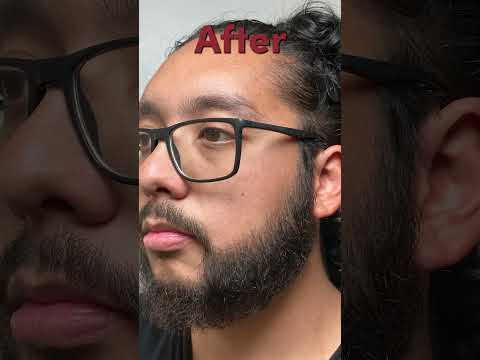
Achieving a Full Look: The Ultimate Beard Transplant Procedure in Istanbul, Turkey
Hair Transplantation
MAXIM Hair Transplant - Turkey
Turkey
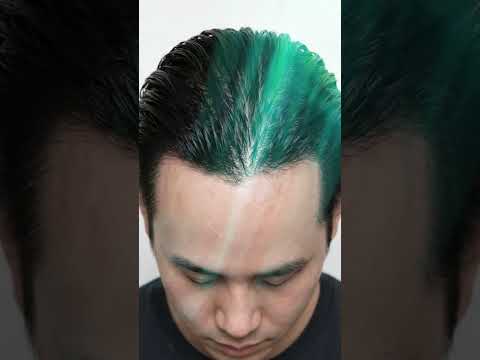
Detailed Insight into Managing TRT Hair Loss and Planning a Hair Transplant in Istanbul, Turkey
Hair Transplantation
MAXIM Hair Transplant - Turkey
Turkey
Learn More with These Hair Transplantation Articles
Take a look at these interesting articles, stories and research that will help you learn more about Hair Transplantation.

Hair Transplant in Turkey: A Complete Guide for Americans Looking for Advanced Hair Restoration
PlacidWay Medical Tourism
- Hair Transplantation
Turkey
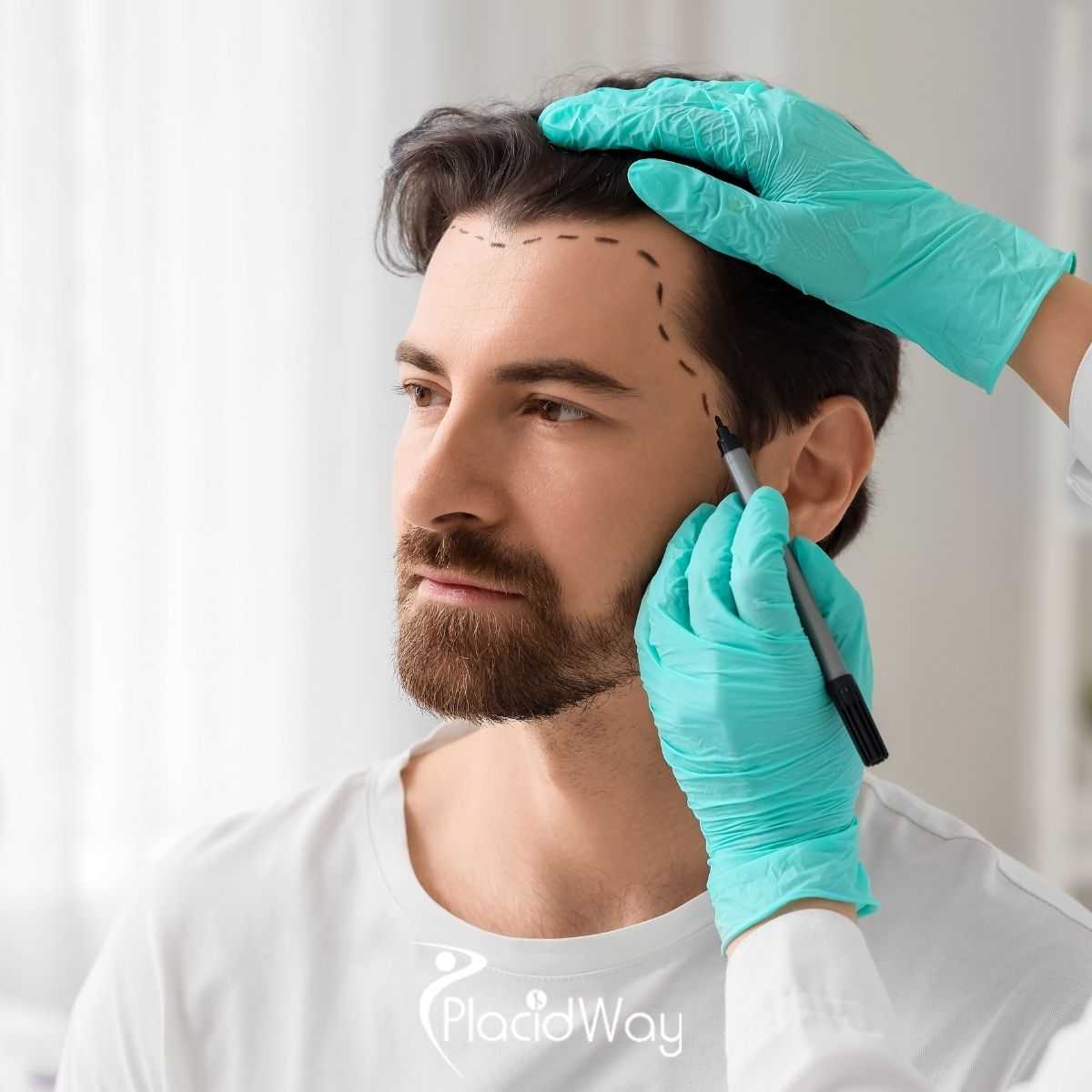
Hair Transplant in Turkey vs Hungary - Per-Graft Pricing, Techniques, and All-Inclusive Value for European Men
PlacidWay Medical Tourism
- Hair Transplantation
Turkey
Hair Transplant in Turkey Popular with Vancouver Patients
PlacidWay Medical Tourism
- Cosmetic/Plastic Surgery
Turkey

Hair Transplant in Istanbul, Turkey: What Should Patients Compare Before Choosing Care?
PlacidWay Europe Medical Tourism
- Hair Transplantation
Turkey







