
Affordable Meniscus Surgery in Cancun: A Cost Guide
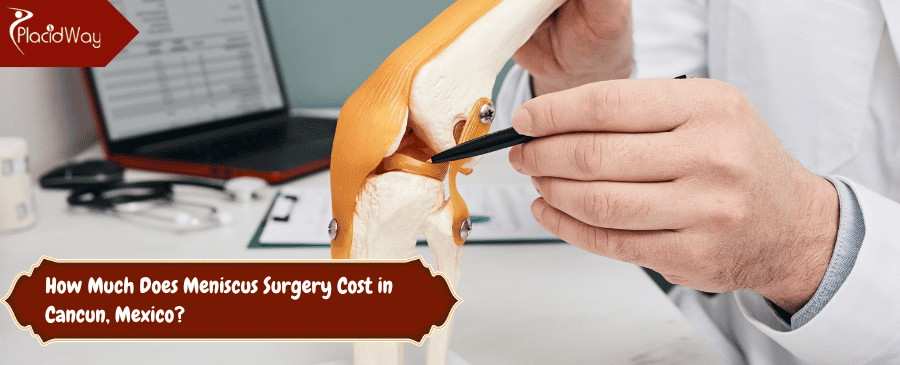
Navigating knee pain and joint dysfunction can be exhausting, especially when mechanical symptoms like catching, locking, or giving way interfere with your daily life. If your orthopedic specialist has recommended surgical intervention, you might be exploring options beyond your local healthcare system due to high out-of-pocket expenses or long waiting lists.
Understanding the nuances of traveling for orthopedic care is critical before making any health decisions. By evaluating the procedure details, recovery demands, and financial considerations, you can make a more informed choice about pursuing treatment abroad.
Key Takeaways
- Estimates for this procedure in Cancun generally fall between $3,500 and $5,500, varying by surgical complexity.
- Surgical approaches primarily involve either removing damaged tissue (meniscectomy) or stitching the tear (repair).
- Patient safety requires strict adherence to travel guidelines, especially to minimize blood clot risks after flying.
- Post-operative physical therapy in your home country is essential for regaining strength and joint mobility.
- Patients typically need to plan a 7 to 10-day stay in Mexico for early recovery and necessary follow-up evaluations.
What factors influence the total cost of meniscus surgery in Cancun?
When you begin researching an estimate, you will notice that prices are rarely a flat rate. A standard partial meniscectomy, which involves carefully trimming away the frayed or torn edges of the cartilage, is usually faster and less resource-intensive. Consequently, it often sits on the lower end of the pricing spectrum.
On the other hand, a meniscus repair is a more complex and time-consuming procedure. It involves meticulously suturing the torn cartilage back together. This approach requires specialized miniature anchors or darts, longer time under anesthesia, and occasionally a short inpatient stay for observation. Because of these variables, repairs naturally cost more.
Additionally, when evaluating a meniscus surgery clinic in Cancun, Mexico, you must ask for an itemized breakdown of their quotes. While some clinics provide bundled packages that include the surgeon’s fee, operating room time, and basic medications, others might bill separately for pre-operative blood work, MRI reviews, and crutches or braces. Clarifying what is and isn't included helps prevent unexpected expenses.
What is the difference between a meniscus repair and a meniscectomy?
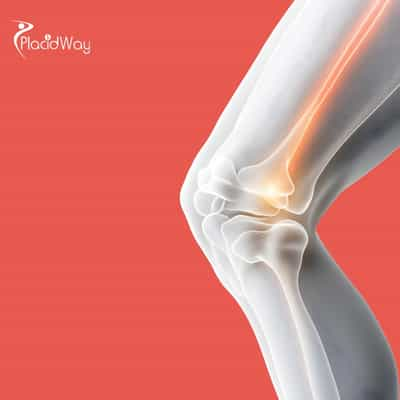
The meniscus is a C-shaped piece of tough, rubbery cartilage that acts as a shock absorber between your shinbone and thighbone. Not all tears are identical, and the anatomy of the meniscus dictates the treatment. The outer third of the meniscus, often called the "red zone," has a rich blood supply. Tears in this area have a higher capacity to heal, making them suitable candidates for suturing (repair).
Conversely, the inner two-thirds of the meniscus, known as the "white zone," lacks a direct blood supply. Tears in this region cannot heal on their own, even if they are stitched together. In these cases, orthopedic specialists perform a partial meniscectomy. They carefully remove only the damaged, unstable fragments while preserving as much healthy cartilage as possible to maintain joint stability.
You cannot simply choose which surgery you want. The determination is strictly a medical decision made by an orthopedic surgeon after reviewing a high-resolution MRI and examining the inside of the knee arthroscopically.
Is meniscus surgery in Cancun, Mexico a safe option for international patients?
Any surgical procedure carries inherent risks, regardless of geographic location. However, medical travel introduces additional variables that require careful management. Finding a modern, well-equipped hospital that adheres to rigorous hygiene and safety protocols is the first step. Many facilities catering to international patients seek various forms of accreditation to demonstrate their standards.
The most significant travel-specific safety concern is the risk of Deep Vein Thrombosis (DVT), or blood clots, which can occur when flying after joint surgery. The combination of post-surgical inflammation, decreased mobility, and cramped airplane seating creates an environment where clots are more likely to form.
To mitigate these risks, surgeons often prescribe blood-thinning medications, recommend compression stockings, and strictly advise against flying immediately after the operation. Being honest about your full medical history—including heart conditions, previous clots, or medications you take—is vital for the anesthesia team to keep you safe.
Important Consideration: Medical Clearance
Never attempt to fly home before your surgeon has officially cleared you for travel. Ignoring this advice significantly increases the risk of severe, potentially life-threatening complications like pulmonary embolisms.
How long should I plan to stay in Cancun for recovery and follow-up?
While knee arthroscopy is generally an outpatient procedure, meaning you will likely return to your hotel the same day, you are not ready to travel home. The first 48 to 72 hours are essential for monitoring your initial recovery. You will experience swelling, stiffness, and discomfort, requiring rest, elevation, and pain management.
During your stay, you will have at least one or two post-operative appointments. The surgeon needs to physically examine the surgical portals (the small incisions), check for signs of infection, assess your circulation, and potentially remove sutures if non-dissolvable ones were used.
A sufficient recuperation period in Mexico also ensures that your knee has settled down enough to tolerate a flight. Rushing to the airport while on crutches and heavy pain medication is stressful, uncomfortable, and medically inadvisable.
What does the typical recovery timeline look like after meniscus surgery?
If you undergo a partial meniscectomy, rehabilitation is typically focused on reducing swelling and quickly restoring range of motion. Because no tissues are trying to heal together, many patients can bear weight as tolerated almost immediately, using crutches for support only for the first few days. Return to desk work or light daily activities often happens within a couple of weeks, though high-impact sports take longer.
A meniscus repair requires a much more conservative timeline. The delicate stitches need time to hold the cartilage together while it biologically heals. You will likely be placed in a hinged knee brace that locks your leg straight, and you may be instructed to use crutches with partial or no weight-bearing for 4 to 6 weeks.
In both scenarios, total recovery is not an event but a process. Your age, weight, pre-existing fitness level, and adherence to rehabilitation protocols deeply influence how quickly and fully you regain joint function.
Will I need physical therapy after my procedure in Mexico?
Surgery merely fixes the mechanical problem inside the knee; it does not rehabilitate the surrounding muscles that quickly atrophy due to disuse and swelling. While your clinic in Mexico might guide you through the initial, gentle range-of-motion exercises in the days following surgery, the bulk of the work happens after you return home.
Before you travel, it is highly beneficial to set up an appointment with a local physical therapist. Once you return, your therapist will guide you through progressive phases of recovery. This usually starts with reducing joint effusion (swelling) and achieving full extension (straightening the leg), moving eventually to strength training and balance exercises.
Patients who skip physical therapy often experience persistent stiffness, chronic weakness, and altered gait patterns, which can lead to secondary pain in the hips or lower back.
Are there risks or complications associated with this surgery?
While arthroscopy is minimally invasive compared to open knee surgery, it is still surgery. General surgical risks include adverse reactions to anesthesia, superficial or deep joint infections, and accidental damage to nearby nerves or blood vessels.
Specific to meniscus procedures, there is a risk that a repair may fail to heal. If the tissue does not mend, a second surgery (usually a meniscectomy) may be required. Furthermore, removing a portion of the meniscus permanently alters the shock-absorbing capacity of the knee. Over many years, this can accelerate the development of osteoarthritis in the affected joint.
It is crucial to have a plan in place for post-operative care once you return home. If you develop a fever, notice increasing redness around the incisions, or experience sudden calf pain, you must have access to a local healthcare provider who can evaluate you for infection or blood clots immediately.
How do I prepare for orthopedic surgery abroad?
- Provide Accurate Medical Records: Send your recent MRI imaging and reports to the international surgeon beforehand for an accurate preliminary assessment.
- Get Local Clearance: Have your primary care doctor run routine pre-op blood work and an EKG to ensure you are healthy enough for anesthesia and travel.
- Review Medications: Discuss all medications and supplements you take with both your local doctor and the surgical team; blood thinners or certain anti-inflammatories may need to be paused.
- Travel with a Companion: Navigating airports, managing luggage, and moving around a hotel room on crutches is incredibly difficult alone. A travel companion is highly recommended.
- Organize Local Aftercare: Line up a physical therapist and ensure your primary doctor is aware of your surgery in case you need local follow-up care upon return.
What makes medical tourism in Cancun, Mexico popular for orthopedic procedures?
For patients without insurance, or those facing high deductibles that make domestic surgery financially burdensome, exploring international options is a practical consideration. Cancun is particularly accessible, with direct flights available from numerous major cities across the United States and Canada. This minimizes travel time, which is especially beneficial when navigating airports with a knee injury.
Additionally, the local medical infrastructure in certain areas has expanded to accommodate international travelers. Many clinics have invested in modern arthroscopic equipment and employ bilingual staff to bridge communication gaps with foreign patients.
However, popularity should never overshadow the necessity for due diligence. Patients must independently research the credentials of facilities, verify the specific qualifications of the surgeons, and weigh the estimated savings against the logistical complexities of recovering far from home.
Why Choose PlacidWay for Medical Tourism Information?
When considering international healthcare, gathering accurate and comprehensive information is a critical first step. PlacidWay acts as an informational resource for patients exploring medical travel options worldwide.
- Global Facility Access: Provides access to a wide directory of international healthcare facilities and specialists.
- Comparative Tools: Offers a platform allowing patients to compare different treatment options and review estimated costs across multiple destinations.
- Direct Communication: Facilitates initial communication pathways between international patients and medical clinics.
- Educational Resources: Features articles, guides, and resources to help users understand the logistics of international medical travel.
- Customized Inquiries: Allows users to submit specific healthcare questions to request tailored information from medical providers.
Frequently Asked Questions
Does the estimated cost usually include flights and accommodation?
Typically, the baseline surgical estimate only covers medical expenses such as the surgeon's fee, facility costs, anesthesia, and basic medications. Flights, hotels, and local transportation are usually separate, though some medical tourism facilitators offer combined packages.
Can I fly home the day after my knee surgery?
Flying immediately after knee surgery is strongly discouraged due to the increased risk of deep vein thrombosis (DVT) or blood clots. Most orthopedic surgeons recommend waiting at least 7 to 10 days and obtaining medical clearance before taking a flight.
Will US or Canadian health insurance cover meniscus surgery in Mexico?
Most standard domestic health insurance plans do not cover elective treatments abroad. However, some specialized medical tourism corporate plans or specific international health insurance policies might provide partial coverage. You should always verify directly with your provider.
Do clinics in Cancun have English-speaking medical staff?
Many facilities that regularly treat international patients employ bilingual doctors, nurses, and patient coordinators to ensure clear communication regarding medical history, surgical risks, and aftercare instructions.
What kind of anesthesia is used for a meniscus procedure?
Surgeons typically use either general anesthesia (where you are completely asleep) or regional anesthesia, such as a spinal block, often combined with a sedative. The anesthesiologist will discuss the safest option based on your medical history.
Can a meniscus tear heal on its own without surgery?
Some small tears located in the outer portion of the meniscus (the "red zone"), which has a good blood supply, may heal with rest and physical therapy. Tears in the inner two-thirds (the "white zone") lack blood supply and typically cannot heal without surgical intervention.
How is the surgery actually performed?
The procedure is almost always performed arthroscopically. The surgeon makes small incisions in the knee, inserts a miniature camera (arthroscope), and uses specialized, tiny instruments to either trim the damaged tissue or stitch the tear together.
Do I need an MRI before scheduling surgery abroad?
Yes, a recent, high-quality MRI is essential. Surgeons rely on this imaging to evaluate the exact location, size, and pattern of the tear, which dictates whether they will plan for a repair or a partial removal.
What happens if I develop a complication after returning home?
If you experience complications such as severe pain, high fever, excessive swelling, or signs of a blood clot upon returning home, you must seek immediate care from a local physician or emergency department. Establishing a relationship with a local doctor before you travel is highly recommended.
Are implants or artificial materials used in this knee surgery?
In a partial meniscectomy, no implants are used; tissue is simply removed. For a meniscus repair, the surgeon may use specialized sutures, small bio-absorbable darts, or anchors to hold the torn edges together while they heal.
Compare Treatment Options
Gather the information you need to make an informed decision about your orthopedic care. Request details on procedures, facility capabilities, and estimated costs from international providers.
Request Treatment InformationReferences
- Meniscus Surgery – American Academy of Orthopaedic Surgeons (AAOS)
- Knee Arthroscopy Risks and Recovery – Mayo Clinic
- Torn Meniscus: Causes, Symptoms & Treatment – Cleveland Clinic
- Blood Clots and Travel: What You Need to Know – Centers for Disease Control and Prevention (CDC)
- Meniscus Tears – Johns Hopkins Medicine
- Medical Tourism Guidelines – CDC Yellow Book
Medical Disclaimer: The information provided in this article is for educational purposes only and does not constitute medical advice, diagnosis, or treatment planning. Procedure suitability, costs, and recovery timelines vary widely based on individual health conditions and surgical complexity. Always consult with a qualified, board-certified healthcare professional before making any medical decisions or pursuing surgical treatment.






















Share this listing