
Top Fertility Clinics in Cancun for International Patients

Deciding to travel across borders for reproductive care requires careful consideration, extensive research, and a clear understanding of the medical landscape in your destination. When looking for a fertility clinic in Cancun, you will quickly notice that the region has evolved into a well-established hub for assisted reproductive technology (ART). Without endorsing any specific facility, we can explore the clinical standards, available treatments, and logistical factors that draw thousands of intended parents to this coastal Mexican city every year.
Key Takeaways
- Reputable clinics in Cancun operate under strict biological laboratory standards and are often affiliated with international reproductive networks.
- Bilingual medical staff and dedicated international patient coordinators make the consultation and treatment processes more accessible.
- Treatments such as In Vitro Fertilization (IVF), Intracytoplasmic Sperm Injection (ICSI), and Preimplantation Genetic Testing (PGT) are widely available.
- Choosing to undergo treatment abroad requires pre-trip medical evaluations and establishing local care for your eventual return home.
- Clinical outcomes vary based on individual diagnoses, age, and medical history; a thorough personalized assessment is always necessary.
1. Why do international patients choose Cancun for fertility treatments?
Undergoing assisted reproduction can be emotionally and physically taxing. Many individuals and couples find that stepping away from their daily routines and entering a peaceful, coastal environment helps reduce baseline stress during their treatment cycle. This psychological benefit, combined with the presence of modern medical infrastructure, creates a highly appealing option for those struggling with infertility.
Additionally, proximity plays a large role. For patients traveling from the United States or Canada, Cancun is a short, direct flight away. This geographic convenience simplifies the logistics of multiple visits or extended stays, making it easier to coordinate the timing of egg retrievals and embryo transfers without enduring exhausting long-haul travel.
2. What criteria define a reputable fertility clinic in Cancun?
When researching facilities, international patients should look for accreditations from organizations such as the Latin American Network of Assisted Reproduction (REDLARA). REDLARA certification ensures that a clinic adheres to stringent protocols regarding laboratory air quality, equipment maintenance, and ethical patient care.
Another hallmark of a quality clinic is transparent reporting of success rates and clinical outcomes. Trustworthy facilities will never promise a 100% success rate, as reproductive medicine is highly variable. Instead, they will provide realistic statistical ranges based on specific age groups and underlying fertility diagnoses, helping patients set appropriate expectations before committing to care.
Expert Insight: The Role of the Embryology Lab
The success of an IVF cycle relies heavily on the embryology laboratory. Popular clinics invest heavily in HEPA filtration systems to remove volatile organic compounds (VOCs) from the air, incubators that mimic the human body, and experienced embryologists who handle delicate genetic material.
3. What reproductive technologies are commonly available?
Medical tourists traveling for reproductive care have access to the same tier of technology found in major global fertility hubs. Typical offerings include:
- In Vitro Fertilization (IVF): The foundational ART procedure where eggs and sperm are combined in a laboratory setting.
- Intracytoplasmic Sperm Injection (ICSI): A technique used for male factor infertility where a single healthy sperm is injected directly into an egg.
- Preimplantation Genetic Testing (PGT): Screening embryos for chromosomal abnormalities or specific genetic diseases before transfer.
- Third-Party Reproduction: Access to rigorously screened egg donors and sperm donors.
During your initial telehealth consultation, your specialist will determine which of these technologies are medically appropriate based on your ovarian reserve testing, semen analysis, and previous treatment history.
4. How does the fertility treatment cost in Cancun compare internationally?
Financial accessibility is a significant driver for medical tourism. Because overhead costs, administrative fees, and local pharmaceutical prices are often lower in Mexico, clinics can offer highly advanced care at a more manageable price point. However, patients should view these figures as estimates rather than fixed guarantees.
When comparing prices, you must ask what is included in the quoted package. A base IVF package might cover physician consultations, ultrasounds during stimulation, the egg retrieval procedure, laboratory fertilization, and the embryo transfer. It may exclude expensive stimulation medications, PGT testing, anesthesia fees, and the cost of freezing surplus embryos. Always request a detailed, itemized breakdown before committing to a cycle.
5. Is it safe to undergo IVF as a medical tourist in Mexico?
Safety in reproductive medicine encompasses both the medical procedures and the travel experience. Clinically, IVF carries risks regardless of where it is performed. These include Ovarian Hyperstimulation Syndrome (OHSS), reactions to fertility drugs, ectopic pregnancy, and the possibility of multiple gestations. A responsible clinic in Cancun will discuss these risks candidly and adjust your protocol to minimize complications.
From a travel perspective, Cancun is a highly developed tourist destination with robust infrastructure tailored to international visitors. However, patients must ensure they are fit for travel. Certain underlying health conditions or severe reactions to hormonal medications may complicate international journeys. Discuss your travel plans with your primary care physician at home before making any concrete arrangements.
6. How long do I need to stay in Mexico for an IVF cycle?
The timeframe for IVF is dictated by a woman's natural biological cycle. A typical journey involves several days of ovarian stimulation using injectable hormones, during which you will need frequent ultrasounds and blood tests to monitor follicle growth. This is followed by a minor surgical procedure for egg retrieval.
Once the eggs are retrieved and fertilized, embryos develop in the lab for three to five days. If you are doing a fresh transfer, you will stay for the transfer procedure and a brief rest period afterward. Alternatively, many patients choose a "freeze-all" cycle. In this scenario, you travel to Cancun for the retrieval (about 10-12 days), return home while embryos are genetically tested or frozen, and then make a second short trip (about 4-5 days) months later for a Frozen Embryo Transfer (FET).
| Phase of Treatment | Estimated Timeline | Location Required |
|---|---|---|
| Diagnostic Testing & Prep | 1-2 Months prior | Home Country |
| Ovarian Stimulation & Monitoring | 10-12 Days | Cancun (or Home if coordinated) |
| Egg Retrieval | 1 Day | Cancun |
| Embryo Transfer | 3-5 Days post-retrieval | Cancun |
7. How do clinics handle communication with international patients?
Effective communication is essential when dealing with complex hormonal protocols and time-sensitive medical decisions. Popular clinics have streamlined the remote process. You will typically be assigned a case manager who serves as your main point of contact, helping you schedule telehealth consultations with the reproductive endocrinologist.
Before you even book a flight, your doctor will review your medical records, create a customized treatment plan, and order prescriptions. The medical team will also explain exactly how and when to administer your medications. This structured approach ensures that you only travel when your body is biologically ready for the most critical phases of treatment.
8. What should I ask a fertility specialist during a consultation?
A telehealth consultation is your opportunity to interview the clinic. You want to ensure the physician operates ethically and prioritizes your safety over quick results. Consider asking:
- What is your strategy for minimizing the risk of OHSS in my specific case?
- How many embryos do you typically transfer at one time, and do you follow single embryo transfer (eSET) guidelines to avoid multiple pregnancies?
- What local monitoring is required in my home country before I travel?
- Who will perform my actual procedures—the doctor I consult with, or whichever physician is on call?
9. What happens if complications arise after I return home?
One of the most critical aspects of cross-border healthcare is the transition of care upon your return. While rare, complications such as delayed OHSS, infection, or ectopic pregnancy can manifest days or weeks after an IVF procedure. Because your operating physician is in another country, you need immediate access to medical support at home.
Furthermore, if the embryo transfer is successful, you will require early pregnancy monitoring, including serial beta hCG blood tests and viability ultrasounds around the six-to-eight-week mark. Reputable facilities in Cancun will provide you with a comprehensive discharge summary, complete with embryology reports and treatment notes, which you can hand directly to your local healthcare provider to ensure a safe continuity of care.
Why Choose PlacidWay for Medical Tourism in Cancun?
Navigating international healthcare systems can be overwhelming when managing infertility. PlacidWay serves as an educational and informational resource for individuals exploring medical options abroad. Here are factual ways PlacidWay can assist your journey:
- Access to Provider Credentials: PlacidWay provides detailed profiles of medical facilities, allowing you to review the educational background, certifications, and specialties of various medical teams.
- Global Connections: The platform connects patients with internationally accredited centers that adhere to rigorous clinical protocols.
- Transparent Information Gathering: Patients can use the platform to request detailed information regarding treatment protocols and estimated costs before committing to care.
- Multilingual Support: PlacidWay offers multilingual customer service to help bridge the initial communication gap between international patients and overseas facilities.
- Comparative Resources: The platform allows users to compare different global healthcare options, helping patients make informed, educated decisions about their medical pathways.
Frequently Asked Questions About Fertility Treatments in Cancun
Can I fly immediately after an embryo transfer in Cancun?
Most fertility specialists in Cancun recommend waiting 24 to 48 hours after an embryo transfer before taking a flight. While flying itself has not been proven to negatively impact implantation, resting helps minimize stress and allows you to be near your medical team should you experience any immediate discomfort.
Are fertility medications included in the clinic's base price in Mexico?
Fertility medications are rarely included in the base price of an IVF cycle. Because stimulation protocols are highly individualized based on your ovarian reserve and response to hormones, medication costs can vary significantly from patient to patient.
What is the upper age limit for IVF in Mexico?
While Mexican law does not mandate a strict national age limit for IVF, most reputable clinics cap treatments using a patient's own eggs around age 43 to 45 due to declining success rates. Treatments using donor eggs may be offered to patients up to age 50, depending on their overall health and cardiovascular fitness.
Do Cancun fertility clinics offer family balancing or gender selection?
Yes, many clinics in Cancun offer Preimplantation Genetic Testing (PGT-A), which screens embryos for chromosomal abnormalities and can identify the sex of the embryo. This option is frequently utilized by international patients for family balancing, provided it aligns with the clinic's ethical guidelines.
How are frozen embryos transported between my home country and Cancun?
If you need to move frozen embryos, sperm, or eggs, clinics coordinate with specialized medical courier services. These couriers use secure, temperature-monitored liquid nitrogen dry shippers to safely transport reproductive tissues across international borders in compliance with customs regulations.
Is egg freezing available for international patients in Cancun?
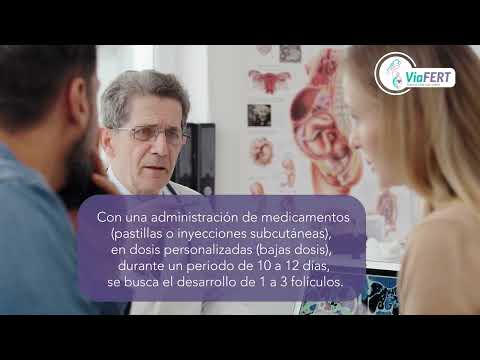
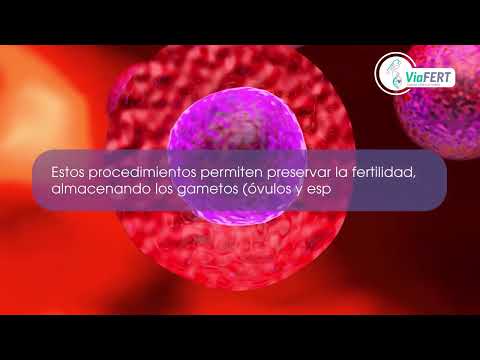
Yes, elective oocyte cryopreservation (egg freezing) is a very common procedure sought by international patients. The process involves taking fertility medications for about 10 to 12 days, followed by an outpatient retrieval procedure, allowing patients to preserve their fertility for the future.
Will my local health insurance cover fertility treatments in Mexico?
Most domestic health insurance plans in the US or Canada do not cover medical care received abroad, and many do not cover IVF at all. However, some patients can use specific diagnostic codes for preliminary ultrasound or blood work done at home before traveling.
Can I bring my own fertility medications to Cancun?
You can usually travel with legally prescribed medications, provided they are in their original packaging with a clear prescription label. However, many patients prefer purchasing their medications directly in Mexico, as they are often more affordable and saves the hassle of keeping them refrigerated during travel.
Are egg donors anonymous in Mexico?
In Mexico, egg donation is typically anonymous. Clinics match recipients with donors based on physical characteristics, blood type, and medical history. Patients usually receive comprehensive non-identifying profiles, though laws and clinic policies regarding open-ID donors can vary.
What happens if an IVF cycle in Cancun is canceled before retrieval?
If a cycle is canceled due to poor ovarian response or other medical reasons, most clinics will charge only for the services rendered up to that point (such as monitoring ultrasounds and blood work). You will need to discuss the specific refund or credit policies with your chosen clinic beforehand.
Compare Treatment Options
Explore educational resources, review facility credentials, and gather the information you need to make an informed decision about your reproductive health.
Request Treatment InformationReferences
- Infertility Overview – World Health Organization (WHO)
- Complications of In Vitro Fertilization – American Society for Reproductive Medicine (ASRM)
- Medical Tourism Guidelines – Centers for Disease Control and Prevention (CDC)
- Guidelines for Assisted Reproductive Technology – European Society of Human Reproduction and Embryology (ESHRE)
- Elective Oocyte Cryopreservation – American College of Obstetricians and Gynecologists (ACOG)
- Center Accreditations and Standards – Latin American Network of Assisted Reproduction (REDLARA)
























Share this listing