
Double Eyelid Surgery in Gangnam A Complete Guide
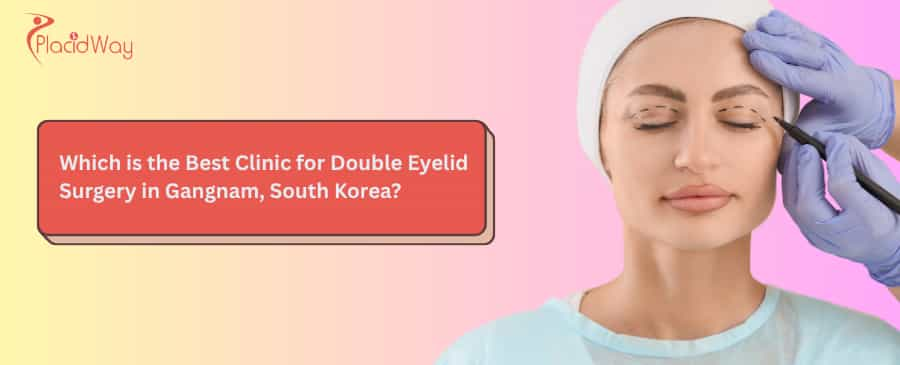
Finding the right provider for double eyelid surgery in South Korea is a highly personalized journey. The Gangnam district in Seoul is internationally recognized for its dense concentration of cosmetic medical facilities. However, selecting a clinic should not be based solely on popularity or marketing. Instead, your decision should rely on rigorous evaluation of a surgeon's qualifications, safety protocols, and experience with your specific anatomical needs.
Also known as Asian blepharoplasty, this procedure creates a visible crease in the upper eyelid. Because no two faces are identical, the ideal clinic for one patient may not be the right choice for another. This guide explores how to evaluate your options carefully, understand the available techniques, and navigate your medical journey responsibly.
Key Takeaways
- Select clinics based on board certification and specialized experience rather than just online popularity.
- Treatment plans typically involve either incisional or non-incisional (suture) methods depending on eyelid thickness.
- International patients should plan for a 7 to 10-day stay in Seoul for proper healing and stitch removal.
- Medical tourism requires careful planning, including arrangements for translation and local follow-up care in your home country.
- Outcomes vary by individual, and realistic expectations are essential for a satisfying result.
How do I choose the right facility for Asian blepharoplasty in Seoul?
When evaluating clinics in the Gangnam district, start by confirming the surgeon’s credentials. In South Korea, qualified practitioners should be board-certified by recognized organizations, such as the Korean Society of Plastic and Reconstructive Surgeons (KSPRS). Board certification indicates that a doctor has completed rigorous specialized training in plastic surgery.
Beyond basic credentials, specialization matters. Some surgeons focus heavily on body contouring, while others dedicate their practice to facial anatomy and occuloplastics. You want a surgeon who performs blepharoplasty regularly. During your virtual or in-person consultation, ask to see a portfolio of previous work that features patients with pre-surgical eyelid shapes similar to yours.
Facility safety is equally crucial. Inquire about the clinic’s emergency protocols, the presence of board-certified anesthesiologists, and the sterilization standards in their operating rooms. Clinics that frequently manage international patients should also be transparent about their communication methods, providing translation services to ensure you fully understand the risks, benefits, and recovery instructions.
What surgical techniques do Gangnam surgeons typically use?
The choice of surgical technique is a clinical decision that a doctor makes after examining your eyelids. Each method has distinct indications, benefits, and healing profiles.
| Technique | How It Works | Ideal Patient Profile |
|---|---|---|
| Incisional Method | Involves a full cut along the proposed crease to remove excess skin, muscle, and fat. | Patients with thicker eyelid skin, excess fat, or significant drooping. |
| Non-Incisional (Suture) | Uses tiny punctures and specialized sutures to tie the skin to the levator muscle without a long cut. | Patients with thin eyelid skin and little to no excess orbital fat. |
| Partial Incisional | Uses a small incision to remove a moderate amount of fat before using sutures to create the crease. | Patients who need minor fat removal but want a less invasive option than full incision. |
Your surgeon will assess the elasticity of your skin, the strength of your levator muscle (which opens the eye), and your overall facial structure before recommending a specific approach.
How much does double eyelid surgery cost in South Korea?
Pricing for cosmetic procedures in Gangnam is competitive but depends heavily on several variables. The baseline cost usually covers the primary surgical technique. Non-incisional methods generally fall on the lower end of the spectrum because they take less time in the operating room. Conversely, a complex incisional procedure requiring significant tissue repositioning will be more expensive.
Many patients also require adjunctive procedures to achieve their desired outcome. For example, ptosis correction (tightening the muscle that lifts the eyelid) or an epicanthoplasty (modifying the inner corner of the eye) will add to the overall surgical estimate. Furthermore, fees can fluctuate based on the surgeon’s experience level and the specific amenities provided by the clinic.
When comparing estimates from different providers, ensure you understand what is included. Ask if the quote covers pre-operative blood tests, anesthesia, post-operative medications, translation services, and follow-up consultations. A transparent clinic will provide a detailed, itemized estimate before you commit to traveling.
Who is an ideal candidate for this eyelid procedure?
Double eyelid surgery is a highly elective procedure. A qualified surgeon will evaluate your physical health, medical history, and psychological readiness before proceeding. Ideal candidates are non-smokers who do not have uncontrolled medical conditions that could impair healing, such as severe diabetes or autoimmune disorders.
Eye health is paramount. Individuals with chronic dry eye syndrome, glaucoma, retinal detachment, or active eye infections may not be medically eligible for blepharoplasty. A thorough pre-operative assessment must be conducted to ensure that altering the eyelid structure will not compromise your vision or tear production.
Equally important is having realistic expectations. While surgery can significantly alter the shape of the eye and create a distinct crease, it will not completely change your ethnic features or achieve perfection. A good candidate understands the limitations of their own tissues and seeks improvement rather than an idealized image.
How long does recovery take for international patients?
The initial healing phase requires patience and adherence to your surgeon's post-operative instructions. During the first 48 to 72 hours, swelling, bruising, and a tight sensation around the eyes are completely normal. Clinics typically recommend applying cold compresses and keeping your head elevated to minimize these effects.
If you undergo the incisional method, you will have tiny sutures along the crease. These are usually removed 5 to 7 days after the surgery at the clinic. Traveling before these sutures are removed is strongly discouraged, as changes in cabin pressure during flights can exacerbate swelling and increase the risk of wound separation.
While the acute recovery phase takes a week or two, complete healing requires time. Residual swelling can persist for several months, and the crease may appear artificially high or deep at first. It can take up to six months to a year for the tissues to soften entirely and for the final aesthetic result to become apparent.
What are the potential risks of cosmetic eyelid surgery?
No surgical procedure is risk-free, and it is vital to approach cosmetic surgery with a clear understanding of potential complications. While serious adverse events are rare when performed by a skilled professional, general surgical risks include bleeding, hematoma (blood pooling under the skin), and adverse reactions to local anesthesia or sedatives.
Specific to eyelid surgery, patients may experience prolonged dry eyes, irritation, or temporary difficulty fully closing their eyes due to swelling. Over-correction or under-correction can also occur, leading to uneven creases or persistent drooping. In rare cases, structural damage to the eyelid muscle may happen.
Scarring is another factor to consider. Although incisions are designed to hide within the new eyelid fold, individual healing responses vary. Some patients may develop hypertrophic scars that require additional treatment. Following your surgeon’s aftercare guidelines—such as keeping the incisions clean and avoiding sun exposure—can help mitigate these risks.
Do I need to stay in Seoul for follow-up appointments?
Post-operative care is just as critical as the surgery itself. Clinics in Gangnam have specific follow-up schedules to monitor your progress. The first visit often occurs 1 to 2 days post-surgery to check the incision sites and ensure there is no abnormal swelling or bleeding. Subsequent visits are scheduled for stitch removal and further evaluation.
Leaving the country prematurely puts you at a distinct disadvantage if early complications arise. The surgeon who performed the operation is best equipped to address immediate post-surgical concerns.
Once you return home, your healing journey continues. It is highly recommended to establish a relationship with a local general practitioner, ophthalmologist, or board-certified plastic surgeon before you travel. Should you experience unusual pain, excessive redness, or vision changes weeks after returning, you will need a local medical professional to assess and manage your care.
Will my medical tourism trip require translation services?
Clear communication is a fundamental safety requirement in medicine. You must be able to accurately convey your medical history, discuss surgical risks, and understand complex post-operative care instructions. Relying on basic translation apps is not sufficient for medical contexts where nuanced anatomical terms are used.
When researching providers, verify what language support they offer. Many of the clinics located in Gangnam have in-house interpreters who assist patients from the initial consultation through the operating room and follow-up visits. If a clinic does not provide an English-speaking coordinator, you will need to hire an independent, medically certified translator.
Make sure all your written documentation—including surgical consent forms, pricing estimates, and medication schedules—is provided in a language you fluently understand. Never sign medical documents that you cannot read completely.
What happens if I need revision surgery later?
Revision eyelid surgery is technically more complex than primary surgery because the surgeon must navigate existing scar tissue and altered anatomy. Common reasons for revision include creases that are too high, asymmetrical folds, loosening of sutures, or excessive scarring.
Patience is crucial if you are considering a revision. Surgeons typically mandate a waiting period of 6 to 12 months before attempting a secondary operation. This allows all post-operative swelling to resolve fully and the tissues to soften, giving the surgeon an accurate baseline of your healed anatomy.
If you require revision surgery, you must factor in the additional costs, travel expenses, and time off work. Clarify your clinic’s revision policy during your initial consultation so you understand how they handle unsatisfactory outcomes or complications that emerge down the line.
Why Choose PlacidWay for Medical Tourism in South Korea?
Planning international medical travel requires thorough research. PlacidWay serves as a global medical tourism platform to help patients navigate their healthcare options abroad. Here is how PlacidWay assists patients:
- Global Directory: Provides access to a wide directory of international healthcare facilities and specialists.
- Information Gathering: Allows users to compare clinic profiles, specialized treatments, and provider qualifications in one centralized platform.
- Direct Communication: Facilitates initial contact between patients and clinics to help gather treatment details and cost estimates.
- Educational Resources: Offers informative content regarding medical procedures, destination guides, and healthcare standards.
- Transparent Comparisons: Helps patients review different international options so they can make their own informed healthcare decisions.
Frequently Asked Questions
Is Asian blepharoplasty painful?
The procedure itself is typically not painful because surgeons use local anesthesia, sometimes combined with mild sedation. You may feel some pressure during the surgery. Afterward, mild soreness, tightness, and discomfort are common, which can usually be managed with prescribed oral pain medication.
Can I wear contact lenses after the operation?
You will need to avoid wearing contact lenses for at least two to three weeks following the procedure. Pulling on the eyelid to insert or remove lenses can disrupt the healing incisions. Plan to bring prescription glasses for your recovery period.
How soon can I fly after eyelid surgery in Gangnam?
Most surgeons recommend waiting at least 7 to 10 days before flying. This allows time for the initial swelling to peak and subside, and ensures that all non-dissolvable sutures can be safely removed by your surgical team before you travel.
Will the new eyelid crease look natural?
When performed by a skilled, board-certified surgeon who understands Asian facial anatomy, the crease is designed to look harmonious with your natural facial features. Initially, the crease may appear high or swollen, but it typically settles into a more natural position over several months.
Can double eyelid surgery correct vision problems?
If you have severe ptosis (drooping eyelids) or excess skin that hangs over your lash line and obstructs your field of vision, blepharoplasty combined with ptosis correction may help improve your peripheral vision. It does not correct visual acuity issues like nearsightedness.
Is it safe to undergo multiple facial surgeries at once?
Many patients choose to combine procedures, such as epicanthoplasty or rhinoplasty, with eyelid surgery. While this can reduce overall recovery time, combining surgeries also increases anesthesia duration and potential complication risks. Your surgeon must evaluate your health to determine if a combined approach is appropriate.
What is ptosis correction?
Ptosis correction is a specialized technique that tightens the levator muscle responsible for lifting the upper eyelid. It is often performed alongside double eyelid surgery for patients who have weak eyelid muscles, resulting in a more open and alert eye shape.
How do I prepare for my consultation in Seoul?
Prepare by gathering your full medical history, a list of current medications, and any previous surgical records. It can also be helpful to bring reference photos of eyelid shapes you prefer, though you should keep in mind that your anatomical structure will dictate the final achievable result.
Are the results of this surgery permanent?
Incisional double eyelid surgery typically provides long-lasting, often permanent results. Non-incisional methods have a higher chance of the crease fading or loosening over time. However, natural aging and skin laxity will eventually affect the appearance of your eyelids regardless of the method used.
Will I have noticeable scars on my eyelids?
Incisional methods leave a scar hidden within the newly created eyelid fold, making it virtually invisible when your eyes are open. When your eyes are closed, a faint line may be visible, but it usually fades significantly over the first year. Non-incisional methods leave only tiny puncture marks that heal rapidly.
Compare Treatment Options for Eyelid Surgery
Ready to learn more about medical tourism and connect with recognized facilities? Gather the information you need to make an informed choice.
Request Treatment InformationReferences
- Eyelid Surgery Overview – American Society of Plastic Surgeons (ASPS)
- Blepharoplasty Patient Information – International Society of Aesthetic Plastic Surgery (ISAPS)
- Asian Blepharoplasty Techniques and Complications – National Center for Biotechnology Information (NCBI)
- Medical Tourism Safety Guidelines – Centers for Disease Control and Prevention (CDC)
- Understanding Asian Blepharoplasty – American Society of Plastic Surgeons Blog
- Eyelid Surgery Risks and Recovery – MedlinePlus (U.S. National Library of Medicine)

























Share this listing