
Hip Replacement Packages in Istanbul, Turkey: All-Inclusive Costs, Services, and Savings Breakdown
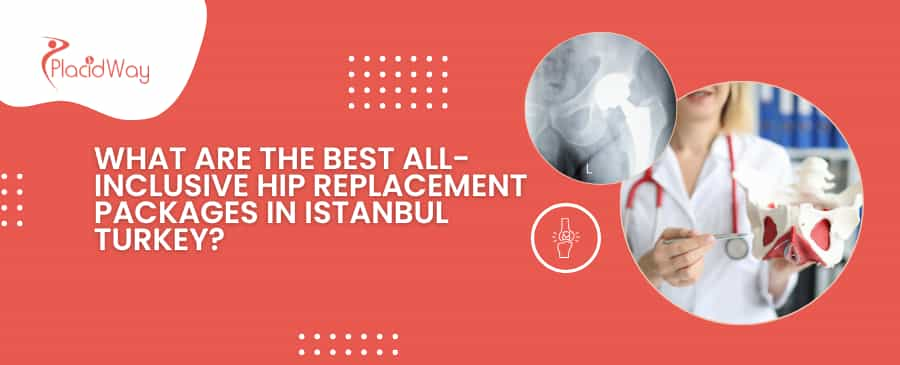
Finding relief from chronic joint pain often leads patients to explore healthcare options beyond their borders. Evaluating an all inclusive hip replacement packages in Istanbul Turkey requires careful consideration of what these bundles actually contain, the estimated costs, and the medical realities of traveling for major orthopedic surgery.
Navigating international healthcare requires diligence. Before committing to a procedure, it is crucial to understand the surgical process, recovery timelines, safety protocols, and the essential steps required for long-term care once you return home. This guide provides detailed, medically responsible information to help you understand how these packages work and what you need to know to make an informed decision about your joint health.
Key Takeaways
- Comprehensive packages often bundle the surgical procedure, inpatient care, and local hotel accommodations.
- Patients must arrange their own physical therapy and long-term follow-up care in their home country.
- Flying after joint surgery increases the risk of deep vein thrombosis (DVT), requiring specific precautions.
- Thorough pre-operative screening is necessary to determine if you are healthy enough for international surgery.
- Outcomes and recovery times vary widely depending on individual health factors and adherence to rehabilitation.
1. What typically comes in an all-inclusive hip replacement package?
When reviewing options for a hip replacement in Turkey, you will notice that packages are designed to reduce the logistical burden on international patients. The primary component is the medical procedure itself. This includes the fees for the orthopedic surgeon, the anesthesiologist, and the nursing staff. It also covers the cost of the prosthetic implant and the use of the operating room.
Beyond the operating room, these bundles typically include a predetermined number of nights in the hospital—usually ranging from three to five days—where you receive acute post-operative care. After discharge, the package often transitions you to a local hotel for an additional seven to ten days of initial recovery before you are cleared to fly.
It is important to clarify what is not included. Flights from your home country, travel insurance, companion meals, and out-of-pocket expenses for treating unforeseen complications are rarely covered. Always request a detailed, itemized list from the provider before making any financial commitments.
2. How much does a hip replacement cost in Turkey?
Understanding the financial aspects is a major part of researching international healthcare. The total price you pay can fluctuate based on the specific type of implant required, the surgical technique employed, and the duration of your hospital stay. If a patient requires specialized components due to bone density issues or anatomical complexities, the overall estimate may increase.
When comparing estimates, remember that lower prices do not automatically equate to better value. The cost of a hip replacement clinic in Turkey should be weighed against the facility's safety record, the surgeon's experience, and the quality of the materials being used. It is advisable to obtain quotes from multiple facilities and review them alongside a local healthcare provider to ensure you are comparing equivalent treatments.
Additionally, patients should budget for ancillary costs. These include securing medical clearance in your home country before departure, purchasing specialized travel insurance that covers medical tourism, and paying for ongoing physical therapy once you return home.
3. Am I a suitable candidate for traveling to get a hip replacement?
Not everyone with hip arthritis is ready for, or suited to, surgery abroad. A thorough evaluation by a local orthopedic specialist is the first step. They can help determine if conservative treatments—such as physical therapy, weight loss, or medication—have been exhausted. Surgery is usually considered a final option when joint damage significantly impairs your quality of life.
Traveling for medical care introduces additional physical stress. Patients with significant cardiovascular issues, poorly controlled diabetes, or a high body mass index (BMI) may face increased surgical risks and might not be suitable for long-haul travel shortly after major surgery. The risk of complications must be carefully weighed against the benefits.
Before proceeding, you will need extensive pre-operative screening, including blood tests, electrocardiograms (EKGs), and imaging. It is highly recommended to complete a baseline health check with your primary care physician at home to identify any contraindications before booking a trip.
4. What surgical techniques are commonly used for hip replacements in Istanbul?
The chosen surgical approach plays a role in the recovery process. The traditional posterior approach is widely used and allows the surgeon excellent visibility of the joint. The anterior approach, which involves accessing the hip from the front, is often marketed as having a faster initial recovery because it involves splitting rather than cutting muscle. However, it may not be appropriate for all body types or revision surgeries.
In addition to the approach, the type of fixation used for the implant is a critical decision. Implants can be cemented directly into the bone or press-fit (uncemented) to allow natural bone to grow into the prosthesis over time. Uncemented implants are frequently used in younger, more active patients with strong bone density.
No single technique is universally superior. The best approach relies entirely on the clinical judgment of the operating surgeon, based on preoperative X-rays, the extent of the joint disease, and your physical condition. Discussing the rationale behind the recommended technique is a vital part of your preoperative consultations.
5. How long should I plan to stay in Istanbul for recovery?
The timeline for recovery abroad is dictated by the need to ensure your stability before undertaking a long flight. The first few days are spent in the hospital. During this inpatient phase, nurses monitor your vital signs, manage pain, and watch for early signs of infection or blood clots. A physical therapist will usually visit your room to help you stand and take your first steps.
Once you meet specific discharge criteria—such as walking a certain distance with an assistive device, eating regular food, and having manageable pain levels—you will transition to your hotel. During this period, you will need to rest, perform prescribed gentle exercises, and attend a follow-up appointment with your surgeon for a wound check and potential suture removal.
| Recovery Phase | Typical Location | Primary Focus |
|---|---|---|
| Days 1-4 | Hospital | Pain management, vital monitoring, first steps |
| Days 5-14 | Local Hotel | Rest, gentle mobility, wound healing |
| Weeks 2-12+ | Home Country | Formal physical therapy, regaining strength |
6. What are the potential risks of traveling for joint replacement surgery?
All surgeries carry inherent risks, but combining a major operation with international travel introduces specific concerns. The most significant travel-related risk is the formation of blood clots, or DVT. Sitting in an airplane seat for prolonged periods shortly after lower limb surgery slows blood flow, which can lead to clots that may travel to the lungs (pulmonary embolism).
Surgical risks associated with hip arthroplasty include infection, nerve damage, leg length discrepancy, and hip dislocation. While strict sterile protocols mitigate infection risks, bacteria can still enter the surgical site. If an infection develops after you have returned to your home country, it can be complicated to coordinate care between your local doctors and the overseas surgical team.
To minimize these risks, you must adhere strictly to the medical advice provided. This often involves taking prescribed blood thinners, wearing compression stockings during flights, and understanding the specific warning signs—such as severe swelling, sudden chest pain, or high fever—that require immediate emergency attention.
7. How do I prepare for a hip replacement in Turkey?
Thorough preparation can positively influence your surgical outcome. In the weeks leading up to your trip, you may be advised to participate in "prehab"—specific exercises designed to strengthen the muscles around your hip and your upper body. Strengthening your arms and shoulders is particularly useful because you will rely heavily on them when using a walker or crutches.
You also need to prepare your home environment before you fly to Istanbul. Removing trip hazards like loose rugs, installing grab bars in the bathroom, and moving essential items to waist height will make your return much safer and more manageable. You will not have the mobility to safely rearrange furniture once you get back.
Administratively, gather all relevant medical records, current imaging (X-rays, MRIs), and a comprehensive list of medications. Ensure you have clear instructions regarding which medications to stop taking before surgery, especially those that affect blood clotting, such as aspirin or certain anti-inflammatories.
8. Is it safe to fly after having a hip replacement?
Air travel shortly after joint replacement requires deliberate planning. Surgeons typically mandate a waiting period to allow the initial risk of DVT to decrease and to ensure your pain is well-managed. Once cleared, you will likely be prescribed prophylactic anticoagulant medication (blood thinners) specifically for the journey.
During the flight, it is advisable to book an aisle seat or a seat with extra legroom. You must be able to stretch your operated leg. Airlines can also arrange for wheelchair assistance at the airport to prevent exhaustion and protect your new joint while navigating terminals.
While in the air, you should perform regular ankle pumps (moving your foot up and down) and, if permitted by the flight crew and your doctor, take brief walks down the aisle. Staying hydrated by drinking plenty of water and avoiding alcohol will also support healthy circulation during the flight.
9. How do I manage follow-up care once I return home?
The surgery is only the first step; rehabilitation is where function is restored. Before leaving your home country, you should have an appointment scheduled with a local physical therapist who can begin working with you shortly after your return. Physical therapy is essential for rebuilding muscle strength and achieving a normal gait.
You must also identify a local primary care physician or orthopedist willing to take over your routine post-operative care. Bring all surgical reports, discharge summaries, and post-operative X-rays back with you from Istanbul. These documents are vital for your local doctors to understand exactly what was done and what type of implant was used.
Keep open lines of communication with your overseas surgical team if you have questions, but remember that immediate physical interventions require local professionals. Ignoring follow-up care can severely limit the mobility gained from the surgery and increase the risk of late complications.
10. How does medical tourism in Turkey work for orthopedic patients?
Participating in medical tourism in Turkey requires a structured approach. The journey usually begins with information gathering, where patients compare the credentials of various facilities and doctors. Once a potential provider is identified, a virtual consultation is set up. During this call, the patient provides their medical history and X-rays, allowing the surgeon to offer an initial assessment and estimate.
If the patient decides to proceed, they coordinate travel dates with the clinic's availability. Upon arriving in Istanbul, the clinic's representative usually meets the patient, guiding them through the pre-operative tests and administrative paperwork at the hospital.
Throughout the process, communication is key. International departments within these hospitals often employ English-speaking patient coordinators who translate medical information and assist with daily logistics. However, the ultimate responsibility for verifying credentials and understanding the medical risks remains with the patient.
Why Choose PlacidWay for Medical Tourism in Istanbul?
Planning international orthopedic care requires access to reliable information. PlacidWay serves as a global medical resource for patients evaluating treatment options abroad.
- Global Healthcare Connections: PlacidWay acts as an informational platform connecting patients with various healthcare options across Istanbul and globally.
- Facility Information: The platform provides detailed profiles on internationally accredited medical centers and hospitals.
- Provider Profiles: Patients can access educational backgrounds, specializations, and publicly available credentials of medical professionals.
- Customized Estimates: The platform allows users to request treatment estimates tailored to their specific medical inquiries.
- Direct Communication: PlacidWay facilitates the initial communication channel between the patient and the international healthcare facility.
Frequently Asked Questions
How long does a hip replacement surgery usually take?
The surgical procedure typically takes between one to two hours, depending on the complexity of the joint damage and the specific technique used by the orthopedic surgeon.
What materials are used for hip implants in Istanbul?
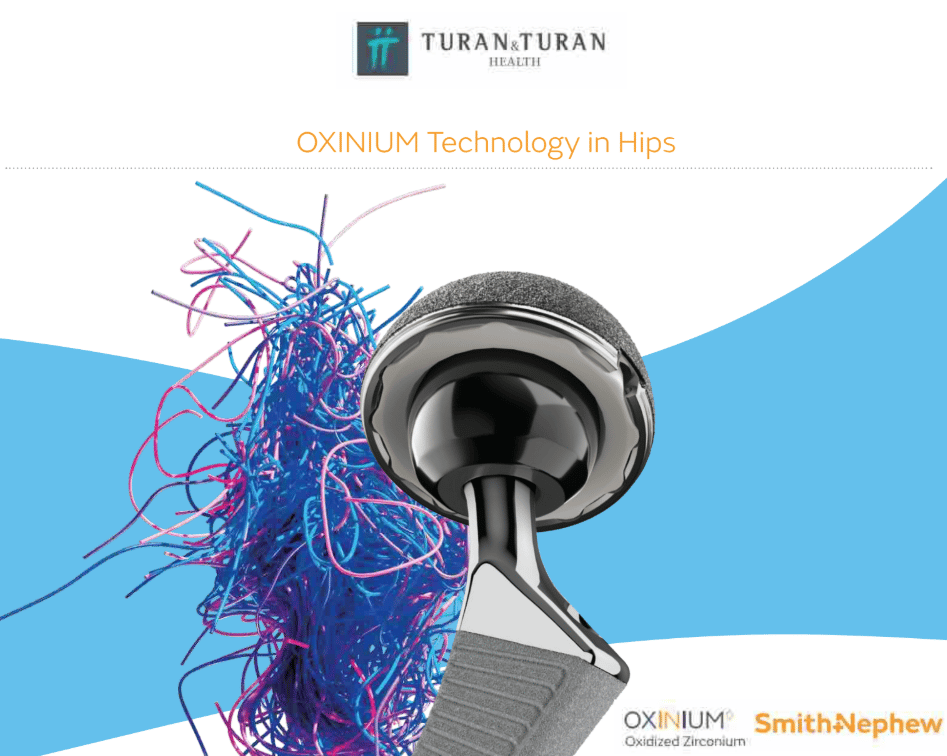
Clinics generally use standard international implant materials, which may include a combination of metal, highly cross-linked polyethylene (plastic), or ceramic components.
Will I need a medical visa for treatment in Turkey?
Visa requirements depend on your home country. Many international patients require a standard tourist or medical e-Visa, which should be arranged prior to traveling.
Can I bring a companion with me to Istanbul?
Yes, patients often travel with a companion. Many inclusive packages offer hotel accommodations that can host a plus-one, though you should confirm any extra fees beforehand.
How soon can I walk after the operation?
Most patients are encouraged to stand and take guided steps with a walker or crutches within 24 hours after surgery, under the strict supervision of a physical therapist.
Do package prices include comprehensive physical therapy?
Packages typically include basic inpatient physical therapy during your hospital stay. Extensive, long-term outpatient rehabilitation is usually managed once you return to your home country.
What happens if I experience a complication after returning home?
If complications arise, you should seek immediate care from a local healthcare provider or emergency room. It is vital to have a primary care doctor at home who is aware of your overseas surgery.
Are bilateral hip replacements performed during the same trip?
Operating on both hips simultaneously is possible for some highly active, healthy patients, but it carries higher risks and a more demanding recovery. Your surgeon will determine if this is medically appropriate.
How long do modern hip implants usually last?
While individual results vary, many modern hip implants can last 15 to 20 years or more. Factors like patient weight, activity level, and bone health impact the lifespan of the prosthesis.
Is there an age limit for hip replacement surgery?
There is no strict age limit. Suitability is based on overall health, bone density, and the presence of underlying medical conditions rather than chronological age alone.
Compare Treatment Options
Gather more information and explore available healthcare options to make an informed decision about your joint replacement journey.
Request Treatment InformationReferences
- Total Hip Replacement – American Academy of Orthopaedic Surgeons (AAOS)
- Medical Tourism Considerations – Centers for Disease Control and Prevention (CDC)
- Hip Replacement Overview – Mayo Clinic
- Deep Vein Thrombosis and Air Travel – CDC Yellow Book
- Hip Replacement Procedure and Recovery – National Health Service (NHS)
- Standards in Healthcare Quality – International Society for Quality in Health Care (ISQua)
























Share this listing