


Affordable Stem Cell Treatment for RA in India: Reviews & Price
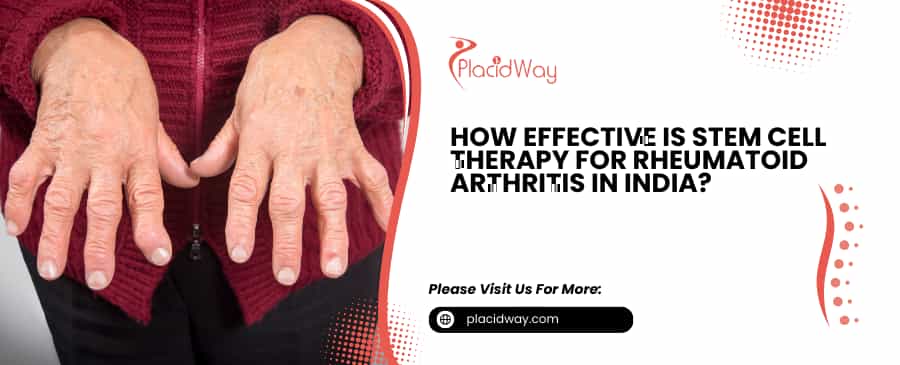
Rheumatoid arthritis (RA) is a challenging autoimmune disease that causes chronic inflammation, primarily affecting the joints but capable of impacting various other organs. For many individuals living with RA, conventional treatments like disease-modifying antirheumatic drugs (DMARDs) and biologics help manage symptoms and slow disease progression. However, a significant number of patients either don't respond adequately to these therapies or experience undesirable side effects, leading them to explore advanced and alternative treatments.
This is where regenerative medicine, specifically stem cell therapy, has emerged as a topic of great interest. India has become a notable destination for various medical treatments, including cutting-edge regenerative therapies like stem cell therapy for rheumatoid arthritis. People are often curious about how effective this innovative approach truly is, what the process involves, and what outcomes they can realistically expect when considering treatment in India. Let's delve into these questions to provide a clear understanding of stem cell therapy's role in managing RA in India.
How does stem cell therapy work for rheumatoid arthritis?
Stem cell therapy primarily targets the underlying mechanisms of rheumatoid arthritis: inflammation and immune system dysfunction. Mesenchymal stem cells (MSCs), which are most commonly used, possess unique capabilities to influence the body's response. When introduced into the body, MSCs can migrate to sites of inflammation and injury, where they begin to exert their therapeutic effects.
The main ways MSCs work against RA include:
- Immunomodulation: MSCs can regulate the overactive immune system responsible for RA. They suppress the activity of pro-inflammatory immune cells and promote the production of anti-inflammatory cells, helping to restore immune balance.
- Anti-inflammatory Effects: These cells release various growth factors and cytokines that have powerful anti-inflammatory properties, directly reducing the painful swelling and redness characteristic of RA.
- Tissue Repair and Regeneration: While RA primarily causes damage, MSCs also have the potential to differentiate into various cell types, theoretically aiding in the repair of damaged cartilage and other joint tissues, though this aspect is still under active research for RA.
By addressing inflammation and immune dysregulation, stem cell therapy aims not just to mask symptoms but to modify the disease process itself, potentially leading to longer-lasting relief and improved joint function.
What is the current effectiveness of stem cell therapy for rheumatoid arthritis in India?
In India, clinical experience with stem cell therapy for rheumatoid arthritis suggests positive outcomes for many patients. While it is often considered an experimental or advanced treatment, particularly in cases where standard medications have failed, preliminary results from various Indian clinics and studies indicate its potential to significantly alleviate symptoms and enhance patient well-being.
Observed benefits often include:
- Reduced Disease Activity: Patients frequently report a decrease in inflammatory markers and clinical signs of RA, such as joint tenderness and swelling.
- Pain Relief: A substantial number of individuals experience a significant reduction in chronic pain, which is a primary complaint for RA sufferers.
- Improved Joint Function: Enhanced mobility and flexibility in affected joints are commonly reported, allowing patients to perform daily activities with greater ease.
- Lowered Medication Dependency: Some patients may be able to reduce their reliance on conventional RA medications, potentially decreasing associated side effects.
It's important to understand that while encouraging, results can vary between individuals, and long-term data is continuously being gathered. Indian medical facilities offering these treatments adhere to specific protocols, often focusing on patient safety and comprehensive follow-up care.
What types of stem cells are commonly used in RA treatment in India?
Mesenchymal Stem Cells (MSCs) are the workhorses of regenerative medicine for autoimmune conditions like rheumatoid arthritis. These multipotent stromal cells can be isolated from various tissues in the body, making them a versatile option for therapeutic applications. Their ability to modulate the immune system and promote tissue repair makes them particularly suitable for addressing the inflammatory and degenerative aspects of RA.
The primary sources for MSCs in India typically include:
- Adipose-Derived Stem Cells (ADSCs): These are harvested from a patient's own fat tissue, usually through a minimally invasive liposuction procedure. Adipose tissue is an abundant source of MSCs, and the collection process is generally well-tolerated.
- Bone Marrow-Derived Stem Cells (BM-MSCs): These MSCs are extracted from a patient's bone marrow, often from the hip bone. Bone marrow has been a traditional source for stem cells and is known for its rich cellular content.
Both ADSCs and BM-MSCs have been studied for their effectiveness in RA, with research indicating similar therapeutic potential. The choice between these sources often depends on the specific clinic's expertise, patient suitability, and accessibility of the tissue.
What is the procedure for receiving stem cell therapy for rheumatoid arthritis in India?
The process of undergoing stem cell therapy for RA in India is usually structured to ensure patient safety and optimal results. It generally begins with a thorough evaluation to determine if the patient is a suitable candidate for the therapy. This includes reviewing medical history, current RA status, and previous treatments.
Once deemed eligible, the procedure typically follows these steps:
- Stem Cell Harvesting:
- Adipose Tissue: A small amount of fat is extracted from the patient's abdomen or thigh using a liposuction technique under local anesthesia.
- Bone Marrow: Bone marrow is typically aspirated from the patient's hip bone (iliac crest) under local or general anesthesia.
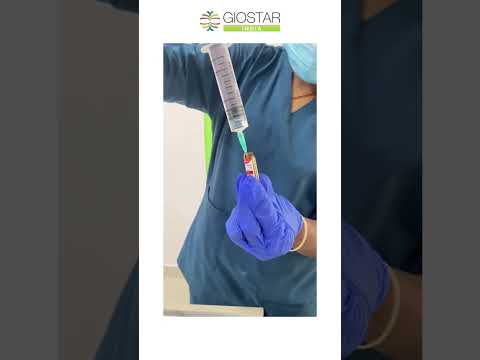
- Laboratory Processing and Expansion: The harvested tissue or bone marrow is sent to a specialized laboratory. Here, the mesenchymal stem cells are isolated, purified, and then cultured to multiply into the required therapeutic quantity. This process can take several weeks.
- Administration: Once the cells are ready, they are administered back into the patient. This can be done through:
- Intravenous (IV) Infusion: The most common method, allowing the cells to circulate throughout the body and home in on areas of inflammation.
- Intra-articular Injection: In some cases, especially for specific affected joints, the cells might be injected directly into the joint space.
Patients are monitored post-treatment, and follow-up care is scheduled to assess their response to the therapy. The entire process is performed under strict sterile conditions by trained medical professionals.
What are the potential benefits and expected outcomes of this therapy?
For patients suffering from rheumatoid arthritis, stem cell therapy offers a hopeful alternative, particularly when traditional treatments have not provided sufficient relief. The primary goal of this therapy is to improve the patient's overall condition by targeting the root causes of RA.
Expected outcomes often include:
- Significant Symptom Improvement: Many patients experience a noticeable reduction in their RA symptoms, including joint pain, stiffness, and swelling. This can translate to greater comfort in daily life.
- Enhanced Physical Function: With reduced pain and inflammation, patients often report improved range of motion and overall physical function, allowing them to engage in activities they previously found difficult.
- Modulation of Immune Response: The immunomodulatory effects of stem cells can lead to a more balanced immune system, potentially slowing the progression of the disease and preventing further joint damage.
- Potential for Disease Remission: While not guaranteed for all, some patients may achieve a state of low disease activity or even remission, significantly improving their long-term prognosis.
- Improved Quality of Life: Ultimately, the combination of reduced pain, better function, and decreased disease activity contributes to a significantly enhanced quality of life for individuals receiving this therapy.
It is important to manage expectations, as individual responses to stem cell therapy can vary, and it is not a guaranteed cure. However, for many, it provides a valuable option for managing a challenging chronic condition.
Are there risks or side effects associated with stem cell therapy for RA in India?
While stem cell therapy is generally considered safe, particularly when using autologous cells (from the patient's own body), it is important to be aware of potential risks and side effects. These are typically associated with the procedural aspects rather than the stem cells themselves.
Potential risks and side effects include:
- Procedure-Related Risks:
- Pain or Discomfort: At the site of stem cell harvesting (e.g., liposuction or bone marrow aspiration) or at the injection site. This is usually temporary and managed with standard pain relief.
- Infection: Any invasive procedure carries a risk of infection, although strict sterile techniques are employed to minimize this.
- Bleeding or Bruising: At the harvesting or injection sites.
- Systemic Reactions:
- Fever or Chills: Some patients may experience a mild, temporary fever or flu-like symptoms after cell administration.
- Allergic Reaction: Though rare with autologous cells, allergic reactions to components used in cell processing can occur.
Reputable clinics in India prioritize patient safety by adhering to strict protocols for cell harvesting, processing, and administration. A thorough pre-treatment evaluation helps identify any contraindications or specific patient risks, and post-treatment monitoring ensures any adverse events are promptly addressed.
What is the cost of stem cell therapy for rheumatoid arthritis in India?
India is known for offering high-quality medical treatments at a fraction of the cost compared to Western countries, making it an attractive destination for medical tourism. The cost of stem cell therapy for rheumatoid arthritis can vary significantly based on several factors, but it remains a more affordable option for many international patients.
Factors influencing the cost include:
- Clinic Reputation and Facilities: Established clinics with state-of-the-art labs and experienced medical teams may have higher fees.
- Type and Source of Stem Cells: Whether adipose-derived or bone marrow-derived cells are used, and the complexity of their extraction and processing.
- Number of Treatment Cycles: Some patients may require multiple infusions or injections, which adds to the overall cost.
- Ancillary Services: This might include pre-treatment diagnostics, post-treatment follow-up consultations, rehabilitation, and accommodation for international patients.
It is essential for prospective patients to obtain a detailed cost breakdown from their chosen provider, ensuring transparency and understanding what is included in the package. While the upfront cost might seem substantial, it can be a valuable investment in managing a chronic condition and improving quality of life.
What should international patients consider when seeking stem cell therapy for RA in India?
India has emerged as a global hub for medical tourism, attracting patients for advanced treatments due to its competitive pricing, skilled medical professionals, and modern infrastructure. For international patients considering stem cell therapy for rheumatoid arthritis, several key factors should be carefully evaluated to ensure a positive and safe experience.
Key considerations include:
- Accreditation and Standards: Verify that the chosen clinic or hospital is accredited by recognized national or international bodies, ensuring adherence to high standards of care, safety, and ethics.
- Medical Team Expertise: Research the qualifications, experience, and specialization of the doctors and medical staff involved in stem cell therapy. Look for teams with a strong background in rheumatology and regenerative medicine.
- Treatment Transparency: Ensure the clinic provides clear and comprehensive information about the proposed treatment plan, including the type of stem cells used, the procedure, expected outcomes, and potential risks.
- Logistics and Support: Consider logistical aspects such as visa requirements, accommodation, local transport, and whether the clinic offers assistance with these arrangements. Many medical tourism facilitators can help streamline this process.
- Post-Treatment Care: Understand the follow-up plan, including how progress will be monitored and any recommended rehabilitation or ongoing care, especially upon returning home.
Choosing a reputable facility and understanding all aspects of the treatment journey are crucial for international patients to have a successful and reassuring experience.
How do Indian regulations impact stem cell therapy for rheumatoid arthritis?
The regulatory landscape for stem cell therapy in India has evolved to ensure patient safety and ethical practice, particularly for conditions that are not yet fully established standard treatments. The Indian Council of Medical Research (ICMR) and the Central Drugs Standard Control Organization (CDSCO) are the primary bodies overseeing these therapies.
Key aspects of Indian regulations include:
- Clinical Trial Focus: For many conditions, including rheumatoid arthritis, stem cell therapy is primarily permitted within the framework of approved clinical trials. This ensures that treatments are conducted under rigorous scientific protocols, with careful monitoring of efficacy and safety.
- Investigational Status: Treatments for non-approved indications are often categorized as "investigational new drugs," requiring specific permissions and adherence to strict guidelines before they can be offered to patients.
- Ethical Oversight: All stem cell research and therapy in India must undergo review by an Institutional Ethics Committee (IEC) to ensure ethical considerations are met and patient rights are protected.
Patients seeking stem cell therapy in India should inquire whether the treatment they are considering is part of an approved clinical trial or if it is being offered under specific regulatory permissions, ensuring they receive care within the legal and ethical framework established by the Indian government.
Who is eligible for stem cell therapy for rheumatoid arthritis in India?
The decision to undergo stem cell therapy for rheumatoid arthritis is not taken lightly and involves a comprehensive assessment by a medical team. Not everyone with RA will be an ideal candidate, and eligibility criteria are in place to maximize the chances of a positive outcome while minimizing risks.
General eligibility criteria often include:
- Unresponsive to Conventional Therapies: Patients who have tried and failed to achieve satisfactory results with standard RA treatments (e.g., DMARDs, biologics) are often considered.
- Relatively Stable Health: Candidates should generally be in good overall health, without severe co-morbidities that could complicate the procedure or recovery.
- Absence of Active Infections: Patients must not have any active infections or uncontrolled severe medical conditions at the time of treatment.
- Specific RA Disease Activity: The stage and activity level of RA are evaluated. Sometimes, patients in earlier stages of disease with persistent inflammation might be considered, while those with very advanced joint destruction might have different expectations.
- Psychological Preparedness: Patients should have a clear understanding of the treatment, its potential benefits, and risks, and maintain realistic expectations.
A detailed consultation, including a review of medical history, physical examination, and various diagnostic tests, will ultimately determine a patient's suitability for stem cell therapy in India.
Ready to explore advanced treatment options for rheumatoid arthritis? PlacidWay helps connect you with leading global healthcare providers offering innovative solutions. Discover your possibilities with PlacidWay today.






.png)
.png)



-(2).png)

.png)










Share this listing