


Everything You Need to Know About Hair Transplant Surgery in Turkey
.png)
For decades, individuals struggling with hair loss have sought effective solutions, but in recent years, one destination has emerged as the undisputed capital of hair restoration: Turkey. If you have researched hair transplants, you have likely noticed that Turkey is consistently ranked as the top choice for international patients. But what drives this phenomenon?
The country has successfully positioned itself at the intersection of medical excellence and tourism. By offering state-of-the-art procedures like Follicular Unit Extraction (FUE) and Direct Hair Implantation (DHI) at a fraction of the cost found in Western nations, Turkey attracts hundreds of thousands of medical tourists annually. Beyond the price tag, the sheer volume of procedures performed has created a pool of surgeons with unparalleled experience and expertise.
In this guide, we will explore the specific reasons behind Turkey's leadership in this field, from cost breakdowns and safety standards to the technological advancements that ensure natural-looking results.
Why is Turkey the top destination for hair transplants?
Turkey’s rise to the top is not accidental; it is the result of strategic government investment in medical tourism and a robust healthcare infrastructure. The Turkish government provides significant support to healthcare facilities that cater to international patients, allowing clinics to invest in the latest equipment and maintain high standards without passing exorbitant costs on to the patient. This ecosystem has created a competitive environment where clinics strive for excellence to attract global clientele.
Furthermore, geographic location plays a role. Bridging Europe and Asia, Turkey is easily accessible to patients from the UK, Europe, the Middle East, and even the US. Istanbul, in particular, has become a hub where certified clinics offer luxurious experiences that feel more like a vacation than a medical trip. The combination of JCI-accredited hospitals and hospitality makes it a compelling choice for those seeking hair restoration.
Finally, the "reputation loop" strengthens its position. As more patients visit and share their successful before-and-after photos, trust in Turkish clinics grows. This word-of-mouth marketing, bolstered by verified reviews, solidifies Turkey's status as the go-to place for FUE and DHI procedures.
What is the difference between FUE and DHI hair transplants?
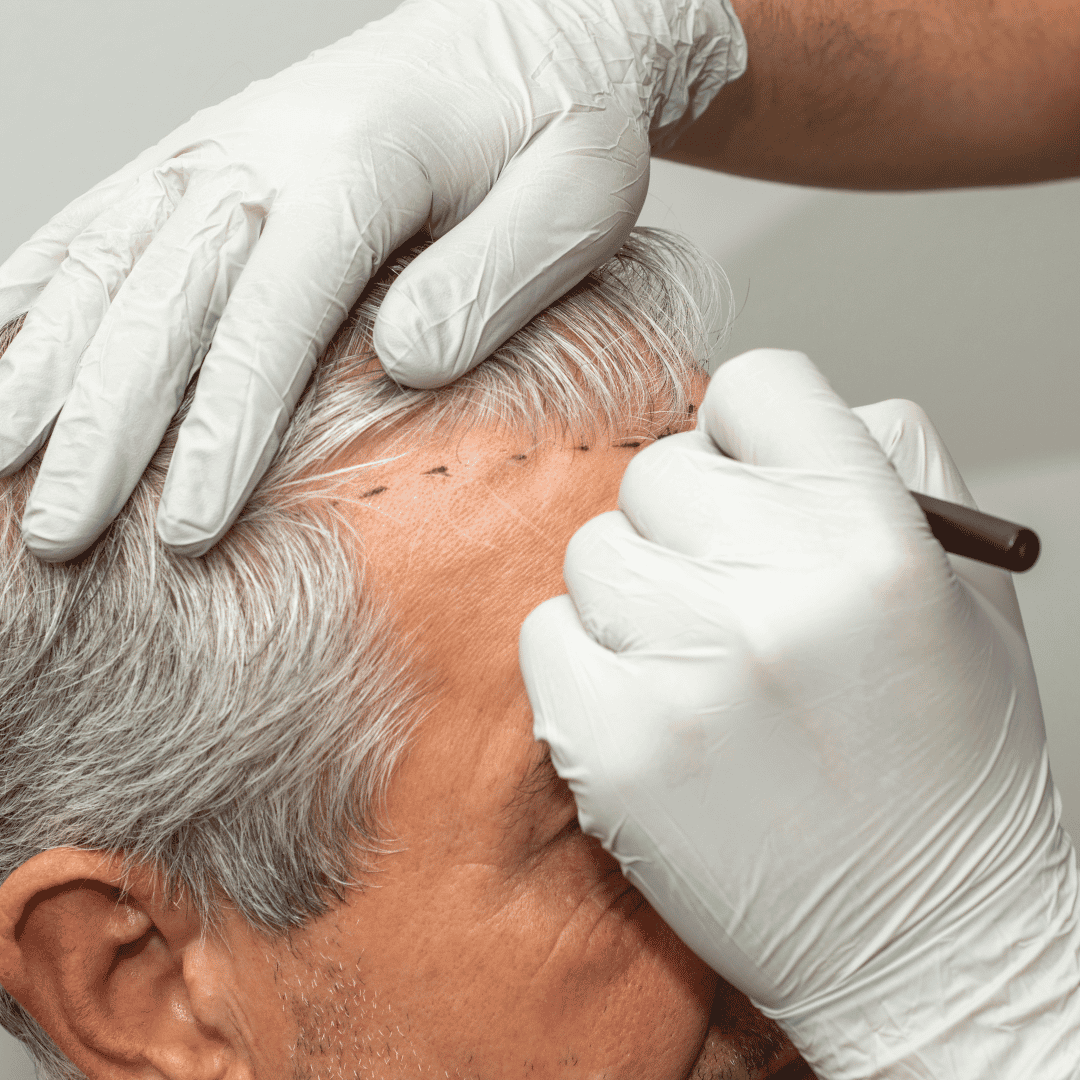
Understanding the difference between FUE (Follicular Unit Extraction) and DHI (Direct Hair Implantation) is crucial for patients. In a standard FUE procedure, the surgeon harvests hair follicles from the donor area (usually the back of the head) and then opens micro-channels in the recipient area using a blade (often Sapphire). The grafts are then manually placed into these channels. This method is excellent for covering large bald patches effectively.
DHI hair transplant, on the other hand, is considered a more advanced evolution of FUE. It utilizes a tool called a Choi Implanter Pen. The harvested follicles are loaded into the pen and implanted directly into the scalp. This eliminates the need to create separate channels beforehand. The primary benefit of DHI is precision; it allows the surgeon to control the angle, depth, and direction of each hair with extreme accuracy, often resulting in a more natural-looking hairline and higher density.
While FUE is generally faster and more suitable for patients needing a high number of grafts (e.g., 4,000+), DHI is often preferred for hairline redesigns, eyebrow transplants, or increasing density between existing hairs without shaving the head. Both techniques are minimally invasive and leave no linear scarring.
How much does a hair transplant cost in Turkey compared to other countries?
Cost is the single biggest driver for medical tourists. The disparity in pricing is staggering, yet it does not reflect a disparity in quality. The lower costs in Turkey are due to the lower cost of living, lower labor costs, and the domestic production of medical equipment. In Western countries, overheads, insurance, and surgeon fees drive prices up significantly.
Below is a detailed comparison of estimated costs for a 3,000-graft hair transplant procedure:
| Country | Estimated Cost (USD) | Inclusions |
|---|---|---|
| Turkey | $1,500 - $4,500 | All-inclusive (Hotel, Transfers, Meds) |
| USA | $12,000 - $20,000 | Procedure Only |
| UK | $8,000 - $15,000 | Procedure Only |
| Canada | $10,000 - $18,000 | Procedure Only |
| Australia | $11,000 - $16,000 | Procedure Only |
This table highlights the incredible value proposition. In Turkey, the price you pay often covers not just the surgery, but 3 nights in a 4 or 5-star hotel, VIP transfers between the airport and clinic, and all necessary post-operative medications. In contrast, Western clinics typically charge per graft, meaning the cost increases as the hair loss severity increases.
Are hair transplant surgeons in Turkey experienced?
Experience in surgery is directly correlated with volume. Because Turkey attracts such a massive influx of patients, Turkish surgeons perform hair transplants daily, whereas a surgeon in a general cosmetic practice in Europe might only perform a few per week. This high volume allows Turkish medical teams to master the nuances of different hair types, ethnicities, and hair loss patterns.
Many lead hair transplant surgeons in Turkey are members of prestigious international boards such as the ISHRS (International Society of Hair Restoration Surgery). They regularly attend global conferences to stay updated on the latest techniques. However, it is important to note that while the lead surgeon plans the hairline and supervises the operation, experienced technicians often assist with the graft extraction and placement, which is a standard practice globally to ensure efficiency.
The "art" of hair transplantation—designing a natural hairline that frames the face correctly—is a skill perfected over time. Turkish surgeons are renowned for their ability to create dense, natural-looking results that do not look "pluggy" or artificial, thanks to their extensive daily practice.
What is the success rate of hair transplants in Turkey?
Success in hair transplantation is defined by the survival rate of the transplanted grafts. In top-tier Turkish clinics, this survival rate is exceptionally high. The use of Sapphire blades in FUE creates smaller, cleaner incisions that heal faster and hold the grafts more securely, contributing to these high numbers. Similarly, the DHI technique minimizes the time grafts spend outside the body, boosting their viability.
However, "success" is also subjective and relies on patient satisfaction. A successful medical procedure must also meet aesthetic expectations. This is why the consultation phase is critical. Surgeons in Turkey use digital mapping tools to show patients exactly what coverage they can expect based on their donor area capacity. Managing expectations is key to a 98% satisfaction rate.
It is worth noting that success also depends on the patient. Smoking, poor diet, and failure to follow the post-op washing regimen can compromise graft survival. Clinics provide detailed guides and often have dedicated WhatsApp support lines to monitor patient recovery for 12 months post-surgery, ensuring the success rate remains high.
Is it safe to get a hair transplant in Turkey?
Safety is a valid concern for anyone traveling abroad for surgery. The Turkish Ministry of Health enforces strict regulations on medical tourism. Legitimate hair transplant procedures must be performed in a hospital or a fully equipped surgical center, not in a regular office or hotel room. The best clinics adhere to strict sterilization protocols to prevent infection and ensure patient safety.
To ensure safety, patients should look for the "TÜRSAB" seal (Association of Turkish Travel Agencies) which verifies the agency's legal status, and check if the clinic is JCI (Joint Commission International) accredited. This accreditation is the gold standard in global healthcare safety.
While the vast majority of clinics are safe and professional, "black market" clinics do exist. These are uncertified locations offering rock-bottom prices. Patients should avoid any clinic that does not offer a consultation with a doctor or offers prices that seem too good to be true (e.g., under $1,000 for a full session). Prioritizing value over the absolute lowest price is the best way to stay safe.
What technology is used in Turkish hair transplant clinics?
Turkey is often an early adopter of new hair restoration technologies. The standard FUE method has been upgraded in many clinics to Sapphire FUE. Instead of using steel blades to open channels, surgeons use blades made from sapphire gemstone. These blades are sharper and smoother, causing less tissue damage, less bleeding, and faster healing. They also allow for closer channel placement, leading to higher hair density.
Another technological leap is Needle-Free Anesthesia. Many patients fear the pain of the anesthetic injections more than the surgery itself. Turkish clinics frequently use jet-injection devices that use high pressure to deliver the anesthetic through the skin without a needle, significantly reducing discomfort.
Robotic hair restoration is also available in some high-end clinics, though manual extraction by expert surgeons remains the preferred standard for its adaptability. The combination of these advanced tools ensures that patients receive world-class care that rivals or exceeds what is available in their home countries.
What is included in all-inclusive hair transplant packages?
The concept of the "all-inclusive" package is a major selling point for Turkey. It removes the logistical stress from the patient. Once you book your flight, the clinic usually handles everything else. Upon arrival at the airport, a private driver picks you up and takes you to your hotel. The next day, you are shuttled to the clinic for the procedure.
These packages are comprehensive. They include the consultation, blood tests (to check for HIV, Hepatitis, etc.), the surgery itself (with maximum grafts), and a post-op care kit containing special shampoos, lotions, and antibiotics. Some premium packages even include PRP (Platelet-Rich Plasma) therapy, which boosts healing and hair growth.
Having a personal translator or a multi-lingual host is also standard. This ensures that language barriers do not affect the quality of care or the patient's comfort. This level of service, combined with the medical procedure, provides a "VIP" experience that is rare in Western healthcare systems.
How long is the recovery time for FUE vs DHI?
Recovery is a crucial phase of the hair transplant journey. With Sapphire FUE, the tiny incisions scabbing over takes about 7 to 10 days. During this time, patients must be careful not to touch or bump the recipient area. The scabs typically fall off after the 10th wash (around day 10-12), revealing the short, transplanted hairs.
DHI can offer a slightly faster visual recovery. Since there are no separate channel incisions, there is often less bleeding and crusting. Patients might look "presentable" a few days earlier than with FUE. However, the internal healing of the scalp takes about the same time for both.
Most patients can return to work within 3 to 5 days if their job is not physically demanding. However, strenuous exercise, swimming, and sweating should be avoided for at least a month to ensure the grafts anchor securely. Full growth is a patience game: visible growth starts at 3-4 months, with full results seen at 12-18 months.
Can I combine a hair transplant with a holiday in Turkey?
Many patients want to make the most of their trip to Istanbul or Antalya. It is perfectly possible to enjoy the rich history, food, and culture of Turkey, but timing is everything. Surgeons strongly advise doing all your heavy sightseeing, hammam visits, and shopping before your surgery date.
After the surgery, you will have bandages on your donor area and your scalp will be sensitive. You must avoid direct sunlight, sweating, and dusty environments to prevent infection. You will likely prefer to relax in your hotel room or take gentle walks rather than climbing the stairs of the Galata Tower.
That said, recovering in a beautiful city with excellent room service and hospitality can make the healing process much more pleasant. Just remember that the primary purpose of the trip is medical, and your recovery protocols must take precedence over tourism.
What is the best time of year to get a hair transplant in Turkey?
Technically, hair transplant surgery can be performed at any time of the year. However, post-operative care requires you to keep the scalp dry and protected from the sun. For this reason, many patients prefer the cooler months of Autumn, Winter, or early Spring.
Summer procedures are fine, but they require more discipline. You cannot go swimming in the sea or pool for at least a month, and you must wear a loose hat to block UV rays if you are outside. Sweating can irritate the scalp and potentially dislodge grafts in the first few days, so the summer heat in Turkey can be a challenge if you plan to be outdoors.
Ultimately, the "best" time is when you can take a week off work to relax and let the initial healing happen in privacy. Many people choose the winter holidays for this reason.
How many grafts can be transplanted in one session?
One of the advantages of choosing Turkey is the ability to undergo "mega sessions." In many Western clinics, sessions are capped at 2,000–3,000 grafts due to time constraints or pricing models. In Turkey, experienced teams work efficiently to transplant up to 4,500 or even 5,000 grafts in a single day, providing maximum coverage for extensive baldness.
However, there is a limit. Over-harvesting the donor area (taking too many follicles) can leave the back of the head looking patchy and thin. A responsible surgeon will assess your donor capacity and may recommend two separate sessions spaced a year apart if you need more than 5,000 grafts.
The goal is always balance: achieving good coverage in the balding area while maintaining a healthy-looking donor area. FUE allows for this balance better than older techniques, as it thins the donor area uniformly rather than removing a strip of skin.
How do I choose the right clinic in Turkey?
With hundreds of clinics in Istanbul alone, making a choice can be overwhelming. To filter the best from the rest, start by checking the lead surgeon's credentials. Are they a doctor? Do they belong to international societies? Avoid clinics that are run solely by technicians without doctor supervision.
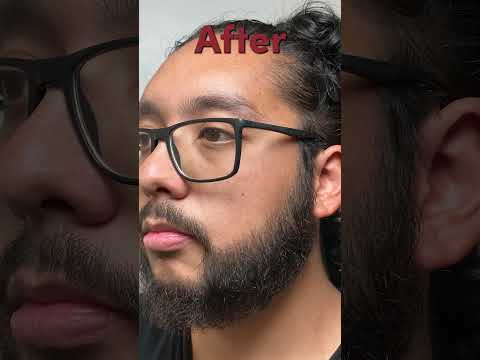
Look for consistent, high-quality before-and-after photos that show results in harsh lighting, not just flattering angles. Video testimonials are harder to fake than text reviews. Also, ask specific questions during your consultation: "Will the doctor open the channels?" "How many patients do you treat per day?"
Beware of brokers or aggressive sales agents who promise unrealistic results. A trustworthy clinic will be honest about what is achievable and will prioritize your health over a sale. Platforms that vet medical providers can be a safe way to find reputable clinics.
What are the side effects of hair transplant surgery?
Like any surgical procedure, hair transplants come with temporary side effects. Swelling around the forehead and eyes is very common around day 3 or 4 but usually disappears after a week. Wearing a headband provided by the clinic helps prevent this fluid from moving down the face.
Itching in the donor and recipient areas is a sign of healing but can be annoying. Saline sprays and antihistamines can help manage this. Perhaps the most alarming side effect for patients is "shock loss"—the shedding of the newly transplanted hair (and sometimes native hair) a few weeks after surgery. This is completely normal and part of the hair growth cycle. The roots remain healthy under the skin, and new growth will begin in a few months.
Infection is rare if hygiene protocols are followed. Numbness in the scalp can persist for a few months but typically resolves on its own as the nerves regenerate.
Do Turkish clinics offer a warranty on hair transplants?
To provide peace of mind to international patients, many top Turkish clinics offer a written guarantee or warranty. This document typically states that if a certain percentage of the transplanted grafts do not grow, the clinic will perform a touch-up procedure at no cost (excluding travel expenses).
This warranty is a testament to their confidence in their results. However, it is conditional. The patient must demonstrate that they followed post-operative care instructions. If the failure is due to patient negligence (e.g., bumping the head, scratching off grafts, or sunburn), the warranty may be void.
Always ask to see a copy of the guarantee policy before booking. It adds an extra layer of security to your investment in yourself.
Ready to Restore Your Confidence?
If you are considering a hair transplant in Turkey, ensure you are choosing a certified and trusted provider. Explore PlacidWay to compare top-rated clinics, read verified patient reviews, and find exclusive packages for medical tourism in Turkey.
Explore Hair Transplant Options


.png)


.png)















Share this listing