


Reducing Joint Care Delays: Orthopedic Surgery Options in Mexico
Living with chronic joint pain is exhausting. For many people in countries like Canada, the UK, and even the US, the physical pain is often compounded by the frustration of waiting. You sit on a waiting list for months, sometimes years, watching your quality of life decline while you wait for a "slot" to open up for a knee or hip replacement. It feels like your life is on pause.
This is where orthopedic surgery in Mexico has become a vital solution for thousands of patients. The answer to the main question is a resounding yes: heading to Mexico can dramatically slash your wait time. Instead of marking days off a calendar for a surgery date that keeps moving, you could be recovering and starting physical therapy in a matter of weeks.
But it isn't just about speed. It is about accessing world-class healthcare without draining your life savings. Mexico has built a robust infrastructure for medical tourism, specifically catering to North Americans who need joint care now, not later. We aren't talking about cutting corners; we are talking about board-certified surgeons, modern hospitals, and personalized care that treats you like a VIP, not a number in a queue. In this guide, we will look at how this process works, the costs involved, and safety standards, so you can make an informed decision about getting your mobility back.
Why are waiting times for joint surgery so long in the US and Canada?
In countries with public healthcare systems like Canada and the UK, the demand for orthopedic surgery far outstrips the supply of operating rooms and available surgeons. This creates a bottleneck where non-emergency procedures, such as joint replacements, are pushed to the back of the line. Patients often suffer in pain for 12 to 24 months before they ever see the inside of an operating theater.
Even in the US, where care is private, scheduling conflicts and insurance red tape can cause delays. You might find a surgeon you trust, only to learn they are booked out for six months. By choosing medical tourism in Mexico, you bypass these systemic bottlenecks entirely. Private hospitals in Mexico operate with flexibility and capacity designed to accommodate international patients immediately.
How quickly can I schedule orthopedic surgery in Mexico?
Speed is one of the biggest advantages of choosing Mexico. Once you decide to move forward, the process moves very fast. After you submit your medical history and X-rays for review, surgeons can usually provide a treatment plan within 48 hours. Once you approve the plan, securing a surgery date is just a matter of matching your travel schedule with the surgeon's calendar.
Unlike the rigid schedules at home, Mexican clinics prioritize medical tourists. They understand you are traveling specifically for this procedure, so they work to accommodate your timeframe. It is not uncommon for a patient to contact a clinic on the first of the month and have their new knee or hip by the end of the month.
How much does orthopedic surgery cost in Mexico compared to the US?
The cost difference is staggering and is often the primary driver for patients without comprehensive insurance. In the US, the price of a joint replacement can vary wildly depending on the hospital and region, often leaving patients with huge out-of-pocket bills. In Mexico, the pricing is transparent and usually bundled into a package that includes the surgery, hospital stay, anesthesia, and sometimes even ground transportation.
Cost Comparison Table (Estimated Averages)
| Procedure | Avg. Cost in USA | Avg. Cost in Mexico | Potential Savings |
|---|---|---|---|
| Total Knee Replacement | $35,000 - $50,000 | $11,000 - $14,000 | 65% - 70% |
| Total Hip Replacement | $40,000 - $60,000 | $12,000 - $15,000 | 60% - 75% |
| Rotator Cuff Repair | $15,000 - $25,000 | $5,000 - $7,000 | 65% - 70% |
| ACL Reconstruction | $20,000 - $30,000 | $4,500 - $6,500 | 70% - 80% |
These savings allow you to access premium healthcare services without going into debt. The lower cost is due to lower living costs and overhead in Mexico, not a lack of quality.
Are orthopedic surgeons in Mexico qualified and board-certified?
A common misconception is that doctors in Mexico are less trained. The reality is quite the opposite. Many top specialists in cities like Tijuana, Guadalajara, and Puerto Vallarta have completed fellowships in the US or Europe. They often speak fluent English and are accustomed to treating international patients.
You should always look for surgeons who are certified by the Mexican Council of Orthopedics and Traumatology. Additionally, many are members of the American Academy of Orthopaedic Surgeons (AAOS). They use the same surgical techniques and protocols you would expect at home, ensuring high standards of safety and efficacy.
What types of joint surgeries are available in Mexico?
Whether you need a total joint replacement or a minimally invasive arthroscopy, Mexican hospitals are equipped to handle it. The most common procedures sought by medical tourists are knee and hip replacements because these have the longest wait times at home and offer the highest cost savings.
However, you can also find specialists for complex spinal surgeries, hand and wrist surgery, and sports medicine injuries. The availability of advanced MRI and CT imaging allows these surgeons to diagnose and treat a wide spectrum of musculoskeletal issues effectively.
Do Mexican hospitals use high-quality implants?
Patients often worry that a lower price means cheaper materials. This is not the case with reputable clinics catering to international patients. They know that you want durability and safety. Therefore, they utilize the same FDA-approved implants that your surgeon in the US would use.
Before you book your surgery, you can ask the clinic specifically which brand and model of implant they intend to use. They are usually very transparent about this. Using global brands ensures that if you ever need a revision or check-up back home, your local doctor will be familiar with the device.
Is it safe to travel to Mexico for surgery?
Safety is a valid concern for anyone traveling abroad. However, the medical tourism industry relies on a reputation for safety. Clinics usually provide shuttle services that pick you up from the airport (often San Diego for Tijuana clinics) and take you directly to the hospital or hotel. You are rarely left to navigate the city alone.
The hospitals themselves often maintain JCI accreditation or equivalent Mexican certifications, ensuring strict hygiene and safety protocols. By staying within the "medical zones" and following the guidance of your patient coordinator, the experience is secure and focused entirely on your recovery.
What happens during the initial consultation?
You don't have to fly to Mexico just to find out if you are a candidate. The process starts at home. You will send digital copies of your X-rays, MRI scans, and a brief medical history to the clinic. The orthopedic surgeon reviews these files to determine the best surgical approach.
Once reviewed, you will likely have a video call or a phone consultation. This is your chance to ask specific questions about the procedure, the recovery, and the risks. This virtual assessment ensures that you are medically cleared for travel and surgery before you spend money on a plane ticket.
How long will I need to stay in Mexico?
Recovery timelines vary, but for a knee or hip replacement, you won't be flying home the next day. Typically, you will spend 2 to 3 nights in the hospital for close monitoring and pain management. After discharge, you will move to a hotel or a specialized recovery house for another 5 to 7 days.
During this time, you will return to the clinic for check-ups, wound cleaning, and possibly removal of drains. The surgeon wants to ensure you are fit to fly and that there are no signs of infection or complications like blood clots before giving you the "all clear" to return home.
Will there be a language barrier?
Communication is critical in healthcare. Top-tier clinics in Mexico hire staff specifically for their English proficiency. From the driver who picks you up to the nurses and the lead surgeon, English is widely spoken in the medical tourism sector.
If you are worried, ask to speak with the patient coordinator or the surgeon on the phone before booking. This will give you confidence in their ability to communicate complex medical terms and instructions clearly. You should feel completely understood at every step of your joint care journey.
Can I bring a companion with me?
Having a support system is incredibly helpful after surgery. Most hospitals encourage you to bring a friend, spouse, or family member. In many private rooms in Mexican hospitals, there is a pull-out sofa or extra bed specifically for your companion to stay with you overnight.
Your companion can help you with simple things like getting dressed, moving around, and keeping track of medication schedules once you leave the hospital. It also makes the travel experience less stressful. Check with your medical facilitator about accommodation packages that include your guest.
What pre-op testing is required?
To ensure you are safe for anesthesia, you will need a battery of tests. While you might send some records from home, the clinic will almost always run their own tests upon your arrival. This typically happens the day before your scheduled surgery.
These tests check your heart health, blood clotting ability, and general immune status. If any significant issues arise, surgery might be postponed, but this is rare if you have been honest about your medical history during the virtual consultation phase.
How is pain managed after surgery?
Fear of pain is natural. Mexican surgeons use modern pain management protocols. Immediately after surgery, you will likely have IV pain relief. As you transition to recovery, you will be given oral medications to keep you comfortable.
The goal is not just to numb you, but to manage pain well enough that you can stand and walk. Early movement is crucial for joint replacement success. You will receive a prescription for pain medication to take with you during your hotel recovery and for your travel home.
What happens if there is a complication?
While rare, complications can happen in any country. Before you book, ask the clinic about their policy for revisions or complications. Many reputable surgeons offer a guarantee where they will perform revision surgery for free if the issue is related to the implant or surgical technique (though you may still pay for hospital fees).
Being in a hospital setting rather than a small clinic is safer because they have ICUs and emergency equipment on standby. It is vital to discuss "what if" scenarios with your provider so you understand your financial and medical protections.
Will my US insurance cover surgery in Mexico?
Generally, Medicare and standard domestic health insurance policies do not cover treatments outside the US. You should expect to pay out-of-pocket. However, because the cost is so low—often less than the deductible and co-pay for US surgery—it still makes financial sense for many.
There are some exceptions. Some progressive companies and self-funded insurance plans have started partnering with medical tourism facilitators to cover these costs because it saves them money, too. Always check with your provider, but plan on paying cash or using medical financing options.
How do I prepare for the flight home?
Flying after orthopedic surgery in Mexico requires planning. You will be at a higher risk for Deep Vein Thrombosis (DVT), so your doctor will likely prescribe blood thinners and compression stockings. You must get up and walk the aisle every hour.
Do not try to be a hero at the airport. Request wheelchair service from the curb to the plane. This saves your energy and protects your new joint from crowded concourses. Booking an aisle seat with extra legroom or upgrading to business class can also make a significant difference in your comfort level.
What is the recovery process like back home?
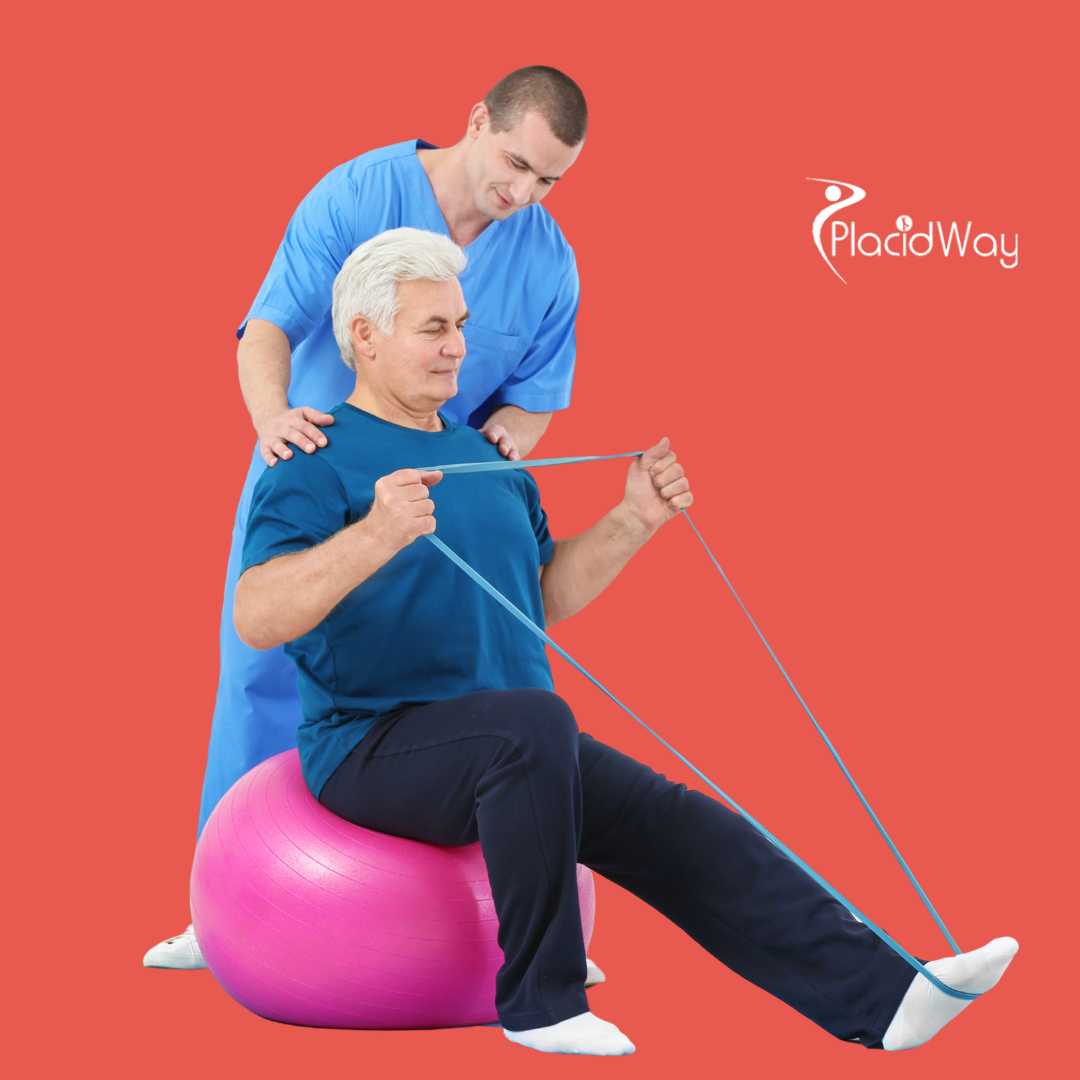
Surgery is just step one. Rehabilitation is where the magic happens. Before you leave for Mexico, you should research local physical therapists who can work with you upon your return. You will need to bring your surgical notes and rehab protocol from your Mexican doctor to give to your local therapist.
Most Mexican clinics will schedule follow-up video calls to check your incision and range of motion. You are not cut off once you cross the border; modern technology allows for excellent continuity of care. Dedication to your physical therapy exercises is the single biggest factor in how well your new joint functions.







.png)









Share this listing