
Joint Replacement in Turkey: 95%+ Success Rates, Costs & Recovery
.png)
If you have been living with chronic pain and limited mobility, you might be wondering, how successful is joint replacement surgery in Turkey? It is one of the most common questions we hear from patients looking for affordable yet high-quality orthopedic solutions. Turkey has rapidly become a global hub for medical tourism, particularly for orthopedic procedures like knee and hip replacements.
The short answer is that the outcomes are incredibly positive, often matching or exceeding those found in Western Europe and North America. Patients choosing joint replacement surgery in Turkey benefit not only from significant cost savings but also from world-class medical facilities that prioritize patient safety and long-term functionality.
In this guide, we will dive deep into everything you need to know. We will cover specific success rates, the expertise of Turkish surgeons, the types of implants used, and the overall patient experience. Whether you are considering a total knee replacement or a hip resurfacing procedure, understanding the factors that contribute to these high success rates will help you make an informed decision for your health.
What is the overall success rate of joint replacement surgery in Turkey?
When we talk about the success of orthopedic surgeries in Turkey, the data is quite impressive. Hospitals in major cities like Istanbul, Ankara, and Antalya routinely perform thousands of these procedures annually. The high volume of surgeries allows medical teams to refine their techniques, leading to consistent and reliable outcomes for international patients.
Success is measured not just by the surgery itself, but by the quality of life afterward. Patients report a dramatic reduction in pain and a return to daily activities such as walking, climbing stairs, and even moderate exercise. The combination of advanced surgical techniques and comprehensive pre-operative planning ensures that risks are minimized.
Furthermore, the longevity of the implants used in Turkey contributes to this high success rate. By utilizing top-tier brands from the US and Europe, Turkish clinics ensure that the hardware implanted is durable and biocompatible, reducing the likelihood of revision surgeries in the future.
How successful is knee replacement surgery in Turkey?
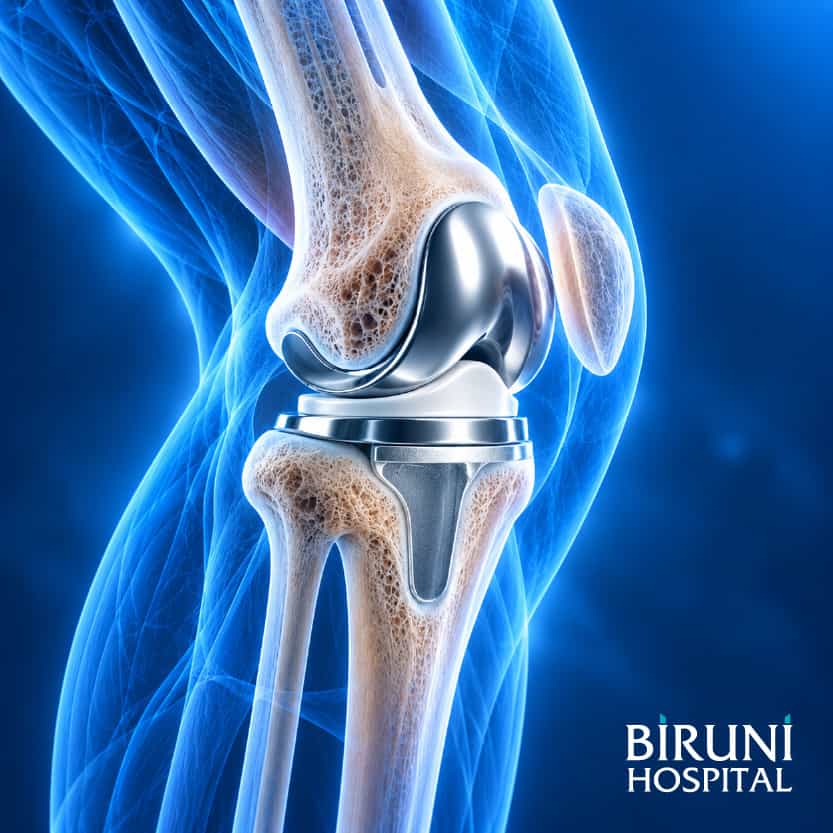
Knee issues are among the most common reasons patients travel for medical care. The success of knee replacement surgery here is largely due to the precision of the procedure. Surgeons often use computer-assisted navigation tools to ensure the implant is aligned perfectly with your bone structure, which is crucial for the long-term survival of the joint.
Recovery protocols also play a huge role. In Turkey, mobilization often begins the day after surgery. This proactive approach prevents complications like blood clots and stiffness. Physical therapists work closely with patients to strengthen the muscles around the new knee, ensuring stability and function.
Key factors influencing knee surgery success include:
- Patient selection: Thorough screening to ensuring you are a good candidate.
- Surgical technique: Use of muscle-sparing approaches to reduce trauma.
- Post-op care: dedicated nursing and physiotherapy teams.
What is the success rate for hip replacement in Turkey?
Hip replacement is a life-changing operation, and Turkish orthopedic surgeons are experts in performing it. The high success rate is supported by the use of modern prosthetics—often ceramic-on-ceramic or metal-on-polyethylene—that offer low wear rates and high durability. This is essential for younger patients who need their implants to last for decades.
The expertise of the surgeon is paramount in hip surgeries to avoid issues like dislocation or leg length discrepancy. Turkish surgeons often undergo specialized training in Europe or the US, bringing back cutting-edge skills. They are proficient in anterior, posterior, and lateral approaches, choosing the best method for your specific anatomy.
Additionally, the infection rates for joint replacement surgery in Turkey are kept extremely low due to strict sterilization protocols in JCI-accredited hospitals. This focus on sterile environments directly correlates to the positive outcomes seen in hip replacement patients.
What is the cost of joint replacement surgery in Turkey?
Cost is often the deciding factor for medical tourists. In countries like the USA or the UK, a total joint replacement can cost a fortune or involve years on a waiting list. Turkey offers a solution that is both affordable and immediate. The price difference is mainly due to lower labor costs and operational expenses in Turkey, not a lack of quality.
Most clinics offer "all-inclusive packages." These packages typically cover the surgery, hospital stay, surgeon fees, airport transfers, and sometimes even hotel accommodation for the recovery period. This transparency helps international patients budget effectively without fear of hidden costs.
Below is a comparison table to highlight the potential savings:
| Procedure | Cost in USA | Cost in UK | Cost in Turkey |
|---|---|---|---|
| Total Knee Replacement | $30,000 - $50,000 | $15,000 - $20,000 | $5,000 - $8,000 |
| Total Hip Replacement | $32,000 - $55,000 | $14,000 - $18,000 | $5,500 - $9,000 |
| Shoulder Replacement | $25,000 - $45,000 | $12,000 - $16,000 | $5,000 - $8,500 |
Why is orthopedic surgery in Turkey so successful?
The backbone of this success is the medical infrastructure. Turkey has invested heavily in healthcare, resulting in hospitals that are equipped with the latest diagnostic and surgical technology. From 3D imaging to laminar flow operating rooms that reduce infection risk, every detail is managed to optimize patient outcomes.
Another reason is the volume of experience. Turkish surgeons handle a high caseload of international patients, which gives them a breadth of experience with complex cases that a general surgeon elsewhere might not see. This specialized focus allows for finer surgical skills and better judgment during procedures.
Finally, the regulatory environment ensures quality. The Turkish Ministry of Health strictly monitors hospitals that treat medical tourists, and many hold accreditation from the Joint Commission International (JCI), the gold standard in global healthcare.
Are Turkish orthopedic surgeons experienced?
You are in safe hands with doctors in Turkey. Many of the top surgeons are not just practitioners but also professors who teach at university hospitals. They stay updated with the latest global trends in orthopedics, attending international conferences and publishing research.
When you choose a surgeon for joint replacement surgery, you can often review their CV beforehand. You will see that they have performed thousands of successful operations. Their capability to communicate in English (and often other languages) bridges the gap for international patients, ensuring that you fully understand your treatment plan.
It is common to have a video consultation before you fly. This allows the surgeon to assess your X-rays and MRI scans remotely, confirming their experience and approach to your specific condition before you commit to travel.
Is robotic joint replacement surgery available in Turkey?
Robotic-assisted surgery is a game-changer in orthopedics. Systems like the MAKO robot allow surgeons to plan the surgery in 3D before making a single cut. During the operation, the robotic arm guides the surgeon to remove only the diseased bone, preserving healthy tissue.
This level of precision is particularly beneficial for knee and hip replacements. It ensures that the implant is placed at the optimal angle for your unique anatomy, which can feel more natural and last longer. While robotic surgery might cost slightly more than traditional methods, the benefits in terms of recovery and longevity often outweigh the price difference.
Not every clinic offers this, so if you are interested in robotic surgery, it is important to ask specifically for it when booking your package.
What types of joint implants are used in Turkey?
A common myth is that lower cost means lower quality materials. This is false regarding joint replacement surgery in Turkey. The cost savings come from operational expenses, not cheap implants. Reputable clinics use the exact same FDA and CE-approved brands you would find in an American or German hospital.
Using these premium brands is critical because the material of the implant determines how long it will last and how well your body accepts it. Whether it is titanium, cobalt-chromium, or advanced ceramics, you will receive a product designed for longevity.
You should always ask your surgeon which brand and model of implant they intend to use. They will be happy to provide this information, and you will receive an implant ID card after surgery for your records.
What are the risks of getting joint replacement in Turkey?
Every surgery carries some level of risk, regardless of where it is performed. The most significant concern for joint replacement is infection. Turkish hospitals mitigate this by maintaining sterile environments and using prophylactic antibiotics. Deep Vein Thrombosis (DVT) is another risk, managed through blood thinners and early mobilization.
A specific risk for medical tourists is the flight home. Sitting for long periods can increase clot risk. Surgeons in Turkey will provide specific guidelines on when it is safe to fly and may prescribe compression stockings or medication for your journey back.
Choosing an accredited facility is your best defense against complications. These hospitals have emergency protocols in place and experienced staff ready to handle any unexpected issues immediately.
How long is the recovery period after joint replacement in Turkey?
Recovery is a journey. The first few days are spent in the hospital, managing pain and getting out of bed. By the time you are discharged to your hotel, you should be able to walk with crutches or a walker. The goal of the 10-14 day stay is to ensure your incision is healing well and you are fit to fly.
Full recovery, where you can return to all normal activities without assistance, can take 3 to 6 months. However, most patients feel a massive improvement in their quality of life within the first month. The "joint pain" is gone, replaced by "surgical healing pain" which diminishes daily.
Adhering to the rehabilitation plan given by your Turkish physiotherapist is crucial. You will likely continue these exercises at home to maximize the success of your surgery.
Is post-surgery rehabilitation available in Turkey?
Rehabilitation is not an afterthought in Turkey; it is integrated into the surgical package. Expert physiotherapists work with you immediately. They teach you how to get in and out of bed, how to walk with support, and specific exercises to strengthen the joint.
Some patients choose to extend their stay in Turkey to recover in a thermal hotel or a specialized rehabilitation center. Turkey is famous for its thermal springs, and combining orthopedic recovery with hydrotherapy can be incredibly beneficial for reducing swelling and improving range of motion.
Before you leave, you will receive a detailed plan to follow back home. Some clinics even offer virtual follow-ups with the therapist to check your progress.
What medical tests are required before surgery?
Safety comes first. Upon arrival in Turkey, usually a day or two before the operation, you will have a full workup. This checks your heart health, blood sugar levels, and clotting factors. If you have underlying conditions like diabetes or hypertension, specialists will consult to optimize your condition before surgery.
These tests are included in most packages. It is important to be honest about your medical history during your initial online consultation so the medical team is prepared. If any test results are concerning, the surgery might be postponed for your safety, though this is rare with proper pre-travel screening.
How safe are hospitals in Turkey for international patients?
Turkey has one of the highest numbers of JCI-accredited hospitals in the world. This accreditation is not easy to get; it requires meeting hundreds of rigorous standards regarding patient care, facility safety, and management practices.
These hospitals are designed with international patients in mind. You will find international patient departments that handle everything from language translation to airport transfers. The infrastructure is modern, often newer and more luxurious than what is found in many public hospitals in Europe.
Cleanliness is a top priority. Regular audits ensure that sterilization processes for operating rooms and equipment meet global best practices, keeping infection rates for joint replacement surgery very low.
Do I need a companion for joint replacement surgery in Turkey?
Having a friend, partner, or family member with you can make a huge difference. While the hospital staff provides excellent care during your admission, having someone with you at the hotel after discharge is very helpful. They can help you with putting on socks, getting food, or simply offering emotional support.
Many medical tourism packages include accommodation for a companion at no extra cost or for a small fee. If you cannot bring anyone, let the clinic know in advance. They can often arrange for extra nursing assistance or ensure your hotel room is fully equipped for a solo recovering guest.
Can I travel immediately after joint replacement surgery?
Flying too soon increases the risk of deep vein thrombosis (DVT) due to cabin pressure and immobility. Your surgeon needs to see that the wound is dry and healing and that you have regained enough mobility to manage the journey.
When you do fly, it is often recommended to book a seat with extra legroom or business class if possible, to keep the leg extended. You should also get up and move around the cabin periodically. The clinic will provide a "fit to fly" certificate, which airlines may require.
Why is joint replacement cheaper in Turkey than in the US or UK?
The price tag can be deceptive. In the US, high costs are driven by administrative fees, malpractice insurance, and hospital markups. In Turkey, these overheads are significantly lower. The currency exchange rate also works in favor of patients paying in USD, EUR, or GBP, giving you more purchasing power.
Furthermore, the Turkish government actively supports the medical tourism industry with incentives, helping hospitals keep prices competitive. This allows you to access premium healthcare services and successful joint replacement surgery at a fraction of the domestic price.
If you are looking for reliable options for joint replacement surgery in Turkey, visit PlacidWay. We can connect you with top-rated medical centers and experienced surgeons to ensure your journey to mobility is smooth and successful.
.png)
.png)


.png)

.png)






.jpg)












Share this listing