
What Malaysian Patients Should Know Before Choosing Stem Cell Therapy in Tokyo
Malaysian patients seeking stem cell therapy in Tokyo should verify clinic accreditation, source of stem cells, Japanese Ministry of Health approval, transparent pricing, and comprehensive post-treatment care before making any medical decisions.
Key Takeaways: Regenerative Medicine in Japan
- Strict Regulations: All facilities must comply with the Japanese Act on the Safety of Regenerative Medicine.
- Autologous Focus: Treatments primarily utilize the patient own fat or bone marrow cells for maximum safety.
- Advanced Facilities: Cells are cultivated in highly monitored Cell Processing Centers to prevent contamination.
- Targeted Care: Procedures excel in addressing orthopedic joint degradation and systemic anti-aging concerns.
- Comprehensive Planning: Treatment requires precise scheduling, often involving a cell harvesting phase and a later injection phase.
What are the legal regulations for a stem cell clinic in Tokyo treating Malaysian patients?
Japanese clinics must comply with the strict Act on the Safety of Regenerative Medicine. This ensures all facilities treating international patients maintain the highest global standards for cell cultivation and patient safety.
Japan is globally recognized for having one of the most rigorous and clearly defined legal frameworks for regenerative medicine. Any stem cell clinic in Tokyo must operate under the guidelines set by the Ministry of Health, Labour and Welfare. This legislation categorizes treatments based on risk levels and requires distinct committee approvals before any therapy can be offered to the public.
For Malaysian patients, this regulatory environment offers profound peace of mind. Unlike regions where regenerative therapies operate in legal gray areas, the Japanese system mandates that facilities submit detailed treatment protocols and undergo regular inspections. This eliminates substandard operators and ensures that only scientifically validated methodologies are practiced on international visitors.
Furthermore, the laboratories where the biological material is handled must be certified as specialized Cell Processing Centers. These environments feature clean-room technology that rivals semiconductor manufacturing, ensuring that your biological material remains completely sterile and viable throughout the entire cultivation process.
How much does stem cell therapy cost in Tokyo compared to alternative Asian destinations?
The stem cell therapy cost in Tokyo typically ranges from $10,000 to $25,000 USD depending on the specific condition being treated. This investment reflects the premium medical infrastructure and advanced cultivation techniques available in Japan.
When evaluating the financial aspect of this medical journey, patients must understand that the stem cell therapy cost in Tokyo is generally higher than in neighboring Southeast Asian countries. However, this price discrepancy is a direct reflection of the superior quality control, extensive laboratory cultivation time, and high-tier medical expertise involved in the Japanese healthcare system.
The total price structure is typically broken down into distinct phases. The initial cost covers the comprehensive medical consultation and the minor surgical procedure required for cell harvesting. The most significant portion of the fee is allocated to the laboratory cultivation phase, where scientists spend weeks multiplying your cells into the millions under strict sterile conditions.
Malaysian patients should carefully review their quotations to ensure there are no hidden fees. A reputable facility will provide a transparent invoice that includes the final injection procedure, necessary pre-operative blood screening, and initial post-treatment follow-up consultations. Investing in a highly regulated market significantly reduces the risk of ineffective or contaminated treatments.
When comparing costs internationally, patients must inquire about the final cell count guaranteed by the laboratory. A lower-priced treatment elsewhere might involve same-day centrifugation without any actual cell multiplication, yielding vastly different clinical outcomes compared to standard Japanese protocols.
What types of conditions are treated with stem cell therapy in Tokyo?
Facilities offering stem cell therapy in Tokyo primarily focus on orthopedic conditions, anti-aging therapies, and neurological rehabilitation. Treatment plans are strictly customized based on comprehensive diagnostic evaluations.
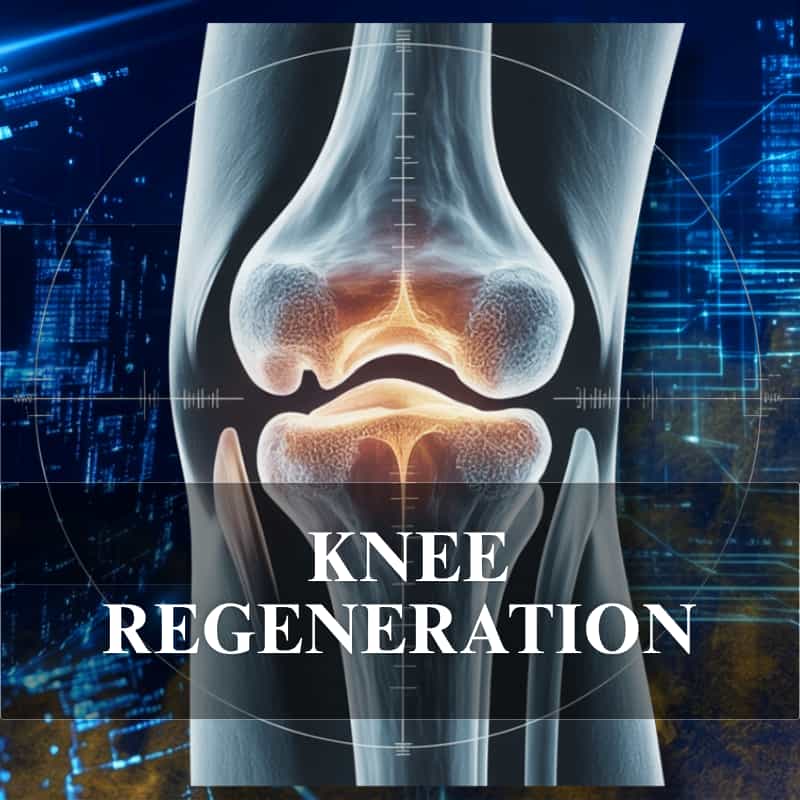
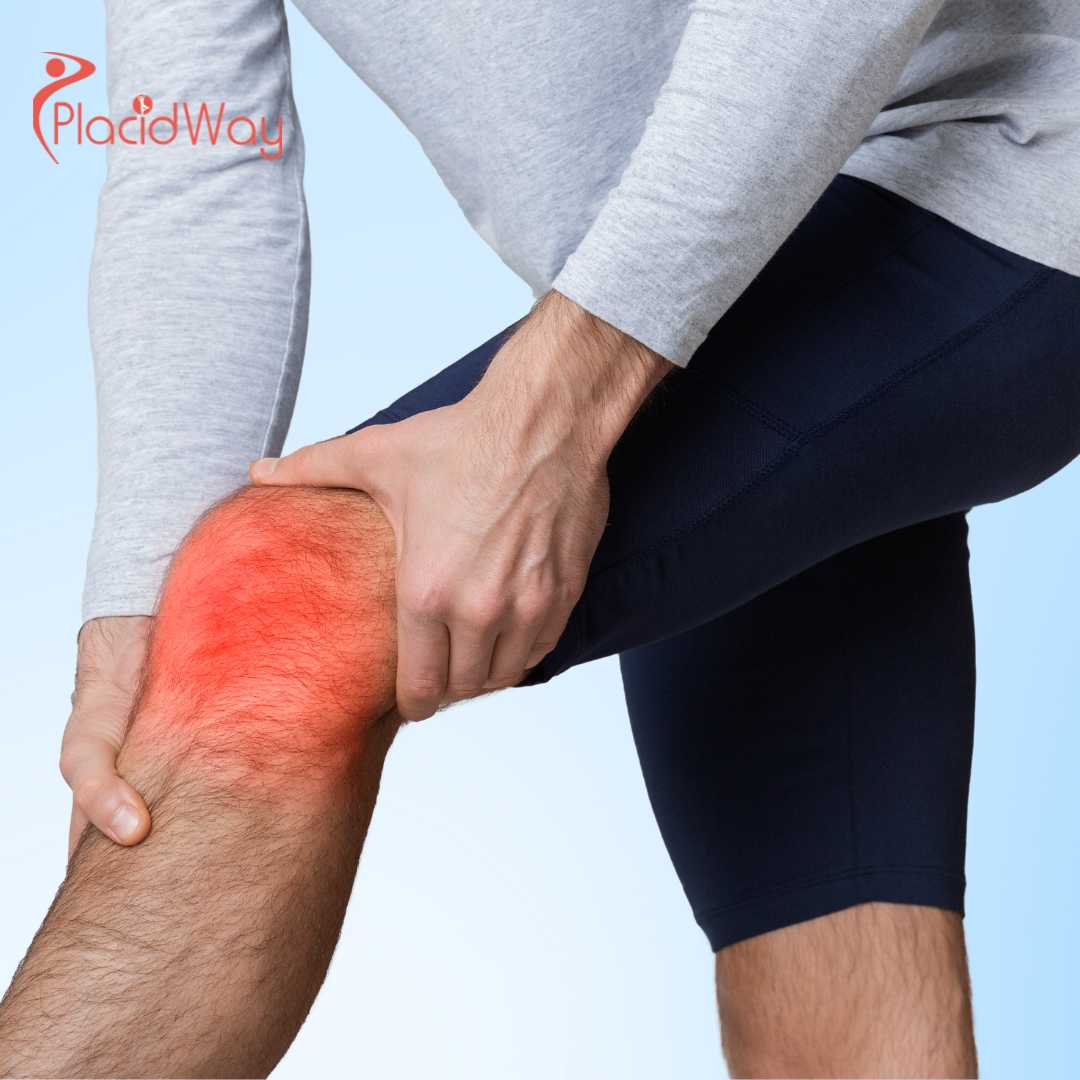
Orthopedic rehabilitation remains the most sought-after regenerative treatment among international patients. Specialists excel in addressing degenerative joint diseases, particularly osteoarthritis of the knee and hip. By injecting cultivated cells directly into the damaged joint capsule, the treatment aims to reduce chronic inflammation and stimulate the regeneration of cartilage tissue.
Beyond joint repair, systemic anti-aging and wellness protocols are incredibly popular. These intravenous therapies are designed to combat cellular senescence, improve immune function, and enhance overall vitality. Malaysian patients seeking preventive healthcare often combine these systemic treatments with comprehensive health screening programs available in the city.
Neurological and autoimmune applications are also a significant area of focus, although these treatments require rigorous preliminary assessments. Facilities evaluate conditions such as neuropathy and chronic fatigue on an individual basis, ensuring that scientific evidence supports the proposed regenerative intervention for each specific patient profile.
Are autologous or allogeneic cells used for stem cell therapy in Tokyo?
A reputable stem cell clinic in Tokyo prioritizes autologous stem cells, which are harvested directly from the patient. This approach significantly minimizes the risk of immune rejection and aligns with stringent Japanese medical protocols.
The distinction between autologous and allogeneic materials is a critical factor in regenerative safety. Autologous therapy utilizes the biological material of the patient, ensuring complete genetic compatibility. The Japanese medical community heavily favors this approach for commercial treatments because it entirely negates the risk of graft-versus-host disease and severe allergic reactions.
Most facilities specialize in harvesting mesenchymal stem cells from adipose tissue located in the abdomen or from bone marrow in the pelvic region. Adipose-derived cells are particularly favored due to the minimally invasive nature of the extraction process and the exceptionally high yield of viable cells found in fat deposits.
The extraction procedure itself is performed under local anesthesia and takes less than an hour. Following the extraction, the patient biological material is immediately transported to the laboratory, beginning the complex multi-week process of isolation, purification, and multiplication required before re-administration.
How should Malaysian patients evaluate the safety protocols of a stem cell clinic in Tokyo?
Patients must verify that the clinic utilizes certified Cell Processing Centers for cell cultivation. These specialized laboratories ensure zero contamination and guarantee the viability of the stem cells before reintroduction.
Evaluating safety begins with verifying laboratory standards. You must inquire whether the facility processes materials in a registered Cell Processing Center. These environments are strictly audited for air quality, temperature control, and sterilization protocols, ensuring your biological material is handled in an environment completely free from airborne pathogens.
Pre-treatment screening is another vital safety indicator. A responsible medical team will require extensive blood tests focusing on infectious diseases, tumor markers, and overall organ function before agreeing to perform any harvesting procedure. This meticulous screening protects both the patient and the integrity of the sterile laboratory environment.
Finally, examine the credentials of the presiding physicians. Ensure that the medical director holds appropriate board certifications in regenerative medicine or their specific specialty, such as orthopedics or neurology. Facilities that are transparent about their medical team credentials and regulatory compliance certificates are the only ones you should consider.
What language support is available for Malaysians exploring medical tourism in Tokyo?
Leading facilities engaged in medical tourism in Tokyo provide dedicated English-speaking medical coordinators. This ensures clear communication regarding medical terminology, treatment risks, and consent forms for Malaysian patients.
Clear communication is non-negotiable when undertaking advanced medical procedures abroad. The top facilities catering to international patients maintain dedicated international departments staffed by fluent English speakers. These professionals ensure that nothing is lost in translation during your critical consultations with the leading specialists.
Language support extends beyond simple conversation. It includes the provision of all medical consent forms, treatment outlines, and post-operative care instructions in clearly written English. This documentation is essential for Malaysian patients to fully understand their legal rights and the medical nuances of their regenerative procedure.
During the actual procedures, your dedicated coordinator typically remains in the room or closely available to translate real-time instructions and provide emotional support. This continuous assistance bridges the cultural gap and transforms a potentially stressful medical journey into a smooth, thoroughly understood experience.
In Japanese medical culture, doctors highly value informed consent and will often use detailed diagrams or 3D models during your consultation to explain exactly how the cells will interact with your damaged tissues.
How long do Malaysian patients need to stay for stem cell therapy in Tokyo?
Patients typically require two separate visits or one extended stay of roughly three to four weeks. The first phase involves cell harvesting, followed by a cultivation period, and concluding with the final injection.
Proper cell cultivation is a biological process that cannot be rushed. The standard timeline requires an initial visit lasting approximately three to five days. During this time, the patient undergoes final health screenings, the detailed consultation, and the minor fat or bone marrow extraction procedure.
Following the harvest, the laboratory requires a minimum of two to four weeks to multiply the cells to the therapeutic volume. Most Malaysian patients choose to return home during this cultivation window to minimize accommodation costs, as direct flights between Kuala Lumpur and Japan are frequent and convenient.
The final phase involves returning to the facility for the actual injection or intravenous infusion. This second visit generally requires a stay of four to seven days. This duration allows the medical team to administer the treatment carefully and conduct necessary immediate post-procedure observations before medically clearing the patient for their flight home.
What post-treatment care should Malaysians expect from a stem cell clinic in Tokyo?
Premium facilities provide structured follow-up programs via secure telemedicine platforms. This allows Japanese specialists to monitor recovery progress and coordinate with local healthcare providers in Malaysia if necessary.
The success of regenerative medicine relies heavily on proper post-treatment management. Immediately following the procedure, patients are provided with specific guidelines regarding physical activity, dietary recommendations, and the management of any minor discomfort. Orthopedic patients, for example, may be advised to limit weight-bearing activities temporarily.
Long-term monitoring is a hallmark of excellent clinical care. Reputable facilities schedule virtual follow-up appointments at the one-month, three-month, and six-month marks. During these telemedicine sessions, the medical team evaluates symptom improvement, assesses mobility changes, and provides ongoing medical advice tailored to your recovery trajectory.
In cases requiring physical therapy, the international department will often provide a detailed rehabilitation protocol that you can hand directly to your local physiotherapist in Malaysia. This seamless coordination ensures that the benefits of the advanced cellular therapy are maximized through proper structural rehabilitation.
Why choose PlacidWay to plan your stem cell therapy in Tokyo?
PlacidWay serves as a dedicated medical coordination partner ensuring you connect with verified and accredited medical facilities. Our platform prioritizes clinical excellence and patient safety for complex regenerative treatments.
Selecting the right medical partner in a foreign country involves managing significant medical and financial risks. PlacidWay acts as your advocate, bridging the gap between international patients and elite Japanese healthcare providers. Here is how we ensure a secure medical journey:
- Comprehensive Medical Vetting: We partner exclusively with facilities that possess active certification from the Japanese Ministry of Health, ensuring strict adherence to regenerative medicine laws.
- Transparent Clinical Pricing: We facilitate clear financial outlines detailing cultivation costs, injection fees, and consultation charges, protecting you from unexpected medical expenses.
- Secure Record Transfer: Our platform assists in securely transferring your MRI scans and blood reports to Japanese specialists for accurate preliminary case evaluations.
- Direct Specialist Access: We arrange virtual consultations between you and the lead physician, allowing you to ask clinical questions directly before making any commitments.
- Post-Treatment Care Coordination: We ensure open lines of communication remain active between the overseas medical team and your local healthcare providers during your recovery phase.
Frequently Asked Questions About Regenerative Medicine in Japan
Is stem cell therapy legal in Japan for foreigners?
Yes, regenerative treatments are fully legal for international patients in Japan, provided the facility is certified under the Act on the Safety of Regenerative Medicine. Foreigners receive the exact same standard of care and regulatory protection as local citizens.
Can stem cell therapy cure severe joint pain?
While not classified as a definitive cure, regenerative treatments have shown significant success in reducing inflammation and promoting cartilage repair in conditions like osteoarthritis, often delaying or eliminating the need for invasive joint replacement surgery.
How many sessions of stem cell treatment do I typically need?
The number of sessions depends entirely on the underlying medical condition and the treatment protocol. Many orthopedic treatments require only a single comprehensive injection, while systemic or anti-aging protocols might involve multiple sessions spread over several months.
Are there age restrictions for stem cell treatments in Japan?
There is no strict upper age limit for autologous treatments, but patients must pass a rigorous pre-screening health check to ensure they are fit for the minimal harvesting procedure and that their cells are viable for multiplication.
What are the common side effects of stem cell therapy?
Because most Japanese clinics use the patient own cells, adverse immune reactions are extremely rare. Common minor side effects include temporary swelling, bruising, or mild discomfort at the injection and harvesting sites, which typically resolve within a few days.
How long does it take to see results from stem cell injections?
Regenerative medicine relies on biological healing, which takes time. Most patients report initial improvements in pain or mobility within four to six weeks, with progressive benefits continuing to develop over three to six months post-treatment.
Can I undergo other medical treatments simultaneously?
This must be evaluated on a case-by-case basis by your specialist. Generally, patients are advised to pause certain anti-inflammatory medications before and after the procedure, as inflammation is a necessary trigger for the injected cells to begin the healing process.
Are umbilical cord stem cells used commonly in Japan?
Japan strictly regulates allogeneic or donor cells, including umbilical cord derivatives. While some specialized clinical trials utilize them, the vast majority of commercial regenerative medicine available to international patients relies strictly on autologous adipose or bone marrow cells.
Does insurance cover stem cell treatment in Japan?
Currently, regenerative therapies for international patients are considered elective and are not covered by standard health insurance policies. Patients must be prepared to cover the total cost of the procedure out-of-pocket before treatment begins.
Is it safe to fly back to Malaysia immediately after treatment?
Physicians generally recommend resting in the destination city for 48 to 72 hours following the final injection. This allows the medical team to monitor for any immediate adverse reactions before you undertake a long-haul international flight.
Explore Elite Regenerative Medicine Options Today
* Responses typically within 24 hours. Privacy guaranteed.

.png)
-(2).png)
.png)
.png)


.png)
.jpg)









Share this listing