


Why Patients Are Choosing Regenerative Orthopedic Care in Colombia
Stem cell therapy in Colombia promotes tissue healing and reduces joint inflammation, but it cannot fully regrow completely lost cartilage. It is an exceptional non-surgical option for repairing partial tears and delaying joint replacement.
Key Takeaways: Cartilage Regeneration & Ortho-Biologics
- Healing Capacity: Highly effective for partial meniscus tears, labral tears, and early to moderate osteoarthritis.
- Financial Advantage: Patients save between 50 to 70 percent compared to equivalent treatments in North America.
- Advanced Protocols: Colombian laboratories utilize state of the art mesenchymal cell cultivation techniques.
- Non-Surgical Approach: Procedures are minimally invasive, requiring only local anesthesia and precise image-guided injections.
- Rapid Rehabilitation: Most patients return to light daily activities within a few days of their therapeutic joint injections.
How exactly does stem cell therapy in Colombia heal torn cartilage?
Cellular treatments initiate a profound biological cascade that halts joint degeneration and stimulates the body to repair damaged cartilaginous structures from the inside out.
When you undergo stem cell therapy in Colombia, the introduced biological agents act as powerful orchestrators of healing. Cartilage naturally has a very poor blood supply, which is why tears rarely heal on their own. By injecting concentrated cellular material directly into the articular space using ultrasound or fluoroscopic guidance, physicians bypass this biological limitation and deliver regenerative power precisely where it is needed most.
Once inside the joint, these specialized cells release growth factors, cytokines, and exosomes. These potent signaling molecules communicate with your existing joint tissues, essentially commanding them to shift from a state of chronic degradation into a state of active repair. They dramatically reduce the inflammatory enzymes that eat away at healthy cartilage while simultaneously recruiting your natural immune cells to clean up microscopic debris within the synovial fluid.
Furthermore, these biological agents promote angiogenesis, which is the formation of new blood vessels in the surrounding supporting tissues. While they cannot conjure entirely new cartilage from nothing in cases of severe bone-on-bone arthritis, they excel at patching micro-tears, increasing the thickness of thinning cartilage matrices, and restoring the natural lubricating properties of the joint fluid, allowing for pain-free mobility.
What is the average stem cell therapy cost in Colombia for joint repair?
Patients can expect to pay a fraction of North American prices, typically ranging from three thousand to eight thousand dollars depending on the specific joint and cellular source.
Understanding the stem cell therapy cost in Colombia is crucial for patients looking to optimize their healthcare budgets without compromising on clinical excellence. The pricing structure in South American medical hubs is highly favorable due to a lower cost of living, subsidized medical education for specialists, and a favorable currency exchange rate. Despite the lower price tag, the quality of laboratory processing and clinical application rivals or exceeds that found in premium global markets.
These inclusive costs generally cover the entirety of the medical procedure. This includes the initial specialist consultations, the biological material itself, the laboratory processing fees, the use of advanced imaging equipment during the injection, and basic post-procedure medications. Below is an approximate cost comparison to help you understand the financial benefits of seeking treatment abroad.
| Treatment Area | Estimated Cost in US/Canada | Estimated Cost in Colombia |
|---|---|---|
| Single Knee Injection | $8,000 - $12,000 | $3,000 - $4,500 |
| Bilateral Knees (Both) | $14,000 - $20,000 | $5,000 - $7,000 |
| Hip Joint Repair | $9,000 - $15,000 | $3,500 - $5,500 |
| Shoulder Rotator Cuff | $8,500 - $13,000 | $3,200 - $4,800 |
Who is the ideal candidate for finding a stem cell therapy clinic in Colombia?
The ideal patient is someone experiencing moderate joint pain from partial tears or early stage osteoarthritis who wishes to exhaust all non-surgical options before committing to invasive joint replacement.
- Grade One to Three Osteoarthritis: Patients with mild to moderate cartilage thinning respond exceptionally well. Once a joint reaches grade four severe bone-on-bone arthritis, biological treatments become palliative rather than regenerative.
- Active Individuals with Sports Injuries: Athletes suffering from partial meniscus tears, mild rotator cuff tears, or tennis elbow are prime candidates when researching a stem cell therapy clinic in Colombia.
- Failed Conservative Therapies: Individuals who have tried physical therapy, cortisone injections, and anti-inflammatory medications without achieving sustained relief often find success with ortho-biologics.
- Those Wishing to Delay Surgery: Younger patients in their forties or fifties often want to delay joint replacement surgery as long as possible to avoid outliving the artificial hardware.
- Patients with Good Overall Health: The body requires a baseline of metabolic health to mount a proper healing response. Non-smokers without severe autoimmune disorders typically yield the best cellular integration results.
Why is medical tourism in Colombia growing for regenerative orthopedics?
The country has heavily invested in world-class medical infrastructure, positioning itself as a premier destination for complex biological treatments that are heavily restricted or prohibitively expensive elsewhere.
The rise of medical tourism in Colombia is not a coincidence. Cities like Bogota, Medellin, and Cali feature technologically advanced hospitals that regularly achieve international accreditation standards. The geographic proximity to North America, often requiring only a three to five hour direct flight from major southern hubs, makes it incredibly accessible for patients suffering from mobility limiting joint pain who cannot endure long-haul international travel.
Furthermore, the regulatory environment in the region allows highly skilled specialists to utilize cultured and expanded mesenchymal cells. In many western jurisdictions, physicians are strictly limited to using same-day, minimally manipulated bone marrow or fat extractions. Colombian regulatory frameworks safely permit the expansion of these cells in controlled cleanrooms, yielding treatments that contain exponentially higher cell counts, which directly correlates with improved regenerative outcomes.
Beyond the medical advantages, the country offers a restorative environment. Recovering in temperate climates surrounded by robust hospitality infrastructure allows patients to relax fully. The cultural warmth and deeply ingrained emphasis on personalized patient care ensure that international visitors feel supported rather than treated like mere numbers on a surgical assembly line.
The World Health Organization regularly ranks the Colombian healthcare system higher than those of many developed nations, including the United States. This high ranking is driven by their specialized clinics focusing intently on innovation in fields like cellular biology and complex orthopedic restoration.
Are mesenchymal stem cells the standard for joint treatments in Colombia?
Yes, mesenchymal cells are the absolute gold standard for orthopedic repair because they possess the unique biological ability to differentiate into cartilage, bone, and connective tissue.
When repairing a torn meniscus or degenerated articular cartilage, the type of biological agent used dictates the success of the procedure. Mesenchymal biological materials, commonly derived from ethically sourced umbilical cord tissue or the patients own adipose reserves, are the preferred choice among top-tier orthopedic specialists. These specific cells are immunoprivileged, meaning they do not trigger a rejection response even when sourced allogeneically from a donor, ensuring profound safety profiles.
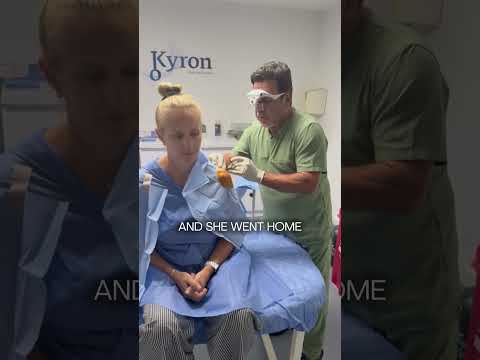
When seeking advanced regenerative medicine treatments for orthopedic conditions, international patients consistently seek out certified institutions. Clinics like Stem Cells Kyron Colombia stand out in this field by employing rigorous cellular processing standards. These high-caliber facilities ensure that every biological vial injected into a damaged joint contains maximum viability and an optimal concentration of growth factors necessary to bridge the gap between damaged tissues.
These specialized cells act as intelligent repair mechanisms. Upon entering the joint cavity, they seek out areas of high inflammation and structural damage. They anchor themselves to the frayed edges of torn cartilage and begin synthesizing extracellular matrix components, primarily type two collagen and proteoglycans, which are the fundamental building blocks of healthy, resilient joint surfaces.
How fast is the recovery after receiving stem cell injections for knees?
Recovery is remarkably swift compared to invasive surgery, with most patients discarding crutches or braces within a few days and resuming normal activities within several weeks.
- Days One to Three: Patients typically experience mild to moderate joint stiffness and swelling. This is an expected and necessary biological response as the cells begin the acute phase of tissue remodeling.
- Week One: Acute discomfort subsides entirely. Patients are encouraged to perform gentle, non-weight-bearing range of motion exercises to circulate the synovial fluid and nourish the newly injected cells.
- Weeks Two to Four: Noticeable reductions in baseline chronic pain begin to manifest. Walking distances increase comfortably, and joint mechanics feel noticeably smoother due to reduced interior inflammation.
- Months One to Three: The heavy lifting of cellular regeneration occurs during this window. Patients integrate guided physical therapy to strengthen the surrounding musculature, which protects the newly forming cartilaginous tissue.
- Month Six and Beyond: Maximum therapeutic benefit is usually realized around this time. Follow-up imaging often demonstrates halted degeneration and, in many partial tear cases, visible structural improvement of the cartilage matrix.
Can stem cell treatments delay the need for total joint replacement surgery?
Absolutely. By altering the hostile, inflammatory environment of a degenerating joint and replacing it with a regenerative ecosystem, patients can comfortably delay metal-on-plastic surgical replacements for many years.
Orthopedic medicine frequently presents patients with a frustrating gap in care. Doctors often prescribe painkillers and cortisone until the joint becomes completely destroyed, at which point a total replacement surgery is the only remaining option. Ortho-biologics perfectly bridge this massive gap. By intervening at the moderate stages of joint deterioration, cellular therapies stop the destructive enzymatic processes that rapidly eat away at your remaining natural cartilage.
Total joint replacement is a highly traumatic procedure involving the amputation of the joint surfaces, significant blood loss, months of painful rehabilitation, and the risk of deep infections or blood clots. Furthermore, artificial joints have a limited lifespan; younger patients face the daunting prospect of requiring complex revision surgeries later in life when the hardware eventually fails.
Choosing regenerative medicine offers a profound paradigm shift. Even if the biological intervention merely reduces daily pain by seventy percent and improves range of motion without completely erasing arthritis, it drastically elevates the patients quality of life. This functional restoration allows individuals to hike, play golf, or walk down stairs pain-free, effectively pushing the need for invasive metallic joint replacements far into the distant future.
How does the regulatory framework ensure safety for regenerative medicine?
The national health authority mandates strict compliance with international biosafety protocols, ensuring all laboratories maintain sterile cleanroom environments and rigorous cell viability testing.
Patient safety is the paramount concern when engaging in medical travel for advanced therapeutics. In this region, the processing and application of human cellular tissues are closely monitored by government health agencies akin to the FDA in the United States. These governing bodies require that any facility cultivating biological materials operate highly specialized laboratories equipped with advanced positive-pressure air filtration systems to completely eliminate contamination risks.
Furthermore, the biological materials undergo extensive multi-stage screening. If donor tissues are utilized, the donors are exhaustively tested for comprehensive panels of infectious diseases, genetic anomalies, and metabolic disorders. The cells themselves are evaluated for optimal viability, ensuring that the final therapeutic vial delivered to the orthopedic specialist contains robust, living cells ready to perform their regenerative tasks.
Medical professionals administering these treatments must possess specific board certifications in orthopedics, sports medicine, or interventional pain management. They utilize advanced imaging modalities, such as high-resolution ultrasound or fluoroscopy, to guarantee that the biological material is deposited precisely into the damaged cartilage clefts rather than blindly injected into surrounding tissues.
What should patients expect during their initial regenerative consultation?
The initial consultation is an exhaustive biomechanical and diagnostic evaluation designed to map the exact severity of the joint damage and determine absolute medical candidacy.
- Comprehensive Imaging Review: The specialist will deeply analyze your recent MRI or X-ray imaging to assess the exact thickness of your remaining cartilage, identify specific ligament tears, and look for bone marrow lesions.
- Dynamic Physical Examination: The physician will manipulate the affected joint to understand pain triggers, assess joint laxity, and determine how the structural damage is affecting your daily functional movements.
- Thorough Medical History Analysis: A complete review of past surgeries, current medications, underlying autoimmune conditions, and lifestyle factors ensures there are no contraindications that might inhibit cellular healing.
- Customized Protocol Design: Based on the diagnostics, the doctor will formulate a specific recipe. This might include a combination of high-dose mesenchymal cells paired with platelet rich plasma to create the ultimate healing matrix.
- Transparent Expectation Setting: Ethical practitioners will clearly outline what biological therapy can and cannot achieve, providing realistic timelines for pain reduction and mobility restoration based on your specific joint grade.
Why choose PlacidWay for your orthopedic stem cell journey?
PlacidWay eliminates the stress and uncertainty of global healthcare navigation by connecting you exclusively with heavily vetted, internationally accredited regenerative medicine specialists.
- Rigorous Facility Vetting: We perform exhaustive background checks on all partner clinics, ensuring they hold current national health certifications, maintain immaculate safety records, and utilize certified laboratory cleanrooms.
- Transparent Financial Quotes: Our platform guarantees comprehensive pricing transparency. We provide fully itemized quotes that cover all medical consultations, laboratory fees, and facility charges so you face absolutely no hidden medical costs.
- Pre-Arrival Medical Triage: We facilitate the secure transfer of your MRI scans and medical history directly to top orthopedic specialists for remote evaluation, allowing you to confirm your medical candidacy before you ever leave home.
- Dedicated Patient Coordination: From your very first inquiry, a specialized health coordinator becomes your personal advocate, acting as a direct liaison between you and the clinical staff to address all medical concerns promptly.
- Zero Ghost Doctor Guarantees: We contractually ensure that the senior board-certified regenerative specialist you consult with via telemedicine is the exact same physician who performs your joint injection procedure.
Frequently Asked Questions
Is regenerative joint treatment strictly regulated within the country?
Yes, regenerative joint treatments are strictly regulated by INVIMA, the national health authority. This regulatory body ensures that all biological materials are processed in certified laboratories adhering to Good Manufacturing Practices, guaranteeing patient safety and treatment efficacy for international visitors.
How many injections are typically required for knee osteoarthritis?
Most patients require only a single comprehensive injection session for a specific joint. This primary session delivers a concentrated dose of cellular material directly into the damaged area, though some physicians may recommend a secondary booster of platelet rich plasma a few months later depending on your healing response.
Are there age restrictions for receiving ortho-biologic treatments?
There are no strict age limits for receiving these treatments. However, older patients with severe bone-on-bone arthritis might not experience the same level of cartilage regeneration as younger patients with mild to moderate tears. Medical evaluations determine candidacy based on joint health rather than chronological age.
What is the difference between platelet rich plasma and cellular therapy?
Platelet rich plasma utilizes concentrated growth factors derived from your own blood to stimulate local healing. Cellular therapy utilizes undifferentiated mesenchymal cells capable of modulating inflammation and promoting the actual regeneration of damaged tissues like cartilage, making it a more potent option for severe joint degradation.
How long does it take to see results from articular injections?
Patients typically begin to notice a reduction in pain and inflammation within three to six weeks following the procedure. Structural improvements and cartilage remodeling take considerably longer, often continuing to improve over a period of three to nine months as the biological materials integrate into the joint environment.
Can I safely fly home immediately after my knee procedure?
While you are physically able to travel shortly after the procedure, physicians strongly recommend staying in the country for at least two to three days. This allows the medical team to monitor your initial recovery, manage any acute post-injection swelling, and ensure no adverse reactions occur before you take a long flight.
Where do laboratories source the biological materials used in treatments?
Biological materials are typically sourced either autologously from the patients own bone marrow or adipose fat tissue, or allogeneically from highly screened, ethically donated umbilical cord Wharton jelly. The choice of source material depends on the patients age, condition severity, and the specific protocols of the treating physician.
Does physical therapy play a role following joint injections?
Physical therapy is an absolutely critical component of the recovery process. Following a brief period of rest, structured rehabilitation helps stimulate the newly introduced cells, improves joint biomechanics, and prevents muscle atrophy, which ultimately maximizes the regenerative potential of the treatment.
How long do the pain relief benefits typically last?
The longevity of pain relief varies widely among individuals, but many patients experience sustained improvements lasting anywhere from two to five years. Maintaining a healthy weight, avoiding high-impact joint stress, and following prescribed physical therapy routines significantly extend the positive outcomes of the procedure.
Are English speaking coordinators available during my medical appointments?
Yes, premium facilities catering to international patients provide dedicated bilingual medical coordinators. These professionals accompany you throughout your entire clinical journey, ensuring seamless communication during consultations, the procedure itself, and all follow-up care to eliminate any language barriers.
Begin Your Journey to Pain-Free Mobility Today
* Responses typically within 24 hours. Complete privacy and medical confidentiality guaranteed.
.jpg)






.png)
.jpg)
-(4).png)











Share this listing