


Why Some Germans Seek Orthopedic Surgery in Turkey

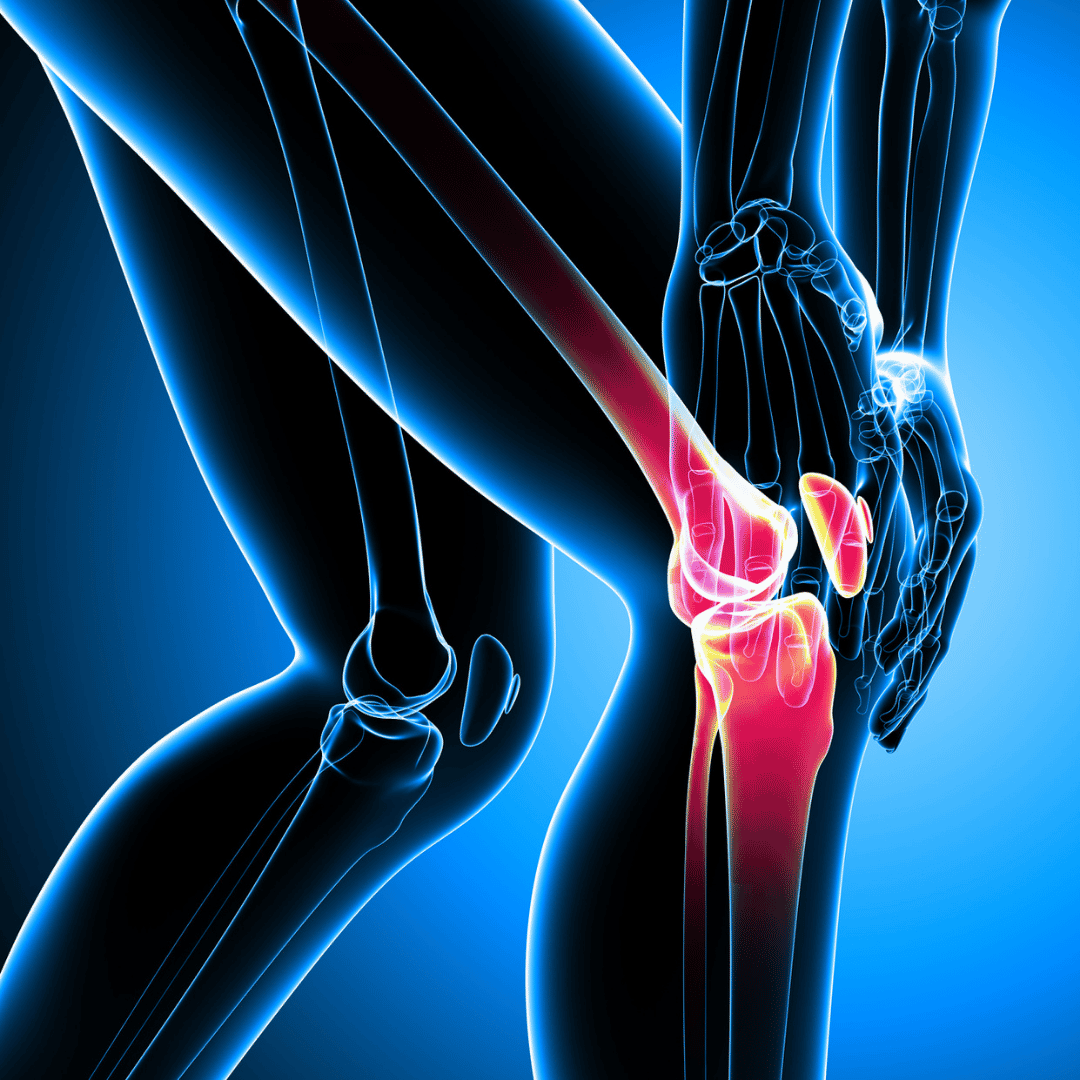
If you are living with severe joint pain, you know exactly how exhausting everyday life becomes. Walking up the stairs feels like a massive chore. Sleeping through the night is impossible because of the dull ache in your hip or knee. You finally decide it is time to get a joint replacement, only for your doctor to tell you that the public health system has a waiting list of 8 to 12 months for elective orthopedic procedures.
It is the exact scenario causing a massive shift in medical tourism. You might be asking yourself: Why are German patients traveling to Turkey for orthopedic surgery despite having world-class healthcare at home? The answer is simple: pain does not wait, and neither should you. You are likely terrified of leaving Germany's highly regulated medical system for a foreign country. You wonder if the implants are cheap knock-offs, or if the surgeons are truly qualified. I promise to give you completely honest, transparent information so you can make the right choice for your body, your wallet, and your peace of mind.
Quick Facts: Orthopedic Surgery in Germany vs Turkey
What Is Orthopedic Joint Replacement and How Does It Work?
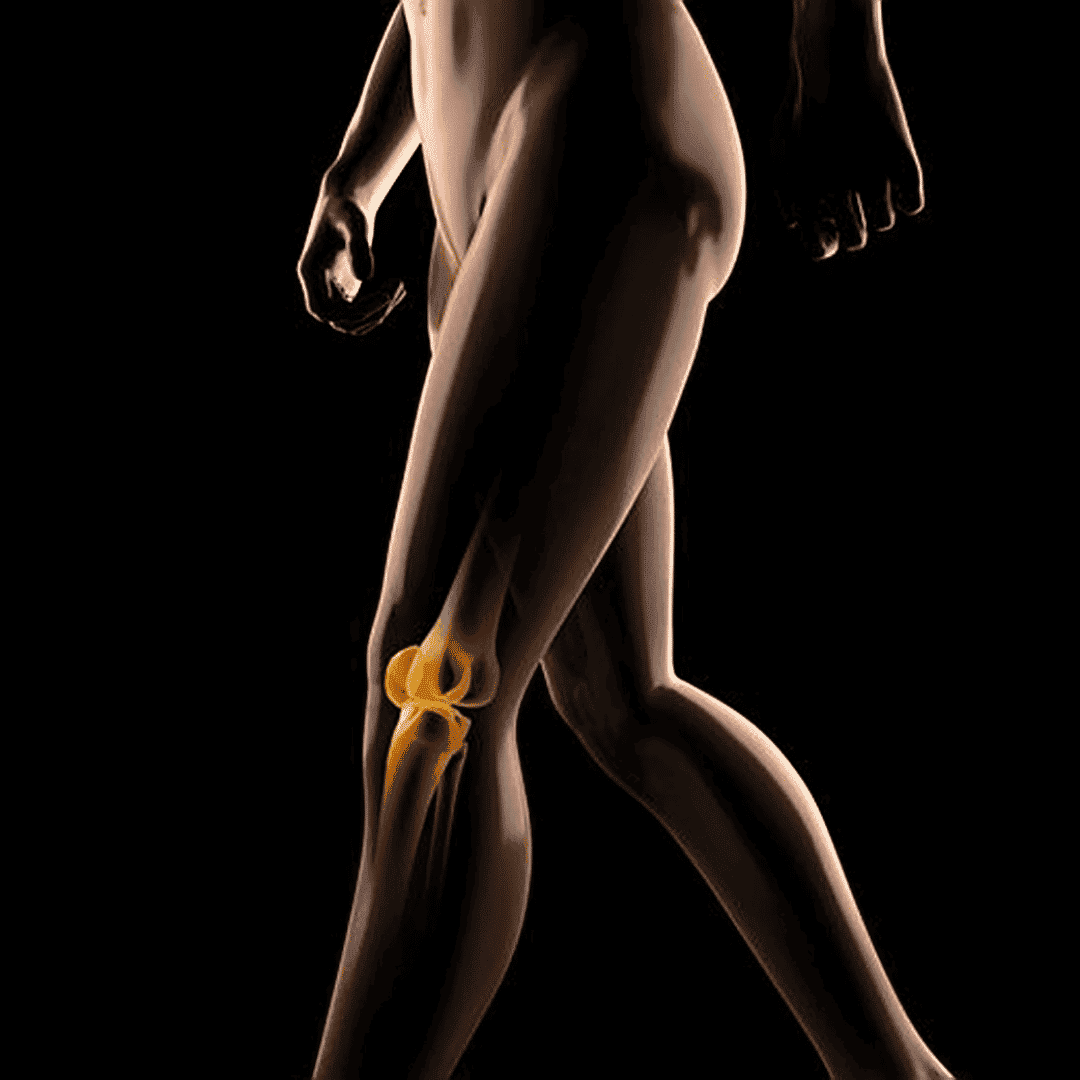
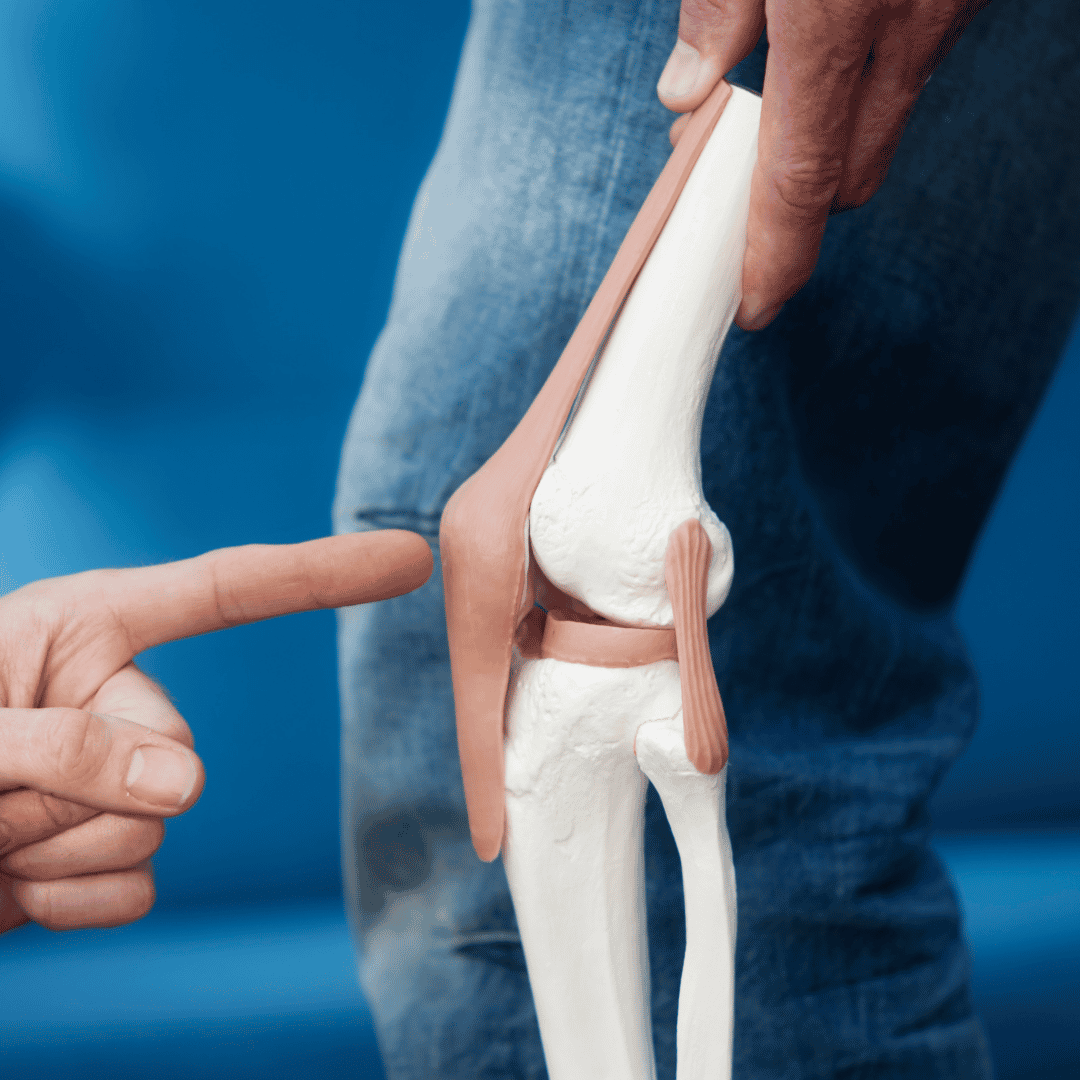
A joint replacement (arthroplasty) is a highly precise surgical procedure designed to swap out a worn, arthritic, or damaged joint for an artificial one. Whether it is your knee, hip, or shoulder, the mechanical concept is similar. Instead of bone grinding agonizingly on bone, the new prosthetic components glide smoothly against each other.
Here is step-by-step how the procedure works:
- Anesthesia and Incision: You are placed under general or spinal anesthesia. The surgeon makes a careful incision to access the damaged joint, moving aside muscles rather than cutting them whenever possible (minimally invasive techniques).
- Bone Preparation: The surgeon carefully trims away the damaged cartilage and a small amount of underlying bone to create a perfect surface for the new implant.
- Implantation: The artificial joint—typically made of a titanium alloy and highly durable polyethylene (plastic) is pressed or cemented into the newly prepared bone structure.
- Testing and Closure: The surgeon tests the joint's range of motion, ensuring perfect alignment and stability, before closing the incision with sutures or staples.
Living on painkillers and relying on walking aids only masks the deterioration. A joint replacement directly fixes the mechanical failure in your body. It is the definitive cure for severe osteoarthritis, giving you decades of pain-free movement.
Why Choose Orthopedic Surgery Packages in Turkey Over Waiting in Germany?
- Zero Waiting Times: In Germany, you might wait 6 to 12 months in pain. In Turkey, you choose your surgery date. You can fly out and have your new joint within two weeks.
- Premium Hospital Experience: Public German hospitals are functional but often understaffed. Turkish medical tourism hospitals operate like 5-star hotels, offering private rooms, dedicated nurses, and luxurious amenities for you and your companion.
- All-Inclusive Convenience: Finding a physiotherapist in Germany after surgery can be a nightmare. Turkish packages bundle the surgery, hospital stay, hotel recovery, VIP airport transfers, and your initial daily physical therapy sessions into one price.
- World-Renowned Surgeons: Many Turkish orthopedic surgeons complete fellowships in the US, UK, or Germany. They perform hundreds of complex joint replacements annually, far exceeding the volume of average local doctors.
- Immediate Quality of Life: Every month you wait for surgery is a month you miss out on hiking, playing with grandchildren, or simply sleeping without pain. Speed of access gives you your life back faster.
Cost of Orthopedic Surgery in Turkey vs Germany: Real Savings
If you lack private health insurance (PKV) in Germany, or if you simply want to avoid the massive co-pays and waiting lists, paying out-of-pocket is your only option. However, domestic private pricing is astronomically high. Here is exactly what you can expect to pay.
| Orthopedic Procedure | Germany (Private Cost) | Turkey (Package Cost) | Estimated Savings |
|---|---|---|---|
| Total Knee Replacement | €15,000 - €20,000 | €5,500 - €8,000 | 60% - 65% |
| Total Hip Replacement | €16,000 - €22,000 | €6,000 - €8,500 | 60% - 65% |
| Shoulder Replacement | €14,000 - €18,000 | €6,500 - €9,000 | 50% - 60% |
| Spinal Fusion (1 Level) | €18,000 - €25,000 | €7,500 - €11,000 | 55% - 60% |
| ACL Reconstruction | €7,000 - €10,000 | €3,000 - €4,500 | 55% - 60% |
Why are the prices so radically different? It is crucial to understand that the implants cost the same in both countries. A Zimmer Biomet knee implant is priced uniformly worldwide. The savings stem entirely from Turkey's lower cost of living, favorable currency exchange rates, reduced administrative overhead, and vastly lower labor costs for surgeons and nursing staff. You are paying for the exact same medical hardware, but spending far less on the human labor required to install it.
Is It Safe to Travel to Turkey for Orthopedic Surgery?
The anxiety is completely normal. Leaving the safety net of the German medical system feels like a leap of faith. But when you look at the empirical data regarding the quality of orthopedic implants in Turkey and hospital standards, the fear quickly dissolves.
| Quality Metric | Germany | Turkey | Notes |
|---|---|---|---|
| Implant Brands | Zimmer, Stryker, Smith&Nephew | Zimmer, Stryker, Smith&Nephew | Zero difference in hardware quality |
| Hospital Accreditation | KTQ / DIN EN ISO | JCI / ISO 9001 | JCI is the global gold standard |
| Surgical Tech | Mako Robotic Arm common | Mako Robotic Arm common | Turkey heavily invests in robotics |
| Post-Op Infection Rate | 1% - 2% | 1% - 2% | Statistically identical risks |
| Surgeon Volume | Moderate to High | Extremely High | More repetition = better outcomes |
Here is what guarantees your safety:
- Strict International Oversight: Over 30 hospitals in Turkey hold JCI accreditation. This is an American body that audits hospitals on over 1,000 strict safety metrics, including air filtration in operating rooms and sterilization protocols.
- Authentic Medical Materials: Your prosthesis comes in a sealed, barcoded box directly from international manufacturers. You will receive the physical "implant passport" proving its authenticity.
- Comprehensive Pre-Op Testing: You will not just walk in and get surgery. You will undergo extensive blood work, EKG, X-rays, and consultations with anesthesiologists to ensure you are healthy enough for the procedure.
- Surgeon Specialization: In the medical tourism sector, surgeons do not split their time between basic trauma and replacements. They focus exclusively on joint replacements, performing 300 to 500 a year.
By choosing an internationally accredited hospital in Turkey, you are stepping into an environment designed for maximum safety. To ensure this, always ask to see a clinic's JCI certification before booking.
How Long is the Recovery for Knee Replacement in Turkey?
Your orthopedic timeline is meticulously planned to get you back on your feet quickly and safely.
- Day 1 (Arrival & Testing): VIP airport pickup, check-in to hospital, comprehensive blood work, X-rays, and surgeon consultation.
- Day 2 (Surgery): The operation takes 1.5 to 3 hours. You will wake up in a private recovery room. Pain management begins immediately.
- Days 3-5 (Hospital Recovery): Within 24 hours, physical therapists will help you stand and take your first steps with a walker. Drains are managed, and IV antibiotics are administered.
- Days 6-13 (Hotel & Rehab): You move to a luxury recovery hotel. Daily physical therapy continues to build your range of motion. You practice stairs and walking longer distances.
- Day 14 (Flight Home): Final surgeon checkup, stitches removed (or checked if dissolvable), fit for compression socks, and clearance to fly back to Germany.
Crucial considerations for your trip:
- Flight Safety: You must take prescribed blood thinners and wear compression socks on the flight back to Germany to prevent Deep Vein Thrombosis (DVT).
- Physical Therapy: Healing does not stop when you land. You must continue physiotherapy in Germany for 2 to 3 months to achieve full knee or hip flexion.
- Language Barrier: Ensure your chosen clinic provides a dedicated, native German-speaking coordinator so nothing is lost in translation regarding medications or pain levels.
- Follow-up X-rays: You will need to take an X-ray at a local orthopedic clinic in Germany at the 6-week and 12-week marks to send back to your Turkish surgeon.
Who is the Ideal Candidate for Orthopedic Surgery in Turkey for German Patients?
Traveling abroad for major bone surgery requires a certain level of baseline health. Not everyone should get on a plane for joint replacement.
You are likely a great candidate if you have:
- Severe, daily joint pain that painkillers no longer manage
- Bone-on-bone friction visible on recent X-rays or MRIs
- Been told you need surgery but face a 6+ month waitlist in Germany
- Stable cardiovascular health and managed blood pressure
- The dedication to do daily physical therapy exercises for 3 months
- A companion willing to travel with you for moral and physical support
You may need to reconsider if you have:
- Severe Heart Disease: Recent heart attacks or unstable angina make general anesthesia and flying high-risk.
- High BMI (Obesity): A BMI over 40 significantly increases infection risks and implant failure rates. Some clinics will decline surgery until weight is reduced.
- History of DVT: If you have a history of serious blood clots, flying shortly after major orthopedic surgery is incredibly dangerous.
- Active Infections: Any current infection (even severe dental infections) must be cleared before artificial joints can be placed.
- Severe Osteoporosis: Bones must be strong enough to support the titanium implant.
- No Support System at Home: You will need someone to help with groceries and driving for the first 4 weeks back in Germany.
If you are frustrated with the system and fit the healthy profile, your next step is sending your local MRI or X-ray to a verified Turkish clinic for an initial assessment.
Frequently Asked Questions
It is totally normal to have a dozen concerns running through your mind before making a decision this big. We have compiled the most urgent questions German patients ask regarding costs, logistics, safety, and follow-up care for orthopedic treatments in Turkey.
How much does knee replacement cost in Turkey compared to Germany?
A total knee replacement in Turkey costs €5,500 to €8,000 including hospital stay and initial rehabilitation. In Germany, self-paying for the same private procedure costs €15,000 to €20,000. This represents a 60% savings.
Is the quality of orthopedic implants in Turkey the same as in Germany?
Yes. Top Turkish hospitals use the exact same FDA-approved and CE-marked implant brands used in Germany, such as Zimmer Biomet, Stryker, and DePuy Synthes. The materials and durability are identical.
Why are waiting times for orthopedic surgery in Germany so long?
Germany's public healthcare system is highly strained by an aging population and staff shortages. Elective procedures like joint replacements are often pushed back, resulting in wait times of 6 to 12 months for non-emergency patients.
What is the recovery time for joint replacement in Turkey?
You will walk with assistance within 24 hours of surgery. You typically spend 3-5 days in the hospital, followed by 7-10 days in a recovery hotel undergoing daily physical therapy. Full recovery at home takes 3 to 6 months.
Will my German health insurance pay for orthopedic surgery in Turkey?
Public insurers (Gesetzliche Krankenversicherung) usually do not cover elective surgeries outside the EU. Some private insurances (PKV) may cover part of the cost. Most patients pay out-of-pocket because the prices are highly affordable.
What happens if there are complications after I return to Germany?
Reputable Turkish hospitals provide comprehensive medical records in English or German. If complications arise, your local German healthcare system is legally required to treat you. Serious complication rates in premium Turkish hospitals are 1-2%, mirroring Germany.
How long do I need to stay in Turkey for orthopedic surgery?
For major surgeries like a hip or knee replacement, plan to stay in Turkey for 10 to 14 days. This allows time for the surgery, hospital recovery, removal of surgical drains, and clearance to safely fly home.
Do Turkish orthopedic surgeons speak English or German?
In internationally accredited hospitals, lead surgeons are fluent in English, and many have trained or worked in Germany. Hospitals also provide dedicated German-speaking patient coordinators who accompany you 24/7.
Is it safe to fly back to Germany after major orthopedic surgery?
Yes, provided you wait the recommended 10-14 days. You will be prescribed blood thinners to prevent Deep Vein Thrombosis (DVT) and given flight compression socks. The flight to Germany is short (3-4 hours), making it highly manageable.
How do I arrange physical therapy after returning home?
Your Turkish surgeon will provide a detailed, weeks-long physical therapy protocol. You can present this to your local physiotherapist in Germany to continue your rehabilitation seamlessly.
Which cities in Turkey are best for orthopedic procedures?
Istanbul, Antalya, and Izmir are the top destinations. Istanbul features the highest concentration of JCI-accredited mega-hospitals, while Antalya offers specialized recovery resorts combined with top-tier medical care.
Can I travel to Turkey alone for a joint replacement?
While you can, it is highly recommended to bring a companion. You will have limited mobility in the first few days. Many Turkish medical packages include free hotel stays for one companion to support your recovery.
Stop Waiting in Pain. Get Your Mobility Back.
References
- World Health Organization (WHO). "Osteoarthritis Facts and Global Burden."
- PlacidWay Medical Tourism. "Cost and Quality of Orthopedic Surgery in Turkey"
.png)

.png)
.png)
.png)
.png)



.png)
.png)
.jpg)
.png)












Share this listing