
Living with chronic joint pain or an autoimmune condition can feel incredibly isolating, especially when standard treatments stop providing relief. If you are exploring advanced regenerative medicine, this guide to mesenchymal stem cell therapy in Osaka, Japan, will help you understand your options in one of the world's most strictly regulated healthcare environments. Before traveling, it is vital to know that treatment packages typically range from $12,000 to $25,000 USD, and you must verify that your chosen clinic holds a valid Class II Regenerative Medicine certification from Japan's Ministry of Health, Labour and Welfare (MHLW).
Quick Answer Summary: Stem Cell Therapy in Osaka
- Estimated Treatment Range: $12,000 to $25,000 USD, depending on cell culturing requirements and the number of joints or systemic protocols involved.
- Essential Certifications to Verify: Clinics must possess MHLW (Ministry of Health, Labour and Welfare) Class II or Class III certification under the Act on the Safety of Regenerative Medicine (ASRM).
- Safety Overview: Highly regulated; Japan’s PMDA enforces strict protocols for cell culturing, significantly lowering contamination and complication risks.
- Ideal Candidate: Patients suffering from osteoarthritis, sports injuries, or specific autoimmune conditions who have not found relief through conventional medicine.
- Typical Recovery Time: Most patients return home within 3 to 7 days, with cellular regeneration continuing gradually over 3 to 6 months.
- Main Reason for Choosing Osaka: Access to legally permitted culture-expanded mesenchymal stem cells (MSCs) in state-of-the-art facilities, which is restricted in many Western nations.
- Important Caution: Stem cell therapy is not a guaranteed cure or permanent fix; success rates vary widely based on your individual diagnosis and overall health.
Why International Patients Choose Stem Cell Therapy in Osaka, Japan
Making the decision to travel overseas for medical care is never easy. You may be feeling frustrated by limited treatment options in your home country or anxious about the safety of international clinics. Japan has positioned itself as a global leader in regenerative medicine, offering a highly regulated, patient-first environment. Patients seeking stem cell therapy in Osaka, Japan, are drawn by the city’s blend of world-class scientific research, rigorous government oversight, and deeply compassionate patient care.
Rather than navigating unregulated markets, patients traveling to Osaka benefit from a legal framework specifically designed to safely culture and administer stem cells. Here are the primary reasons patients from around the world choose Osaka for their regenerative treatments:
- Culture-Expanded Cells: Unlike the United States or Canada, Japan’s ASRM laws legally permit the laboratory expansion of stem cells, allowing doctors to administer millions of potent cells per treatment.
- Rigorous Safety Laws: Every clinic must be certified by the Japanese government, ensuring laboratory standards match those of major hospitals.
- Advanced Medical Infrastructure: Osaka is home to specialized research hubs that translate Nobel Prize-winning cellular research directly into clinical applications.
- High Standards of Hygiene: Japanese medical facilities are globally recognized for their immaculate cleanliness and low hospital-acquired infection rates.
- Transparent Patient Care: Clinics prioritize thorough, pressure-free consultations with robust pre-screening to ensure you are a genuine candidate.
Patients typically travel from the United States, Australia, the United Kingdom, and neighboring Asian countries. Many are seeking orthopedic relief for degenerative joint diseases or targeted protocols for healthy aging and tissue repair. The data below highlights the primary clinical motivations driving medical travel to Japan's certified regenerative clinics.
Primary Clinical Motivations for Stem Cell Therapy in Japan (2024 Data)
Source: Compiled from 2024 inbound medical tourism patient registries and JSIRM facility data in Japan.
Patient Demographics & Clinical Travel Trends (2024-2026 Data)
Understanding who travels for regenerative medicine can provide valuable context for your own journey. According to 2024 clinical travel data tracking inbound patients to Japanese regenerative clinics, the demographic profile is highly specific. The majority of international patients seeking stem cell therapy in Osaka, Japan, fall between the ages of 50 and 70.
This age bracket aligns closely with the onset of degenerative conditions such as osteoarthritis of the knee and hip, which remains the primary driver for medical travel. These patients often seek out Osaka because their home countries limit stem cell treatments to same-day, uncultured procedures. Japan's ability to safely expand cells in a lab over several weeks offers a scientifically backed alternative that older adults find highly appealing.
Age Distribution of Inbound Stem Cell Patients to Japan (2024)
Source: 2024 demographic analysis of cross-border regenerative medicine patients in Japan.
Understanding the Science: How Stem Cell Therapy Works in the Body
Stem cells serve as your body's natural repair system. When you undergo mesenchymal stem cell (MSC) therapy, doctors introduce concentrated populations of these cells into damaged areas of your body. These specialized cells have a unique ability to reduce severe inflammation and modulate the immune system. They do not magically turn into new cartilage overnight; instead, they act as cellular managers, signaling your body's own native cells to begin the healing process.
In Osaka, clinics frequently utilize autologous MSCs—meaning the cells are harvested from your own fat tissue or bone marrow. This eliminates the risk of immune rejection. Once harvested, the cells are sent to an MHLW-approved cell processing center (CPC) where they are cultured over several weeks. This culturing phase multiplies the cells from a few thousand to tens or hundreds of millions, significantly enhancing the therapeutic potential when they are reintroduced into your body via injection or intravenous (IV) drip.
Medical Fact: Paracrine Signaling
Modern research indicates that MSCs heal primarily through the "paracrine effect." The stem cells release growth factors, cytokines, and exosomes into the damaged joint or tissue, which suppresses destructive inflammation and encourages your native cells to regenerate.
Common Conditions Treated with Regenerative Medicine in Japan
Patients pursuing stem cell therapy in Osaka, Japan, usually present with chronic, degenerative conditions that have resisted standard therapies like physical therapy, steroid injections, or heavy medication. Japanese doctors strictly evaluate each patient, as regenerative medicine works best for specific clinical profiles and is not suitable for every disease.
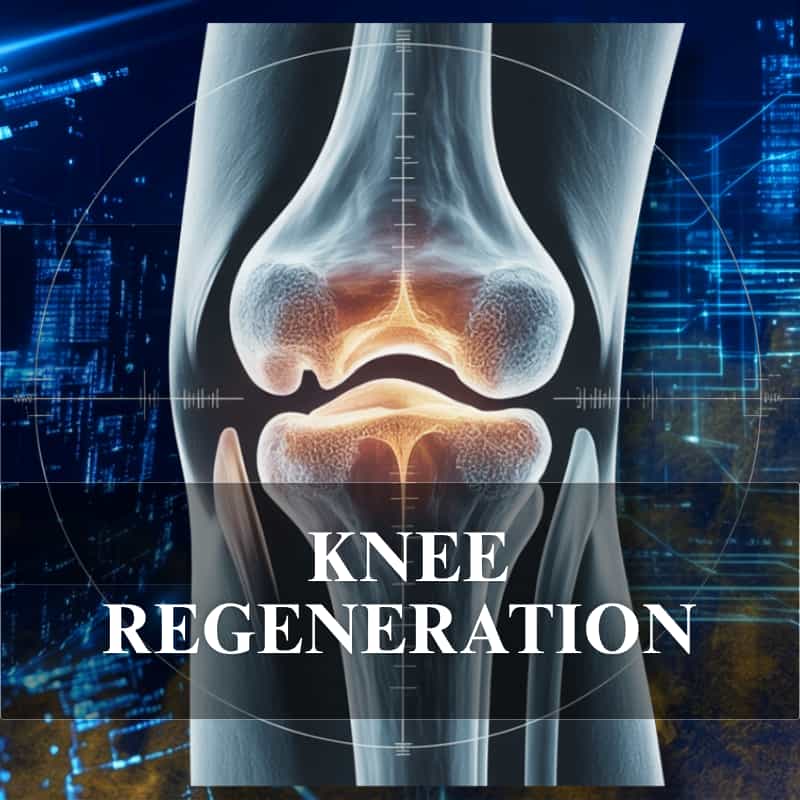
The most common application is for musculoskeletal disorders. Osteoarthritis, particularly in the knees, hips, and shoulders, responds well to localized intra-articular injections. The goal is to delay or prevent the need for total joint replacement surgery. Additionally, many clinics treat sports-related injuries, such as meniscus tears or tendon damage, accelerating the body’s natural tissue repair.
| Condition Category | Specific Ailments | Typical Treatment Protocol |
|---|---|---|
| Orthopedic & Joint | Knee Osteoarthritis, Hip Degeneration, Rotator Cuff Tears | Targeted intra-articular injection of cultured MSCs directly into the joint space. |
| Autoimmune Disorders | Rheumatoid Arthritis, Lupus, Multiple Sclerosis (MS) | Systemic IV infusion to utilize the immune-modulating properties of MSCs. |
| Neurological Support | Stroke Recovery, Neuropathy | IV infusions or specialized targeted injections, depending on the MHLW protocol approval. |
| Anti-Aging & Wellness | Systemic inflammation, tissue degradation | Systemic IV administration to reduce biological markers of aging and inflammation. |
Cost of Stem Cell Therapy in Osaka, Japan vs. Other Countries
Understanding the financial commitment is a vital part of your healthcare decision. The cost of stem cell therapy in Osaka, Japan, varies significantly based on the type of procedure, the source of the cells, and the amount of lab culturing required. Because the Japanese system legally mandates rigorous cell processing in certified labs, you are paying for high-tier biological safety and cellular volume, not just the clinical procedure.
On average, patients can expect treatment packages in Osaka to range from $12,000 to $25,000 USD. Simple, uncultured treatments (like PRP) cost much less, while systemic, culture-expanded MSC protocols sit at the higher end of the spectrum. When comparing costs to Western nations, the primary difference lies in the legality of cell expansion. In the US, similar culture-expanded therapies are largely unapproved or available only in strict clinical trials, forcing patients to look abroad for this specific level of cellular therapy.
Cost Transparency Note
Prices quoted by clinics usually include the initial consultation, harvesting procedure, lab culturing, and the final administration. However, always ask for an itemized quote. Blood work, specialized imaging (like MRIs), and medical translation services may incur additional fees.
| Country | Estimated Cost Range (USD) | Cultured Cells Legally Permitted? |
|---|---|---|
| Osaka, Japan | $12,000 - $25,000 | Yes (Under strict MHLW regulation) |
| United States | $5,000 - $15,000+ | Highly restricted by FDA |
| Australia | $8,000 - $20,000 | Restricted (TGA oversight) |
| Mexico | $4,000 - $12,000 | Varies widely by state/clinic |
Navigating Japanese Healthcare: Regenerative Medicine Regulations
Japan boasts one of the most transparent and tightly controlled regenerative medicine frameworks in the world. As a patient, this legal structure provides immense peace of mind. In 2014, the Japanese government enacted the Act on the Safety of Regenerative Medicine (ASRM), monitored closely by the Ministry of Health, Labour and Welfare (MHLW) and the Pharmaceuticals and Medical Devices Agency (PMDA).
Under this law, medical institutions cannot legally offer stem cell therapy without government approval. The treatments are categorized into three risk classes. When seeking mesenchymal stem cell therapy in Osaka, Japan, you must ensure your clinic holds the appropriate class certification.
Class I (High Risk)
Involves embryonic stem cells, iPS cells, or genetically modified cells. Generally restricted to major research hospitals and active clinical trials.
Class II (Medium Risk)
Involves cultured adult somatic cells, including expanded MSCs for joint injections or IV drips. This is the certification you must look for when receiving culture-expanded stem cells.
Class III (Low Risk)
Involves uncultured somatic cells, such as PRP (Platelet-Rich Plasma) or same-day SVF (Stromal Vascular Fraction) fat grafting.
Choosing the Right Hospital or Clinic in Osaka
Finding a trustworthy facility is the most critical step in your medical journey. Because regenerative medicine is highly specialized, a standard aesthetic clinic is not equipped to handle complex stem cell culturing safely. You need a dedicated medical facility that strictly adheres to the PMDA and MHLW guidelines.
When evaluating providers for stem cell therapy in Osaka, Japan, you should follow a strict vetting process. Do not rely solely on website marketing. Ask for verifiable license numbers and request details about their Cell Processing Center (CPC). Some clinics have an in-house CPC, while others contract with government-approved external laboratories.
Provider Vetting Checklist
- Can the clinic provide their official MHLW Class II or Class III facility number?
- Do they clearly explain the biological source of their stem cells?
- Is their Cell Processing Center (CPC) licensed and registered with the government?
- Do they offer comprehensive pre-treatment screening, including blood tests and imaging reviews?
- Do they provide medical interpreters for English-speaking patients?
How to Verify Your Stem Cell Doctor’s Credentials in Japan
The success of your treatment depends heavily on the medical expertise of your physician. In Japan, standard medical licensure is issued by the Ministry of Health, Labour and Welfare. However, because stem cell therapy is a highly advanced field, your treating physician should possess specific training beyond general practice.
You should prioritize doctors who are recognized by the Japanese Society for Regenerative Medicine (JSRM). A JSRM board certification indicates that the physician has undergone specialized education in cellular therapies, understands the strict protocols for safe administration, and stays updated on the latest peer-reviewed clinical research. Always ask the clinic about the primary physician’s background, their years of experience with stem cell injections, and their annual case volume for your specific diagnosis.
Types of Stem Cells Used in Japanese Clinics
Not all stem cells are the same, and understanding the terminology can prevent confusion when reviewing treatment plans. The vast majority of international patients receiving stem cell therapy in Osaka, Japan, are treated with Mesenchymal Stem Cells (MSCs). These cells are multipotent, meaning they can safely differentiate into various tissue types like cartilage, bone, and fat, making them ideal for orthopedic repair.
Clinics typically harvest these cells from two main areas: your adipose (fat) tissue or your bone marrow. Adipose-derived stem cells (ADSCs) are highly popular because harvesting fat via a mini-liposuction procedure is minimally invasive and yields a robust number of viable cells. Alternatively, some Japanese clinics are pioneering the use of allogeneic (donor) umbilical cord tissue MSCs, which offer highly potent cells for older patients whose own cells may have aged, though these fall under specific regulatory approvals.
The Treatment Process: What to Expect in Osaka
The journey for culture-expanded stem cell therapy in Osaka, Japan, generally requires two separate visits or an extended stay, due to the time needed to grow your cells in the laboratory. The entire process is designed to prioritize your safety and ensure the highest possible cellular viability.
If you choose to complete the process in a single trip, expect to stay in Osaka for approximately three to four weeks. Many international patients opt for two shorter trips: one for the cell harvest, and a return trip weeks later for the injection.
| Step | Timeline | What Happens |
|---|---|---|
| 1. Initial Consultation | Day 1 | Medical history review, physical exam, MRI/X-ray evaluation, and blood testing to clear you for the procedure. |
| 2. Cell Harvesting | Day 2 or 3 | A minor, minimally invasive procedure (like abdominal fat extraction or bone marrow aspiration) under local anesthesia. |
| 3. Laboratory Culturing | 2 to 4 Weeks | Your cells are transported to an MHLW-approved lab where they are isolated and multiplied into millions of potent MSCs. |
| 4. Administration | Week 4 | The expanded cells are injected directly into the damaged joint or administered via an IV drip. |
Recovery Timeline and Post-Treatment Care
Recovery from the physical procedures associated with stem cell therapy is typically swift and manageable. The initial fat harvest leaves only a tiny incision that heals within days, and the final cell injection feels similar to a routine cortisone shot. However, the biological recovery—the actual tissue regeneration—takes considerable time.
Your doctor will recommend resting the treated joint for the first few days. Over the next several weeks, the stem cells will work to reduce inflammation. It is crucial to follow a structured aftercare program, which often involves guided physical therapy. Do not expect immediate miracles; cellular healing is a gradual process that relies on your body's biological timeline.
Post-Treatment Milestone Expectations
Days 1-3: Mild swelling or stiffness at the injection site is normal. Rest and avoid strenuous activity.
Weeks 2-6: Initial reduction in severe joint inflammation often begins. Pain levels may start to decrease.
Months 3-6: Cellular signaling peaks. Patients often report improved mobility and a significant reduction in chronic pain during this window.
Potential Risks, Safety, and Complication Management
While autologous stem cell therapy in Osaka, Japan, is considered highly safe due to the strict regulatory environment, no medical procedure is entirely without risk. Because the cells come from your own body, the risk of immune rejection or severe allergic reaction is virtually eliminated. However, procedural risks still exist.
The primary risks include infection at the injection site, minor bleeding, or temporary swelling. More importantly, the most common "risk" is a clinical failure to improve. Stem cell therapy is not effective for everyone, and severe "bone-on-bone" osteoarthritis may still ultimately require surgery. To manage complications, ensure your chosen clinic has a clear protocol for emergency support and a transparent revision or follow-up policy.
Planning Your Medical Trip to Osaka: Visas and Logistics
Traveling to Osaka for medical care requires careful logistical planning. Japan offers a highly efficient public transportation network, and Osaka is easily accessible via Kansai International Airport (KIX). Many renowned clinics are located in central districts like Umeda or Namba, surrounded by comfortable hotels tailored for international visitors.
Depending on your nationality, you may enter Japan on a standard tourist visa, which is usually sufficient for short-term treatments. However, if your treatment protocol requires an extended stay beyond 90 days, the Japanese government offers a specific "Medical Stay Visa." Your chosen clinic or medical tourism facilitator can provide the necessary guarantee letters and documentation to support this visa application.
Frequently Asked Questions (FAQs)
Below are common questions patients ask when researching stem cell therapy in Osaka, Japan.
Is stem cell therapy legal and safe in Japan?
Yes. Stem cell therapy is highly regulated under the Act on the Safety of Regenerative Medicine (ASRM). Clinics must be certified by the Ministry of Health, Labour and Welfare (MHLW), ensuring strict laboratory and clinical safety standards.
How much does stem cell therapy cost in Osaka?
The cost typically ranges from $12,000 to $25,000 USD. This variance depends on the type of cells used, the extent of laboratory culturing required, and the number of joints or systemic conditions being treated.
Can stem cells cure bone-on-bone osteoarthritis?
Stem cell therapy is not a guaranteed cure and cannot fully regrow destroyed cartilage in severe "bone-on-bone" cases. It can, however, significantly reduce inflammation and pain, potentially delaying the need for a total joint replacement.
How long do I need to stay in Osaka for treatment?
If you are receiving culture-expanded stem cells, the process takes about 3 to 4 weeks from harvest to injection. Many patients choose to make two shorter trips to Japan to accommodate the lab culturing time.
What is an MHLW Class II certification?
It is a government certification required for Japanese clinics to legally administer medium-risk regenerative treatments, which includes the laboratory expansion (culturing) of adult somatic stem cells like MSCs.
Will I need a medical visa to travel to Japan?
Patients from many Western countries can enter Japan for up to 90 days on a standard tourist visa, which covers most stem cell treatment timelines. For longer stays, a specific Medical Stay Visa is available with clinic sponsorship.
Does stem cell therapy hurt?
The procedures are minimally invasive. The fat harvesting is done under local anesthesia, causing mild discomfort akin to deep bruising. The final joint injection feels similar to a standard vaccination or cortisone shot.
Are donor stem cells used in Japan?
Most clinics use autologous (your own) stem cells to prevent immune rejection. However, some strictly regulated facilities are approved to use allogeneic (donor) umbilical cord tissue MSCs for specific protocols.
How long does it take to see results after treatment?
Cellular regeneration is a slow process. While some inflammation reduction occurs within weeks, most patients notice the most significant improvements in pain and mobility between 3 and 6 months post-treatment.
Do doctors in Osaka speak English?
While many top regenerative specialists read English medical literature, conversational fluency varies. Reputable clinics catering to international patients typically provide dedicated, in-house medical interpreters to ensure clear communication.
Let PlacidWay Guide Your Regenerative Journey
Navigating international healthcare regulations, comparing clinic certifications, and understanding complex treatment costs can be stressful. PlacidWay can help you connect with verified, legally compliant regenerative medicine providers in Osaka, ask the right medical questions, and secure transparent quotes for your journey.
Request Free Information TodayDisclaimer
Disclaimer: This information is for educational purposes only and does not replace professional medical advice. Always consult a qualified healthcare provider before making medical decisions. Stem cell therapy success rates vary, and treatments discussed may not be suitable for all patients.
References
- Overview of the Act on the Safety of Regenerative Medicine – Ministry of Health, Labour and Welfare (MHLW), Japan
- Cellular and Tissue-based Products Regulations – Pharmaceuticals and Medical Devices Agency (PMDA)
- Guidelines and Certifications in Regenerative Medicine – Japanese Society for Regenerative Medicine (JSRM)
- Clinical Trends and Regulatory Frameworks of Stem Cell Therapies in Japan (2024 Updates) – National Institutes of Health (NIH)
- Inbound Medical Tourism and Medical Stay Visas – Japan National Tourism Organization (JNTO)
- Efficacy of Mesenchymal Stem Cells in Knee Osteoarthritis: Recent Clinical Data – National Library of Medicine (NLM)


.png)




.png)
.png)
-(2).png)


-(10).png)

.png)








Share this listing