
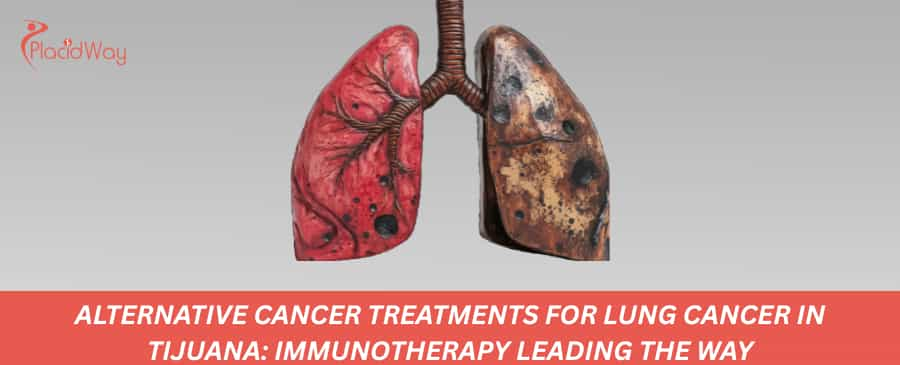
When facing a difficult diagnosis, exploring alternative cancer treatments for lung cancer in Tijuana, Mexico offers you access to supportive therapies that focus on your whole body. Navigating healthcare across borders requires careful research into estimated overall costs and essential facility credentials, like COFEPRIS licensing, to protect your well-being. This guide helps you understand integrative holistic oncology options, compare reputable clinics safely, and make an informed decision for your health journey.
Quick Summary
- Estimated Cost: Comprehensive 3-week holistic programs typically range from $18,000 to $35,000 USD, while individual outpatient IV therapies range from $150 to $500 per session.
- Safety Overview: Treatments are generally safe when provided as supportive adjuncts by certified professionals, but they must not replace conventional primary oncology care.
- Ideal Candidate: Patients seeking to manage treatment side effects, boost immune function, and improve quality of life alongside traditional therapies.
- Recovery Time: Most alternative therapies are outpatient procedures with minimal to no downtime, allowing patients to maintain normal daily activities.
- Main Reason Patients Choose Tijuana: Proximity to the US border, affordability, and the availability of specialized holistic oncology protocols in a supportive environment.
- Important Certifications: Always verify that the clinic holds an active COFEPRIS (Mexican Ministry of Health) license and that doctors are certified by the Consejo Mexicano de Oncología.
Understanding Alternative Cancer Treatments for Lung Cancer in Tijuana
Many international patients travel to Mexico seeking integrative and holistic therapies that may not be widely available in their home countries. Alternative cancer treatments for lung cancer in Tijuana generally focus on strengthening the immune system, managing pain, and improving overall well-being. These therapies are considered supportive adjuncts rather than primary curative measures.
Understanding the difference between alternative and complementary medicine is crucial for your safety. When used alongside traditional chemotherapy or radiation, these treatments can offer comprehensive symptom management. Patients choose Tijuana for its unique combination of specialized holistic centers and accessible cross-border healthcare.
- Focus on metabolic and immune system support
- Customized nutritional and dietary protocols
- Integration of mind-body wellness practices
- Emphasis on detoxification and cellular health
- More affordable long-term holistic care packages
Before traveling, you must discuss any holistic treatments with your primary oncologist at home. Certain alternative therapies can interact with conventional medications, making collaborative medical oversight essential.
Common Supportive Lung Cancer Approaches in Tijuana, Mexico
Clinics in Tijuana offer a wide variety of supportive therapies tailored to respiratory health and immune function. These protocols are designed to help your body better tolerate traditional cancer treatments. Common options include high-dose intravenous vitamins, hyperthermia, and specialized immune therapies.
| Therapy Type | Biological Focus | Typical Patient Experience |
|---|---|---|
| High-Dose IV Vitamin C | Oxidative stress management and immune support | Painless outpatient infusion lasting 1-2 hours |
| Local Hyperthermia | Using heat to sensitize tumor cells | Warm sensation over the targeted chest area |
| Ozone Therapy | Enhancing cellular oxygenation | Blood is drawn, oxygenated, and returned via IV |
| Dendritic Cell Therapy | Training immune cells to recognize antigens | Requires blood draw, lab culture, and reinjection |
Each treatment plan should be personalized based on your specific lung cancer staging and current physical condition. Your holistic doctor in Mexico will typically review your recent medical records before suggesting a specific combination of these therapies.
Cost of Alternative Lung Cancer Treatments in Tijuana vs. US/Canada
The financial burden of chronic disease management drives many patients to research cross-border healthcare options. Alternative cancer treatments for lung cancer in Tijuana, Mexico often cost 50% to 70% less than equivalent holistic therapies in the United States or Canada. This affordability allows patients to access comprehensive multi-week programs that might otherwise be out of reach.
Prices vary significantly based on the specific clinic, the complexity of the therapy, and whether you require inpatient or outpatient care. It is vital to request a fully itemized quote to understand exactly what your treatment package includes.
| Treatment / Service | Estimated Cost in Tijuana (USD) | Estimated Cost in US/Canada (USD) |
|---|---|---|
| Single IV Vitamin C Session | $150 - $300 | $400 - $800 |
| Hyperthermia (Per Session) | $300 - $600 | $1,000 - $2,500 |
| Immunotherapy Protocol (Monthly) | $8,000 - $15,000 | $20,000 - $40,000+ |
| Comprehensive 3-Week Inpatient Holistic Package | $18,000 - $35,000 | $45,000 - $80,000+ |
Patient Demographics: Who Travels for Alternative Cancer Care?
Medical tourism data from 2024 to 2025 shows a specific demographic trend for patients seeking integrative oncology in Mexico. The majority of individuals traveling for alternative cancer treatments for lung cancer in Tijuana are North Americans looking for supportive care to complement their primary treatments. These patients are often focused on maintaining their quality of life during late-stage diagnoses.
Recent cross-border health reports indicate that patients aged 56 to 70 make up the largest segment of this medical travel population. This group frequently researches holistic options after experiencing severe side effects from conventional therapies.
Age Distribution of Integrative Oncology Patients in Tijuana (2024-2025 Data)
Data reflects verified cross-border healthcare travel patterns for holistic oncology in Mexico (Updated 2025).
Understanding these demographics helps clinics tailor their services to the specific needs of older adults traveling abroad. These facilities frequently offer specialized dietary planning, bilingual staff, and on-site psychological support to cater to this specific patient base.
Evaluating Clinic Credentials and Safety in Mexico
Safety must be your absolute priority when researching alternative cancer treatments for lung cancer in Tijuana, Mexico. The Mexican healthcare system is regulated by national authorities, and reputable clinics adhere to strict governmental oversight. You must proactively verify a facility's legal standing before booking any treatment.
Relying solely on glossy marketing brochures or unverified online reviews is risky. Instead, you should request official documentation and verify the clinic's registration with local and federal Mexican health ministries.
- COFEPRIS License: The Federal Commission for the Protection against Sanitary Risk must license the facility to operate medically.
- Consejo de Salubridad General: National certification indicating adherence to high hospital safety standards.
- Local Health Ministry Approval: Registration with the Baja California State Health Department.
- On-site ICU Access: Ensure the clinic has emergency transfer protocols in place if a medical complication arises.
Do not hesitate to ask a clinic for their COFEPRIS license number. Reputable holistic medical centers in Tijuana are accustomed to international patients asking for these credentials and will provide them willingly.
How to Choose the Right Oncologist or Specialist in Tijuana
Just as clinic credentials matter, the qualifications of the medical professionals administering your alternative treatments are critical. Your lead doctor should have formal medical training and recognized specializations, even if they practice integrative or holistic medicine. A properly qualified specialist ensures your supportive therapies do not interfere with your baseline oncology care.
When reviewing a doctor’s background, look for specific national board certifications. In Mexico, medical specialties are governed by distinct national councils that ensure continuing education and ethical practice.
- Verify they hold a valid "Cédula Profesional" (Mexican Medical License).
- Check for certification by the Consejo Mexicano de Oncología (Mexican Board of Oncology) where applicable.
- Look for specialized post-graduate training in integrative medicine or immunology.
- Confirm they have years of verifiable experience specifically handling complex respiratory oncology cases.
Integrating Alternative Care With Traditional Oncology
Alternative cancer treatments for lung cancer in Tijuana are most effective when utilized as part of a comprehensive, integrative health plan. Patients should view these therapies as tools to manage the harsh side effects of chemotherapy, such as fatigue, nausea, and neuropathy. Abandoning conventional treatment in favor of unproven alternatives poses severe risks to your health.
Open communication between your home oncologist and your holistic doctor in Mexico is vital. Many leading integrative clinics in Tijuana will actively request to coordinate with your primary care team in the US or Canada.
| Conventional Treatment | Common Side Effect | Potential Supportive Alternative Therapy |
|---|---|---|
| Chemotherapy | Severe fatigue and nausea | High-Dose IV Vitamin C, Acupuncture |
| Radiation Therapy | Tissue inflammation | Hyperbaric Oxygen Therapy (HBOT) |
| Targeted Therapy | Immune suppression | Dendritic Cell Therapy, Specialized Nutrition |
By treating these modalities as a united strategy, you optimize your body’s resilience. Ensure that any supplements or IV therapies you receive abroad are clearly documented so your primary oncologist can monitor for potential drug interactions.
Holistic Oncology Success Rates and Patient Expectations
Defining "success" in alternative oncology differs significantly from conventional medicine. While traditional treatments measure success in tumor shrinkage or remission rates, alternative cancer treatments for lung cancer in Tijuana primarily measure success through Quality of Life (QoL) improvements. Patients often report better energy levels, reduced pain, and enhanced mental clarity.
Setting realistic expectations is a vital part of your healing journey. Recent clinical registries tracking integrative oncology patients show measurable improvements in daily functioning and symptom reduction over a six-month period.
Reported Patient Quality of Life (QoL) Improvements (2025 Data)
Graph illustrates average functional wellness scores reported by patients undergoing integrative adjunct therapies over 6 months (Published 2025 cross-sectional surveys).
These improvements highlight the true value of supportive care. While holistic therapies cannot guarantee survival outcomes, enhancing your physical strength and emotional resilience plays a critical role in your overall cancer battle.
Preparing for Your Medical Trip to Tijuana, Mexico
Traveling for medical care requires organized planning, especially for patients dealing with a compromised immune system. Tijuana is highly accessible from the United States, with most patients flying into San Diego International Airport and taking a short drive across the border. Many premium clinics offer dedicated medical shuttle services to streamline this process.
Because you are traveling with a medical condition, you must prepare your medical records, passports, and necessary health items well in advance. Having a clear timeline reduces stress and allows you to focus solely on your healing.
Always inform your bank that you will be traveling to Mexico to prevent credit card holds during payment. Furthermore, ensure you understand the clinic’s policies regarding outpatient accommodation and whether a caregiver can stay with you during the program.
Potential Risks and Patient Considerations
Every medical procedure, including holistic and alternative therapies, carries a degree of risk. When evaluating alternative cancer treatments for lung cancer in Tijuana, Mexico, you must remain acutely aware of potential complications. While many therapies are non-invasive, they can still trigger adverse physical reactions in patients with compromised health.
It is vital to discuss contraindications with your medical team. For example, high-dose IV therapies can strain kidney function, which must be carefully monitored. A reputable clinic will always require baseline blood work before initiating any new protocol.
| Risk Factor | Clinical Implication | Prevention Strategy |
|---|---|---|
| Drug Interactions | Alternative herbs may reduce chemotherapy efficacy | Full disclosure of all treatments to both oncology teams |
| Infection at IV site | Risk of sepsis in immunocompromised patients | Ensure the clinic follows strict sterile COFEPRIS guidelines |
| Metabolic Imbalance | Electrolyte shifts from aggressive detox therapies | Continuous monitoring of metabolic panels by the clinical staff |
If you experience fever, shortness of breath, or severe pain during your treatment in Tijuana, notify the clinical staff immediately. Choose a facility that has explicit emergency transfer protocols with a local licensed hospital.
Nutrition and Detoxification in Alternative Lung Cancer Protocols
Nutrition forms the foundation of almost all alternative cancer treatment programs in Tijuana. These clinics operate on the principle that providing the body with optimal micronutrients creates a hostile environment for cancer cells while supporting healthy tissue. Detoxification protocols aim to clear metabolic waste generated by both the cancer and prior chemotherapy.
You can expect your dietary regimen to change significantly during your stay. Most holistic centers completely eliminate processed sugars, refined carbohydrates, and inflammatory fats from your meals.
- Organic, plant-heavy, alkaline-focused diets
- Cold-pressed juicing for rapid nutrient absorption
- Coffee enemas for liver detoxification
- Targeted oral supplementation (Vitamin D3, Curcumin, Omega-3s)
This nutritional education is designed to be sustainable once you return home. Patients are typically provided with comprehensive meal plans and supplement schedules to continue their supportive care independently.
Post-Treatment Care and Follow-up Strategy
Your holistic health journey does not end when you cross the border back home. Effective alternative cancer treatments for lung cancer in Tijuana require a structured aftercare program to maintain the immune benefits achieved during your stay. Reputable clinics will assign you a medical coordinator to monitor your progress remotely.
You should expect to schedule telemedicine consultations with your Mexican holistic doctor at 30, 60, and 90-day intervals post-treatment. During these calls, the doctor may adjust your at-home supplement dosages based on your ongoing symptoms and new lab results.
Maintaining communication between your home healthcare providers and your international doctors ensures a seamless continuum of care. Always monitor for delayed side effects and seek immediate local medical attention if your respiratory symptoms suddenly worsen.
Frequently Asked Questions
Are alternative cancer treatments for lung cancer in Tijuana, Mexico safe?
When administered by licensed professionals in COFEPRIS-certified facilities, these therapies are generally safe as supportive adjuncts. However, they carry risks like infection or drug interactions, so they must be closely monitored and should never replace your conventional oncology care.
Can these holistic therapies cure my lung cancer?
No. Alternative and holistic therapies in Tijuana are designed to support your immune system, improve quality of life, and manage traditional treatment side effects. They are not a guaranteed cure for lung cancer.
How much does a comprehensive integrative oncology program cost in Mexico?
Comprehensive 3-week holistic inpatient programs typically range from $18,000 to $35,000 USD. Prices vary based on the required therapies, clinic amenities, and patient condition.
Do I need a passport to travel to Tijuana for medical care?
Yes, international patients traveling from the United States or Canada must have a valid passport to cross the border into Mexico and return to their home country.
What is a medical Fast Pass for border crossing?
A medical Fast Pass is a specialized permit provided by reputable Tijuana clinics to their patients. It grants access to a dedicated medical lane at the US-Mexico border, significantly reducing wait times when returning home.
What credentials should I look for when choosing a clinic in Tijuana?
You should always verify that the clinic has an active license from COFEPRIS (the Mexican health authority). Additionally, ensure the lead doctors are certified by the Consejo Mexicano de Oncología or equivalent medical boards.
Will my health insurance cover alternative cancer treatments in Mexico?
Most US and Canadian health insurance providers do not cover alternative or holistic cancer treatments, especially those performed internationally. Patients should plan to pay out-of-pocket and request itemized quotes upfront.
How long do I need to stay in Tijuana for treatment?
Treatment duration varies widely. Some outpatient IV therapies take only a few hours, while comprehensive immune and detox programs typically require a stay of 2 to 4 weeks at the facility.
Are the clinic staffs in Tijuana bilingual?
Yes, reputable clinics catering to medical tourists in Tijuana employ bilingual doctors and nursing staff. Many also provide dedicated patient coordinators to assist with communication and logistics.
Should I stop my chemotherapy before trying alternative treatments?
No, you should never abandon your conventional oncology treatments without consulting your primary medical team. Alternative treatments should be used supportively in conjunction with your existing chemotherapy or radiation plan.
Ready to Explore Your Holistic Health Options?
PlacidWay can help you compare highly-rated clinics, review estimated treatment costs, and connect with certified specialists in Tijuana, Mexico. Let us support your journey to better health.
Request Free Information TodayDisclaimer: This information is for educational purposes only and does not replace professional medical advice. Always consult a qualified healthcare provider before making medical decisions.
References
- Federal Commission for the Protection against Sanitary Risk (COFEPRIS) – Mexican Government Health Ministry
- Complementary and Alternative Medicine – National Cancer Institute
- Medical Tourism Index: Destination Mexico (2024-2025 Data) – Medical Tourism Association
- Complementary and Integrative Methods – American Cancer Society
- Official Certification Guidelines – Consejo Mexicano de Oncología (CMO)
- Patient-Reported Outcomes in Integrative Oncology (2025 Clinical Data) – Journal of Clinical Oncology






















Share this listing