
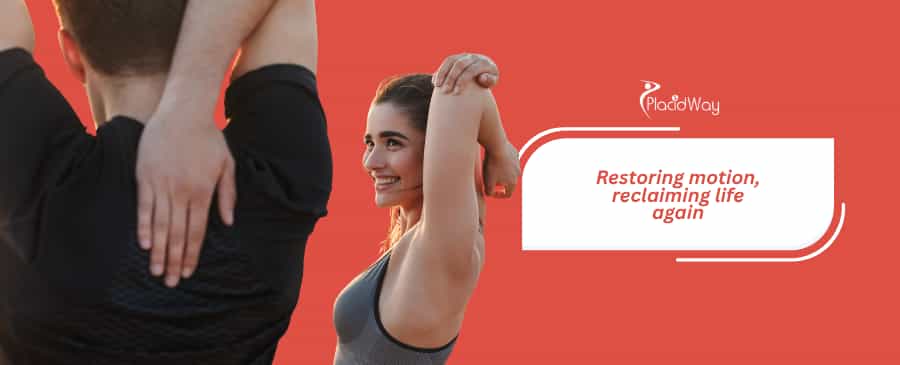
Chronic joint pain and cartilage degradation affect millions of individuals globally, significantly diminishing their quality of life. For years, patients facing the debilitating effects of osteoarthritis or sports injuries had limited options, often culminating in invasive joint replacement surgeries. Today, regenerative medicine has fundamentally shifted the orthopedic landscape, offering minimally invasive alternatives designed to harness the body’s innate healing capabilities.
Among the most promising advancements is advanced stem cell therapy in Turkey. Over the past decade, Istanbul has rapidly emerged as a global hub for medical innovation, combining highly skilled medical professionals with state-of-the-art laboratory infrastructure. International patients, particularly those navigating strict healthcare regulations in their home countries, are increasingly turning to Turkish facilities for specialized, patient-centric regenerative care.
- Minimally invasive approach to cartilage repair and tissue regeneration.
- Utilization of cutting-edge biotechnology and specialized laboratory processing.
- Focus on slowing joint degeneration and managing chronic inflammation.
- Personalized treatment plans tailored to international medical standards.
Why German Patients Prefer Istanbul for Orthopedic Regenerative Medicine
Germany boasts one of the world's most robust healthcare systems, yet patients seeking innovative regenerative treatments often face significant hurdles. Lengthy approval processes, stringent regulatory frameworks regarding stem cell expansion, and exorbitant out-of-pocket costs limit access to these advanced therapies domestically. Consequently, many individuals suffering from chronic knee, hip, or shoulder pain look beyond their borders for timely and effective solutions.
Istanbul presents a highly attractive alternative, perfectly blending geographic proximity with exceptional medical standards. A short, direct flight transports German patients to a city where elite medical professionals utilize globally recognized protocols. The growing trend of medical tourism in Turkey is largely driven by the availability of sophisticated medical technologies combined with compassionate, multilingual patient care that rivals the best European centers.
Istanbul's geographical location makes it incredibly convenient for European patients. A direct flight from Frankfurt or Munich to Istanbul takes less than three hours, making short-term medical travel highly accessible.
Types of Advanced Stem Cell Treatments Available in Turkey
Understanding the variations in regenerative therapies is crucial for patients exploring stem cell clinics in Turkey. The term "stem cell therapy" is an umbrella for several distinct protocols, each serving a unique orthopedic purpose. High-tier Turkish facilities typically utilize autologous treatments, meaning the regenerative cells are ethically and safely harvested from the patient's own body to eliminate the risk of rejection.
Medical teams carefully evaluate each patient's joint damage to determine the most effective cellular source. The two most prominent methods involve extracting mesenchymal stem cells (MSCs) from either adipose (fat) tissue or bone marrow. These cells are highly valued in orthopedics for their potential to differentiate into cartilage-like cells and their profound anti-inflammatory properties.
Mesenchymal Stem Cells (MSCs) are multipotent, meaning they have the remarkable ability to develop into various types of skeletal tissues, including cartilage, bone, and fat cells, which is why they are central to joint repair.
- Adipose-Derived Stem Cells (ADSCs): Extracted from abdominal or thigh fat, offering a high volume of regenerative cells ideal for large joint repair.
- Bone Marrow Aspirate Concentrate (BMAC): Harvested from the pelvic bone, highly effective for bone-related cartilage defects and deep tissue repair.
- Stromal Vascular Fraction (SVF): A specialized derivation of fat tissue that includes a potent mix of stem cells, growth factors, and healing proteins.
- Platelet-Rich Plasma (PRP) Augmentation: Often combined with stem cell injections to provide a concentrated boost of growth factors that accelerate tissue regeneration.
Affordable Stem Cell Therapy Cost in Turkey Compared to Germany
Financial consideration is a primary driver for the surge of medical travelers heading East. Regenerative treatments are rarely covered by standard public health insurance in Germany, forcing patients into the private healthcare market where costs can be prohibitively high. The affordable stem cell therapy in Turkey provides a solution that does not compromise on medical quality, hygiene, or technological sophistication.
The stem cell therapy cost in Turkey is significantly lower due to differences in the cost of living, lower operational overheads for clinics, and favorable exchange rates. Patients can often access comprehensive treatment packages—which include laboratory processing, physician fees, and medical testing—for a fraction of what they would pay in Western Europe. Below is a comparative overview of realistic market ranges.
| Procedure Name | Average Cost in Turkey | Cost Comparison with Germany |
|---|---|---|
| Autologous Adipose-Derived Stem Cells | $4,500 - $6,500 | $10,000 - $15,000 |
| Bone Marrow Aspirate Concentrate (BMAC) | $4,000 - $6,000 | $9,500 - $14,000 |
| SVF Therapy + PRP Injection | $3,500 - $5,500 | $8,000 - $12,000 |
| Comprehensive Joint Regeneration Package | $6,000 - $8,500 | $15,000 - $22,000 |
Understanding the Joint and Cartilage Repair Procedure in Istanbul
For international patients, understanding the clinical workflow helps alleviate anxiety associated with medical travel. The joint and cartilage repair procedure in Istanbul is generally performed as a same-day outpatient treatment. The entire process is conducted under strict sterile conditions, utilizing local anesthesia to ensure patient comfort throughout the extraction and injection phases.
The core philosophy of this treatment is precision. Advanced imaging technologies, such as fluoroscopy or ultrasound guidance, are routinely employed to ensure that the concentrated regenerative cells are delivered exactly into the damaged area of the joint cavity. This precise delivery system maximizes the therapeutic potential of the injected biomaterial.
Always ask your prospective clinic about the specific imaging technology they use for injections. Ultrasound-guided injections are far superior to "blind" injections for ensuring the stem cells reach the precise site of cartilage damage.
- Extraction: A small amount of fat tissue (via mini-liposuction) or bone marrow is gently extracted under local anesthesia.
- Processing: The tissue is immediately processed in a state-of-the-art centrifuge and specialized laboratory setting to isolate and concentrate the stem cells.
- Preparation: The isolated cells are often combined with growth factors or PRP to create a potent regenerative matrix.
- Injection: Using image guidance, the physician meticulously injects the cell suspension directly into the affected joint space.
Ideal Candidates for Orthopedic Stem Cell Treatments in Turkey
Regenerative medicine holds incredible promise, but it is not a universal cure for all orthopedic ailments. The success of the therapy relies heavily on accurate patient selection. Medical professionals in Turkey conduct thorough preliminary assessments—often reviewing MRI scans sent from Germany—to ensure that a patient is a viable candidate before any travel arrangements are made.
Typically, the best candidates are those experiencing mild to moderate joint degeneration who have not found relief from conservative treatments like physical therapy or corticosteroid injections. It is crucial to maintain transparent expectations; patients with severe, end-stage osteoarthritis where the joint space has completely collapsed are generally not suitable candidates for this intervention.
Strict Contraindications: Individuals with active infections, recent history of systemic cancers, blood-borne diseases, or severe "bone-on-bone" joint deterioration are generally advised against undergoing stem cell therapy for joint repair.
- Patients diagnosed with early to moderate osteoarthritis (Grade I to III).
- Individuals suffering from localized focal cartilage defects or sports-related meniscus injuries.
- Those seeking to delay or completely avoid invasive joint replacement surgeries.
- Patients in generally good health without severe underlying autoimmune disorders.
Potential Risks and Safety Protocols at Turkish Regenerative Clinics
As with any medical procedure, stem cell therapy carries inherent risks that must be carefully considered. Because the most prevalent treatments use the patient's own biological material, the risk of allergic reaction or cell rejection is practically eliminated. However, patients must be aware of the standard risks associated with medical injections and tissue harvesting.
Top-tier facilities dedicated to medical tourism in Turkey adhere strictly to international safety protocols. These clinics utilize certified clean rooms for cell processing to prevent contamination. While most patients experience a smooth procedure, transparent disclosure of potential side effects is a hallmark of ethical medical practice.
According to clinical literature on autologous stem cell treatments, the incidence of serious adverse events is highly rare, occurring in less than 1% of documented orthopedic cases when performed under standard sterile conditions.
- Common Side Effects: Temporary swelling, stiffness, and mild pain at both the extraction and injection sites, typically resolving within a few days.
- Infection Risk: Although rare, any procedure breaching the skin carries a risk of localized infection.
- Bleeding or Bruising: Minor bruising is common, particularly around the fat harvesting site.
- Variable Results: A recognized risk is the potential for the therapy to yield suboptimal regeneration, as biological responses vary per individual.
The Recovery Process After Stem Cell Injections for Joint Repair
One of the primary reasons German patients opt for cellular therapies over surgical interventions is the drastically reduced recovery timeline. Following the procedure in Istanbul, patients are usually discharged the same day. While immediate mobility is possible, a strategic rest period is essential to allow the newly introduced cells to anchor and begin the healing process.
The post-treatment protocol is designed to protect the joint while encouraging cellular proliferation. Medical teams provide detailed aftercare instructions, which generally include limiting weight-bearing activities and avoiding anti-inflammatory medications that could hinder the body's natural regenerative response. A gradual return to normal activities is expected over the following weeks.
Patients are typically advised to avoid Non-Steroidal Anti-Inflammatory Drugs (NSAIDs) like Ibuprofen for at least 4 to 6 weeks post-injection, as these medications can suppress the biological inflammation necessary for cellular repair.
- Days 1-3: Rest and minimal activity. Mild soreness is managed with prescribed non-NSAID pain relievers.
- Weeks 1-2: Gentle movement is encouraged to promote blood flow, but strenuous activities and heavy lifting remain strictly prohibited.
- Weeks 3-6: Introduction of light physical therapy to improve joint mobility and strengthen surrounding muscles.
- Months 2-3: Patients typically begin noticing significant reductions in pain and improvements in functional joint movement.
Success Rates and Expected Outcomes for Cartilage Regeneration
When traveling abroad for advanced healthcare, setting realistic expectations is paramount. Regenerative medicine relies on biological processes that unfold over time. Unlike a mechanical joint replacement that offers an immediate structural fix, stem cell therapy initiates a natural healing cascade that repairs tissue and modulates the immune response within the joint.
While absolute guarantees cannot be made in medicine, extensive clinical tracking shows promising outcomes for correctly selected candidates. Most patients experience sustained pain relief, decreased joint stiffness, and an overall improvement in their capacity to engage in daily activities. The longevity of these results can vary, often lasting for several years before any supplementary interventions might be considered.
Cartilage lacks a direct blood supply, which is why it heals so poorly on its own. Stem cell injections bridge this biological gap by delivering repairing cells and vital nutrients directly into the avascular joint space.
- Noticeable reduction in joint inflammation and swelling within the first month.
- Progressive improvement in pain scores typically peaking around the 3 to 6-month mark.
- Enhanced joint lubrication and structural stability over the long term.
- Potential delay of progressive joint degeneration, buying patients years of pain-free mobility.
How to Choose Top Stem Cell Therapy Clinics in Turkey
The booming medical tourism sector means patients have a wealth of options, but discerning quality is vital. When seeking stem cell clinics in Turkey, prospective patients must conduct rigorous due diligence. The difference between a standard cosmetic clinic and a specialized regenerative medical center is profound, particularly regarding laboratory standards and cell processing protocols.
International patients should look for facilities that hold recognized accreditations and feature multidisciplinary teams of orthopedic surgeons, biologists, and regenerative specialists. Transparency in communication, willingness to provide detailed pre-travel consultations, and clear explanations of realistic outcomes are strong indicators of a trustworthy medical institution.
Request a virtual consultation before committing to any travel. Use this time to ask about the specific processing techniques (e.g., closed-system centrifuge) and the exact type of cells that will be used for your specific joint condition.
- Verify international accreditations such as the Joint Commission International (JCI).
- Ensure the clinic possesses an on-site, specialized laboratory for rapid and sterile cell processing.
- Confirm that treatments are administered by board-certified orthopedic specialists or specialized interventional pain physicians.
- Seek out clinics that offer dedicated patient coordinators fluent in German or English.
Real Experiences of German Medical Tourists in Istanbul
Patient stories provide invaluable insight into the realities of undergoing regenerative treatments abroad. Many German individuals who once struggled with daily tasks due to joint pain have found renewed mobility following their medical journey to Istanbul. Their experiences frequently highlight not only the medical efficacy but also the exceptionally high level of patient care provided by Turkish healthcare teams.
Below are brief summaries reflecting the typical experiences of medical tourists who traveled for orthopedic cell therapies. These accounts demonstrate the variety of conditions treated and the life-enhancing improvements that many patients report after completing their rehabilitation.
Overcoming Knee Osteoarthritis
Klaus, a 58-year-old from Munich, faced the prospect of a knee replacement due to Grade III osteoarthritis. Seeking alternatives, he traveled to Istanbul for SVF therapy. Within four months post-treatment, he reported a significant reduction in pain, allowing him to resume hiking without the need for daily painkillers.
Healing a Chronic Shoulder Injury
Sabine, 45, from Berlin, suffered from a persistent rotator cuff tear that limited her mobility. After undergoing bone marrow-derived stem cell injections in Turkey, she experienced enhanced tissue healing. After completing her physical therapy, her shoulder range of motion was nearly restored to pre-injury levels.
Managing Hip Degeneration
Thomas, a 62-year-old avid golfer from Hamburg, struggled with early hip degeneration. Unwilling to undergo invasive surgery, he opted for an adipose-derived stem cell treatment. He noted that the personalized care and precision image-guided injection in Istanbul provided him with substantial relief, letting him return to the golf course six months later.
Alternative to Ankle Fusion
Julia, 50, from Frankfurt, had chronic post-traumatic arthritis in her ankle. Advised to get a fusion surgery domestically, she explored regenerative options abroad. The stem cell augmentation she received in Turkey effectively managed her inflammation, drastically improving her daily walking comfort and delaying surgical intervention.
Preparing for Your Medical Travel to Turkey for Regenerative Care
Thorough preparation is the key to a stress-free medical tourism experience. For German patients heading to Turkey, organizing medical documentation well in advance ensures that the receiving clinical team has a comprehensive understanding of the orthopedic issue. The preparation phase bridges the gap between the initial inquiry and the actual procedure.
Patients are advised to coordinate closely with their primary care physicians at home to gather all necessary imaging and health records. The smoother the pre-travel coordination, the more focused the medical team in Istanbul can be on executing a successful regenerative procedure upon the patient's arrival.
Most premium medical facilities in Turkey offer complementary translation services for medical documents, meaning your German medical records and MRI reports can be easily integrated into your patient file without you needing to hire an external translator.
- Obtain recent MRI scans (usually within the last 3-6 months) of the affected joint.
- Compile a comprehensive list of current medications and previous orthopedic treatments.
- Cease taking blood thinners and systemic anti-inflammatory drugs prior to travel, strictly under medical guidance.
- Prepare a list of questions regarding post-treatment physical therapy requirements for your return home.
How PlacidWay Assists Your Stem Cell Therapy Medical Tourism Journey in Turkey
Navigating the complex landscape of international healthcare can be daunting. Ensuring that you are selecting verified, high-quality medical providers is essential for your safety and the success of your orthopedic treatment. This is where expert facilitation becomes an invaluable asset for patients exploring options abroad.
PlacidWay serves as your dedicated partner in accessing premium global healthcare. By connecting you with rigorously vetted medical institutions, PlacidWay streamlines the research and qualification process, empowering you to make informed, confident decisions regarding your regenerative health journey.
- Access to an extensive network of internationally accredited medical centers specialized in regenerative medicine.
- Facilitation of direct communications and initial virtual consultations with top medical professionals.
- Assistance in comparing transparent treatment packages to ensure you find an option aligning with your health needs.
- Guidance on gathering and securely sharing required medical records and imaging with foreign specialists.
- Provision of comprehensive, educational resources to help you understand international medical protocols.
Frequently Asked Questions About Stem Cell Therapy in Turkey
When considering crossing borders for advanced medical treatments, it is natural to have numerous questions. Clarity regarding logistics, safety, and medical efficacy is essential for patient peace of mind. International patient departments frequently address a common set of inquiries to help medical travelers prepare.
Below is a curated list of the most frequently asked questions by patients traveling from Germany to Istanbul for regenerative orthopedic therapies. These concise answers aim to provide a clearer picture of what to expect during your medical journey.
How long do I need to stay in Turkey for stem cell therapy?
Patients generally need to stay in Istanbul for 3 to 5 days. This allows adequate time for the initial consultation, the cell extraction and injection procedures, and a brief follow-up before traveling home.
Is stem cell therapy for joint repair painful?
The procedure is typically performed under local anesthesia, so patients usually experience minimal discomfort during extraction and injection. Mild soreness at the injection site is common for a few days post-treatment.
Will German health insurance cover stem cell therapy in Turkey?
Generally, statutory German health insurance (GKV) does not cover regenerative therapies performed abroad. Patients usually pay out-of-pocket, which is why the affordable pricing in Turkey is highly attractive.
How soon will I see results after the injection?
While some patients report reduced inflammation within a few weeks, true tissue regeneration takes time. Most patients experience noticeable improvements in mobility and pain reduction between two to three months after the procedure.
Are the stem cells used ethically sourced?
Yes, orthopedic treatments in Turkey predominantly utilize autologous stem cells. This means the cells are ethically harvested directly from your own body, typically from adipose (fat) tissue or bone marrow.
Can I fly back to Germany immediately after treatment?
It is generally advised to wait 24 to 48 hours before flying. This short resting period allows the medical team to monitor you for any immediate, albeit rare, adverse reactions.
What happens if the treatment does not work?
Because results vary by individual, success is not guaranteed. If initial regenerative treatments do not yield the desired outcome, patients may need to explore traditional orthopedic interventions like joint replacement surgery.
Are Turkish medical facilities safe for international patients?
Yes, many facilities catering to medical tourists in Istanbul hold prestigious international accreditations, such as JCI. They adhere to strict global hygiene and safety protocols.
Can stem cells cure severe, bone-on-bone osteoarthritis?
Advanced bone-on-bone osteoarthritis is typically a strict contraindication for regenerative therapy, as there is no cartilage matrix left to repair. These therapies are most effective for mild to moderate joint degeneration.
Do I need a medical visa to travel from Germany to Turkey?
German citizens typically do not need a specialized visa for short medical stays under 90 days. You can usually enter Turkey with a valid German passport or ID card for your treatment.
Ready to explore advanced joint and cartilage repair options? Contact PlacidWay today to connect with top-tier regenerative specialists and receive a customized treatment plan tailored to your needs.
References:
- Mayo Clinic. Stem cell research: Why it's important. https://www.mayoclinic.org/tests-procedures/bone-marrow-transplant/in-depth/stem-cells/art-20048117
- Wikipedia. Medical Tourism. https://en.wikipedia.org/wiki/Medical_tourism
- Arthritis Foundation. Stem Cell Therapy for Arthritis. https://www.arthritis.org/science/events-publications/stem-cell-guidance

.png)









.jpg)
.png)
.png)








Share this listing