



Chronic Obstructive Pulmonary Disease presents significant challenges for patients globally, severely impacting daily life and overall physical endurance. As traditional management focuses heavily on symptom control rather than tissue repair, many individuals are looking toward international healthcare hubs for innovative alternatives. The pursuit of advanced COPD treatment has led a growing number of patients to explore cutting-edge therapies in Asia. Japan has rapidly emerged as a leading destination for these specialized respiratory interventions.
The medical landscape in this region combines rigorous technological innovation with strict patient safety regulations, creating an ideal environment for complex medical care. For individuals seeking comprehensive COPD treatment in Osaka, the city offers a unique blend of highly specialized medical professionals and state-of-the-art clinical facilities. By integrating regenerative medicine into their respiratory protocols, local experts are providing new therapeutic avenues. This approach typically aims to manage inflammation and potentially slow disease progression, improving the quality of life for many visiting patients.
According to recent global health data, over 300 million people worldwide suffer from COPD, prompting a massive surge in medical tourism for alternative and regenerative therapies over the past decade.
- Access to highly regulated medical frameworks ensuring patient safety.
- Utilization of state-of-the-art diagnostic imaging for precise treatment planning.
- Availability of multidisciplinary teams specializing in complex respiratory diseases.
- Integration of regenerative techniques typically unavailable in the patient's home country.
Why Indonesians Choose Japan for Advanced Respiratory Care
In recent years, an increasing number of Southeast Asian patients have begun traveling overseas to find relief from severe respiratory conditions. For many Indonesian citizens, local healthcare options may primarily rely on conventional inhalers and steroids, which generally manage symptoms but do not address the underlying lung damage. Consequently, medical tourism in Japan has become a highly sought-after option. The geographical proximity, combined with the reputation of Japanese medical precision, makes it a logical choice for those seeking superior care.
Japan's medical infrastructure is renowned for its meticulous attention to detail and patient-centric care models. Indonesian patients are increasingly drawn to advanced respiratory care clinics in Japan due to the high standards of hygiene, advanced clinical technology, and robust regulatory oversight. Furthermore, the cultural hospitality found in Japanese medical centers typically ensures that international patients feel comfortable and well-supported throughout their complex medical journeys.
Japan introduced the Act on the Safety of Regenerative Medicine (ASRM) to ensure that all stem cell treatments, including those sought by international medical tourists, adhere to some of the strictest safety protocols in the world.
- Shorter flight durations compared to medical travel to Europe or North America.
- Availability of specialized medical visa programs facilitating longer stays.
- Access to culturally sensitive care and dedicated medical translators.
Exploring Stem Cell Therapy for COPD in Japan
The integration of cellular therapy into pulmonary medicine represents a significant shift in how chronic lung conditions are managed. Regenerative treatments do not act as an immediate cure; rather, they generally focus on modulating the immune system and reducing the chronic inflammation associated with COPD. Seeking stem cell therapy for COPD in Japan allows patients to access cutting-edge protocols that are deeply rooted in extensive clinical research. These procedures typically involve the deployment of specialized cells designed to target damaged lung tissues.
Clinicians predominantly utilize Mesenchymal Stem Cells (MSCs) for these respiratory interventions due to their immunomodulatory properties. When pursuing regenerative medicine in Osaka, patients undergo comprehensive evaluations to determine their suitability for MSC therapy. The objective is generally to facilitate a cellular environment that promotes tissue repair and minimizes further alveolar degradation. Most patients experience a highly structured therapeutic approach designed to maximize potential respiratory benefits safely.
Mesenchymal Stem Cells (MSCs) are often favored in pulmonary treatments because they possess a unique ability to secrete anti-inflammatory cytokines, which typically help calm the chronic airway inflammation seen in COPD patients.
Analyzing COPD Treatment Cost in Osaka Versus Indonesia
Understanding the financial implications of international healthcare is a crucial step for any medical tourist. The COPD treatment cost in Osaka reflects the advanced nature of the therapies, the sophisticated clinical infrastructure, and the high level of medical expertise involved. While the initial financial outlay may be significantly higher than standard domestic care, many patients view it as a necessary investment in their long-term health. Evaluating these costs requires a detailed look at the inclusive nature of the care provided.
When comparing the expenses between Japan and Indonesia, it is vital to consider that regenerative therapies are generally not available or highly restricted in many Southeast Asian countries. Therefore, the comparison often contrasts the cost of ongoing, lifelong symptom management locally against a targeted, advanced regenerative intervention abroad. Securing affordable stem cell therapy in Japan is possible when patients carefully research and select accredited clinics that offer transparent, all-inclusive treatment packages.
| Procedure / Service Name | Average Cost in Osaka, Japan (USD) | Average Cost in Indonesia (USD) |
|---|---|---|
| Standard COPD Management (Annual Inhalers/Meds) | $1,500 - $3,000 | $800 - $2,000 |
| Comprehensive Pulmonary Diagnostics & Imaging | $1,000 - $2,500 | $400 - $1,200 |
| Autologous/Allogeneic Stem Cell Therapy Protocol | $15,000 - $25,000 | Largely Unavailable / Unregulated |
| Post-Treatment Pulmonary Rehabilitation (Per Week) | $800 - $1,500 | $200 - $600 |
Always request a comprehensive, itemized quote before traveling. Ensure you understand what is included, such as pre-treatment diagnostics, the stem cell harvesting process, laboratory fees, and post-procedure follow-ups.
How Regenerative Medicine Approaches Lung Disease
The core philosophy behind advanced regenerative medicine relies on utilizing the body's natural healing mechanisms to address chronic tissue damage. In the context of pulmonary conditions, regenerative treatments for COPD aim to interact with the damaged architecture of the lungs. Instead of merely opening airways artificially, these therapies generally focus on cellular interaction at the microscopic level. The administered cells are believed to hone in on areas of high inflammation within the pulmonary system.
Once localized in the lungs, these specialized cells typically release a variety of growth factors and cytokines. This process is highly regarded in Japanese medical tourism circles because it represents a proactive approach to disease management. While it cannot entirely reverse scarring or emphysema, most patients experience a stabilization of their condition, which can translate into an improved ability to engage in daily physical activities without severe breathlessness.
Testimonial Summary: Budi's Journey to Better Breathing
Budi, a 62-year-old patient from Jakarta, struggled with severe COPD that limited his ability to walk short distances. After undergoing a carefully regulated regenerative protocol in Osaka, he reported a gradual stabilization of his symptoms. While not fully cured, he generally experiences fewer exacerbations and enjoys a much more active lifestyle with his grandchildren.
Top Stem Cell Clinics in Japan Assisting Medical Tourists
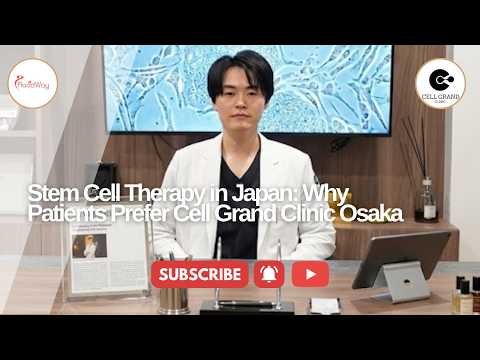
Selecting the right medical facility is arguably the most critical decision a patient will make during their international healthcare journey. Japan boasts numerous high-tier medical institutions, but only a select few specialize in the intersection of respiratory medicine and cellular therapy. For instance, facilities like the Cell Grand Clinic in Osaka, Japan, have tailored their practices to accommodate the complex needs of international travelers. Finding an authorized and highly reviewed COPD clinic in Osaka ensures patients receive therapies strictly aligned with global medical standards.
When searching for the optimal destination, patients should look for clinics that hold official certifications from the Japanese health ministry. Many Indonesians successfully find exceptional care by researching the best stem cell clinic in Japan. These specialized centers typically offer dedicated international patient departments, ensuring that language barriers and logistical hurdles do not compromise the quality of medical care received.
Top-tier Japanese clinics utilize highly advanced "clean rooms" for cell processing. These laboratories maintain air quality and sterility standards that often exceed standard hospital operating room requirements.
The Patient Journey for Indonesian Travelers Seeking Care
Embarking on a medical journey abroad requires meticulous planning and coordination, especially for individuals dealing with compromised respiratory systems. The process typically begins with initial virtual consultations, where Japanese specialists review the patient's local medical records, CT scans, and spirometry results. This preliminary step is crucial for establishing whether a patient is a viable candidate for an international medical trip to Japan. Clear communication during this phase sets realistic expectations for the intervention.
Once approved, the logistical phase begins. Indonesian patients must navigate visa applications, specific medical clearance for air travel, and scheduling in Osaka. The structured nature of medical tourism in Osaka means that clinics often provide precise itineraries. Upon arrival, patients are generally greeted by medical coordinators who guide them through hotel check-ins, pre-operative testing, and eventual clinical admission, ensuring a seamless and relatively stress-free experience.
Testimonial Summary: Rina's Smooth Medical Experience
Rina, a retired teacher from Bali, was initially anxious about traveling to a non-English speaking country for healthcare. However, she found the patient journey highly organized. Guided by dedicated translators at every step of her diagnostics and therapy in Osaka, she felt entirely secure and thoroughly informed about her respiratory care protocol.
Comprehensive Diagnostic Protocols Before Stem Cell Procedures
Prior to any cellular administration, thorough physiological screening is mandatory to ensure patient safety and optimize potential outcomes. Japanese clinics are globally recognized for their exhaustive diagnostic protocols. Patients undergoing evaluation for respiratory treatment in Japan can expect a battery of tests that go far beyond standard X-rays. High-resolution CT scans, advanced pulmonary function tests, and comprehensive blood panels are typically conducted upon arrival.
These diagnostics allow the medical team to map the exact extent of lung damage and assess the patient's overall metabolic health. Creating a customized approach for COPD therapy in Osaka relies heavily on these preliminary findings. If an individual has underlying contraindications—such as active systemic infections or undiagnosed malignancies—the procedure will generally be postponed or canceled to prioritize patient safety above all else.
Patients with a history of active cancer, severe uncontrolled heart disease, or acute active infections are generally considered strictly contraindicated for most stem cell therapies. Full disclosure of your medical history is vital for your safety.
What to Expect During Stem Cell Administration in Osaka
The actual day of the cellular therapy is often surprisingly straightforward and minimally invasive compared to traditional surgeries. Depending on the specific protocol designed by the specialists, the administration of regenerative cells in Japan is typically performed via an intravenous (IV) drip or targeted inhalation therapies. The method chosen generally depends on the exact nature of the respiratory damage and the type of cells being utilized.
During an IV infusion, patients are comfortably seated in a specialized clinical suite while their vital signs are continuously monitored. The process generally takes a few hours, during which most patients experience little to no discomfort. Seeking minimally invasive COPD care in Osaka means that general anesthesia is rarely required. Following the infusion, patients are kept under clinical observation for a short period to monitor for any immediate, albeit rare, adverse allergic reactions before being discharged to their accommodation.
Wear comfortable, loose-fitting clothing on the day of your procedure. Bring a book or download a movie to pass the time, as the infusion process can take several hours depending on your customized medical plan.
Post-Treatment Recovery and Follow-Up for Global Patients
Immediate recovery following cellular administration is usually rapid, allowing patients to resume light activities almost immediately. However, clinics typically require international patients to remain in the city for a few days post-procedure for scheduled evaluations. This period ensures that those receiving advanced lung treatment in Japan are stable and safe to undertake a long-haul flight back to Indonesia. During this time, specialists provide detailed instructions regarding post-care lifestyle modifications.
The true journey of cellular therapy continues long after the patient returns home. Continuous follow-up is an integral component of global medical tourism protocols. Japanese specialists generally schedule periodic virtual consultations at the three, six, and twelve-month marks to track respiratory function progress. Patients are encouraged to work collaboratively with their local pulmonologists in Indonesia to monitor improvements and adjust traditional medications as potentially needed.
Testimonial Summary: Ahmad's Post-Treatment Life
After receiving care in Osaka, Ahmad returned to Surabaya. He closely followed the post-treatment guidelines provided by his Japanese doctors. Over the following six months, he noted that he generally experienced less fatigue during his morning walks. The continuous telemedicine follow-ups kept him reassured and motivated to maintain a healthier lifestyle.
Success Rates and Limitations of COPD Stem Cell Therapy
It is imperative for patients to approach regenerative therapies with realistic expectations grounded in clinical science. Stem cell therapy does not offer a definitive cure for chronic obstructive pulmonary disease. Instead, COPD therapy success rates are generally measured by an improvement in the patient's quality of life, a reduction in the frequency of severe exacerbations, and an increase in exercise tolerance. Most patients experience a stabilization of their condition rather than a complete reversal of lung damage.
The efficacy of the treatment is heavily influenced by multiple variables, including the patient's age, the severity of the disease at the time of intervention, and lifestyle factors such as smoking cessation. When reviewing the benefits of lung regeneration treatments in Japan, it is clear that early intervention typically yields more noticeable results. Clinicians strongly emphasize that this therapy should be viewed as a complementary approach, working in tandem with proper nutrition, pulmonary rehabilitation, and standard medical care.
Clinical observations indicate that while individual outcomes vary, a significant percentage of patients typically report a measurable improvement in their Six-Minute Walk Test (6MWT) scores within 3 to 6 months post-treatment.
Legal Regulations Ensuring Safe Medical Tourism in Japan
One of the primary reasons Japan is highly respected in the medical community is its stringent legal framework governing new and emerging therapies. The Japanese Ministry of Health, Labour and Welfare enforces rigorous compliance standards for any facility offering cellular treatments. This legislative environment protects those seeking safe medical tourism in Japan by ensuring that unproven or hazardous protocols cannot be legally marketed or administered to patients.
Clinics must submit their specific medical protocols to independent ethical review boards before they can treat a single patient. For Indonesians researching an accredited stem cell clinic in Osaka, this regulatory oversight provides immense peace of mind. Patients can be confident that the therapies they are receiving have undergone intense scrutiny for both ethical sourcing of cells and clinical safety profiles, minimizing the risk of exploitation often seen in less regulated medical markets.
Testimonial Summary: Siti's Confidence in Japanese Healthcare
Siti was hesitant about pursuing medical care abroad due to horror stories of unregulated clinics. However, learning about Japan's strict Act on the Safety of Regenerative Medicine gave her the confidence to proceed. Her experience in an Osaka clinic proved to be highly professional, deeply regulated, and completely transparent regarding risks and potential outcomes.
Japan was one of the first countries globally to establish a fast-track, conditionally approved regulatory pathway specifically designed to safely accelerate the development and application of regenerative medical products.
How PlacidWay Assists Your COPD Treatment Journey in Osaka
Navigating the complexities of international healthcare can be an overwhelming task for patients already dealing with severe health conditions. Finding the right specialists, understanding complex medical pricing, and verifying clinic accreditations require extensive research. PlacidWay serves as a dedicated facilitator for individuals seeking reliable medical travel to Japan. By bridging the gap between global patients and premier healthcare providers, the process is significantly streamlined.
Through established partnerships with fully accredited Japanese medical institutions, PlacidWay ensures that patients have direct access to highly vetted clinical information. Engaging with a facilitator for your regenerative therapy in Osaka provides clarity and structured guidance from the initial inquiry all the way through to your post-treatment journey. Here is how PlacidWay supports your medical pursuit:
- Facilitating direct communication with specialized, accredited clinics in Japan.
- Providing comprehensive comparisons of clinic capabilities, physician credentials, and medical protocols.
- Assisting with the secure transfer of medical records and diagnostics for preliminary specialist review.
- Offering detailed, transparent breakdowns of medical treatment costs directly from the providers.
- Providing dedicated patient advocacy to ensure all your medical questions are answered prior to making decisions.
Frequently Asked Questions About Respiratory Care in Japan
When preparing for an international medical intervention, patients naturally have numerous questions regarding logistics, safety, and medical outcomes. Comprehensive knowledge is the foundation of a successful medical journey. Reviewing frequently asked questions helps demystify the process for those seeking respiratory treatments in Osaka.
The following inquiries are common among international patients exploring options in Japanese clinics. Taking the time to understand these aspects can help individuals make highly informed, confident decisions regarding their health and their potential pursuit of stem cell options in Japan.
Why do international patients choose Osaka for COPD treatment?
Osaka is globally recognized for its stringent medical standards and advanced regenerative medicine research. Patients typically benefit from state-of-the-art facilities and highly regulated clinical environments.
Is stem cell therapy a cure for COPD?
No, stem cell therapy is not a cure for COPD. It is generally utilized to help manage inflammation, potentially slow disease progression, and improve overall quality of life.
What type of stem cells are generally used in Japan for lung disease?
Clinics in Japan typically use Mesenchymal Stem Cells (MSCs) derived from the patient's own body or ethically sourced donor tissue, as they have shown potential in reducing tissue inflammation.
How much does COPD treatment cost in Osaka?
The cost of stem cell therapy for COPD in Osaka typically ranges from $15,000 to $25,000 USD, depending on the specific protocol and number of cellular infusions required.
Do Indonesians need a special medical visa for Japan?
Yes, many international patients apply for a specific Medical Stay Visa in Japan, which allows for longer stays and multiple entries for comprehensive treatment and follow-up.
Is the stem cell procedure painful?
The administration of stem cells is generally minimally invasive, often delivered via intravenous (IV) infusion or inhalation, meaning most patients experience little to no pain.
How long do patients need to stay in Osaka for treatment?
Patients are typically advised to stay in Osaka for 7 to 14 days. This allows adequate time for pre-treatment diagnostics, the procedure itself, and initial medical observation.
Are the stem cell clinics in Japan regulated?
Yes, regenerative medicine in Japan is strictly regulated by the Ministry of Health, Labour and Welfare. Clinics must meet rigorous safety and ethical standards to operate legally.
What are the common side effects of stem cell therapy for COPD?
Most patients experience very few side effects, but some may typically encounter mild fatigue, temporary low-grade fever, or slight soreness at the injection site.
How quickly can patients see improvements after treatment?
Results vary widely among individuals. While some patients report feeling better within a few weeks, it generally takes several months to observe potential improvements in respiratory function.
Ready to take the next step toward better respiratory health? Discover top-rated stem cell clinics in Japan and receive comprehensive guidance from PlacidWay.
References
- World Health Organization (WHO). Chronic obstructive pulmonary disease (COPD). https://www.who.int/news-room/fact-sheets/detail/chronic-obstructive-pulmonary-disease-(copd)
- Mayo Clinic. COPD - Symptoms and causes. https://www.mayoclinic.org/diseases-conditions/copd/symptoms-causes/syc-20353679
- Cleveland Clinic. Chronic Obstructive Pulmonary Disease (COPD). https://my.clevelandclinic.org/health/diseases/8709-chronic-obstructive-pulmonary-disease-copd

.png)



.png)

.png)
.png)
.png)










Share this listing