


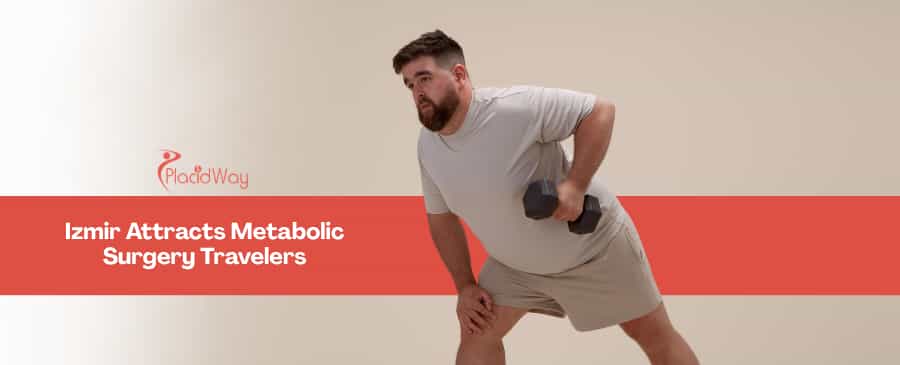
Type 2 diabetes is a complex chronic condition that affects millions of individuals globally. For decades, traditional management relied primarily on continuous medication, strict dietary adjustments, and ongoing lifestyle modifications. Today, medical science recognizes that specific surgical interventions can profoundly alter the disease's physical progression. Izmir has steadily emerged as a leading destination, offering innovative solutions for those seeking lasting metabolic health.
This beautiful coastal city is now widely recognized for its state-of-the-art medical infrastructure and highly trained surgical teams. International patients are increasingly drawn to this region to access transformative healthcare solutions that prioritize holistic well-being. By combining surgical excellence with comprehensive patient care, the region provides a unique and supportive environment for recovery. Health-conscious travelers frequently find that the serene atmosphere perfectly complements their journey toward metabolic renewal.
Metabolic surgery was originally developed for weight loss, but doctors soon noticed that patients' blood sugar levels normalized before significant weight was even lost.
- Focus on Hormonal Reset: Procedures target the gastrointestinal tract to alter hormone production.
- Beyond Weight Loss: The primary goal is restoring insulin sensitivity and metabolic function.
- Global Accessibility: Medical tourism in Turkey makes these advanced treatments available to a broader audience.
- Holistic Management: Integrates surgery with long-term dietary and psychological support.
Understanding How Metabolic Surgery Reverses Type 2 Diabetes
The term "reversal" in the context of type 2 diabetes refers to the long-term remission of the disease without the need for medication. Metabolic surgeries, such as gastric bypass, actively change the anatomy of the digestive system to prompt immediate biological responses. By rerouting the small intestine, the body alters the secretion of incretin hormones, which play a crucial role in insulin production. Most patients experience a rapid improvement in their blood glucose levels shortly after waking from surgery.
This physiological shift happens because the surgery decreases insulin resistance at the cellular level. When the body becomes more sensitive to insulin, it can effectively process glucose, significantly reducing the burden on the pancreas. Medical experts suggest that these anatomical changes provide a powerful tool to interrupt the cycle of chronic metabolic dysfunction. However, maintaining this remission requires a lifelong commitment to healthy eating and regular physical activity.
The gastrointestinal tract is the largest endocrine organ in the human body, producing dozens of hormones that directly influence hunger, satiety, and energy metabolism.
- Increased GLP-1 Production: Enhances insulin secretion directly from the pancreas.
- Reduced Ghrelin Levels: Lowers the production of the primary "hunger hormone."
- Improved Cellular Uptake: Cells become naturally more responsive to available insulin.
- Rapid Blood Sugar Stabilization: Often occurs within days, long before significant weight reduction.
Why Health-Conscious Travelers Choose Bariatric Clinics in Izmir
Selecting the right Clinic in Izmir is a crucial first step for international patients prioritizing their metabolic health. The city has cultivated a reputation for hosting medical facilities that rival the top healthcare institutions in Europe and North America. Surgeons in this region frequently possess international training, bringing advanced, minimally invasive techniques back to their local practice. Consequently, patients receive exceptional care in a setting renowned for its safety and clinical precision.
Beyond the operating room, the destination offers a therapeutic climate that naturally aids in the stress-free recovery process. Bariatric clinics in Izmir are well-equipped with multilingual staff, ensuring that language barriers do not compromise patient comfort or safety. The seamless integration of medical excellence and warm hospitality creates a highly appealing package for global health seekers. Patients can recuperate while enjoying the calming influence of the Aegean coastline, turning a daunting medical procedure into a restorative retreat.
Testimonial Summary: Sarah's Journey to Health
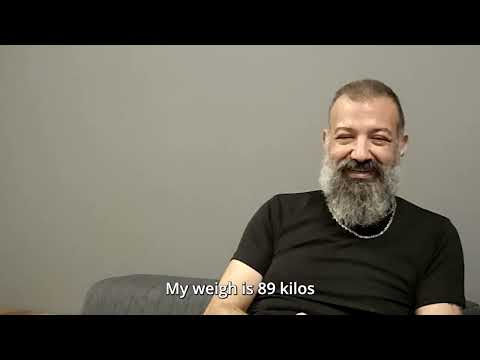
Sarah, a 45-year-old from the UK, struggled with type 2 diabetes for a decade. She chose a premier facility in Izmir for her metabolic procedure. Within three months, her blood sugar levels normalized entirely, and she was able to safely discontinue her insulin therapy under her doctor's supervision.
- Expert Surgical Teams: High concentration of board-certified specialists.
- Comprehensive Care Packages: Facilities often provide coordinated local transfers and hospital care.
- Language Support: Dedicated patient coordinators fluent in multiple languages.
- Restorative Environment: A peaceful coastal setting that encourages mental and physical healing.
Cost of Gastric Bypass and Metabolic Surgery in Izmir Compared to Global Rates
Financial considerations are a major driving force behind the global surge in medical travel for extensive surgical interventions. Finding allows patients to bypass lengthy waiting lists in their home countries without draining their savings. The comparatively lower cost of living and favorable exchange rates in Turkey enable top-tier facilities to offer highly competitive pricing. Importantly, these reduced costs do not translate to a compromise in the quality of medical materials or patient safety protocols.
When analyzing the metabolic surgery cost in Izmir, patients must look at the overall value provided within the treatment packages. These packages typically cover hospital fees, surgeon fees, anesthesiology, pre-operative testing, and immediate post-operative medications. In contrast, similar procedures in Western nations often bill these components separately, leading to astronomical out-of-pocket expenses. The table below illustrates the stark contrast in realistic market ranges for these life-changing procedures.
| Procedure Name | Average Cost in Izmir (USD) | Cost Comparison (US/UK) (USD) |
|---|---|---|
| Gastric Bypass (Roux-en-Y) | $3,500 - $5,500 | $15,000 - $25,000 |
| Transit Bipartition (Metabolic) | $4,000 - $6,000 | $18,000 - $30,000 |
| Gastric Sleeve Surgery | $2,800 - $4,500 | $10,000 - $20,000 |
International patients can typically save between 60% and 75% on metabolic procedures in Turkey compared to standard healthcare pricing in the United States or the United Kingdom.
Types of Advanced Metabolic Procedures Available in Izmir
Surgeons in Turkey employ a variety of advanced, minimally invasive techniques tailored to individual patient profiles. The Roux-en-Y gastric bypass is often considered the gold standard, combining stomach restriction with targeted intestinal malabsorption. Another highly effective option is Transit Bipartition, a newer metabolic surgery specifically designed to maximize diabetes remission while minimizing nutritional deficiencies. Medical teams carefully evaluate each patient to determine which specific anatomical alteration will yield the best long-term outcome.
The choice of procedure heavily depends on the severity of the patient's diabetes, their current body mass index, and their overall metabolic health. Restrictive procedures focus primarily on reducing food intake, whereas malabsorptive procedures physically change how nutrients and sugars are digested. By utilizing laparoscopic or robotic-assisted technologies, surgeons ensure smaller incisions, reduced pain, and significantly faster healing times. This customized approach guarantees that the selected surgical pathway precisely aligns with the patient's unique medical requirements.
Robotic-assisted bariatric surgery provides surgeons with 3D high-definition vision and a greater range of motion than the human hand, allowing for extreme precision during complex anatomical rerouting.
- Roux-en-Y Gastric Bypass: Creates a small stomach pouch and bypasses a section of the small intestine.
- Transit Bipartition: Connects the lower part of the small intestine directly to the stomach to stimulate hormone release.
- Mini Gastric Bypass: A simplified, faster procedure that features a single anastomosis (connection) to reduce surgical time.
- Sleeve Gastrectomy: Removes a large portion of the stomach, effectively eliminating the primary source of the hunger hormone ghrelin.
Evaluating Candidacy for Weight Loss and Diabetes Surgery in Turkey
Not every individual diagnosed with type 2 diabetes is an appropriate candidate for these life-altering surgical interventions. Medical guidelines typically require a thorough assessment of a patient's Body Mass Index (BMI), duration of the disease, and current dependency on insulin. Candidates must undergo comprehensive cardiovascular, pulmonary, and psychological evaluations before a surgical team approves the operation. This rigorous screening process ensures that the body can withstand the physical stress of general anesthesia and the subsequent anatomical changes.
Furthermore, psychological readiness is just as critical as physical suitability when evaluating candidacy for diabetes reversal surgery abroad. Patients must demonstrate a clear understanding of the permanent lifestyle adjustments required post-surgery, including strict dietary compliance. Individuals with uncontrolled mental health conditions, severe eating disorders, or active substance dependencies are generally contraindicated for these procedures. A transparent partnership between the patient and the medical team is vital to establishing realistic expectations for the journey ahead.
Metabolic surgery is a major medical procedure that carries inherent surgical risks, including infection, internal bleeding, and adverse reactions to anesthesia. It is strictly contraindicated for individuals who are pregnant, have severe heart failure, or suffer from uncontrolled psychiatric illnesses.
- BMI Criteria: Typically recommended for individuals with a BMI over 30 who have uncontrolled type 2 diabetes.
- C-Peptide Testing: Measures remaining pancreatic function to ensure the body can still produce insulin.
- Psychological Clearance: Confirms the patient's mental readiness for lifelong dietary changes.
- Cardiovascular Screening: Ensures the heart is strong enough for surgery and anesthesia.
The Patient Journey for Gastric Bypass Surgery in Izmir
The journey begins long before the patient boards an airplane, starting with intensive virtual consultations and medical record reviews. Once in Turkey, the individual is warmly welcomed and guided through a series of in-person, pre-operative clinical assessments. The multidisciplinary medical team, including the lead surgeon, anesthesiologist, and lead dietitian, collaborates to finalize the surgical plan. This comprehensive, step-by-step approach is designed to alleviate anxiety and build profound trust between the patient and the clinical staff.
Following the successful completion of the surgery, patients typically spend several days in a private hospital suite under close medical observation. During this crucial time, nursing staff diligently monitor vital signs, manage pain, and guide the patient through their first sips of water. The journey does not end upon discharge; it transitions into a structured early recovery phase managed closely by the medical team. This carefully orchestrated timeline is essential for ensuring patient safety and promoting optimal initial healing.
Testimonial Summary: Mark's Experience
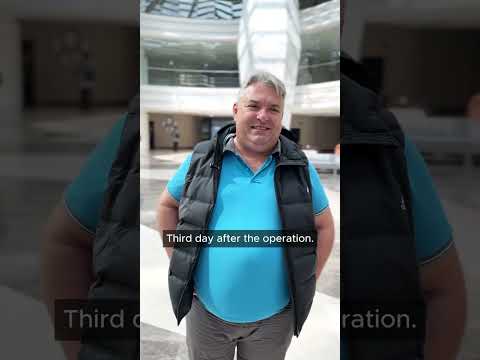
Mark traveled from Canada for metabolic surgery. He noted that the pre-operative testing in Izmir was the most thorough medical evaluation he had ever experienced. The constant support from his dedicated patient coordinator made navigating a foreign hospital system completely stress-free.
- Pre-Arrival Planning: Virtual sharing of medical histories and initial video consultations.
- Day 1-2 (In-Country): Extensive laboratory tests, imaging, and final specialist consultations.
- Day 3: The surgical procedure and admission to the intensive recovery unit.
- Day 4-6: Hospital ward recovery, initial mobility exercises, and dietary transition.
Internationally Accredited Hospitals and Medical Facilities in Izmir
The credibility of a medical destination relies heavily on the quality, safety, and international recognition of its healthcare infrastructure. Many specialized facilities offering gastric bypass surgery in Turkey possess prestigious accreditations, such as those from the Joint Commission International (JCI). These strict regulatory endorsements signify that a hospital consistently adheres to the highest global standards for patient safety and clinical governance. For international travelers, such accreditations provide essential peace of mind when undergoing major internal surgery far from home.
Inside these modern medical centers, patients encounter cutting-edge technology, from advanced imaging systems to fully equipped intensive care units. The surgical theaters are meticulously designed to minimize infection risks, utilizing specialized airflow systems and advanced sterilization protocols. Furthermore, these hospitals function as comprehensive health hubs, housing specialized laboratories and dedicated bariatric recovery wings. This all-encompassing infrastructure ensures that every aspect of a patient’s medical need is addressed promptly and efficiently under one roof.
Always ask potential hospitals to provide verification of their international accreditations and request statistics regarding their specific complication rates for metabolic surgeries before making a deposit.
- JCI Accreditation: The global gold standard for healthcare facility quality and safety.
- Advanced ICUs: Fully equipped intensive care units prepared for any rare post-operative emergency.
- Multidisciplinary Setup: Cardiology, endocrinology, and pulmonology departments available on-site.
- Infection Control: Rigorous, internationally audited protocols to prevent hospital-acquired infections.
Recovery Protocol After Metabolic Surgery in Turkey
The immediate recovery protocol is heavily focused on pain management, hydration, and preventing post-operative complications like deep vein thrombosis. Patients are typically encouraged by the nursing staff to stand and begin taking short, assisted walks within hours of waking up. This early mobilization is a critical component of modern surgical recovery, as it significantly promotes circulation and aids in expelling surgical gas. While patients may experience initial fatigue and mild discomfort, the use of laparoscopic techniques generally keeps pain levels highly manageable.
As patients progress through the first few weeks, the recovery focus shifts toward adapting to a newly restricted digestive system. Managing hydration becomes a primary daily task, requiring patients to take small, frequent sips of water throughout the day. Rest is equally important, as the body requires substantial energy reserves to heal the internal incisions and adapt to metabolic shifts. Most patients experience a steady increase in daily energy levels as they carefully follow their prescribed post-operative guidelines.
Testimonial Summary: Elena's Recovery
Elena, a patient from Germany, was initially anxious about the recovery process. She was pleasantly surprised by how quickly she was able to walk the hospital corridors. By her second week back home, she felt energetic enough to resume light office work without severe discomfort.
- Early Ambulation: Walking within hours of surgery to prevent blood clots and respiratory issues.
- Incentive Spirometry: Deep breathing exercises required to keep the lungs clear and healthy.
- Strict Hydration: Sipping water slowly to prevent dehydration without stretching the stomach pouch.
- Gradual Activity Increase: Slowly reintroducing normal daily tasks over a period of three to four weeks.
Long-Term Nutritional Management Following Gastric Bypass
Metabolic surgery is highly effective, but it is ultimately a biological tool that requires strict adherence to lifelong nutritional principles. Because the digestive tract is physically altered, the body’s ability to absorb certain vitamins and minerals is permanently diminished. Patients must work closely with bariatric dietitians to relearn how to eat, focusing on protein-dense foods to preserve vital muscle mass. Proper chewing, mindful eating, and separating liquid intake from solid meals become essential daily habits for sustained success.
To combat the malabsorptive nature of procedures like the gastric bypass, mandatory daily supplementation becomes a non-negotiable part of life. Patients generally require specialized bariatric multivitamins, alongside targeted doses of calcium, vitamin D, iron, and B12. Routine blood work is necessary every few months during the first year to closely monitor these vital micronutrient levels. Failing to strictly manage this nutritional protocol can lead to severe, long-term health complications, including osteoporosis and severe anemia.
Before traveling for surgery, research the availability and cost of specialized bariatric vitamins in your home country to ensure you can easily maintain your required lifelong supplementation regimen.
- Protein First: Meals must prioritize high-quality protein to support healing and prevent muscle loss.
- Mindful Chewing: Food must be chewed to a pureed consistency to prevent blockages in the new stomach pouch.
- Lifelong Supplements: Daily intake of bariatric-specific vitamins is mandatory.
- Hydration Timing: Drinking fluids should be paused 30 minutes before, during, and after solid meals.
Assessing Success Rates and Potential Risks of Bariatric Surgery
When considering medical intervention for diabetes, understanding the realistic outcomes and inherent risks is essential for informed patient consent. Clinical data demonstrates that a significant majority of patients achieve profound improvements or complete remission of their type 2 diabetes following metabolic surgery. However, success relies heavily on the individual's baseline pancreatic function and their unwavering commitment to necessary lifestyle changes. Surgeons transparently communicate that while the procedure provides an immense metabolic advantage, it does not offer a magical, effort-free cure.
Equally critical is a thorough comprehension of the potential short-term and long-term surgical complications associated with these complex procedures. Short-term risks include anastomotic leaks, excessive bleeding, and surgical site infections, which require immediate medical intervention. Long-term, patients may experience issues such as nutritional deficiencies, gallstones from rapid weight loss, or gastrointestinal complications like dumping syndrome. Open dialogue between the patient and the healthcare provider ensures these risks are weighed appropriately against the devastating consequences of unmanaged diabetes.
Clinical studies indicate that up to 70% to 80% of patients who undergo Roux-en-Y gastric bypass experience long-term remission of their type 2 diabetes.
- Dumping Syndrome: Nausea and dizziness caused by food moving too quickly into the small intestine.
- Nutritional Deficiencies: Requires vigilant monitoring to prevent severe vitamin and mineral depletion.
- Anastomotic Leaks: A rare but serious complication where digestive juices leak from surgical connections.
- Gallstone Formation: Often triggered by rapid, significant weight loss post-surgery.
Combining Medical Tourism in Izmir with Exceptional Aftercare
The responsibility of the surgical team does not end when the international patient boards a flight back to their home country. Comprehensive aftercare is the cornerstone of a successful, long-term metabolic transformation, ensuring that the initial surgical results are properly maintained. Reputable medical providers in Turkey utilize advanced telehealth platforms to conduct regular, scheduled video check-ins with their global patient base. These virtual appointments allow dietitians and doctors to monitor nutritional intake, adjust supplement dosages, and provide essential psychological support.
Patients are also strongly encouraged to establish a reliable connection with a local primary care physician or endocrinologist before traveling abroad. This local support system acts as a vital safety net, capable of ordering required blood panels and addressing any immediate physical concerns. The surgical team in Izmir meticulously compiles all operative reports, imaging, and dietary plans into English, facilitating seamless continuity of care. By blending high-tech remote monitoring with local medical support, patients experience a globally integrated approach to their lifelong health journey.
Testimonial Summary: David's Aftercare Experience
David traveled from the United States and was incredibly impressed by the ongoing support he received post-surgery. He states that his surgical team in Turkey reached out via video call every month for the first year, coordinating flawlessly with his local doctor to monitor his blood work.
- Telemedicine Follow-ups: Regular virtual consultations with the surgical and nutritional team.
- Local Medical Integration: Collaborating with the patient's home-country physicians for routine care.
- Digital Records: Providing comprehensive, translated medical files for local healthcare databases.
- Continuous Nutritional Coaching: Long-term access to specialized bariatric dietitians via messaging platforms.
How PlacidWay Assists Your Metabolic Surgery Journey in Izmir
Navigating the vast landscape of global healthcare options can be overwhelming for patients seeking specialized medical treatments abroad. Securing reliable, vetted information is crucial when deciding where to undergo a life-altering procedure like metabolic surgery. PlacidWay acts as a specialized platform, connecting health-conscious individuals with highly accredited medical facilities worldwide. The platform's primary goal is to empower patients with transparent data, allowing them to make confident, informed decisions regarding their metabolic health.
By streamlining the research and communication phases, the platform removes significant stress from the medical planning process. Patients can easily explore comprehensive provider profiles, verify international credentials, and directly request specialized surgical quotes. This structured guidance ensures that individuals are matched with medical teams that possess the specific expertise required for complex diabetes reversal procedures. Ultimately, PlacidWay serves as a dedicated informational bridge between patients and top-tier healthcare providers.
PlacidWay has facilitated thousands of successful medical connections, helping patients globally access complex specialized treatments that might otherwise be unavailable or unaffordable in their home regions.
- Connecting patients with internationally accredited medical providers specializing in metabolic procedures.
- Providing transparent access to provider credentials, patient reviews, and facility certifications.
- Facilitating seamless communication between patients and surgical teams before making any commitments.
- Offering dedicated patient advocacy to ensure your health and safety remain the top priority throughout the process.
Frequently Asked Questions About Diabetes Reversal Surgery in Turkey
International patients naturally have numerous questions when contemplating advanced surgical procedures in a foreign country. Gathering accurate, straightforward answers is a fundamental part of preparing physically and mentally for the journey ahead. Below are some of the most common inquiries regarding metabolic surgery, recovery, and medical travel logistics.
Prospective patients should use these answers as a foundational guide during their research phase. It is highly recommended to discuss these points in further detail during personalized consultations with chosen medical providers. Thorough preparation is the key to a safe, successful, and stress-free medical experience.
What is the primary difference between standard bariatric surgery and metabolic surgery?
While both approaches utilize similar surgical techniques, metabolic surgery is specifically optimized to treat metabolic diseases like type 2 diabetes. The primary goal shifts from mere weight reduction to actively altering gut hormones that control blood sugar.
How long does the typical recovery take after gastric bypass in Turkey?
Most patients experience an initial recovery period of two to three weeks before returning to light daily activities. Full physical recovery and adaptation to a new dietary lifestyle generally take several months.
Will I need to take vitamins for the rest of my life after metabolic surgery?
Yes, malabsorptive procedures typically require lifelong nutritional supplementation to prevent deficiencies. Patients must commit to daily vitamins, calcium, iron, and regular blood tests to monitor their nutritional status.
Is type 2 diabetes permanently cured after these surgical interventions?
Medical professionals refer to the outcome as remission rather than a permanent cure, as symptoms can return if lifestyle changes are not maintained. However, many individuals experience long-term normal blood sugar levels without the need for medication.
How do I obtain a medical visa for surgery in Turkey?
International patients can usually apply for a Turkish e-Visa online, which is a straightforward and quick process. Your chosen healthcare provider typically supplies a formal invitation letter to facilitate your medical travel arrangements.
What dietary restrictions will I face immediately following the procedure?
Immediately post-surgery, patients are placed on a strict clear liquid diet to allow the stomach to heal properly. Over several weeks, this gradually transitions to pureed foods, soft foods, and eventually solid, protein-rich meals.
Are the medical facilities in Izmir accredited by international bodies?
Yes, many prominent hospitals in Izmir hold prestigious international accreditations, such as from the Joint Commission International (JCI). This ensures they adhere to rigorous global standards for patient safety and clinical excellence.
Can I travel alone for metabolic surgery in Izmir?
While it is physically possible, medical professionals highly recommend bringing a companion for emotional and physical support. Having a friend or family member assists greatly during the early days of recovery when mobility is somewhat limited.
How soon can I fly back home after undergoing a gastric bypass?
Surgeons generally advise patients to wait at least 7 to 10 days before taking an international flight. This waiting period allows medical staff to conduct necessary follow-up examinations and ensures you are stable enough for travel.
What happens if I experience a complication after returning to my home country?
Reputable clinics provide extensive virtual aftercare and coordinate with your local primary care physician before you leave. In the event of an emergency, your local healthcare system will handle immediate care, supported by records from your surgical team.
Ready to explore your options for metabolic surgery in Izmir? PlacidWay can connect you with top-rated specialists.
References
- Mayo Clinic. Gastric bypass surgery. https://www.mayoclinic.org/tests-procedures/gastric-bypass-surgery/about/pac-20385189
- National Institute of Diabetes and Digestive and Kidney Diseases. Bariatric Surgery. https://www.niddk.nih.gov/health-information/weight-management/bariatric-surgery
- World Health Organization. Diabetes. https://www.who.int/news-room/fact-sheets/detail/diabetes
- American Society for Metabolic and Bariatric Surgery. Bariatric Surgery Procedures. https://asmbs.org/patients/bariatric-surgery-procedures

.png)





.png)
.png)














Share this listing