



Guadalajara has rapidly positioned itself as a premier destination for international patients seeking advanced orthopedic care. With a unique blend of highly skilled medical professionals and modern infrastructure, the city attracts thousands of health travelers annually. The region offers exceptional medical facilities that rival those found in the United States and Canada. Consequently, many patients are turning their attention to this vibrant city for their joint restoration needs, recognizing it as a top hub for medical tourism in Guadalajara.
Recent investments in medical technology have transformed the local healthcare landscape, setting the stage for highly specialized treatments. The integration of modern diagnostic tools and advanced surgical techniques has significantly elevated the standard of care. Patients generally experience shorter hospital stays and improved surgical outcomes when utilizing these advanced systems. As a result, this destination is firmly established to emerge as North America’s high-tech epicenter for orthopedic surgery in Mexico.
- Internationally accredited hospital networks and surgical centers.
- Substantial investments in healthcare infrastructure and modern patient amenities.
- Strategic geographic proximity to the United States and Canada.
- A growing reputation for specialized, complex joint reconstruction procedures.
Guadalajara is often referred to as the "Silicon Valley of Mexico" due to its booming technology sector, a high-tech ecosystem that directly influences the modernization of its local medical and surgical facilities.
Understanding High-Tech Knee Replacement Surgery in Guadalajara
The modern approach to joint restoration relies heavily on advanced technological integration inside the operating room. Traditional surgical methods have evolved into highly precise, data-driven procedures utilizing computerized navigation and real-time 3D modeling. This technological shift allows surgeons to customize the joint fitting to the patient's unique anatomical structure. Knee replacement in Guadalajara leverages these modern innovations to ensure optimal alignment and prosthetic stability.
For international patients, access to this caliber of surgical technology is a primary driving factor when selecting a healthcare destination. The integration of cutting-edge software and robotic assistance helps minimize tissue trauma and preserves healthy bone. Most patients experience a more predictable recovery trajectory when subjected to these minimally invasive techniques. The high-tech nature of these procedures underscores why the region is recognized for superior knee replacement clinics in Mexico.
- Utilization of computer-assisted navigation systems for precise implant placement.
- Pre-operative 3D mapping of the patient's joint using advanced MRI and CT scans.
- Implementation of minimally invasive surgical instruments to reduce scarring.
- Use of smart implants equipped with sensor technology to monitor post-operative gait and recovery.
Data suggests that the implementation of computer-navigated and robotic-assisted joint replacement surgeries can improve implant alignment accuracy by up to 30% compared to traditional manual techniques.
Types of Advanced Knee Arthroplasty Available in Mexico
Orthopedic specialists in the region provide a comprehensive spectrum of surgical options tailored to the specific severity of joint degradation. Total knee arthroplasty (TKA) remains the standard for severe, widespread osteoarthritis, replacing the entire joint surface with a durable prosthetic. Conversely, partial knee arthroplasty (unicompartmental) is frequently recommended for localized damage, preserving healthy ligaments and bone. Offering diverse options is a hallmark of world-class orthopedic surgery in Mexico.
Beyond traditional methods, robotic-assisted arthroplasty has become increasingly prevalent in top-tier medical facilities. This method utilizes a robotic arm controlled by the surgeon to execute highly precise bone cuts and implant positioning. Patients typically benefit from a more natural feeling joint and an accelerated return to daily activities. These diverse and technologically advanced surgical options ensure that each patient receives personalized care suited to their diagnosis.
- Total Knee Arthroplasty (TKA): Complete resurfacing of the joint for severe arthritis.
- Partial Knee Replacement: Targeted replacement of a single damaged compartment.
- Bilateral Knee Replacement: Simultaneous replacement of both knees for qualified, healthy candidates.
- Robotic-Assisted Surgery: High-precision procedures utilizing haptic feedback and robotic guidance.
- Revision Joint Surgery: Complex procedures to correct or replace previously implanted, failing prosthetics.
When discussing surgical options, always ask your orthopedic surgeon about the specific brand and material of the implant being used. Reputable facilities utilize globally recognized, FDA-approved prosthetic brands.
Affordable Knee Replacement Cost in Guadalajara Compared to the US and Canada
One of the most compelling reasons international patients seek care south of the border is the profound financial advantage. The knee replacement cost in Mexico is remarkably lower than the exorbitant prices typically quoted in North American healthcare systems. This affordability is achieved through lower administrative overhead, favorable exchange rates, and a streamlined private healthcare model. Patients do not have to sacrifice quality, as the standards of medical care remain exceptionally high.
It is common for patients to save anywhere from 50% to 70% on their total medical expenditures, even when factoring in travel and logistical expenses. Obtaining an affordable knee replacement in Guadalajara allows individuals to undergo life-changing surgery without facing crippling medical debt. The pricing structures at these clinics are generally transparent, allowing patients to budget accurately for their comprehensive medical journey. Below is a detailed comparison of realistic market ranges for various orthopedic procedures.
| Procedure Name | Average Cost in Guadalajara (USD) | Estimated Cost in US/Canada (USD) |
|---|---|---|
| Total Knee Replacement (Unilateral) | $7,500 - $9,500 | $35,000 - $50,000 |
| Partial Knee Replacement | $6,500 - $8,000 | $25,000 - $35,000 |
| Robotic-Assisted Knee Replacement | $9,000 - $11,500 | $45,000 - $65,000 |
| Bilateral Knee Replacement | $13,500 - $16,000 | $60,000 - $85,000 |
Advantages of Choosing Medical Tourism in Guadalajara
Guadalajara seamlessly combines world-class medical expertise with a rich, culturally vibrant environment, making it an ideal location for medical travel. The city is home to several high-tier medical institutions that hold rigorous international accreditations, ensuring stringent safety protocols. English-speaking medical staff and dedicated international patient departments are commonplace, easing communication and reducing anxiety. Navigating medical tourism in Guadalajara is generally a smooth and highly supportive experience for foreign visitors.
In addition to top-notch clinical care, the destination offers a mild climate that is conducive to a comfortable post-operative recovery. Patients are treated with renowned Mexican hospitality, receiving personalized attention that is often lacking in larger, more sterile medical systems. The geographic proximity to major US flight hubs means travel times are short and convenient. These combined advantages solidify the city's status as a leading choice for affordable knee replacement in Guadalajara.
- Significant cost savings without compromising clinical quality or safety.
- Access to state-of-the-art medical technology and internationally trained surgeons.
- Minimal to no wait times for scheduling specialized orthopedic procedures.
- A rich cultural destination offering a relaxing environment for immediate post-op recovery.
Mexico consistently ranks among the top global destinations for medical tourism, attracting over 1 million international patients annually for various specialized medical, dental, and surgical procedures.
What to Expect During the Knee Arthroplasty Recovery Process
The post-operative recovery phase is a critical component of achieving successful long-term mobility and joint function. Following surgery, patients are typically encouraged to stand and walk with assistance within the first 24 hours to promote blood circulation and prevent complications. Comprehensive physical therapy begins almost immediately, focusing on restoring the joint's range of motion and strengthening surrounding muscles. Patients traveling for knee replacement in Guadalajara will usually undergo their initial intensive rehabilitation while still in the country.
While the initial healing phase requires diligence and patience, most patients experience a steady reduction in discomfort over the ensuing weeks. Strict adherence to prescribed medications, physical therapy exercises, and activity modifications is paramount to a successful outcome. Complete tissue healing and the restoration of normal gait can take several months of consistent effort. Understanding this timeline is crucial for international patients planning their extended stay and eventual journey home.
- Days 1-3: Hospital stay, pain management, and initial assisted walking.
- Weeks 1-2: Continued physical therapy, transitioning from walker to cane, and wound care.
- Weeks 3-6: Resumption of light daily activities, significant decrease in swelling, and improved knee flexion.
- Months 3-6: Return to more demanding activities and nearing maximum medical improvement.
Walking and low-impact exercises, such as swimming or stationary cycling, are among the most effective activities to maintain the health and longevity of a new prosthetic joint once fully cleared by a physician.
Preparing for Orthopedic Surgery in Mexico
Thorough pre-operative preparation is essential to ensure patient safety and optimize surgical results for international travelers. Prior to arrival, patients must provide comprehensive medical histories, including recent bloodwork, X-rays, and cardiac evaluations, to the surgical team in Mexico. This rigorous screening process helps identify potential risks and ensures the patient is physically capable of undergoing major surgery. Coordinating these details is a vital step when planning medical tourism in Guadalajara.
Patients are also advised to optimize their physical health prior to the procedure by engaging in pre-habilitation exercises and ceasing tobacco use. Preparing your home environment for your eventual return—such as installing grab bars and removing tripping hazards—is equally important. Following all pre-operative fasting and medication guidelines provided by the medical team is strictly required. Adequate preparation minimizes stress and sets the foundation for a successful medical journey.
- Gather and securely transmit all relevant medical records, MRI/X-ray imaging, and physician notes.
- Undergo a thorough cardiac and respiratory evaluation to ensure fitness for anesthesia.
- Pause or adjust specific medications (like blood thinners) as strictly directed by the surgical team.
- Organize travel logistics, ensuring you have a dedicated companion for post-surgery support.
Surgery is generally contraindicated for individuals with active systemic infections, severe peripheral vascular disease, or profound neurological disorders. Always disclose your complete medical history to avoid critical complications.
Qualifications and Expertise of Orthopedic Surgeons in Guadalajara
The caliber of medical professionals available is a defining factor in the region's emergence as a healthcare epicenter. Orthopedic surgeons leading knee replacement clinics in Mexico often possess extensive international training, having completed fellowships in the United States, Canada, or Europe. These specialists are board-certified and hold active memberships in prestigious global orthopedic societies. Their dedication to continuous medical education ensures they remain at the forefront of surgical innovation.
Patients seeking care can expect to be treated by highly specialized surgeons who perform hundreds of joint arthroplasties annually. This high volume of specialized cases translates into refined surgical proficiency and lower complication rates. The medical community here is deeply committed to upholding rigorous ethical and clinical standards. Consequently, patients can place a high degree of trust in the expertise of their chosen orthopedic specialists.
- Board certification by the Mexican Council of Orthopedics and Traumatology.
- Active participation in international organizations such as the American Academy of Orthopaedic Surgeons (AAOS).
- Extensive experience in both primary joint arthroplasty and complex revision surgeries.
- A strong focus on patient-centered care and transparent medical communication.
Surgeons who perform a high volume of specific joint replacement procedures (typically over 50 per year) generally exhibit significantly lower rates of post-operative complications and revision surgeries.
Technological Advancements in Guadalajara Knee Arthroplasty Clinics
The commitment to incorporating next-generation medical technology is vividly apparent in the surgical theaters across the city. High-tech infrastructure is the backbone of modern orthopedic surgery in Mexico, enabling procedures that are safer, faster, and more precise. Facilities are equipped with advanced diagnostic imaging centers, allowing for incredibly detailed 3D mapping of a patient's skeletal structure. This digital blueprint is critical for selecting the exact size and alignment of the prosthetic joint.
Furthermore, the utilization of smart operating rooms integrates data analytics and real-time monitoring during the procedure. The use of highly durable, biocompatible materials for implants ensures that the new joint can withstand the demands of daily life. The continual adoption of these innovations showcases why the destination is a high-tech epicenter for joint care. Patients benefit immensely from a healthcare ecosystem that prioritizes modernization and clinical excellence.
- Advanced CT and MRI imaging for pre-operative 3D templating.
- Robotic-arm assisted technology for unparalleled surgical precision.
- Kinematic alignment software that mimics the natural movement of the specific patient's knee.
- State-of-the-art sterilization protocols minimizing the risk of hospital-acquired infections.
Modern knee implants are primarily constructed from advanced titanium alloys and highly cross-linked polyethylene, materials specifically engineered to mimic the weight and durability of natural bone.
Patient Experiences and Knee Replacement Testimonials in Mexico
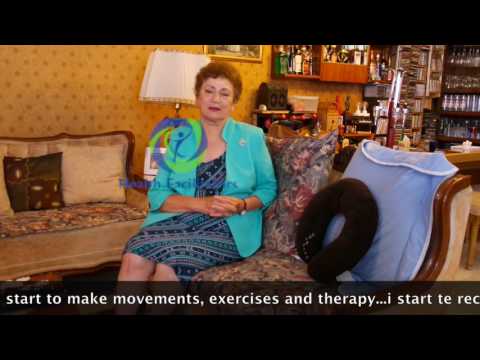
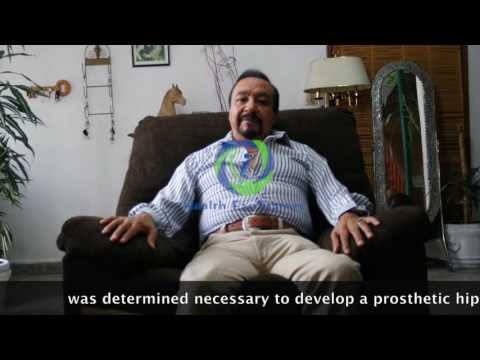
Understanding the firsthand experiences of former patients provides invaluable insight into the reality of medical travel. Reading personal accounts helps prospective travelers gauge the quality of care, the professionalism of the staff, and the overall patient journey. These stories often highlight the compassionate bedside manner and meticulous attention to detail provided by medical teams. Evaluating patient testimonials is a crucial step when considering an affordable knee replacement in Guadalajara.
While every medical journey is unique, common themes of relief, gratitude, and successful rehabilitation echo through these narratives. Patients frequently praise the seamless coordination of their clinical care and the high standards maintained by the facilities. These real-life case summaries reflect the tangible benefits of pursuing orthopedic treatment in this emerging medical hub. Below are summaries of typical patient experiences.
Robert T. - Regained Mobility After Years of Pain
After struggling with severe osteoarthritis, Robert opted for a total knee replacement in Guadalajara. He noted the exceptional technology used during his surgery and was amazed at how quickly he was able to begin physical therapy. Today, he enjoys pain-free rounds of golf.
Maria S. - High-Quality Care at a Fraction of the Cost
Facing exorbitant healthcare quotes in the US, Maria traveled south for robotic-assisted surgery. She praised the bilingual medical staff for their clear communication and felt fully supported throughout her two-week recovery stay. She experienced significant cost savings without compromising on the quality of her implant.
James L. - Bilateral Success
James required bilateral knee arthroplasty and found the specialized care he needed in Mexico. His surgical team meticulously coordinated a dual-joint replacement plan. He highlights the rigorous daily physical therapy sessions that helped him walk unassisted within weeks of returning home.
Linda K. - Compassionate and Professional Environment
Nervous about medical tourism, Linda was put at ease by the thorough pre-operative consultations with her Mexican surgeon. She was impressed by the modern, pristine hospital facilities and the holistic approach to her post-operative pain management and rehabilitation.
Risks, Considerations, and Contraindications for Joint Replacement
As with any major surgical intervention, joint replacement carries inherent risks that must be carefully evaluated. While the procedures are generally safe and highly successful, complications such as infection, blood clots, or implant loosening can occur. It is crucial for patients to have an open, transparent dialogue with their surgeon regarding their individual risk profile. Thorough medical screening is an essential component of responsible orthopedic surgery in Mexico.
Certain pre-existing medical conditions may strictly contraindicate a patient from undergoing this elective procedure. Individuals with severe morbid obesity, active untreated infections, or significant cardiovascular instability are typically not candidates for surgery. Adherence to post-operative instructions, including mobility restrictions and medication regimens, is critical to mitigating risks. Patients must realistically assess these factors before committing to surgical intervention.
- Potential risks include Deep Vein Thrombosis (DVT) and pulmonary embolism.
- Surgical site infections or delayed wound healing requiring medical intervention.
- Contraindications include active systemic infections, severe osteoporosis, and unmanaged diabetes.
- Possibility of joint stiffness or reduced range of motion if physical therapy is neglected.
Traveling to Mexico for Orthopedic Treatment and Medical Tourism
Planning a cross-border medical journey requires careful logistical coordination to ensure a stress-free experience. International airports provide direct flight access from numerous North American cities, making the destination highly accessible. Upon arrival, it is essential to have reliable, medically appropriate ground transportation arranged from the airport to the medical facility. Efficient planning is a cornerstone of successful medical tourism in Guadalajara.
Patients must also account for the necessity of an extended stay to safely accommodate post-operative care and medical clearance for air travel. Traveling back too soon after major joint surgery can increase the risk of blood clots and severe discomfort. Having a trusted travel companion to assist with luggage, mobility, and emotional support is highly recommended. Properly managing these travel logistics ensures the focus remains entirely on healing.
- Ensure your passport is valid for at least six months beyond your planned travel dates.
- Request special wheelchair assistance at the airport for your return flight home.
- Maintain a complete physical portfolio of your medical records, surgical reports, and imaging.
- Verify the specific visa requirements based on your country of citizenship prior to departure.
During your flight home, wear compression stockings and regularly perform ankle pump exercises in your seat to promote healthy blood flow and prevent deep vein thrombosis.
How PlacidWay Assists Your Knee Replacement Medical Tourism Journey in Guadalajara
Embarking on a medical journey abroad can feel overwhelming without the right guidance and logistical support. PlacidWay serves as a crucial bridge, connecting international patients with highly vetted and accredited medical providers. Our platform simplifies the research process, allowing you to confidently evaluate top-tier facilities and board-certified specialists. We focus on providing value-based assistance to ensure a transparent and secure medical experience.
By leveraging our extensive global healthcare network, patients gain access to comprehensive information essential for making informed medical decisions. We facilitate clear communication between you and the prospective medical teams, ensuring your unique clinical needs are addressed. Navigating your path to an affordable knee replacement in Guadalajara is streamlined through our dedicated patient coordination services.
- Matching patients with accredited, top-tier orthopedic centers based on specific medical requirements.
- Facilitating the secure and compliant transfer of medical records and imaging to international surgeons.
- Providing comprehensive, transparent medical treatment quotes to assist with accurate financial planning.
- Coordinating pre-operative virtual consultations between patients and specialized orthopedic surgeons.
- Offering dedicated patient advocacy and care coordination throughout the entire medical tourism process.
Frequently Asked Questions About Knee Replacement in Guadalajara
When considering international healthcare, prospective patients naturally have numerous questions regarding safety, logistics, and clinical protocols. Gathering accurate information is a vital step in making a confident and informed decision about your joint health. It is important to thoroughly understand what the surgical journey entails before committing to a procedure abroad.
Below, we have compiled a list of common inquiries from international travelers regarding joint reconstruction in this specific region. These answers aim to clarify the medical tourism process and provide realistic expectations for your orthopedic care.
Why is Guadalajara considered a top destination for knee replacement?
Guadalajara features internationally accredited hospitals and utilizes advanced robotic-assisted surgical systems. The destination offers high-quality orthopedic care at a fraction of the cost found in the US and Canada.
How much does knee replacement cost in Guadalajara?
Typically, the cost ranges between $6,500 and $10,500 depending on the specific procedure, such as partial, total, or robotic-assisted surgery. This represents a substantial savings compared to North American healthcare prices.
Are the orthopedic surgeons in Mexico highly qualified?
Yes, many orthopedic surgeons in Mexico are board-certified and have completed fellowships internationally. They adhere to rigorous medical standards and regularly participate in global medical conferences.
Is robotic-assisted knee arthroplasty available in Guadalajara?
Absolutely, Guadalajara is recognized as a high-tech epicenter and offers state-of-the-art robotic-assisted knee arthroplasty. This technology generally provides greater precision and potentially faster recovery times.
What is the typical recovery time for knee replacement surgery?
Most patients experience initial mobility within a few days of surgery and can resume light activities within 3 to 6 weeks. Full recovery and maximum joint strength typically take between 3 to 6 months with proper physical therapy.
Is it safe to travel to Mexico for orthopedic surgery?
Medical tourism in Guadalajara is generally considered safe when utilizing accredited healthcare facilities and experienced providers. Patients are encouraged to thoroughly research and follow all pre-travel medical guidelines.
Can I get bilateral knee replacement in Guadalajara?
Yes, bilateral knee replacement is available for eligible candidates who meet specific health and medical criteria. Your orthopedic surgeon will determine if simultaneous replacement is safe for your individual condition.
What type of implants are used in Mexican clinics?
Reputable clinics in Mexico typically use FDA-approved or CE-marked implants from globally recognized manufacturers. These high-quality prosthetics ensure longevity, stability, and excellent biocompatibility.
How long do I need to stay in Mexico after the procedure?
Most patients are advised to stay in the destination for about 10 to 14 days post-surgery. This duration allows for initial physical therapy, follow-up appointments, and clearance for safe air travel.
How does PlacidWay help with my medical trip?
PlacidWay assists by connecting patients with accredited clinics, facilitating the secure transfer of medical records, and providing comprehensive pre-treatment quotes. This coordination ensures a smooth and transparent medical journey.
Medical Disclaimer: This article is for informational purposes only and is not medical advice. Always consult a qualified healthcare provider before any medical decisions. Results may vary. Read Full Disclaimer here.
References:
- Centers for Disease Control and Prevention (CDC). Medical Tourism: Travel to Another Country for Medical Care. https://wwwnc.cdc.gov/travel/page/medical-tourism
- American Academy of Orthopaedic Surgeons (AAOS). Total Knee Replacement. https://orthoinfo.aaos.org/en/treatment/total-knee-replacement/
- National Center for Biotechnology Information (NCBI). Robotic-Assisted Total Knee Arthroplasty. https://www.ncbi.nlm.nih.gov/books/NBK564396/
- Joint Commission International (JCI). Quality and Patient Safety in Medical Tourism. https://www.jointcommissioninternational.org/

.png)


.png)
.png)
.png)


.png)
.png)
.png)
.png)








Share this listing