
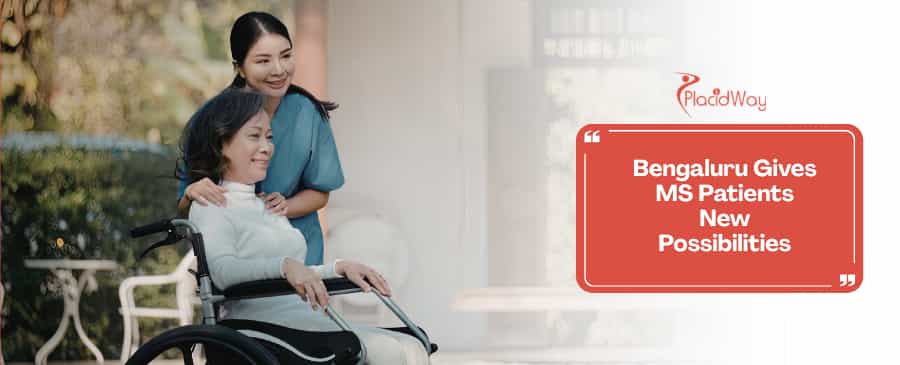
Multiple Sclerosis (MS) is a complex autoimmune condition that profoundly impacts the central nervous system, often leading to debilitating flare-ups and progressive neurological decline. For years, patients worldwide have sought therapies capable of not just managing symptoms, but actively halting the disease's progression. By 2026, Multiple Sclerosis treatment in Bengaluru has evolved significantly, positioning the city as a global epicenter for advanced neurological care. The city's sophisticated laboratories are utilizing cutting-edge biomedical engineering to offer renewed hope for patients facing treatment-resistant forms of MS.
The emergence of specialized neuro-regenerative labs in this technological hub has transformed the landscape of modern autoimmune therapy. These state-of-the-art facilities generally focus on cellular healing, striving to repair damaged myelin sheaths and reset the immune system. International patients are increasingly drawn to neuro-regenerative therapy for MS in the region because of the profound intersection of medical expertise and innovative research. Through carefully monitored protocols, these institutions aim to achieve meaningful remission milestones for individuals who have exhausted standard clinical options.
Bengaluru is officially recognized as the "Biotech Capital of India," housing over 60% of the country's dedicated biotechnology and advanced life sciences research laboratories.
- Focus on Myelin Repair: Advanced therapies aim to support the central nervous system's natural ability to remyelinate damaged nerve fibers.
- Immune System Reset: Protocols are designed to systematically halt the body's autoimmune attacks on its own neurological infrastructure.
- Biotech Integration: Close collaboration between software engineers and geneticists allows for highly personalized cell-culturing techniques.
How Advanced MS Treatment Clinics in Bengaluru Target Flare-Ups
The unpredictability of MS flare-ups creates a constant state of anxiety and physical strain for individuals living with the disease. In response, MS treatment clinics in Bengaluru have shifted their focus toward proactive cellular therapies rather than purely reactive symptom management. These clinical environments utilize advanced immuno-ablation techniques, which systematically suppress the faulty immune cells responsible for central nervous system attacks. Following this suppression, carefully processed cellular agents are reintroduced to the patient, encouraging the growth of a healthier, non-reactive immune profile.
This targeted approach is meticulously structured to break the cycle of chronic inflammation that characterizes the disease. Physicians in these specialized labs monitor cellular markers to determine the precise timing for therapy, aiming for maximum efficacy and minimal stress on the patient's body. Most patients experience a highly structured clinical pathway that includes thorough diagnostic imaging, cellular harvesting, and carefully supervised reinfusion. By directly targeting the biological source of the flare-ups, these advanced clinics hope to foster long-term neurological stability.
Mesenchymal Stem Cells (MSCs) used in many neuro-regenerative protocols possess unique immunomodulatory properties. They can essentially "communicate" with the immune system, instructing it to reduce inflammation without completely suppressing the body's natural defenses.
- Diagnostic Mapping: High-resolution 3T MRI scans are used to map existing lesions before any cellular intervention begins.
- Targeted Ablation: Low-dose, highly targeted medications are generally used to safely prepare the immune system for regeneration.
- Cellular Processing: Extracted cells undergo stringent purification processes in ISO-certified cleanrooms.
Why Medical Tourism in Bengaluru is the Top Choice for MS Patients
The decision to travel internationally for severe autoimmune conditions requires immense trust, comprehensive research, and specialized destination resources. Medical tourism in Bengaluru has surged in popularity because it offers a unique ecosystem that blends top-tier medical science with compassionate patient care. International patients find that the city’s healthcare infrastructure is specifically designed to accommodate complex, long-term therapeutic stays smoothly. From specialized English-speaking medical liaisons to globally accredited hospital networks, the environment is highly conducive to healing.
Furthermore, the city's reputation as a global IT and biotech hub means that its medical facilities are equipped with next-generation technology often unavailable in standard clinics elsewhere. Patients seeking stem cell therapy for MS in India typically benefit from multidisciplinary teams comprising neurologists, hematologists, and specialized rehabilitation therapists working in unison. This collaborative approach ensures that every facet of the patient's condition is addressed during their stay. Consequently, Bengaluru has established a firm reputation as a safe, advanced, and highly attractive destination for transformative neurological care.
According to recent global healthcare reports, international patient arrivals for complex neurological and regenerative therapies in India's leading tech cities have grown by over 25% annually since 2023.
- Accredited Facilities: A high concentration of JCI (Joint Commission International) and NABH accredited hospitals.
- Multidisciplinary Care: Comprehensive treatment teams that manage everything from initial infusion to post-therapy physical rehabilitation.
- Seamless Communication: A healthcare workforce highly proficient in English, ensuring clear understanding of complex medical protocols.
Analyzing the Affordable MS Treatment Cost in Bengaluru Versus the West
One of the most significant barriers to accessing advanced cellular therapies in Western nations is the prohibitive out-of-pocket expense. Fortunately, patients seeking an affordable MS treatment in Bengaluru often find that they can access world-class care at a fraction of the cost. The economic structure of the region's healthcare system allows clinics to maintain rigorous international safety standards without passing exorbitant administrative costs onto the patient. This financial accessibility makes life-altering treatments a realistic option rather than an impossible dream.
When analyzing the cost of MS therapy in Bengaluru, it is vital to understand that the lower price point does not equate to compromised quality. The price differential is primarily driven by lower operational overhead, localized production of medical supplies, and favorable exchange rates. Most treatment packages are highly transparent, generally including the medical procedures, hospital stay, specialized nursing, and initial rehabilitation. Below is a realistic overview of the financial landscape for these complex procedures.
| Procedure Name | Average Cost in Bengaluru (USD) | Average Cost in US/UK (USD) |
|---|---|---|
| Autologous Hematopoietic Stem Cell Therapy (AHSCT) | $20,000 - $30,000 | $80,000 - $150,000 |
| Mesenchymal Stem Cell Therapy (MSCT) | $12,000 - $18,000 | $35,000 - $60,000 |
| Comprehensive Neurological Evaluation & Mapping | $1,500 - $2,500 | $5,000 - $10,000 |
| Intensive Post-Therapy Neuro-Rehabilitation (Per Month) | $2,000 - $3,500 | $10,000 - $25,000 |
The Science Behind Stem Cell Therapy for MS in India
The fundamental science driving this medical evolution rests on the incredible regenerative potential of human cells when correctly isolated and processed. Facilities providing stem cell therapy for MS in India rely on extensive genomic research to understand how different cells behave once introduced into a damaged neurological environment. The primary goal is to interrupt the disease process at a cellular level, replacing immune cells that mistakenly attack myelin with a fresh, uncorrupted lineage. This biological reset is highly complex and requires profound expertise in hematology and neuro-immunology.
Scientists in these specialized labs typically focus on autologous therapies, meaning the treatment utilizes the patient’s own biological material, significantly reducing rejection risks. Once extracted, these cells are cryopreserved, purified, and eventually infused back into the patient’s bloodstream under sterile conditions. As the cells navigate the body, they generally seek out areas of severe inflammation to begin the intricate process of immune modulation. The resulting reduction in neuro-inflammation is a critical step toward helping patients achieve long-term remission for MS patients.
The blood-brain barrier often prevents traditional MS medications from fully reaching the central nervous system. Certain advanced cellular therapies are currently being studied for their unique ability to cross this barrier, delivering healing mechanisms directly to the brain and spinal cord.
- Autologous Extraction: Utilizing the patient's own cellular material to eliminate the risk of graft-versus-host disease (GVHD).
- Cryopreservation: Preserving extracted stem cells at sub-zero temperatures to maintain their viability prior to reinfusion.
- Immune Re-education: The process by which new immune cells develop without the pathological "memory" of attacking myelin.
Eligibility Criteria for Neuro-Regenerative Therapy for MS
Because cellular therapy is a profound medical intervention, not every individual diagnosed with Multiple Sclerosis is an immediate candidate. MS treatment clinics in Bengaluru implement rigorous screening processes to ensure patient safety and maximize the potential for successful outcomes. Eligibility generally hinges on the specific subtype of MS the patient has, their current age, and their overall organ health. Patients must undergo extensive cardiovascular, pulmonary, and neurological testing to confirm their bodies can withstand the rigors of immune modulation.
Typically, individuals with Relapsing-Remitting MS (RRMS) who experience aggressive flare-ups despite conventional medication are considered optimal candidates. However, select patients with Secondary Progressive MS (SPMS) may also be evaluated depending on the presence of active inflammation seen on recent MRI scans. The Expanded Disability Status Scale (EDSS) score is also closely analyzed, as patients who have progressed past a certain mobility threshold may face higher risks with diminished returns. Ultimately, thorough pre-screening guarantees that only those who can safely benefit proceed with the neuro-regenerative therapy for MS.
Before booking your travel, arrange a comprehensive virtual consultation with the specialized clinic. Share high-quality digital copies of your most recent brain and cervical spine MRIs (no older than 3 months) to get an accurate preliminary eligibility assessment.
- Disease Subtype: Highest consideration is generally given to highly active RRMS patients.
- EDSS Scoring: Most clinics require patients to have an EDSS score roughly between 2.0 and 6.0 for autologous stem cell transplants.
- Organ Vitality: Normal liver, kidney, and heart function are strictly required to clear the body of processing medications safely.
What to Expect During Your MS Therapy Journey in Bengaluru
Embarking on a journey for severe autoimmune therapy requires considerable mental and physical preparation, as the process spans several weeks. When patients arrive for Multiple Sclerosis treatment in Bengaluru, they are immediately welcomed into a highly structured, patient-centric environment designed for comfort and clinical precision. The initial days are entirely devoted to baseline testing, blood work, imaging, and extensive consultations with the core medical team. This orientation phase ensures the patient feels secure, informed, and physically prepared for the upcoming procedures.
The core phase of the treatment typically involves a sequence of mobilization, harvesting, immune-ablation, and cellular reinfusion. Following the reinfusion, patients enter a critical isolation period where their immune system is highly vulnerable while it begins the rebuilding process. During this time, they remain in specially filtered isolation suites equipped with HEPA air filtration to prevent any secondary infections. As the body slowly regains its strength, most patients experience an intensive monitoring phase before being gently transitioned into light physical rehabilitation.
- Mobilization Phase: Administering growth factors to stimulate the bone marrow into releasing stem cells into the bloodstream.
- Harvesting (Apheresis): Painlessly filtering the blood through a specialized machine to collect the required stem cells.
- Protective Isolation: Staying in a strictly sterile hospital room for 10 to 14 days post-infusion while white blood cell counts recover.
Cutting-Edge Protocols Utilized by MS Treatment Clinics in Bengaluru
The medical landscape of 2026 relies heavily on continuous innovation, pushing the boundaries of what is possible in neurological repair. Advanced MS treatment clinics in Bengaluru are increasingly integrating novel bio-technologies, such as exosome therapy and targeted genomic sequencing, alongside traditional stem cell protocols. These supportive treatments are designed to enhance the cellular signaling required for myelin repair, making the primary therapy significantly more efficient. By utilizing precision medicine, doctors can tailor the immunosuppressive conditioning regimens to the exact metabolic profile of each individual patient.
These sophisticated methodologies are what distinguish the region from standard medical centers globally. Clinical researchers in the city's biotech parks are constantly refining the way stem cells are cultivated, ensuring higher yields and greater cellular vitality. Patients seeking stem cell therapy for MS in India directly benefit from this rapid translation of laboratory breakthroughs into safe, bedside clinical applications. This forward-thinking environment is fundamentally altering how specialists approach long-term chronic autoimmune management.
Exosomes are tiny vesicles secreted by stem cells that contain potent growth factors and genetic material. They are currently being utilized as powerful anti-inflammatory "messengers" to support primary stem cell therapies in neuro-degenerative diseases.
- Reduced-Toxicity Conditioning: Utilizing advanced medications that suppress the immune system effectively but carry fewer harsh side effects than older chemotherapy drugs.
- Flow Cytometry Analysis: State-of-the-art cell sorting technology to guarantee only the healthiest, most potent stem cells are reinfused.
- Neuro-Protective Adjuvants: Administering specific intravenous vitamins and amino acids to shield existing healthy nerves during the treatment phase.
The Role of Rehabilitation Post-MS Treatment in Bengaluru
Securing a successful medical outcome does not end the moment the cellular infusion is complete; rather, it marks the beginning of the body's rebuilding phase. Comprehensive Multiple Sclerosis treatment in Bengaluru inherently includes robust neuro-rehabilitation programs tailored to the unique deficits caused by the patient's past flare-ups. Physical therapists, occupational therapists, and speech-language pathologists collaborate to help the brain forge new neural pathways—a concept known as neuroplasticity. This retraining is absolutely vital to maximizing the physical benefits of the newly stabilized immune system.
International patients typically spend the latter portion of their medical trip deeply engaged in this structured recovery process. The rehabilitation centers attached to the main MS treatment clinics in Bengaluru feature advanced robotic assist devices, hydrotherapy pools, and balance-training technologies. Most patients experience steady, albeit gradual, improvements in stamina, gait stability, and fine motor skills as they commit to these daily exercises. This holistic approach ensures that patients return home not just neurologically stable, but functionally empowered.
Neuroplasticity allows healthy parts of the brain to take over functions previously managed by areas damaged by MS lesions. Intensive physical rehabilitation is scientifically proven to accelerate this adaptive process.
- Gait Retraining: Utilizing body-weight-supported treadmill systems to help patients safely relearn proper walking mechanics.
- Spasticity Management: Combining gentle aquatic therapy with specialized stretching routines to reduce painful muscle stiffness.
- Cognitive Therapy: Engaging in memory and executive function exercises to combat "brain fog" often associated with severe MS.
Remission Milestones: Tracking Progress After MS Stem Cell Therapy
After undergoing profound immune modulation, patients are incredibly eager to measure their progress and define their personal healing journey. Achieving sustained remission for MS patients is generally measured through specific clinical milestones assessed over the course of several months to years. Neurologists primarily look for an outcome known as NEDA (No Evidence of Disease Activity), which signifies a complete halt in the disease's progression. Documenting these milestones requires strict adherence to scheduled follow-up appointments and continuous communication with the treating medical team.
The first significant milestone usually revolves around the absence of new clinical flare-ups or relapses during the first year post-treatment. Subsequently, follow-up MRI scans are closely evaluated to ensure no new active, enhancing lesions have formed on the brain or spinal cord. While profound symptom reversal is not guaranteed, most patients experience an eventual stabilization of their EDSS scores, indicating their disability is no longer worsening. Successfully hitting these crucial milestones is the ultimate goal of neuro-regenerative therapy for MS.
Clinical data suggests that up to 70-80% of highly screened RRMS patients who undergo advanced autologous stem cell treatments remain relapse-free for at least five years post-procedure.
- Month 3-6: Initial stabilization phase; extreme post-treatment fatigue generally begins to lift.
- Month 12: The critical one-year MRI benchmark to confirm the absence of new inflammatory lesions.
- Year 2-5: Long-term observation to document sustained NEDA (No Evidence of Disease Activity) and potential minor motor improvements.
Safety Protocols at Top MS Treatment Facilities in Bengaluru
Undergoing therapies that intentionally suppress the immune system inherently carries substantial medical risks that must be expertly managed. Therefore, patient safety is the absolute highest priority for professionals facilitating medical tourism in Bengaluru. The leading medical facilities adhere strictly to international bio-safety guidelines, employing rigorous infection control measures throughout the patient's stay. From highly restricted access in the transplant wards to continuously monitored vital signs, every precaution is taken to safeguard the individual.
Patients pursuing an affordable MS treatment in Bengaluru must understand that financial savings do not come at the expense of safety protocols. Daily blood cultures are generally drawn during the neutropenic phase to catch and treat any opportunistic infections immediately with broad-spectrum antibiotics. Furthermore, specialized dietitians prepare sterilized "neutropenic diets" to eliminate the risk of foodborne illnesses while the gut lining is sensitive. These exhaustive safety measures are what allow these complex therapies to be executed with high success rates.
Neuro-regenerative therapy is an aggressive medical procedure that carries risks, including but not limited to severe infections, systemic fatigue, and reactions to immuno-ablative drugs. Results are never guaranteed, and the procedure is not considered an absolute cure for Multiple Sclerosis. Thorough pre-screening is mandatory.
- HEPA Filtration: Isolation rooms are equipped with High-Efficiency Particulate Air filters to keep airborne pathogens away from the patient.
- Prophylactic Care: Administration of preventative antiviral and antifungal medications during the most vulnerable immune phases.
- 24/7 Monitoring: Round-the-clock specialized nursing staff trained exclusively in bone marrow and stem cell transplant protocols.
Preparing for Medical Tourism in Bengaluru: A Patient's Guide
Traveling across the globe for intensive medical care requires meticulous planning and a deep understanding of the logistical requirements. Patients engaging in medical tourism in Bengaluru must navigate not only their healthcare preparations but also international travel documentation. The first critical step generally involves securing a specialized Medical Visa, which the host hospital will facilitate by providing an official invitation letter. Organizing travel arrangements to ensure a smooth, low-stress transit is essential, given the physical limitations often associated with MS.
Beyond travel logistics, preparing the body and mind for stem cell therapy for MS in India is equally important. Patients are usually advised to adopt an anti-inflammatory diet, cease any smoking or alcohol consumption, and optimize their nutritional intake weeks before departure. Compiling a comprehensive medical dossier, including all past treatment records, neurologist notes, and imaging discs, is vital for the admitting team. Thorough preparation mitigates stress and allows the patient to focus entirely on their upcoming healing journey.
Always travel with a dedicated caregiver. The physical demands of the treatment, combined with the emotional toll of being far from home, make having a trusted companion invaluable for daily support and advocacy.
- Document Organization: Keep physical and secure cloud-based copies of your passport, medical visa, and entire medical history.
- Vaccination Review: Consult with your local physician about required travel vaccinations, keeping in mind that live vaccines are contraindicated before immune-suppressive therapies.
- Financial Planning: Ensure your bank is aware of your international travel to prevent blocks on your cards during payment for medical services.
Real Outcomes: Multiple Sclerosis Treatment Success in Bengaluru
While statistical data provides an empirical view of clinical success, the true impact of these therapies is best understood through the experiences of those who have undergone them. Patients seeking Multiple Sclerosis treatment in Bengaluru often arrive burdened by years of progressive disability and waning hope. Their journeys through the rigorous cellular therapy process highlight the resilience of the human spirit and the profound capabilities of modern medicine. Below are summarized accounts of international patients who navigated this complex path.
These summaries highlight the varying degrees of progress patients can achieve when aiming for long-term remission for MS patients. It is essential to remember that outcomes are highly individualized, and success is often defined by stabilization rather than complete reversal. Nonetheless, these experiences provide valuable insight into the realities of post-treatment life.
Testimonial Summary: A Renewed Sense of Energy
Sarah, a 34-year-old from the UK with aggressive RRMS, struggled with debilitating fatigue and frequent vision loss. Six months after undergoing stem cell therapy in the city, she reported a profound reduction in brain fog and no new active lesions on her latest MRI scan.
Testimonial Summary: Halting the Progression
David, 45, from the USA, was slowly transitioning to SPMS and losing mobility in his right leg. Following his cellular treatment and intensive neuro-rehabilitation, his EDSS score stabilized. He has remained flare-up free for over two years, avoiding full wheelchair dependency.
Testimonial Summary: Gaining Independence
Elena, 29, from Spain, traveled for advanced immunomodulation after standard DMTs failed. Post-therapy, she experienced a significant decrease in neuropathic pain and spasms. The intensive physical therapy during her stay allowed her to walk unassisted for short distances again.
Testimonial Summary: A Stable Future
Mark, 38, from Australia, sought affordable care to address his highly active MS. Despite a gruelling isolation phase, he safely completed the protocol. Three years later, Mark’s neurologists confirmed complete disease stabilization with no new neuro-inflammation detected.
Navigating the Future of MS Remission Care in Bengaluru
As we move through 2026, the landscape of autoimmune care continues to expand at a breathtaking pace. The dedicated MS treatment clinics in Bengaluru are firmly at the forefront of this evolution, constantly refining their approaches to maximize patient outcomes and minimize treatment toxicity. The future of this field points towards even greater personalization, utilizing artificial intelligence to map exactly how an individual's unique immune system will respond to specific cellular interventions. This continuous pursuit of excellence ensures that the city will remain a beacon of hope for complex neurological care.
Ultimately, the goal of neuro-regenerative therapy for MS is to transition the disease from a relentless, progressive threat to a permanently managed, quiet background condition. For international patients willing to explore these innovative horizons, the combination of advanced science, comprehensive rehabilitation, and compassionate care offers a compelling pathway. As global awareness grows, the remarkable remission milestones being achieved today will likely become the standard of care for tomorrow.
How PlacidWay Assists Your Neuro-Regenerative Medical Tourism Journey in Bengaluru
- Connecting patients globally with internationally accredited and highly specialized neurological medical centers.
- Providing access to transparent, detailed cost estimates and comprehensive treatment protocol information.
- Facilitating secure and direct medical record sharing between patients and evaluating specialists.
- Offering dedicated support in navigating hospital admission processes and visa invitation documentation.
- Empowering patients with objective resources, specialized facility profiles, and continuous guidance throughout the decision-making process.
Frequently Asked Questions
What is neuro-regenerative therapy for MS?
Neuro-regenerative therapy typically involves using cellular treatments, such as stem cells, to modulate the immune system and potentially repair damaged nerve tissues in Multiple Sclerosis patients. It focuses on halting the autoimmune attack at a cellular level.
Is neuro-regenerative therapy a cure for Multiple Sclerosis?
No, there is currently no absolute cure for MS. These therapies aim to halt disease progression, reduce flare-ups, and help patients achieve extended periods of remission rather than providing a definitive cure.
Why is medical tourism in Bengaluru popular for MS treatment?
Bengaluru is recognized globally for its advanced biotechnology laboratories, highly specialized neurologists, and comparatively affordable healthcare infrastructure tailored to international standards. It combines deep medical expertise with cutting-edge technology.
How much does stem cell therapy for MS cost in Bengaluru?
The cost generally ranges between $15,000 and $25,000, depending on the specific protocols used, the duration of stay, and the extent of required neuro-rehabilitation. This is a fraction of the cost typically seen in the US or UK.
Am I eligible for MS treatment clinics in Bengaluru?
Eligibility typically depends on the type of MS (RRMS or SPMS), current EDSS score, overall organ health, and a thorough medical evaluation by the admitting specialists. Highly active RRMS patients are generally the best candidates.
How long do I need to stay in India for the treatment?
Most comprehensive cellular therapy protocols require international patients to stay in the country for approximately 4 to 8 weeks to complete the treatment and initial recovery phases safely. This allows for proper monitoring and initial rehabilitation.
What are the risks associated with this procedure?
Risks can include infections, reactions to immuno-ablative medications, and potential fatigue. Patients are carefully monitored in strictly sterile environments to actively mitigate these complications during the vulnerable phases.
How soon will I see results after the therapy?
Results vary significantly among patients. Some may notice improvements in energy and mobility within a few months, while deeper neurological stabilization can take a year or more to evaluate through follow-up MRIs.
Do I need a special visa for medical tourism in Bengaluru?
Yes, international patients are generally required to apply for a specialized Medical Visa to undergo treatments legally and securely in the country. The receiving hospital will usually provide the necessary invitation documents.
What post-treatment care is required after returning home?
Post-treatment care typically involves continuous physical rehabilitation, regular MRI scans to track disease activity, and ongoing consultations with a local neurologist. A healthy, low-stress lifestyle is also highly recommended to support healing.
Take the next step in your healing journey. Contact PlacidWay today to explore your options.
Medical Disclaimer: This article is for informational purposes only and is not medical advice. Always consult a qualified healthcare provider before any medical decisions. Results may vary. Read Full Disclaimer here.
References?
- National Institutes of Health (NIH) - PubMed Central. Autologous Hematopoietic Stem Cell Transplantation for Multiple Sclerosis. https://pubmed.ncbi.nlm.nih.gov/40500866/
- Mayo Clinic. Multiple Sclerosis Diagnosis & Treatment. https://www.mayoclinic.org/diseases-conditions/multiple-sclerosis/diagnosis-treatment/drc-20350274
- World Health Organization (WHO). Multiple Sclerosis Fact Sheet. https://www.who.int/news-room/fact-sheets/detail/multiple-sclerosis
.png)

.png)



-(6).png)
-(5).png)



.jpg)
.jpg)
.jpg)
.jpg)








Share this listing