
Cuprins
Unele afecțiuni și boli nu pot fi vindecate. Dar pot fi controlate cu ajutorul terapiei cu celule stem în Austria, ceea ce îmbunătățește semnificativ calitatea vieții pacienților.
Boli precum scleroza multiplă, autismul, durerile articulare, diabetul și altele pot fi acum tratate cu celule stem bazate pe dovezi științifice. Tratamentul cu celule stem îmbunătățește eficient sistemul imunitar prin utilizarea celulelor stem adulte sau a sângelui din cordonul ombilical pentru a combate celulele dăunătoare.
Dacă dumneavoastră sau persoana iubită aveți o afecțiune care vă pune viața în pericol sau dureri articulare severe, există speranță în tratamentul regenerativ din Austria. Găsiți toate opțiunile disponibile în ghidul nostru.
Clinică: Institutul de Medicină Regenerativă
Numele medicului: Georg Kobinia MD
Procedură: Terapie cu celule stem
Preț pachet: Între 10.900 USD și 16.400 USD
Cost în Austria : 7.000 USD
Cost în SUA și Canada: De la 15.000 USD
Atracții turistice de top: Palatul Hofburg, Salzburg Altstadt, Innsbruck, Munții Alpi și multe altele.
În gama noastră largă de pachete, veți găsi toate serviciile incluse la prețuri între 10.900 USD și 16.400 USD, cum ar fi
- Control medical complet al corpului
- Toate taxele de spitalizare cu cazare peste noapte
- Onorariul asistentei medicale
- Anestezie (dacă este necesar)
- Îmbrăcăminte postoperatorie
- Consultare
- Onorariul specialiștilor și al personalului medical
Pachetele sunt foarte accesibile, având în vedere complexitatea fiecărui caz. De exemplu, puteți alege SCT pentru diabet în Austria la 10.900 USD sau celule stem pentru scleroză multiplă la 16.400 USD.
Pachetul nostru popular de terapie anti-îmbătrânire cu celule stem costă doar 14.000 USD, incluzând 4 zile de tratament, cazare - 3 nopți pentru 2 persoane și transfer hotel-clinică-hotel.
Găsiți mai multe detalii în următoarele linkuri:
`Costul terapiei cu celule stem în Austria începe de la 7.000 de dolari pentru celulele stem articulare, în timp ce celulele stem pentru boli neurologice costă în medie 10.000 de dolari. În alte țări, precum Statele Unite și Canada, prețurile sunt mult mai mari, unde celulele stem pentru autism pot costa peste 15.000 de dolari, tratamentul regenerativ pentru BPOC peste 20.000 de dolari și poate ajunge până la 50.000 de dolari pentru celulele stem din măduva osoasă.
Prin urmare, puteți economisi aproximativ 70% venind în Austria pentru terapie regenerativă. Consultați tabelul nostru comparativ al costurilor pentru a afla prețurile:
Stem Cell Therapy Compararea costurilor în Austria
| Ţară | Procedură | Preţ |
|---|---|---|
| United States | Adult Stem Cell Therapy, Stem Cell Therapy | $25000 |
Furnizorul nostru partener este una dintre cele mai bune clinici de terapie cu celule stem din Austria, susținută de Societatea Austriacă. Experții lor sunt profesori din universități de renume internațional care contribuie la cunoștințele științifice în bolile rare ale metabolismului osos, procesele metabolice celulare în bolile vasculare și cercetarea fundamentală privind transplantul de culturi celulare.
Mii de pacienți din Europa și America care suferă de diverse boli incurabile apelează la Institutul de Medicină Regenerativă pentru tratament cu celule stem accesibil și eficient.
Puteți găsi mai multe informații despre această clinică, inclusiv acreditările medicilor, recenziile pacienților și fotografii, în linkul următor.
AZ SwissClinic AG - Neurological Rehab Center in Austria
Vienna, Austria
Foști pacienți care au urmat tratamente cu celule stem în Austria își împărtășesc poveștile emoționante în videoclipurile noastre de mai jos. Vedeți cum celulele stem i-au ajutat să facă față paraplegiei, paraliziei cerebrale și tetraplegiei.
Descoperiți costurile terapiei cu celule stem în Viena și Graz, Austria, Europa, din răspunsurile noastre bine documentate de mai jos.
What is the Average Price for Stem Cell Therapy for Autism in Vienna, Austria?
The average estimated cost for experimental stem cell therapy for autism in Vienna, Austria, typically ranges from $12,000 to $20,000 USD per treatment protocol. This price fluctuates based on cell type, medical evaluations, and clinic fees. Finding accurate information about stem cell therapy for autism in Vienna, Austria requires careful navigation of both medical realities and international healthcare costs. Autism Spectrum Disorder (ASD) is a complex neurodevelopmental condition, and while traditional therapies focus on behavioral and educational interventions, some families look toward experimental biological treatments. Austria is globally recognized for its stringent medical regulations and high-quality healthcare infrastructure. Families exploring medical tourism in Austria often do so to access facilities that operate under strict European oversight. However, it remains vital to understand that stem cell therapy for autism is currently classified as an investigational treatment. Outcomes vary significantly from patient to patient, and the procedure is not a recognized cure. Key Takeaways The stem cell therapy for autism cost in Vienna, Austria generally falls between $12,000 and $20,000 USD. This treatment is strictly experimental and aims to target underlying neuroinflammation, though results are not guaranteed. Costs rarely include travel, accommodation, or long-term post-treatment therapies. Austrian clinics follow strict European Medicines Agency (EMA) guidelines regarding cell processing and safety. Consultation with a qualified local pediatrician or neurologist is mandatory before considering international experimental treatments. What factors influence the total cost of this therapy? The final price tag depends heavily on the origin of the stem cells, the number of infusions required, laboratory processing fees, and mandatory pre-treatment neurological evaluations. When requesting quotes from any stem cell therapy for autism clinic in Vienna, Austria, families often notice varying price structures. These differences rarely reflect the quality of care alone; rather, they stem from the specific medical protocols being utilized. The type of stem cell harvested plays a major role in pricing. Autologous treatments—which use the patient's own bone marrow or adipose tissue—require surgical extraction, adding operating room fees and anesthesia costs. Conversely, allogeneic treatments using umbilical cord-derived mesenchymal stem cells (MSCs) require rigorous donor screening, tissue banking, and specialized laboratory expansion to ensure viability and safety. Additionally, specialized clinics in Vienna incorporate comprehensive diagnostics into their fee structures. These may include advanced neuro-imaging, genetic screening, metabolic testing, and extensive blood work to determine if a patient is physically suited for an experimental protocol. Patients must also factor in the cost of supportive therapies, such as nutritional counseling or occupational therapy, which clinics sometimes bundle with the cell infusions. Is stem cell therapy a proven treatment for autism? No, stem cell therapy is not a proven or approved cure for autism. It remains in the clinical trial and investigational phases, with researchers studying its potential to reduce neuroinflammation. Medical transparency is crucial when discussing neurodevelopmental disorders. Major health organizations, including the International Society for Stem Cell Research (ISSCR), emphasize that stem cell therapies for autism lack large-scale, definitive clinical proof. The treatment relies on a theoretical mechanism of action: that certain stem cells possess immunomodulatory properties capable of calming abnormal immune responses and reducing inflammation in the brain. Some parents report observing improvements in behavior, speech, or social interaction following investigational treatments. However, the scientific community notes that these anecdotal reports are highly subjective. Placebo effects, natural developmental milestones, and concurrent intensive behavioral therapies often blur the ability to definitively attribute progress to the stem cells alone. Families must approach these treatments with cautious expectations. Any facility guaranteeing behavioral improvements, language acquisition, or a "cure" is acting outside the boundaries of responsible medical practice. A thorough discussion regarding the experimental nature of this therapy with your child’s primary healthcare provider is a vital first step. What types of stem cells are typically utilized in Austria? Austrian facilities typically focus on Mesenchymal Stem Cells (MSCs). These are usually ethically sourced from donated umbilical cord tissue (allogeneic) or extracted from the patient’s own body (autologous). The science of stem cell applications relies heavily on selecting the correct cell type for the specific condition. For neurodevelopmental and autoimmune research, MSCs are the primary focus. They are favored in clinical settings because they rarely trigger strong immune rejection and naturally secrete factors that may influence tissue repair and inflammation. Stem Cell Type Source Considerations for Autism Protocols Umbilical Cord MSCs Donated healthy birth tissue Readily available, highly regulated screening, avoids an invasive extraction procedure for the child. Bone Marrow MSCs Patient's own bone marrow Requires surgical extraction under anesthesia; zero risk of donor disease transmission. Adipose-Derived MSCs Patient's own fat tissue Requires minor liposuction; yields a high volume of cells but involves extraction stress. Under strict European regulations, cell handling facilities in Austria must adhere to Good Manufacturing Practice (GMP) standards. This ensures that whichever cell type is utilized, it undergoes rigorous testing for sterility, viability, and cell count before being administered to a patient. How is the stem cell procedure performed? Administration usually involves intravenous (IV) infusions or, less commonly in pediatric cases, intrathecal injections into the spinal canal. The entire process takes place in a controlled clinical environment. Once a patient passes the extensive pre-screening process, the actual administration of the cells is relatively straightforward. The most common delivery method in autism protocols is the intravenous (IV) drip. The concentrated stem cells are suspended in a saline solution and infused slowly into the bloodstream. This method is preferred for its minimally invasive nature, though it relies on the cells traveling through the systemic circulation to reach areas of inflammation. In some specific, highly regulated protocols, doctors might suggest an intrathecal injection. This involves a lumbar puncture to deliver cells directly into the cerebrospinal fluid, bypassing the blood-brain barrier. Intrathecal injections carry a higher risk profile, require anesthesia or heavy sedation, and necessitate strict monitoring for complications such as spinal headaches or localized infections. Following the administration, the patient remains in the clinic for several hours of observation. Medical staff monitor vital signs, looking for any immediate adverse reactions, allergic responses, or fever spikes before clearing the patient to return to their accommodation. What are the potential risks and complications? While MSCs are generally tolerated well, risks include infection at the injection site, fever, immune rejection, allergic reactions, and unforeseen long-term cellular complications. Patient safety must always supersede the hope for symptom improvement. Because stem cell therapy involves introducing biological material into the body, it carries inherent risks. Common, mild side effects often include transient fevers, fatigue, nausea, or soreness at the IV or lumbar puncture site. These typically resolve within a few days. However, more serious complications are possible. There is a risk of bacterial or viral infection if strict sterile protocols fail. When allogeneic (donor) cells are used, there is a small risk of immune system reactions, though MSCs are widely considered immuno-evasive. The most profound risk lies in the unknown; long-term studies on the consequences of introducing multiplied stem cells into pediatric patients are still ongoing, meaning long-term safety data remains incomplete. Families must thoroughly discuss contraindications with a specialist. Children with active infections, certain genetic anomalies, or severe autoimmune disorders may not be eligible for these experimental procedures. How does Austria regulate experimental treatments? Austria operates under the guidelines of the European Medicines Agency (EMA) and local authorities, strictly regulating stem cells as Advanced Therapy Medicinal Products (ATMPs). One reason families look toward Austria for medical care is the country's robust regulatory environment. The Austrian Agency for Health and Food Safety (AGES) works in tandem with the EMA to oversee medical products and practices. Stem cells manipulated in a laboratory are legally classified as ATMPs, meaning they must meet the same rigorous safety, quality, and manufacturing standards as pharmaceutical drugs. Clinics operating in Vienna cannot legally offer stem cell therapies outside of approved clinical trials or very specific, compassionate-use "hospital exemption" pathways. This strict oversight helps protect patients from unverified or dangerous practices that can occur in countries with lax medical regulations. When consulting with a clinic, patients have the right to ask for their facility licensing, laboratory certifications, and the specific ethical approvals under which their experimental protocols are conducted. Are there hidden costs of traveling to Vienna for treatment? The primary medical quote rarely covers international flights, hotel accommodations, local transportation, specialized dietary needs, or translation services. The core estimated cost of $12,000 to $20,000 covers only the clinical aspect of the therapy. Families planning international medical travel must budget extensively for logistical expenses. Vienna is a major European capital with living costs commensurate with its high standard of living. Accommodation for a stay of up to two weeks can significantly increase the total financial burden. Important Consideration: Many children with ASD have strict dietary routines, sensory sensitivities, or require specific environmental accommodations. Sourcing familiar foods, ensuring quiet accommodations, and navigating a foreign city can add both financial cost and emotional stress to the journey. Furthermore, unforeseen medical events can incur massive costs. If a patient experiences a complication requiring hospitalization or emergency care in Austria, their domestic health insurance is highly unlikely to cover it. Purchasing comprehensive medical travel insurance that specifically covers complications arising from planned experimental treatments is a vital protective measure. Who is generally considered a candidate for this therapy? Eligibility is determined by the clinic's medical team, usually focusing on specific age ranges, stable general health, and the absence of severe concurrent medical conditions. Because the treatment is investigational, clinics enforce strict inclusion and exclusion criteria. Patient selection often begins with an extensive review of the child’s medical records, diagnostic history, and prior therapeutic interventions. Clinics typically require recent bloodwork and neurology reports to rule out underlying conditions that could make the procedure unsafe. Patients who suffer from active infections, severe seizure disorders that are unmanaged, bleeding disorders, or compromised immune systems are frequently disqualified from stem cell protocols. The goal of the medical team is to ensure that the potential theoretical benefits might outweigh the physical risks of the procedure. What aftercare and follow-up are necessary? Stem cell therapy is not a standalone solution; ongoing behavioral therapies, neurological monitoring, and local pediatric care are mandatory once the patient returns home. The journey does not end when the family flies home from Vienna. Austrian clinics usually require families to complete periodic health questionnaires and submit follow-up blood work at 3, 6, and 12-month intervals. This data helps the clinic track the safety and ongoing physiological status of the patient. Crucially, families must establish a relationship with a local healthcare provider willing to monitor the child post-treatment. Some domestic doctors are hesitant to oversee patients who have undergone international experimental treatments. It is essential to secure this local medical support *before* traveling, ensuring there is a plan in place if delayed complications arise. Additionally, researchers stress that biological treatments do not replace traditional therapies. Applied Behavior Analysis (ABA), speech therapy, and occupational therapy must continue, as stem cells—even in theory—do not teach a child new skills, but rather aim to create a better neurological environment for learning. Why Choose PlacidWay for Medical Tourism in Austria? Navigating the complexities of international healthcare requires access to clear, organized information. For families exploring options abroad, PlacidWay serves as an educational and facilitation resource. When utilizing PlacidWay to research facilities in Austria, patients benefit from: Comprehensive Provider Directories: Access to a global database of medical centers, allowing patients to review clinic profiles, accreditations, and available procedures in Vienna. Direct Communication Channels: Tools that facilitate direct contact with international medical teams to ask detailed questions about protocols and eligibility. Information Gathering: A centralized platform to request preliminary quotes, compare estimated costs, and gather the necessary documents for medical review. Educational Resources: Access to patient guides and articles regarding the logistics of cross-border medical care. Transparent Inquiries: An organized system to request detailed breakdowns of what is and isn't included in a clinic's fee structure. Frequently Asked Questions Is stem cell therapy for autism legally approved in Austria? In Austria, stem cell therapies fall under strict European Medicines Agency (EMA) and national regulations. Currently, stem cell therapy for autism is considered an experimental or investigational treatment, not a standard approved therapy. Why do patients travel to Vienna for autism treatments? Vienna is known for high healthcare standards, strict medical regulations, and advanced research facilities. Families exploring medical tourism in Austria often seek highly regulated environments when considering experimental therapies. Does health insurance cover the cost of this therapy in Vienna? Because stem cell therapy for Autism Spectrum Disorder remains experimental and investigational, standard health insurance policies—both domestic and international—do not typically cover the costs. Patients almost always pay out of pocket. Can stem cell treatment cure autism? No. There is no known medical cure for Autism Spectrum Disorder. Stem cell therapy is being researched for its potential to modulate the immune system and reduce neuroinflammation, but results vary widely, and it should not be viewed as a cure. How long does a patient need to stay in Vienna for treatment? Depending on the clinic's protocol, patients usually stay in Vienna for 5 to 14 days. This allows time for initial medical evaluations, the administration of the cells, and post-procedure observation before traveling home. What type of stem cells are most commonly researched for autism? Mesenchymal stem cells (MSCs), often derived from umbilical cord tissue or the patient's own bone marrow, are the most frequently used cells in autism research due to their potential immunomodulatory properties. Are there age restrictions for this therapy in Austrian clinics? Most clinics evaluating patients for experimental protocols have strict age guidelines, often requiring patients to be at least a few years old. Eligibility is always determined on a case-by-case basis by the attending medical team. What should families ask a stem cell clinic in Vienna before booking? Families should ask about the specific type and source of cells used, the facility's laboratory accreditations, potential risks, detailed cost breakdowns, and what objective measures they use to track outcomes. What are the common side effects observed after the procedure? Reported side effects can include mild fever, fatigue, headache, or localized pain at the injection site. However, more severe immune reactions or infections are possible, making thorough medical oversight essential. How do families handle post-treatment care after leaving Austria? Families must coordinate with their local pediatricians or neurologists before traveling. Local doctors need to handle long-term monitoring, routine blood work, and the management of any delayed complications after the patient returns home. Explore Your Healthcare Options Compare facilities, request detailed information, and connect with global healthcare providers to make an informed decision for your family. Request Treatment Information References Patient Resources regarding Unproven Stem Cell Interventions – International Society for Stem Cell Research (ISSCR) Advanced Therapy Medicinal Products (ATMPs) Regulatory Overview – European Medicines Agency (EMA) FDA Warns About Unapproved Stem Cell Therapies – U.S. Food and Drug Administration Clinical Trials Database for Stem Cell Research in Autism – National Institutes of Health (NIH) Medicines and Clinical Trial Regulation – Austrian Agency for Health and Food Safety (AGES) Autism Spectrum Disorders Fact Sheet – World Health Organization (WHO) Medical Disclaimer: The information provided in this article is for educational and informational purposes only and does not constitute medical advice, diagnosis, or treatment recommendations. Stem cell therapy for Autism Spectrum Disorder is an experimental and investigational procedure that is not universally approved or recognized as a cure. Outcomes, risks, and suitability vary significantly by individual patient. Always consult with a qualified pediatric neurologist, pediatrician, or appropriate healthcare professional before pursuing any experimental treatments or engaging in medical tourism. Prices listed are estimates and are subject to change.
What is Cost of Stem Cell Therapy for Cerebral Palsy in Vienna?
Stem cell therapy for cerebral palsy in Vienna typically costs between $12,000 and $22,000 per treatment cycle. This includes comprehensive neurological evaluations, precise cellular administration, and initial pediatric rehabilitation protocols. Key Takeaways: Pediatric Neurological Care Comprehensive Pricing: Complete medical packages average between $12,000 and $22,000 depending on the specific protocol requirements. Advanced Diagnostics: Pre treatment assessments include detailed neurological mapping and biological compatibility testing. Integrated Rehabilitation: Premier packages combine cellular science with intensive physical and occupational therapy. Premium Facilities: Treatments are conducted in highly regulated environments adhering to rigorous European medical standards. Tailored Protocols: Every pediatric patient receives customized cellular dosages based on their unique developmental needs. What factors influence the Stem Cell Therapy for Cerebral Palsy cost in Austria? The overall financial investment depends heavily on the required number of cellular infusions, the severity of the neurological condition, and the inclusion of specialized intensive physical therapy sessions. Understanding the precise financial requirements for this complex procedure requires a detailed look at multiple medical variables. The Stem Cell Therapy for Cerebral Palsy cost in Austria is generally structured as a comprehensive package rather than individual billable items. The primary factor dictating this price is the quantity and type of cells required to address the patients specific level of neurological impairment. Patients requiring higher cellular volumes or specialized multi phase protocols will naturally encounter higher overall costs compared to those needing baseline interventions. Another significant element impacting the final price is the breadth of pre treatment diagnostic testing. Advanced neuroimaging, expansive genetic screenings, and highly specific blood work are mandatory to ensure the safety and efficacy of the procedure. Furthermore, top tier medical facilities incorporate extensive pediatric rehabilitation programs into their pricing structure. These post administration therapy sessions are critical for stimulating neuroplasticity and maximizing the developmental benefits derived from the cellular infusion. Finally, the length of the required hospital stay and the necessity for specialized pediatric care equipment contribute to the overall expenditure. Premium medical packages often encompass the entirety of the clinical experience, including specialized nursing staff, customized dietary plans for pediatric patients, and dedicated patient coordinators who manage the entire clinical schedule to ensure a stress free environment for families. Medical Component Estimated Percentage of Total Cost Detailed Description Diagnostics & Evaluations 15% - 20% Extensive neuroimaging, blood compatibility panels, and pediatric neurology consultations. Cellular Cultivation & Processing 40% - 50% Laboratory expansion, ethical sourcing, and rigorous quality control testing. Clinical Administration 15% - 20% Operating room fees, specialized anesthesia if required, and monitoring. Rehabilitation & Observation 15% - 20% Inpatient physical therapies, occupational training, and extended nursing care. How does a Stem Cell Therapy for Cerebral Palsy clinic in Austria administer the treatment? Specialized medical professionals typically administer the regenerative cells either intravenously or intrathecally to ensure the cellular material efficiently reaches the central nervous system and damaged brain tissues. The methodology chosen by a premier Stem Cell Therapy for Cerebral Palsy clinic in Austria is entirely dependent on the patients specific physiological needs and the neurologists strategic treatment plan. Intravenous administration is one of the most common and least invasive methods utilized. During this process, the concentrated regenerative cells are slowly infused directly into the patients bloodstream. This allows the biological material to circulate systemically, reducing widespread inflammation and seeking out areas of tissue damage throughout the body. For more targeted neurological intervention, highly skilled specialists may utilize an intrathecal approach. This precise method involves introducing the cellular material directly into the cerebrospinal fluid through a meticulously controlled lumbar puncture. By bypassing the blood brain barrier entirely, the therapeutic cells achieve a much higher concentration within the central nervous system, which is particularly beneficial for addressing complex cerebral palsy symptoms. Regardless of the chosen delivery method, the entire procedure is performed under strict sterile conditions within advanced clinical suites. For pediatric patients, the medical team prioritizes comfort and absolute safety, often utilizing mild sedation to ensure the child remains completely relaxed and stress free during the administration process. Following the infusion, patients are closely monitored by dedicated nursing staff to ensure immediate stability and comfort. Did You Know? The blood brain barrier is a highly selective semipermeable border that prevents many substances from entering the brain. Intrathecal administration is a revolutionary technique because it strategically bypasses this barrier, allowing regenerative cells direct access to repair damaged neural networks. What makes medical tourism in Austria ideal for pediatric neurological treatments? The region boasts world renowned medical infrastructure, exceptionally stringent healthcare regulations, and a pristine environment that collectively create the perfect setting for complex pediatric recovery and care. The global reputation of medical tourism in Austria is built upon a foundation of absolute clinical excellence and unyielding patient safety standards. The country is internationally recognized for its pioneering advancements in the field of regenerative medicine and pediatric neurology. Families traveling to this destination gain access to some of the most sophisticated diagnostic equipment and cutting edge medical technologies currently available in the European healthcare sector. Beyond the advanced technology, the regulatory environment in the region provides immense peace of mind for international families seeking complex treatments. The local health ministries enforce incredibly rigorous quality control measures across all medical facilities, particularly concerning the handling and cultivation of biological materials. This ensures that every cellular treatment administered meets the highest ethical and scientific standards established by global health organizations. Additionally, the serene and highly structured environment of Vienna plays a crucial role in the healing process. Medical tourism packages often integrate the therapeutic nature of the city, providing families with a calm, secure, and clean atmosphere that is highly conducive to pediatric recovery. The accessibility of specialized pediatric physical therapy centers and specialized dietary resources further cements the city as a premier destination for holistic neurological care. What type of stem cells are utilized for Stem Cell Therapy for Cerebral Palsy in Austria? Specialized medical centers primarily utilize ethically sourced mesenchymal stem cells derived from umbilical cord tissue or the patients own bone marrow to ensure optimal regenerative potential and absolute biological safety. The effectiveness of Stem Cell Therapy for Cerebral Palsy in Austria relies heavily on the specific biological materials selected by the clinical team. Specialists carefully evaluate several highly viable cellular options to construct the most effective treatment protocol: Umbilical Cord Derived Mesenchymal Cells: These are incredibly potent young cells harvested from ethically donated umbilical cord tissue following healthy, full term deliveries. They possess remarkable proliferative abilities and are highly effective at reducing neuroinflammation. Autologous Bone Marrow Aspirate: In some precise clinical scenarios, specialists may extract cells directly from the patients own bone marrow. This completely eliminates any risk of biological rejection as the genetic material belongs entirely to the patient. Wharton Jelly Extracts: The gelatinous substance found within the umbilical cord is a rich source of highly specialized regenerative cells. These cells are particularly celebrated for their robust ability to differentiate into various neural supportive structures. Immune Privileged Properties: The specifically selected allogeneic cells lack human leukocyte antigen specific markers. This profound biological trait allows them to be safely administered without triggering adverse autoimmune responses in pediatric patients. Advanced Exosome Application: Progressive treatment protocols may also integrate cellular byproducts known as exosomes. These microscopic vesicles facilitate powerful cellular communication, drastically enhancing the repair of damaged neurological pathways. Are rehabilitation programs included in the treatment packages in Vienna? Comprehensive medical protocols in the region almost always integrate intensive physical and occupational therapies alongside the cellular infusions to maximize neuroplasticity and secure functional developmental gains. The foremost medical experts universally agree that regenerative medicine should not be viewed as a standalone intervention, especially when addressing complex pediatric conditions. Top tier medical facilities seamlessly integrate rigorous physical rehabilitation into their comprehensive treatment packages. This dual approach ensures that as the newly introduced cells work to repair damaged neural pathways, targeted physical exercises simultaneously train the brain to utilize these newly established connections. The rehabilitation programs offered in these specialized European centers are highly sophisticated. They frequently employ advanced therapeutic techniques such as the Bobath concept, which focuses on normalizing muscle tone and facilitating natural movement patterns. Additionally, many facilities incorporate robotic assisted gait training and aquatic therapy, which provide a low impact environment for children to build muscular strength and improve profound motor coordination without excessive physical strain. Furthermore, these integrated rehabilitation programs heavily involve the parents and primary caregivers. Medical professionals dedicate significant time to educating families on specialized home exercise routines. This comprehensive educational component guarantees that the intense therapeutic momentum achieved during the stay in Europe continues uninterrupted long after the family returns to their home country. Expert Insight Neurological specialists consistently observe that patients who engage in aggressive, daily physical therapy immediately following their cellular infusions demonstrate functional improvements that are frequently double those of patients who rely on the infusion alone. What expected improvements can patients see after receiving stem cell treatments in Vienna? Patients frequently experience noticeable enhancements in muscle tone reduction, significantly improved gross motor coordination, better speech articulation, and overall increased cognitive responsiveness. While every pediatric patient responds uniquely to cellular therapy due to the highly individualized nature of brain injuries, comprehensive clinical observations highlight several consistent areas of developmental improvement: Reduction in Spasticity: One of the most commonly reported benefits is a significant decrease in abnormal muscle tightness. This reduction allows for smoother, more voluntary limb movements and drastically reduces daily physical discomfort for the child. Enhanced Gross Motor Function: As neural pathways begin to regenerate, many patients demonstrate improved abilities to sit unassisted, crawl with better coordination, or even take independent steps previously deemed impossible by their local therapists. Refined Fine Motor Skills: Improved cellular communication within the brain often translates to better hand eye coordination. Children may gain the ability to grasp small objects, feed themselves, or engage in detailed play activities. Speech and Swallowing Progress: The regenerative process frequently impacts the cranial nerves responsible for facial muscle control. This can lead to clearer verbal articulation, reduced drooling, and much safer, more efficient swallowing mechanisms. Cognitive and Behavioral Leaps: Parents frequently note heightened environmental awareness, prolonged attention spans, and an increased willingness to interact socially, indicating profound improvements in overall cognitive processing. How many treatment sessions are typically required for pediatric patients in Vienna? Most comprehensive pediatric treatment plans consist of one to three dedicated cycles spread over several months, though this timeline varies significantly based on individual neurological assessments and progress. Designing the optimal timeline for cellular therapies requires a highly personalized medical approach. During the initial consultation phase, specialized neurologists evaluate the severity of the developmental delays and establish a baseline treatment protocol. A standard initial cycle usually involves multiple cellular administrations occurring over a focused ten to fourteen day period while the family resides at the specialized facility. Following this primary intervention, a mandatory observation period is instituted, typically lasting between three to six months. During this critical window, the newly introduced biological materials actively integrate into the central nervous system to repair damaged tissue and reduce chronic neuroinflammation. The medical team relies heavily on detailed progress reports from local physical therapists to gauge the efficacy of this initial cycle. Based on the functional improvements observed during this period, the international medical board will determine if subsequent treatment cycles are medically justified. Some patients achieve their primary developmental goals after a single comprehensive session, while others with more profound neurological challenges may require carefully spaced follow up infusions to maintain therapeutic momentum and achieve maximum functional independence. What diagnostic tests are required before initiating stem cell therapies in Vienna? Prior to any treatment, patients must undergo extensive blood panels, high resolution magnetic resonance imaging of the brain, and detailed electroencephalograms to create a perfectly customized medical protocol. To ensure total patient safety and maximize the therapeutic impact of the regenerative procedure, medical facilities mandate a rigorous suite of pre treatment diagnostics. These evaluations provide the clinical team with a comprehensive biological map of the patient: Advanced Magnetic Resonance Imaging: High definition MRI scans are crucial for pinpointing the exact locations and precise extent of the neurological damage within the brain structure, allowing for highly targeted therapeutic planning. Comprehensive Electroencephalograms: EEG tests meticulously measure the electrical activity occurring within the brain. This is essential for identifying any underlying seizure disorders that might require stabilization before the administration of cellular therapies. Extensive Blood Chemistry Panels: Detailed laboratory analysis ensures the patients immune system is currently stable and that there are no active viral or bacterial infections that could jeopardize the integration of the biological material. Specialized Genetic Screenings: In highly complex pediatric cases, chromosomal analysis may be required to definitively rule out hereditary metabolic disorders that mimic traditional neurological damage symptoms. Pediatric Physical Assessments: Specialists conduct thorough evaluations of current gross and fine motor capabilities to establish a precise baseline, which is essential for accurately measuring post treatment functional progress. Why choose PlacidWay for your medical journey to Austria? PlacidWay effectively connects you with globally accredited healthcare providers while offering transparent medical pricing and dedicated patient advocacy for your complex regenerative medicine journey. Navigating the intricacies of international regenerative medicine requires profound expertise and unwavering dedication to patient safety. PlacidWay serves as an indispensable bridge between families seeking advanced neurological interventions and the elite medical institutions providing them. Here is why discerning families rely on our extensive healthcare network: Verified Medical Network Integration: We maintain strict partnerships exclusively with certified medical centers that adhere to rigorous international safety and ethical standards regarding cellular therapies. Transparent Pricing Structures: Our comprehensive platform provides clear, upfront cost estimates for complex medical procedures, effectively helping families avoid unexpected financial surprises during their clinical experience. Dedicated Patient Advocacy Services: We supply continuous, compassionate support and guidance to help families confidently navigate complex healthcare decisions from the initial inquiry to final discharge. Seamless Medical Record Coordination: Our specialized team facilitates the secure and rapid transfer of vital health documents between your local primary physician and the international neurological specialists. Customized Treatment Facilitation: We directly assist in connecting you with elite pediatric specialists who can precisely tailor advanced therapeutic protocols to match your childs highly unique neurological requirements. Frequently Asked Questions About Regenerative Neurology Is stem cell therapy a permanent cure for cerebral palsy? Regenerative medicine does not currently offer a definitive cure for neurological damage. However, these advanced cellular protocols aim to significantly improve the patients quality of life by repairing damaged neural pathways, reducing muscle spasticity, and enhancing overall motor functions to provide long lasting developmental benefits. What is the ideal age to start cellular treatments for neurological conditions? Early intervention is highly recommended in pediatric neurology. Medical professionals generally suggest initiating evaluations between the ages of two and five years old. During this critical developmental window, the brain exhibits maximum neuroplasticity, allowing the regenerative cells to integrate more effectively into the central nervous system. How long do patients need to stay in Vienna for the procedure? A standard treatment cycle typically requires a stay of ten to fourteen days. This timeframe allows comprehensive pre treatment neurological assessments, the actual cellular administration procedures, initial observation periods for any immediate reactions, and the commencement of specialized physical rehabilitation sessions. Are there any side effects associated with regenerative therapies in pediatric patients? Serious adverse reactions are remarkably rare when the procedure is performed in highly regulated environments. Mild and temporary side effects may include low grade fever, fatigue, or slight discomfort at the injection site. These minor symptoms usually resolve completely within twenty four to forty eight hours post administration. Does medical insurance cover international stem cell treatments in Vienna? Because these advanced regenerative protocols are often classified as alternative or experimental by international health boards, traditional medical insurance policies rarely cover the associated costs. Families should plan to fund the procedure independently or explore specialized medical financing options available through healthcare facilitators. How do Austrian medical regulations ensure the safety of cellular therapies? The country maintains some of the strictest medical guidelines in Europe. All biological materials must be processed in certified laboratories adhering to rigorous quality control standards. Furthermore, healthcare facilities undergo frequent inspections by governmental health authorities to ensure absolute compliance with international patient safety protocols. Can international patients access english speaking medical staff in Vienna hospitals? Yes, top tier medical facilities that cater to global patients employ highly fluent english speaking neurologists, nurses, and patient coordinators. This ensures clear communication regarding complex medical terminology, treatment expectations, and post operative care instructions without any language barriers. What follow up care is required after returning home from Austria? Continuous physical and occupational therapy is absolutely vital once the patient returns home. The international medical team will provide a detailed rehabilitation roadmap for local therapists to follow. Regular virtual consultations are also scheduled to monitor developmental progress and adjust treatment plans accordingly. How soon can parents notice improvements after the cellular administration? Neurological regeneration is a gradual process. While some families report minor improvements in muscle relaxation within a few weeks, significant functional changes typically become apparent between three and six months post treatment. Continuous physical therapy greatly accelerates and maximizes these observed developmental gains. Are donor stem cells safe from immune rejection risks? Mesenchymal stem cells sourced from Wharton jelly are considered immune privileged, meaning they lack the specific surface markers that typically trigger an immune response. This unique biological characteristic significantly minimizes the risk of rejection or graft versus host disease, making them exceptionally safe for allogeneic pediatric treatments. Transform Your Childs Future with Advanced Neurological Care Do not leave your childs developmental potential to chance. PlacidWay connects you directly with Europes most prestigious, globally accredited medical centers specializing in pediatric regenerative medicine. Secure a comprehensive, no obligation consultation today and discover customized treatment packages designed to maximize neurological recovery. Get Your Free Quote
Dr. Georg Kobinia este un specialist în celule stem cu înaltă calificare și experiență în Austria, care tratează numeroși pacienți anual. Este specialist în chirurgie și chirurgie vasculară și președinte al Societății Austriece de Medicină Regenerativă.
La institutul său de medicină regenerativă, Dr. Kobinian și echipa sa oferă servicii exclusive pentru diverse afecțiuni. Aceștia tratează cu succes autismul, paralizia cerebrală, diabetul și durerile articulare, ajutând pacienții să își îmbunătățească viața și să facă față bolii mai eficient.
Dacă doriți să luați legătura cu cel mai bun doctor specializat în celule stem din Austria, puteți contacta echipa noastră oricând.
Una dintre cele mai frumoase țări europene, Austria are atât de multe de oferit ca destinație turistică populară. În plus, unii dintre medicii recunoscuți la nivel mondial își au sediul în Austria și sunt experți în domeniul lor de practică, cum ar fi tratamentul cu celule stem. Prețurile celulelor stem aici sunt mult mai mici decât în America, iar mii de pacienți din această țară preferă să viziteze clinici din Austria pentru a-și recăpăta sănătatea generală pentru mai puțini bani.
Este ușor să călătoriți în Austria, deoarece principalul său aeroport, Aeroportul Internațional Viena, este bine conectat cu restul lumii. Iar câteva atracții principale care merită explorate în timpul șederii dvs. pentru tratament regenerativ în Austria includ:
Schloss Belvedere (Palatul Belvedere) din Viena
Muzeul de Istorie Naturală (Naturhistorisches Museum) din Viena
Locul nașterii lui Mozart din Salzburg
Getreidegasse din Salzburg - inima Orașului Vechi
Orașul Vechi din Graz
Clădiri istorice în Maria-Theresien Strasse - Innsbruck
Valea Wachau de-a lungul Dunării
Lacul Wörthersee sau Achensee
Muntele St. Anton am Arlberg din Alpii Tirolezi
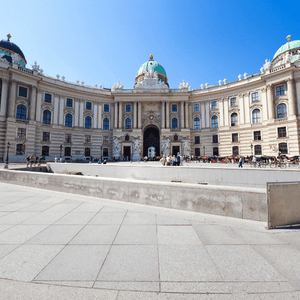
Spectaculosul Palat Hofburg din Viena |
Vă vom ajuta să vă organizați călătoria care vă va schimba viața pentru Terapia cu Celule Stem în Austria, la clinica noastră parteneră de renume. Economisiți până la 80% față de prețurile din SUA și Canada și recuperați-vă în Viena sau Graz, o zonă cu o cultură bogată, după ce primiți un tratament regenerativ eficient.
Contactați-ne astăzi pentru mai multe informații!




















Share this listing