
What treatment


10+ Important FAQs on Medical Treatments in Brazil
Questions on Medical Treatments in Brazil? Find Answers Here
Trusted Medical Tourism Platform Since 2007
.png)
What is the Average Price of Breast Augmentation in Sao Paulo, Brazil?
The average cost of breast augmentation in Sao Paulo, Brazil typically ranges from $3,500 to $5,500. This price usually includes the surgeon fees, anesthesia, high-quality implants, and operating room facility charges for international patients. Key Takeaways: Procedure Economics and Quality Exceptional Savings: Patients often save between forty to sixty percent compared to North American pricing. World-Renowned Expertise: Brazilian surgeons are globally celebrated for their body contouring skills and natural aesthetic focus. Premium Materials: Facilities exclusively use globally recognized and certified silicone implant brands. Comprehensive Packages: Many initial quotes encompass medical fees, anesthesia, and immediate post-operative care essentials. What factors influence the breast augmentation cost in Sao Paulo? The total expense depends on the specific surgeon credentials, the type of facility chosen for the operation, and the specific brand of implants selected for your procedure. The primary factor affecting your final bill is the expertise and reputation of your chosen plastic surgeon. Highly sought-after specialists with decades of experience and international board certifications will command higher professional fees. Patients are willing to pay this premium because it directly correlates with advanced surgical precision, lower complication rates, and aesthetically superior outcomes that align with the famous Brazilian body harmony standards. Another major element is the surgical facility itself. Procedures performed in fully accredited, multi-specialty private hospitals cost more than those done in smaller ambulatory surgical centers. These premium hospitals offer state-of-the-art operating rooms equipped with advanced life support systems, providing an unparalleled level of safety and emergency preparedness that is highly recommended for international patients undergoing general anesthesia. Lastly, the cost of the medical device plays a significant role. The market offers various silicone implants, ranging from standard cohesive gel to highly advanced ergonomic designs that shift naturally with body movement. Opting for the latest generation of premium implants will naturally increase the baseline price of your surgery, though many patients find the enhanced natural feel and durability well worth the investment. Why is medical tourism in Brazil popular for cosmetic procedures? Brazil holds a global reputation as a pioneer in aesthetic medicine, combining highly advanced surgical training with a cultural appreciation for physical beauty and accessible pricing. The country has a long and deeply respected history in the field of plastic surgery. Medical education in Brazil is exceptionally rigorous, requiring aspiring plastic surgeons to complete extensive general surgery residencies followed by specialized plastic surgery fellowships. This intense training environment produces highly skilled medical professionals who are frequently invited to speak at international conferences to share their innovative techniques with the rest of the world. Culturally, aesthetic enhancement is widely accepted and celebrated across the nation. This mainstream acceptance has driven the medical community to constantly refine their methods to produce results that look harmonious and naturally beautiful. Foreign patients travel thousands of miles to achieve this specific Brazilian aesthetic, which emphasizes proportional curves and seamless surgical integration rather than obvious, artificial modifications. Financially, favorable currency exchange rates make premium healthcare accessible to a global audience. Patients from stronger economic regions can afford top-tier medical care, luxury recovery accommodations, and personalized post-operative therapies in South America for a fraction of what a standard, no-frills procedure would cost in their home country. This exceptional value proposition continues to drive massive international patient volume. Did You Know? Brazil is consistently ranked among the top two countries in the world for the total number of plastic surgeries performed annually. This massive procedural volume means surgeons here possess unparalleled hands-on experience, often performing complex body contouring procedures daily. How do I choose a safe breast augmentation clinic in Sao Paulo? Selecting a secure facility requires thorough research into local medical accreditations, verifying the active board certification of your surgeon, and evaluating comprehensive patient testimonials. Verify Board Certification: Ensure your specialist is an active member of the Brazilian Society of Plastic Surgery. This organization maintains strict ethical and educational standards for all its members. Check Facility Accreditation: The operation should take place in a hospital or surgical center certified by the Brazilian Ministry of Health, ensuring strict adherence to international sterilization and safety protocols. Evaluate Before and After Portfolios: Request to see extensive galleries of previous patients with body types similar to yours to gauge the consistency and aesthetic style of the medical team. Assess Communication Quality: A safe establishment will offer thorough initial consultations, answer all medical inquiries transparently, and never pressure you into making immediate financial commitments. Review Emergency Protocols: Always inquire about the specific emergency medical procedures in place, including proximity to intensive care units and the presence of board-certified anesthesiologists during your surgery. What types of implants are used for breast augmentation in Brazil? Surgeons predominantly utilize advanced cohesive silicone gel implants, offering various profile options and surface textures to ensure anatomical harmony and absolute patient safety. The current standard of care involves cohesive silicone gel, commonly referred to as gummy bear implants. These advanced medical devices hold their shape exceptionally well and are designed to prevent leakage into surrounding tissues even in the highly unlikely event of an implant shell rupture. This technology provides a soft, natural texture that closely mimics real human glandular tissue, which is exactly why they are favored by top specialists. Regarding implant shapes, patients can choose between round and anatomical teardrop designs. Round implants provide more fullness in the upper pole of the chest, creating a more pronounced cleavage area. Anatomical implants slope downward, offering a much more subtle and natural profile. Your medical professional will measure your chest dimensions and discuss your personal aesthetic goals to determine which shape will deliver the most flattering result. Surface texture is another critical consideration. While smooth implants are highly popular due to their natural movement within the surgical pocket, some specialists prefer micro-textured shells. These lightly textured surfaces help the implant adhere slightly to the surrounding tissue, reducing the risk of downward rotation over time and potentially lowering the incidence of capsular contracture during your long-term healing phase. How does the breast augmentation cost in Brazil compare to the US or UK? Patients seeking cosmetic enhancement in South America can secure premium medical procedures for nearly half the price required in North American or European healthcare markets. Country / Region Estimated Average Cost (USD) Primary Cost Drivers United States $7,500 - $12,000 High facility fees, extreme malpractice insurance, premium labor costs. United Kingdom $6,500 - $9,500 Private hospital premiums, specialist consultation fees, taxes. Sao Paulo, Brazil $3,500 - $5,500 Favorable currency exchange, lower administrative overhead, competitive market. This massive price difference is entirely related to regional economics rather than a decrease in medical quality. The cost of living, administrative overhead, and medical malpractice insurance premiums are substantially lower in South America. These operational savings are passed directly onto the international consumer, allowing you to access elite surgical talent without the inflated hospital fees standard in westernized nations. Furthermore, the strength of foreign currencies like the US Dollar, Euro, or British Pound against the Brazilian Real creates enormous purchasing power. This economic advantage allows international patients to afford not just the surgery itself, but also extended stays in luxury recovery hotels, private nursing assistance, and specialized physical therapies, all while spending less than the cost of a basic procedure back home. It is crucial to understand that prioritizing cheap procedures over verified medical expertise is dangerous. While the financial savings are a massive benefit, your primary motivation for pursuing your aesthetic journey abroad should always be the exceptional skill level of the regional specialists and their proven track record of producing beautiful, harmonious results. What is the typical recovery timeline for breast augmentation in Sao Paulo? Initial healing requires resting for roughly one to two weeks in the country, followed by several months of gradual tissue settling to reveal your final aesthetic outcome. The first forty-eight hours post-surgery are dedicated strictly to profound rest. You will likely experience moderate chest tightness, swelling, and muscle soreness, which are effectively managed with prescribed oral pain medications. During this acute phase, you must sleep on your back with your upper body slightly elevated to minimize fluid retention and avoid placing any direct pressure on your newly placed implants. By the end of the first week, most patients feel significantly better and can comfortably engage in light walking, which is highly encouraged to promote healthy blood circulation. You will attend a crucial follow-up appointment where your specialist will evaluate your incisions and transition you into a specialized medical compression bra. This garment provides essential support, reduces swelling, and helps the implants settle correctly into their optimal anatomical position. Complete recovery is a gradual process. While you may be cleared to fly home after ten to fourteen days, you must strictly avoid heavy lifting, vigorous cardiovascular exercise, and strenuous upper body movements for at least six weeks. The implants will initially sit slightly high on the chest wall but will naturally drop and fluff into a soft, natural teardrop shape over the course of three to six months. Are there any hidden fees in the breast augmentation cost in Brazil? To prevent unexpected financial strain, patients must actively ask for completely itemized quotes that encompass necessary medical tests, recovery garments, and essential post-operative pharmaceuticals. Pre-Operative Diagnostics: Mandatory blood panels, electrocardiograms, and potential chest imaging required for anesthesia clearance are sometimes billed separately by independent laboratories prior to surgery. Prescription Medications: Pain relievers, muscle relaxants, and prophylactic antibiotics required during your hotel recovery phase are typically purchased independently at local pharmacies. Medical Compression Garments: You will need to purchase at least two specialized surgical bras to rotate during the multi-week healing phase to ensure continuous chest support. Post-Operative Therapies: Many specialists highly recommend manual lymphatic drainage massages to accelerate healing, which are usually booked and paid for through external physical therapists. Initial Consultation Fees: Some high-profile specialists charge a standalone fee for the initial evaluation, though this amount is frequently deducted from the total surgical invoice if you proceed. What surgical techniques are commonly used for breast augmentation in Brazil? Local experts primarily utilize three distinct incision placements to insert the implant, selecting the specific method based on your natural anatomy and personal lifestyle requirements. The most frequently performed technique is the inframammary fold approach. By making a small incision exactly within the natural crease underneath the breast, the surgeon gains excellent visibility and precise control over the creation of the surgical pocket. This method allows for highly accurate implant placement while ensuring the resulting fine scar remains completely hidden under the natural fold of the tissue and standard bikini tops. Another popular option is the periareolar incision, which is made along the lower border of the areola. This technique is particularly advantageous if the patient requires a mild tissue lift alongside the volume enhancement. The distinct color change between the areola and the surrounding skin acts as exceptional camouflage for the scar, though it carries a slightly higher risk of temporarily altering nipple sensation during the initial recovery phase. For patients who absolutely refuse to have any scarring on the breast itself, specialists may utilize the transaxillary approach. The incision is hidden entirely within the natural folds of the armpit, and the surgeon uses specialized endoscopic instruments to carefully tunnel the implant into position. This method is highly technically demanding and requires a surgeon with specific advanced training to execute perfectly. Why Choose PlacidWay for your breast augmentation in Sao Paulo? Partnering with a globally trusted healthcare facilitator eliminates the stress of navigating foreign medical systems, ensuring you connect strictly with highly vetted medical professionals. Rigorous Facility Vetting: We perform extensive background checks to ensure every affiliated medical center possesses active government accreditations and maintains flawless safety records. Verified Surgeon Credentials: Our platform exclusively features specialists who possess active board certifications and demonstrate immense experience specifically in complex cosmetic body contouring. Absolute Price Transparency: We advocate for international patients by providing clearly itemized cost structures, protecting you from hidden fees or discriminatory foreigner pricing tactics. Dedicated Patient Coordination: Our specialized team assists you throughout the entire journey, helping facilitate seamless medical record transfers and setting up preliminary remote consultations. Comprehensive Treatment Planning: We empower patients by providing access to detailed educational resources, allowing you to make highly informed decisions regarding your aesthetic medical journey. Frequently Asked Questions About Breast Augmentation in Sao Paulo Is it safe to undergo breast augmentation in Sao Paulo? Yes, undergoing breast augmentation in Sao Paulo is considered highly safe when you select board-certified plastic surgeons and accredited facilities. Brazil has a globally recognized plastic surgery culture with rigorous medical training programs. Surgeons in Sao Paulo often utilize the latest surgical techniques and top-tier sterilization protocols, ensuring international patient safety standards are consistently met or exceeded. How long should I stay in Brazil after breast surgery? International patients are generally advised to stay in Sao Paulo for at least ten to fourteen days following their breast augmentation. This timeframe allows your surgeon to monitor your initial healing phase, perform necessary post-operative checkups, safely remove any sutures, and ensure you are medically cleared to handle the physical stress of an international flight home without risking complications like deep vein thrombosis. Can I combine breast augmentation with a tummy tuck in Sao Paulo? Combining breast augmentation with a tummy tuck is extremely common in Sao Paulo and is frequently referred to as a mommy makeover. Performing these procedures simultaneously means you only undergo general anesthesia once, which can reduce overall facility fees and consolidate your recovery period. However, combining surgeries will extend your operation time and require a longer, more intensive recovery phase before traveling. Do Brazilian plastic surgeons typically speak English? Many top-tier plastic surgeons in Sao Paulo who cater to international patients are fluent in English. They often attend international medical conferences or complete fellowships abroad. Furthermore, facilities that specialize in treating foreign patients usually employ bilingual staff and dedicated patient coordinators to ensure seamless communication regarding your medical history, surgical goals, and post-operative instructions. What happens if I experience complications after returning home from Brazil? Reputable surgeons in Sao Paulo establish detailed remote follow-up protocols for international patients using telemedicine consultations. Before you leave Brazil, your medical team will provide comprehensive aftercare instructions and emergency contact information. While minor issues can be managed remotely, you should always establish a relationship with a local general practitioner in your home country who can assist with immediate physical examinations if unexpected complications arise. Are silicone or saline implants more popular in Brazil? Silicone cohesive gel implants are overwhelmingly the preferred choice for breast augmentation in Brazil. Brazilian surgeons and patients favor modern silicone implants because they mimic the natural feel, weight, and movement of real breast tissue much better than saline. These advanced implants also carry a lower risk of visible rippling, making them ideal for achieving the highly sought-after natural aesthetic characteristic of Brazilian plastic surgery. Will my breast augmentation results look natural? Brazilian plastic surgery is globally famous for prioritizing anatomical harmony and natural-looking body contours. Surgeons in Sao Paulo carefully measure your chest wall, existing breast tissue, and overall body proportions to recommend an implant size and profile that complements your frame. By avoiding overly large implants that disrupt body symmetry, they ensure your final results look beautifully enhanced rather than artificially exaggerated. Do I need a visa to travel to Brazil for medical procedures? Visa requirements for entering Brazil depend entirely on your country of citizenship. Citizens from the United States, Canada, Australia, and many European countries recently experienced changes in Brazilian visa policies, sometimes requiring an electronic visa for entry. It is crucial to check the official Brazilian consulate website for your specific nationality well in advance of your surgery date to ensure all your travel documents are legally in order. How soon can I fly after getting breast implants in Sao Paulo? Most plastic surgeons in Brazil recommend waiting a minimum of seven to ten days before taking a commercial flight. Flying too soon after surgery increases the risk of blood clots due to prolonged sitting and cabin pressure changes. Your surgeon will conduct a final evaluation before your departure to confirm your incisions are healing properly and that you are physically cleared to endure the journey home safely. Can I breastfeed after getting implants in Brazil? The ability to breastfeed after augmentation depends heavily on the incision technique used during your surgery. Surgeons in Sao Paulo typically recommend the inframammary fold incision if you plan to breastfeed in the future, as this method avoids cutting through the milk ducts and glandular tissue. Discussing your future family plans during your consultation is vital so your surgeon can select the safest approach to preserve your natural lactation abilities. Start Your Aesthetic Transformation in Brazil Today Do not leave your surgical outcome and safety to chance. PlacidWay connects you directly with the most highly rated, fully accredited plastic surgery centers in South America. Secure your free, no-obligation estimate, connect with board-certified specialists, and unlock premium healthcare options tailored specifically to your aesthetic goals. Get Your Free Quote...
Read more details

How much is average cost for Dental Implants in Sao Paulo, Brazil?
The average cost for dental implants in Sao Paulo, Brazil ranges from $800 to $1,500 per tooth. This highly safe destination offers state-of-the-art dental facilities, strict hygiene protocols, and internationally trained dentists at a fraction of US and European prices. Key Takeaways: Dental Implants in Sao Paulo Cost Efficiency: Patients can save between 50% and 70% compared to prices in North America and Western Europe. High-Quality Materials: Brazilian clinics utilize global top-tier implant brands such as Straumann and Nobel Biocare. Expertise: Sao Paulo boasts a high concentration of specialized implantologists with international certifications. Advanced Technology: Clinics are equipped with 3D CBCT scanners, digital impression technology, and advanced sterilization units. Safety Standards: Dental practices strictly adhere to the rigorous protocols set by Brazil’s National Health Surveillance Agency (ANVISA). What is the average cost of dental implants in Sao Paulo compared to other countries? While a single dental implant in the US can cost upwards of $4,000, the average cost in Sao Paulo is just $800 to $1,500. This price typically includes the titanium post, abutment, and standard crown, offering massive savings without compromising quality. Understanding the global landscape of dental care pricing helps contextualize why so many patients are traveling to South America. The cost disparity is largely driven by lower operational overhead, localized economic factors, and different malpractice insurance requirements, rather than a difference in the quality of care or materials used. When researching Dental Implants in Brazil, patients are often surprised to learn that Brazilian clinics use the exact same FDA-approved materials and global brands found in premium dental offices in New York or London. The savings gained on a single tooth are substantial, but for patients requiring multiple implants or full-mouth restorations (like All-on-4 or All-on-6), the financial benefits are life-changing. Below is a comparative breakdown of average prices for a single dental implant (including the post, abutment, and crown) across different major medical destinations to help you gauge the remarkable value found in Sao Paulo. Country Average Minimum Cost (USD) Average Maximum Cost (USD) United States $3,000 $5,000+ Canada $2,500 $4,500+ United Kingdom $2,500 $4,000+ Sao Paulo, Brazil $800 $1,500 Expert Insight: The Brazilian Dental Standard Brazil is home to some of the most advanced dental universities in the world. Dentistry is an incredibly prestigious profession in the country, resulting in highly competitive training programs and a workforce of world-class implantologists who frequently publish groundbreaking research in international dental journals. Why is Sao Paulo a top choice for dental implant surgery? Sao Paulo combines elite medical infrastructure with highly skilled specialists, making it the premier hub for restorative dentistry in Latin America. The city offers international patients a seamless blend of cutting-edge technology and exceptional patient care. World-Class Infrastructure: The city's top dental clinics are structured similarly to boutique medical facilities, utilizing integrated surgical suites that rival top-tier hospitals in North America. Advanced Diagnostic Technology: Sao Paulo specialists utilize cutting-edge Cone Beam Computed Tomography (CBCT) scanners for precise 3D mapping of the jaw, ensuring optimal implant placement and minimal surgical invasiveness. Speed and Efficiency: Many clinics in the area feature in-house dental laboratories equipped with CAD/CAM technology, allowing for same-day temporary crowns and significantly faster turnaround times for final prosthetics. Bilingual Medical Staff: Recognizing the influx of international patients, premier facilities ensure that their receptionists, hygienists, and head surgeons are fluent in English, removing any potential communication barriers. Comprehensive Aftercare: Follow-up protocols are stringent, with specialists providing detailed recovery roadmaps, immediate post-operative check-ups, and accessible tele-dentistry options once the patient returns home. What factors influence the Dental Implants cost in Brazil? The final price tag depends heavily on the brand of the implant, the material used for the dental crown, and whether supplementary procedures like bone grafting or sinus lifts are required prior to surgery. While the baseline Dental Implants cost in Brazil is highly affordable, individual patient anatomy plays a significant role in dictating the final comprehensive quote. If a patient has suffered from prolonged tooth loss, the jawbone may have reabsorbed or weakened. In these cases, a bone graft is mandatory to create a solid foundation for the titanium post. Bone grafting procedures, depending on the volume of bone required, will add an additional cost to the treatment plan. Another major variable is the choice of implant brand. Global industry leaders like Straumann or Nobel Biocare command a premium price compared to high-quality domestic Brazilian brands like Neodent (which is actually a subsidiary of the Straumann Group). Your implantologist will discuss the biomechanical benefits of each option and recommend the best fit for your specific oral structure and budget. Finally, the crown material influences the cost. Standard porcelain-fused-to-metal (PFM) crowns are generally the most economical choice. However, many patients opt for full zirconia or E.max crowns for the highly visible front teeth, as these materials offer superior durability and a more natural, translucent aesthetic that closely mimics organic tooth enamel. Did You Know? Titanium is used for dental implants because of a unique biological process called "osseointegration." Discovered in the 1950s, this process allows human bone tissue to heal right up to the titanium surface, fusing the artificial root permanently into the jaw. How safe is it to get dental implants in Sao Paulo? Receiving dental implants in Sao Paulo is incredibly safe. Dental clinics treating international patients adhere to strict sterilization guidelines mandated by the Brazilian Ministry of Health and frequently hold international quality certifications. Patient safety is the absolute cornerstone of high-end dental practices in Sao Paulo. Before any procedure takes place, thorough medical histories are recorded, and extensive pre-operative blood panels may be requested to ensure the patient is a healthy candidate for oral surgery. The regulatory environment in Brazil is robust, with the National Health Surveillance Agency (ANVISA) enforcing rigorous standards for clinical hygiene, instrument sterilization, and biological waste disposal. Furthermore, clinics catering to a global clientele often go above and beyond local requirements by obtaining accreditations from international boards. These facilities operate specialized sterilization centers equipped with Class B autoclaves, ensuring that every instrument used in the implant process is completely sterile. Single-use disposable items are utilized extensively to eliminate any risk of cross-contamination. The surgeons themselves are another pillar of safety. Implantology is a recognized specialty that requires years of dedicated postgraduate training. When you visit a vetted specialist in Sao Paulo, you are being treated by an expert who performs hundreds, if not thousands, of successful implant placements every single year, minimizing the risk of surgical complications. What happens during the dental implant procedure in Brazil? The process involves a multi-step approach: an initial diagnostic consultation, surgical placement of the titanium post, a healing period for osseointegration, and finally, the attachment of the custom-made dental crown. Phase 1: Diagnostics and Planning: Your specialist will take 3D scans of your jaw to assess bone volume and locate vital structures like nerves and sinus cavities. A digital treatment plan is created to pinpoint the exact angle and depth for the implant. Phase 2: Tooth Extraction and Grafting (If Needed): If a damaged tooth is still present, it is extracted. If bone density is insufficient, a bone graft is placed. Sometimes, a graft can be done simultaneously with implant placement, but often it requires a healing period of a few months. Phase 3: Implant Placement: Under local anesthesia (and optional IV sedation), the surgeon makes a small incision in the gum, creates a precise channel in the bone, and securely inserts the titanium post. The gums are then sutured closed. Phase 4: Osseointegration: You will return home while the bone fuses with the implant. This natural healing process typically takes anywhere from 3 to 6 months. A temporary tooth or denture may be provided during this time for aesthetics. Phase 5: Abutment and Crown Placement: Once fused, an abutment (the connector piece) is attached to the implant. Finally, a beautifully crafted, custom-matched porcelain or zirconia crown is securely cemented or screwed into place, restoring full function and appearance. How do I choose the right Dental Implants clinic in Brazil? Selecting the perfect facility requires verifying the surgeon's credentials, reviewing patient testimonials, ensuring the clinic utilizes modern technology, and confirming transparent pricing without hidden fees. Finding the ideal Dental Implants clinic in Brazil shouldn't be a game of chance. Start by rigorously examining the qualifications of the lead implantologist. Look for specialists who hold advanced degrees in oral and maxillofacial surgery or prosthodontics. Affiliations with recognized international organizations, such as the International Congress of Oral Implantologists (ICOI) or the American Academy of Implant Dentistry (AAID), are strong indicators of a surgeon committed to global standards. Next, evaluate the clinic's technological capabilities. Modern implantology heavily relies on digital dentistry. A top-tier clinic should explicitly advertise the use of 3D CT scanners, digital intraoral scanners (eliminating the need for messy traditional putty impressions), and computer-guided surgery software. This technology ensures your implant is placed with pinpoint accuracy. Finally, communication and transparency are vital. A reputable clinic will provide a comprehensive, itemized treatment plan before you ever book a flight. This quote should clearly break down the cost of the implants, abutments, crowns, necessary medications, and any required imaging. They should also be eager to share verifiable before-and-after photos and connect you with previous international patients who can vouch for their experience. Expert Insight: Computer-Guided Surgery Many top clinics in Sao Paulo now use computer-guided implant surgery. By overlaying 3D jaw scans with digital models of your teeth, surgeons can create a physical guide template. This allows for "flapless" surgery, requiring no stitches, minimizing bleeding, and cutting recovery time in half. What is the recovery time after receiving dental implants? Initial soft tissue healing takes about 7 to 10 days, during which you may experience mild swelling. The full internal recovery—where the bone fuses to the implant—takes 3 to 6 months. The immediate post-operative recovery from a dental implant is generally much easier than most patients anticipate. In the first 24 to 48 hours, it is normal to experience some minor bleeding, bruising, and localized swelling. Your specialist will prescribe antibiotics to prevent infection, along with anti-inflammatory pain medication to keep you comfortable. Ice packs applied to the outside of the face are highly effective in mitigating swelling during this early window. For the first week, a strict soft-food diet is necessary. You will need to avoid crunchy, tough, or sticky foods that could disturb the surgical site. Smoothies, yogurts, blended soups, and mashed vegetables are ideal. You will also be given specific instructions on oral hygiene, such as using a prescribed chlorhexidine mouthwash instead of vigorously brushing near the healing incisions. While your gums will feel completely healed within a couple of weeks, the most critical part of recovery is happening beneath the surface. Osseointegration takes several months. During this lengthy period, the jawbone cells are actively growing and locking around the textured surface of the titanium implant. Patients are advised to refrain from heavy smoking and to maintain excellent overall health to ensure this biological process completes successfully. Can I combine my dental work with medical tourism in Brazil? Absolutely. The relatively non-invasive nature of dental implant surgery allows patients to comfortably explore the rich culture, world-class gastronomy, and vibrant atmosphere of Sao Paulo between clinic visits. Engaging in medical tourism in Brazil is a phenomenal way to turn a necessary medical procedure into an enriching life experience. Because dental implant placement is an outpatient procedure, patients typically only need to rest for a day or two before they feel energetic enough to explore. Sao Paulo, as the financial and cultural capital of South America, offers endless opportunities for recuperative leisure. Between your initial consultation, the surgery, and your follow-up checks, you will have ample free time. Patients often spend their days strolling through the beautiful Ibirapuera Park, visiting internationally renowned art museums like MASP, or enjoying the city's legendary culinary scene (sticking to the softer delicacies during the first week, of course). The city's sophisticated infrastructure makes navigating easy and safe for tourists. However, it is vital to communicate your itinerary with your implantologist. They will advise you on which activities are safe. For instance, heavy cardiovascular exercise should be avoided in the immediate days following surgery to prevent increased blood pressure at the surgical site. By blending medical precision with cultural immersion, patients find that their journey to a new smile is remarkably stress-free. Why Choose PlacidWay for Dental Implants in Sao Paulo, Brazil? PlacidWay removes the guesswork from international dental care by connecting you exclusively with heavily vetted, internationally accredited clinics and surgeons in Sao Paulo, ensuring a secure and transparent medical journey. Rigorous Vetting Process: PlacidWay thoroughly evaluates every clinic in its network, ensuring they possess the necessary licenses, adhere strictly to international sterilization protocols, and employ board-certified dental specialists. Complete Transparency: You will receive clear, comprehensive treatment plans and cost estimates upfront. PlacidWay ensures there are no hidden fees or unexpected medical charges once you arrive at the clinic. Dedicated Patient Coordinators: Patients are assigned a dedicated liaison who advocates on their behalf, facilitates communication with the medical team, and helps coordinate all clinical appointments seamlessly. Access to Global Excellence: PlacidWay partners only with top-tier facilities utilizing FDA-approved implant materials, 3D imaging technology, and cutting-edge surgical techniques for maximum success rates. Tailored Care Navigation: From initial consultations and virtual second opinions to post-operative follow-up coordination, PlacidWay manages the logistical intricacies of your medical care so you can focus entirely on your health and recovery. Expert Insight: The Advantage of Pre-Consultation Through platforms like PlacidWay, patients can submit their panoramic X-rays or 3D CT scans to Brazilian specialists before leaving their home country. This allows the medical team to formulate an incredibly accurate, customized treatment plan before you ever board a plane. Frequently Asked Questions Are dental implants painful? The dental implant procedure is performed under local anesthesia, ensuring you feel absolutely no pain during the surgery itself. Some patients also opt for mild sedation to remain entirely relaxed. Post-operative discomfort is generally mild, similar to a tooth extraction, and can be managed effectively with over-the-counter or prescribed anti-inflammatory pain medication provided by your doctor. How long do dental implants last? The titanium implant post is designed to be a permanent fixture in your jaw and can last a lifetime with proper oral hygiene and regular dental check-ups. The artificial crown attached to the abutment experiences daily wear and tear from chewing; therefore, it typically lasts 10 to 15 years before needing replacement or maintenance. Do I need a bone graft for dental implants? A bone graft is only necessary if your jawbone lacks the natural density or thickness required to securely anchor an implant. This is common if a tooth has been missing for a long time, leading to bone resorption. Your dentist in Sao Paulo will determine this requirement definitively through 3D CBCT imaging during your initial consultation. Can I fly immediately after dental implant surgery? It is usually recommended to wait at least 48 to 72 hours before flying after a dental implant placement. The changes in cabin pressure experienced during a flight can cause discomfort, increased facial swelling, or minor bleeding in the surgical area. Your surgeon will give you clearance to fly during your post-op check-up. What materials are used for dental implants in Sao Paulo? Top clinics in Sao Paulo utilize internationally recognized, FDA-approved materials. The implant post is typically made of high-grade, biocompatible titanium or titanium alloy. The visible crowns are usually crafted from premium materials such as high-strength zirconia, E.max (lithium disilicate), or traditional porcelain, ensuring a natural aesthetic and long-term durability. Is there a language barrier with dentists in Sao Paulo? Many top implantologists and dental professionals who cater to international patients in Sao Paulo are fluent in English, having attended international conferences or trained abroad. Furthermore, clinics accustomed to medical tourists often employ dedicated bilingual patient coordinators to provide translation services and ensure clear communication at every step. What is the success rate of dental implants? Dental implants have a highly documented, scientifically backed success rate of up to 98%. Success heavily depends on factors such as the patient's commitment to oral hygiene, adequate bone density at the implant site, the skill of the surgeon, and lifestyle habits—particularly smoking, which can significantly hinder the healing process. How do I maintain my new dental implants? Maintain your implants just like you would your natural teeth. This includes brushing twice daily with a non-abrasive toothpaste, flossing regularly (using implant-specific floss or water flossers), using an antibacterial mouthwash, and attending routine dental check-ups and professional cleanings every six months to prevent peri-implantitis. Will my domestic dental insurance cover implants in Brazil? Most domestic dental insurance plans (such as those in the US or UK) do not provide coverage for procedures performed internationally. However, because the base cost of treatment in Brazil is so low, the total out-of-pocket expense is often significantly cheaper than the co-pays and deductibles you would pay even with insurance back home. How many trips to Brazil will I need for full implants? Traditional implant protocols generally require two trips: one for the surgical placement of the titanium post, and a second trip 3 to 6 months later (after osseointegration) to attach the permanent crown. However, depending on your bone health, some patients may qualify for "immediate load" implants, allowing the entire procedure to be completed in a single extended trip. Ready to Restore Your Smile in Sao Paulo? Don't let the high cost of local dental care hold you back. Let PlacidWay connect you with elite, vetted implantologists in Brazil for top-tier care at a fraction of the price. Take the first step toward your new smile today. Get Your Free Quote...
Read more details
How much does Dental Veneers cost in Sao Paulo, Brazil?
The cost of Dental Veneers in Sao Paulo, Brazil generally ranges from $250 to $600 per tooth, offering premium materials like porcelain and E-Max. It is exceptionally safe, with highly qualified specialists providing world-class cosmetic dentistry. Key Takeaways Significant Savings: Patients typically save between 50% to 70% on cosmetic dentistry compared to US and UK prices. Premium Materials: Access to globally recognized brands and materials, including E-Max, Zirconia, and high-grade porcelain. Expert Providers: Brazilian dentists are renowned globally for their advanced aesthetic techniques and rigorous educational standards. Advanced Technology: Clinics utilize state-of-the-art Digital Smile Design (DSD) and CAD/CAM technology for precise fittings. Efficient Timelines: Complete your full smile makeover in just one to two weeks while enjoying a vibrant international city. Choosing to transform your smile is a major decision, and finding the perfect balance between exceptional quality and affordability is paramount. For years, patients from North America, Europe, and beyond have sought out Dental Veneers in Brazil due to the country's unparalleled reputation for beauty and aesthetic medicine. Sao Paulo, in particular, has emerged as a powerhouse for cosmetic dental procedures. In this comprehensive guide, we will explore everything you need to know about getting dental veneers in this dynamic city, from detailed cost breakdowns and material choices to patient safety and post-care maintenance. What is the average cost of dental veneers in Sao Paulo compared to the US? Dental veneers in Sao Paulo average $250 to $600 per tooth, whereas the same procedure in the US costs between $1,500 and $2,500 per tooth, representing a massive 70% savings. The primary motivation for many international patients seeking cosmetic dentistry abroad is the undeniable financial advantage. When analyzing the Dental Veneers cost in Brazil, it becomes immediately apparent why thousands of patients make the journey annually. While a full smile makeover in the United States or Canada can easily cost the equivalent of a luxury vehicle, the same highly specialized treatment in Sao Paulo allows patients to achieve their dream smile without depleting their life savings. These dramatically lower prices are not a reflection of inferior materials or subpar clinical skills. Rather, they are the result of an entirely different economic landscape. The cost of living, clinical overhead, and administrative expenses are substantially lower in Brazil. Furthermore, the high concentration of specialized dental laboratories in Sao Paulo fosters a competitive market that drives down the cost of manufacturing premium porcelain and E-Max restorations. Below is a comprehensive cost comparison highlighting the average prices per single tooth across various international destinations. These figures demonstrate the immense value provided by Brazilian dental specialists. Country Average Cost Per Veneer (USD) Sao Paulo, Brazil $250 - $600 United States $1,500 - $2,500 United Kingdom $1,200 - $2,000 Canada $1,000 - $2,000 Did You Know? Brazil has the highest number of dentists in the world! This incredibly dense concentration of dental professionals creates a highly competitive environment where dentists must continually invest in the latest technologies and advanced training to stand out. What types of dental veneers are available in Sao Paulo? Dentists in Sao Paulo offer world-class materials including traditional Porcelain, ultra-durable E-Max, strong Zirconia, and cost-effective Composite Resin veneers. Porcelain Veneers: The gold standard in cosmetic dentistry. They offer incredible durability and mimic the light-reflecting properties of natural teeth better than any other material. They are highly resistant to coffee, tea, and tobacco stains. E-Max Veneers: Made from lithium disilicate glass-ceramic, E-Max veneers are renowned for their exceptional strength and translucent aesthetics. They can be crafted much thinner than traditional porcelain, requiring less removal of your natural tooth structure. Zirconia Veneers: Ideal for patients who suffer from bruxism (teeth grinding) or have severely discolored underlying teeth. Zirconia is an incredibly tough ceramic material that provides unmatched structural integrity and opaque coverage. Composite Resin Veneers: A more budget-friendly option that can often be applied in a single visit. The dentist sculpts the resin directly onto the tooth. While they are less expensive, they are more prone to staining and chipping over time compared to porcelain. Lumineers (Ultra-Thin Veneers): Often referred to as "no-prep" veneers, these are paper-thin laminates that require little to no removal of the original tooth enamel. They are entirely reversible but may not be suitable for heavily misaligned teeth. CAD/CAM Milled Veneers: Many advanced clinics utilize computer-aided design and manufacturing. This allows customized ceramic veneers to be precisely milled on-site from a solid block of porcelain, drastically reducing treatment wait times. Why is Sao Paulo a top destination for cosmetic dentistry? Sao Paulo combines elite medical expertise with a culture that highly values aesthetics, making it a global hub for innovative dental techniques and transformative smile makeovers. The rise of medical tourism in Brazil is largely driven by the nation's profound cultural appreciation for aesthetics and beauty. In Brazil, maintaining an immaculate appearance, particularly a radiant smile, is considered a vital aspect of health and personal hygiene. Because domestic demand for cosmetic dentistry is so high, dental practitioners in Sao Paulo gain thousands of hours of hands-on experience in aesthetic procedures very early in their careers. Beyond clinical experience, Sao Paulo is the financial and technological capital of Latin America. The city’s top-tier dental clinics are heavily invested in cutting-edge equipment, from 3D intraoral scanners to sophisticated digital smile architecture software. In fact, many of the world's leading smile design protocols—techniques now used in Beverly Hills and London—were originally developed and perfected by Brazilian cosmetic dentists. Furthermore, Sao Paulo offers an incredible backdrop for international patients. While waiting for customized restorations to be fabricated by the dental lab, patients can enjoy the city’s world-renowned gastronomy, vibrant cultural museums, and luxurious shopping districts. The seamless blend of a first-world clinical environment and a rich tourism experience creates the ideal environment for a stress-free medical journey. Expert Insight: Digital Smile Design (DSD) The internationally acclaimed "Digital Smile Design" concept, which allows patients to preview their final results via 3D imaging and video before any physical work begins, was actually invented by a Brazilian dentist! Sao Paulo clinics are masters of this technology. Are the dentists in Sao Paulo qualified and safe? Yes, Brazilian dentists undergo rigorous university training and must be licensed by the strict Conselho Regional de Odontologia (CRO), ensuring absolute patient safety. Extensive University Education: Unlike some countries where dentistry is a post-graduate degree, Brazilian dental students enter a rigorous 4 to 5-year dedicated university program straight out of high school, focusing entirely on oral medicine from day one. Mandatory Specializations: To market themselves as cosmetic specialists, dentists in Sao Paulo must complete intensive multi-year specialization courses in prosthodontics and aesthetic dentistry after acquiring their general dental degree. Strict Regulatory Oversight: All practicing dentists are heavily monitored by the Federal Council of Dentistry (CFO) and the Regional Council of Dentistry (CRO), which enforce strict ethical and clinical standards across the country. International Board Certifications: Many top-tier dentists operating in Sao Paulo's international clinics hold memberships and board certifications from global organizations, such as the American Academy of Cosmetic Dentistry (AACD). Impeccable Sterilization Protocols: Premier clinics servicing international patients adhere strictly to ISO certification standards and international biosecurity protocols, utilizing modern autoclaves and highly sterile environments to prevent infection. What is the step-by-step procedure for getting veneers in Brazil? The process generally requires two to three visits spanning one week: an initial consultation and tooth prep, laboratory fabrication of the veneers, and the final permanent bonding. The journey to your new smile begins with a comprehensive consultation and digital assessment. Your dentist will take X-rays, 3D scans, and high-resolution photographs to evaluate your oral health and facial symmetry. Using Digital Smile Design software, the specialist will map out the precise size, shape, and shade of your future veneers. You will be able to review and approve a digital mock-up, ensuring the proposed results perfectly match your aesthetic goals. Once the design is finalized, the preparation phase begins. Local anesthesia is administered to ensure comfort. The dentist will gently buff away a microscopic layer of enamel—typically less than half a millimeter—from the front surface of the targeted teeth. This prevents the final veneers from looking bulky. Following preparation, accurate physical or digital impressions are taken and sent to the dental laboratory. Temporary acrylic veneers are then placed over your teeth to protect them while you wait for your final restorations. During the final appointment, usually 3 to 5 days later, the temporary veneers are removed. The dentist will temporarily place the new porcelain veneers on your teeth to check their fit, color, and alignment. Adjustments are made as necessary. Once perfect, your teeth are thoroughly cleaned, polished, and etched to create a strong bonding surface. A specialized dental cement is applied, and a medical-grade curing light is used to harden the adhesive instantly, permanently securing your brilliant new smile. How long do dental veneers from a top clinic last? With proper oral hygiene and regular checkups, porcelain and E-Max veneers placed by a premium clinic can comfortably last between 10 and 15 years, and sometimes up to 20 years. Porcelain Longevity: High-grade porcelain resists wear and tear incredibly well. Because the material is non-porous, it does not absorb stains over time, maintaining its brilliant color for a decade or more. Composite Resin Limitations: If you choose composite veneers, expect a shorter lifespan. Composite materials generally need replacing or significant touch-ups every 5 to 7 years due to gradual chipping and discoloration. Gum Health is Crucial: The longevity of the work done at any Dental Veneers clinic in Brazil relies heavily on the health of your underlying gums. Gum disease can cause recession, exposing the margin between the veneer and the tooth root. Avoiding Undue Stress: Veneers are tough, but they are not indestructible. Chewing on ice, biting fingernails, or using your teeth to open packaging can generate excessive force that may crack or dislodge the ceramic material. Bruxism Considerations: Patients who grind or clench their teeth at night put massive stress on veneers. Wearing a custom-fitted nightguard while sleeping is an absolute necessity to ensure your smile lasts as long as possible. Medical Fact: Biocompatibility Porcelain and lithium disilicate (E-Max) are highly biocompatible materials. This means human gum tissue naturally accepts the material, drastically reducing the chances of irritation, inflammation, or allergic reactions at the gum line. Am I a good candidate for this cosmetic procedure? Ideal candidates for veneers have healthy teeth and gums but wish to correct intrinsic discoloration, minor chips, uneven gaps, or misshapen dental structures. Veneers are highly versatile, but they are not a universal cure-all for every dental problem. To be considered an ideal candidate for Dental Veneers in Brazil, a patient must first have a healthy foundational oral environment. This means there should be no active periodontal (gum) disease, untreated root canal infections, or extensive tooth decay. If any of these issues are present, the dentist must address and heal them before proceeding with any cosmetic enhancements. From a cosmetic standpoint, veneers are the perfect solution for individuals suffering from intrinsic tooth discoloration that cannot be resolved through professional bleaching. This includes deep staining caused by tetracycline use in childhood, excessive fluoride, or root canal trauma. Veneers are also exceptionally effective at camouflaging minor structural flaws such as chipped edges, worn enamel, slight gaps (diastema) between teeth, and minor misalignments that do not require full orthodontic braces. Conversely, individuals with severely decayed teeth, inadequate enamel thickness (due to excessive erosion), or major bite misalignments (malocclusion) may not be suitable candidates. If a tooth lacks sufficient enamel, the dental cement cannot form a robust bond. In such cases of severe structural damage, your Brazilian specialist may recommend full dental crowns rather than thin veneers to provide optimal protection and aesthetic restoration. How can I maintain my veneers after returning home? Maintaining your new smile involves standard but meticulous oral hygiene: regular brushing, flossing, professional cleanings, and avoiding excessive force on your front teeth. Use Non-Abrasive Toothpaste: Highly abrasive toothpastes (often marketed as "whitening" pastes) can scratch the polished surface of your ceramic veneers over time. Stick to gentle, fluoride-based gel toothpastes and a soft-bristled toothbrush. Floss Daily: While the veneer itself cannot decay, the natural tooth structure behind and between the veneers absolutely can. Daily flossing is critical to prevent cavities from forming at the margins where the veneer meets the tooth. Protect Your Investment: Protecting your investment is crucial considering the highly affordable Dental Veneers cost in Brazil. If you play contact sports, invest in a high-quality athletic mouthguard to prevent traumatic fractures. Moderate Staining Consumables: While porcelain is highly stain-resistant, the dental cement used to bond it, as well as any composite materials, can discolor over time. Rinsing your mouth with water after consuming red wine, coffee, or berries is advised. Keep Up Bi-Annual Cleanings: Visit your local domestic dentist every six months for routine cleanings and examinations. Inform your hygienist that you have veneers so they use specialized, non-abrasive polishing pastes during the cleaning. Why Choose PlacidWay for Dental Veneers in Sao Paulo, Brazil? PlacidWay provides a seamless, transparent, and secure pathway to top-tier cosmetic dentistry by connecting you exclusively with rigorously vetted, globally accredited dental specialists. Rigorous Provider Vetting: PlacidWay takes the guesswork out of finding a reliable specialist. We partner exclusively with clinics that meet stringent international standards for safety, sterilization, and clinical excellence. 100% Transparent Pricing: No hidden fees or surprise medical bills. PlacidWay ensures you receive comprehensive, upfront quotes detailing exactly what your custom dental procedure will cost before you make any decisions. Dedicated Patient Coordinators: Navigating cross-border healthcare can be complex. PlacidWay provides you with a dedicated patient coordinator who facilitates seamless communication between you and the dental specialists. Customized Treatment Plans: Through PlacidWay, you can submit your medical records, dental X-rays, and aesthetic goals to top specialists in Sao Paulo, allowing them to craft a highly personalized treatment map tailored exactly to your needs. Commitment to Quality: We prioritize patient outcomes above all else. By focusing on elite clinics with proven track records of success in cosmetic dentistry, PlacidWay ensures your smile transformation is safe, durable, and stunning. Frequently Asked Questions (FAQs) Do dental veneers hurt to get? The process of getting dental veneers is generally painless. Local anesthesia is used during the enamel removal phase to ensure your comfort. You might experience minor sensitivity to hot and cold temperatures for a few days after the procedure, but this subsides quickly as your mouth adjusts to the new restorations. How many days should I plan to stay in Sao Paulo for my procedure? Most international patients need to stay in Sao Paulo for 5 to 7 days. This allows enough time for the initial consultation, tooth preparation, laboratory fabrication of your customized veneers, the final permanent bonding process, and a quick follow-up visit to ensure perfect bite alignment. Will my dental veneers look fake or unnatural? Not at all. High-quality porcelain and E-Max veneers reflect light similarly to natural tooth enamel. Dentists carefully select the shade, shape, and translucency to match your surrounding teeth and facial structure, ensuring a completely natural and aesthetically pleasing appearance. Can porcelain veneers be whitened later on? No, dental veneers do not respond to traditional teeth whitening treatments or bleaching gels. Fortunately, materials like porcelain are highly resistant to stains. If you wish to whiten your overall smile, it is highly recommended to undergo professional teeth whitening before your veneers are color-matched and placed. What happens if a dental veneer falls off or chips? While rare, if a veneer chips or falls off, keep the veneer safe and contact a dentist immediately. Often, an intact veneer can be easily rebonded to the tooth. If it is significantly chipped or completely damaged, the veneer will need to be entirely replaced by a dental lab. Avoid trying to glue it back yourself. Do I need to get veneers on all of my teeth? No, you do not need veneers on every tooth in your mouth. Most patients choose to get veneers only on the visible teeth in their 'smile zone'—typically the upper front six to eight teeth. Your dentist will help you determine the exact number needed to achieve your specific cosmetic goals. Are temporary veneers provided while waiting for the final ones? Yes, immediately after your teeth are prepared, the dentist will place temporary acrylic veneers. These protect your newly prepared teeth, reduce sensitivity, and give you a trial run of your new smile's look and feel while the permanent porcelain restorations are being crafted in the dental laboratory. Can I get veneers if I severely grind my teeth at night? Bruxism (teeth grinding) can damage and fracture veneers over time. However, it does not completely disqualify you from the procedure. Your dentist may recommend highly durable materials like Zirconia or E-Max instead of standard porcelain, and it will be mandatory for you to wear a custom night guard while sleeping to protect your investment. How do porcelain and composite veneers differ in feel? Porcelain veneers feel incredibly smooth and glass-like, beautifully mimicking the exact texture of natural dental enamel. Composite resin veneers can sometimes feel slightly more porous or less completely smooth than porcelain, though advanced polishing techniques have made them feel very close to natural teeth. Will my domestic dental insurance cover veneers done in Brazil? Dental veneers are generally classified as an elective cosmetic procedure, meaning most insurance companies do not cover them, regardless of whether they are done domestically or internationally. However, the significantly lower out-of-pocket costs in Brazil often make the procedure more affordable than using insurance locally for other covered restorative treatments. Ready to Transform Your Smile in Sao Paulo? Don't let high local prices keep you from the confident smile you deserve. PlacidWay connects you with globally recognized dental specialists in Brazil, ensuring top-tier safety, world-class materials, and immense savings. Let our experts provide you with a transparent, risk-free cost estimate today. Get Your Free Quote...
Read more detailsShare with AI
Share this page with AI assistants to get summaries and insights


Explore : Stories, Testimonials, and Procedures
Watch in-depth videos covering everything from success stories to detailed procedure explanations. Learn what to expect and hear from real patients.

Patient from UK telling about her experience
Dentistry
Odonto Liuzzi - Dental Clinic in Rio de Janeiro, Brazil
Rio de Janeiro, Brazil


Changing smile of patient from US
Dentistry
Odonto Liuzzi - Dental Clinic in Rio de Janeiro, Brazil
Rio de Janeiro, Brazil
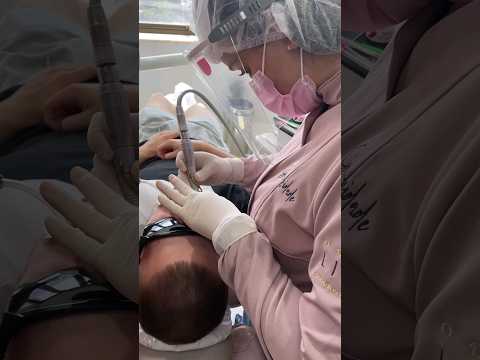
Natural Dental Veneers - Patient from Switzerland
Dentistry
Odonto Liuzzi - Dental Clinic in Rio de Janeiro, Brazil
Rio de Janeiro, Brazil
Unlock the Best Packages Just for You
Discover the ultimate packages designed to meet your health and wellness goals. Choose the perfect fit for your journey.
.png)
Price starting from $3,000
Affordable Rhinoplasty Nose Surgery in Brazil- Best Treatment Package
PlacidWay Brazil
- Cosmetic/Plastic Surgery
Brasilia, Brazil

Price starting from $10,000
Anti-Aging Stem Cell Treatment Package in Kingston, Jamaica by BIOregeneration
BIOregeneration - Stem Cell Clinic in Jamaica
- Stem Cell Therapy for Longevity
Kingston, Jamaica

Price starting from $9,500
Stem Cell Therapy for Erectile Dysfunction Package in Kingston, Jamaica by BIOregeneration
BIOregeneration - Stem Cell Clinic in Jamaica
- Stem Cell Therapy for Longevity
Kingston, Jamaica

Price starting from $2,500
All-Inclusive Plastic Surgery Packages in Brazil: Affordable & Quality Care
PlacidWay Brazil
- Cosmetic/Plastic Surgery
Brasilia, Brazil







