What treatment


10+ Important FAQs on Medical Treatments in Greece
Questions on Medical Treatments in Greece? Find Answers Here
Trusted Medical Tourism Platform Since 2007
What is the success rate of IVF with egg donation in Greece?
The success rate of IVF with egg donation in Greece is impressively high, typically ranging between 60% and 75% per embryo transfer. For women using fresh donor eggs, clinical pregnancy rates often reach up to 71%, making Greece one of the most successful destinations for fertility treatment globally. If you have been navigating the complex world of fertility treatments, you probably know that hope can sometimes feel like a numbers game. When it comes to IVF with egg donation in Greece, those numbers are incredibly promising. It’s not just about the statistics; it’s about the real possibility of building a family when other doors seem to have closed. Greece has quietly become a powerhouse in the world of reproductive medicine. The combination of advanced medical technology, highly skilled doctors, and a progressive legal framework allows clinics to offer success rates that rival or even exceed those in the US and UK. What stands out most is that the success rate of IVF with egg donation in Greece remains consistently high regardless of the recipient's age, because the quality of the donor eggs is the primary driver of success. In this guide, we are going to dive deep into everything you need to know. We will look at the specific numbers, break down the costs compared to other countries, and explain exactly why so many international patients are choosing Greece for this life-changing journey. Whether you are curious about safety, legalities, or just want to know if this path is right for you, we have got you covered. Why are success rates with donor eggs higher in Greece? Success rates are higher in Greece because clinics adhere to strict donor selection criteria, using eggs from young, healthy women typically under age 30. This ensures high egg quality, which is the most critical factor for successful fertilization and implantation, boosting rates to over 70%. The primary reason for the exceptional outcomes in Greek fertility clinics is the meticulous screening and selection of egg donors. In Greece, donors are usually young women between the ages of 18 and 30, though the legal limit is 35. Biologically, egg quality is at its peak during these years, leading to embryos that are genetically normal and have a much higher potential for implantation. Furthermore, Greek clinics are equipped with state-of-the-art embryology labs that utilize advanced technologies like time-lapse monitoring and blastocyst culture. These technologies allow embryologists to select only the healthiest embryos for transfer. When you combine young, premium-quality eggs with world-class lab environments, the IVF success rate naturally climbs significantly higher than cycles using a patient's own eggs, especially for women over 40. Does the recipient's age affect IVF success with donor eggs? Surprisingly, the recipient's age has minimal impact on the success rate of IVF with donor eggs. Since the eggs come from young donors, the pregnancy rates for a 45-year-old woman are nearly identical to those of a 30-year-old, provided the recipient has a healthy uterus capable of carrying a pregnancy. This is one of the most comforting facts for many women. If you are using your own eggs, age is the biggest enemy of fertility. However, with egg donation, the biological clock is effectively rewound. The success of the procedure depends almost entirely on the age of the egg donor, not the woman carrying the baby. Statistics from Greek clinics show that women in their late 40s and early 50s achieve pregnancy rates comparable to much younger women when using donor eggs. Of course, your general health still matters. Before proceeding, doctors will ensure that your uterus is healthy and that you can safely carry a pregnancy to term. Issues like fibroids or polyps would need to be addressed, but your ovarian reserve—or how many eggs you have left—becomes irrelevant in this process. What is the cost of IVF with egg donation in Greece? The average cost of IVF with egg donation in Greece typically ranges from €5,000 to €8,000 per cycle. This price generally includes donor compensation, medication for the donor, egg retrieval, fertilization, and embryo transfer, making it a very cost-effective option compared to other Western countries. Cost is often a deciding factor for families considering medical tourism. In Greece, you get premium medical care at a fraction of the price you might pay elsewhere. A standard egg donation cycle usually covers all the medical procedures for the donor and the recipient, including the laboratory phase. However, it is important to check if medication for the recipient (you) and travel expenses are included, as these are often extra. To give you a clear perspective, here is a detailed comparison of approximate costs for IVF with egg donation across popular destinations: Country Average Cost (EUR) Average Cost (USD) Notes Greece €5,000 - €8,000 $5,400 - $8,600 Includes donor meds & procedure. Spain €6,500 - €9,500 $7,000 - $10,200 Slightly higher cost of living/care. United Kingdom €10,000 - €13,000 $10,800 - $14,000 Long waitlists often apply. United States €25,000 - €45,000 $27,000 - $48,000 Extremely high medical fees. How does the cost in Greece compare to the UK and USA? Greece is significantly more affordable, costing about 50% less than the UK and up to 80% less than the USA. While a cycle in the US can exceed $30,000, similar treatment in Greece costs around $6,000, allowing patients to save money even after factoring in flights and accommodation. The financial difference is staggering. In the USA, the high cost is driven by expensive medical insurance, high donor compensation, and operational costs. In the UK, while the NHS offers some support, egg donation cycles are rarely funded, and private clinics are expensive with long waiting lists. Greece offers a solution where low cost does not mean low quality. Many patients find that they can pay for their treatment, a beautiful vacation in the Mediterranean, and still have money left over compared to what they would have spent at home. This affordability allows some couples to budget for multiple cycles if necessary, reducing the financial pressure of the "one shot" mentality. Is egg donation anonymous in Greece? Yes, Greece offers both anonymous and non-anonymous (open) egg donation. While strict anonymity was the standard, recent legal changes now allow donors to choose to release their identity to the child after they turn 18, giving parents more flexibility in how they build their families. Greece has traditionally been known for its strict anonymity laws, which protected the privacy of both the donor and the recipients. This meant you would receive non-identifying information such as the donor's height, hair color, eye color, blood type, and education, but not their name or photo. This system ensured a massive pool of willing donors, eliminating waiting lists. However, acknowledging the global shift towards transparency, Greece has updated its framework. Donors can now opt for "Open ID" donation. This means that while the parents cannot know the donor's identity at the time of treatment, the child has the right to access this information once they reach adulthood. This flexibility makes Greece a unique destination that caters to different parental preferences regarding donor anonymity. What is the maximum age limit for IVF in Greece? Greece has one of the highest age limits for IVF in Europe, currently allowing treatment for women up to the age of 54. However, women between the ages of 50 and 54 must provide additional medical clearance and obtain special permission from the National Authority of Assisted Reproduction. This extended age limit is a game-changer for many women who have been turned away by clinics in other countries where the cut-off is often 45 or 50. The Greek law recognizes that biological age and physical health are not always the same. If you are fit and healthy, the state allows you to pursue motherhood later in life. For patients aged 50 to 54, the process involves submitting recent medical records (like cardiac and general health checks) to ensure pregnancy won't pose a serious risk to your health. The regulatory body reviews these requests, but approval is generally granted if the medical evidence supports your ability to carry a pregnancy safely. How are egg donors screened in Greece? Egg donors in Greece undergo rigorous screening that includes psychological evaluations, genetic testing for diseases like Cystic Fibrosis and Thalassemia, and infectious disease checks (HIV, Hepatitis). Only young, healthy women who pass these strict medical and psychological assessments are approved to donate. Safety and quality are paramount. The screening process is exhaustive to ensure the baby is healthy and the donor is safe. Donors undergo a battery of blood tests to rule out infectious diseases (HIV, Hepatitis B and C, Syphilis) and comprehensive genetic screening to check for common hereditary conditions prevalent in the Mediterranean and Europe. Beyond physical health, donors are also evaluated psychologically to ensure they fully understand the implications of donation and are mentally prepared. This thorough vetting process is a key reason why the success rate of IVF with egg donation is so reliable in Greek clinics. What is the timeline for an IVF egg donation cycle in Greece? The entire process usually takes 1 to 2 months from initial consultation to embryo transfer. However, your physical presence in Greece is typically only required for about 7 to 10 days, as the preparation and monitoring can often be coordinated remotely with your local doctor. One of the biggest advantages of treatment in Greece is the lack of waiting lists. Once you select a donor, the synchronization process can begin almost immediately. You will start taking medication in your home country to prepare your uterine lining, while the donor undergoes stimulation in Greece. You will travel to Greece for the final stage: the fertilization of the eggs (using partner or donor sperm) and the embryo transfer. This "medical holiday" is short enough to fit into a standard vacation leave, minimizing disruption to your work and daily life. Can single women and unmarried couples undergo IVF in Greece? Yes, the Greek legal framework is very inclusive. Single women and unmarried heterosexual couples are legally permitted to undergo IVF and egg donation treatment. Unmarried couples are required to sign a notarial deed to establish legal parentage before treatment begins. Greece is incredibly welcoming to diverse family structures. Single women can access the full range of fertility treatments, including sperm donation and egg donation (double donation). For unmarried couples, the law requires a simple legal document signed before a notary in Greece, stating that the partner consents to the treatment and will be the legal father of the child. Currently, female same-sex couples can also access treatment, often treated legally as a "single woman" unless civil partnerships are recognized, though laws are evolving rapidly. It is always best to check the specific legal requirements with your chosen clinic. What medical tests are required before traveling to Greece? Before traveling, you will need to provide recent hormone blood tests (TSH, Prolactin), a transvaginal ultrasound to check the uterus, infectious disease screening (HIV, Hepatitis, Syphilis), and a pap smear. Male partners will need a recent semen analysis and infectious disease screening. To maximize your chances of success and ensure you are ready for the transfer, doctors need a complete picture of your health. Most of these tests can be done in your home country and emailed to the clinic. This "remote workup" saves you time and money, ensuring that when you arrive in Greece, everything is ready to go. If any issues are found, such as a polyp in the uterus or thyroid imbalances, they can be treated locally before you book your flight, ensuring your body is in the optimal state for embryo implantation. Are there waiting lists for egg donors in Greece? No, there are virtually no waiting lists for egg donors in Greece. Due to the large pool of young, altruistic donors and the supportive legal system, clinics can almost immediately match you with a suitable donor who meets your physical and medical criteria. In countries like the UK, patients can wait months or even years for a donor. In Greece, the availability is abundant. Whether you are looking for specific physical traits like eye color, hair color, or skin tone, clinics can usually find a match very quickly. This immediacy is crucial for older patients who feel the pressure of time. It allows you to plan your treatment cycle around your schedule, rather than waiting indefinitely for a donor to become available. Is gender selection allowed in Greece? Gender selection for non-medical reasons (family balancing) is strictly prohibited in Greece. Pre-implantation Genetic Testing (PGT) is allowed to screen for genetic abnormalities, and gender can only be revealed or selected if there is a risk of transmitting a sex-linked genetic disease. Greece adheres to strict ethical guidelines regarding assisted reproduction. While you can use PGT-A (genetic testing) to ensure your embryos have the correct number of chromosomes—which significantly reduces miscarriage rates—you cannot use this information to choose a boy or a girl purely for preference. Exceptions are made only when there is a proven medical history of serious genetic conditions that affect only one sex (like Hemophilia). In such cases, gender selection is permitted as a medical necessity to ensure the health of the child. What are the risks associated with IVF using donor eggs? The risks are generally low but include a slightly higher chance of hypertensive disorders like pre-eclampsia in the recipient. Multiple pregnancies (twins or triplets) are also a risk if more than one embryo is transferred, which is why single embryo transfer is often recommended. While the success rate of IVF with egg donation is high, it is a medical procedure. The medication used to prepare the uterus (estrogen and progesterone) is generally well-tolerated but can cause bloating or mood swings. The most significant medical risk for the recipient is High Blood Pressure or Pre-eclampsia during pregnancy, which is slightly more common in donor egg pregnancies than in spontaneous ones. Your obstetrician will monitor you closely. The risk of Ovarian Hyperstimulation Syndrome (OHSS) is virtually zero for you, as you are not stimulating your own ovaries—only the donor carries that small risk. How many embryos can be transferred in Greece? The number of embryos transferred depends on age and medical history, but for egg donation cycles, the limit is typically two embryos. However, many clinics strongly advocate for Single Embryo Transfer (SET) to avoid the risks associated with twin pregnancies and ensure the health of both mother and baby. Greek law is specific about the number of embryos to prevent high-risk multiple births. For women over 40 using their own eggs, up to three or four embryos might be allowed, but with donor eggs, the embryos are of such high quality that transferring more than two is rarely necessary or safe. A single high-quality blastocyst gives you an excellent chance of pregnancy (often over 60-70%) without the complications that come with carrying twins. Your doctor will discuss the best strategy for your specific case. Is surrogacy legal in Greece for international patients? Yes, surrogacy is legal in Greece for international patients, but it is a strictly regulated judicial process. You must prove there is a medical inability to carry a pregnancy, and a Greek court judgment is required before the embryo transfer can take place. Greece is one of the few countries in the EU that allows altruistic surrogacy for foreigners. It is not a commercial "pay-for-baby" system; the surrogate is reimbursed for expenses, but cannot be paid a salary. The intended mother must have a medical reason (like absence of uterus or repeated IVF failures) to apply. The process is legally secure because a court order issued before the pregnancy establishes the intended parents as the legal parents from the moment of birth. This provides immense security compared to other countries where parentage is decided after birth. What happens to remaining embryos after treatment? Any high-quality embryos remaining after your cycle can be cryopreserved (frozen) for future use. You can choose to store them for a second child, donate them to another couple, donate them for research, or eventually have them destroyed, depending on your consent and Greek law. Since donor egg cycles often result in multiple good-quality blastocysts, you will likely have "spares." These are vitrified (flash-frozen) and stored at the clinic. If your first transfer is successful, these frozen embryos are a golden ticket for a sibling later on. Frozen Embryo Transfers (FET) are much cheaper and easier than a full fresh cycle, as the embryos are already created. You simply prepare your lining and travel for the transfer. Success rates for FET in Greece are nearly as high as fresh transfers, thanks to advanced freezing techniques. Ready to Start Your Journey? Navigating fertility options abroad can be overwhelming, but you don't have to do it alone. Whether you need help finding the best clinic in Greece, understanding costs, or planning your trip, PlacidWay is here to guide you. Explore Fertility Options with PlacidWay...
Read more details

How Does IVF Abroad in Greece Support Women Over 40 Seeking Higher Success Rates?
Greece supports women over 40 by legally allowing IVF up to age 54, offering advanced donor egg programs with success rates over 70%, and providing affordable, high-quality medical care. For many women over 40, the path to motherhood can feel like an uphill battle, especially when faced with strict age limits and high costs in their home countries. If you are looking for viable options, IVF abroad in Greece has emerged as a beacon of hope. Greece offers a unique combination of progressive legislation, world-class medical expertise, and higher success rates that specifically cater to older women. The main reason Greece stands out is its extended legal age limit. While many European nations cap fertility treatments at age 45 or 48, Greece allows women to undergo IVF treatment up to the age of 54. This crucial difference gives women in their late 40s and early 50s a real chance to conceive, whether through their own eggs or via egg donation. Beyond the legal framework, Greek clinics are renowned for their personalized approach to complex fertility cases. They utilize cutting-edge technology like Ovarian Rejuvenation (PRP) and pre-implantation genetic testing to maximize outcomes for older patients. When you combine this with the fact that costs are often 50% lower than in the UK or USA, it’s easy to see why thousands of women choose Greece every year to start their families. In this guide, we will answer the most pressing questions about receiving fertility treatment in Greece as a woman over 40. What is the legal age limit for IVF in Greece for women over 40? “The legal age limit for IVF in Greece is 54 years old. Women aged 50 to 54 require special permission from the National Authority of Assisted Reproduction, which involves providing medical evidence of good health.” One of the most significant advantages of choosing Greece for fertility treatment is the generous age limit. Recent legislative changes have raised the maximum age for women undergoing IVF from 50 to 54 years old. This change recognizes that many women are choosing to start families later in life and are physically healthy enough to carry a pregnancy to term. However, for women between the ages of 50 and 54, the process includes an extra step to ensure safety. You must obtain approval from the Greek National Authority of Assisted Reproduction. This isn't a barrier to keep you out, but a safety measure. Your clinic will help you compile medical records proving that you are fit for pregnancy and childbirth, focusing on cardiovascular health and general well-being. This extended window is a game-changer for international patients who may have been turned away by clinics in the UK, France, or other countries where the cut-off is strictly set at 43 or 45. It allows you to pursue motherhood without the intense pressure of an imminent "expiry date" on treatment eligibility. Why is Greece considered a top destination for IVF for older women? “Greece is a top destination because it offers high success rates with donor eggs, affordable costs, advanced medical technologies like PRP, and a legal framework that supports women up to age 54.” Greece has firmly established itself as a hub for medical tourism, particularly in the field of reproductive medicine. For older women, the primary draw is the expertise Greek specialists have in managing "advanced maternal age" cases. Unlike general clinics that may shy away from difficult cases, many Greek fertility centers specialize in helping women over 40 and even over 50. The country boasts a large number of internationally trained doctors and embryologists who speak fluent English. They are often pioneers in new techniques designed to help older women, such as ovarian rejuvenation and advanced embryo selection methods. Furthermore, the regulatory body in Greece is strict about quality control, ensuring that clinics meet high European standards for safety and hygiene. Another key factor is the availability of egg donors. For women over 40 whose own egg quality may be diminished, Greece offers practically zero waiting lists for donor eggs. This immediate access is crucial when time is of the essence, allowing you to proceed with treatment without months or years of delay. What are the IVF success rates in Greece for women over 40? “For women over 40 using their own eggs, success rates in Greece are around 15-20%, but this jumps to over 70-80% when using donor eggs, making it a highly effective option for older patients.” Success rates are naturally the first question on any patient's mind. It is important to be realistic about the numbers: fertility declines steeply after age 40. In Greece, IVF success rates using a woman's own eggs generally hover between 10% and 20% per cycle for women aged 40-42, and drop to below 5% for women over 44. This is consistent with biological realities worldwide. However, the statistics change dramatically when donor eggs are introduced. For women over 40 utilizing healthy eggs from young donors (typically under 30), Greek clinics report success rates ranging from 70% to 80% per embryo transfer. This high success rate is why many older women are advised to consider egg donation as their primary route to motherhood. These high numbers are achieved through rigorous donor screening and advanced lab techniques. Greek clinics often use blastocyst culture (growing embryos to day 5) as standard, which helps in selecting the strongest embryos for implantation, thereby boosting the chances of a successful pregnancy. How does egg donation increase success rates for women over 40? “Egg donation bypasses age-related egg quality issues by using eggs from young, healthy donors, which drastically reduces the risk of miscarriage and chromosomal abnormalities, leading to higher live birth rates.” The primary barrier to conception for women over 40 is not the uterus, but the quality of the eggs (oocytes). As women age, their eggs are more likely to have chromosomal abnormalities (aneuploidy), which leads to failed implantation or early miscarriage. Egg donation effectively solves this problem by using gametes from young, fertile women, usually aged 20 to 30. When you use donor eggs, the age of your uterus matters much less than the age of the egg. The uterus is a highly adaptable organ and, with the right hormonal preparation, can carry a pregnancy successfully well into a woman's 50s. This is why a 45-year-old woman using donor eggs has the same statistical chance of pregnancy as the 25-year-old donor. In Greece, the egg donation process is streamlined and strictly regulated. Donors undergo extensive medical, genetic, and psychological screening. Because the eggs are young and healthy, the resulting embryos are robust, leading to higher implantation rates and, most importantly, a significantly higher chance of taking a healthy baby home. What is the cost of IVF in Greece compared to other countries? “IVF in Greece typically costs between €3,000 and €5,000, while egg donation ranges from €5,000 to €8,000. This is roughly 50-70% cheaper than in the USA or UK.” Cost is often the deciding factor for couples and individuals seeking treatment abroad. Greece offers some of the most competitive pricing in Europe without compromising on medical quality. The lower cost of living and operational expenses in Greece allows clinics to offer premium services at a fraction of the price found in Northern Europe or North America. Below is a detailed comparison of average costs for standard fertility treatments: Treatment Type Cost in Greece (Avg) Cost in UK (Avg) Cost in USA (Avg) IVF with Own Eggs €3,000 - €4,500 €6,000 - €8,000 (£5k-£7k) €14,000 - €20,000 ($15k-$22k) IVF with Donor Eggs €5,000 - €8,000 €10,000 - €14,000 (£9k-£12k) €25,000 - €40,000 ($27k-$43k) Embryo Donation €3,500 - €6,000 Not widely available / Higher €10,000 - €15,000 ($11k-$16k) Consultation €100 - €200 (often free) €250 - €350 (£200-£300) €350 - €600 ($400-$650) It is important to note that these prices usually include medical fees, anesthesia, and egg retrieval, but often exclude medication, which can add another €1,000 to €1,500 depending on the protocol. Even with travel and accommodation expenses included, the total cost for a patient traveling to Greece is often significantly lower than a single cycle in the US or UK. Can single women over 40 undergo IVF in Greece? “Yes, single women are legally allowed to undergo IVF in Greece. They simply need to sign a notarial deed confirming their status and their wish to undergo treatment on their own.” Greece is one of the most progressive countries regarding access to fertility treatments for single women. The law explicitly permits single women to undergo IVF and other assisted reproduction procedures. This is a massive benefit for women over 40 who have decided not to wait for a partner to start their motherhood journey. The legal requirement for single women is straightforward. You must visit a Greek notary (usually accompanied by a translator or your clinic coordinator) to sign a deed. This document declares that you are seeking treatment as a single woman. If you are using donor sperm, this document also ensures that the donor has no legal rights or responsibilities toward the child. This inclusive approach makes Greece a welcoming environment for single mothers by choice. Clinics are accustomed to supporting single women, often providing additional logistical help and counseling to ensure you feel supported throughout the process. Is anonymous egg donation legal in Greece? “Yes, egg donation in Greece is strictly anonymous by law, meaning the recipient cannot know the donor's identity, and the donor cannot know the child's identity.” Privacy is a cornerstone of the Greek fertility legal framework. The law mandates strict anonymity for both egg and sperm donors. This means that as a recipient, you will not see photos of the donor or know their name. However, you will be given extensive information about their characteristics to ensure a good match. Clinics match donors based on phenotypic characteristics such as height, weight, hair color, eye color, skin tone, and blood type. Many clinics also consider education level and hobbies. This ensures that the donor resembles the recipient as closely as possible. The anonymity laws protect all parties involved: the donor, the parents, and the child, clarifying legal parenthood from the very beginning. For parents who are concerned about the medical history of the donor, rest assured that donors undergo rigorous testing. While their identity is hidden, their medical background is fully vetted to rule out genetic diseases and infectious conditions. What advanced IVF techniques are used in Greece for older women? “Greek clinics utilize advanced techniques like Time-Lapse Incubators (EmbryoScope), Blastocyst Culture, and IMSI to improve embryo selection and implantation rates for older women.” To support women over 40 seeking higher success rates, Greek clinics have invested heavily in the latest reproductive technologies. Standard IVF is often supplemented with advanced methods designed to overcome age-related fertility hurdles. One such technology is the EmbryoScope, a time-lapse incubator that takes photos of the developing embryos every few minutes. This allows embryologists to monitor cell division patterns without removing the embryos from the safe environment of the incubator. By analyzing this data, they can identify which embryos have the highest potential for implantation. For older women who may have fewer eggs, selecting the absolute best embryo is critical. Other techniques include IMSI (Intracytoplasmic Morphologically-selected Sperm Injection), which allows for the selection of the best sperm under high magnification, and Assisted Hatching, where the outer shell of the embryo is slightly thinned to help it implant in the uterus. These add-ons are often standard or available at a low cost in Greek clinics. How does Ovarian Rejuvenation (PRP) help women over 40? “Ovarian Rejuvenation (PRP) involves injecting platelet-rich plasma into the ovaries to potentially wake up dormant follicles, offering a chance for women with low ovarian reserve to conceive with their own eggs.” One of the most exciting developments in fertility treatments for older women is Ovarian PRP (Platelet-Rich Plasma). Greece is a pioneer in this experimental but promising therapy. The procedure involves drawing a small amount of the patient's blood, separating the platelets (which are rich in growth factors), and injecting them directly into the ovaries. The theory is that these growth factors can stimulate tissue regeneration and "wake up" dormant follicles that would otherwise not respond to stimulation drugs. For women over 40 with low AMH levels or premature ovarian insufficiency, PRP offers a glimmer of hope to produce their own eggs before moving on to egg donation. While not a guaranteed cure, many women have reported improved hormone levels and even spontaneous pregnancies or better IVF cycles following treatment. Greek clinics are at the forefront of this research and offer it as an affordable add-on to standard IVF packages. Is PGT-A (Genetic Testing) available in Greece? “Yes, PGT-A (Pre-implantation Genetic Testing for Aneuploidy) is widely available in Greece and is recommended for women over 40 to screen embryos for chromosomal abnormalities before transfer.” PGT-A, formerly known as PGS, is a powerful tool for women over 40. Since the risk of chromosomal abnormalities (like Down syndrome) increases with age, PGT-A allows doctors to biopsy embryos and check their genetic makeup before they are transferred to the uterus. This ensures that only chromosomally normal (euploid) embryos are used. By transferring only healthy embryos, PGT-A significantly reduces the risk of miscarriage and increases the live birth rate per transfer. It also saves time and emotional energy by avoiding the transfer of embryos that are destined to fail. In Greece, PGT-A is a standard offering in major fertility centers. While it adds to the cost (usually €1,500 - €2,500), it is considered a worthwhile investment for older patients using their own eggs to maximize the efficiency of their cycle. What is the waiting time for egg donors in Greece? “There is virtually no waiting time for egg donors in Greece due to a large pool of available donors, allowing treatment to begin almost immediately.” In countries like the UK, waiting lists for egg donors can stretch for months or even years. In contrast, Greece typically has no waiting list. Clinics maintain extensive databases of young, healthy donors who have already been screened and are ready to donate. This availability is due to the anonymity laws, which encourage more women to donate without fear of future legal complications, and the fair compensation provided to donors for their time and effort. Because of this large donor pool, clinics can usually find a match for your physical characteristics within a matter of weeks. This speed is vital for women over 40 who want to proceed quickly. Once you have completed your initial tests and the donor is selected, the synchronization of your cycles can begin immediately, allowing for a much faster timeline to pregnancy. Are there specific medical tests required for women over 50? “Yes, women over 50 must undergo a comprehensive medical evaluation, including cardiac assessment and mammograms, to prove they are physically fit for pregnancy before receiving approval.” Safety is the top priority when treating women of advanced maternal age. If you are between 50 and 54, the Greek National Authority requires a robust medical dossier before granting permission for IVF. This isn't just paperwork; it is to ensure that a pregnancy will not endanger your life. You will typically need to provide a recent mammogram, a letter from a cardiologist stating your heart is strong enough for pregnancy, and results from standard blood tests checking for diabetes, kidney function, and liver health. Your fertility specialist in Greece will guide you through exactly what is needed. These strict checks provide peace of mind. They ensure that your body is ready for the physical demands of carrying a baby, minimizing the risks of complications such as pre-eclampsia or gestational diabetes which are more common in older age groups. How safe is IVF in Greece for international patients? “IVF in Greece is very safe; clinics are ISO certified and strictly regulated by the Greek National Authority of Assisted Reproduction to ensure high standards of hygiene and care.” Greece is an EU member state, which means its medical facilities adhere to strict European Union directives regarding health and safety. Fertility clinics are specifically overseen by the Greek National Authority of Assisted Reproduction, an independent body that inspects clinics, verifies success rates, and ensures legal compliance. Most top clinics in Athens, Thessaloniki, and Crete also hold ISO certifications (such as ISO 9001 and EN 15224) specifically for healthcare provision. This ensures that laboratory conditions, air quality, and sample handling meet the highest global standards. Furthermore, because medical tourism is such a large part of their practice, Greek doctors are highly experienced in treating international patients. They understand the anxieties of traveling for medical care and have protocols in place to ensure clear communication and safe, effective treatment. How many embryos can be transferred in Greece for women over 40? “Greek law allows the transfer of up to 3 embryos for women aged 40 and above, or up to 4 embryos if they are over 40 and have had multiple failed cycles, to increase success chances.” The number of embryos transferred is strictly regulated in Greece to balance high success rates with the risk of multiple pregnancies (twins or triplets). However, the law is flexible based on the age of the patient. For women under 35, usually only one or two embryos are transferred. For women over 40 using their own eggs, the law permits the transfer of up to three embryos. If a woman is over 40 and has a history of failed IVF cycles, up to four embryos may be allowed in specific circumstances. This higher limit is designed to compensate for the lower implantation potential of older eggs. However, if you are using donor eggs, the limit is typically two embryos, regardless of your age. This is because donor eggs have a very high potential for implantation, and transferring more would carry a dangerously high risk of multiples. Your doctor will discuss the safest and most effective strategy for your specific case. What is the process for international patients traveling to Greece for IVF? “The process involves an initial online consultation, sending medical records, and then a short visit to Greece (3-10 days) for the procedure, with much of the preparation done at home.” Traveling for IVF might sound daunting, but Greek clinics have optimized the process for international visitors. It usually starts with a free video consultation with the doctor. During this call, they will review your history and order necessary tests, which you can usually do in your home country. Once the protocol is set, you will start medication at home. You will only need to fly to Greece for the critical part of the treatment—the egg retrieval and/or embryo transfer. For an egg donation cycle, your stay might be as short as 3 to 5 days. For an own-egg cycle, you might need to stay for about 7 to 10 days. Clinics often have dedicated international coordinators who help with more than just appointments; they can assist with hotel bookings, airport transfers, and even local sightseeing tips, making the experience feel more like a medical holiday than a hospital visit. Does Greece offer surrogacy options for older women? “Yes, altruistic surrogacy is legal in Greece for women who cannot carry a pregnancy for medical reasons, provided there is a court approval.” For women over 40 who are unable to carry a pregnancy due to medical reasons (such as absence of a uterus or severe health risks), Greece is one of the few European countries that allows surrogacy. The Greek legal framework supports "altruistic" surrogacy, meaning the surrogate is reimbursed for expenses but not paid a commercial fee. Surrogacy in Greece requires a court order, which must be obtained before the embryo transfer takes place. This legal step is crucial as it automatically grants legal parenthood to the intended parents immediately upon birth. The surrogate has no legal rights over the child. This option is available to heterosexual couples and single women. While the process is more complex and takes longer than standard IVF due to the legal requirements, it provides a safe, regulated pathway to parenthood for those who have exhausted other options. Ready to explore your IVF options in Greece? Finding the right clinic and navigating the regulations abroad can be overwhelming. Let us help you find the best fertility solutions tailored to your needs. Explore Fertility Clinics with PlacidWay...
Read more details
What are the Success Rates for Egg Donation in Greece?
Egg donation in Greece boasts impressive success rates, often exceeding 70% per cycle for women under 45, making it a leading global destination for fertility treatments. Choosing a destination for fertility treatment is a major life decision. If you are exploring your options, you've likely noticed that egg donation in Greece is frequently mentioned as a top-tier choice. But why? The primary reason lies in the data. Greece has established itself as a Mediterranean hub for reproductive medicine, combining high-tech laboratory standards with a supportive legal framework. When we talk about success rates, we aren't just looking at numbers on a page; we are looking at the tangible hope provided to families who have struggled with infertility. In this guide, we will break down everything you need to know about the success rates for egg donation in Greece. We'll explore how age affects these outcomes, what the legal landscape looks like, and the specific costs involved. Whether you are dealing with diminished ovarian reserve or repeated IVF failures, understanding the clinical environment in Greece is the first step toward building your family. We use a human-centered approach to explain the science behind these high percentages, ensuring you have the expertise and authority needed to make an informed choice. What is the average success rate for egg donation in Greece? "The average success rate for egg donation in Greece typically ranges between 65% and 75% for clinical pregnancies per embryo transfer." These high success rates for egg donation in Greece are largely due to the use of high-quality donor eggs from young, healthy donors. Since the eggs come from women usually between the ages of 18 and 30, the biological limitations often associated with advanced maternal age are bypassed. This ensures a higher likelihood of healthy embryo development and successful implantation. Furthermore, Greek fertility clinics utilize advanced screening technologies. Donors undergo rigorous medical and psychological evaluations, ensuring that only the most viable eggs are used. This "selection advantage" is the cornerstone of why IVF with donor eggs in Greece consistently outperforms standard IVF using a patient's own eggs in older age brackets. How much does egg donation cost in Greece? "The cost of Egg donation in Greece generally between $5,500 and $8,500, which includes donor compensation, medication, and the IVF procedure." Affordability is a major factor driving international patients to the region. Compared to the United States or the UK, where costs can exceed $20,000, affordable egg donation in Greece offers world-class medical care at a fraction of the price. The transparency of pricing in Greek clinics also helps patients plan their finances without hidden surprises. Below is a detailed cost comparison table showing how Greece compares to other popular medical tourism destinations for fertility treatments. Country Average Cost (USD) Includes Donor? Greece $5,500 - $8,500 Yes Spain $7,000 - $11,000 Yes Cyprus $5,000 - $7,500 Yes USA $25,000 - $40,000 Yes UK $12,000 - $18,000 Yes Is egg donation anonymous in Greece? "Yes, egg donation is strictly anonymous in Greece by law, ensuring the privacy of both the donor and the receiving parents." Under Greek law, the identity of the donor is never revealed to the recipients, and vice versa. This anonymous egg donation model is preferred by many parents who wish to maintain full parental autonomy without future legal or social complications. However, the medical team has access to the donor's comprehensive medical history to ensure compatibility and health. Recipients are provided with non-identifying information, such as: Hair and eye color Height and weight Blood type Educational background and profession Ethnic origin What is the age limit for egg donation recipients in Greece? "The age limit for women receiving egg donation in Greece was recently increased to 54 years, subject to medical clearance." Greece is known for having some of the most progressive fertility laws in Europe. By raising the age limit to 54, the Greek government has opened doors for many "late bloomers" or women who spent their younger years focusing on careers or other life goals. While the legal limit is 54, doctors still conduct thorough health checks (including cardiovascular and uterine assessments) to ensure the patient can safely carry a pregnancy. This balance of legal flexibility and medical caution contributes to the overall high success rates. Why is Greece a popular destination for IVF with donor eggs? "Greece is popular due to high success rates, affordable pricing, short waiting lists, and a supportive legal environment for international patients." The combination of expert medical staff and state-of-the-art laboratories makes Greece a powerhouse in the fertility tourism industry. Unlike some countries where there is a shortage of donors leading to long wait times, Greece has a large pool of willing donors, meaning you can often start your treatment almost immediately. Moreover, the "holiday" aspect of visiting Greece can reduce the stress often associated with IVF. Patients find that recovering in a beautiful, sunny environment positively impacts their mental well-being, which is a subtle but important factor in successful implantation. What medical tests are required for donors in Greece? "Donors in Greece must undergo blood tests for infectious diseases, genetic screening, and psychological evaluations before they are accepted." The donor screening process is incredibly strict. Clinics must adhere to both Greek National Authority of Assisted Reproduction standards and EU directives. This ensures that the eggs used in your cycle are free from common genetic disorders and transmissible diseases. Standard tests include: Hepatitis B & C, HIV, and Syphilis Cystic Fibrosis screening Karyotype (to check for chromosomal abnormalities) Thalassemia screening Can single women receive egg donation in Greece? "Yes, Greek law permits single women to undergo egg donation and IVF, provided they sign a legal document in front of a notary." This inclusivity is another reason for the high volume of international patients. While some countries restrict assisted reproduction to married couples, Greece welcomes single mothers-to-be. The legal requirement is simple: a notarized statement declaring that the woman is undergoing the procedure alone and will be the sole legal guardian. This progressive stance ensures that everyone has the right to build a family, regardless of their marital status, contributing to the diverse and high success rates for egg donation in Greece across different demographics. How many embryos are typically transferred in Greek clinics? "To maximize safety and success, Greek clinics usually recommend transferring one or two embryos per cycle." While transferring more embryos might seem like it would increase IVF success rates, it also significantly increases the risk of multiple pregnancies (twins or triplets), which can lead to complications. Greek specialists prioritize the health of both the mother and the baby by following "Single Embryo Transfer" (SET) protocols whenever possible, especially with high-quality donor eggs. Modern embryology labs in Athens and Thessaloniki use "Time-Lapse" imaging to monitor embryo growth, allowing them to pick the single best embryo for transfer, maintaining high success while reducing risk. What is the "Fresh vs. Frozen" egg donation success rate in Greece? "Both fresh and frozen egg donation cycles show high success in Greece, with fresh cycles having a slight edge at approximately 72% success." Fresh cycles require synchronization between the donor and the recipient, which can be logistically complex but often yields the highest clinical pregnancy rates. However, advancements in vitrification (fast-freezing) mean that frozen egg success rates are now very close to fresh ones, often reaching 68-70%. Choosing between fresh and frozen often depends on your travel flexibility and the clinic's recommendation based on your specific uterine lining preparation. Are there waiting lists for egg donation in Greece? "No, there are typically no waiting lists for egg donation in Greece due to a large and diverse pool of donors." In many Western European countries, the wait for a donor can be 12 to 24 months. In Greece, you can usually find a donor match and start your cycle within weeks. This speed is a significant psychological benefit, as most patients have already spent years waiting for a child. What is the success rate for women over 45 using donor eggs in Greece? "Women over 45 using donor eggs in Greece maintain a high success rate of over 60%, as the success is tied to the donor's age, not the recipient's." This is one of the most encouraging facts about egg donation. Because the recipient's uterus is usually still capable of carrying a baby even after menopause (with the help of hormonal support), using a 20-year-old's egg allows a 50-year-old woman to have the same biological chance of pregnancy as a woman in her 20s. Does Greece allow PGT-A (genetic testing) on donor embryos? "Yes, Preimplantation Genetic Testing (PGT-A) is widely available and used in Greece to ensure only chromosomally normal embryos are transferred." By using PGT-A screening, doctors can eliminate embryos with aneuploidies (like Down Syndrome) before they are even transferred. This further boosts the live birth rates and significantly reduces the chance of miscarriage, providing extra peace of mind for older recipients. What is the legal status of LGBTQ+ individuals seeking egg donation in Greece? "Single women within the LGBTQ+ community can access egg donation, but currently, Greece does not officially permit IVF for same-sex male couples." While Greece is very progressive for single women and heterosexual couples, it is important to note current legal boundaries. For lesbian couples, one partner can undergo treatment as a single woman. However, surrogacy and egg donation for male-male couples are not yet part of the standard legal framework in Greece. How long do I need to stay in Greece for an egg donation cycle? "Typically, a stay of 7 to 10 days is sufficient for the final preparation and the embryo transfer procedure." Many clinics offer remote monitoring, allowing you to perform your initial scans and blood tests in your home country. You only fly to Greece when your uterine lining is ready for the transfer. This makes the process much easier for international patients working full-time. What are the regulations regarding egg donor compensation in Greece? "Donors receive financial compensation for their time, travel, and physical effort, which is legally regulated and capped to remain altruistic." The Greek law ensures that egg donation remains an altruistic act, though it recognizes the "inconvenience" caused to the donor. This balanced approach ensures a steady supply of donors without turning the process into a commercial marketplace, maintaining high ethical standards and trustworthiness in the system. Take the Next Step Toward Parenthood Are you ready to explore the world-class fertility options available in Greece? Navigating international healthcare can be complex, but you don't have to do it alone. PlacidWay specializes in connecting patients with the highest-rated fertility centers across Greece. Whether you need more information on success rates for egg donation in Greece or a personalized cost estimate, we are here to help. Contact PlacidWay today to find your ideal fertility solution!...
Read more detailsDiscover your treatment options with a free, no-obligation quote!
Get your quote now!
How Effective is Total Knee Arthroplasty Stem Cell Greece Treatment?
Stem cell therapy in Greece is a highly effective alternative to total knee arthroplasty for patients with Grade 2 or 3 osteoarthritis, offering success rates of 75-85% in pain reduction. However, for severe "bone-on-bone" (Grade 4) arthritis, total knee replacement remains the gold standard for restoring function. Knee pain is one of the most debilitating conditions affecting adults worldwide, often leading to a difficult crossroads: live with the pain or undergo major surgery known as Total Knee Arthroplasty (TKA). For decades, surgery was the only definitive answer for severe osteoarthritis. Today, however, regenerative medicine offers a third path. Greece has emerged as a premier destination for orthopedic stem cell treatments, combining European medical standards with accessible costs. But the key question remains: How effective is it really? Can a series of injections truly replace or delay a major joint replacement surgery? In this guide, we will analyze the clinical effectiveness of stem cell therapy compared to knee replacement, specifically within the context of the Greek medical system. Can Stem Cell Therapy Replace Total Knee Arthroplasty? "It depends on the severity. For mild to moderate arthritis, stem cells can delay surgery for years by regenerating cartilage. For severe deformity, stem cells may only provide temporary relief, and TKA is superior." To understand the effectiveness, we must clarify the goal. Total Knee Arthroplasty involves cutting away damaged bone and cartilage [Image of Total Knee Arthroplasty x-ray] and replacing it with metal and plastic components. It is a mechanical fix for a mechanical problem. Stem Cell Therapy, on the other hand, is a biological solution. It uses the body's own Mesenchymal Stem Cells (MSCs) to reduce inflammation and stimulate the repair of existing tissue. In Greece, orthopedic specialists use stem cells primarily as a joint preservation technique. For patients with Grade 2 or 3 Osteoarthritis (where some cartilage remains), studies show that stem cell therapy can significantly reduce pain and improve mobility, effectively "buying time" and allowing patients to avoid surgery for 5 to 10 years or more. However, if the joint is completely collapsed (Grade 4), stem cells cannot regrow the entire structural architecture of the knee, making replacement the better option. What is the success rate of knee stem cell therapy in Greece? "Clinical data from Greek orthopedic centers suggests a 75% to 85% patient satisfaction rate. Most patients report a significant decrease in pain scores (VAS) and improved walking distance within 3 months." The "effectiveness" is measured by pain reduction and functional improvement. Greek clinics, which adhere to European Union standards, report high success rates particularly because they use potent sources of cells—typically autologous adipose (fat) tissue or bone marrow concentrate (BMAC). Unlike simple "platelet-rich plasma" (PRP) injections, true stem cell therapy involves a higher concentration of regenerative cells. Patients treated in Athens or Thessaloniki typically experience: Months 1-3: Reduction in inflammation and "stiffness." Months 3-6: Gradual improvement in cartilage quality and range of motion. Long-term: Sustained relief for 3 to 5 years, with the option for "booster" treatments if necessary. Cost Comparison: Stem Cell Therapy vs. Knee Replacement in Greece "Stem cell therapy in Greece costs approximately €5,000 to €8,000, which is significantly less than the total cost of knee replacement surgery (surgery + hospital stay + rehab) in the US or UK." One of the most compelling reasons patients choose Greece is the cost-effectiveness. While a knee replacement is a permanent fix, it comes with high financial and physical costs (long rehab). Stem cell therapy offers a quicker, cheaper alternative for those who qualify. Treatment Estimated Cost in Greece Recovery Time Invasiveness Stem Cell Therapy €5,000 - €8,000 1 - 3 Days Minimally Invasive (Injection) Total Knee Replacement €7,000 - €12,000 3 - 6 Months Major Surgery PRP Injection €300 - €600 Immediate Non-Invasive Note: The cost of knee replacement listed above is for the surgery itself in Greece, but when factoring in months of physical therapy and lost wages, the "total cost" is much higher than stem cell therapy. How is the procedure performed in Greek clinics? "The procedure is a same-day outpatient treatment. It involves harvesting cells (usually from belly fat or hip bone), processing them in a lab, and injecting them into the knee under ultrasound guidance." The effectiveness of the treatment is heavily dependent on the precision of the injection. In Greece, top orthopedic clinics use fluoroscopy (real-time X-ray) or ultrasound guidance to ensure the stem cells are placed exactly into the damaged area of the cartilage [Image of ultrasound guided knee injection]. The typical protocol in Greece involves: Harvesting: A mini-liposuction or bone marrow aspiration is performed under local anesthesia. Processing: The sample is spun in a centrifuge to isolate the Mesenchymal Stem Cells (MSCs). Activation: Some clinics use photo-activation or mix the cells with PRP to boost their potency. Injection: The cells are injected into the knee joint capsule. Because there is no major incision, the risk of infection (a major concern with Total Knee Arthroplasty) is virtually non-existent with stem cell therapy. Is it safe? Regulations in Greece "Yes, the procedure is regulated by the Hellenic National Bioethics Commission and adheres to EU safety directives. Using autologous cells eliminates rejection risks." Greece follows strict European Union directives regarding the handling of human tissues and cells. Clinics must be licensed to perform these procedures, ensuring that the processing of stem cells meets Good Manufacturing Practice (GMP) standards. This regulatory oversight provides international patients with the assurance that they are receiving safe, unadulterated biological treatments. Avoid Knee Surgery with Stem Cell Therapy Find out if you are a candidate for regenerative knee treatment in Greece. Get a free MRI review and cost estimate from top specialists with PlacidWay Medical Tourism....
Read more details
How Can Stem Cell Therapy Assist in Arthroscopic Surgery in Greece?
Stem cell therapy assists arthroscopic surgery in Greece by acting as a "biological booster" that accelerates tissue repair and reduces inflammation. Greek orthopedic surgeons apply concentrated stem cells directly to the surgical site (such as a repaired meniscus or rotator cuff) during the procedure to improve healing rates and prevent future arthritis. Greece is widely known for its pristine beaches and ancient history, but it is rapidly becoming a European hub for bio-orthopedics—a field that combines surgical precision with biological healing. If you are facing a knee or shoulder surgery, you might be worried about the recovery time or the risk of the repair failing years down the line. This is where the combination of arthroscopic surgery and stem cell therapy changes the game. Standard arthroscopy is great for mechanical fixes—trimming a torn meniscus or stitching a tendon. However, it doesn't change the biological environment of the joint. By adding stem cells to the procedure, Greek surgeons can transform a simple mechanical repair into a regenerative event. This "hybrid" approach helps tissues heal faster, stronger, and with less scar tissue. In this guide, we will explore how this dual-treatment works, the specific conditions it treats (from ACL tears to hip labrum issues), and why Greece offers one of the best cost-to-quality ratios in Europe for this advanced orthopedic care. What is "Bio-Enhanced" Arthroscopy? Bio-enhanced arthroscopy involves harvesting stem cells (usually from your bone marrow or fat) at the beginning of the surgery and injecting them into the repaired tissue at the end. This provides a concentrated dose of growth factors and regenerative cells exactly where the tissue was stitched, significantly boosting the body's ability to fuse the repair. Think of arthroscopic surgery as preparing the soil (cleaning up debris, stitching tears) and stem cells as the fertilizer. Without the fertilizer, the repair might hold, or it might not. With it, the biological potential for healing skyrockets. In Greece, this is typically a single-stage procedure. While you are under anesthesia for the arthroscopy, the surgeon will harvest regenerative cells—often utilizing a system to concentrate Bone Marrow Aspirate (BMAC) or Adipose tissue. These cells are then applied directly to the surgical site before the incisions are closed. Can stem cells help with Meniscus Repair? Yes, this is one of the most common applications in Greece. Meniscus repairs often fail because the tissue has poor blood supply. Adding stem cells introduces growth factors (like VEGF) that promote new blood vessel formation (angiogenesis), increasing the likelihood that the stitched meniscus will actually heal rather than needing to be removed later. Saving the meniscus is crucial for preventing arthritis. A standard "meniscectomy" (removal) leads to arthritis in 10-15 years. A "repair" is better but has a high failure rate due to lack of blood flow. Greek orthopedic specialists use stem cells to bridge this gap, offering a biological scaffold that encourages the white zone (avascular area) of the meniscus to knit back together. How does it assist in ACL Reconstruction? Stem cells are used to speed up "graft ligamentization"—the process where the new tendon graft transforms into a living ligament. Injected into the bone tunnels and along the graft, stem cells reduce post-op swelling and can accelerate the biological integration of the new ACL by several weeks. For athletes visiting Greece for sports surgery, time is everything. Biological augmentation of ACL surgery is designed to get the athlete back to sport faster and with a stronger graft. Studies suggest that stem cells can reduce the widening of bone tunnels (a common issue in ACL surgery) and improve the structural integrity of the new ligament. Is it effective for Rotator Cuff repairs? Absolutely. Rotator cuff tears, especially in older patients, have high re-tear rates because the tendon tissue is degenerated. Applying stem cells at the tendon-bone interface during arthroscopy improves the quality of the tissue anchor, significantly lowering the risk of the repair pulling apart during recovery. Shoulder surgery recovery is notoriously painful and long. The anti-inflammatory properties of stem cells help manage the acute post-surgical pain, often reducing the need for opioids. More importantly, the regenerative cells help revitalize the tendon tissue, making it more robust against future wear and tear. What is the cost of Stem Cell Assisted Arthroscopy in Greece? The total cost typically ranges from €7,000 to €12,000 (approx. $7,500 - $13,000 USD). This includes the arthroscopic surgery (€5,000 - €7,000) plus the stem cell harvesting and application (€2,000 - €5,000). This is 40-60% cheaper than comparable bio-orthopedic procedures in the US or UK. Greece offers a unique value proposition: EU-standard healthcare at Southern European prices. Here is a comparative look: Procedure (Surgery + Stem Cells) Greece (Estimated Cost) USA (Estimated Cost) UK (Estimated Cost) Meniscus Repair + Stem Cells €7,500 - €9,500 $15,000 - $25,000 £10,000 - £14,000 ACL Reconstruction + Stem Cells €9,000 - €12,000 $20,000 - $35,000 £12,000 - £16,000 Rotator Cuff Repair + Stem Cells €8,000 - €11,000 $18,000 - $30,000 £11,000 - £15,000 Who performs these surgeries in Greece? Procedures are performed by specialized orthopedic surgeons, many of whom have trained in the UK, Germany, or the US. Leading clinics in Athens and Thessaloniki have dedicated "regenerative medicine" departments that coordinate the biologics (stem cells) alongside the surgical team. When choosing a surgeon in Greece, look for: Specialization: Are they a sports medicine specialist? Biologics Training: Do they have specific certification in handling BMAC (Bone Marrow Aspirate Concentrate) or Lipogems (Adipose tissue)? Hospital Accreditation: Ensure the surgery takes place in an ISO-accredited private hospital (like Hygeia, Metropolitan, or Interbalkan Medical Center). Are there regulations for this in Greece? Yes, Greece follows strict European Union regulations (EMA standards). For intra-operative use, stem cells must be "autologous" (your own) and "minimally manipulated" (not grown in a lab for weeks, but concentrated at the bedside). This ensures high safety and immediate application during the surgery. This regulatory framework is actually a benefit for surgical patients. It means you receive your own fresh, live cells immediately during the operation, avoiding the risks of cell transport or genetic drift that can occur with cultured cells. It keeps the procedure safe, legal, and highly effective for structural repair. Can it treat Hip Labral Tears and early Arthritis? Yes. Hip arthroscopy can mechanically fix the labrum (the seal of the hip socket), while stem cells treat the early arthritis (cartilage wear) inside the joint. This "hybrid" hip preservation surgery is popular in Greece for younger, active patients who want to delay hip replacement by decades. Hip preservation is a growing field. By addressing the mechanical impingement (FAI) surgically and the biological degradation with stem cells simultaneously, Greek surgeons offer a comprehensive solution that addresses the root causes of hip pain. How does recovery differ from standard surgery? Recovery is generally smoother but requires similar discipline. While stem cells reduce pain and swelling (often allowing for faster range-of-motion exercises), patients must still follow strict protection protocols (crutches/slings) to allow the biological fusion to occur. The real difference is seen 6-12 months later in the durability of the repair. Do not mistake "faster healing" for "instant fix." You still have to respect the surgery. However, patients who opt for stem cell augmentation often report significantly less post-operative pain in the first week and a more confident return to sports at the 6-month mark compared to those who chose surgery alone. Is anesthesia required? Yes, because this is combined with arthroscopic surgery, general or regional (spinal/nerve block) anesthesia is required. The stem cell harvesting is done while you are already asleep, so you do not feel the additional needle sticks for the bone marrow or fat extraction. Why choose Greece for this combined procedure? Greece offers top-tier medical facilities, English-speaking staff, and affordable pricing. Additionally, the climate and rehabilitation centers (often located near the sea) provide an ideal, stress-free environment for the initial post-operative recovery phase. Many patients turn this medical trip into a "rehab-cation." After the surgery in Athens or Thessaloniki, you can recover in a seaside resort where the mild climate and swimming (once wounds heal) aid in rehabilitation. The combination of advanced bio-surgery and a relaxing recovery environment is unique to the Greek medical tourism experience. Ready to upgrade your surgery? If you need orthopedic surgery and want to maximize your chances of a full recovery, consider Bio-Enhanced Arthroscopy in Greece. PlacidWay Medical Tourism can help you compare clinics, find specialized surgeons, and get a free quote for your treatment package....
Read more detailsShare with AI
Share this page with AI assistants to get summaries and insights


Table of Contents
- What is the success rate of IVF with egg donation in Greece?
- How Does IVF Abroad in Greece Support Women Over 40 Seeking Higher Success Rates?
- What are the Success Rates for Egg Donation in Greece?
- How Effective is Total Knee Arthroplasty Stem Cell Greece Treatment?
- How Can Stem Cell Therapy Assist in Arthroscopic Surgery in Greece?
Explore : Stories, Testimonials, and Procedures
Watch in-depth videos covering everything from success stories to detailed procedure explanations. Learn what to expect and hear from real patients.
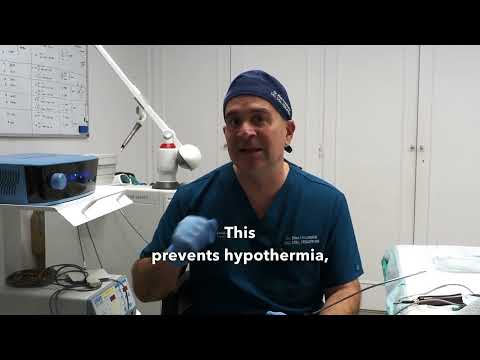
Inside the OR: VASER Liposuction Tools & Techniques with Dr. Ilias Moustakis
Cosmetic/Plastic Surgery
Dr. Elias Moustakis - Plastic Surgery in Greece
Athens, Greece
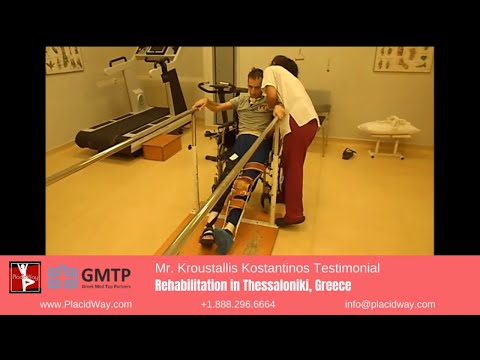
Rehabilitation in Thessaloniki, Greece - Mr. Kroustallis Kostantinos
Rehabilitation
Anagennisi Recovery and Rehabilitation Centre
Thessaloniki, Greece

Stem Cell Therapy for Cerebral Palsy in Thessaloniki, Greece - Arthur Video Testimonial
Neurology
Anagennisi Recovery and Rehabilitation Centre
Thessaloniki, Greece

Leading edge Hair Transplant Surgery at Seneca Medical Group.
Hair Transplantation
Seneca Hair Transplant
Athens,Thessaloniki, Greece
Unlock the Best Packages Just for You
Discover the ultimate packages designed to meet your health and wellness goals. Choose the perfect fit for your journey.

Price starting from $450
Standard Wellbeing Package in Thessaloniki, Greece
PlacidWay Greece Medical Tourism
Athens, Greece
.png)
Price starting from $15,000
Modern Rhinoplasty and Otoplasty Surgery in Greece
PlacidWay Greece Medical Tourism
Athens, Greece

Price starting from $1,200
Healing Boost Package in Thessaloniki, Greece
PlacidWay Greece Medical Tourism
Athens, Greece

Price starting from $5,000
IVF with Egg Donor Treatment Package in Europe
PlacidWay Europe Medical Tourism
, Germany
Transformative Experiences: Dive into Procedure Insights
Discover the power of through compelling patient experiences. Uncover detailed insights into procedures, recovery journeys, and life-changing results.


.png)